15 Animals You Can Technically Keep as Pets in the U.S. (But Probably Shouldn’t)
If I were to keep a rare pet, it’d definitely be a fox, particularly for their bushy tails and mesmerizing eyes. Some people grow up wanting a highly unusual animal companion to share their home. Seeing an exotic creature at a zoo or nature center often sparks a strong desire to bring a similar animal into a domestic living space. Wild animals possess a unique beauty and fascinating behaviors that captivate our attention and imagination.
While the law might permit you to bring certain undomesticated species into your house, legal permission does not automatically translate into a good idea. Many states have surprisingly relaxed regulations regarding exotic pet ownership. Some allow everyday citizens to purchase animals with complex ecological needs.
This article covers a selection of fascinating creatures that are surprisingly legal to own in various parts of the United States. While you will not be arrested for keeping one, some of these wild animals require highly specific diets, vast enclosures, and specialized medical care that average owners simply cannot provide.
1. Hermit Crabs
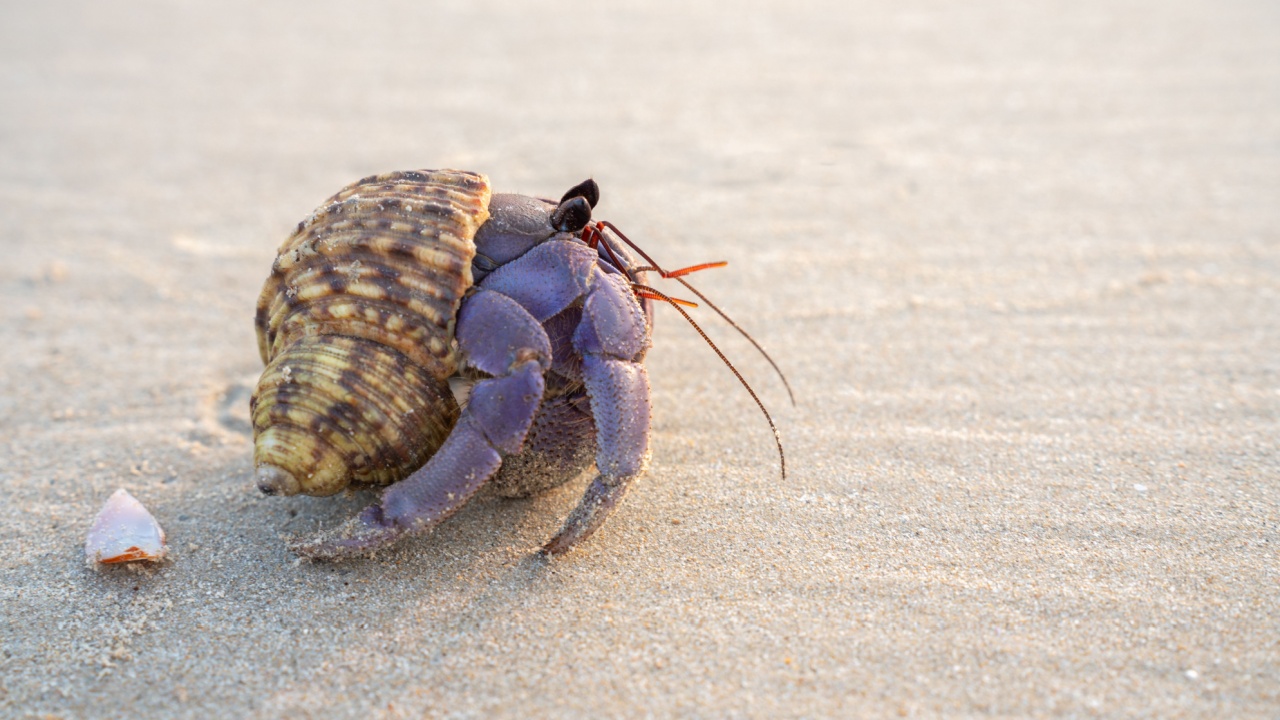
Hermit crabs are sold legally in coastal souvenir shops and pet stores across the country, making them highly accessible to anyone with a few dollars. Local regulations rarely restrict the sale of these small crustaceans, treating them similarly to standard aquarium fish. Their abundance in the pet trade stems from easy collection methods along tropical shorelines and low transportation costs for vendors.
These creatures actually possess complex social needs and require highly specific environmental conditions to survive. In a standard plastic habitat, they suffer from incorrect humidity levels, which leads to slow suffocation because they require moisture to breathe properly. They also need deep sand for molting and a diet far more varied than commercial pellets can offer.
2. Prairie Dogs

Captive-bred prairie dogs are completely legal to own in several states and are often sold by specialized exotic animal breeders. Following a ban imposed years ago due to a monkeypox outbreak, restrictions on domestic breeding operations were eventually lifted. Many people purchase them as pups, drawn to their highly social nature and affectionate behaviors when interacting with human handlers.
These rodents require an immense amount of social interaction and physical space to burrow underground. Keeping a single prairie dog often leads to severe depression and destructive behavior since they naturally live in massive underground colonies with complex family structures. When they reach sexual maturity, they frequently become highly aggressive and territorial toward humans during their breeding season.
3. Eastern Indigo Snakes

If you get a permit, the Eastern Indigo Snake is legal to keep in captivity under specific conditions. These massive, striking reptiles hold a special appeal for experienced snake keepers who appreciate their impressive size and docile nature. Breeders operate legally by maintaining strict documentation to prove their animals were not removed from wild populations.
Reaching lengths of up to eight feet, these heavy-bodied snakes require massive custom enclosures that take up significant physical space in a home. They have extremely fast metabolisms compared to other large snakes, requiring frequent, messy feedings and continuous enclosure cleaning. Their threatened status in the wild means supporting their trade requires extreme caution to avoid accidentally funding illegal poaching operations.
4. Sugar Gliders
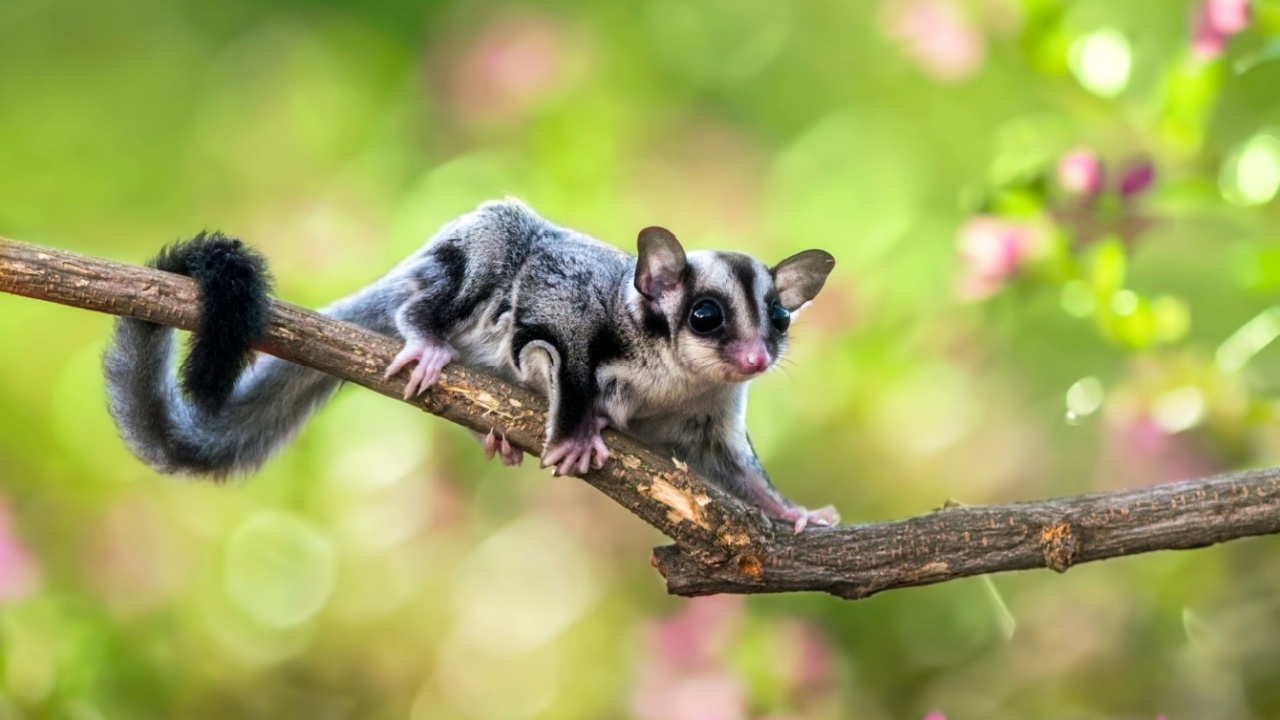
Sugar gliders are legally traded as exotic pets in numerous states, often marketed at trade shows and mall kiosks as ideal pocket pets. Because they breed readily in captivity, the market remains flooded with young gliders available for public purchase. Regulations treat them as standard small mammals in most regions, requiring no special permits for ownership.
These nocturnal marsupials are highly social creatures that suffer immense psychological stress when kept alone. They require a specialized diet of fresh fruits, proteins, and nectar substitutes that is incredibly difficult to balance correctly. Their sharp teeth, loud nighttime vocalizations, and tendency to mark their territory with strong odors make them exceptionally challenging housemates.
5. Ground Squirrels
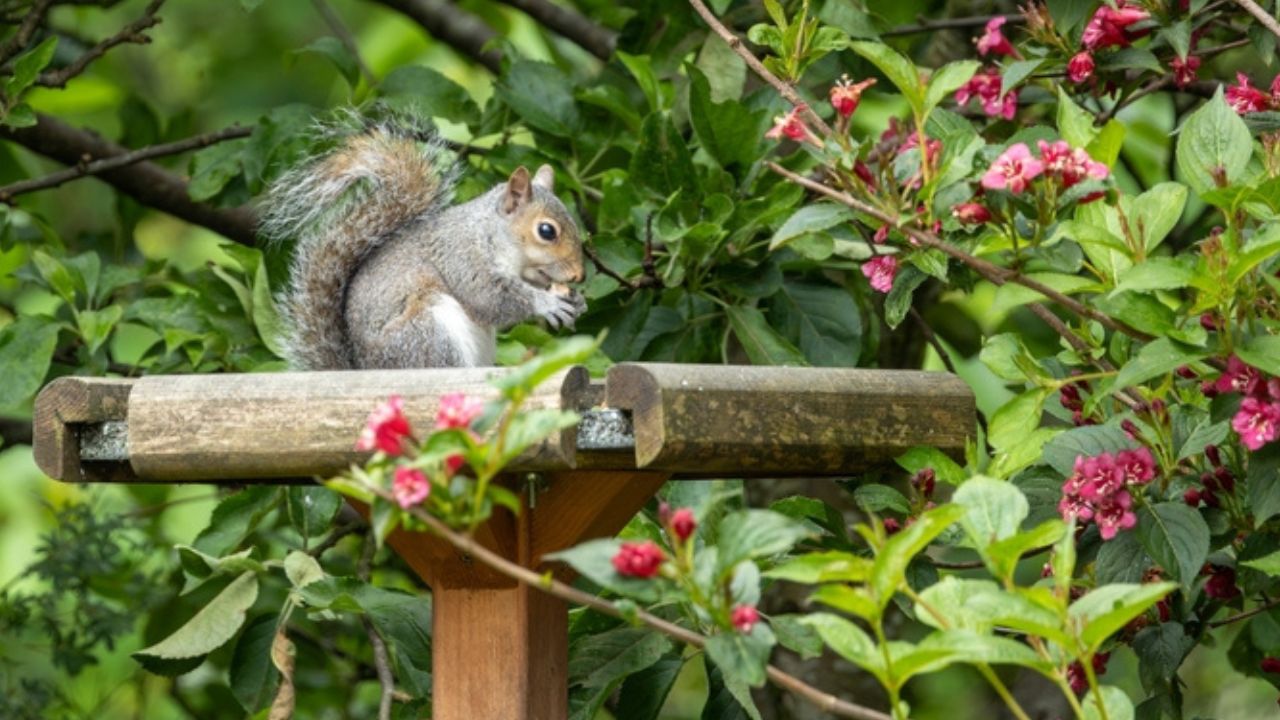
Various species of ground squirrels can be legally obtained from breeders or even captured from the wild in regions lacking strict wildlife protection laws. They are generally categorized as non-game wildlife, making them relatively simple to acquire without navigating complex legal hurdles. People often find juvenile ground squirrels and attempt to raise them indoors as companions.
These active rodents possess incredibly destructive chewing habits that can quickly ruin furniture, baseboards, and dangerous electrical wiring. They have boundless energy that requires massive outdoor enclosures to satisfy their natural urge to run and forage constantly. Furthermore, their sharp claws and unpredictable temperaments make handling them difficult and occasionally painful for inexperienced owners.
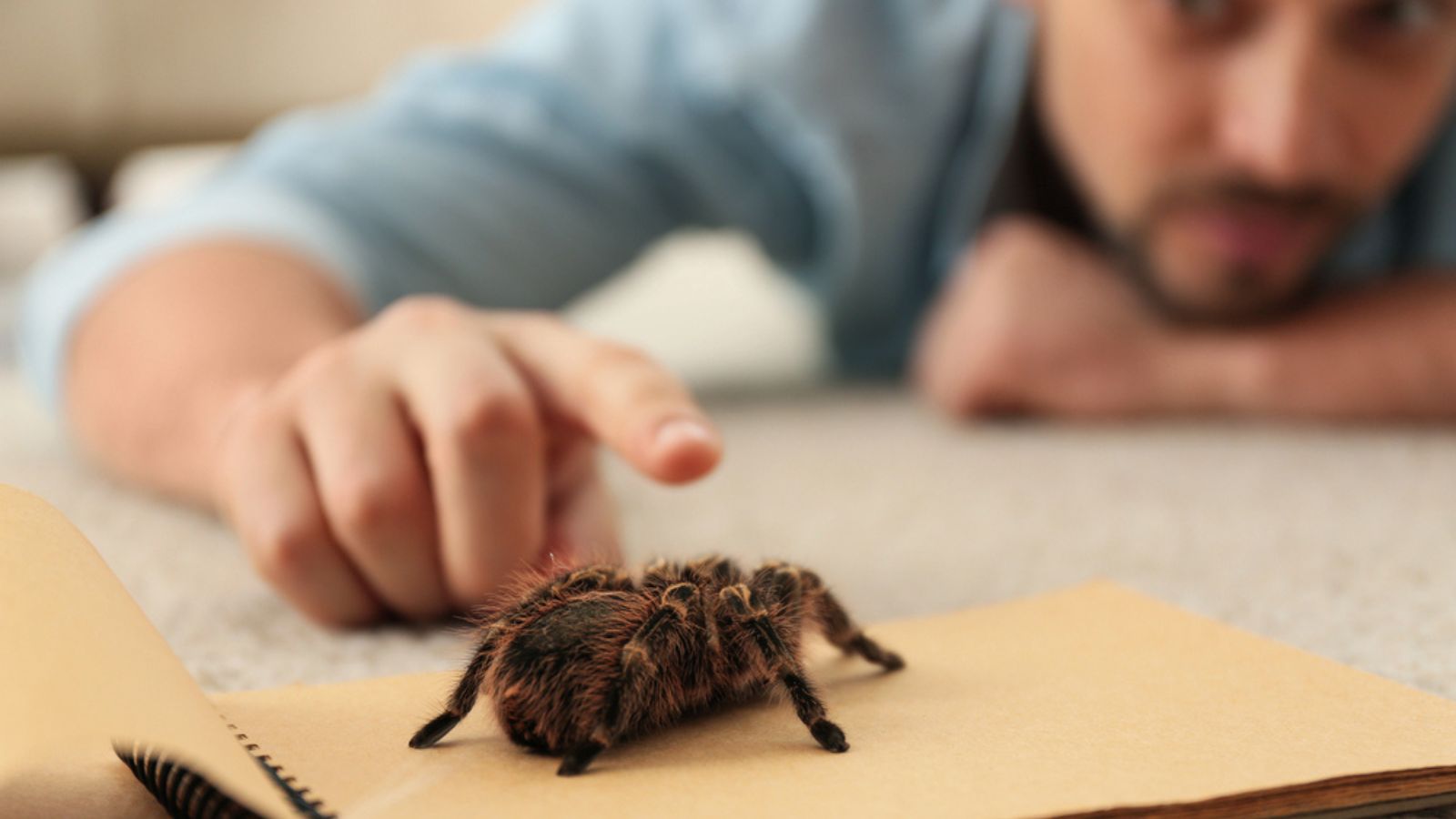
6. Tarantulas
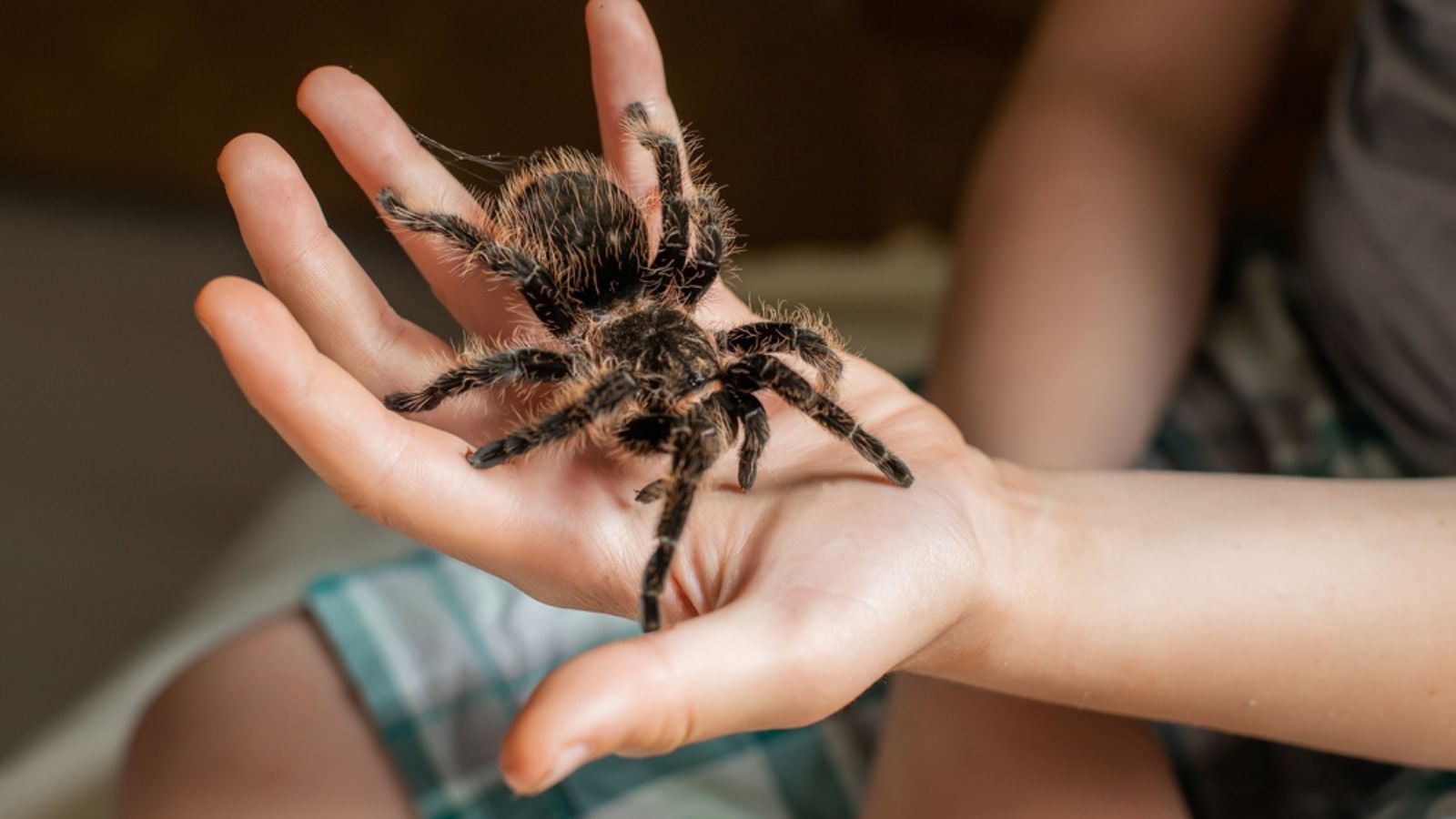
Tarantulas are completely legal and highly popular in the exotic pet trade, available in almost every major pet store chain across the country. They require no permits, and the vast majority of species are imported or bred legally for mass distribution. Collectors appreciate their striking colors and relatively low daily maintenance requirements.
While fascinating to observe, tarantulas are display animals that tolerate handling poorly and can easily die from a short fall. Some species possess potent venom, and many can flick urticating hairs from their abdomens that cause severe skin irritation or eye damage. Providing the precise humidity and temperature gradients required for successful molting often proves much harder than novice keepers anticipate.
7. Box Turtles
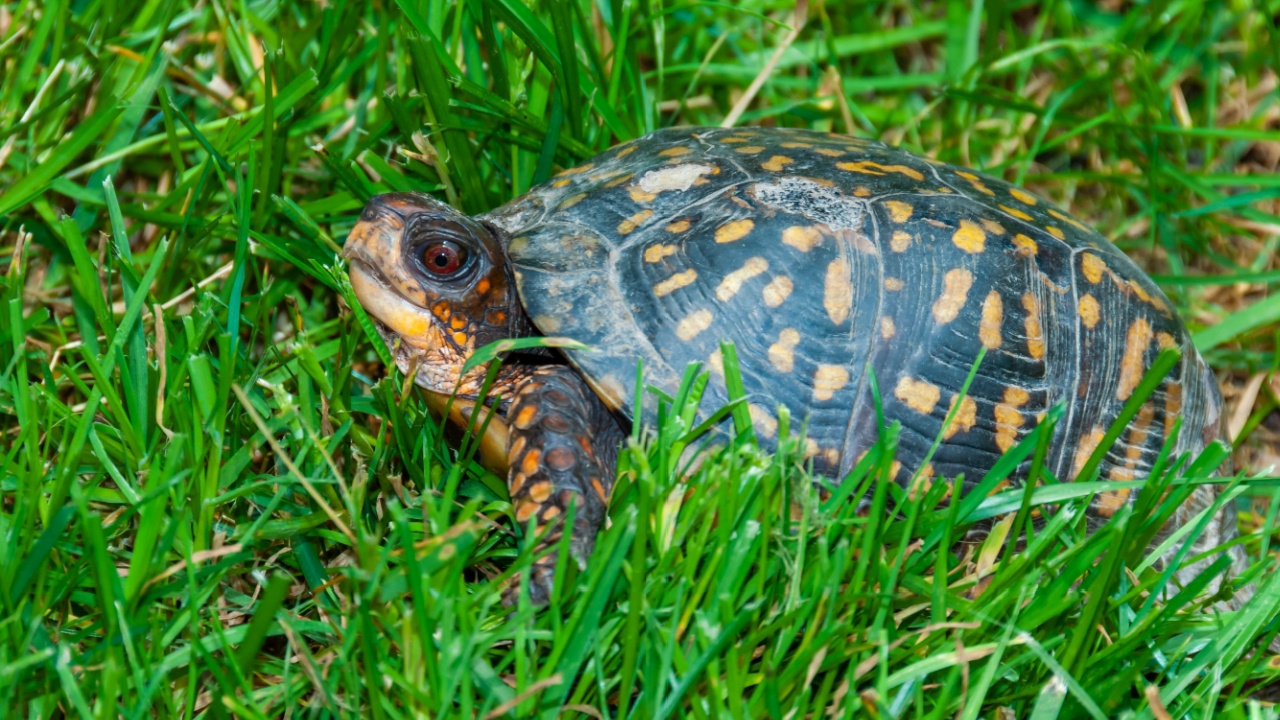
Many states allow the legal possession of captive-bred box turtles, recognizing them as traditional reptilian pets. Pet stores and specialized breeders sell them to families seeking a slow-moving, long-lived companion for their children. Legal protections mostly focus on preventing the harvesting of wild populations rather than restricting domestic ownership.
Box turtles require intricate, expansive outdoor enclosures with specific soil compositions, moisture levels, and varied vegetation to thrive. They have highly specific dietary needs, requiring a complex mix of live insects, fresh greens, and specific vitamins to prevent severe bone deformities. Because they can live for several decades, taking one on is a lifelong commitment that most families are completely unprepared to fulfill.
8. Green Iguanas
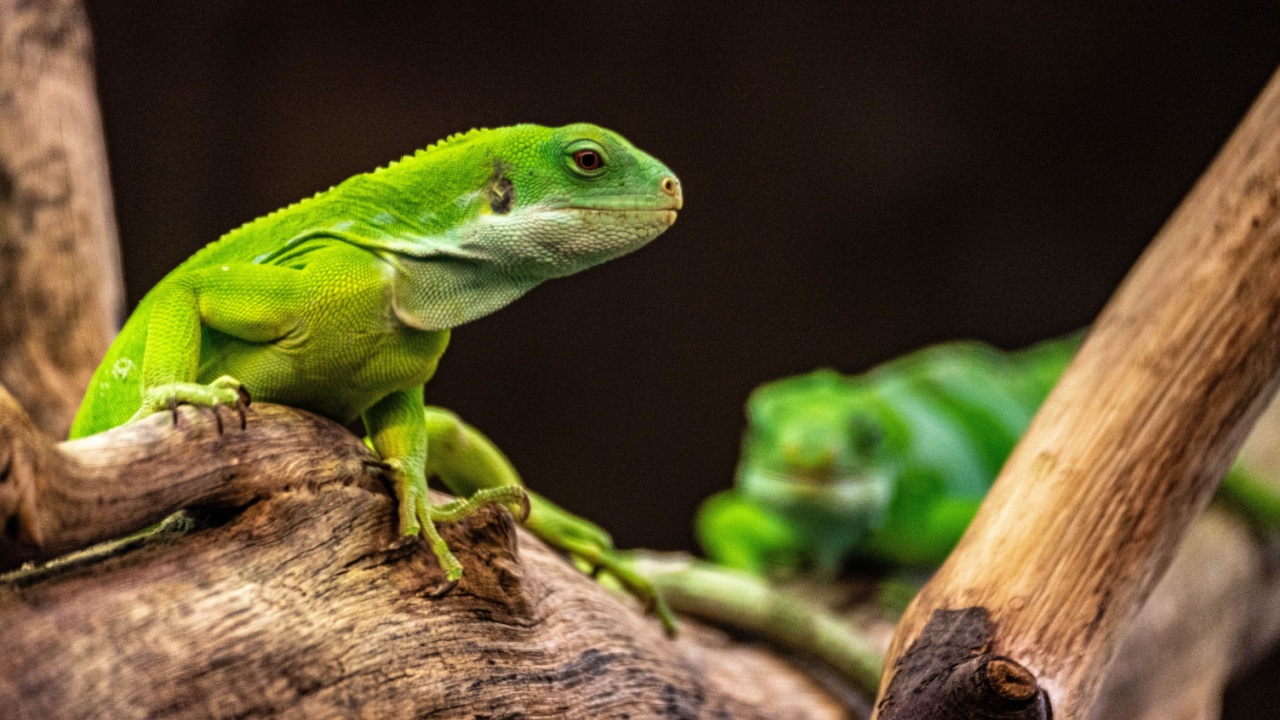
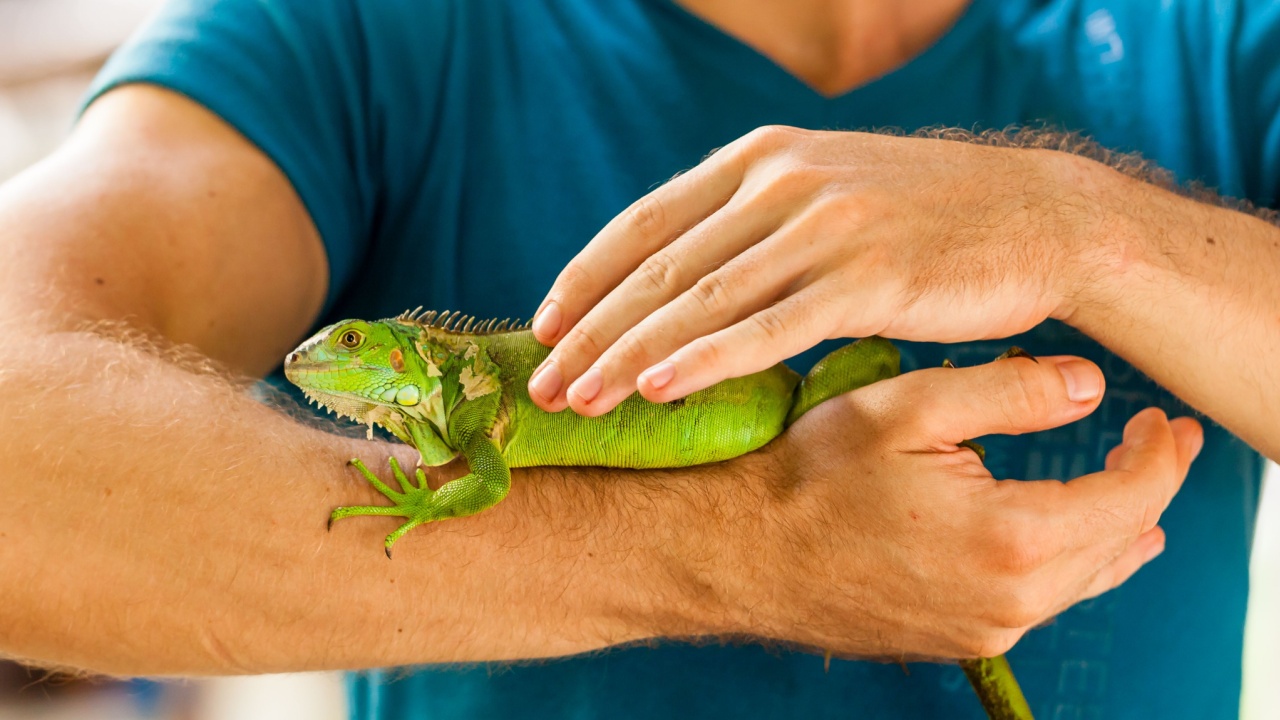
Green iguanas are legally imported and bred in massive numbers, filling pet stores with bright green, inexpensive hatchlings. For decades, they have been sold without restriction to anyone interested in a miniature dinosaur for their bedroom. Most municipalities categorize them alongside basic reptiles, requiring zero specialized licensing for the buyer.
These tiny green lizards rapidly grow into six-foot-long, powerful reptiles equipped with whip-like tails and razor-sharp teeth. They require massive custom-built enclosures, expensive ultraviolet lighting setups, and a constantly fresh, highly varied vegetarian diet to prevent metabolic bone disease. Adult males frequently become highly aggressive and territorial, posing a genuine physical danger to their handlers.
9. Red Foxes
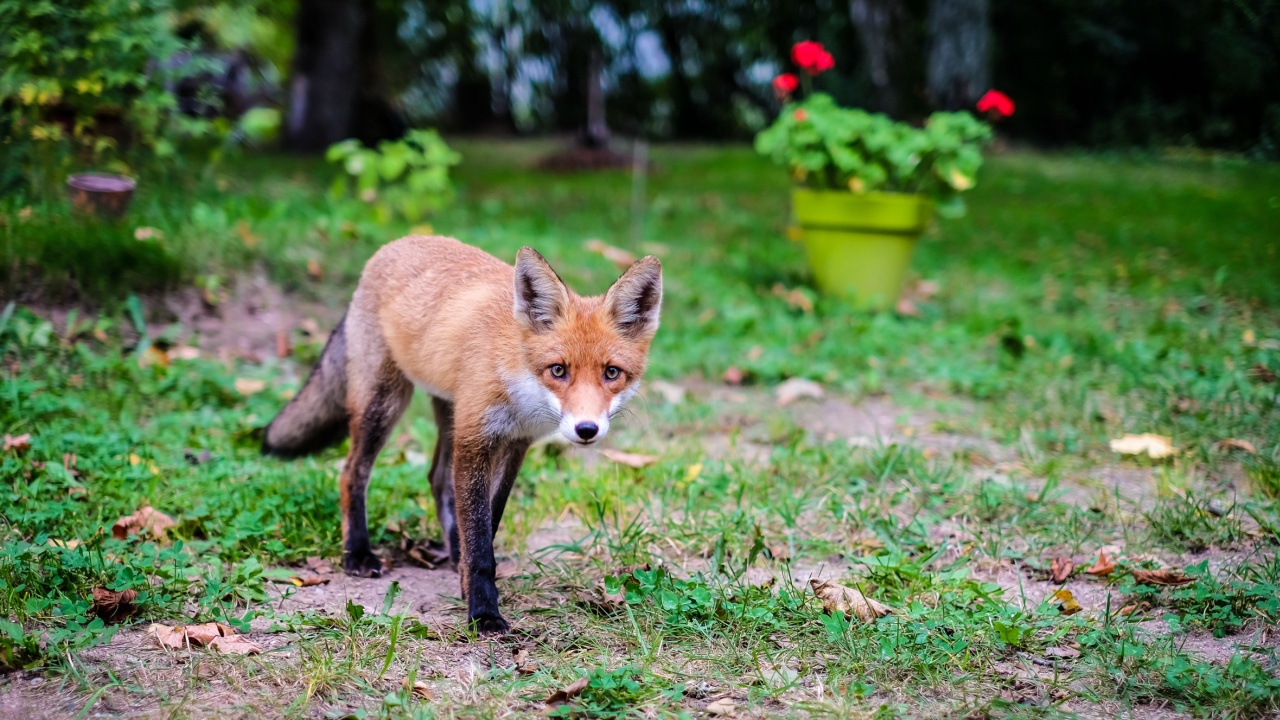
Certain domesticated or captive-bred strains of red foxes are legal to own in states that explicitly permit private fox ownership. Specialized breeders produce foxes in various color mutations, selling them for thousands of dollars to exotic animal enthusiasts. If you live in a state with favorable exotic pet laws, obtaining a captive-bred fox is surprisingly accessible.
Foxes retain intense wild instincts that make them remarkably destructive indoors, often destroying carpets and furniture in their attempts to dig. They possess a notoriously strong, skunk-like odor that cannot be removed, making indoor housing extremely unpleasant. Their high energy levels and specialized dietary requirements mean they need massive, highly secure outdoor enclosures that most suburban yards simply cannot accommodate.
10. Raccoons

A surprising number of states allow residents to keep pet raccoons, provided they are purchased from a USDA-licensed breeder rather than taken from the forest. These intelligent mammals are legally traded and highly sought after by individuals who want a uniquely clever, dog-like companion. In areas where they are legal, owners simply need to provide basic veterinary care and appropriate housing.
Raccoons possess incredible manual dexterity and can open cabinets, refrigerators, and doors, causing absolute chaos inside a human home. Once they reach sexual maturity, they typically become highly aggressive, unpredictable, and prone to severe biting incidents. Finding a qualified exotic veterinarian willing to treat a raccoon is incredibly difficult, and they frequently carry zoonotic diseases.
11. Fennec Foxes
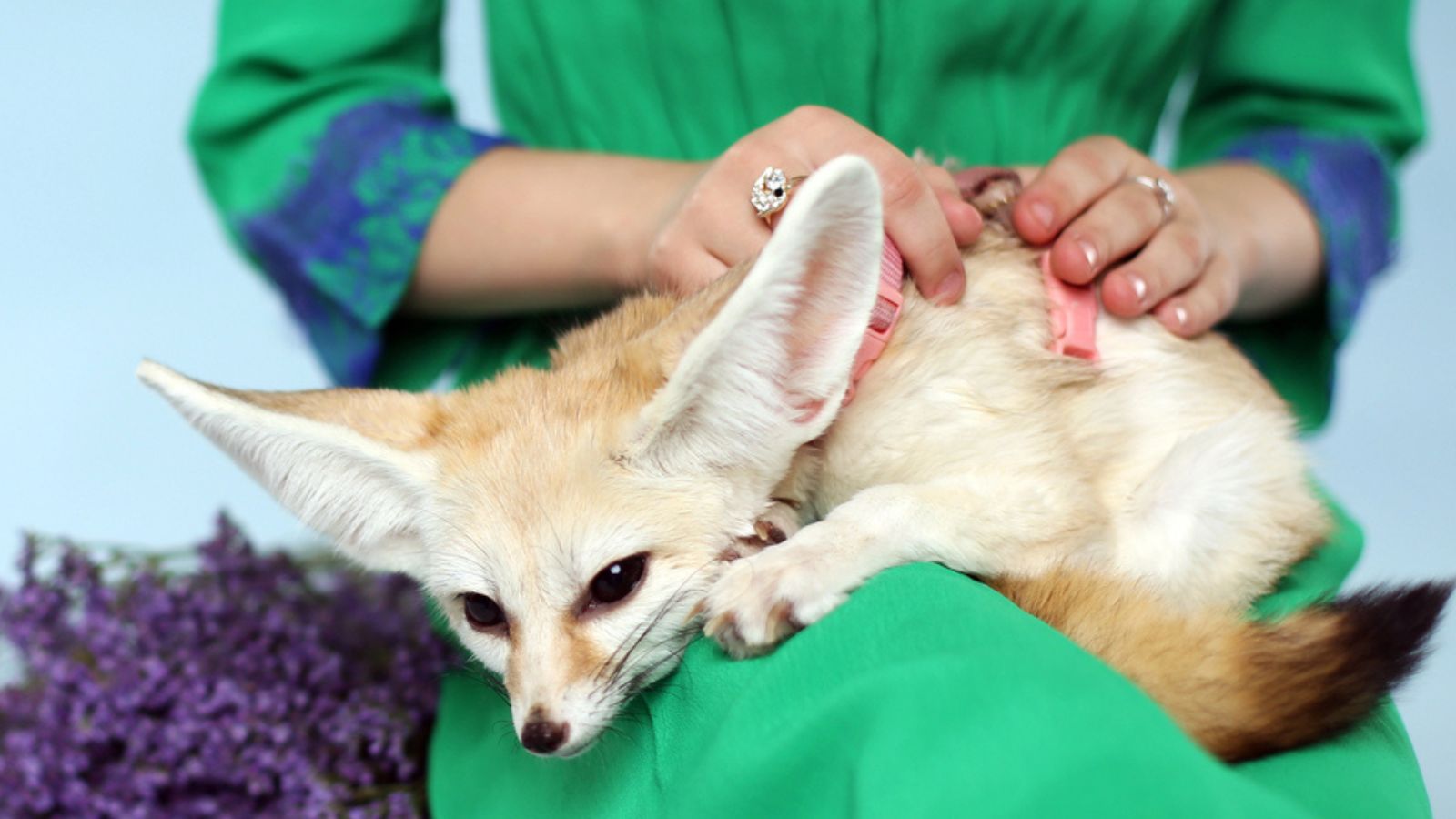
Fennec foxes are legally recognized as exotic pets in many regions and are primarily supplied by a small network of dedicated private breeders. Their massive ears and tiny size make them highly desirable, and their legal status is often less restricted than that of larger native fox species. Buyers can legally transport them across many state lines with basic health certificates.
These desert animals possess boundless energy and an instinct to dig constantly, easily ruining floors and escaping from standard enclosures. They are nocturnal and incredibly vocal, emitting loud, piercing shrieks throughout the night that easily disrupt human sleep. Their complex dietary needs require a careful balance of insects, meats, and specific vegetables to maintain their health.
12. Bobwhite Quail
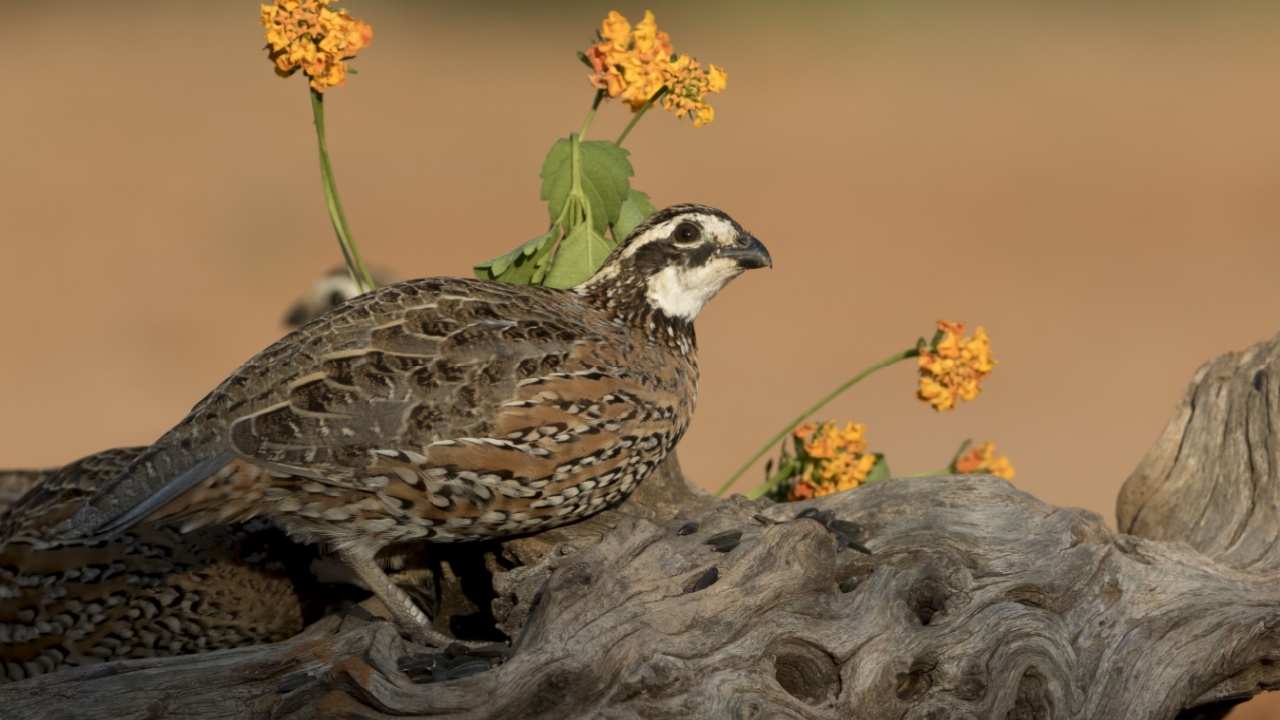
Bobwhite quail are legally sold by agricultural suppliers and hatcheries to almost anyone interested in raising game birds. They are entirely legal to keep in suburban backyards in many municipalities that permit basic poultry keeping. People often purchase them for their pleasant calls and their ability to consume large numbers of yard pests.
These birds are incredibly flighty and prone to panic, often injuring themselves by flying directly into the walls of standard cages. They require highly specialized aviaries with soft roofing materials to prevent fatal head injuries when they flush upward in fear. Maintaining a proper flock dynamic requires perfectly balancing male and female ratios to prevent severe aggression and chronic stress.
13. Snapping Turtles
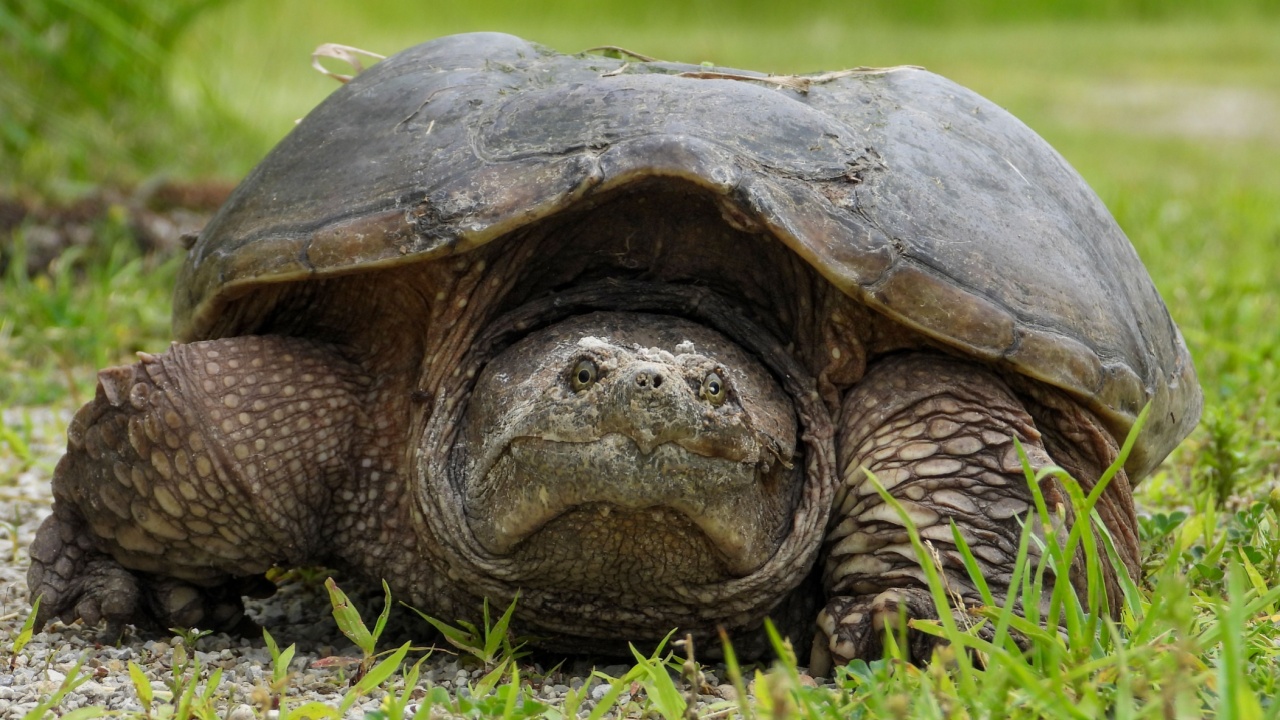
Baby snapping turtles are legally sold at reptile expos and by online vendors to collectors fascinated by large, prehistoric-looking aquatic reptiles. In many states, keeping a captive-bred snapping turtle requires no special permits, as long as it meets minimum size requirements at the time of sale. They are incredibly hardy, which makes them appealing to novice aquatic keepers.
These turtles grow to massive sizes and possess incredibly powerful jaws capable of amputating human fingers. They produce an immense amount of biological waste, requiring industrial-grade filtration systems and frequent, laborious water changes. Handling an adult snapping turtle is inherently dangerous, making basic tank maintenance a stressful and physically demanding task.
14. Quaker Parrots
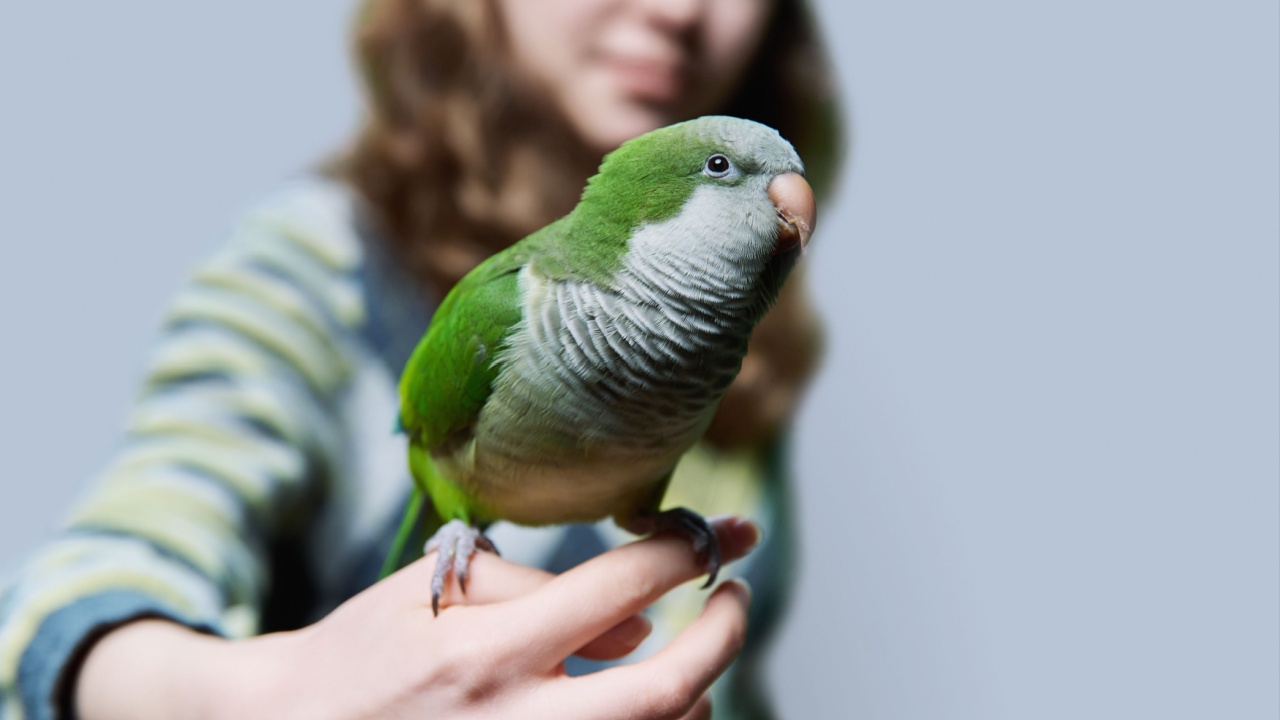
Quaker parrots are widely available and legally sold in numerous states through standard pet retailers and avian breeders. They are highly intelligent, capable of learning extensive vocabularies, and form strong bonds with their human caretakers. In areas where they are permitted, they represent a popular choice for families seeking an interactive avian companion.
These birds are illegal in some states because escaped pets form massive feral colonies that severely damage agricultural crops and power lines. They are incredibly loud, producing piercing screeches that can easily strain relationships with close neighbors. Furthermore, they require massive cages, constant mental stimulation, and a highly varied diet to prevent severe behavioral problems like feather plucking.
15. Capybaras

Capybaras are legal to own in certain states that do not heavily restrict large exotic rodents or semi-aquatic mammals. They are sometimes purchased from specialty breeders by people who have large properties and a strong desire for an oversized, seemingly gentle pet. Providing you check local zoning laws, bringing one home is technically possible.
These massive rodents require access to large bodies of water for swimming, defecating, and regulating their body temperature. They are highly social herd animals that suffer immensely when kept completely alone without other capybaras for companionship. Their enormous teeth continue growing throughout their lives, requiring them to constantly chew on large branches and logs, which can quickly translate to property destruction.
Admire, Don’t Acquire
A wild animal retains its natural instincts and complex ecological requirements regardless of its legal status in your specific location. While the law might grant you permission to bring an exotic creature home, it cannot alter the fundamental biology that makes domestic life highly stressful for these species. Providing adequate space, specific nutrition, and appropriate social structures for non-domesticated animals usually falls far outside the capabilities of an average household.
We strongly encourage everyone to carefully research the genuine needs of any animal before deciding to take on the responsibility of ownership. Choosing to admire wild creatures in their natural habitats or supporting professional conservation facilities often represents the most compassionate choice.
Read More: