5 “Set It and Forget It” Houseplants That Keep Your Home Feeling Fresh
After a long winter and rainy spring, even the brightest home can feel a little tired. Summer invites us to lighten, declutter, and breathe new life into our spaces. Few home updates leave you feeling refreshed as immediately as adding fresh greenery.
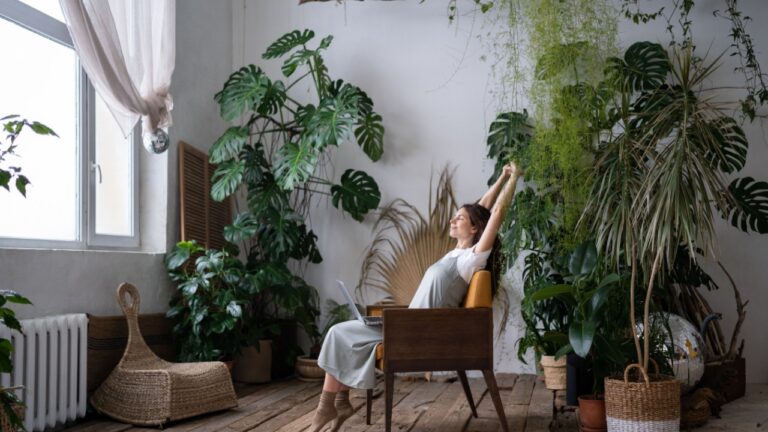
Interior designers often point to biophilic design as the key to what makes a house a home, which is the idea that connecting with nature improves well-being. This isn’t just a design trend, either. Homes filled with plants tend to feel more lived-in and cared for, the kind of space that makes both you and your guests want to linger a little longer.
A study in the International Journal of Environmental Research and Public Health suggests that indoor plants can reduce stress, improve focus, and even support air quality. The right plants don’t just decorate a room; they subtly change how it feels. A leafy corner can turn an overlooked spot into a favorite reading nook, and a bit of greenery on a kitchen windowsill can make morning coffee feel a little more grounding.
The best part is that you don’t need a green thumb or a big budget to get started. Many of the most impactful houseplants are also the most forgiving, thriving on a little neglect and minimal care.
As a Master Gardener, here are 5 of my favorite options for giving your home a fresh boost any time of the year.
1. Snake Plant: The Nearly Foolproof Air Refresher
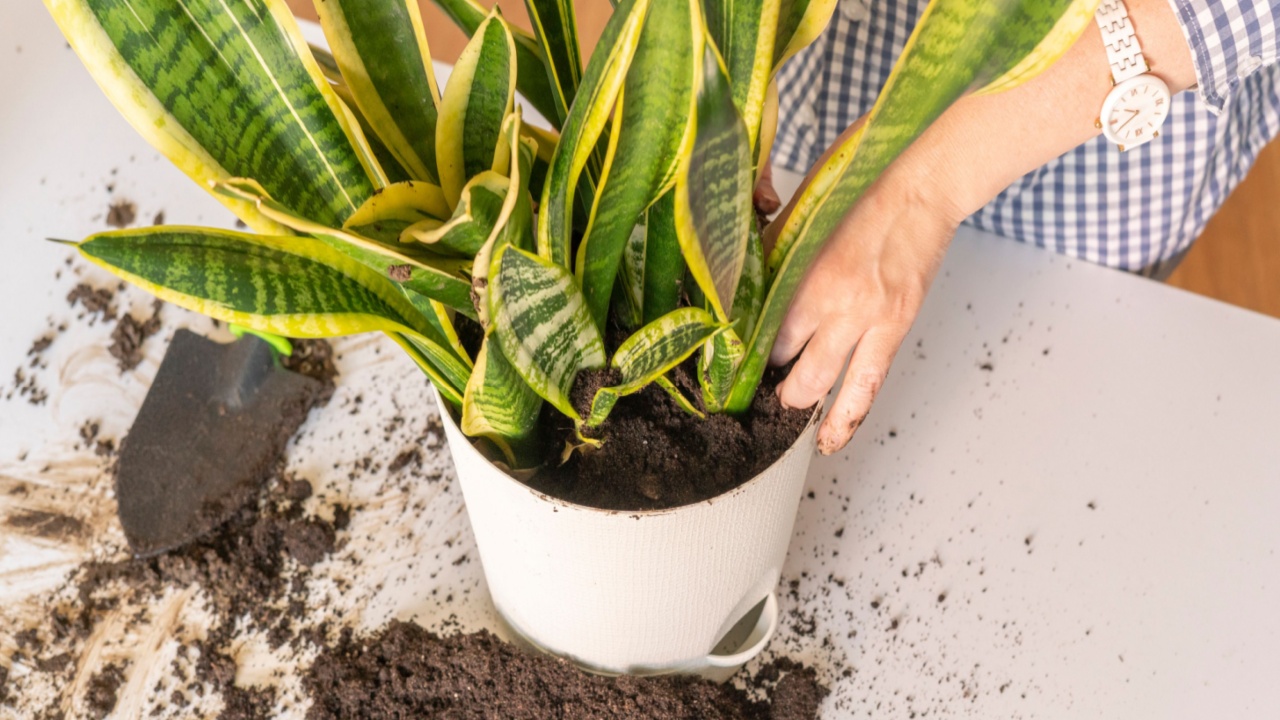
The Snake Plant (Sansevieria) is beloved for good reason. It’s famous for its resilience and thrives with minimal care, tolerating low light and dry air, and only needs watering when the soil is fully dry. Its tall, upright leaves come in a range of varieties, from the classic dark green with golden edges to silvery-blue and cylindrical forms, so there’s a style to suit almost any room. Beyond looks, it is also one of the best natural air purifiers, filtering common indoor toxins like formaldehyde and benzene while releasing oxygen at night, making it an especially smart choice for bedrooms.
If you travel frequently or tend to overwater, a snake plant is your safest bet. It actually prefers a little neglect, and overwatering is one of the few ways to harm it. Think of it as spring’s low-effort upgrade — a plant that rewards you with striking structure and cleaner air while asking for almost nothing in return.
2. ZZ Plant: Perfect for Busy Schedules

The ZZ Plant is often described as almost indestructible. It adapts to low or bright indirect light easily and can go weeks without watering, storing moisture in its thick, potato-like rhizomes beneath the soil. Its glossy, dark green leaves have a naturally waxy sheen that makes it look freshly polished without any effort on your part.
For apartment dwellers with limited windows, this plant remains healthy and happy; it’s one of the rare houseplants that genuinely thrives in dim corners where others would struggle. It’s also a slow grower, which means it holds its shape for months without needing pruning or repotting, and it rarely attracts pests.
If you want something a little more dramatic, look for the “Raven” variety, which unfurls bright lime-green leaves that gradually deepen to an almost black purple. Place your ZZ Plant on a bookshelf or bedside table and let it quietly do its thing; it asks for so little that you might occasionally forget it’s even there, and it won’t hold that against you.
3. Peace Lily: Elegant and Air-Purifying
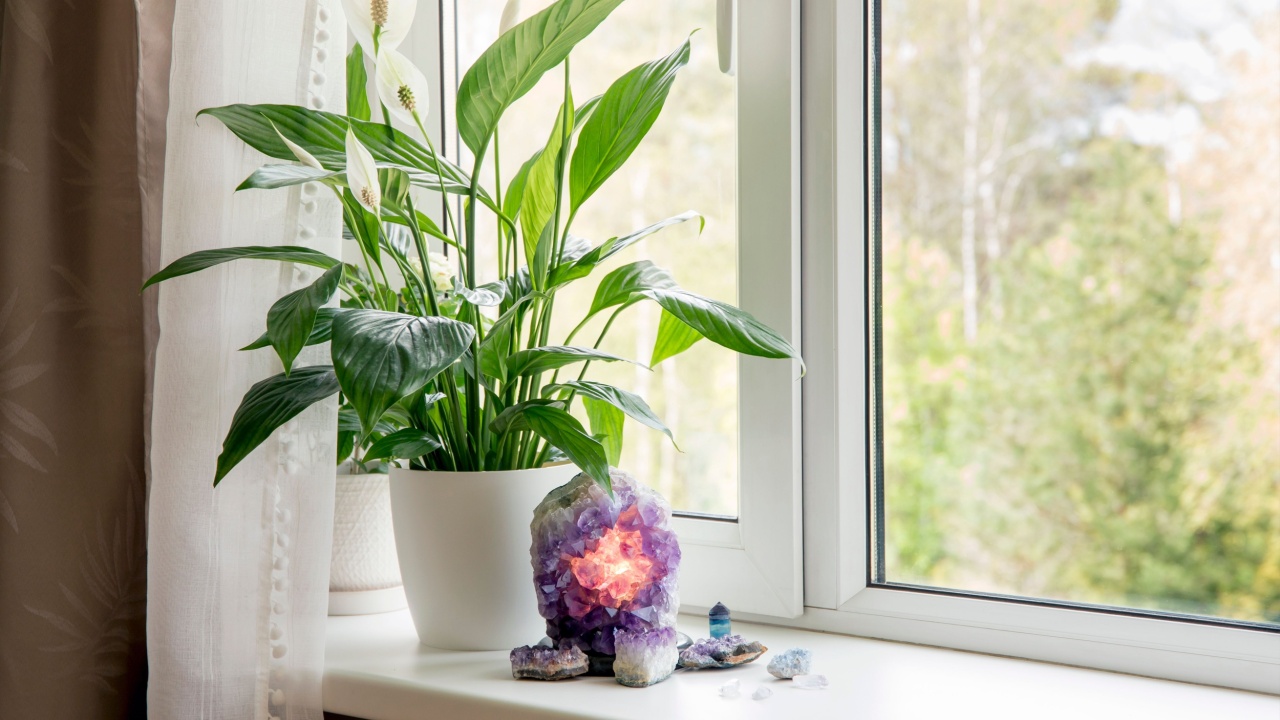
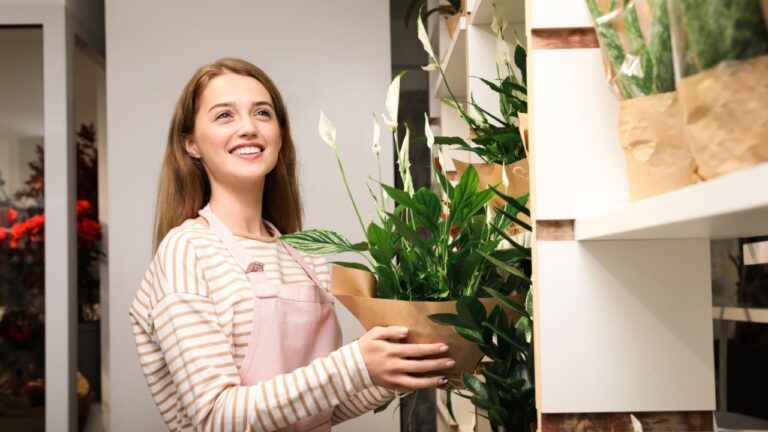
For something softer, the Peace Lily delivers graceful white blooms and forgiving care. It’s widely praised for its air-purifying qualities and adaptability, ranking among NASA’s top picks for filtering indoor pollutants like ammonia, trichloroethylene, and formaldehyde. Its deep green, arching leaves add a lush tropical feel to any space, and it does well in bathrooms and kitchens where the extra humidity mimics its native rainforest habitat.
Keep it in bright, indirect light and soil that stays lightly moist. If you forget to water it, the Peace Lily will let you know by dramatically drooping its leaves, only to perk right back up within hours of a good drink. It’s one of the most communicative houseplants you can own, which makes it a great choice for beginners still learning to read their plants’ needs.
Peace Lilies are one of the few houseplants that can bloom indoors year-round, making it feel especially springlike, even when there is still snow on the ground. Just keep in mind that they’re mildly toxic to cats and dogs if ingested, so place them on a high shelf or in a room your pets don’t frequent.
4. Pothos: The Cascading Classic

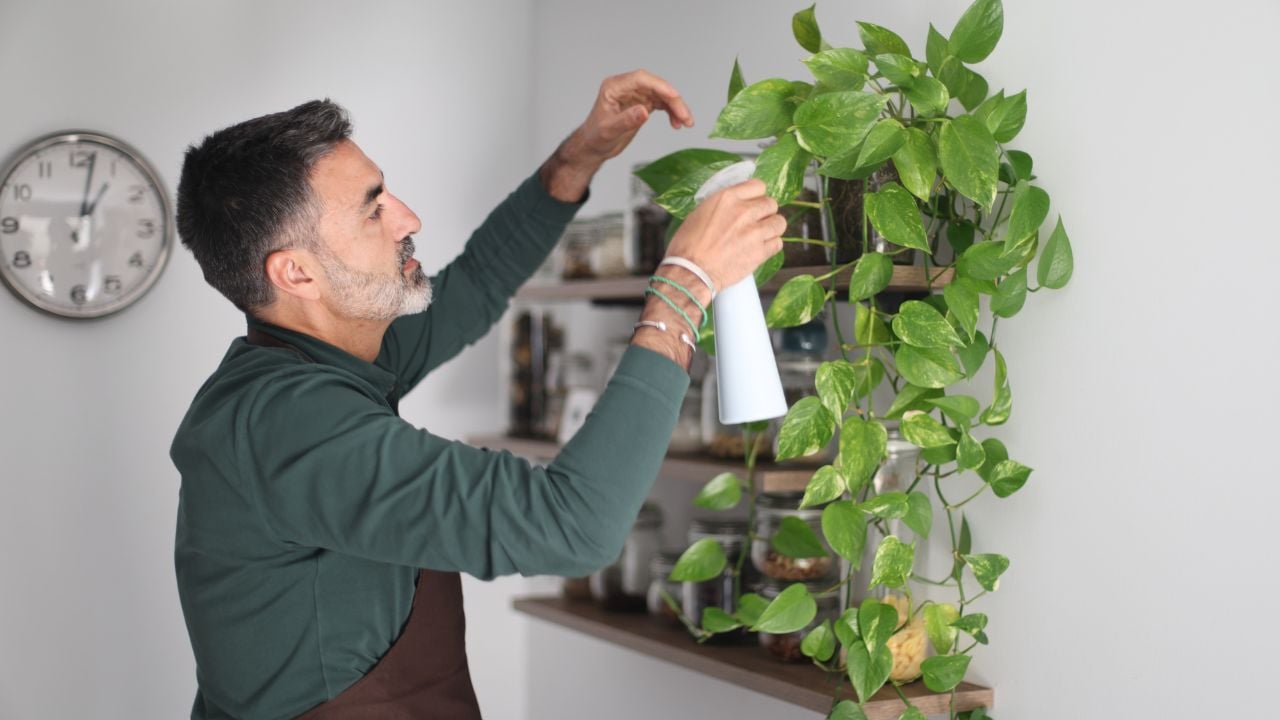
Pothos is a design favorite because it grows almost anywhere, thriving in various lighting conditions from bright indirect sun to fluorescent office light, and trailing beautifully from shelves, mantels, and hanging planters. Its heart-shaped leaves come in a surprising range of patterns: the classic Golden Pothos features green and yellow marbling, while varieties like Marble Queen, Neon, and Cebu Blue offer everything from creamy white variegation to an electric chartreuse to subtle silvery blue. It’s also wonderfully versatile in how you display it; let it cascade down from a high shelf, train it along a wall with small hooks, or grow it up a moss pole for larger, more dramatic leaves.
Let the soil dry between waterings and trim vines to encourage fullness; a leggy Pothos just needs a quick haircut to come back bushier and more lush. It’s also remarkably tolerant of the occasional missed watering, bouncing back from a wilt with little fuss.
Bonus: Pothos are easy to propagate, so one plant can quickly become several. Just snip a cutting below a node, place it in a jar of water, and watch roots appear within a week or two. It’s the perfect gift for family or friends, and there’s something especially satisfying about handing someone a thriving plant you grew from nothing more than a trimmed vine.
5. Fiddle Leaf Fig: A Sculptural Statement

If you want impact, the Fiddle Leaf Fig is a bold statement piece. Its large, violin-shaped glossy leaves anchor corners and brighten rooms with filtered spring sunlight, lending an architectural quality that few other houseplants can match. It’s the kind of plant that makes a room feel designed; a single well-placed Fiddle Leaf Fig can transform a bare corner into a focal point.
Water when the top inch of soil is dry and rotate occasionally for even growth, as it will lean toward its light source over time. It does ask for a bit more attention than the other plants on this list: it prefers consistent conditions and can drop leaves if moved around too often or exposed to cold drafts. Find it a bright spot away from vents and doorways, and try to keep its routine steady with the same watering schedule. Once it settles in, though, it rewards your patience with stunning new growth, each leaf unfurling from a reddish-brown sheath at the top of the trunk. Wipe the leaves down with a damp cloth every few weeks to keep them glossy and help the plant absorb more light.
For smaller spaces, consider a compact palm like a Parlor Palm or Majesty Palm instead of a Fiddle Leaf Fig to still add a statement piece that is a better fit for your space — they offer that same lush, sculptural presence without demanding quite as much room or sunlight.
Keep Care Simple
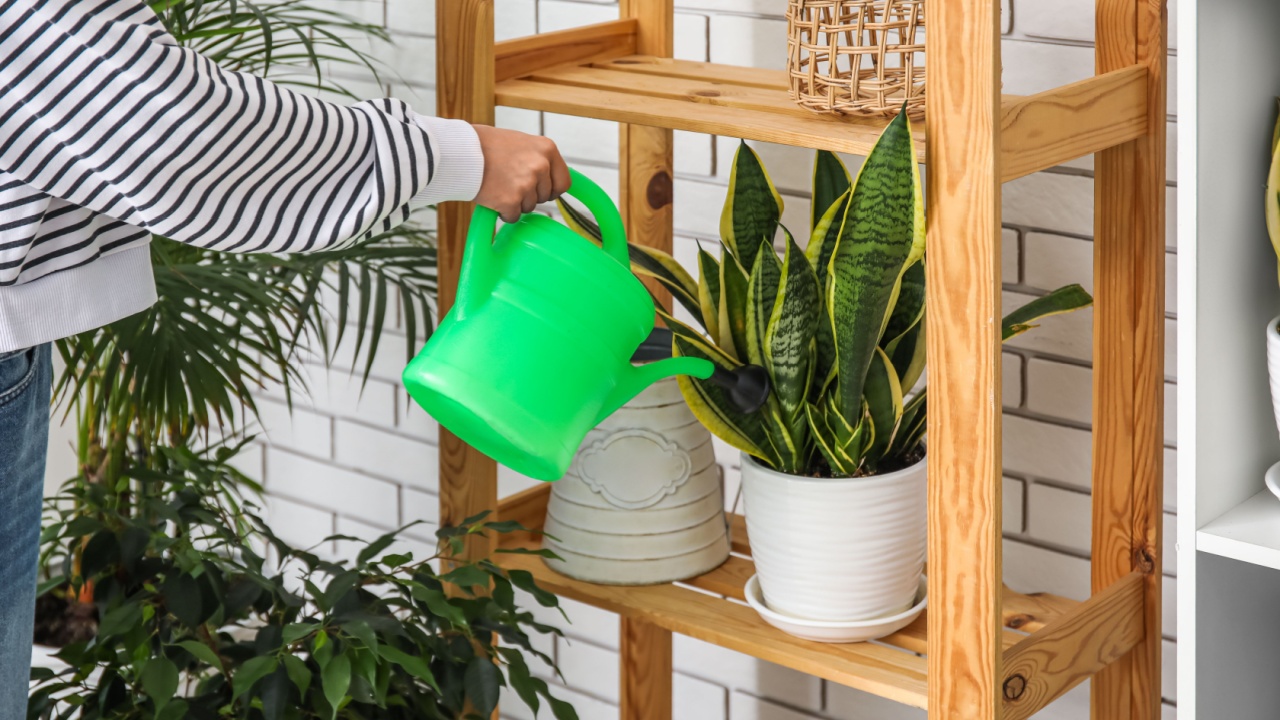
Gradually adjust watering of your houseplants to the seasons, but resist the urge to overdo it. Rotate plants every few weeks, wipe leaves clean, and repot only if roots are crowded. Small habits like these go a long way. Even five minutes of care once a week can keep your plants thriving without turning into a chore.
You don’t need a jungle to feel refreshed. Start with one or two resilient plants, place them intentionally, and let spring unfold naturally indoors. Over time, you may find yourself adding one more, then another, until your home feels layered and alive without ever feeling overwhelming. That’s the quiet magic of houseplants: they don’t just fill a room, they change how it feels to walk into it.
Read More
Washing Your Lettuce Won’t Remove Cyclosporiasis, But Growing Your Own Will
Your Grandmother Stored These 8 Foods All Winter Without Canning a Single Jar