12 Failed Restaurant Chains That We’re Glad Went Away
Eating out isn’t just about grabbing a meal; it’s about the vibe, the convenience, and sometimes even a little nostalgia. But not every restaurant chain can keep up with what people want. Some quietly fade away, while others go out with a bang, leaving stories behind that remind us how tough it is to survive in the restaurant world. Staying relevant and earning trust is everything.
Did you know restaurant closures aren’t as rare as we might think? The whole “90% fail in their first year” stat isn’t true, but the real numbers still hit hard: around 14–30% close in their first year, and nearly 50% shut down within five years. Only about a third make it past a decade. Between tight margins, rising costs, and changing customer expectations, even big-name chains struggle to stick around.
Chains that fail to adapt, whether it’s holding on to outdated menus or ignoring cultural shifts, often don’t make it. Let’s take a look back at 12 restaurant chains that once thrived across America but eventually disappeared, and see what lessons their stories leave for the future of dining.
1. Chi-Chi’s
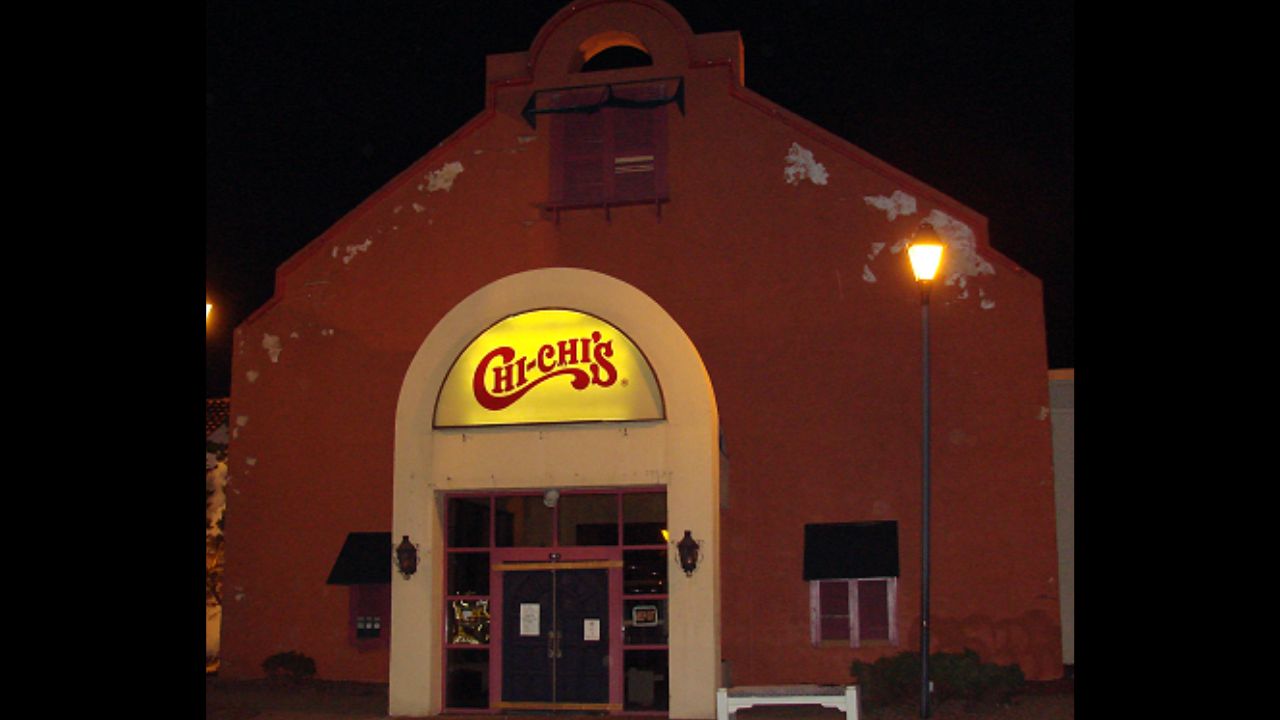
In the 1980s and 90s, Chi-Chi’s was the go-to spot for what many considered “exotic” Mexican food. But its reputation was destroyed after a hepatitis A outbreak in 2003. Combined with growing competition from more authentic Mexican restaurants, this event sealed its fate. The story of Chi-Chi’s is a powerful reminder that trust is everything in the food industry. A single safety breach can erase decades of success.
For people dining out, it shows that checking health inspection records can be just as important as reading the menu. For restaurant owners, the lesson is clear. Food safety isn’t just a requirement to fulfill; it’s the key to staying in business. Chi-Chi’s proves that while a good vibe and tasty food can attract customers, only consistent care and safety will keep them returning.
2. Steak and Ale

Steak and Ale was the OG of casual dining back in the 1960s, serving up affordable steak dinners in a cozy, Tudor-style vibe. But by 2008, it filed for bankruptcy during the financial crisis when people tightened their wallets and skipped dining out.
The bigger problem? Steak and Ale didn’t keep up with the times. While competitors were sprucing up their menus and interiors, Steak and Ale stayed stuck in a time warp. In the restaurant game, nostalgia might bring back memories, but it won’t keep the lights on. If you don’t evolve, you dissolve.
3. Bennigan’s
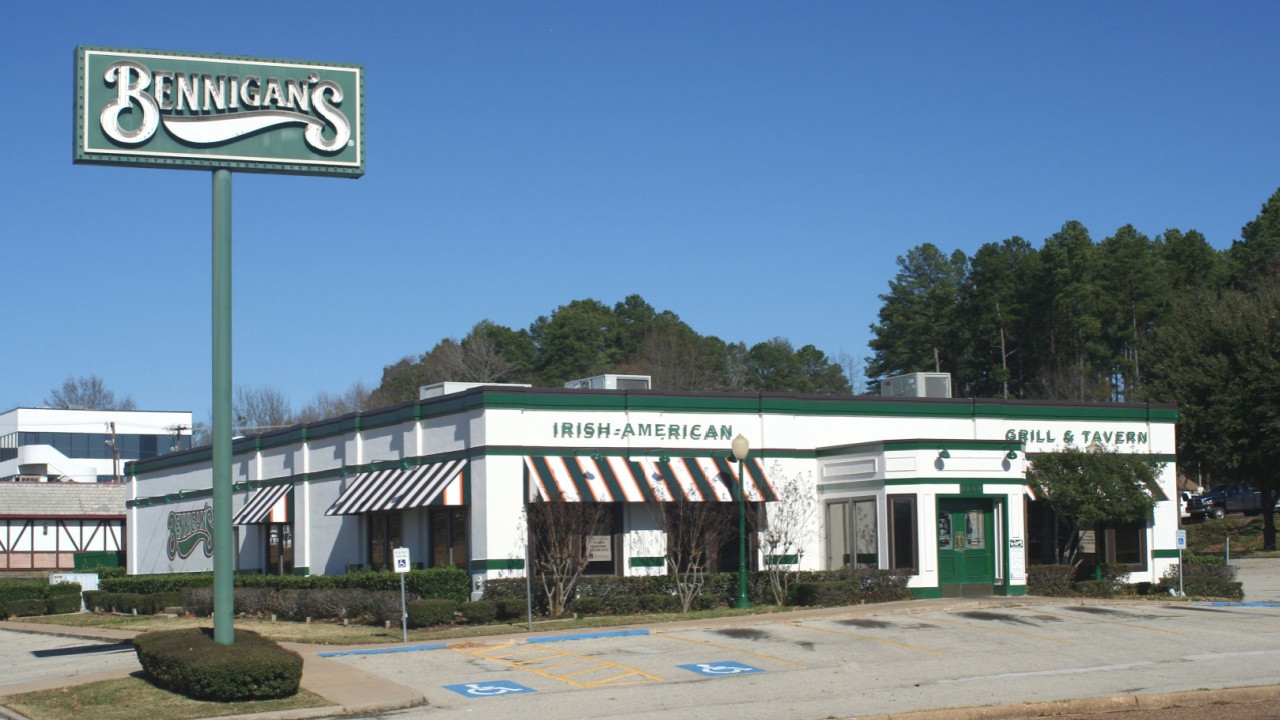
Bennigan’s was loved for its Irish pub-style food and that legendary Monte Cristo sandwich. It grew fast in the 90s but eventually went bankrupt, turns out overexpansion and too much debt can sink even a popular brand.
Bennigan’s rise and fall are a reminder that growing too fast without the right systems in place can backfire big time. Sometimes, steady and controlled growth beats going all-in too quickly.
4. Howard Johnson’s
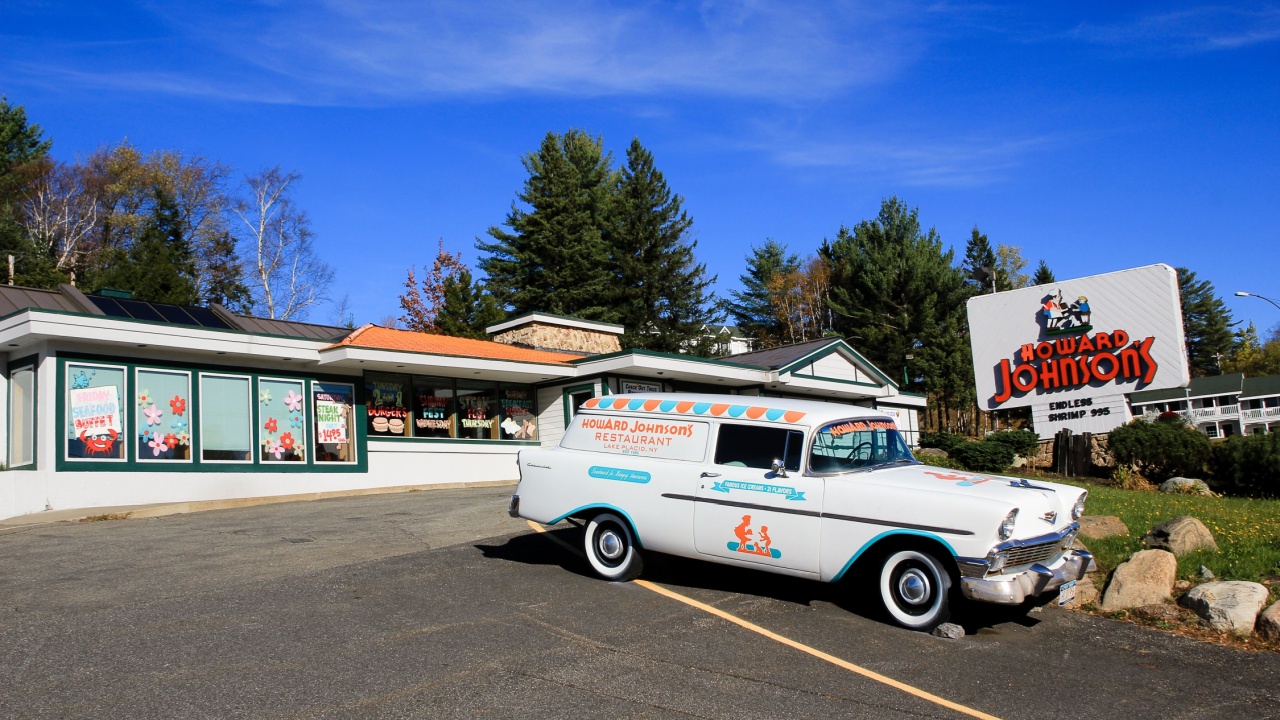
Once the largest restaurant chain in the U.S., Howard Johnson’s was a roadside staple famous for its orange roofs and ice cream. But as highway dining evolved, HoJo’s failed to keep up. Today’s travelers want quick service, healthier food, and digital convenience, things chains like Starbucks and Panera deliver.
Mismanagement and neglect also contributed to its downfall, causing brand quality and consistency to crumble. Franchisees couldn’t maintain standards, and by the 2000s, only a few locations were left. Now, the chain is practically extinct.
5. Sambo’s
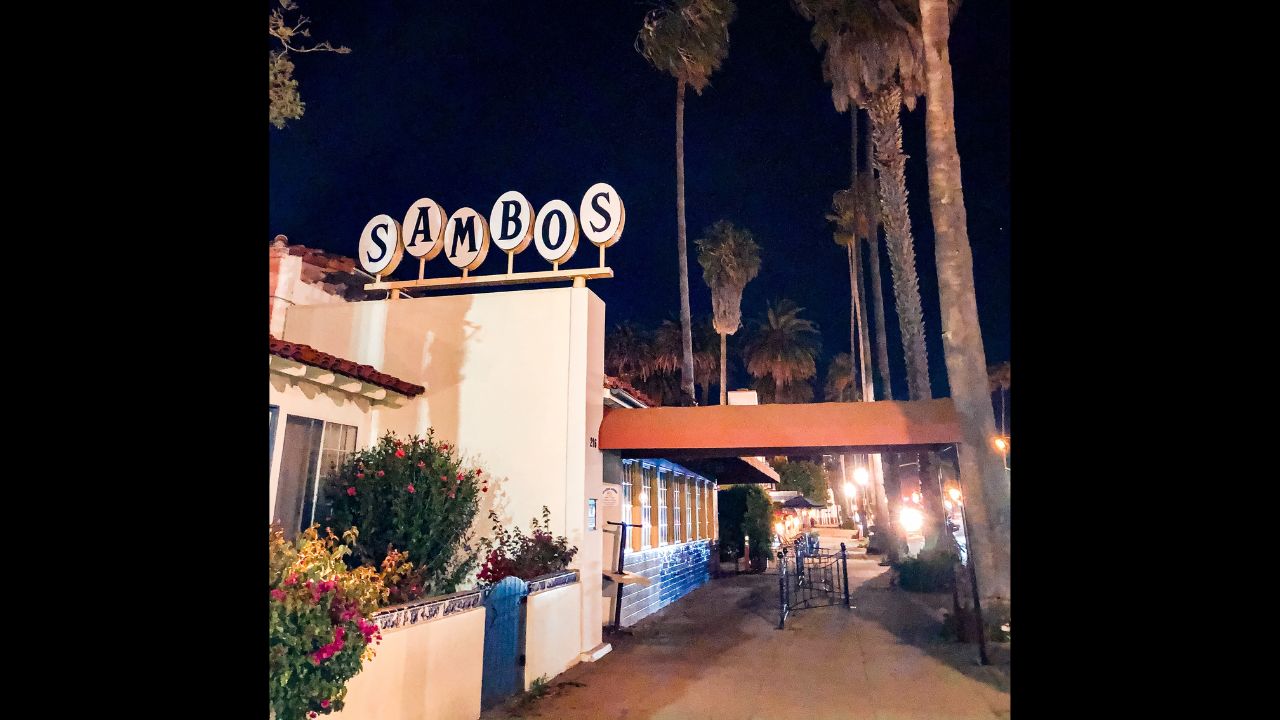
Sambo’s, a popular pancake house from the 1950s, ultimately failed because of controversy surrounding its name and branding. The name was linked to a children’s book with racist caricatures, leading to widespread protests and boycotts.
As society became more culturally aware, the brand’s racially insensitive image became a major liability. People want to eat somewhere that feels respectful and welcoming. If a restaurant’s name makes customers uncomfortable, that affects loyalty and foot traffic just as much as price or taste does. This case shows that when companies ignore social responsibility, customers respond with their wallets.
6. Rainforest Café
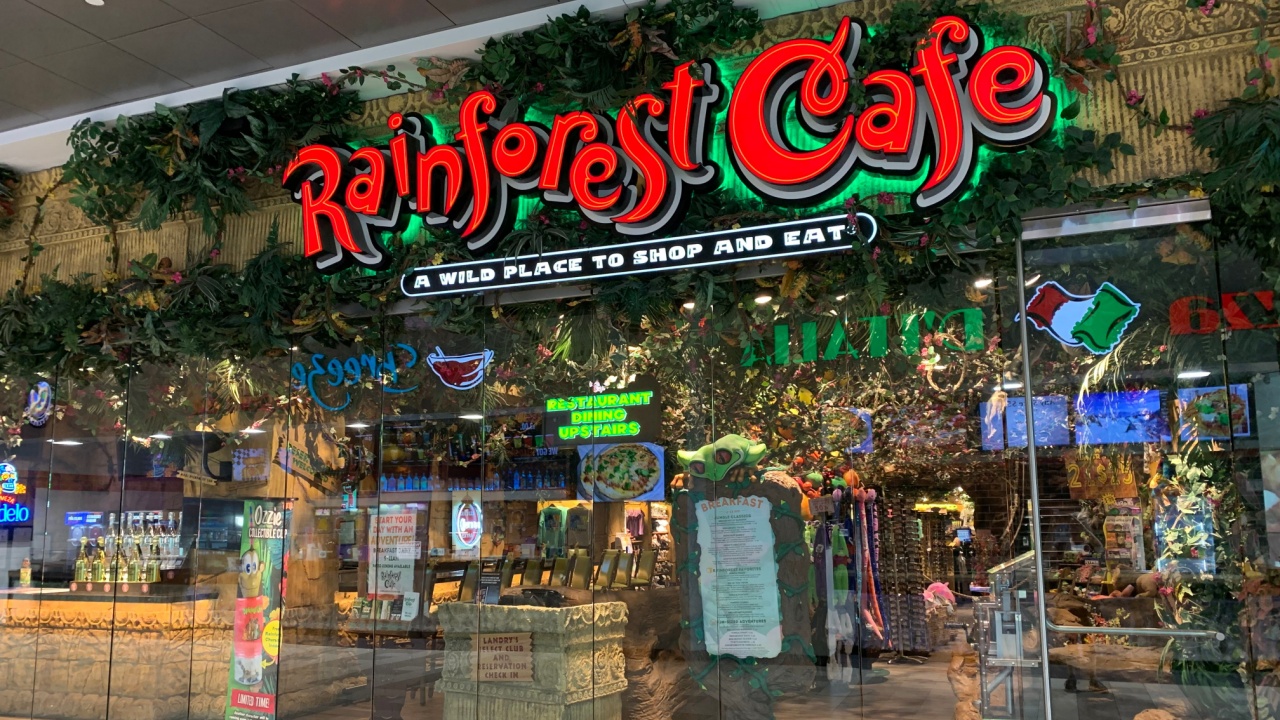
The Rainforest Cafe became famous for its jungle-themed vibe, with animatronic animals, simulated thunderstorms, and lush décor. But the same things that made it unique also caused its decline. The animatronics and themed interiors were expensive to maintain, and the menu was often called overpriced and mediocre compared to the atmosphere.
By the 2000s, people’s tastes started changing. Diners wanted healthier, locally sourced meals instead of gimmicky experiences. The novelty of animatronic gorillas and rainforest sounds wore off, and without exciting food options, Rainforest Cafe had a hard time keeping customers coming back. Now, only a few locations are still around.
7. Lum’s
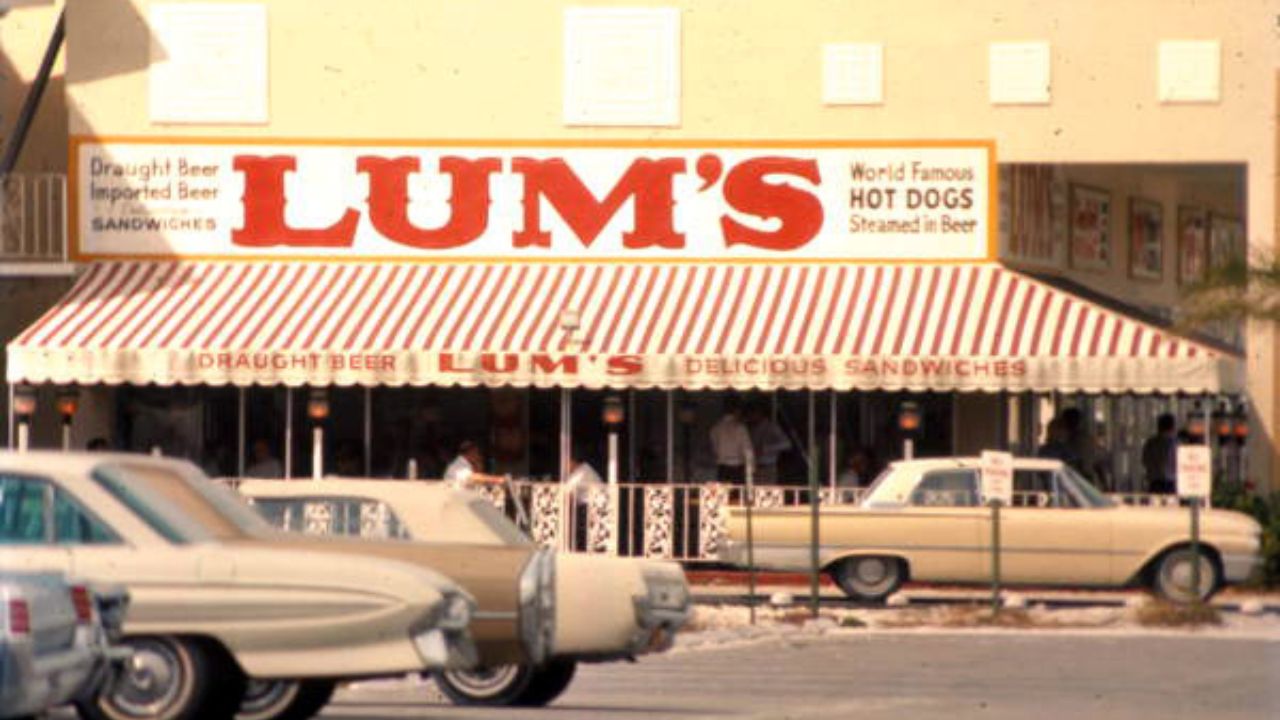
Lum’s was famous for its quirky menu items like hot dogs steamed in beer. At its peak, it was about to become a major player in casual dining, but frequent ownership changes and poor financial management weakened the chain. By the 1980s, most locations had closed, and the brand eventually disappeared.
Lum’s decline shows that without consistent quality and a clear identity, even the most memorable gimmicks eventually lose their appeal. Diners today expect innovation paired with quality, sustainability, and reliability.
8. Old Country Buffet
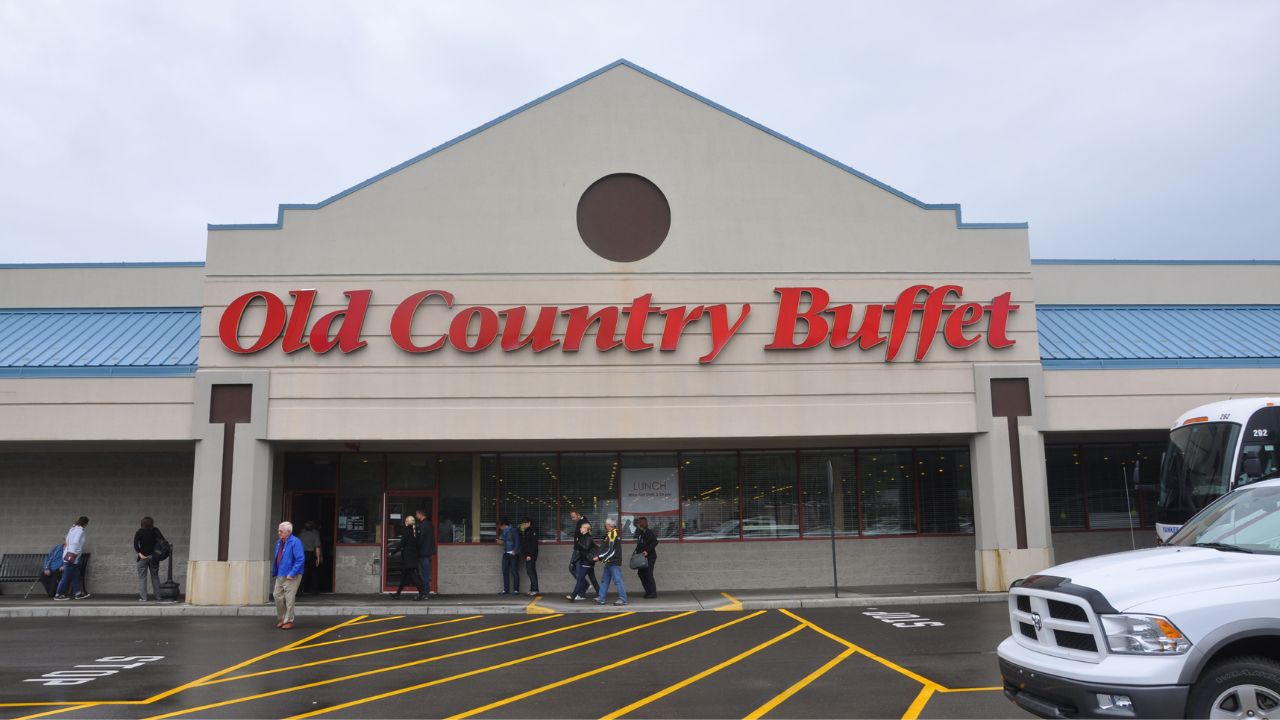
Once one of America’s largest buffet chains, Old Country Buffet was famous for its all-you-can-eat model. But its decline was steep. Growing concerns about food quality, hygiene, and waste made buffets less attractive, especially as diners became more health-conscious.
While buffets used to represent abundance, today’s customers value freshness, portion control, and transparency. This shift explains why modern chains that focus on customization, health, and quality are doing so well. It’s a clear sign that abundance alone isn’t enough anymore; quality and safety have to come first.
9. Bob’s Big Boy
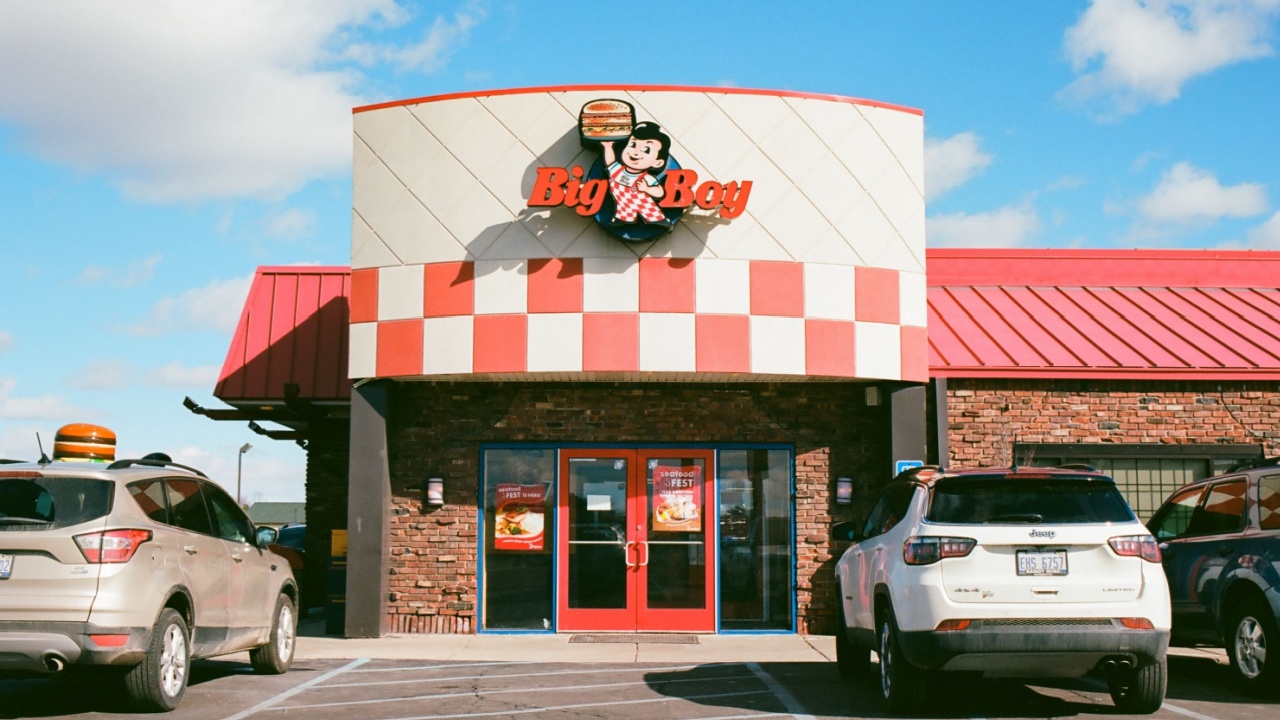
Bob’s Big Boy was once an American icon. With its cheerful mascot, signature double-decker burger, and classic carhop service, it became a beloved pit stop for suburban families.
But as time went on, competitors sped past with modern branding and menus that actually changed. Bob’s Big Boy seemed stuck in the past, relying on nostalgia to keep the lights on. After a series of ownership changes and inconsistent branding, many locations began closing their doors in the 1990s.
10. Damon’s Grill
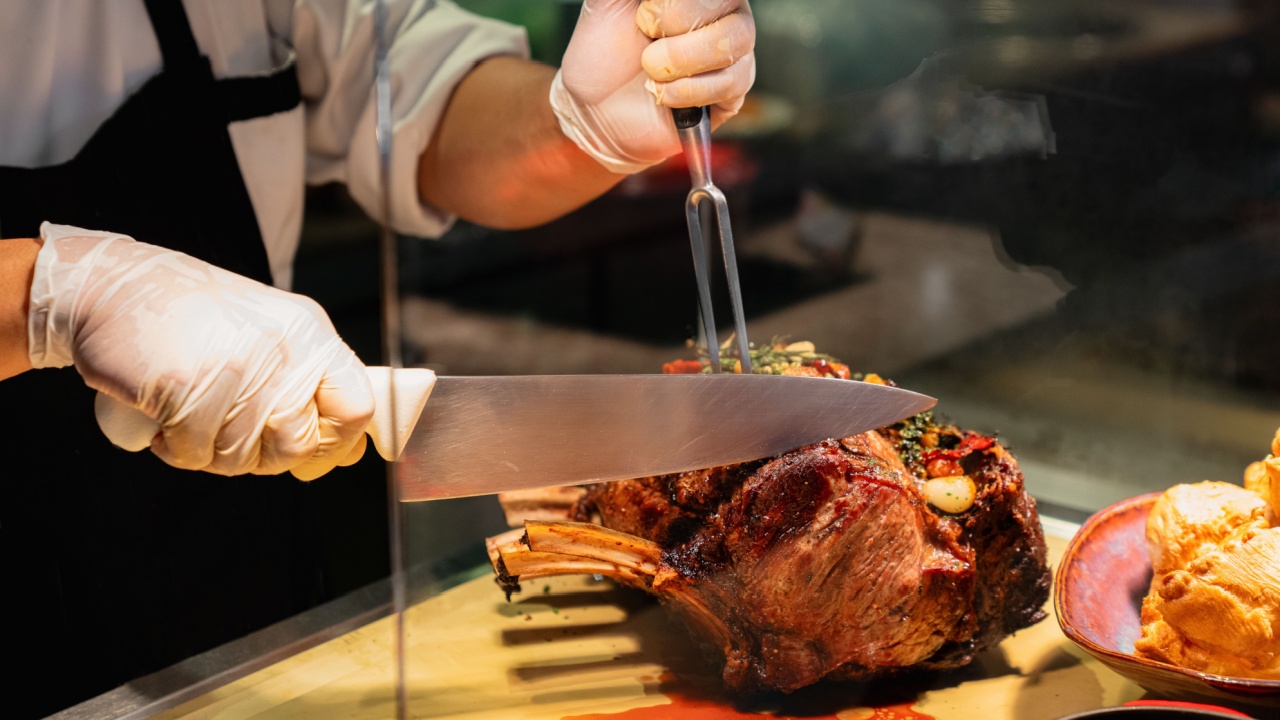
Damon’s Grill was best known for its ribs, steaks, and sports-bar atmosphere. Many locations featured large projection screens showing sports events, which made it a go-to spot for families and fans alike. At its peak, Damon’s operated in multiple states and even expanded internationally.
One big challenge was competition. In the early days, Damon’s had a strong identity as a sports-themed restaurant. But over time, nearly every casual dining chain added more TVs, game-day promotions, and sports specials. When your “special feature” becomes standard everywhere else, it’s harder to stand out.
11. Kenny Rogers Roasters
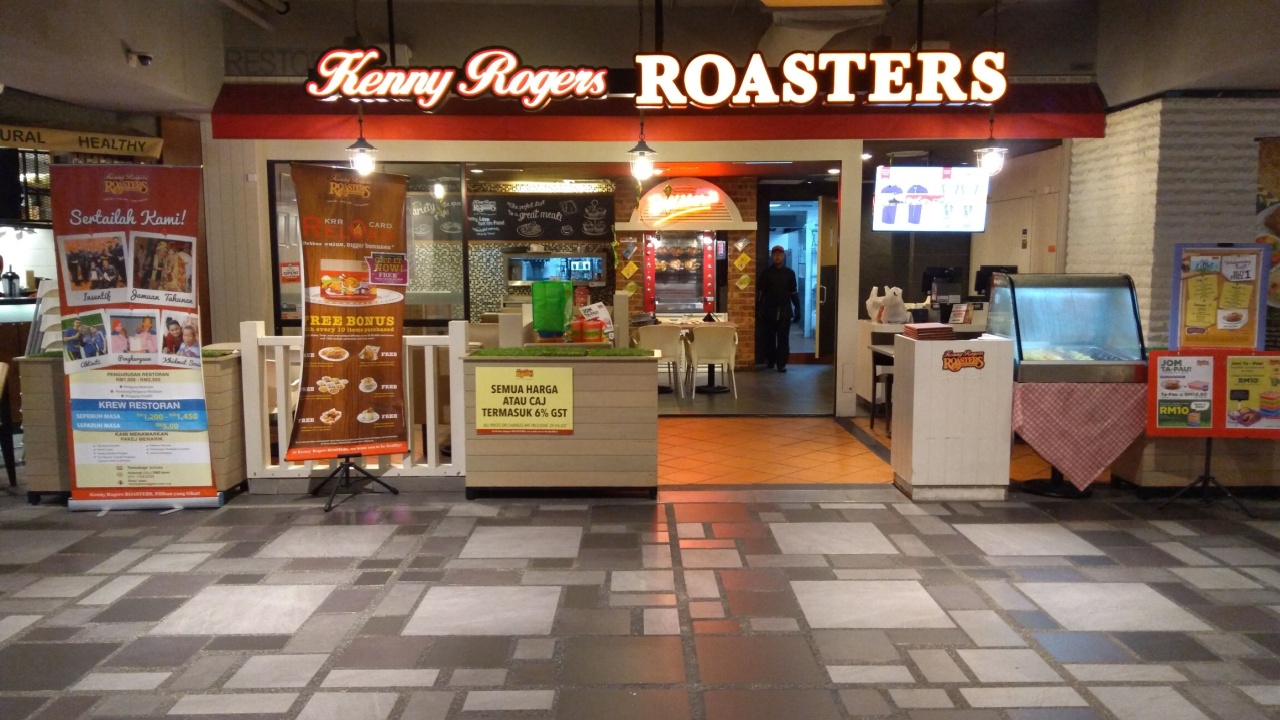
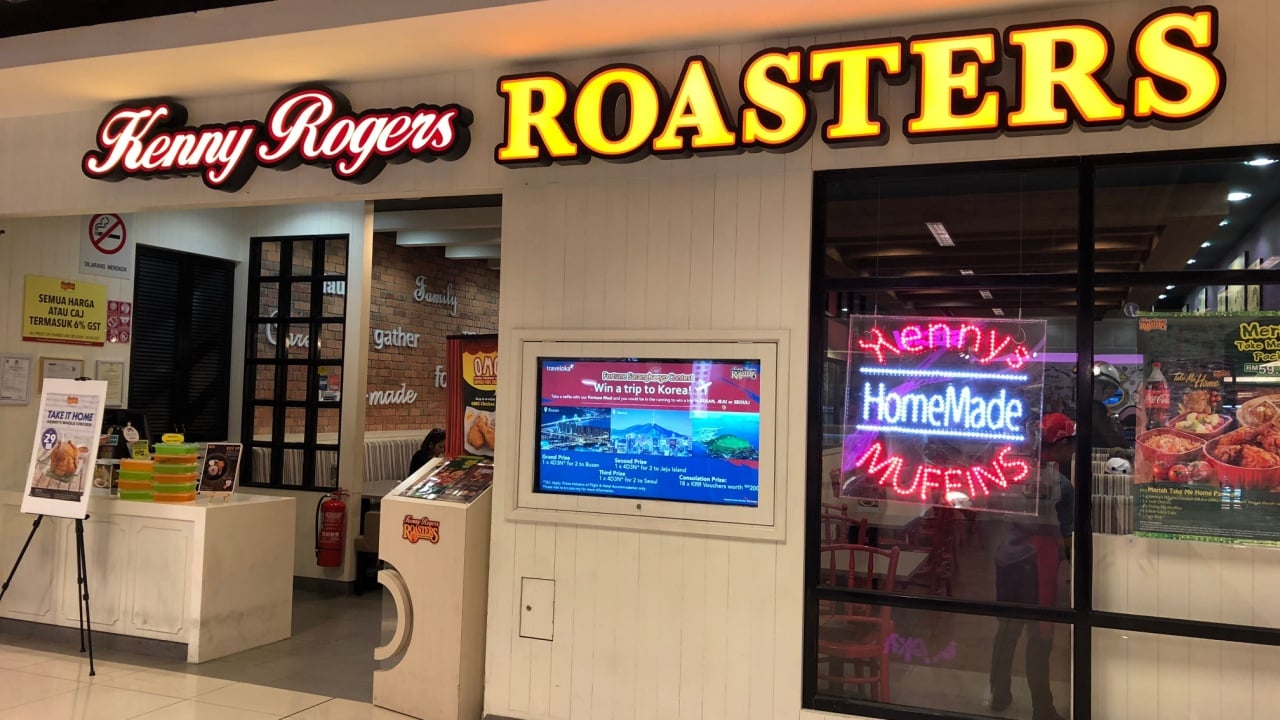
Kenny Rogers Roasters was all about rotisserie chicken and homestyle sides, positioning itself as a healthier option than your typical fried chicken joint. Thanks to its cozy branding and a famous name, it took off quickly in the mid-1990s.
But after the initial hype, the chain had a tough time keeping up. Consistency was a problem, and running the restaurants was expensive. The main takeaway? A celebrity endorsement might get people in the door, but it won’t keep them coming back. In the end, success boils down to consistently good food, fair prices, and an ability to adapt.
12. Burger Chef
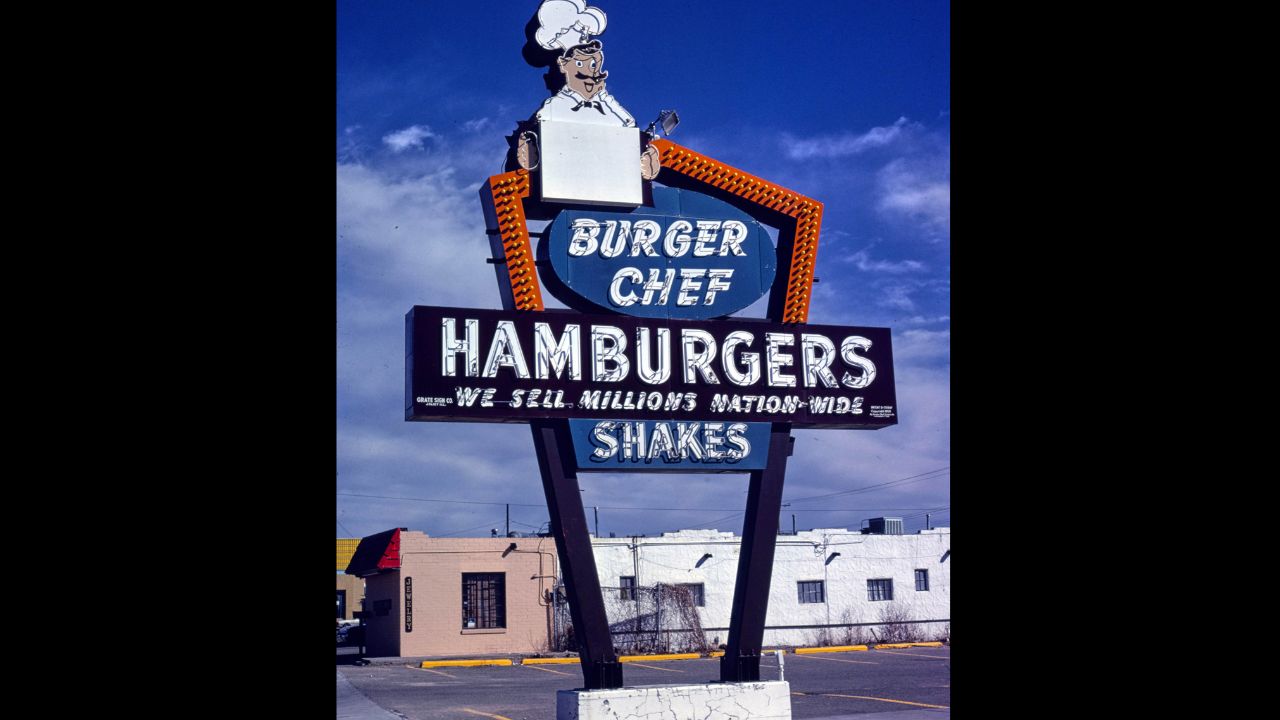
Burger Chef introduced the “Funmeal” (a kid’s meal with a toy) before McDonald’s launched the Happy Meal, and it offered a “Works Bar” where customers could customize their burgers with toppings, ideas that were ahead of their time.
Despite these creative moves, the chain struggled with poor management and frequent ownership changes, and it couldn’t compete with the marketing power and consistency of rivals like McDonald’s and Burger King.
Lessons from the Fallen Giants

Looking back at chains like Chi-Chi’s, Steak and Ale, and Rainforest Café, it’s clear that restaurants aren’t just about food. They’re about trust, culture, and keeping up with what people want. When those things shift, even the biggest names can stumble.
Some chains went down because of bad management, others because they leaned too hard on nostalgia, and a few because they ignored changing social values. The common thread? Diners expect more than a gimmick, and they want good food, a safe experience, and a brand that feels in step with the times.
Read More: