14 Restaurant Habits That Make Servers Wish You’d Stay Home
Dining out is a fantastic way to take a break from cooking and cleaning, enjoying a delicious meal made by the experts. But the best dining experiences happen when diners and staff work together seamlessly. While servers are skilled at handling all kinds of situations, certain guest behaviors can turn a smooth shift into a stressful one.
So, what makes some guests a joy to serve and others… not so much? Industry pros and etiquette experts have shared their insights, revealing that small actions can make a big difference. In fact, surveys and stories from restaurant workers show that many diners cause friction without even realizing it. But these observations aren’t just complaints; they’re helpful tips to make you a more thoughtful guest.
With just a few simple tweaks to your habits, you can make dining out smoother and more enjoyable for everyone involved. Check out this list of common diner missteps that staff notice (even if you don’t) and learn how to fix them before your next meal out.
1. Asking Servers to Mediate Arguments
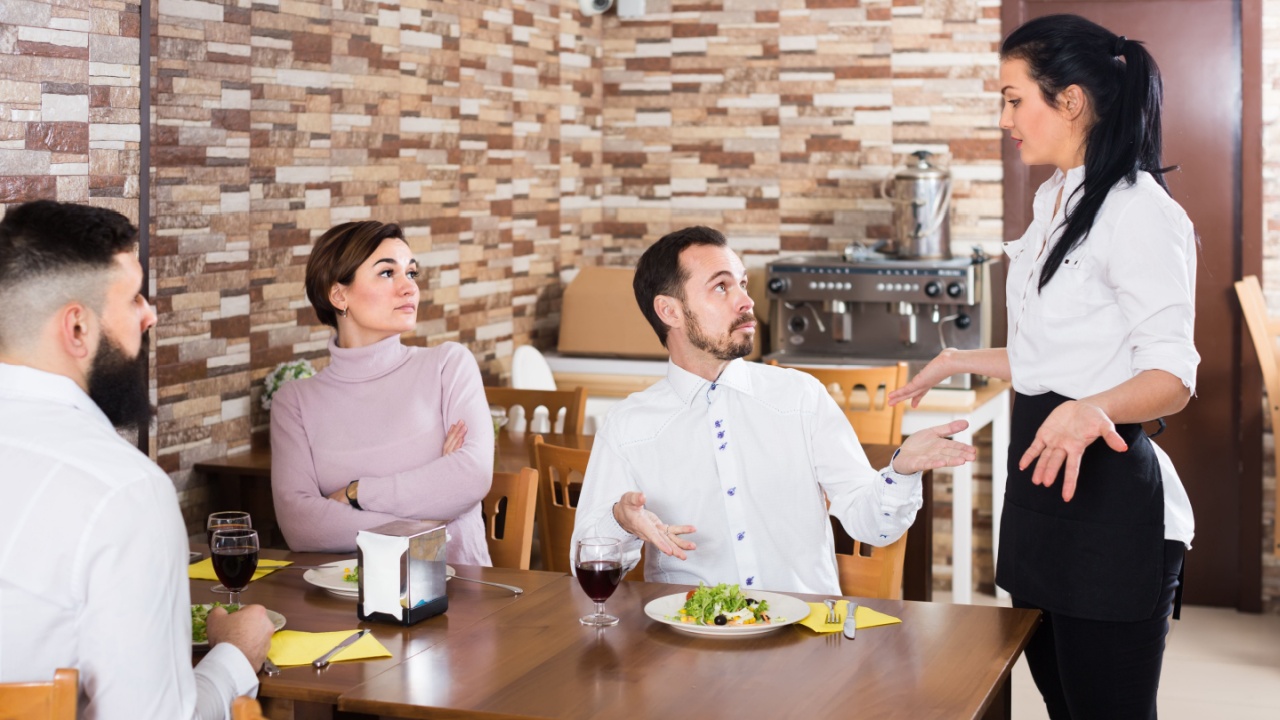
It might seem harmless to ask your server to settle a debate, but putting them in the middle of your disagreement isn’t fair. Their job is to keep you happy, so they can’t really take sides without risking their tip or getting a complaint. Whether it’s a silly trivia question or a serious argument, it’s just awkward for everyone.
Keep the convo at the table. If you need an answer that badly, just Google it instead of pulling your server into it. They’ve got enough on their plate without dealing with your personal drama; let them focus on giving you great service!
2. Crowding the Host Stand

The entryway of a restaurant is a busy spot where guests are seated, and the flow of people is managed. But when diners crowd around here trying to grab a table faster, it can block servers carrying hot food and bussers clearing tables. This slows things down and makes the wait longer for everyone.
After checking in, try to step away from the entrance while waiting for your table. Most restaurants now use text alerts or pagers, so you can hang back or even wait outside. Giving staff the space they need helps everything run more smoothly and keeps things safer for everyone.
3. Camping Out at Your Table

Restaurants run on tight margins and count on turning tables a few times each night. Hanging out for hours after finishing your meal can keep other guests waiting and cut into your server’s tips. It’s totally fine to enjoy a relaxed meal, but during busy times, staying much longer than an hour can be a bit inconsiderate to the staff and other diners.
If you want to keep the conversation going, think about moving to the bar or a nearby cafe. And if the place is quiet and you decide to stick around, leaving a bigger tip is a nice way to show you appreciate your server’s time. Small gestures like that really make a difference!
4. Tipping Below the Standard 20%
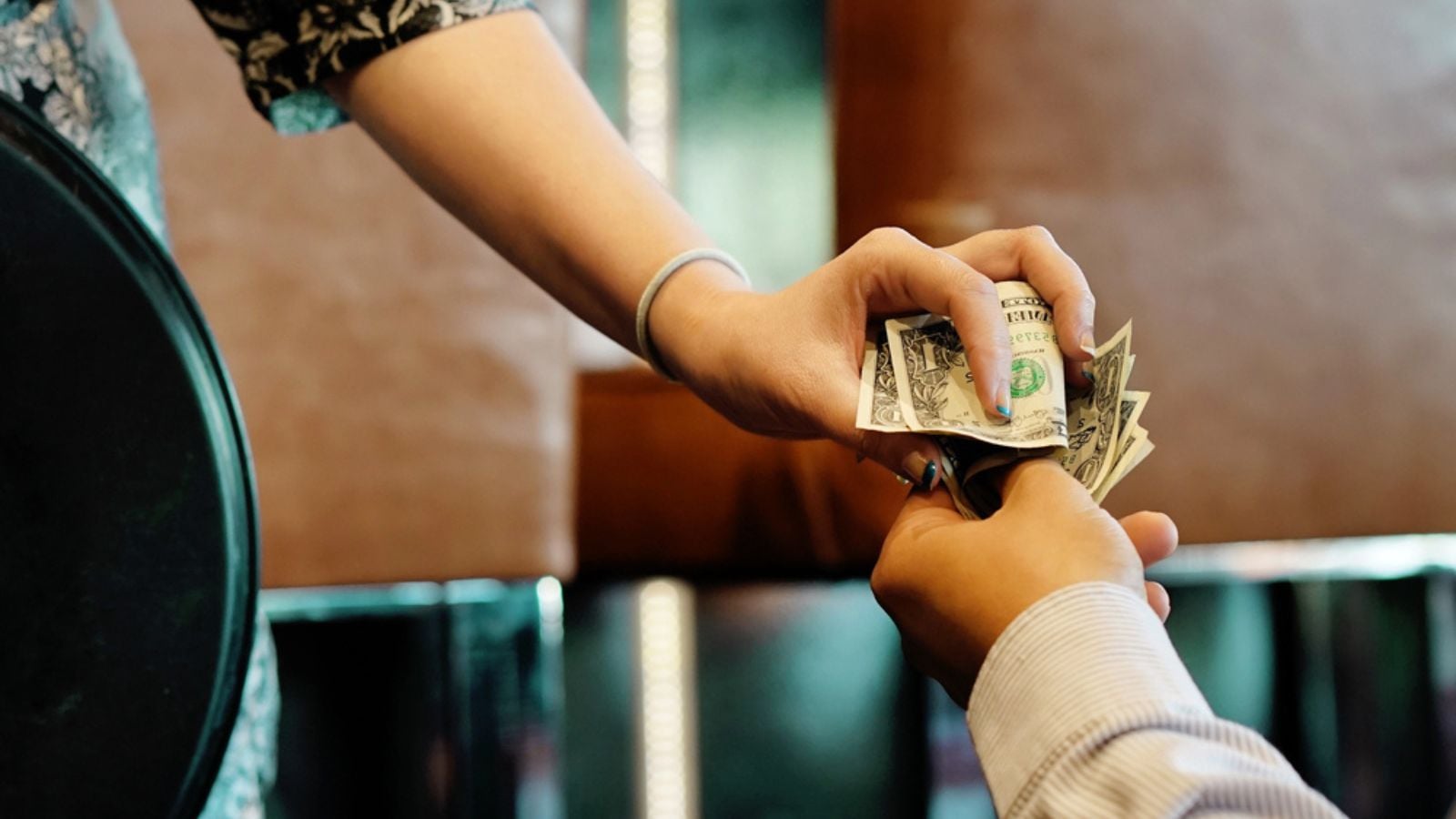
While 15% used to be the standard tip, inflation and the rising cost of living have made 20% the new normal. Since restaurant staff often rely heavily on tips for their income, tipping below this amount can affect their take-home pay. It’s best to factor a 20% tip into your budget when you decide to dine out.
If you had a problem with your meal, it’s better to talk to a manager instead of just leaving a smaller tip. Things like food timing or quality are often out of the server’s hands. By tipping the standard 20%, you’re still recognizing the server’s effort, even if there were issues with the kitchen.
5. Placing Napkins on Dirty Plates
Many people think putting their napkin on top of their plate signals they’re done eating, but it actually makes things harder for the staff. Cloth napkins absorb sauces and grease from the plate, making them tough to clean and unpleasant to handle. Plus, a messy napkin can slip off the plate during clearing, possibly staining the floor or the server’s uniform.
A better option? Just place your napkin to the left of your plate on the table when you’re finished. It’s an easy way to let the server know you’re done without adding extra cleanup or risking damage to the restaurant’s linens. Simple and considerate!
6. Stacking Your Own Plates
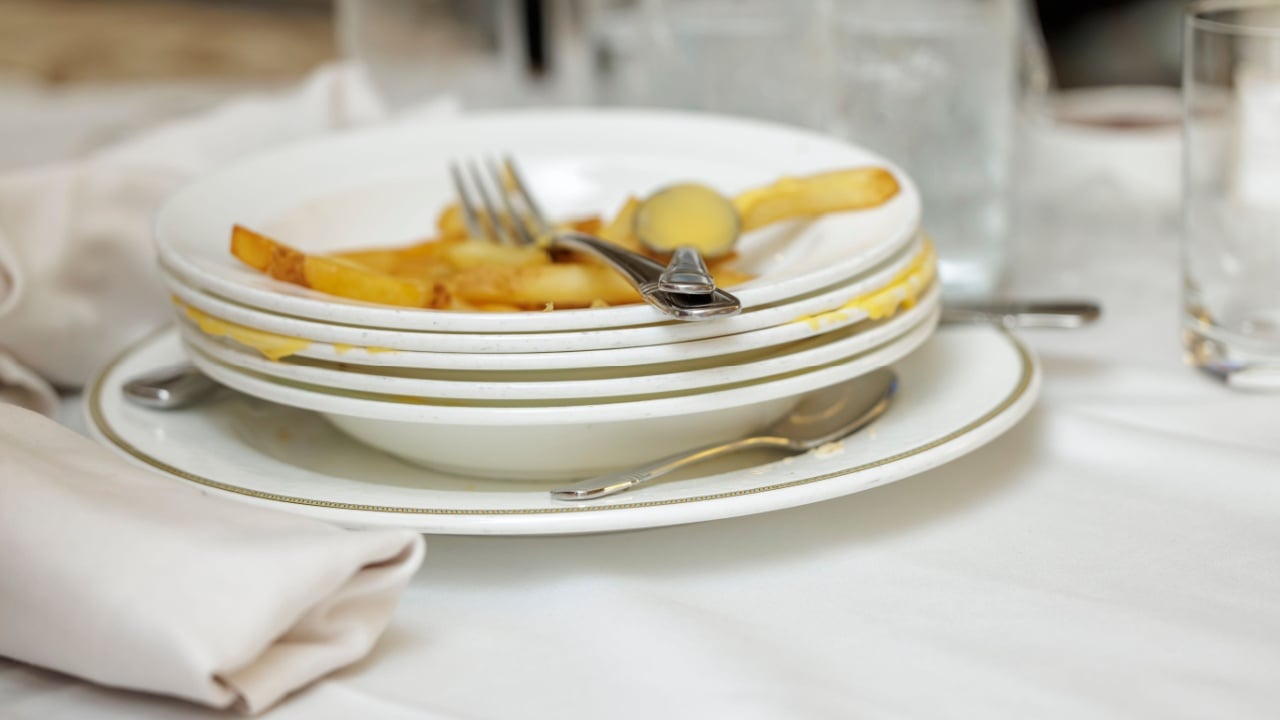
Stacking plates might seem helpful, but it can actually make things harder for your server. They have their own system for clearing tables that keeps everything balanced and stable. A wobbly stack of plates is way harder to carry and more likely to cause spills or breaks than just leaving them flat on the table.
If you really want to help, just place your cutlery together on the plate in the “finished” position (usually around 4 o’clock). It’s a simple signal that lets your server know you’re done and makes their job much easier. Sit back and let the pros handle the rest!
7. Making Excessive Menu Modifications

Most chefs put a lot of thought into creating dishes with specific flavors and balance. While accommodating allergies is part of the job, treating the menu like a list of ingredients to mix and match can slow down the kitchen and make service more complicated. Too many substitutions increase the chance of mistakes and can throw off the flow, especially during a busy night.
Try to pick a dish that sounds good as it’s described on the menu. If you have dietary restrictions, let your server know clearly and upfront. And if you’re tempted to change more than two or three things about a dish, it’s probably better to go with something else that fits your tastes better.
8. Ignoring the Staff for Your Phone
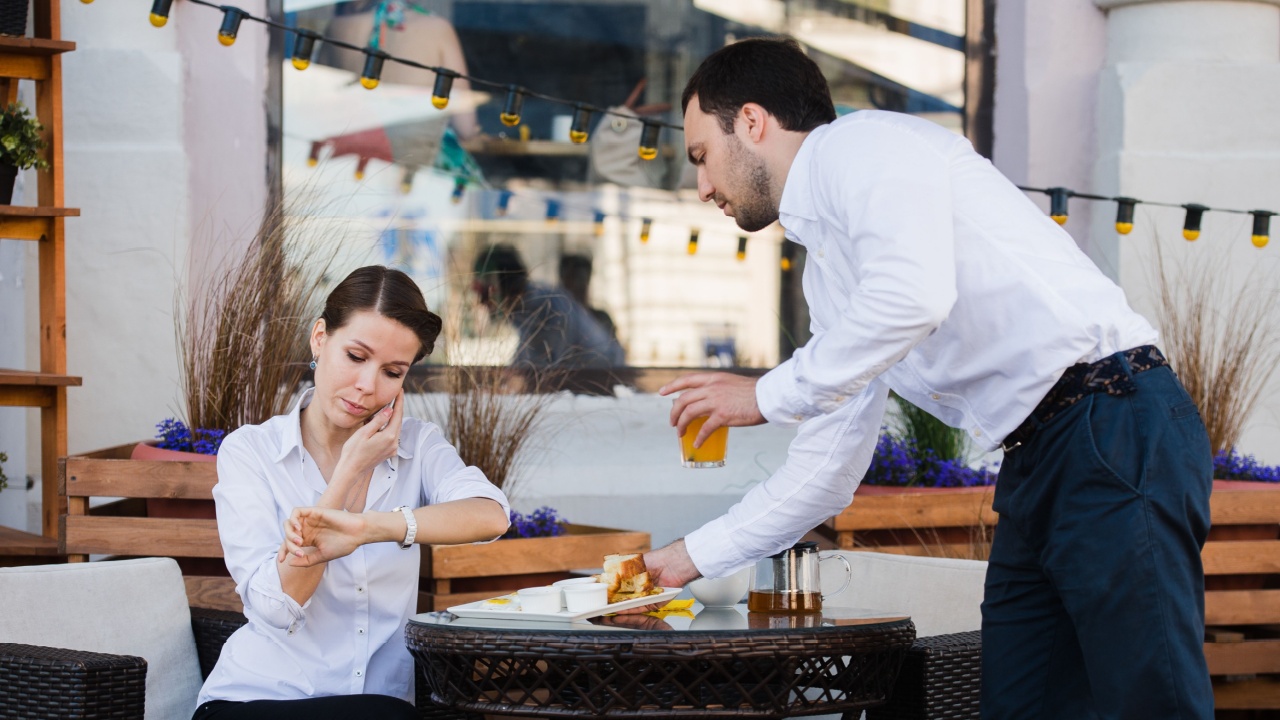
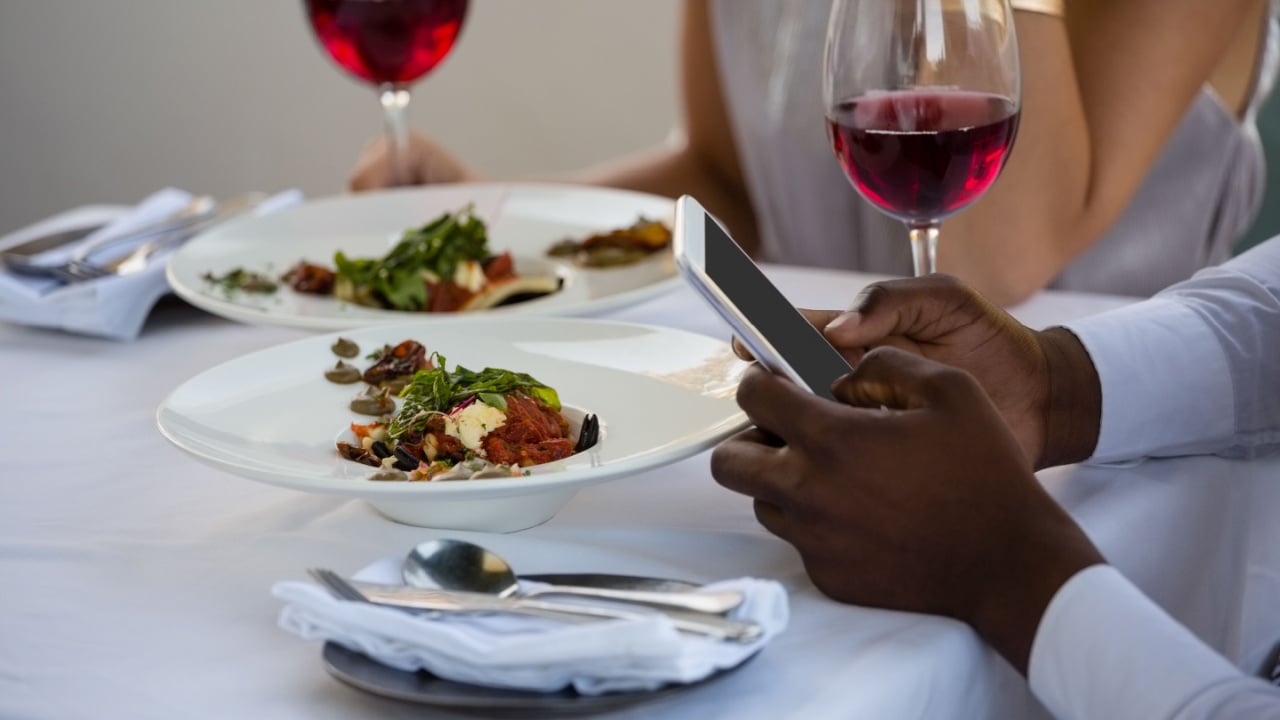
It’s frustrating for a server to approach a table to share specials or take an order, only to be met with a guest glued to their phone. It slows down service and can feel pretty dismissive to the person trying to help you.
When staff come to your table, put your phone down. Making eye contact and acknowledging them is a simple courtesy that makes everything go smoother and builds a better vibe. You can get back to scrolling after they leave, but being present for those few moments makes a huge difference.
9. Being the “IT Support” Requester

Technology in restaurants, from QR code menus to payment tablets, can sometimes be glitchy or confusing. However, asking your server to troubleshoot the restaurant’s website or fix a Wi-Fi connection pulls them away from their primary duties. They are there to serve food and drinks, not to function as technical support for the establishment’s digital infrastructure.
If you encounter a technical issue, ask politely if there is a physical menu or an alternative way to pay. If you have a complaint about the system itself, direct it to management or use a feedback form rather than lecturing the server. They likely find the glitches just as frustrating as you do and have little power to fix them in the moment.
10. Ordering from “Secret Menus”

You might have seen “secret menu” items floating around on social media that claim to be a step above the regular fare. The truth is, these items aren’t usually official, and trying to order them can put servers and kitchen staff in a tough spot. Explaining a complicated, viral food trend to a server who’s already busy disrupts their flow and creates expectations the kitchen might not be able to meet.
It’s best to stick to the menu the restaurant provides. If you’re craving something specific, you can politely ask if a simple request is possible, but be ready to take “no” for an answer. Respecting the menu means you’ll get a dish that the kitchen is prepared to make well, and it saves everyone a lot of unnecessary hassle.
11. Touching the Salt and Pepper Shakers Unnecessarily

Condiments and shakers are high-touch surfaces that can easily spread germs if handled by everyone at the table. Idly playing with them or allowing children to use them as toys creates a sanitation issue and risks breaking them. Furthermore, separating the set makes it harder for the next guest (or the server) to locate both items when needed.
Only handle the shakers when you intend to season your food. If someone asks for the salt, pass both the salt and pepper together, as they are considered a pair in proper dining etiquette. This small habit keeps the table orderly and reduces the spread of germs, contributing to a cleaner environment for everyone.
12. Clinking Glasses for a Toast

While clinking glasses together looks great in the movies, it’s a recipe for disaster in a busy restaurant. An enthusiastic toast can easily chip or shatter delicate glassware, creating a mess and potential for injury. This not only disrupts the dining room but also pulls a server away from their other duties to clean it up.
Instead, try the more sophisticated approach: simply raise your glass, make eye contact, and say “Cheers.” You get the same celebratory feeling without the risk of breaking anything. It keeps the table safe, saves the restaurant from losing a glass, and most importantly, saves you from spilling your drink.
13. Stuffing Trash into Cups
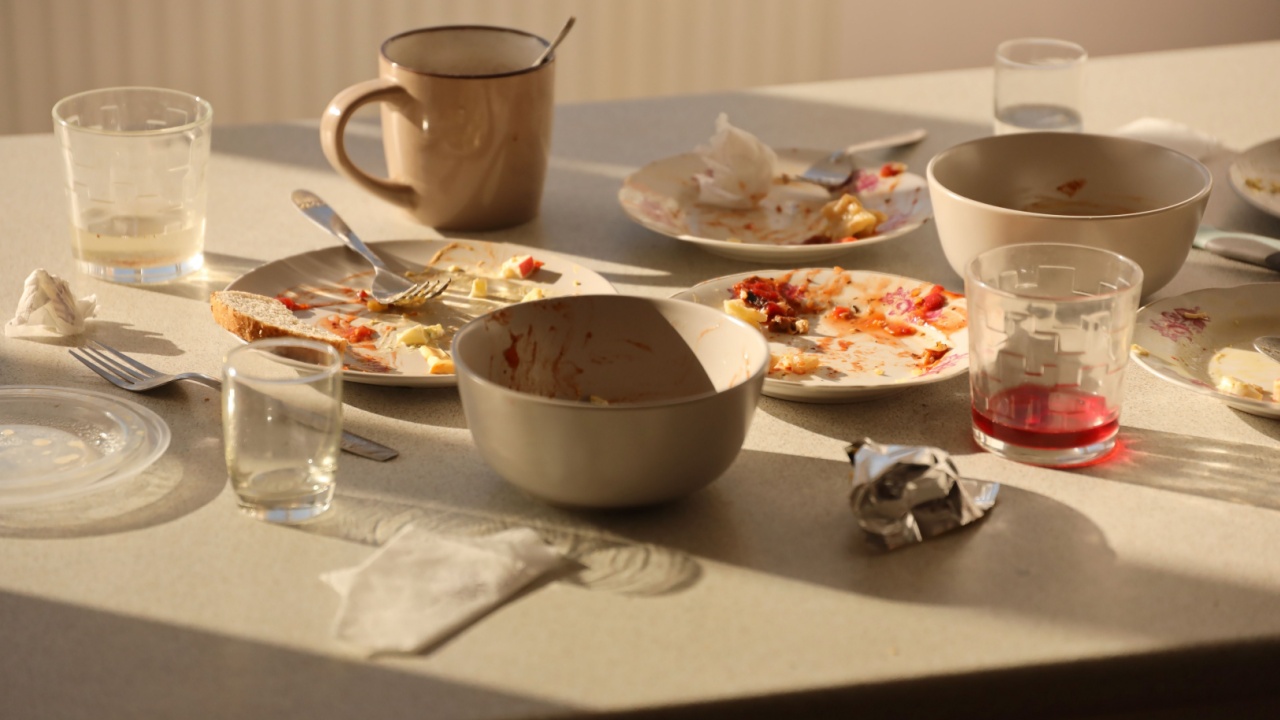
It might seem like you are tidying up by shoving straw wrappers, used napkins, and empty sugar packets into your empty water glass. However, this creates a nasty surprise for the person washing the dishes or the server who has to dig the soggy debris out by hand. It turns a simple cleaning task into a gross and unsanitary chore.
Leave your trash on the table or on the side of a plate where it can be easily swept away or picked up. If you have gathered a significant amount of waste, simply ask the server to clear it for you. They will appreciate being able to grab the items cleanly rather than having to fish them out of a narrow glass.
14. Tipping on the Discounted Amount

When you use a gift card, coupon, or discount code, the service you receive is still based on the full value of the meal. Tipping only on the reduced total shortchanges the server for the work they performed. They brought out the full-priced amount of food and drinks, and their tip should reflect that effort regardless of how the bill was settled.
Always calculate the tip based on the pre-discount total. If you are treating a friend with a gift card, you might consider leaving the tip in cash to ensure the server receives it immediately. This practice ensures that your bargain hunting doesn’t come at the expense of the hard-working staff serving you.
Dining with Respect

Being a considerate diner doesn’t require memorizing a complex rulebook; it simply asks for awareness and respect. The next time you visit your favorite spot, keep these habits in mind to foster a positive environment for the staff who make your meal possible. Small changes in behavior can lead to better service, a happier atmosphere, and a reputation as a guest who is always welcome back.