18 Things That Boomers Did Right
Sometimes, it seems like every generation is on a mission to prove the previous one wrong. We roll our eyes at their music, question their fashion choices, and definitely poke fun at their attempts to use new technology. It’s a timeless cycle of youthful rebellion and a feeling that we know better. But what if, just maybe, they had some things figured out all along?
It’s easy to dismiss older ways as outdated, but many of the habits and values held by the Boomer generation were built on practicality and common sense. These ideas weren’t just about getting by; they were about building strong communities, finding personal satisfaction, and living a more grounded life.
Looking back, we can see the wisdom in practices that have been somewhat lost in our rush toward convenience and digital connection. This article revisits 18 concepts that Boomers championed, showing how their approach to life holds valuable lessons for us today. Let’s look at some classic ideas that might just improve our modern lives.
1. Repairing Things Before Replacing
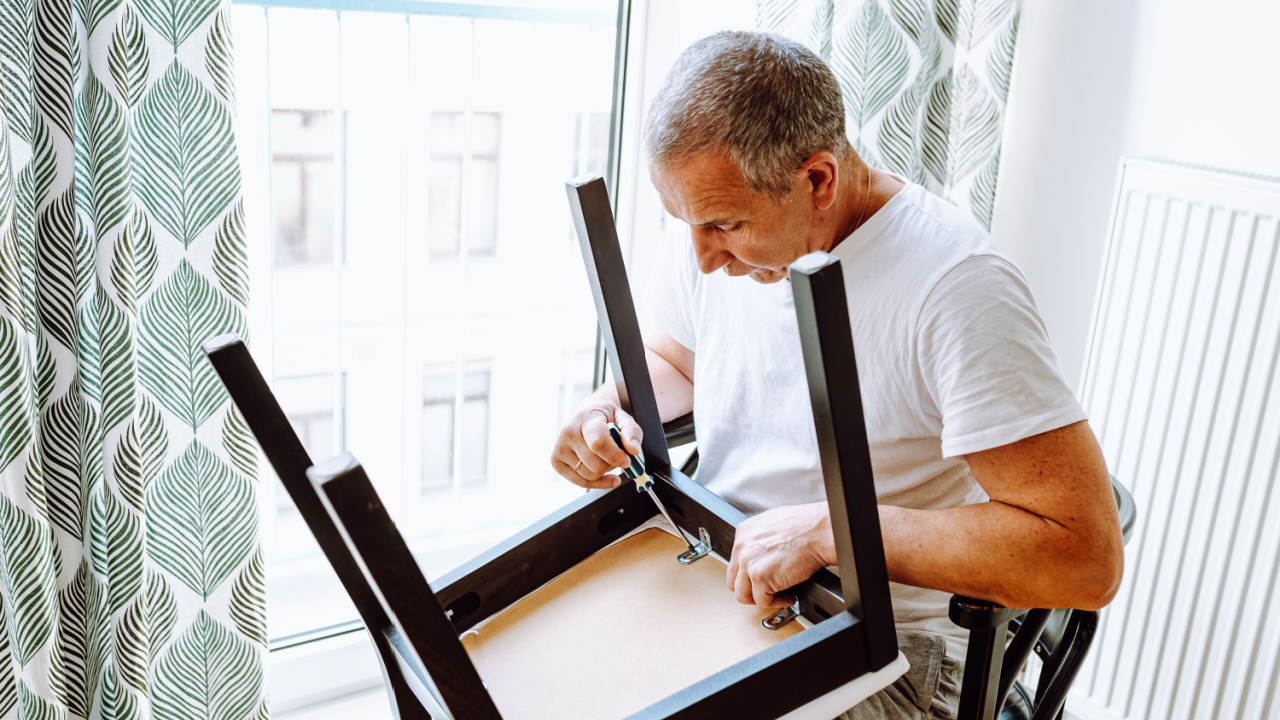
The idea of fixing something when it breaks feels almost revolutionary now. For the Boomer generation, it was standard practice. A wobbly chair leg, a toaster that stopped toasting, or a tear in a favorite shirt prompted a trip to the toolbox or sewing kit, not the store. This mindset was born from both economic necessity and a respect for the items they owned.
Adopting a repair-first attitude can save you money and reduce waste. Before you discard a malfunctioning item, a quick online search can often diagnose the problem and provide a step-by-step repair guide. Learning basic mending, woodworking, or electronic repair skills is an investment that pays for itself.
2. The Importance of Family Dinners

Gathering the family around the dinner table was a daily ritual in many Boomer households. It was a protected time, free from distractions, where everyone could share details about their day, discuss plans, and simply connect. This consistent routine created a stable anchor in the day-to-day chaos of life.
This tradition provides a powerful opportunity to strengthen family bonds. Making family dinners a regular occurrence, even just a few times a week, can improve communication and create lasting memories. Set a simple rule: no phones at the table. The conversation that fills the silence is often more meaningful than you’d expect.
3. The Joys of Gardening

Of the 70+ million American Gardening households, 64% of them are Baby Boomers. Many Boomers viewed their backyard as more than just a lawn to be mowed; it was a productive space. Growing vegetables, fruits, and herbs was a common hobby that put fresh food on the table. This connection to the earth provided satisfaction, exercise, and a deeper appreciation for where food comes from.
Gardening is good for your health. You don’t need a huge yard to start gardening. A small raised bed, a few pots on a balcony, or even a sunny windowsill can produce a surprising amount of food. Start with easy-to-grow plants like lettuce, herbs, or cherry tomatoes to build your confidence and enjoy the taste of your own harvest.
4. Playing Outdoors

Before screens became the primary source of entertainment, kids spent their free time outside. Neighborhoods were filled with the sounds of children playing, inventing games, and exploring their surroundings until the streetlights came on. This unstructured playtime was crucial for developing creativity, social skills, and physical fitness.
Encouraging more outdoor activity is a wonderful gift to give to children, and even to yourself. Plan regular family outings to a local park, go for a hike, or just spend an afternoon in the backyard. The simple act of getting fresh air and moving your body can improve both mental and physical well-being.
5. Listening to Vinyl Records

For music lovers in the Boomer era, listening to an album was an immersive experience. You would carefully place a vinyl record on the turntable, drop the needle, and often listen to the entire album from start to finish. It was an intentional act that encouraged a deeper appreciation for the artist’s complete work.
Everyone is falling in love with vinyl again. Many people are craving this more deliberate way of enjoying music. Putting on a record forces you to slow down and truly listen. It turns music from background noise into a main event, allowing you to connect with the songs on a different level.
6. Sending Thank You Notes

Before instant messaging, a handwritten thank-you note was the proper way to express gratitude for a gift or a kind gesture. This simple act showed the sender that their effort was seen and appreciated. It required taking the time to sit down, reflect, and put thoughts to paper.
Reviving this practice can make a big impact. A handwritten note stands out and conveys a level of sincerity that an email or text often lacks. Keep a small box of notecards and stamps handy, and make an effort to send one the next time someone does something thoughtful for you.
7. Walking as a Form of Exercise
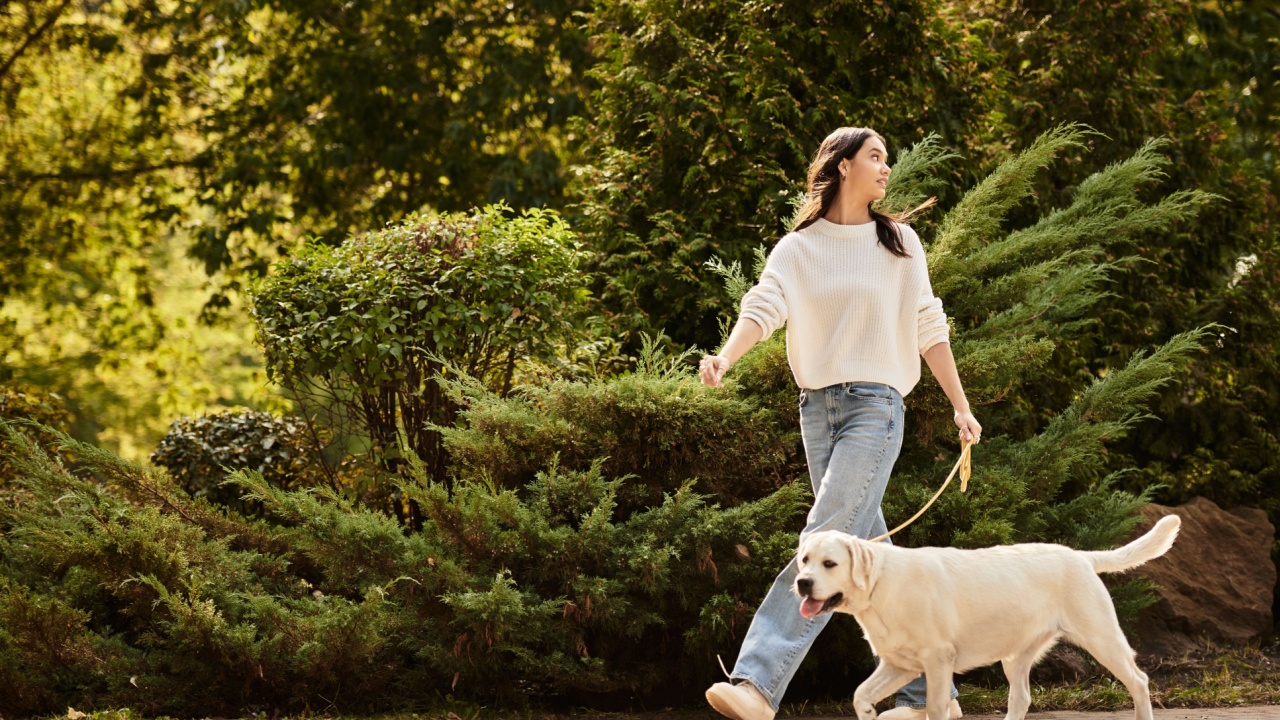
Walking has always been one of the most accessible forms of exercise, and Boomers embraced it. Whether it was a brisk walk around the block after dinner or a longer weekend stroll, it was a low-impact way to stay active, clear the mind, and engage with the community.
Incorporating more walking into your daily routine is simple. Park farther away from the store entrance, take the stairs instead of the elevator, or use your lunch break for a quick walk. It’s a free and effective way to improve cardiovascular health and manage stress.
8. The Art of Writing Letters

Long-distance communication once depended on the postal service. Writing a letter was a thoughtful process. It involved composing your thoughts, sharing news, and asking questions, knowing it would be days or weeks before you received a reply. This slower pace of correspondence allowed for deeper and more detailed communication.
Try writing a letter to a friend or family member who lives far away. Sharing your thoughts on paper can feel more personal and permanent than a fleeting digital message. The anticipation of receiving a letter in return is a unique pleasure that we have largely lost.
9. The Value of Home-Cooked Meals

Eating out was a treat, not a daily occurrence, for many Boomers. The majority of meals were prepared and eaten at home. Cooking was a fundamental life skill, and recipes were often passed down through generations. This focus on home cooking was healthier for both the body and the budget.
Learning to cook a few simple, delicious meals is an empowering skill. It gives you complete control over your ingredients and can be a creative and relaxing activity. Pick one night a week to try a new recipe, and you might discover a new passion.
10. Using Public Libraries

Libraries were vital community centers for the Boomer generation. They were not just places to borrow books but also hubs for learning, research, and quiet contemplation. Using the library was a regular habit for many, offering free access to a world of information and entertainment.
Your local library still offers a wealth of free resources. Beyond books, most libraries provide access to computers, ebooks, audiobooks, classes, and community events. Getting a library card is one of the easiest ways to support your community and expand your horizons.
11. Appreciating Quality Over Quantity

The “buy it for life” philosophy was strong in previous generations. It was better to save up for one well-made, durable item than to purchase several cheap, disposable ones. This applied to everything from furniture and clothing to tools and kitchenware, reflecting a respect for craftsmanship and a desire for longevity.
When making a purchase, consider the long-term value instead of just the initial price. A high-quality item may cost more upfront but will often last longer, perform better, and bring you more satisfaction. This approach is both economically and environmentally sensible.
12. Prioritizing Face-to-Face Communication

Before we could hide behind screens, conversations happened in person. From chatting with a neighbor over the fence to resolving a disagreement directly, face-to-face interaction was the norm. This taught people how to read body language, practice empathy, and build genuine connections.
Make an effort to have more real-life conversations. Instead of sending a text, call a friend. Arrange to meet for coffee instead of just commenting on their social media posts. These direct interactions can be more fulfilling and strengthen your relationships in ways that digital communication cannot.
Timeless Wisdom for a Better Today

It’s clear that some of the old ways hold enduring value. The principles that guided the Boomer generation were not about resisting progress but about embracing practices that lead to a more stable, connected, and satisfying life. By looking back, we can find practical ideas to improve our own busy lives.
You don’t need to completely change your lifestyle overnight. Consider integrating one or two of these ideas into your routine. Write a thank you note, start a small herb garden, or schedule a regular family dinner. These small shifts can help you connect more with your community, your family, and yourself, proving that some wisdom is truly timeless.