How to Get Old Stubborn Stains Out of Clothes
Finding a set-in stain on a favorite shirt is not fun. The heat of a dryer often acts like a permanent seal, bonding oils and pigments deep into the fabric fibers in a way that seems impossible to reverse. However, throwing that piece of clothing away doesn’t have to be the only option available to you.
This guide explores five effective methods designed to break down those stubborn marks, helping you reclaim your wardrobe without harsh chemicals or expensive replacements.
1. Soaking in Oxygen Bleach
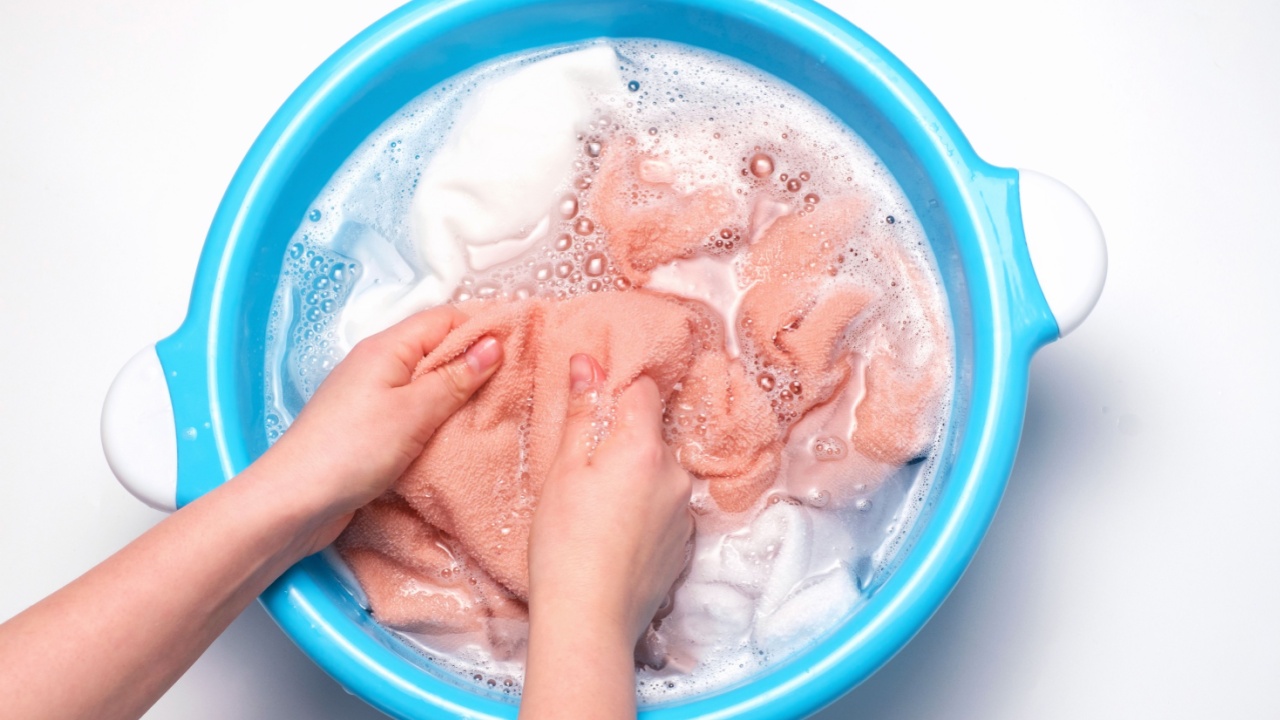
Oxygen bleach is a powdered cleaning agent that releases oxygen bubbles when mixed with water to break down tough organic stains. It is safe for most fabrics and colors because it does not contain the harsh chlorine found in traditional bleach. To use this method, dissolve the powder in warm water according to the package directions and submerge the stained garment completely. Let it sit for at least six hours or overnight to give the solution enough time to penetrate deeply into the dried fibers.
Unlike chlorine bleach, which can strip color and weaken threads, oxygen bleach brightens both whites and colors while attacking the residue. It is particularly effective for organic messes like coffee, wine, or juice that have been set by dryer heat. After soaking, simply wash the item as usual to rinse away the lifted stain and the cleaning solution.
2. Removing Stains with Enzymatic Laundry Detergent
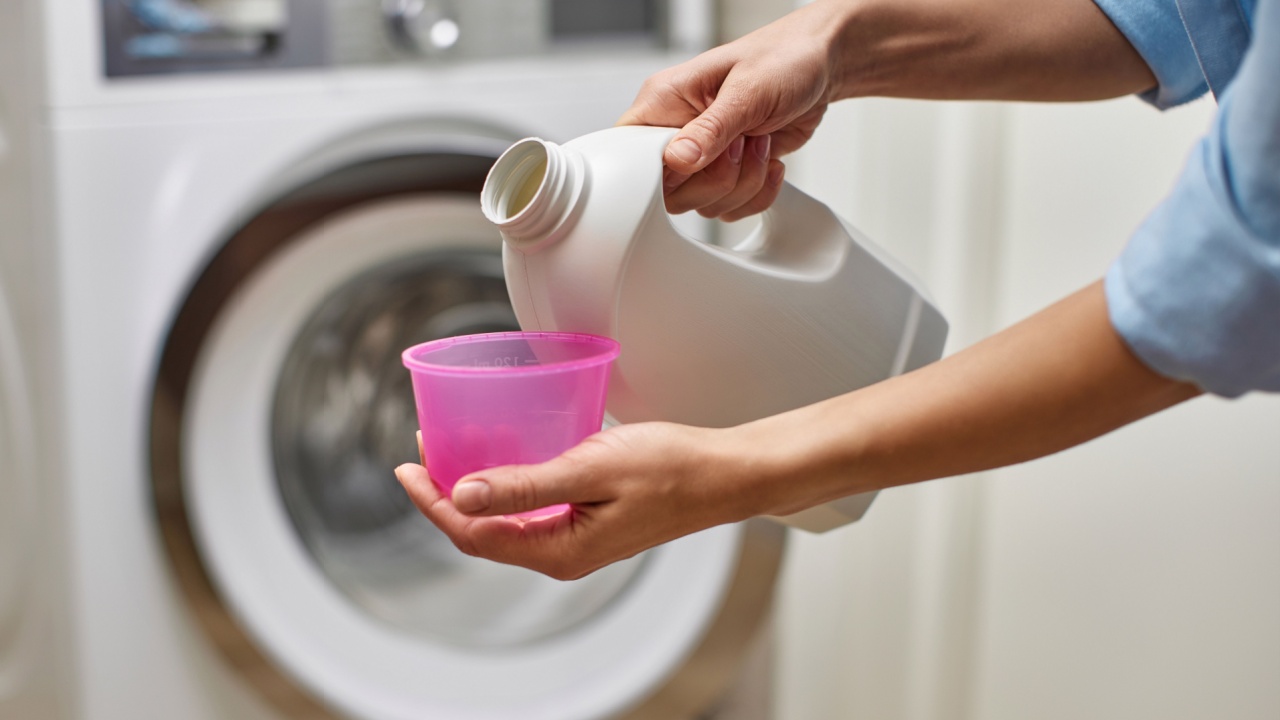
Enzymatic laundry detergents contain specific biological enzymes designed to eat away at proteins, starches, and fats found in common stains. You can apply a small amount of liquid detergent directly onto the spot and gently rub it in with your fingers or a soft brush. Allow the detergent to sit on the fabric for about fifteen minutes before putting it into the washing machine. This dwell time is crucial as it allows the enzymes to begin digesting the stain material before the wash cycle starts.
These detergents are highly effective because they target the molecular structure of the stain rather than just trying to wash it away with soap and water. Protease enzymes break down protein stains like blood or grass, while amylase tackles starches from sauces or baby food. Using a detergent with a mix of enzymes provides a broad-spectrum attack on complex stains that have hardened.
3. Removing Stains with Spray Stain Remover
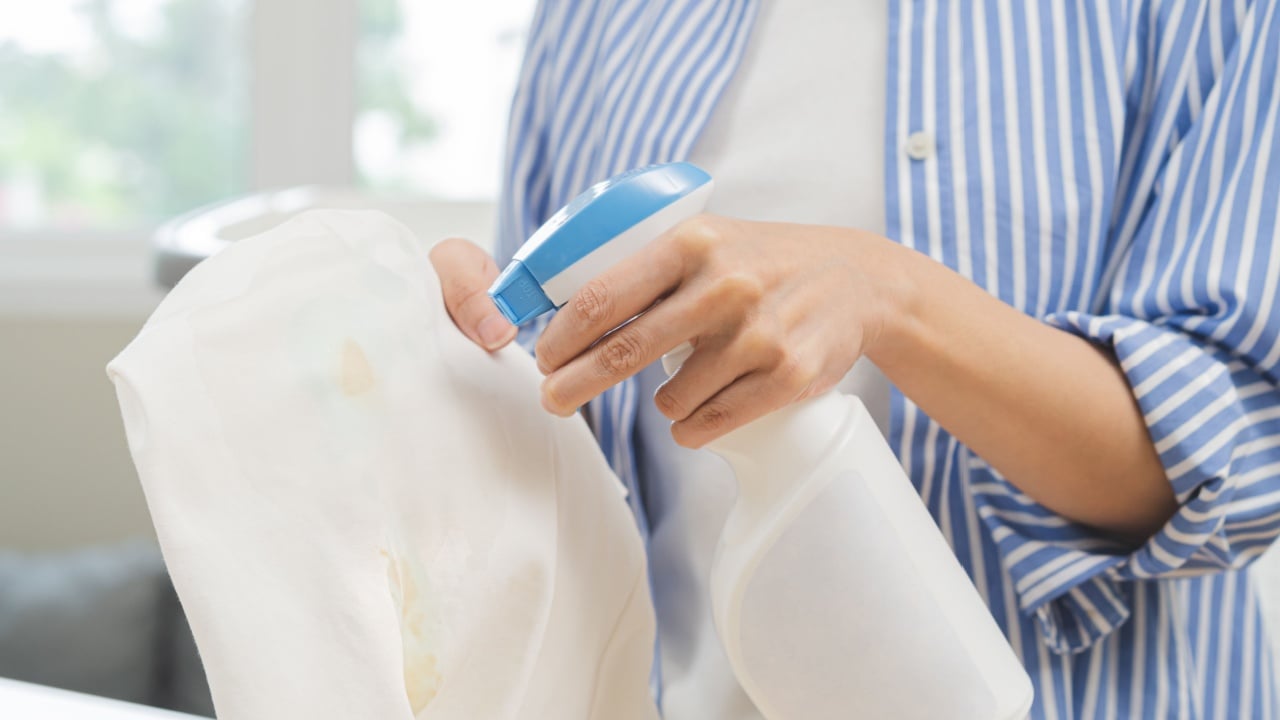
Spray stain removers are formulated with solvents and surfactants specifically chosen to dissolve tough spots quickly. Spray the affected area liberally until it is saturated, ensuring the liquid soaks all the way through to the back of the fabric. Let the product work for at least ten to fifteen minutes, but do not let it dry out completely before washing. This concentrated application delivers cleaning power exactly where it is needed most without wasting product on the rest of the garment.
This method is ideal for general grime and mystery spots because these sprays often combine multiple cleaning technologies in one bottle. The surfactants help water penetrate the fabric more effectively, while solvents break down oils and sticky residues that water alone cannot touch. It is a convenient option for treating multiple garments at once before running a load of laundry. Always check the label to confirm the spray is safe for the specific fabric type you are treating.
4. Removing Oil Stains with Dish Detergent

Liquid dish detergent is engineered to cut through grease on cookware, making it a powerful ally against oil-based stains on clothing. Apply a drop of clear dish soap directly to the grease mark and gently massage it into the fibers with your thumb or a soft toothbrush. Rinse the area with warm water after letting it sit for five to ten minutes, then launder the item on the hottest setting safe for the fabric.
Oil stains are notoriously difficult because water repels oil, making standard washing ineffective without a degreaser. Dish soap contains surfactants that surround oil molecules, lifting them off the surface so they can be rinsed down the drain. This trick is perfect for salad dressing spills, butter drips, or automotive grease that has made its way onto your clothes.
5. Taking Clothes to the Dry Cleaner

Sometimes a stain is too stubborn, or the fabric is too delicate for at-home treatments, making professional dry cleaning the best route. Dry cleaners use specialized chemical solvents and machinery that can remove stains without the use of water or high-heat agitation.
This option is the safest bet for materials like silk, wool, or rayon that might shrink or distort in a home washing machine. Professionals have access to spotting agents that are not available to the general public and have the expertise to use them safely. While it costs more than doing it yourself, saving a high-value or sentimental item is often worth the investment.
Effective Stain Prevention

Successfully removing a dried-in stain feels like a major victory, but preventing them from becoming permanent is easier with a few habit changes. Always inspect your wet laundry before moving it to the dryer, as heat is the primary culprit in setting stains permanently. If a mark is still visible after washing, keep the item wet and treat it again immediately rather than letting it dry. Setting aside a specific “re-treat” bin in your laundry room can stop you from accidentally tossing stained items into the dryer.
Read More:
14 Things to Never Clean with Vinegar
Beyond the Hamper: 5 Surprising Ways to Use Laundry Detergent