
5 Habits That Make the World’s Happiest Country Thrive
Most of us spend our days chasing a vague idea of happiness, often thinking it lies in a bigger paycheck or a sunnier zip code. But for six years running, Finland has topped the charts as the happiest country on Earth. It turns out their secret isn’t finding a pot of gold at the end of a rainbow or smiling until their cheeks hurt. Instead, the Finns have built a nurturing environment rooted in simplicity, trust, and a deep connection to the outdoors.
This article explores five specific ways Finnish culture fosters well-being and how you can apply these principles to create a more nurturing atmosphere right in your own backyard. You will find practical insights on emotional honesty, balancing work with life, and why skill-building is better for your brain than doom-scrolling.
1. Being Honest About Negative Emotions

In many places, there is immense pressure to present a perfect, polished version of life. Social media feeds are full of curated vacations and flawless meals, creating a false standard that is impossible to meet. Finland takes a different approach. The culture there encourages emotional honesty rather than forced positivity.
Finns generally have less desire to lie about how they feel. If someone is having a bad day, they say so. This acceptance of the full spectrum of human emotions creates a psychologically safe environment. Suppressing negative feelings often leads to anxiety and stress, whereas acknowledging them allows for processing and healing. Creating a nurturing environment starts with dropping the act.
2. Prioritizing Genuine Time Off

The hustle culture prevalent in many Western societies often equates busyness with worth. We wear exhaustion like a badge of honor. In Finland, however, the approach to labor is drastically different. Work-life balance is not just a catchy slogan; it is a rigidly protected standard.
Finnish working hours are reasonable, and overtime is the exception, not the rule. The society understands that a rested person is a productive person. They prioritize leaving work at the office (or the laptop shut) so they can focus on family, hobbies, and rest. This separation allows the brain to recharge and reduces the risk of burnout. For those of us trying to cultivate a better environment at home, this means setting hard boundaries. It involves reclaiming evenings and weekends for actual leisure rather than catching up on emails.
3. Maintaining Heavy Access to Nature

In Finland, nature isn’t just a weekend destination; it is an integrated part of daily existence. The country has a concept called “Everyman’s Right,” which grants everyone free access to public forests and lakes. Science supports this lifestyle.
Studies consistently show that time spent in green spaces lowers cortisol levels, reduces blood pressure, and improves mood. Finns don’t wait for a camping trip to get outside. They walk in local parks, sit by lakes, and incorporate nature into their regular routine. You can mimic this by making your backyard or local park a central part of your day.
4. Encouraging the Learning of New Skills
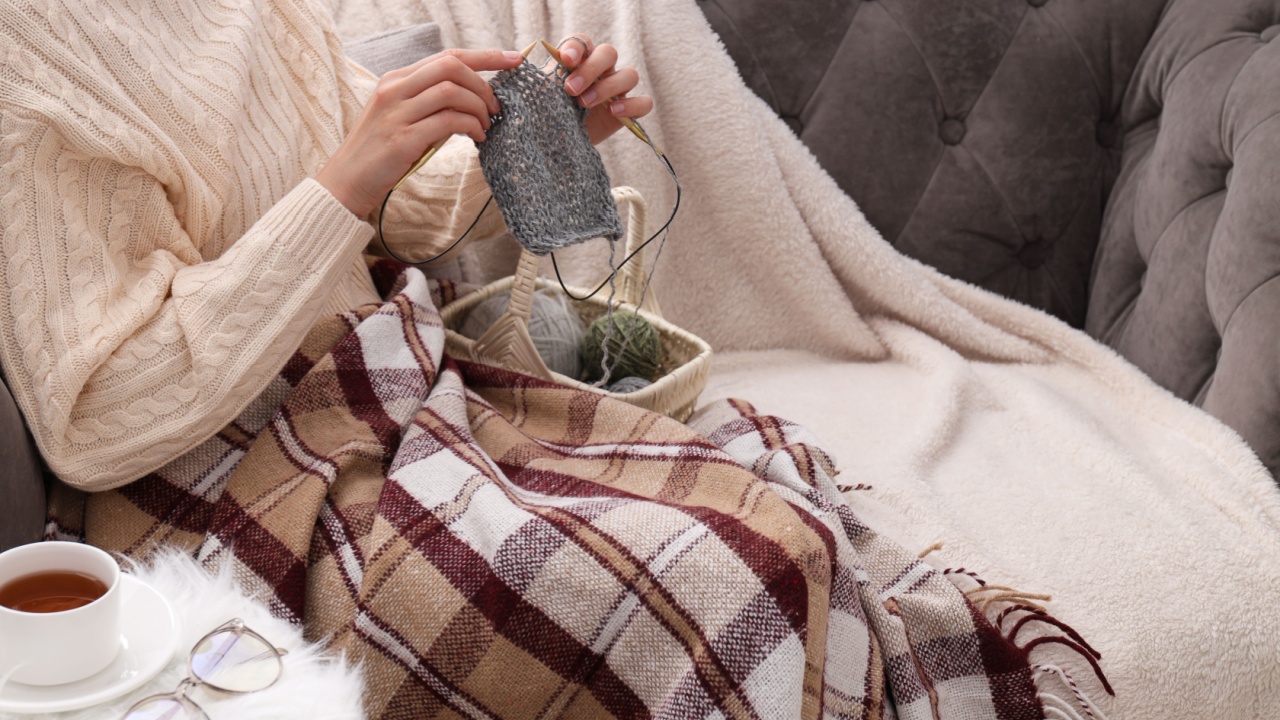
Stagnation is often the enemy of happiness. Finland places a massive emphasis on education and continuous learning, but not just for career advancement. Learning new skills, be it knitting, woodworking, or learning a new language, is encouraged for the sheer joy of development.
Engaging the brain in new tasks builds resilience and confidence. It shifts the focus from passive consumption (like watching TV) to active creation. When people feel capable and are constantly expanding their horizons, they feel more satisfied with life. To bring this into your own life, prioritize hobbies that challenge you. Build a raised garden bed from scratch, learn to propagate difficult plants, or take a local pottery class.
5. Building a Society Based On Trust

Perhaps the most striking difference between Finland and other nations is the level of trust citizens have in one another and their institutions. You see fewer fences and more unlocked doors. People generally assume their neighbors have good intentions. High levels of societal trust reduce daily friction. You spend less mental energy worrying about being cheated or harmed.
This feeling of safety allows the nervous system to relax. When you aren’t constantly on guard, you have more emotional capacity for kindness and creativity. While we cannot single-handedly change society, we can influence our immediate circles. Being a trustworthy neighbor, keeping promises, and offering help without strings attached builds a micro-community of trust.
Why Contentment Beats Overwhelming Joy

The biggest takeaway from the Finnish model is that they don’t aim for euphoria. They aim for contentment. Happiness is often fleeting and high-energy, whereas contentment is sustainable and calm. The goal isn’t to be jumping for joy every hour of the day. It is to build a life where the baseline is “good.” It is about having a safe home, meaningful work, access to green grass, and avoiding things that derail our happiness. Then you can have the freedom to be honest about who you are.