6 Smart Layout Hacks for Big Families in Small Spaces
Living in a compact home with a growing crew feels like a perpetual game of Tetris. You fit one piece in, and suddenly three more appear. But limited square footage does not have to mean limited living. With a bit of ingenuity and some strategic furniture placement, you can carve out privacy and functionality where none seemed to exist before.
These ideas prove that constraints often breed the most brilliant design solutions. Read on to discover how savvy families transform tight quarters into comfortable havens.
1. Swap the Master Suite for a Murphy Bed
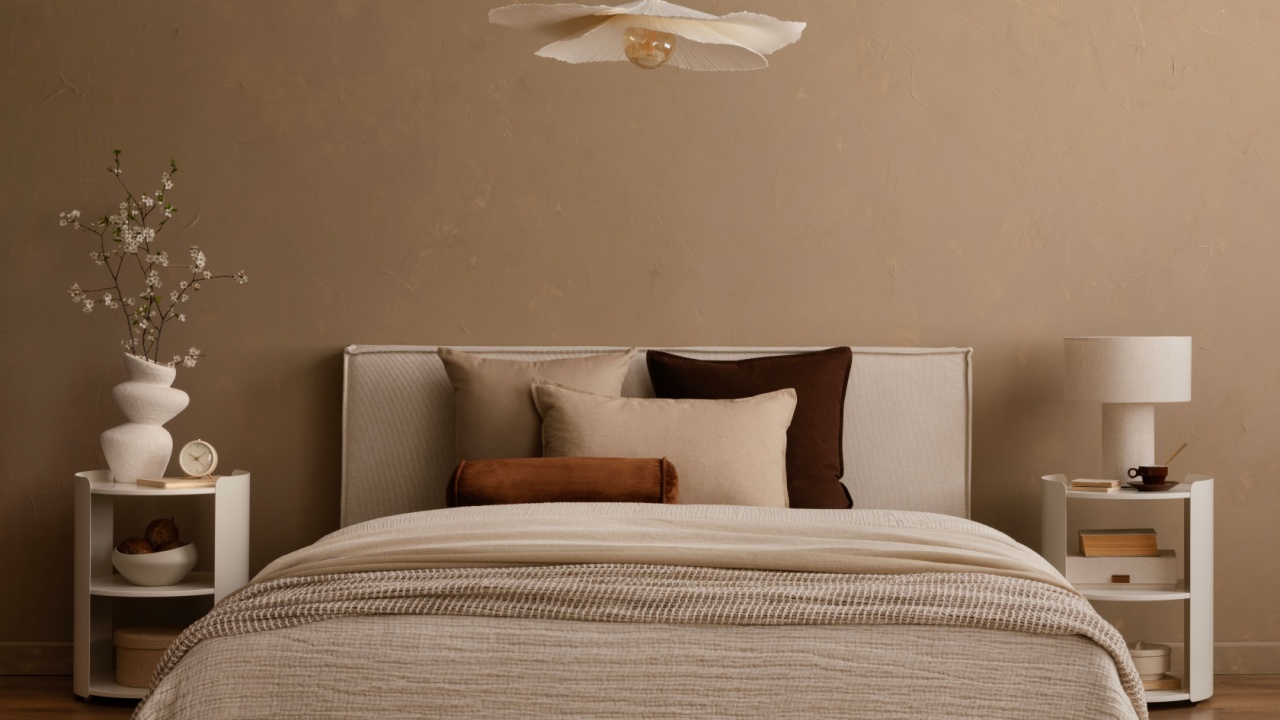
Conventional wisdom suggests that the largest bedroom should belong to the primary occupant. However, rethinking this approach can often lead to better use of space. In a compact home, dedicating the bedroom to other functions, such as a workspace or storage, and opting for a Murphy bed in the room, or even the main living area, can enhance the flow and flexibility of the space.
By folding the bed away during the day, the living area maintains its primary function, while a high-quality wall bed transforms the room into a private retreat at night. This setup allows for a more efficient and versatile use of limited square footage.
2. Go Vertical with Custom Triple Bunks
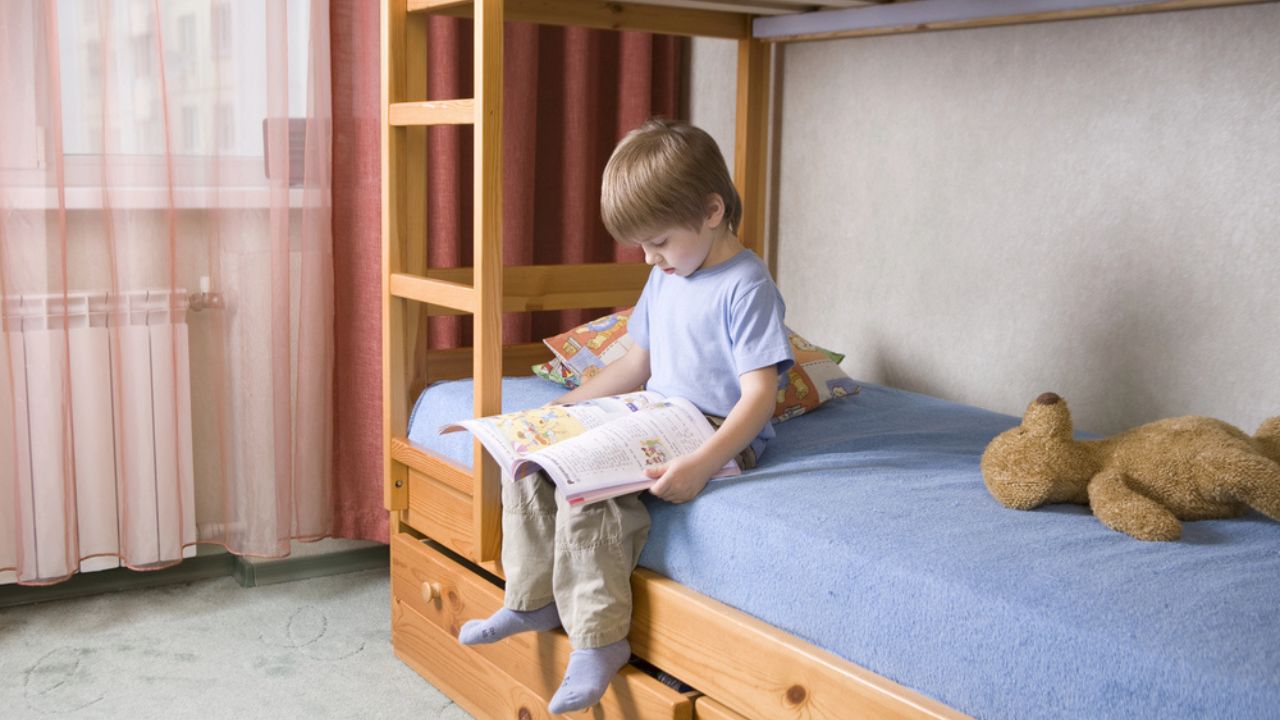
When floor space is scarce, the only way is up. One popular solution is building DIY triple bunk beds, especially for families with multiple children sharing a room. Standard store-bought bunks waste precious vertical inches or fail to fit snugly into specific alcoves.
Constructing a custom solution allows you to utilize every inch of ceiling height. This setup clears the center of the room for play and study areas, making a shared room feel significantly larger. If you are handy with tools, customizing the build allows you to integrate safety rails and ladders that match the room’s aesthetic perfectly.
3. Reclaim the Hallway for Play
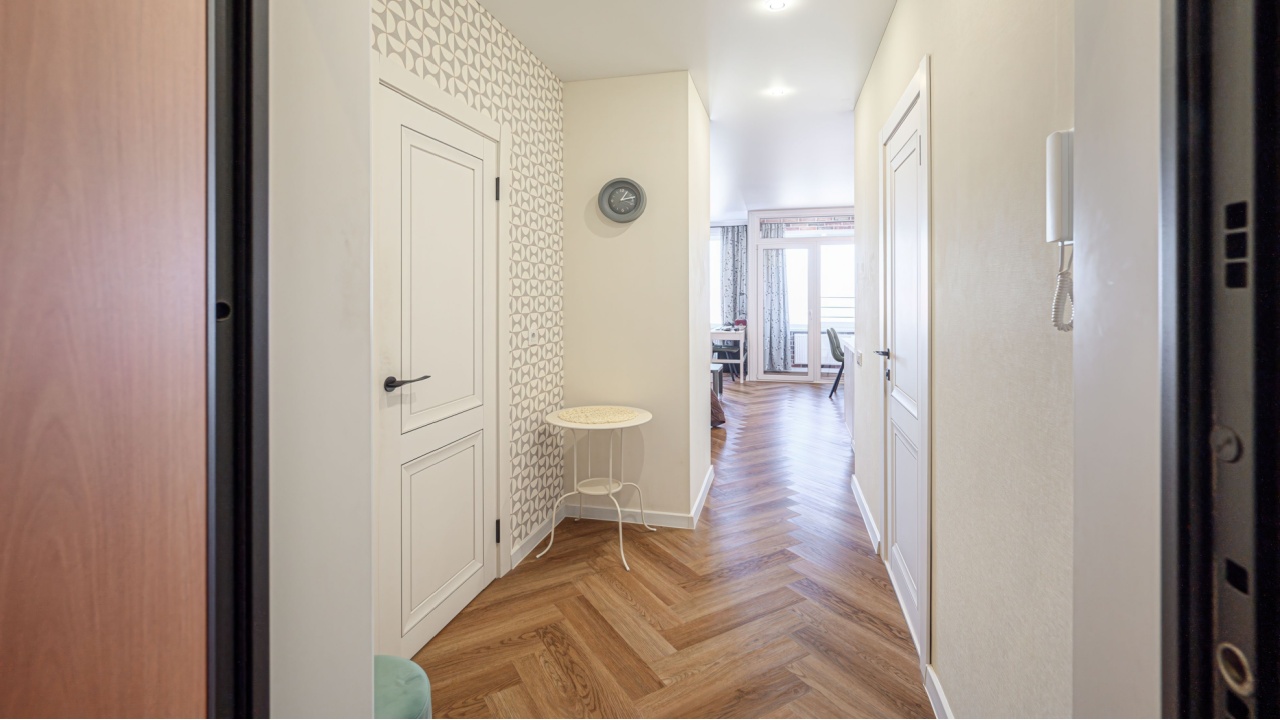
Hallways are often seen as simple passageways, but they hold untapped potential. In a railroad-style apartment, a wide hallway can become a functional destination rather than just a thoroughfare.
Transforming this space can free up square footage in other rooms for their intended purposes, like sleeping or dressing. This approach keeps items contained in one central area and prevents clutter from spreading throughout the home.
4. Install Louvered Walls for Flexible Privacy
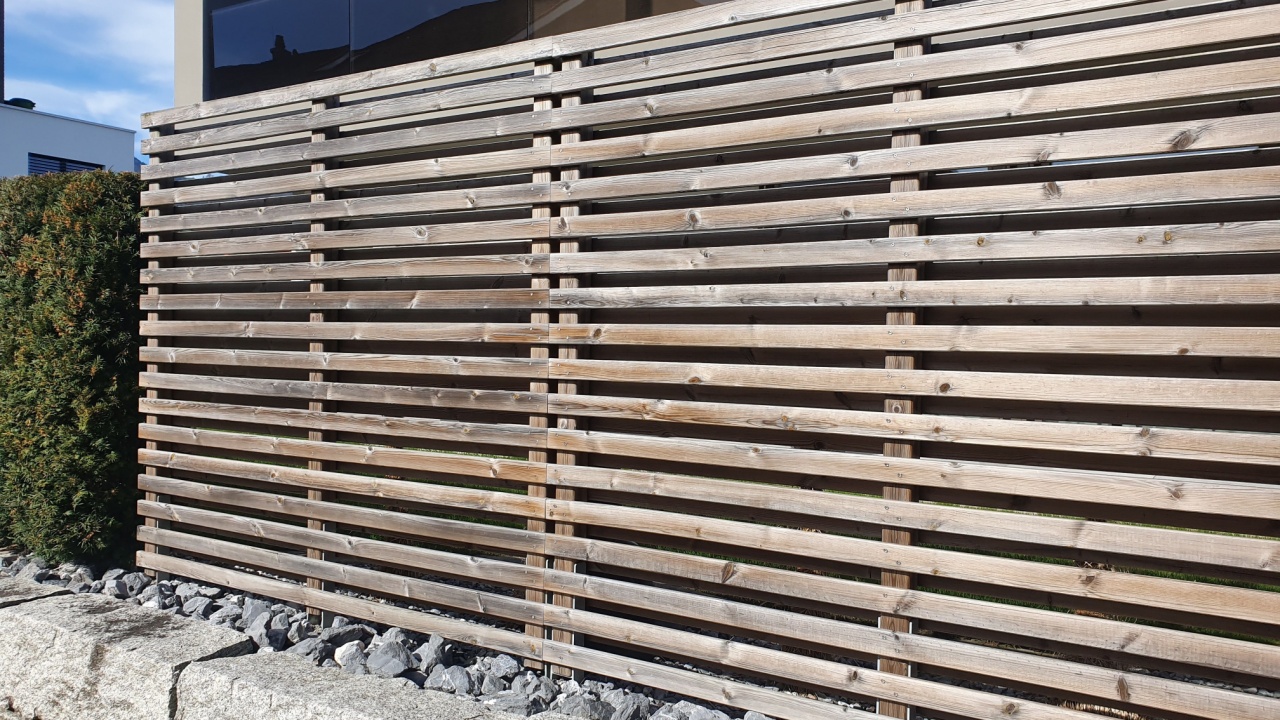
Creating a nursery in a windowless nook presents a ventilation and light challenge. This was solved in a Brooklyn loft with a custom wall of turnable wooden slats. This ingenious woodwork provides complete control over the environment.
When closed, the slats block light and sound to create a dark, quiet space. When opened, they allow air and natural light to flow through. This architectural solution defines a separate room without building a permanent, confining wall, preserving the open feel of high ceilings.
5. Put Your Furniture on Wheels
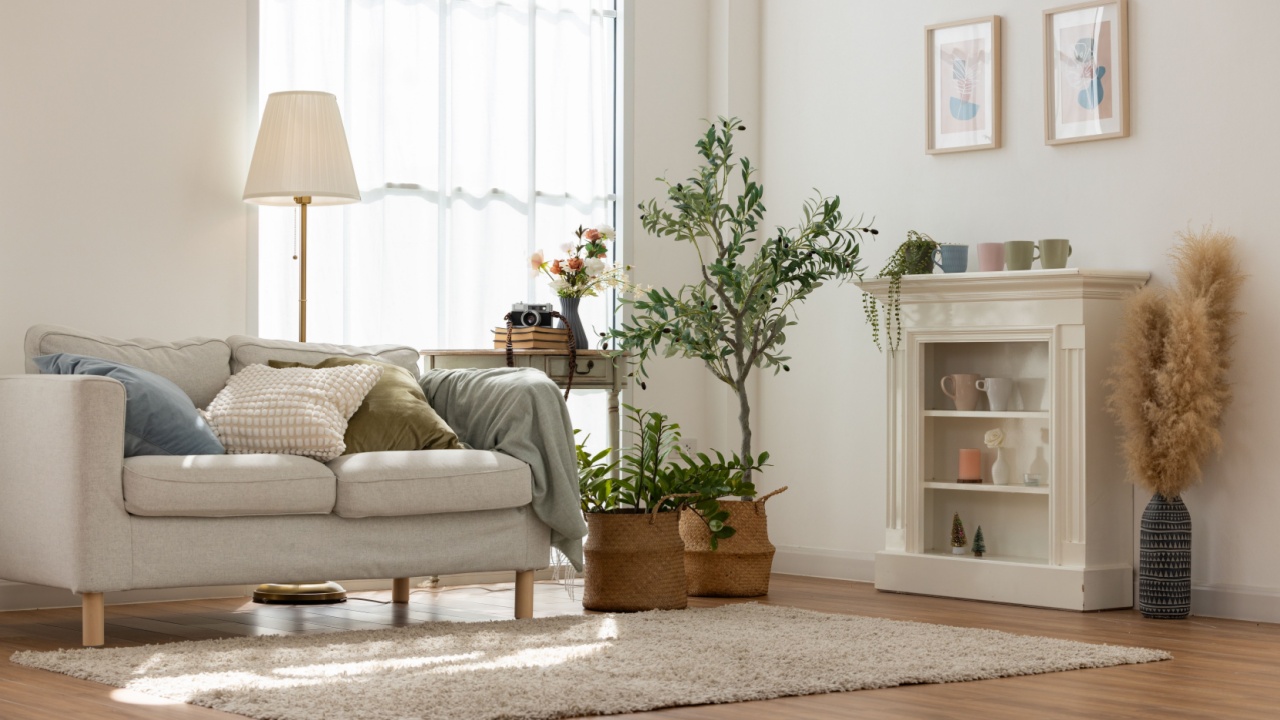
Fixed furniture layouts can make small apartments feel stagnant and cramped. Adopting a flexible approach by putting wheels on larger pieces, like a sofa, allows a living area to transform in seconds.
A sofa can be pushed back to open up floor space or rolled forward to create a cozy viewing spot. Adaptable furniture empowers you to dictate how a room functions at any given moment. When DIYing this solution, look for heavy-duty casters with locks to keep pieces stable when you want them to stay put.
6. Build Lofts with Storage Stairs
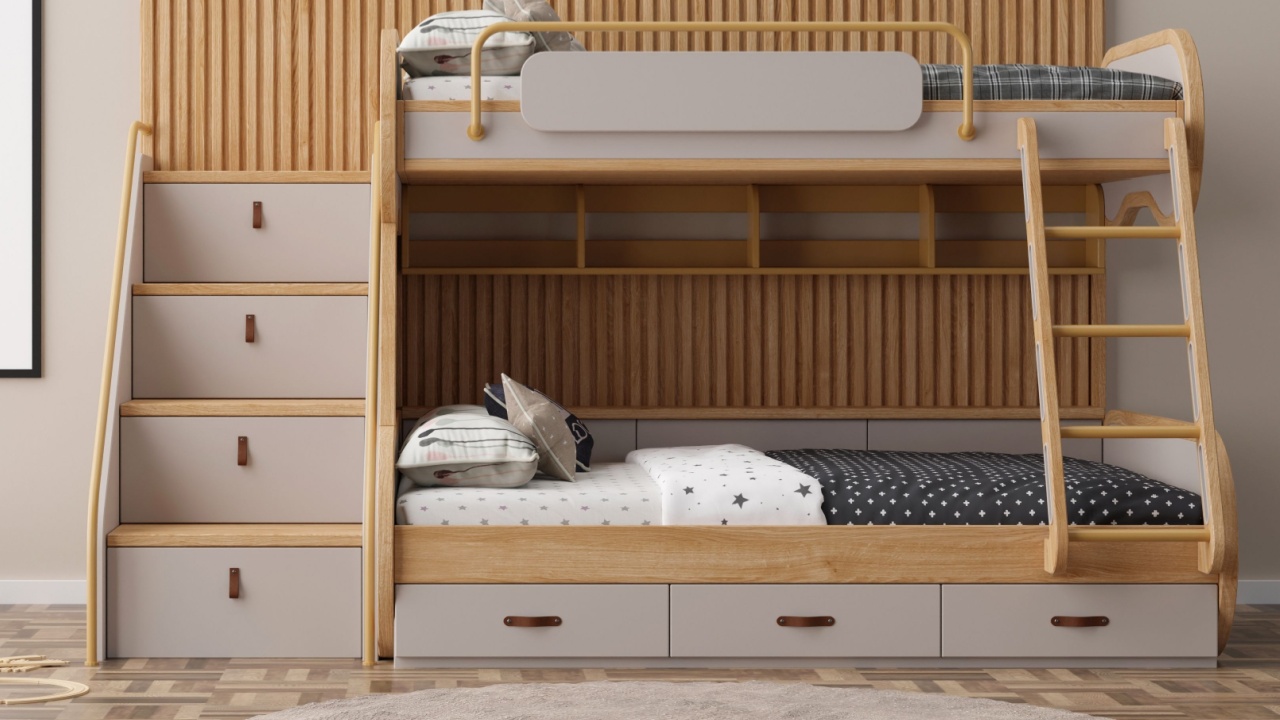
Lofted beds are a classic small-space solution, but ladders can be tricky and unsafe, especially in the dark. An alternative approach is building a two-tier loft with stairs instead of a ladder. This design leads to a bed near a window, maximizing natural light while offering safer access.
The stairs can also double as deep storage drawers, adding functionality. Utilizing the vertical space in a room, even with standard ceilings, this setup separates sleeping and living areas while maintaining safety and accessibility. It essentially creates a second floor where one didn’t exist before.
Optimize Your Living Environment

Maximizing a small interior often leads to a desire for more connection with the outdoors. If you’ve optimized your indoor layout, consider extending your living area to a balcony or patio. Thoughtful furniture placement and simple decor can create a seamless transition, making your home feel more spacious and inviting. Small changes can make a big impact on how open and airy your space feels.