Feeling Broke? Stop Buying These 14 Things
Watching a bank account balance dwindle creates a sinking feeling. Often, the culprit isn’t one massive expense destroying the budget, but rather a thousand small cuts bleeding finances dry.
Identifying these financial leaks allows for a course correction. Money saved from eliminating unnecessary purchases quickly compounds into meaningful wealth. Review this list of common spending traps to stop draining your hard-earned cash.
1. Random “Stuff” and Clutter

Filling a home with knick-knacks and impulse purchases provides a momentary dopamine hit that fades quickly. These items often end up collecting dust on shelves or shoved into junk drawers, creating stress rather than joy.
Before heading to the checkout line, pause. Ask if the item serves a distinct purpose or solves a genuine problem. If the answer remains unclear, put it back. Keeping a home free of clutter saves money and maintains a peaceful living environment.
2. Multiple Streaming Services

Subscribing to Netflix, Hulu, Disney+, and HBO Max simultaneously costs a small fortune annually. Most viewers only watch one or two shows at a time, leaving the other platforms to sit idle while billing monthly.
Rotate services instead. Subscribe to one platform, binge the desired content, cancel, and move to the next. This strategy keeps entertainment costs low without sacrificing access to great shows.
3. Full-Price Online Shopping

Checking out without looking for a discount code is like leaving free money on the table. Browser extensions and apps exist specifically to hunt down valid promo codes and lower prices.
Tools like Capital One Shopping or Rakuten run in the background and apply savings automatically. Paying full retail price makes little sense when technology does the bargain hunting for you.
4. Pre-Packaged and Processed Foods
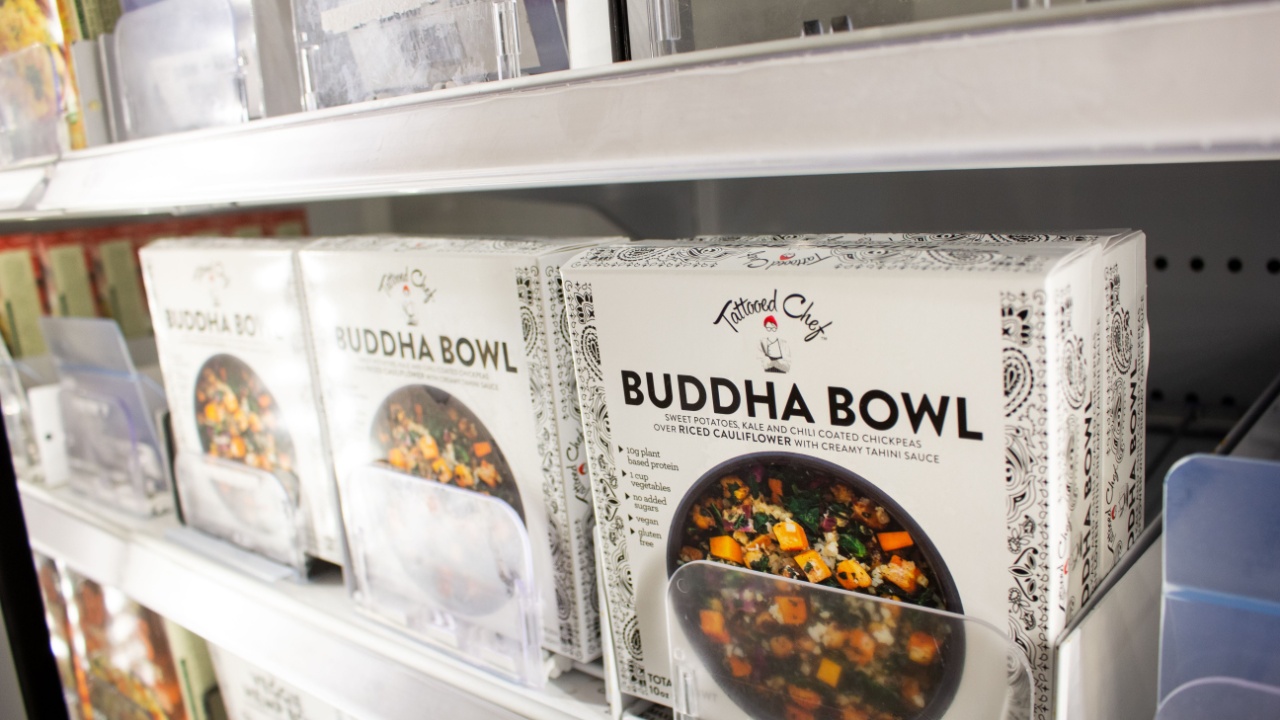
Convenience foods come with a hefty markup. While frozen dinners and boxed meals save time, the cost per serving is significantly higher than cooking from scratch.
These items also tend to lack nutritional value compared to whole foods. buying raw ingredients like chicken, rice, and fresh vegetables allows for meal prepping in bulk. Your wallet and health benefit from the switch.
5. Credit Card Interest

Carrying a balance on a credit card means paying for yesterday’s purchases with tomorrow’s income, at a premium. Interest payments offer zero value in return; they simply vanish into the bank’s pockets.
Prioritize paying off high-interest debt immediately. Using a debit card or cash helps avoid accumulating new debt. Eliminating interest payments effectively gives your budget an instant raise.
6. Restaurant Meals

Dining out regularly is one of the fastest ways to deplete a bank account. You pay for the food, the labor, the overhead, and the tip. A single dinner out often costs the same as a week’s worth of groceries.
Reserve restaurants for special occasions rather than defaulting to them out of boredom or fatigue. Learning a few simple, quick recipes makes eating at home an enjoyable alternative.
7. Ghost Subscriptions

Many people pay for gym memberships they never visit or magazine subscriptions they never read. These “ghost” charges quietly siphon money every month. Review bank statements carefully to identify recurring charges for unused services.
Canceling these immediately stops the bleeding. If a service hasn’t been used in the last 30 days, it likely isn’t necessary.
8. Single-Use Plastics
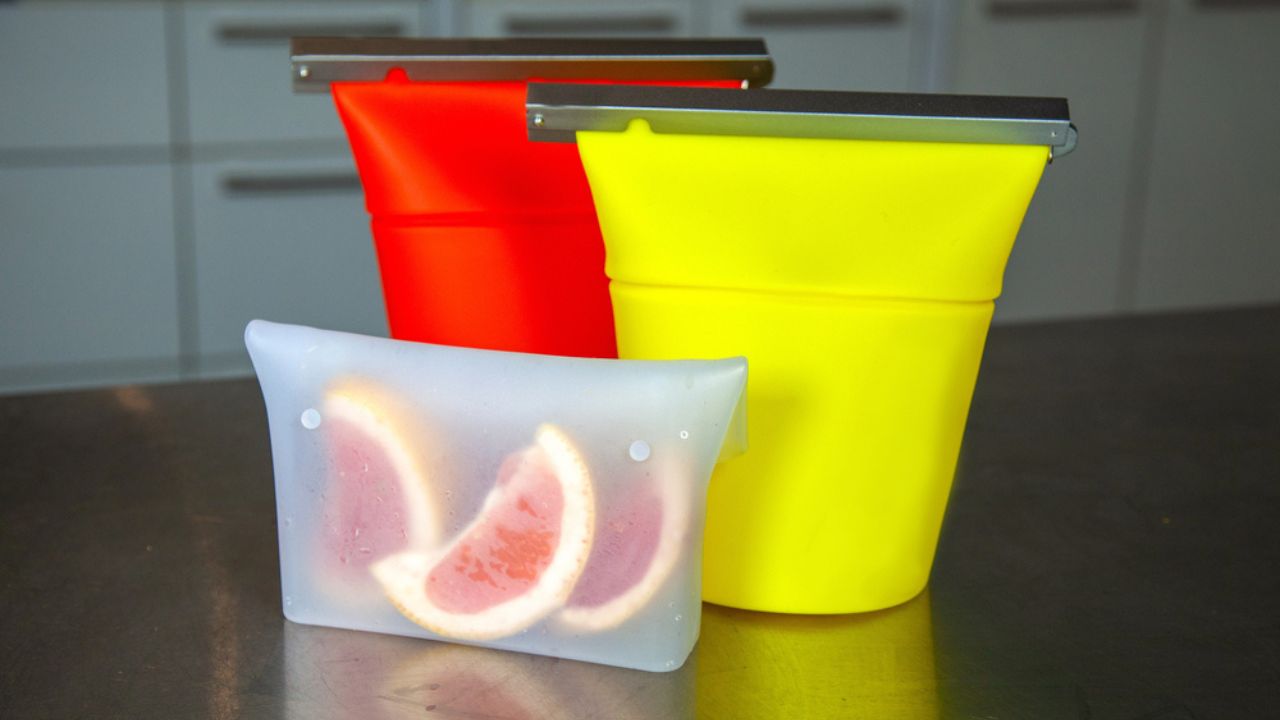
Buying sandwich bags, plastic water bottles, and disposable cutlery creates a cycle of endless spending and waste. While convenient, these items end up in the trash after one use.
Investing in reusable alternatives like silicone food bags, beeswax wraps, and sturdy water bottles saves money over the long haul. A one-time purchase replaces years of recurring costs.
9. Paper Towels

Wiping up spills with paper towels literally throws money in the trash. The cost of buying bulk packs adds up significantly over a year. Switch to reusable options like Swedish sponge cloths or simple cotton rags.
These absorb messes just as well, wash easily in the machine, and last for months. It simplifies the grocery list and keeps cash in your pocket.
10. Brand-Name Cleaning Products
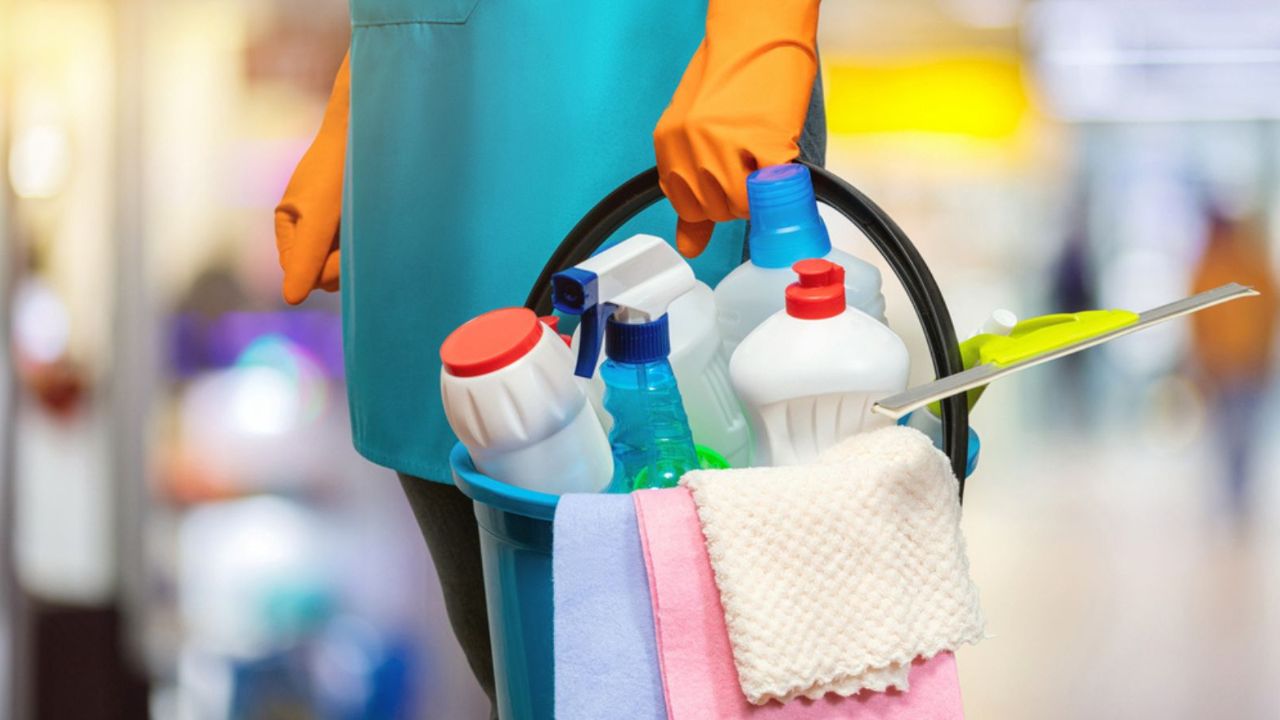
Fancy spray bottles with colorful labels promise a spotless home but charge a premium for basic chemistry. Most household cleaning tasks require nothing more than white vinegar, baking soda, and water.
These ingredients cost pennies and clean just as effectively as their brand-name counterparts. Mixing a simple all-purpose cleaner at home reduces plastic waste and eliminates an expensive aisle from the grocery trip.
11. Pre-Cut Fruits and Vegetables
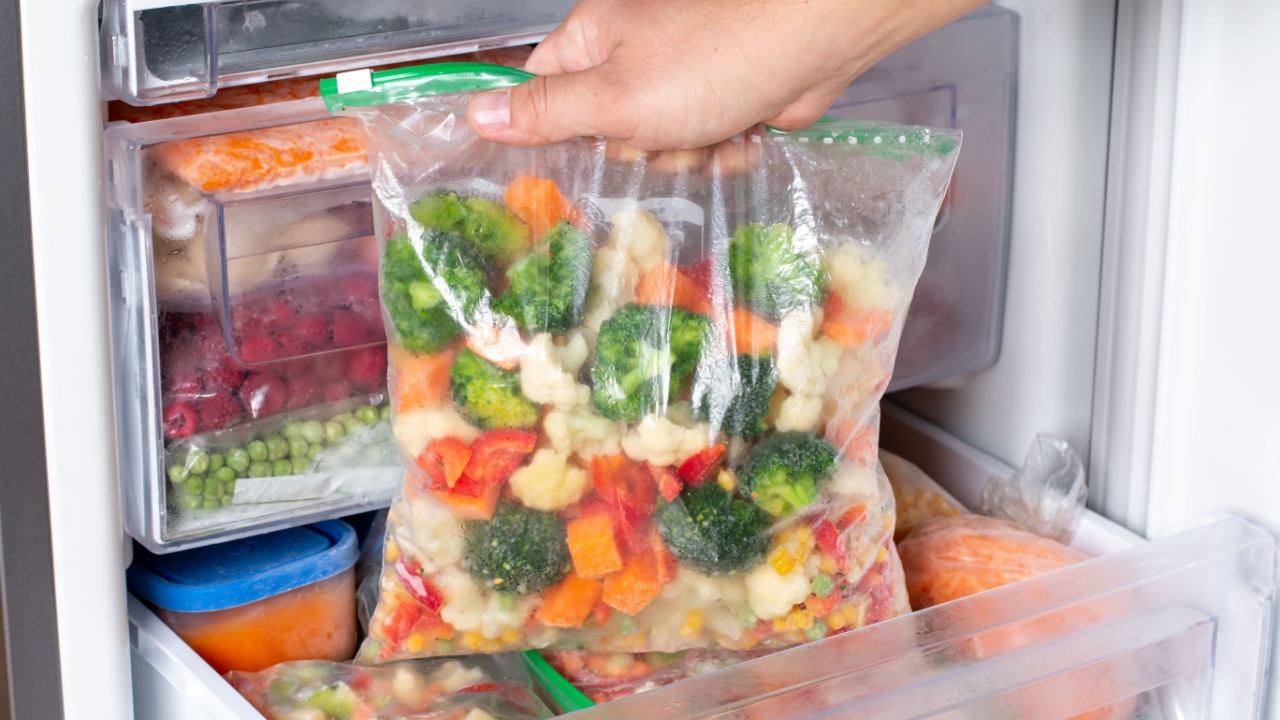
Grocery stores charge a “lazy tax” for chopped onions, sliced melon, and spiraled zucchini. The price per pound for pre-cut produce is often triple that of the whole fruit or vegetable.
Spending five minutes with a knife saves significant money. Buying whole produce also ensures the food stays fresh longer, reducing the likelihood of spoilage and food waste.
12. Daily Coffee Shop Runs

A daily five-dollar latte habit costs over $1,800 annually. That money could fund a small vacation or a significant home improvement project. Brewing coffee at home costs a fraction of the price.
For those who miss the fancy flavors, investing in a decent espresso machine or milk frother allows for cafe-quality drinks in the kitchen.
13. Bottled Water
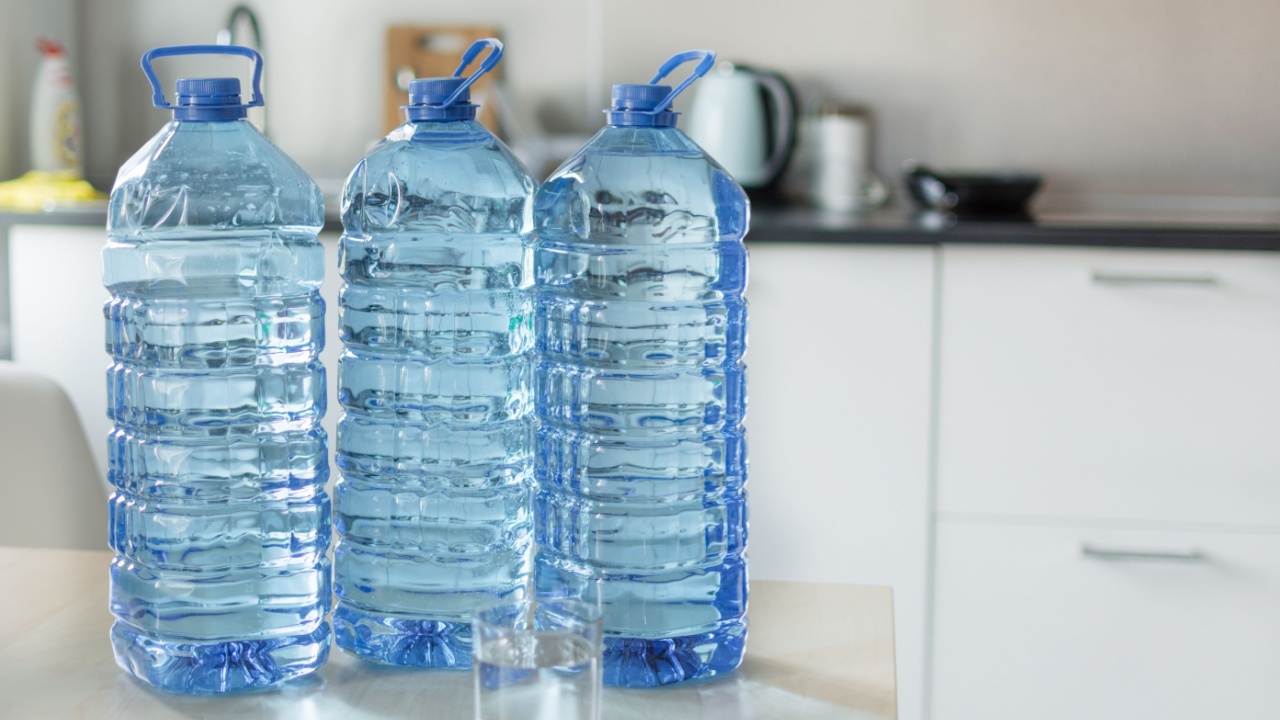
Paying for bottled water is paying for plastic and marketing. Tap water costs almost nothing. If local water quality is a concern, a high-quality filter pitcher or an under-sink filtration system solves the problem for a fraction of the cost of buying cases of water.
This switch eliminates the hassle of lugging heavy cases from the store and frees up pantry space.
14. Fast Fashion Trends

Chasing micro-trends results in a closet full of poor-quality clothing that falls apart after a few washes. Cheap garments often lose their shape or fade quickly, requiring frequent replacement.
Curate a wardrobe of timeless, higher-quality staples. These pieces last longer and look better, reducing the overall need to shop for clothes constantly.
Start Growing Your Savings

Eliminating these 14 items stops the financial drain and puts you back in control. With the extra room in the budget, focus on investments that improve your quality of life and the value of your property.
Consider starting a vegetable garden to further reduce grocery bills or saving for high-quality, energy-efficient appliances that lower utility costs. Directing money toward your home and future provides far greater satisfaction than fleeting impulse buys.