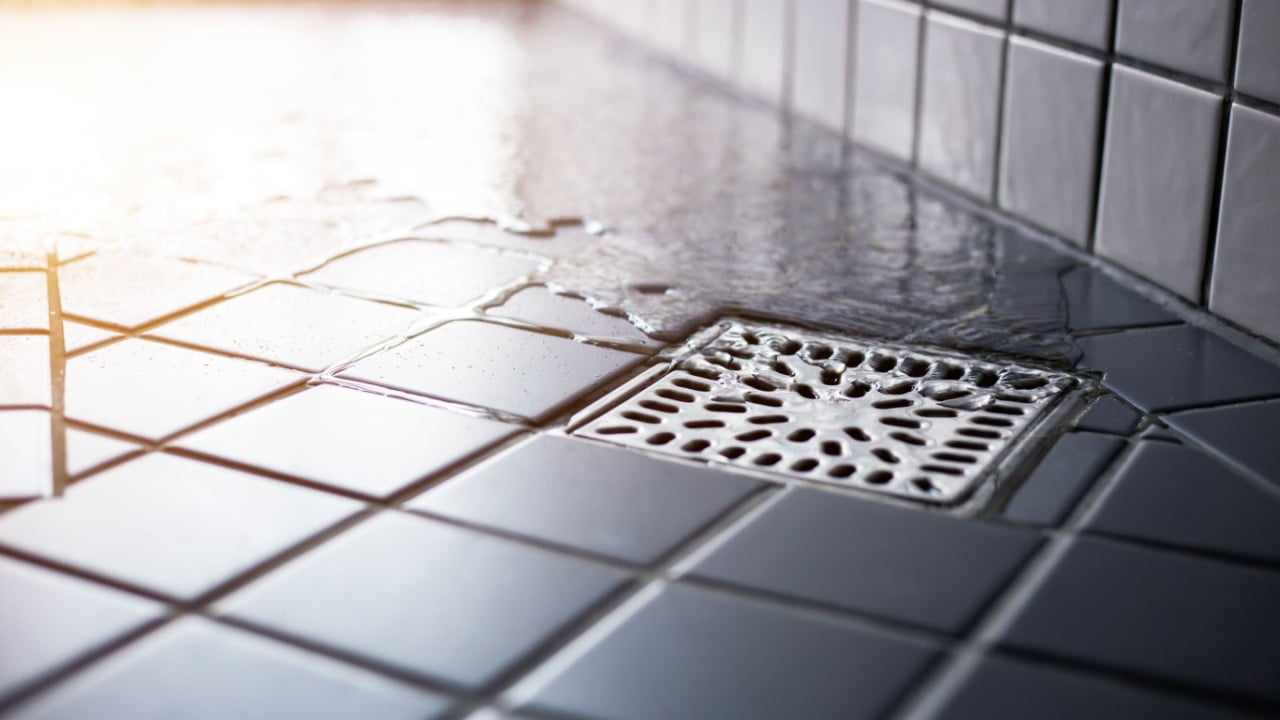
This is Our Favorite Way to Tackle a Clogged Shower Drain
Standing in a puddle of lukewarm, soapy water is a special kind of morning misery. The shower, a place of cleansing and contemplation, suddenly becomes a shallow, grimy pond. Before you start questioning all your life choices that led to this moment, know that a clogged drain doesn’t have to ruin your day or your wallet. You can handle this.
With a few tricks up your sleeve, you can conquer that stubborn clog and restore peace to your bathroom sanctuary. Forget calling for backup just yet; here are the methods plumbers often use before bringing out the heavy-duty equipment.
1. The Boiling Water Flush
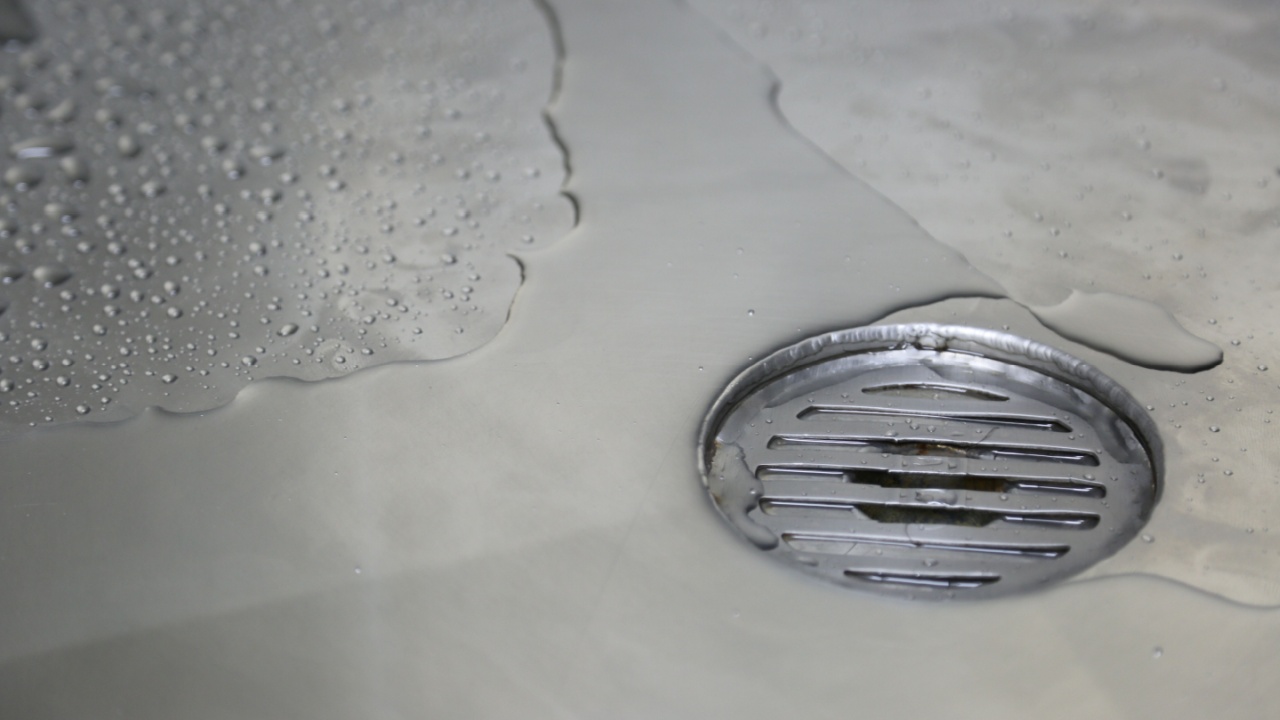
This is the first and simplest step for a reason. Sometimes, the problem is just a buildup of soap scum and conditioner clinging to the pipes. These substances, when cool, can create a waxy, sticky mess that traps hair and other debris. Hot water from the shower might not be enough to melt it away.
Pouring a kettle full of boiling water directly down the drain can often be enough to dissolve the greasy blockage. The intense heat liquefies the soap scum, allowing it to be flushed down the pipe. It’s most effective on minor, slow-draining situations rather than full-blown standstills. For this to work, pour the water slowly and directly into the drain opening to maximize its impact.
2. The Fizzy Duo: Baking Soda and Vinegar
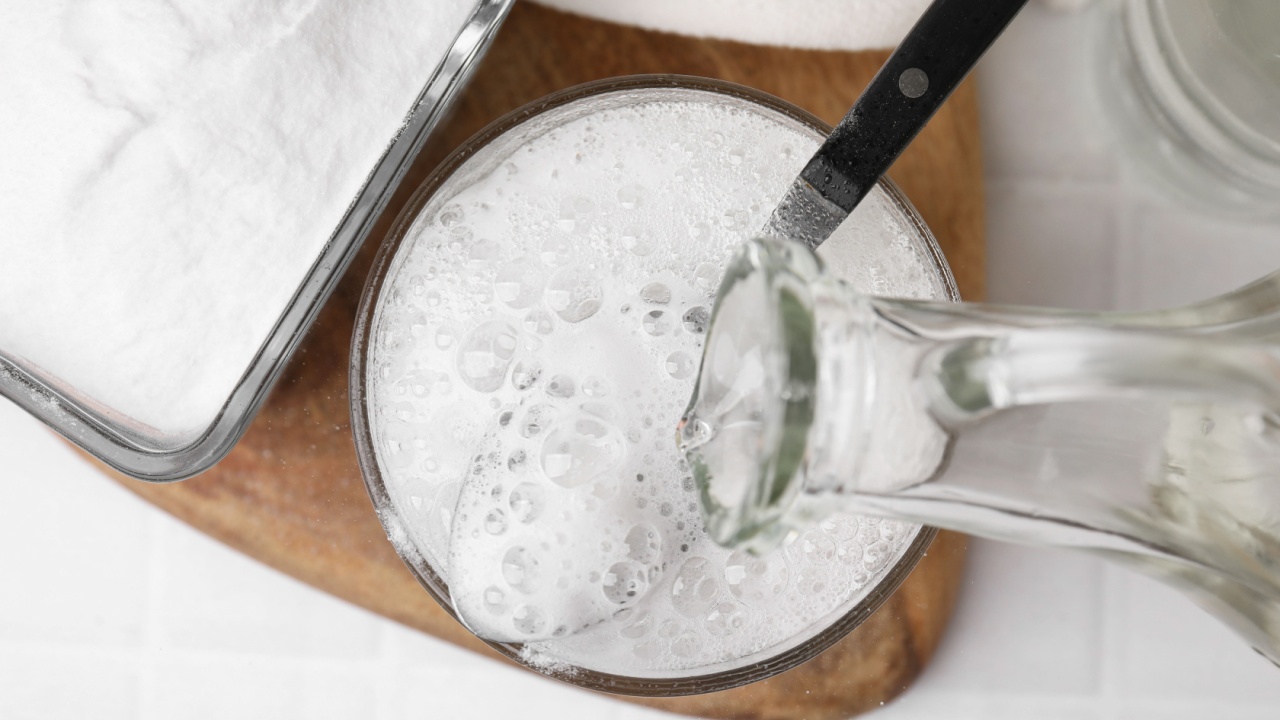
This method uses a classic elementary school volcano experiment to your advantage. The combination of baking soda (a base) and vinegar (an acid) creates a vigorous bubbling reaction that can physically dislodge and dissolve drain gunk. First, pour about a cup of baking soda down the drain. Follow it with an equal amount of white vinegar (don’t pour them at the same time, since they neutralize each other over time).
Immediately cover the drain with a plug or a cloth to direct the fizzing action downwards into the pipe, where the clog lives. Let this mixture work for at least an hour. The effervescent action scrapes away at grime, loosens hair, and helps break down the obstruction. After the time is up, flush the drain with another pot of boiling water to wash away all the loosened debris.
3. The Plunger Approach

When you’re dealing with something more solid than soap scum, you need to apply some force. A plunger uses basic physics, suction, and pressure to yank a clog loose. While you might associate it with the toilet, a plunger is a powerful tool for any drain. For best results, use a standard cup plunger, not the flanged kind made for toilets.
To create a proper seal, add a little water to the shower basin to submerge the rim of the plunger. A thin layer of petroleum jelly on the plunger’s lip can also help create an airtight seal against the shower floor. With the seal in place, push and pull with several firm, rapid thrusts. This alternating pressure can dislodge the hair or object that’s causing the backup.
4. The Drain Snake Offensive
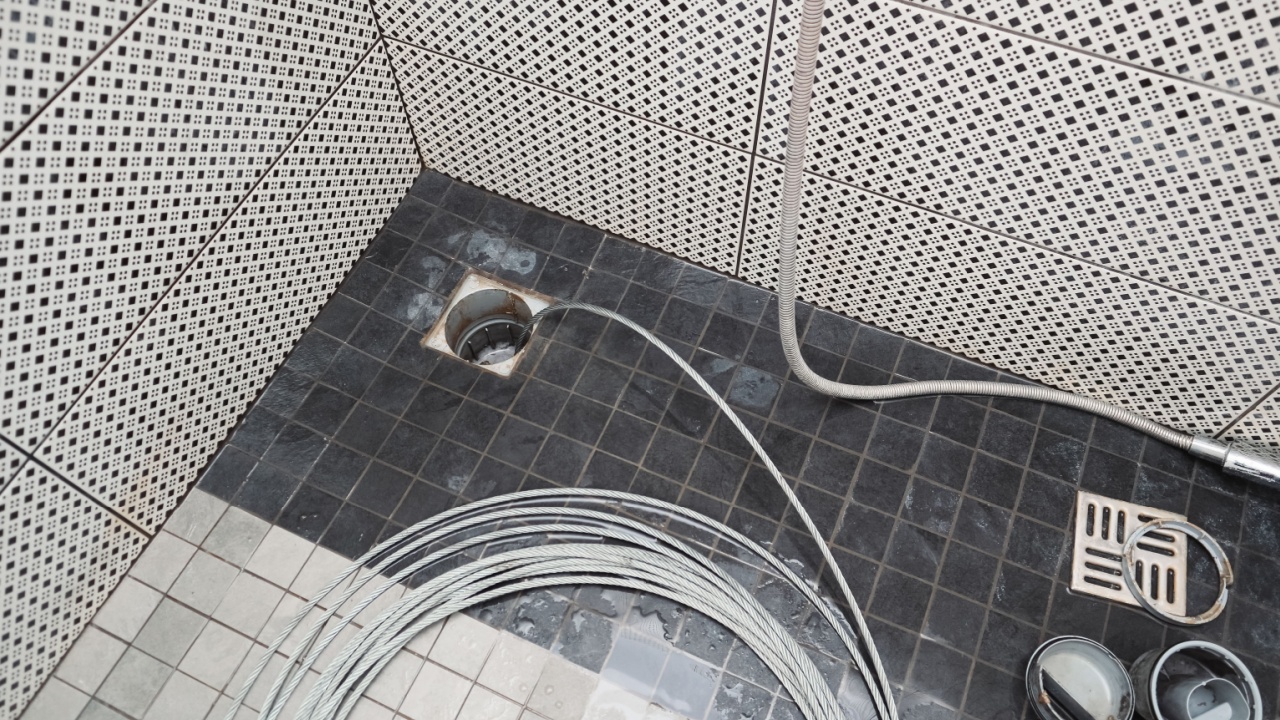
Sometimes, a clog is a dense, tangled monster of hair and goo that lives deep in the pipe. When a plunger can’t reach it, you need to go in and pull it out. A plumber’s snake, or drain auger, is a long, flexible tool designed for this exact purpose. You can find simple, inexpensive plastic versions or more robust metal ones at any hardware store.
Feed the snake down the drain until you feel resistance. That’s the clog. Rotate the handle to allow the corkscrew tip to grab onto the hair and debris. Once you feel it has a good grip, slowly pull the snake back out. Prepare yourself for what you might retrieve; it’s often a startling, gross, but very satisfying clump of everything that’s been blocking your pipe. Repeat the process until the snake comes out clean, and then flush the drain with hot water.
5. The Power of a Wet/Dry Vacuum

For a truly stubborn blockage, you might need more suction power than a simple plunger can provide. A wet/dry shop vacuum can be a surprisingly effective tool for this job. By setting it to its “wet” or liquid vacuum mode, you can literally suck the clog right out of the pipe.
First, remove the shower drain cover. Create a tight seal for the vacuum hose around the drain opening; you can use a plunger head or even a damp cloth to help. Turn the vacuum on to its highest setting. The powerful suction will pull water and the obstruction up into the vacuum’s canister. It’s a loud but often quick solution for clogs that are just beyond the reach of other methods.
6. Chemical Cleaners: The Last Resort
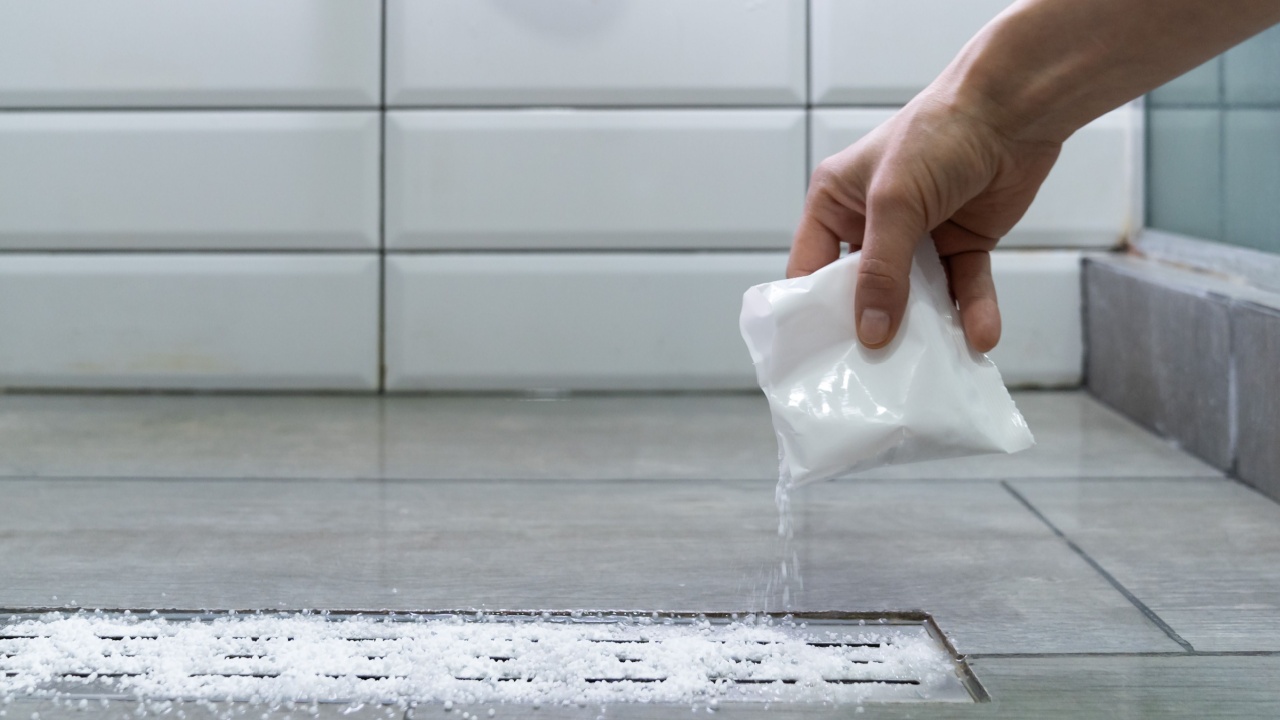
If you’ve tried everything else and the water still isn’t going down, you might be tempted to reach for a commercial chemical drain cleaner. These products use potent chemicals to dissolve everything from hair to soap scum. However, they should always be a final option.
These chemicals are highly corrosive and can damage older pipes, especially PVC or metal ones, if used too frequently. They are also harmful to the environment and can be dangerous if they come into contact with skin or eyes. If you must use one, follow the manufacturer’s instructions exactly, wear protective gear, and never mix different chemical cleaners. After using a chemical product, flushing thoroughly with cold water is critical to wash the remaining chemicals out of your plumbing system.
Keeping Your Drains Clear
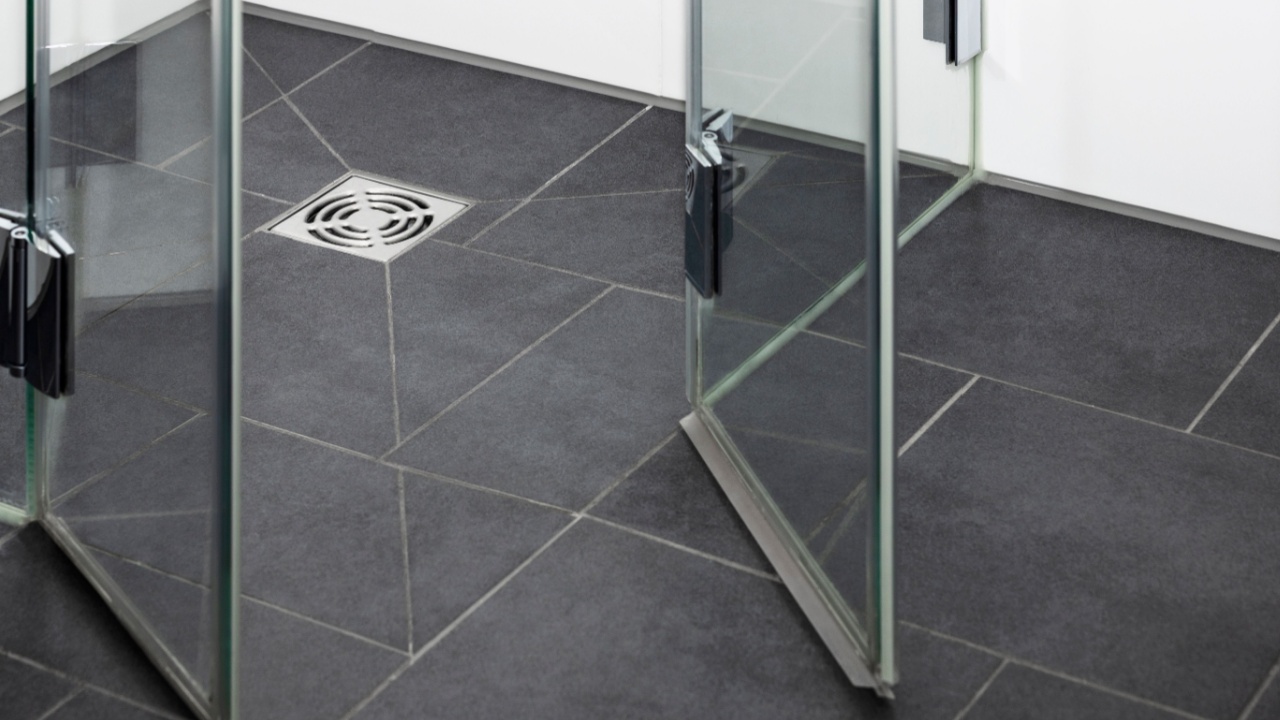
The best way to fix a clog is to prevent it from happening in the first place. A simple mesh drain cover can catch the vast majority of hair before it has a chance to go down the drain. Making it a habit to clean this cover weekly will save you a world of trouble. Use pet and plant-friendly cleaners when you clean.
Additionally, performing a monthly maintenance flush can keep your pipes in good working order. Pouring a kettle of boiling water down the drain or using the baking soda and vinegar method every four to six weeks can break up the small accumulations of soap and grime before they become a major problem.
Read more
How Often Should You Really Clean Your Showerhead? Experts Weigh In