
10 Ways Homeowners Are Breaking Codes and Racking Up Fines
Owning a home provides a sense of freedom until a city inspector arrives with a clipboard and a list of expensive demands. Local ordinances exist to maintain neighborhoods’ safety and order, but many rules can be easily overlooked. Breaking these rules results in heavy fines, legal headaches, or even being forced to tear down your hard work. Understanding these common pitfalls helps keep your property in good standing and your bank account intact.
Here are 10 ways homeowners could be breaking finable rules.
1. Building Without a Permit

Adding a deck, a shed, or a new fence is a simple weekend project, but most exterior structures require official permission. Cities track these changes to ensure they meet safety and zoning standards. If a neighbor reports the construction or an inspector notices the new addition, you face fines that far exceed the original permit cost. In some cases, the city can even order you to dismantle the structure entirely.
Taking the time to file paperwork might seem tedious when you have a hammer ready, but it protects your investment. A permit provides a paper trail that proves the work is safe and up to code, which is vital when you eventually sell the house. Checking with the local building department before starting any physical changes to your exterior prevents a DIY dream from becoming a financial nightmare.
2. Neglecting Lawns and Landscaping

Overgrown grass and weeds are more than just an eyesore for the neighborhood. Many municipalities have strict height limits for turf, often ranging from 8 to 12 inches. If your yard resembles a meadow, the city might send a crew to mow it for you and send you a massive bill along with a citation. This also applies to fallen branches or dead trees that could fall on a sidewalk or a neighbor’s property.
Keeping the yard trimmed prevents your home from being flagged as a public nuisance. It also stops pests like ticks and rodents from moving in and making themselves at home. Staying on top of the mowing schedule keeps the local code enforcement officer away and keeps the property looking intentional rather than abandoned.
3. Leaving Holiday Decorations Up Too Long

Spreading holiday cheer is great, but leaving those lights up until summer is a violation in many areas. Some cities limit seasonal displays to 60 consecutive days or a total of 120 days per year. HOA communities are often even stricter, requiring all decorations to vanish within two weeks of the holiday. Checking local nuisance ordinances or community bylaws ensures your festive spirit doesn’t result in a daily penalty.
While those twinkling lights look great in December, they become a source of irritation for neighbors by March. Many local codes view permanent holiday lighting as a form of visual clutter that detracts from the neighborhood’s appearance. Removing the plastic reindeer and colored bulbs on time keeps you in the good graces of both your neighbors and the city.
4. Working Outside of Approved Construction Hours

Renovations generate a lot of noise, which is why cities regulate when you can use power tools or heavy machinery. Most residential areas restrict loud work to between 7 a.m. and 6 p.m. on weekdays, with even tighter restrictions on weekends. If you decide to hammer away at midnight, you risk a noise complaint and a police visit.
Planning loud tasks for the middle of the day keeps you compliant and preserves your relationship with the people living next door. Your neighbors might be patient with a kitchen remodel, but that patience disappears when a circular saw starts screaming during their morning coffee. Respecting the quiet hours ensures your project moves forward without the interruption of a formal citation.
5. Improper Trash and Debris Storage
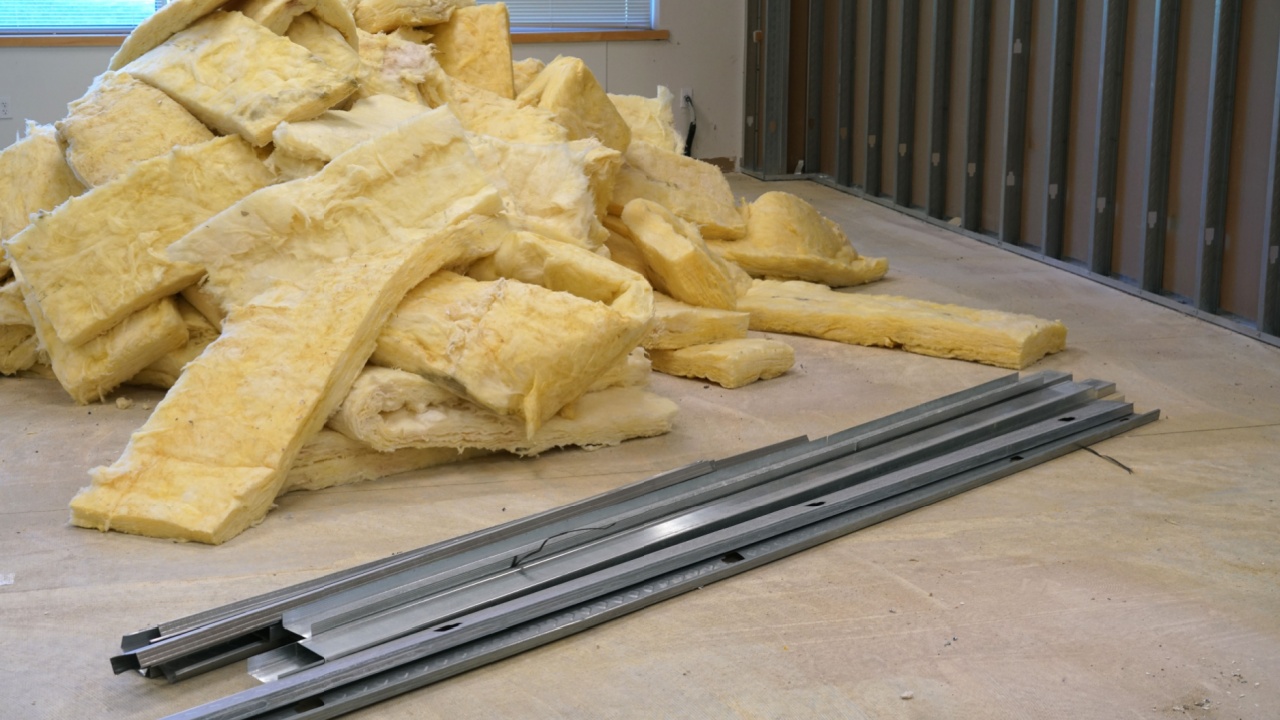
Leaving old appliances, piles of tires, or bags of construction debris in the driveway or side yard is a fast way to get a citation. Cities view these piles as fire hazards and magnets for pests like rodents or mosquitoes. Most codes require all waste to be stored in approved containers and moved to the curb only on designated pickup days.
Disposing of bulk items through proper channels keeps the property looking clean and avoids health department scrutiny. Storing a broken refrigerator on the porch might be temporary in your mind, but to the city, it is a code violation waiting to happen. Using a dumpster rental or scheduling a special pickup keeps the yard clear and the inspectors satisfied.
6. Parking Vehicles on Unpaved Surfaces

Parking your car, boat, or RV on the lawn might seem convenient, but it is illegal in most jurisdictions. Vehicles must stay on approved surfaces like concrete, asphalt, or gravel driveways. Parking on grass can damage the soil and lead to oil or fluid leaks that contaminate the ground. It also creates ruts that can collect standing water and breed insects.
If you have more cars than driveway space, look into expanding your paved area legally rather than using the front lawn as a parking lot. Many cities will issue a ticket every single day a vehicle remains on the grass. Keeping the tires on the pavement maintains the curb appeal of your home and follows environmental safety guidelines.
7. Ignoring Visible Exterior Repairs
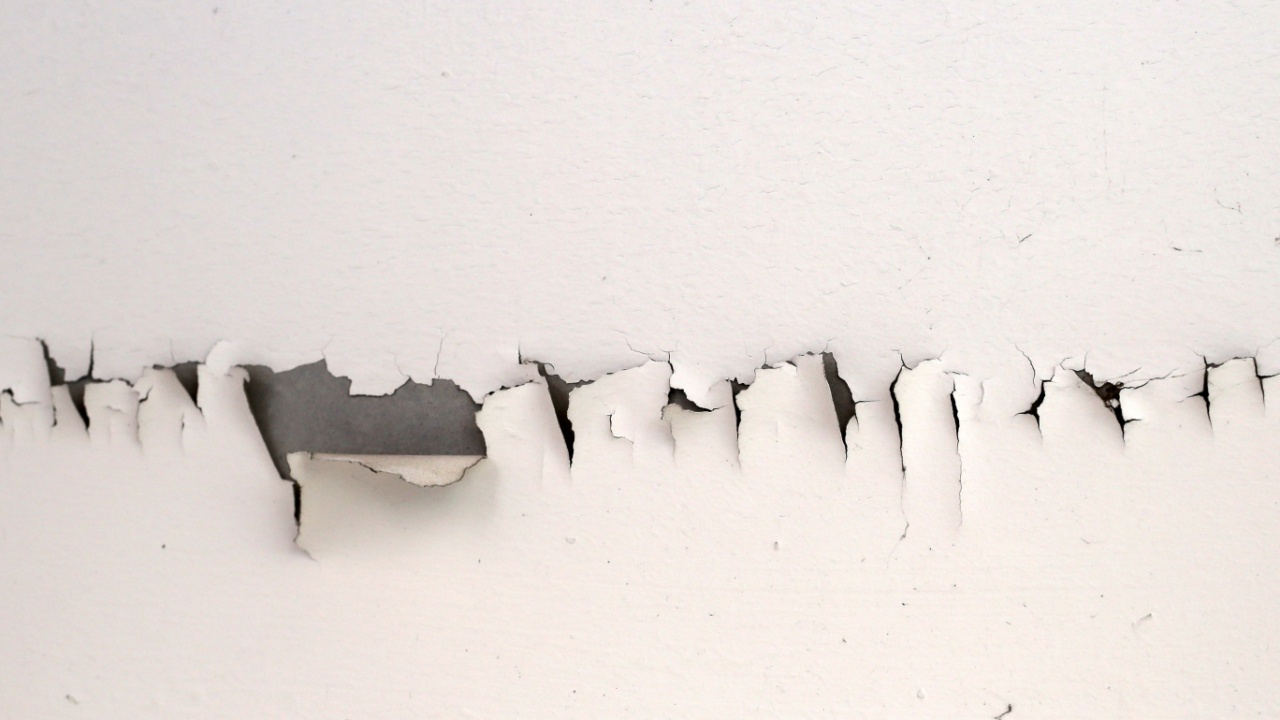
Peeling paint, broken window panes, or hanging gutters are not just cosmetic issues; they are often code violations. Maintenance codes exist to prevent properties from falling into a state of decay, which can lower surrounding property values. Inspectors can issue fines for failing to maintain the “envelope” of the home.
Addressing small repairs as they happen prevents them from turning into a legal notice from the city. A house that looks neglected attracts unwanted attention from local authorities who are tasked with preventing neighborhood blight. Keeping a fresh coat of paint and functional gutters shows the city that the property is being properly managed.
8. Operating an Unlicensed Short-Term Rental

Turning a spare room into a vacation rental is a popular way to earn extra cash, but many cities now require specific permits or licenses for this. If you list your home on a rental site without registering it with the city, you face daily fines that wipe out all your profits. Some areas also have zoning laws that ban short-term rentals in certain residential blocks entirely.
Verify your local housing laws before welcoming your first guest to avoid a shut-down order. The city wants to ensure that rental properties meet fire safety standards and that owners pay the appropriate lodging taxes. Following the rules from the start allows you to run your side business without the threat of legal action.
9. Blocked Public Right-of-Way

If your hedges or trees grow over the sidewalk or obscure a street sign, you are violating the code. Property owners are responsible for keeping the public path clear for pedestrians and ensuring that drivers have a clear line of sight at intersections. Trimming back any foliage that touches the sidewalk or hangs low over the street keeps the neighborhood safe.
A sidewalk that is blocked by a stray branch forces people to walk in the street, which creates a liability for you. Cities often send notices giving owners a few days to prune the offending plants before they send a municipal crew to do it at your expense. Regular pruning prevents these safety hazards and keeps your property lines looking sharp.
10. Failing to Maintain Fences

Fences must be kept in good repair, standing upright, and free of missing slats. A leaning fence or one with holes can be cited as a safety hazard, especially if you have a pool. Most cities also have height restrictions for front and back yards that must be followed. If you build a fence too high or let an old one rot, you are required to fix it or remove it.
Maintaining a fence is a matter of safety and neighborly respect. A sturdy, well-kept fence provides privacy and contains pets, while a broken one suggests the property is not being watched. Keeping the posts straight and the boards secure prevents the city from stepping in with a forced removal order.
Stay Off the City Radar

Managing a home involves staying on top of local regulations that change more often than you expect. To stay ahead of the inspectors, take a walk around your property once a month to look at it from a stranger’s perspective. If something looks messy, broken, or out of place, it is a candidate for a citation. For larger projects, a quick phone call to your local building department saves thousands of dollars in future penalties. Being proactive is the most effective way to keep your home a place of peace.
Read more
Homeowners Plan to Spend More on Renovations in 2026, Despite Rising Costs
20 Things Homeowners Aren’t Allowed to Do on Their Own Property