11 Traits of People Who Can’t Help But Hit the Snooze Button
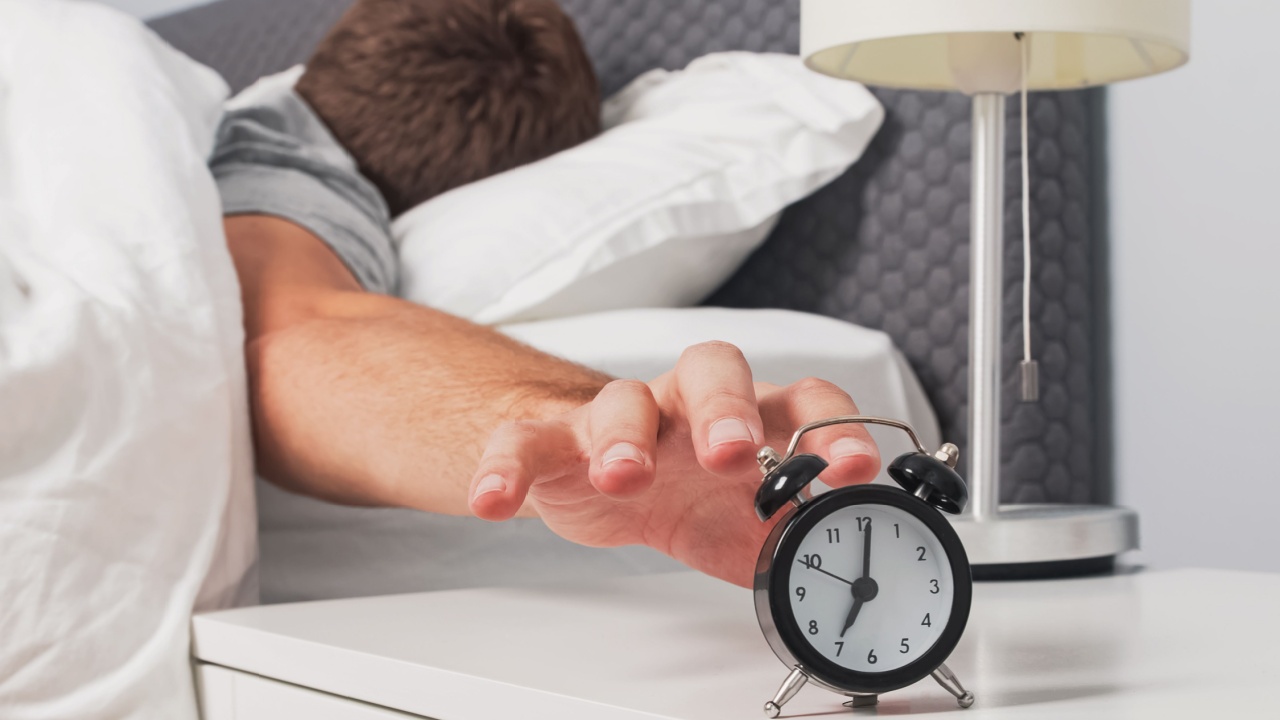
Alarms have been signaling the start of a new day for years. For some, it’s a call to action, a starter pistol for a productive morning. For many others, it’s a cruel joke, a sound to be silenced with a swift, sleepy swat. A swift snooze promises just a few more minutes of blissful unconsciousness, but according to psychologists, it does more than that. It shows the kind of person you are.
Snoozing isn’t entirely bad. A 2023 study found that habitual snoozers who got about 23 minutes of fragmented sleep during a 30-minute snooze period were mentally sharper upon waking. The research, which included over 1,700 participants across five countries, concluded that snoozing may help reduce sleep inertia; the groggy, sluggish feeling that often follows abrupt waking.
Still, this daily dance with the alarm clock may reveal more than just your sleep habits. That five to ten-minute reprieve could be quietly reflecting deeper patterns in your personality and behavior. Here’s what every snooze might be saying about you.
1. You Prefer a Gentle Awakening

Some people can be blasted out of bed by an alarm that sounds like a foghorn, ready to take on the world. You are not one of those people. The idea of going from a deep sleep to being fully alert in seconds feels like being yanked out of a warm blanket and thrown into a snowbank. Your brain and body crave a slower, more gradual transition from the dream world to the real one.
Hitting snooze is your way of creating a buffer zone. It’s a self-made gentle wake-up call, allowing your consciousness to surface slowly instead of being shocked into existence. It feels kinder, more humane, and less like a military drill.
How to Work With It:
- Try a sunrise alarm clock. These devices simulate a natural sunrise, gradually brightening your room over 30 minutes before your alarm time. This process gently nudges your body to reduce melatonin (the sleep hormone) and increase cortisol, helping you wake up feeling more refreshed and less jarred.
2. You Struggle with Procrastination and Time Management

Does the phrase “I have plenty of time” sound familiar, right before you realize you have approximately zero time? You might bargain with yourself, thinking, “Nine more minutes won’t make a difference,” but then do it three more times.
This habit can be a symptom of a broader challenge with planning and prioritizing. The morning rush that follows a snooze session is a direct result of borrowing time you didn’t really have. It’s a daily cycle of procrastination, starting from the very first decision of the day.
How to Work With It:
- Create a non-negotiable morning timeline. Work backward from the time you need to leave. If it takes you 45 minutes to get ready, and you must leave at 8:00 AM, your absolute latest wake-up time is 7:15 AM.
- Put your alarm clock across the room so you physically have to get up to turn it off.
3. You Experience Morning Anxiety

For some, waking up doesn’t just mean facing a new day; it means facing a rush of worry and stress. The moment you become conscious, your brain might flood with to-do lists, concerns about the workday, or general feelings of dread. The snooze button becomes a temporary shield, a way to delay the inevitable onset of anxiety.
Staying in bed, even for a few extra minutes, feels safe. It’s a small act of avoidance, giving you a moment to postpone the mental load waiting for you. The warmth and comfort of your bed provide a brief escape from the pressures of the day ahead.
How to Work With It:
- Prepare for your morning the night before. Lay out your clothes, pack your lunch, and write down your top three priorities for the next day. This reduces the number of decisions you have to make in the morning, which can significantly lower anxiety.
- Try a five-minute meditation or journaling practice immediately upon waking to calm your mind.
4. You Have Lower Conscientiousness

Conscientiousness is a personality trait characterized by being organized, disciplined, and dependable. People with lower levels of this trait tend to be more spontaneous, flexible, and sometimes a bit disorganized. Hitting snooze aligns with this disposition, as it prioritizes immediate comfort over long-term discipline.
If you are low in conscientiousness, you might not be driven by rigid schedules. You prefer to go with the flow, and the snooze button is the ultimate flow-oriented morning tool. The structured approach of “wake up immediately” feels too restrictive, while snoozing offers a more relaxed, less-demanding start.
How to Work With It:
- Link your wake-up time to a rewarding activity. It could be savoring a great cup of coffee, reading a chapter of a book, or watching the sunrise. Creating a positive incentive to get out of bed can be more motivating than relying on pure discipline.
5. You May Lack a Strong Sense of Purpose

When you have something exciting to wake up for, jumping out of bed is easy. But if your days feel monotonous or unfulfilling, staying under the covers can seem far more appealing. A chronic snoozing habit can sometimes signal a deeper lack of motivation or purpose.
Without a compelling reason to start the day, the comfort of your bed will almost always win. The snooze button is a way to delay engaging with a reality that might not feel inspiring. It’s less about being tired and more about being unenthusiastic about what’s next.
How to Fix It:
- Reconnect with your “why.” This could be a big-picture goal or a small, daily joy.
- Spend some time identifying what truly motivates you: a personal project, a hobby, or a career ambition.
- Place a visual reminder of this purpose near your bed to give you a reason to rise and shine.
6. You’re a Bit of a Perfectionist

This might sound counterintuitive. Aren’t perfectionists supposed to be disciplined? Yes, but they also have a deep-seated fear of not doing things perfectly. This can lead to a state of paralysis, where the pressure to have a perfect day is so immense that it’s easier not to start it at all.
For a perfectionist, the mountain of tasks that need to be accomplished “perfectly” feels daunting. Snoozing provides a temporary escape from that pressure.
How to Work with It:
- Practice self-compassion and embrace “good enough.” Your morning routine doesn’t have to be flawless.
- Set a small, achievable goal for the first hour of your day, like simply making your bed. Accomplishing this one small task can build momentum and reduce the pressure to be perfect.
7. You Lean Towards Pessimism

If you tend to expect the worst, the morning can feel like the beginning of another challenging ordeal. Pessimists may view the day ahead as a series of obstacles and potential failures. From this perspective, staying in bed is a logical choice to put off the anticipated negativity.
Snoozing becomes a way to cling to the peace of the night for just a little longer. It’s a small rebellion against a day that you suspect will be difficult. Why rush into something you’re not looking forward to?
How to Work with It:
- Start a gratitude practice. Before your feet hit the floor, think of three specific things you are grateful for. This simple exercise can shift your mindset from one of dread to one of appreciation, reframing the start of your day in a more positive light.
8. You Have Chronic Sleep Debt

This is perhaps the most obvious reason for hitting snooze. If you consistently fail to get the recommended 7-9 hours of sleep, your body is genuinely tired. You aren’t just seeking comfort; you are trying to fulfill a basic biological need.
Sleep debt accumulates when you have a persistent gap between the amount of sleep you need and the amount you get. Hitting the snooze button is your body’s desperate attempt to grab a few more moments of rest, even if it’s low-quality, fragmented sleep. An irregular sleep pattern, such as sleeping in on weekends, can also throw off your internal clock, making it harder to wake up on weekdays.
How to Fix It:
- Prioritize a consistent sleep schedule. Go to bed and wake up at the same time every day, even on weekends. This stabilizes your body’s internal clock, or circadian rhythm, making it easier to fall asleep and wake up naturally.
9. You Have Little Physical Activity

A love affair with the snooze button can have a sneaky partner: a sedentary lifestyle. When physical activity is lacking, your body doesn’t burn off as much energy during the day, leaving you feeling sluggish and slow to wake up. Muscles are stiffer, energy reserves are low, and mornings feel less like a fresh start and more like climbing out of quicksand.
The snooze button wins out because your body isn’t exactly itching to leap out of bed and get moving. It’s a cycle that makes the alarm clock feel like a relentless nemesis.
How to Fix It:
- Add small bursts of movement to your day. Even ten-minute walks, a few stretches before bed, or dancing around while brushing your teeth can help.
10. You Have Poor Sleep Hygiene

Sleep hygiene refers to the habits and practices that are conducive to sleeping well. Poor sleep hygiene includes things like using electronic devices in bed, consuming caffeine or alcohol too close to bedtime, or having an uncomfortable sleep environment.
These habits disrupt the quality of your sleep, even if you are in bed for eight hours. You might wake up feeling groggy and unrefreshed, a condition known as sleep inertia. Hitting snooze feels necessary because the sleep you got wasn’t restorative.
How to Fix It:
- Create a sleep sanctuary. Keep your bedroom cool, dark, and quiet.
- Banish screens for at least an hour before bed. The blue light from phones and tablets suppresses melatonin production, making it harder to fall asleep and get deep, restorative rest.
11. You’re What is Known as a “Night Owl.”

Your tendency to stay up late and sleep in might be hardwired into your DNA. Some people have a chronotype, or natural sleep-wake cycle, that is programmed for later nights and later mornings. These “night owls” are often at their peak productivity and energy levels in the evening.
For a night owl forced to live in an early-bird world, the morning alarm is a constant battle against biology. Hitting snooze is your body’s natural rebellion against a schedule that doesn’t align with its internal clock. You’re not lazy; your body is simply not ready to be awake.
How to Work with It:
- While you can’t completely change your chronotype, you can gradually shift it. Try moving your bedtime and wake-up time 15 minutes earlier each week.
- Expose yourself to bright light immediately upon waking to signal to your brain that it’s time to be alert.
It’s Time to Wake Up

That repeated tap of the snooze button is more than just a habit; it’s a signal. It might be telling you that you need more sleep, a better morning routine, or a more compelling reason to get out of bed. Instead of fighting with your alarm, listen to what your snoozing habit is trying to tell you.
Focus on creating a consistent sleep schedule or putting your phone away an hour before bed. Place a plant in your bedroom and make it a sanctuary. Small, consistent changes can break the cycle and help you wake up feeling more rested and ready to face the day, no snooze button required.