5 Reasons a Gas Stove Isn’t Worth Keeping in the Kitchen
A kitchen has a way of setting the vibe for the whole home. The aroma of dinner simmering, the clatter of pans, and that cozy buzz of everyday cooking all come together to create a space that feels alive. But in the middle of all that comfort sits one appliance that’s getting more attention than ever: the gas stove. For years, it was treated like the gold standard, yet more people are discovering that it comes with hidden drawbacks that can affect everything from health to home maintenance.
As conversations grow around indoor air quality, household safety, and even long-term costs, the old gas stove is starting to look a little less unbeatable. Modern alternatives, especially electric and induction cooktops, are stepping up with cleaner air, smoother surfaces, and fuss-free cooking experiences that fit today’s home-and-garden lifestyle. With so many perks packed into newer options, it’s no surprise that many households are rethinking what really belongs at the center of their kitchen.
1. Indoor Air Quality & Health

One of the biggest downsides of gas stoves is the air pollution they create right inside your home. When natural gas burns, it releases pollutants such as nitrogen dioxide (NO₂), carbon monoxide (CO), fine particulate matter (PM₂.₅), formaldehyde, and even unburned methane.
Continuous exposure to these pollutants can trigger or worsen respiratory problems (like asthma), irritate the lungs, and even harm cardiovascular health. For people with children, older adults, or anyone with sensitive lungs, this risk becomes especially important.
2. Environmental Impact
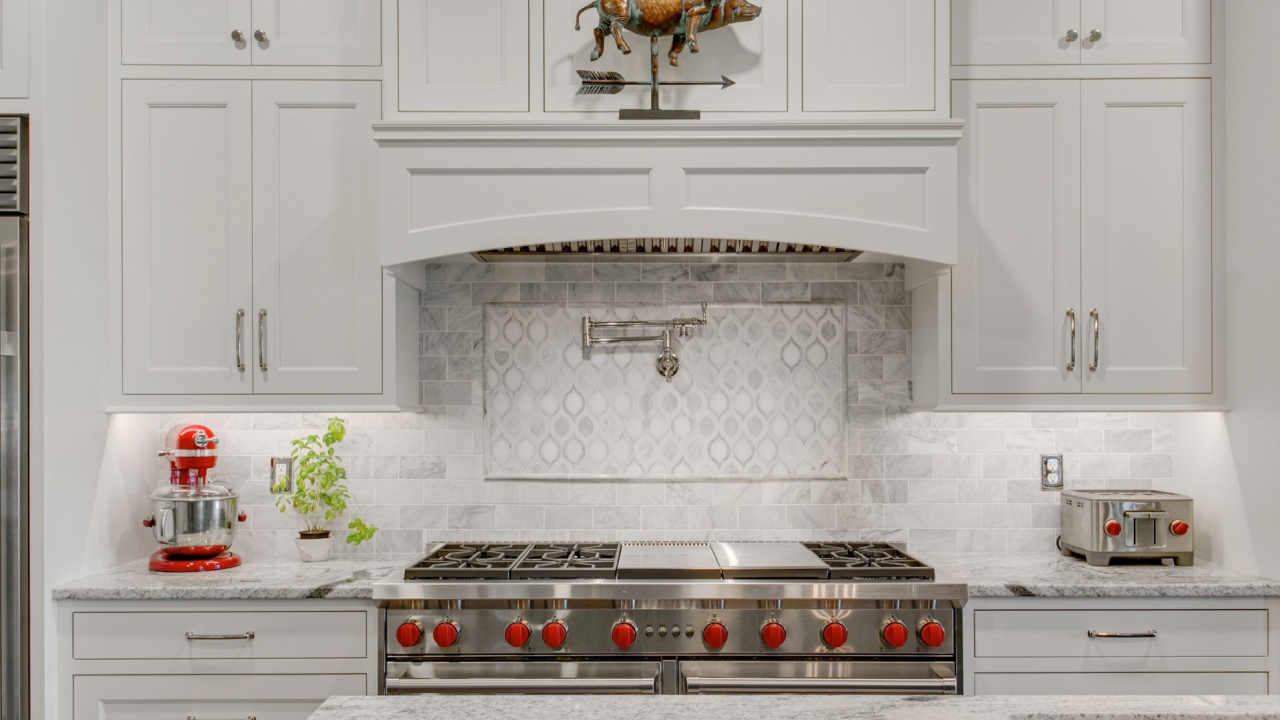
It’s not just your lungs; your stove can affect the planet, too. Gas stoves rely on natural gas (methane), a potent greenhouse gas. Leaks from pipelines or even small leaks from the stove itself, even when the stove is off, can cause methane emissions.
Because methane is much more powerful than CO₂ at warming the planet (especially over shorter timescales), widespread use of gas stoves adds up. If you care about climate change and want your home to be part of the solution, that’s a strong reason to consider alternatives.
3. Safer Home Environment
Gas stoves mean real flame and pressurized gas lines. Improper installation, leaks, or incomplete combustion can produce carbon monoxide, a colorless, odorless gas that’s dangerous or lethal at high levels.
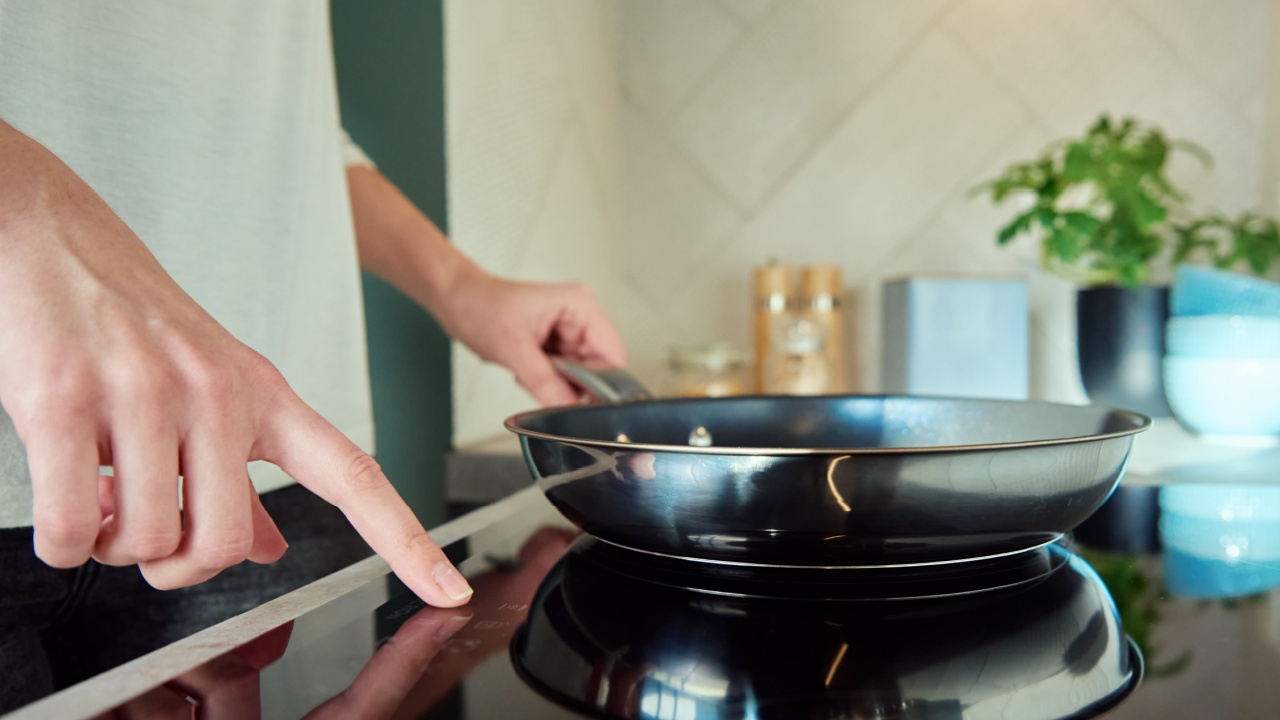
By switching to an electric or induction stove or other alternatives, you remove many of the risks, such as no flame, no direct combustion, and no gas lines. For many households, that’s a win for everyday safety and peace of mind.
4. Energy Efficiency & Cost

According to analyses, induction cooktops (a type of electric stove) are often far more energy-efficient compared to gas stoves. One estimate suggests that while a gas stove might use three units of energy to boil a quart of water, an induction stove needs just one.
That efficiency can translate into lower energy bills, especially important in places where gas is expensive, or where electricity might be cheaper or more stable. Over time, even with a possibly higher upfront cost, you may recover savings.
5. Cleaner Kitchen & Easier Maintenance

Anyone who has spent time scrubbing burner grates has probably wondered why gas stoves come with so many hard-to-clean parts. Between the burners, grates, knobs, and the soot or food bits that slip into tiny gaps, keeping everything spotless can feel like a never-ending chore.
In contrast, many electric or induction cooktops come with smooth, flat surfaces that are much simpler to wipe clean. No need to remove grates, scrub around burners, or deal with flame discoloration.
Why Switching from a Gas Stove Might Be a Smart Choice
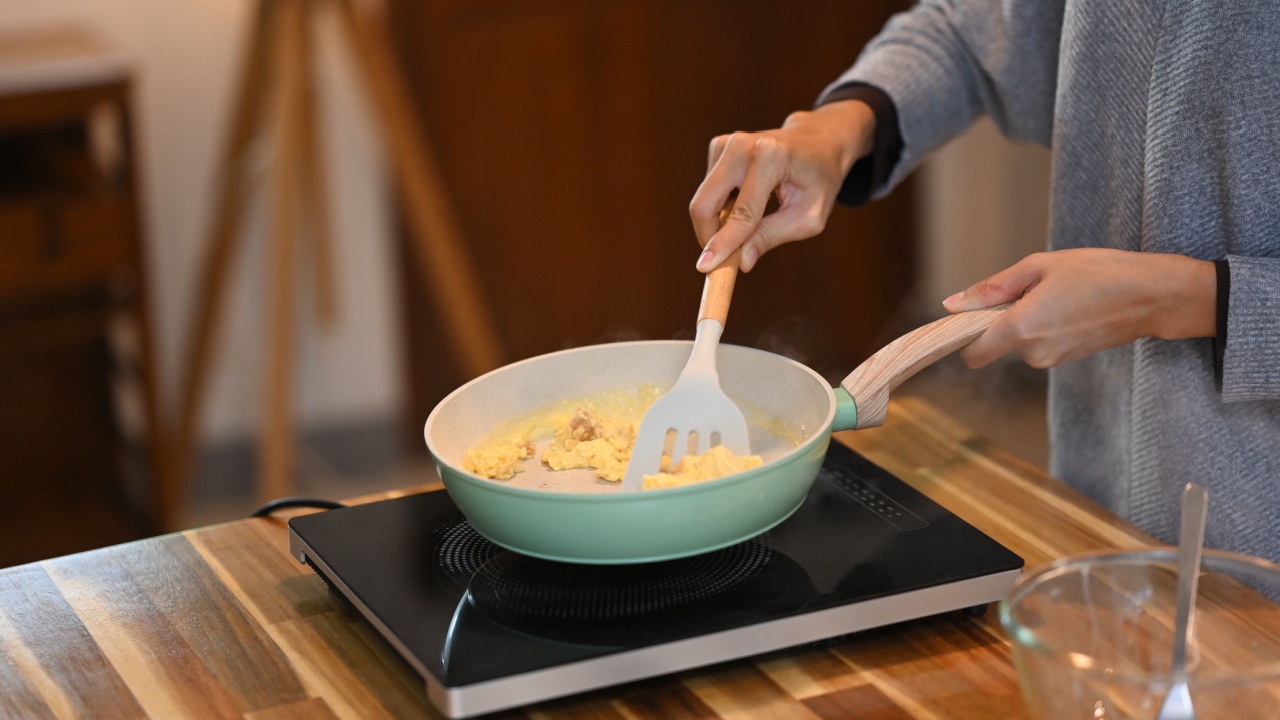
Switching away from a gas stove isn’t just about upgrading an appliance; it’s about choosing a cleaner, safer, and more efficient way to cook at home. With better indoor air quality, simpler cleanup, fewer safety risks, and modern cooktops that deliver impressive performance, the benefits add up quickly.
For anyone planning a kitchen refresh or simply wanting a healthier, easier-to-maintain space, exploring electric or induction options is a smart next move.