10 Trees That Aren’t Worth Planting
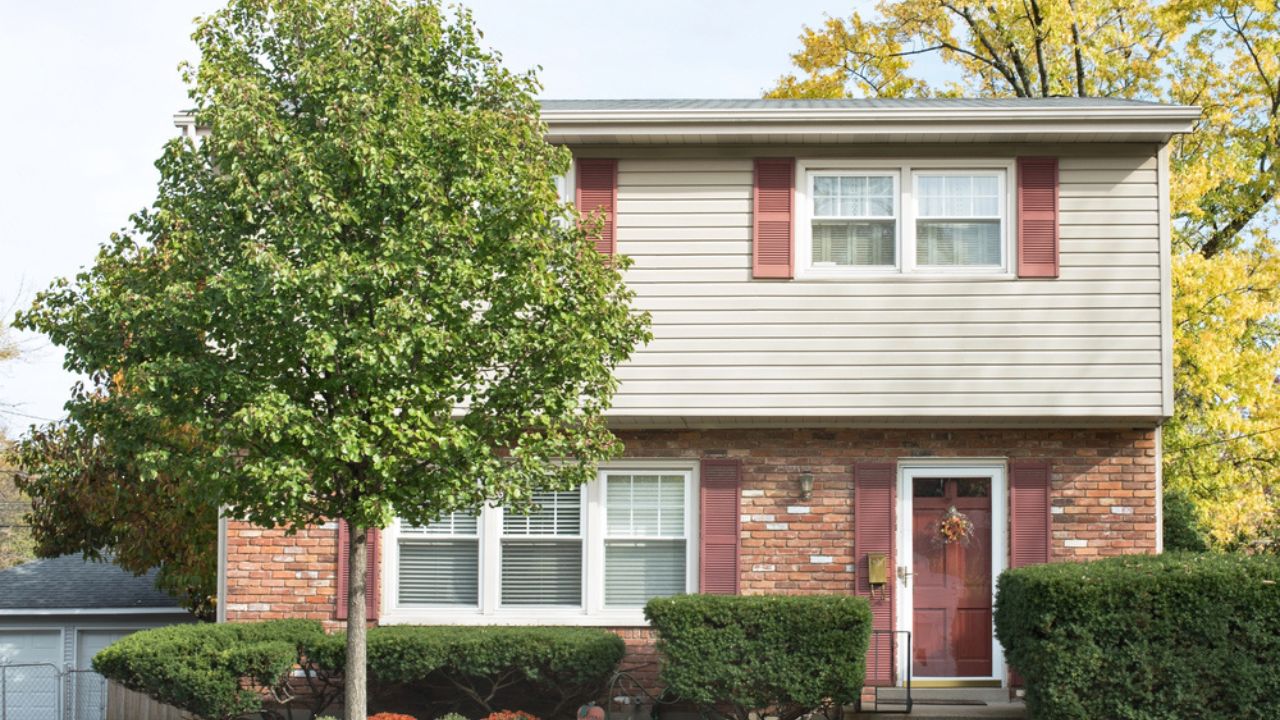
Planting a tree is a long-term commitment. The right tree can give you shade on a hot day, make your house the prettiest on the block, and become a haven for birds and squirrels. But pick the wrong one, and you could be signing up for years of trouble. We’re talking invasive roots wrecking your plumbing, endless leaf-raking, and surprise diseases. So, before you rush off to the nursery, let’s make sure you know which trees are more trouble than they’re worth.
Let’s count down 10 of the absolute worst trees you could plant in your yard and why these varieties are often problematic. By the end, you’ll be equipped to make a smart choice that enhances your garden for decades to come.
Where We Got This Data
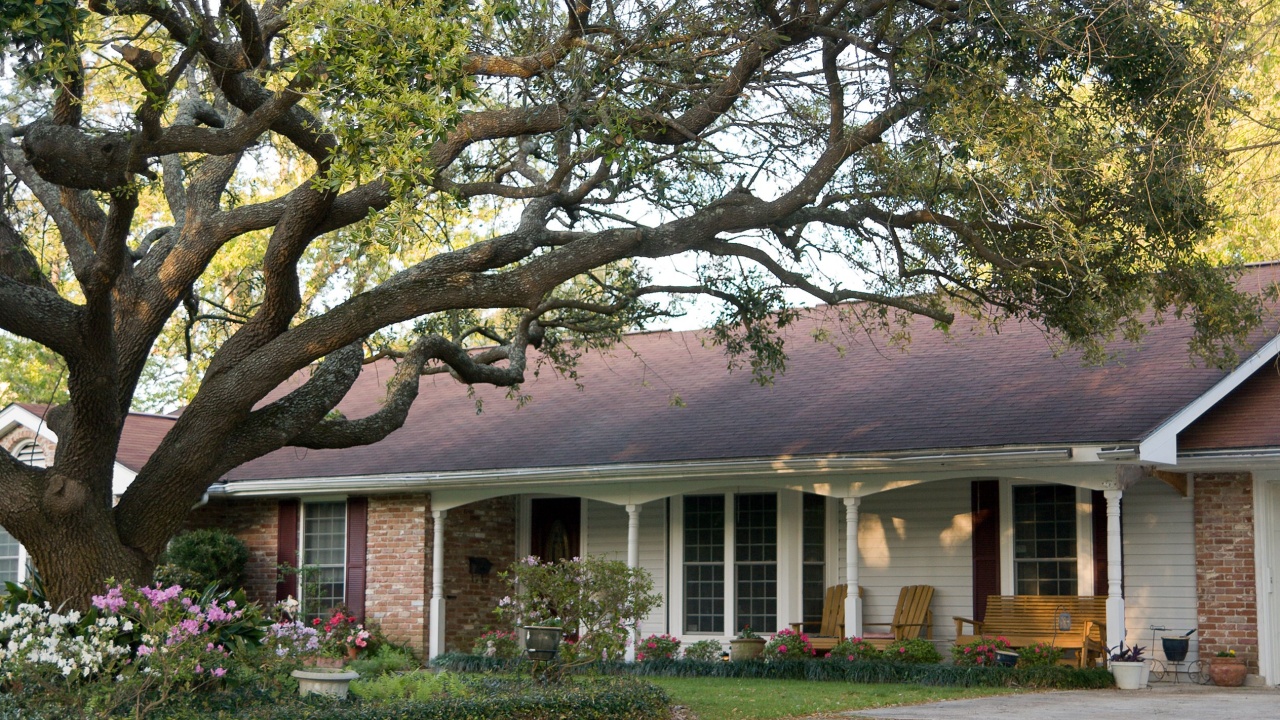
We pulled together insights from trusted horticulture experts, university extension programs, and long-standing gardening references. The goal was to highlight common homeowner experiences and expert-backed cautions about these trees. While every yard and climate is unique, these sources consistently highlight the same challenges and offer better alternatives.
1. Bradford Pear (Pyrus calleryana)
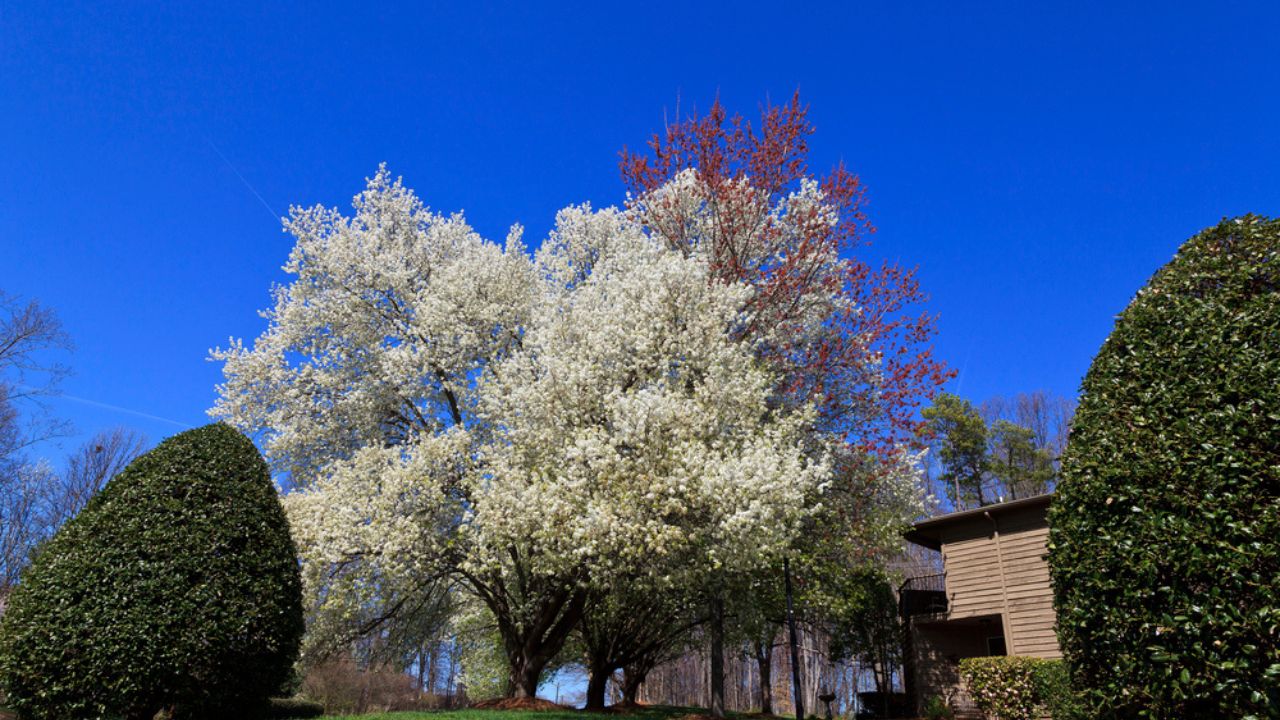
The Bradford pear tree is renowned for its spectacular display of white flowers in the spring. For a short time, it looks like an ideal ornamental tree. However, many homeowners live to regret planting this one.
The blooms emit a famously unpleasant, fishy odor. Worse, its limb structure is notoriously weak, making it highly susceptible to splitting and breaking during storms, which can be a danger to your home and property. It’s also an invasive species in many parts of the country, out-competing native plants.
Why It’s a Problem:
- Prone to splitting and storm damage.
- The flowers have a strong, foul odor.
- Spreads aggressively, harming local ecosystems.
What to Plant Instead: Native serviceberries (Amelanchier spp.) are a wonderful alternative. They offer beautiful spring blossoms (without the bad smell), produce small, edible berries for wildlife, and showcase stunning red and orange foliage in the fall.
2. Norway Maple (Acer platanoides)
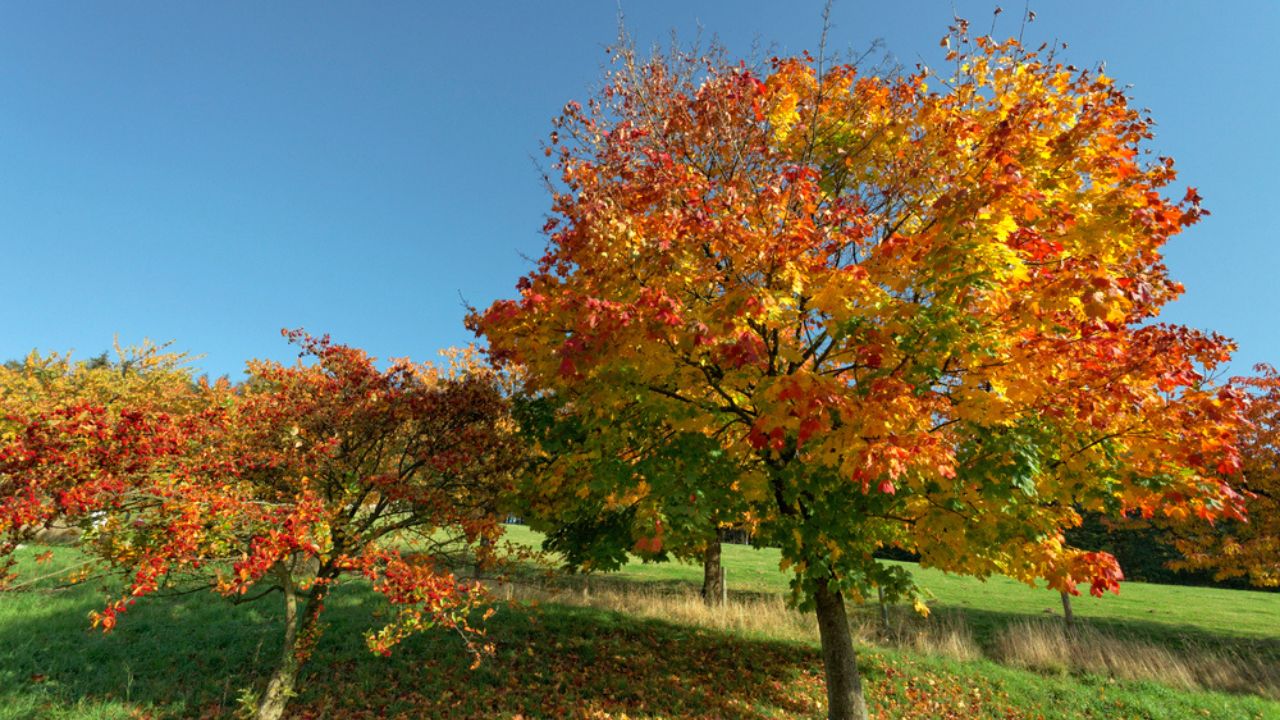
The Norway maple was once a popular street and yard tree, admired for its dense shade and vibrant fall colors. However, this tree produces a massive number of “helicopter” seeds each year, leading to countless unwanted seedlings popping up all over your yard and your neighbors’.
Its dense canopy and shallow root system create so much shade that it’s nearly impossible to grow grass or other plants underneath it. It is also considered an invasive species in many states, as it aggressively pushes out native maples and other local flora.
Why It’s a Problem:
- It creates a “seed-pocalypse” and outcompetes native plants.
- Dense shade and shallow roots kill lawns.
- Drops a huge amount of seeds and leaves.
What to Plant Instead: The Red Maple (Acer rubrum) is a fantastic native alternative. It provides the same brilliant fall color, thrives in a variety of soil conditions, and supports the local ecosystem without invasive tendencies.
3. Weeping Willow (Salix babylonica)
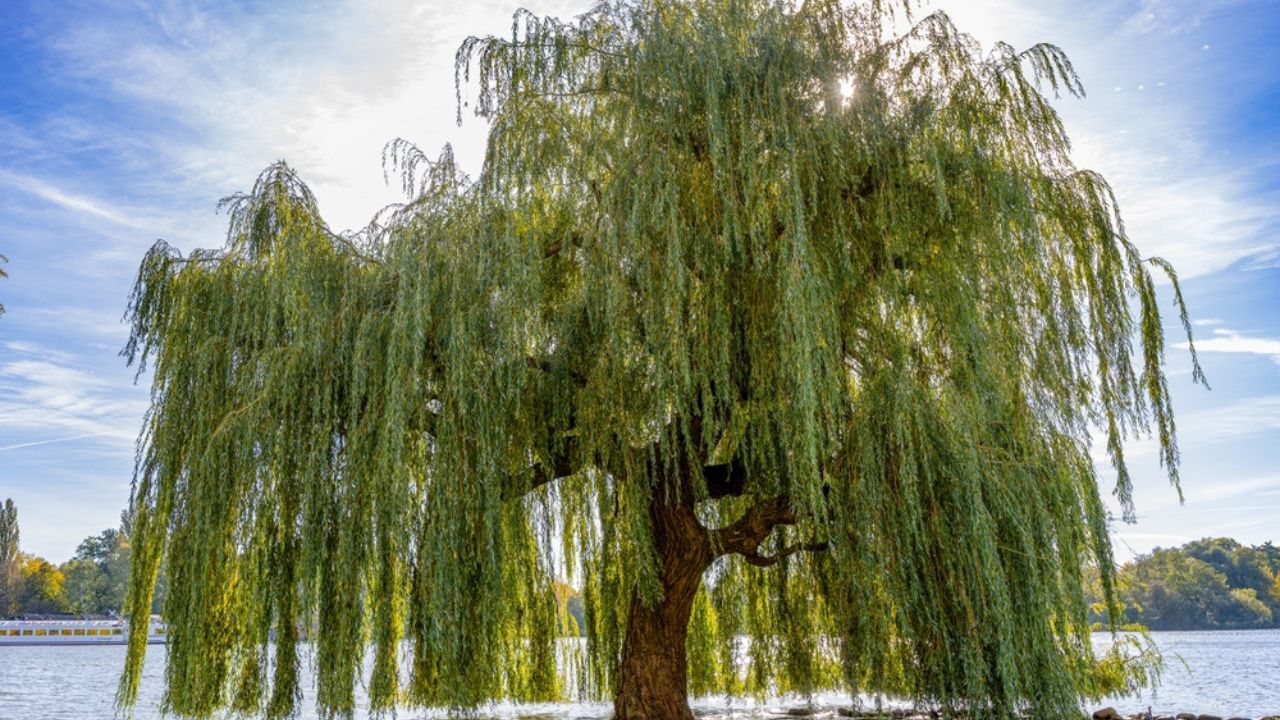
There’s no denying the romantic, graceful look of a weeping willow, especially near a pond or stream. However, this beauty comes at a high price. Weeping willows have incredibly aggressive, water-seeking root systems that are notorious for invading and destroying sewer lines, septic systems, and underground pipes.
Their wood is also quite brittle, meaning they constantly drop branches, creating a perpetual mess and potential hazard, especially as they age. Their massive size also makes them unsuitable for most suburban yards.
Why It’s a Problem:
- Known for clogging and breaking pipes.
- Drops large branches, especially during storms.
- Constantly sheds twigs and leaves.
What to Plant Instead: For a beautiful tree that thrives in wet areas, consider the Swamp White Oak (Quercus bicolor). This sturdy, long-lived native oak tolerates moist soils, provides excellent shade, and won’t send its roots hunting for your plumbing.
4. Paper Birch (Betula papyrifera)
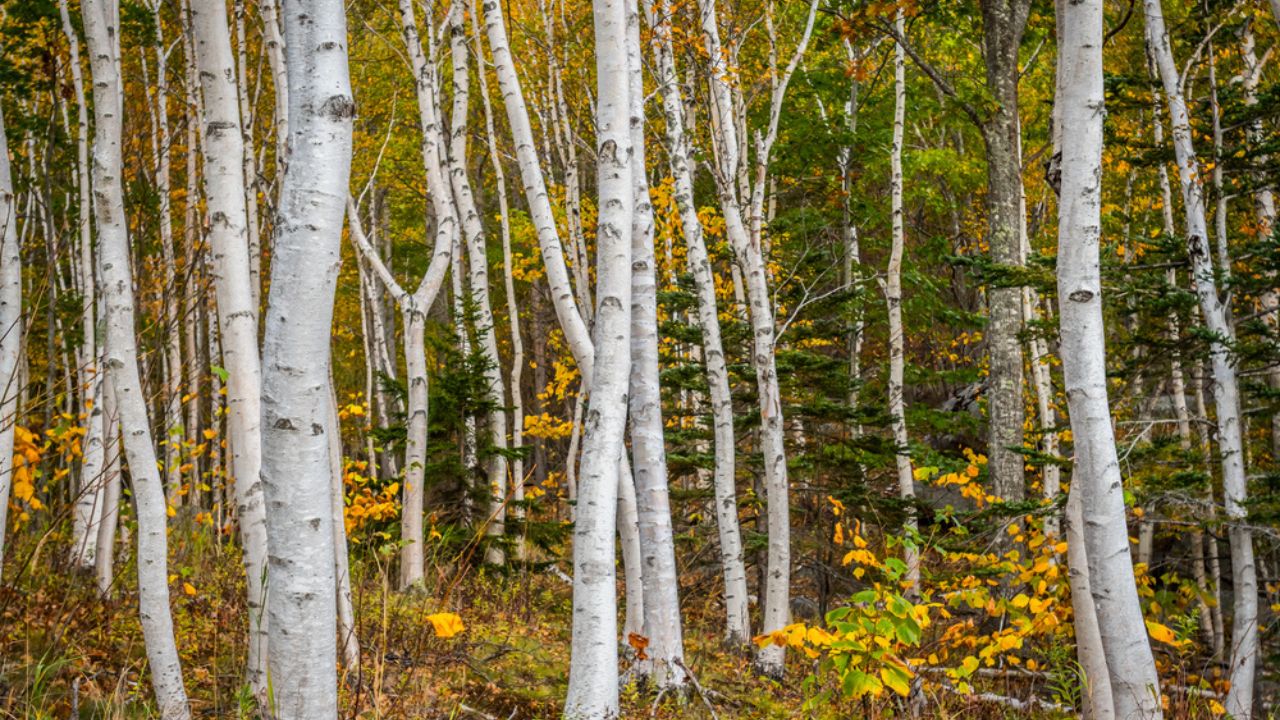
Paper birches are prized for their beautiful, peeling white bark, which adds a rustic elegance to any landscape. Unfortunately, they are messy trees that constantly shed leaves, small branches, and catkins, making them a poor choice near pools, patios, or driveways.
They are also highly susceptible to the bronze birch borer, an insect that can kill the tree within a few years. Paper birches prefer cooler climates and often struggle in the heat and humidity of warmer zones, leading to a stressed, sickly appearance.
Why It’s a Problem:
- Susceptible to the deadly bronze birch borer.
- Drops a large amount of debris year-round.
- Doesn’t tolerate heat well.
What to Plant Instead: If you love the look of a birch, the River Birch (Betula nigra) is a much hardier choice. It is more resistant to the bronze birch borer and better adapted to warmer climates. While still a bit messy, it’s beautiful, exfoliating bark makes it a worthy trade-off.
5. Ash (Fraxinus spp.)
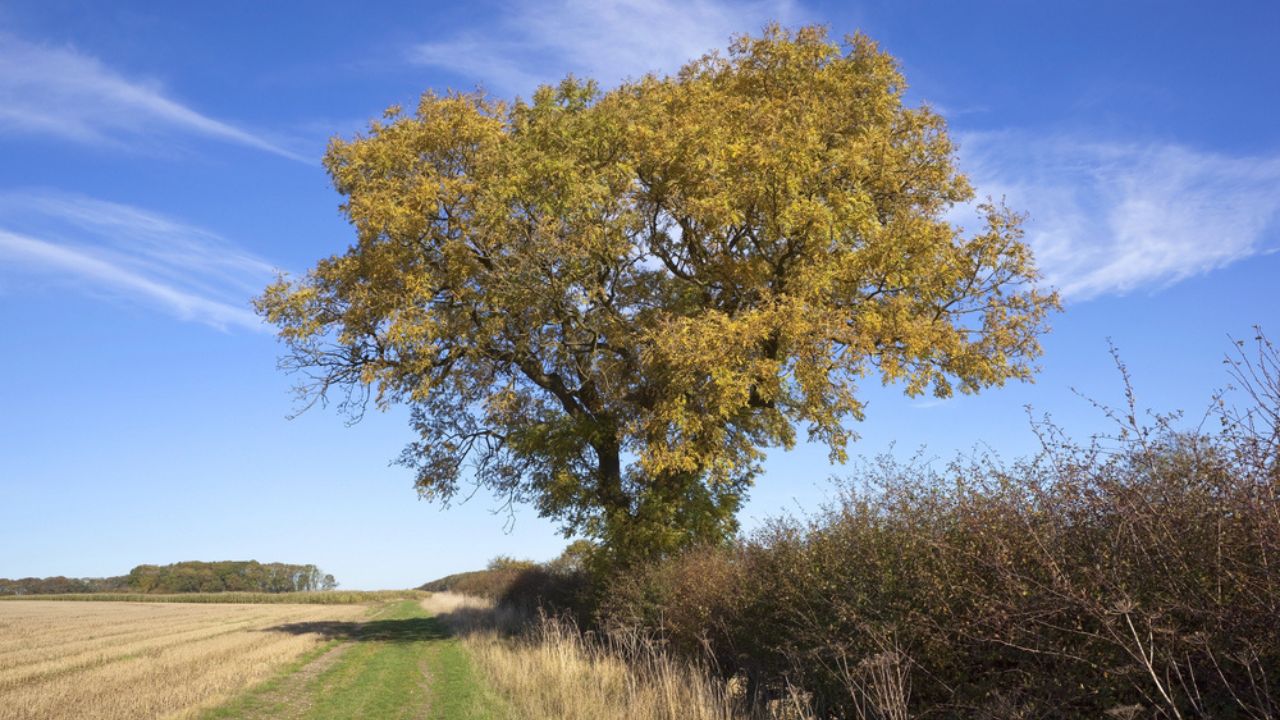
Green, white, and black ash trees were once a staple in American landscapes, valued for their fast growth and clean, rounded shape. Sadly, the arrival of the invasive emerald ash borer (EAB) has turned them into a liability.
This destructive pest has killed tens of millions of ash trees across North America. Protecting an ash tree requires regular, expensive pesticide treatments, and even then, there’s no guarantee of survival. Planting an ash today is essentially planting a tree with a death sentence.
Why It’s a Problem:
- Highly susceptible to this devastating and widespread pest.
- Requires costly, ongoing treatments to protect against EAB.
- Likely to die prematurely from infestation.
What to Plant Instead: The Kentucky Coffee Tree (Gymnocladus dioicus) is an excellent, resilient alternative. This tough native tree is unfazed by pests, tolerates urban conditions, and has unique, coarse-textured bark and large leaves that turn a lovely yellow in the fall.
6. Lombardy Poplar (Populus nigra ‘Italica’)
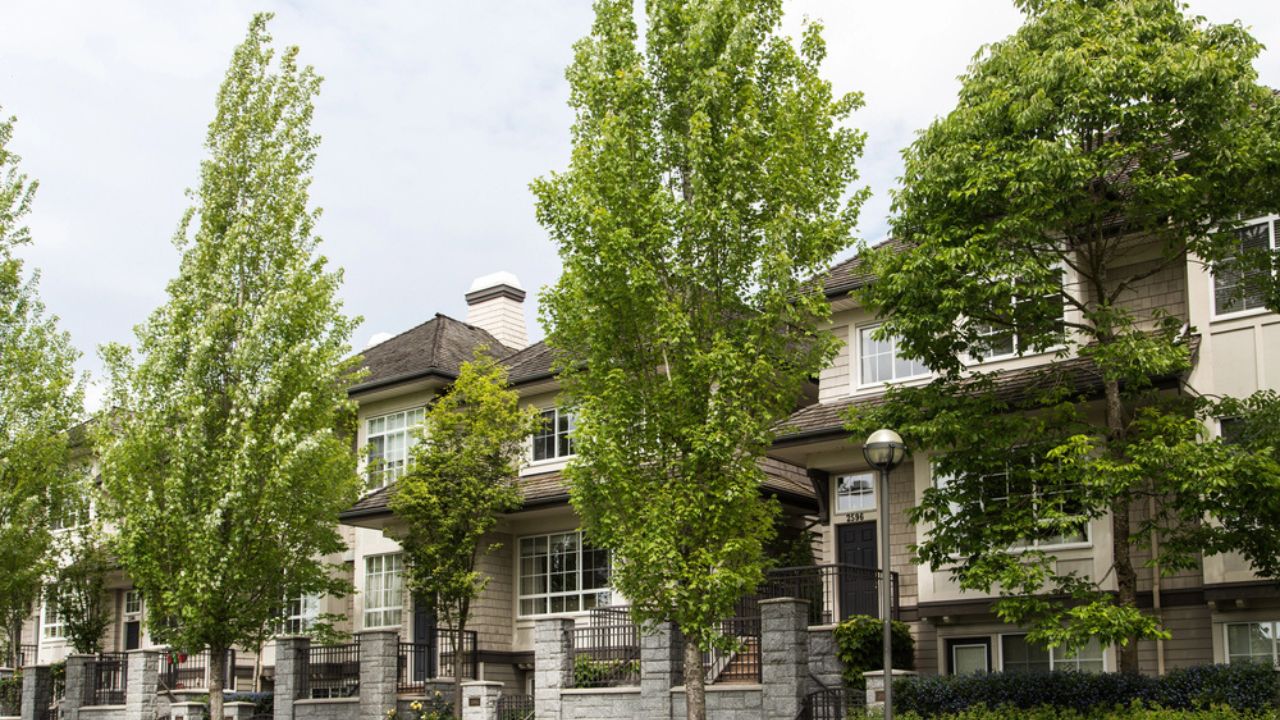
The Lombardy poplar’s fast-growing, narrow, columnar shape makes it seem like a perfect choice for creating a quick privacy screen.
However, this tree is a short-term solution with long-term problems. It is extremely susceptible to canker, a fungal disease that creates dead spots and eventually kills the tree, often within just 10-15 years. Its root system is also shallow and aggressive, capable of damaging sidewalks and driveways.
Why It’s a Problem:
- Very susceptible to canker disease.
- Often dies within 15 years, leaving a removal headache.
- Can damage hardscaping and send up suckers.
What to Plant Instead: For a stately, upright tree without the health issues, plant a Columnar English Hornbeam (Carpinus betulus ‘Fastigiata’). It has a beautiful, dense form that’s great for screening, is long-lived, and isn’t prone to major pests or diseases.
7. Fruitless Mulberry (Morus alba)
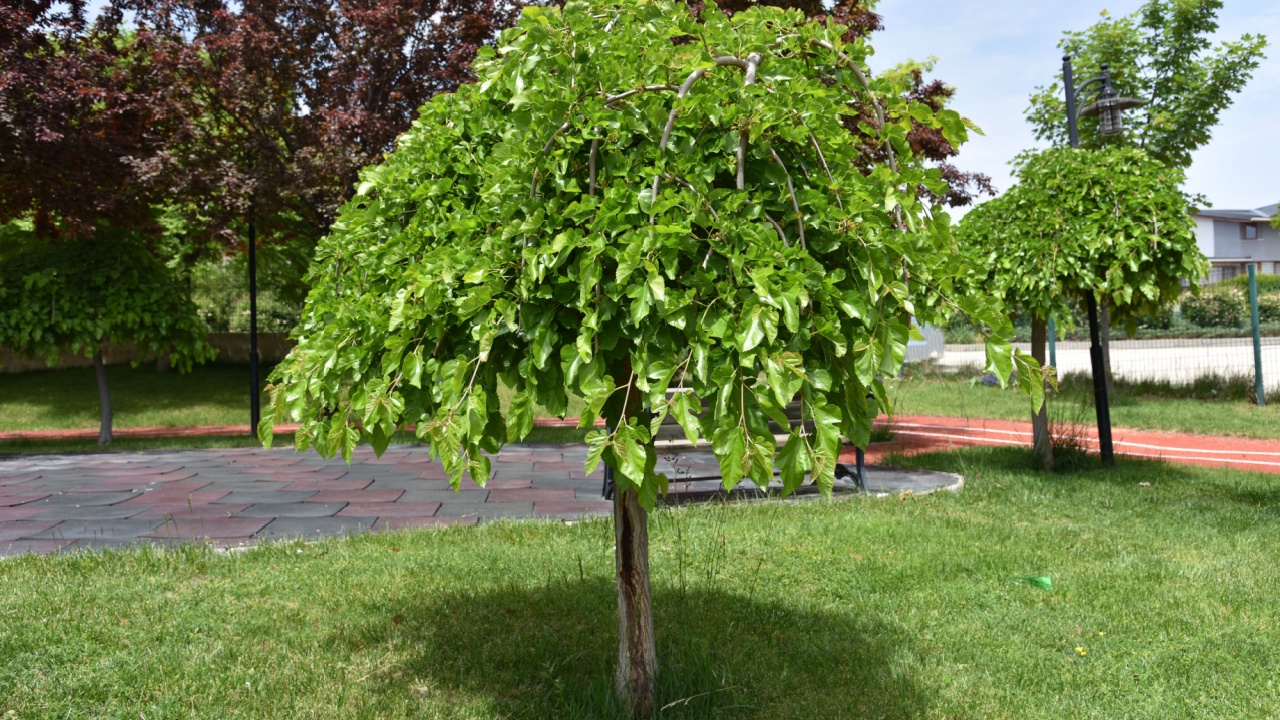
The fruitless mulberry was promoted as a “cleaner” version of the standard mulberry, offering great shade without the mess of staining fruit. Unfortunately, it’s far from a perfect tree. Its root system is incredibly aggressive and shallow, known for cracking foundations, sidewalks, and patios.
The male trees, which are the “fruitless” ones, also produce huge amounts of pollen, making them a nightmare for allergy sufferers. They also drop their sterile flower clusters, creating a different kind of mess.
Why It’s a Problem:
- It can damage concrete, foundations, and pipes.
- A major contributor to seasonal allergies.
- Drops large quantities of flower catkins.
What to Plant Instead: For a fantastic, long-lived shade tree, choose the American Linden (Tilia americana). This native tree has large, heart-shaped leaves, produces fragrant, pollinator-friendly flowers, and has a non-invasive root system.
8. Eastern Cottonwood (Populus deltoides)
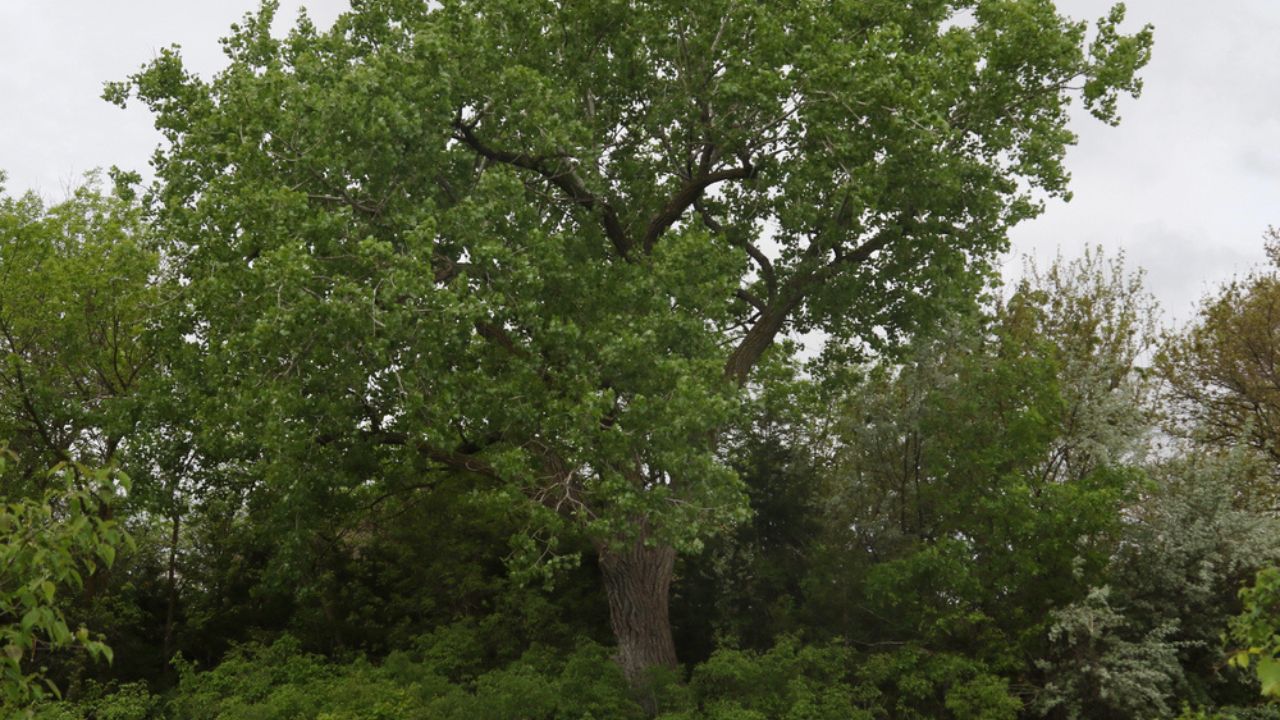
The Eastern cottonwood is a massive, fast-growing native tree that provides a huge amount of shade. While it has a place in parks and natural areas, it’s generally a poor choice for a typical residential yard.
The “cotton” produced by female trees is a fluffy, snow-like seed mass that drifts everywhere and can clog air conditioning units and pool filters. Its wood is weak and prone to breaking in storms, and its aggressive roots seek out water, posing a threat to plumbing.
Why It’s a Problem:
- Female trees produce huge amounts of fluffy “cotton.”
- Branches break easily in wind and ice storms.
- Its massive size (up to 100 feet) is unsuitable for most yards.
What to Plant Instead: A Katsura tree (Cercidiphyllum japonicum) offers generous shade but at a more manageable size of 40-60 feet. Its beautiful heart-shaped leaves provide year-round interest, and it doesn’t have the mess or structural weakness of the cottonwood.
9. Norway Spruce (Picea abies)
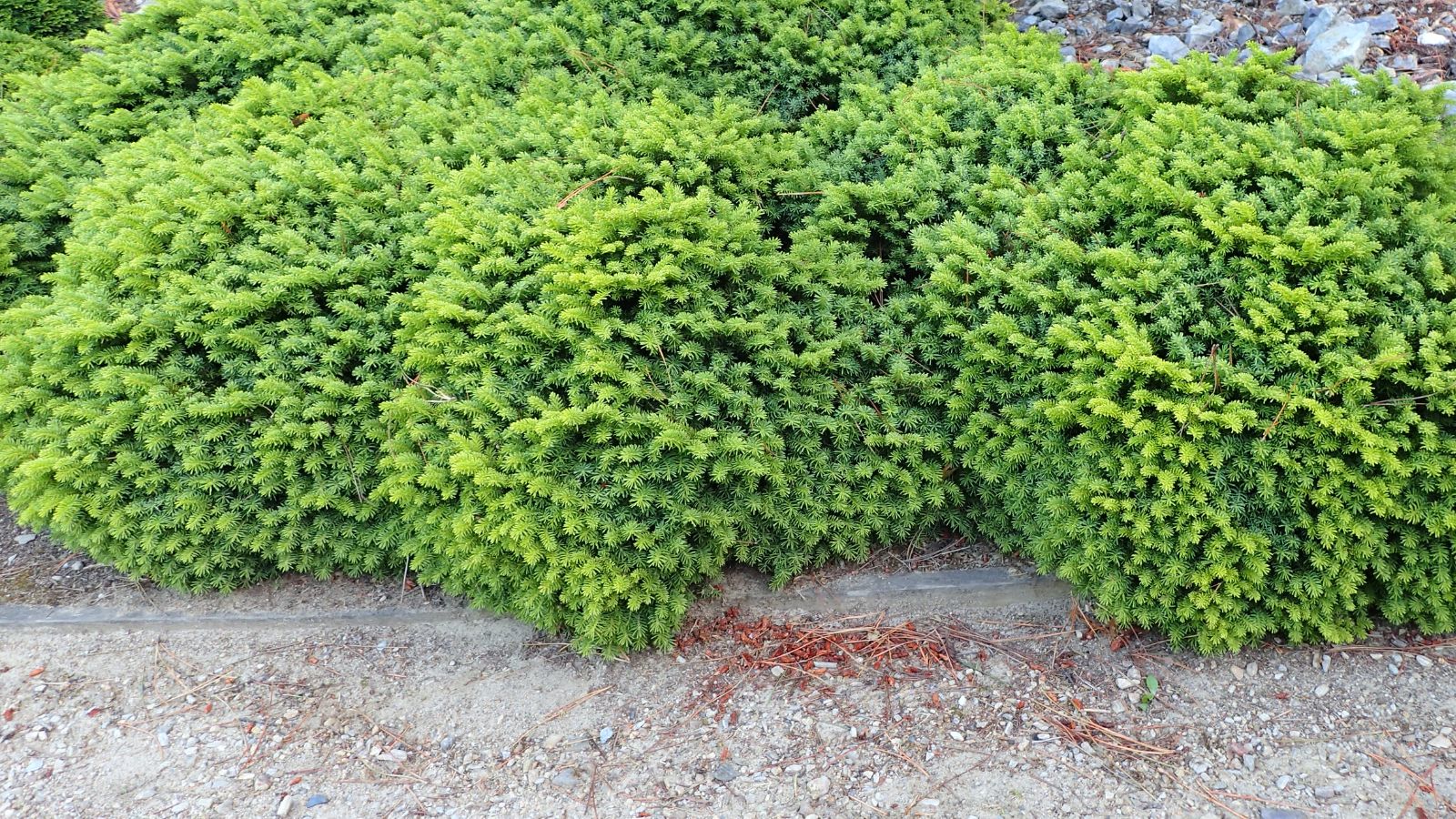
The Norway spruce is a fast-growing evergreen that has been popular for its classic Christmas-tree shape and drooping branches. While attractive, it has become invasive in many parts of the northern U.S. and Canada. It reseeds prolifically, creating dense thickets that crowd out native vegetation and disrupt the local ecosystem. Its shallow roots can also make it unstable in high winds once it gets large.
Why It’s a Problem:
- Spreads aggressively in cooler climates.
- Out-competes native species.
- It can become unstable as it matures.
What to Plant Instead: The Engelmann Spruce (Picea engelmannii) is a North American native that offers a similar graceful appearance. It’s well-suited for colder climates (Zones 3-8) and provides the beauty of a spruce without the risk of introducing an invasive species.
10. Silver Maple (Acer saccharinum)

The Silver Maple is one of the most common trees in North America, largely because it grows incredibly fast. That rapid growth, however, comes with a cost. Its wood is very weak and brittle, making it notorious for dropping limbs or splitting apart in storms.
The root system is shallow and aggressive, often breaking the surface of lawns (making mowing difficult) and cracking sidewalks. It also produces a high volume of seeds, leading to a yard full of unwanted saplings each spring.
Why It’s a Problem:
- Highly prone to storm damage and breakage.
- Shallow roots damage lawns and hardscaping.
- Drops a massive number of seeds that sprout everywhere.
What to Plant Instead: A Sugar Maple (Acer saccharum) is a much better choice. It’s strong, long-lived, and famous for its spectacular fall colors. Though it grows more slowly, its durability and beauty are well worth the wait.
Choosing the Perfect Tree for Your Landscape
Selecting the right tree can shape your landscape for years to come. Avoid problematic varieties and choose hardy, well-suited alternatives to ensure your tree brings beauty, not headaches. Visit a local nursery to explore native or climate-adapted species that will thrive in your soil and environment.