15 Hardy Ground Covers That Bring Color to Any Spot
Bare patches in your yard don’t have to stay that way. Ground covers offer a beautiful solution that goes far beyond simple aesthetics. These resilient plants improve soil health, prevent erosion, suppress weeds naturally, and create welcoming habitats for pollinators and beneficial wildlife.
The real advantage? Once established, these plants require minimal maintenance while delivering maximum impact. They reduce the need for mowing, cut down on watering, and eliminate the constant battle against weeds. With proper preparation and the right plant selection, you can transform challenging areas into thriving green spaces that enhance your landscape year after year.
This guide features 15 proven ground covers backed by horticultural research and real-world gardening experience.
Where We Got This Data
All plant care recommendations in this guide are based on authoritative horticultural sources, including university extension programs, peer-reviewed research, and expert gardening publications. These sources provide regionally tested, science-backed guidance on plant selection, soil preferences, sunlight requirements, and long-term maintenance.
1. Creeping Thyme (Thymus spp.)
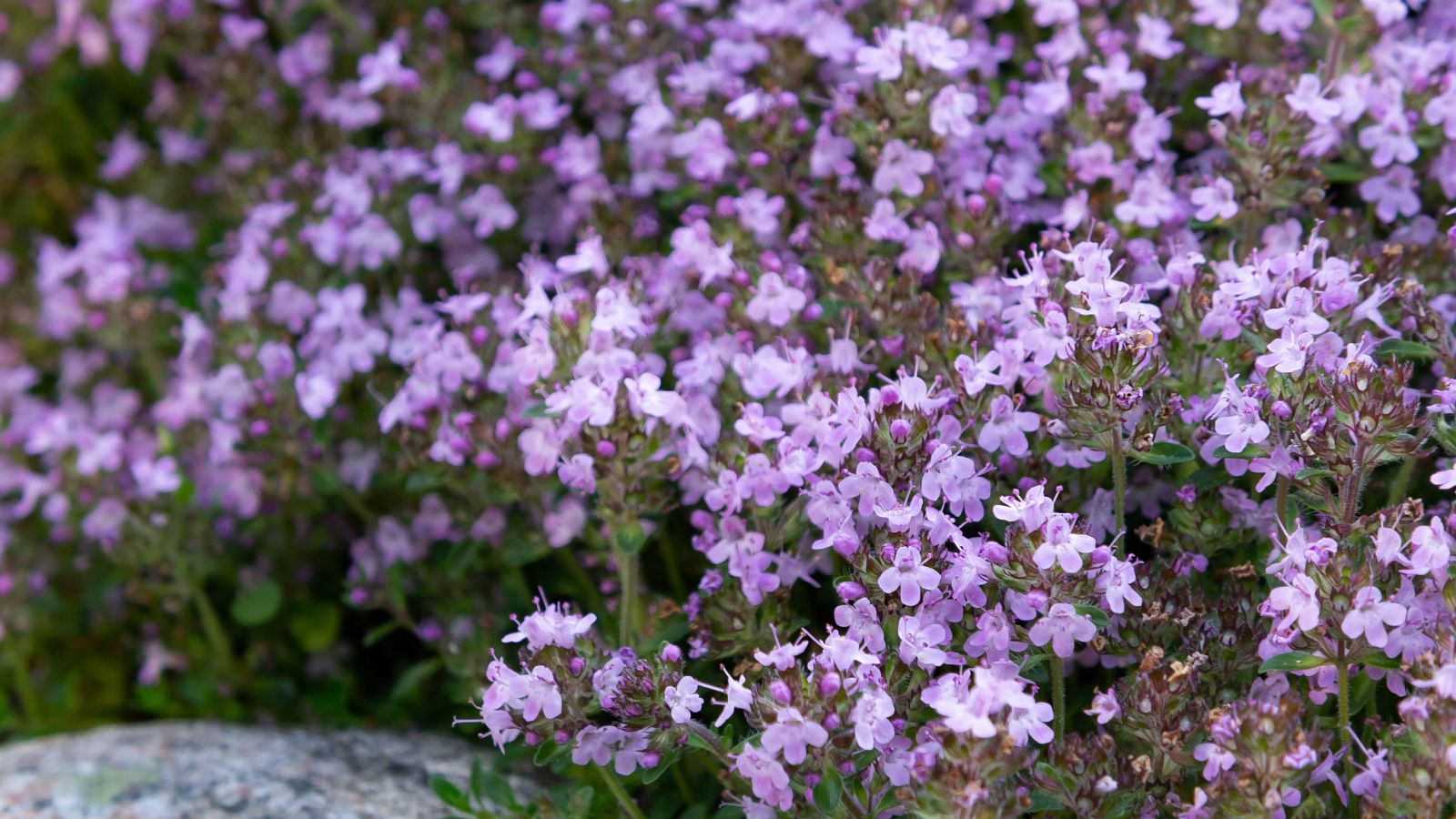
Creeping thyme is a fragrant, low-maintenance ground cover perfect for pathways, rock gardens, and slopes. It thrives in sunny, well-drained soil and suppresses weeds once established. Plant in spring, and keep weed-free during the first season. Drought-tolerant and pollinator-friendly, it blooms beautifully and needs little care after settling in.
Quick Care Tips:
- Sunlight: Full sun (6+ hours daily)
- Soil: Well-drained, lean to moderately fertile
- Spacing: 8-12 inches between plants
- Establishment time: 1-2 years
- Maintenance: Minimal; occasional trimming after flowering
2. Sedum (Sedum spp., Stonecrops)
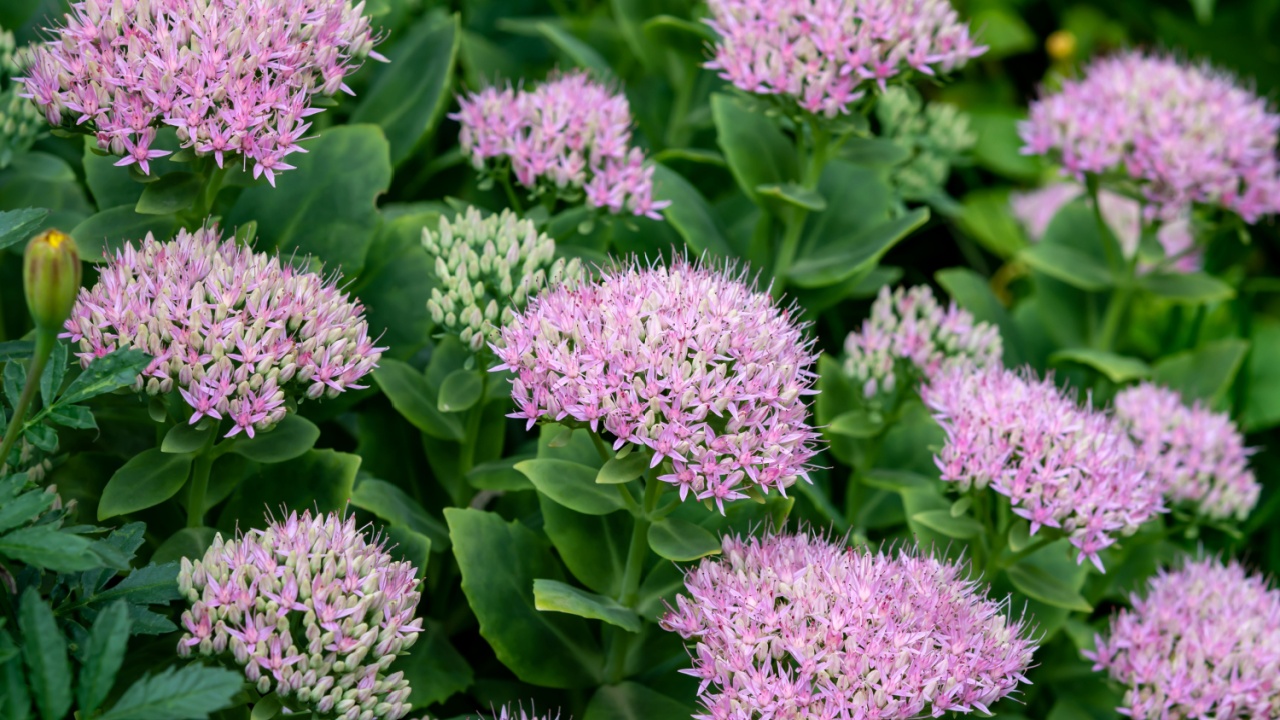
Sedum species offer year-round beauty with succulent leaves and seasonal flowers loved by pollinators. These tough, drought-tolerant plants thrive in sunny spots with well-drained soil. Perfect for rock gardens, green roofs, and dry landscapes. They spread quickly into a dense, low-maintenance mat, storing water in their fleshy leaves. Plus, their yellow, pink, or red blooms draw in butterflies and bees.
Quick Care Tips:
- Sunlight: Full sun
- Soil: Well-drained, sandy or gravelly
- Spacing: 8-12 inches between plugs
- Establishment time: 2 years
- Maintenance: Very low; remove spent flowers if desired
3. Sweet Woodruff (Galium odoratum)
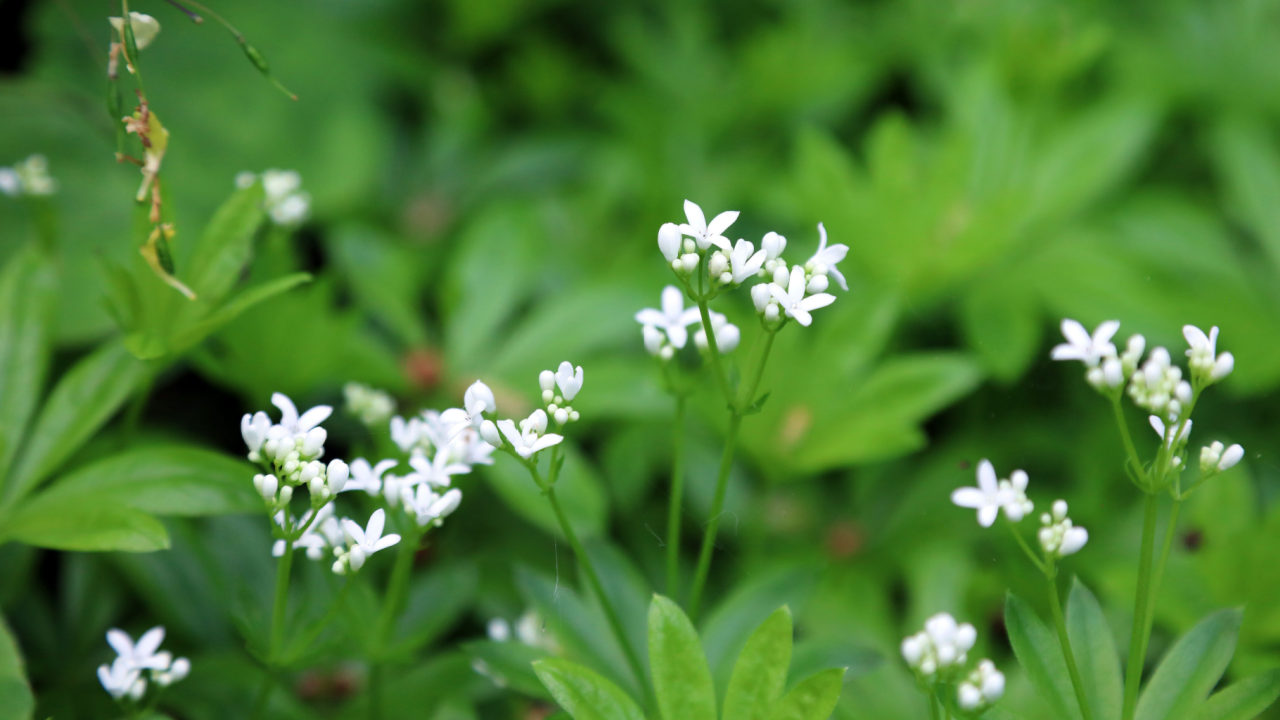
Sweet Woodruff is perfect for shady spots where grass just won’t grow. This perennial loves areas under trees or along north-facing walls. Plant it in spring (6 inches apart in rich soil with some mulch).
It quickly spreads, forming a dense groundcover that keeps weeds down in 1-2 seasons. In late spring, delicate white flowers pop up, releasing a sweet vanilla scent. Plus, it’s deer-resistant and super easy to care for once it’s settled.
Quick Care Tips:
- Sunlight: Partial to full shade
- Soil: Moist, humus-rich, well-drained
- Spacing: 6 inches between plants
- Establishment time: 1-2 years
- Maintenance: Low; benefits from consistent moisture
4. Lungwort (Pulmonaria)
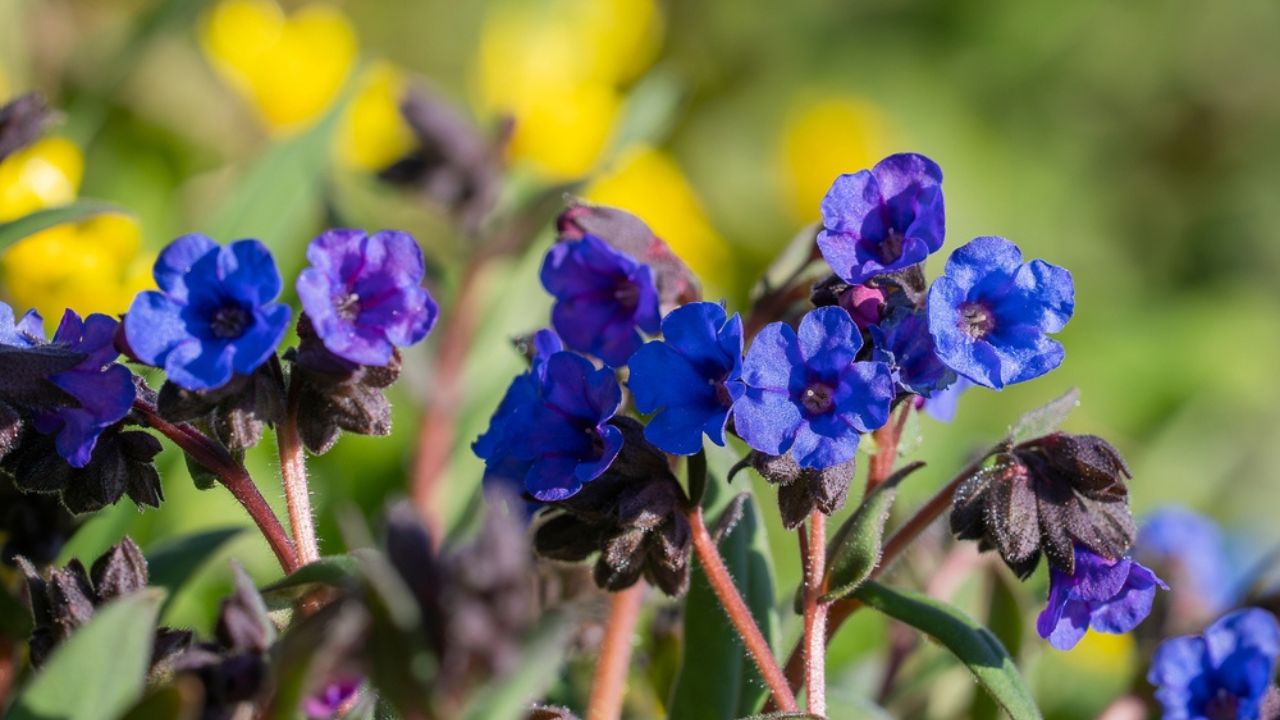
Lungwort is perfect for shade gardens, known for its unique spotted leaves and early spring flowers. This perennial loves cool, moist soil, making it great for planting under trees. Once established, it forms a lush groundcover that adds texture all year. In early spring, you’ll see pink, blue, or white flowers pop up. It’s also deer-resistant and very low-maintenance.
Quick Care Tips:
- Sunlight: Partial to full shade
- Soil: Moist, rich in organic matter
- Spacing: 12-16 inches between plants
- Establishment time: 1-2 years
- Maintenance: Low; divide every 3-4 years if needed
5. Foamflower (Tiarella)

Foamflower adds a delicate, airy touch to shady spots. A North American native, it produces white or pink flower spikes over pretty leaves, which sometimes have burgundy marks.
Plant them about 12 inches apart in rich soil. After two or three seasons, it will create a lush, semi-evergreen groundcover that offers year-round interest and attracts early pollinators. Plus, it’s deer-resistant. shade once established, though it performs best with consistent moisture.
Quick Care Tips:
- Sunlight: Partial to full shade
- Soil: Well-drained, humus-rich
- Spacing: 12 inches between plants
- Establishment time: 2-3 years
- Maintenance: Low; remove spent flower stems
6. Creeping Dogwood (Cornus canadensis)

Creeping dogwood, or bunchberry, adds native woodland vibes to shady northern spots. This low-growing plant, a relative of the flowering dogwood, sports tiny white “blooms” (they’re actually modified leaves!). Plant it in spring, about 8-12 inches apart, in moist, organic-rich, acidic soil.
In a couple of seasons, it’ll spread into a thick carpet. White bracts pop up in late spring, followed by bright red berries that birds love. It’s great for soil stability and supporting local wildlife. Plus, the leaves turn stunning burgundy and purple in fall.
Quick Care Tips:
- Sunlight: Partial to full shade
- Soil: Moist, acidic, rich in organic matter
- Spacing: 8-12 inches between plants
- Establishment time: 2-3 years
- Maintenance: Low; benefits from leaf mulch
7. Vinca Minor (Bowles Periwinkle)
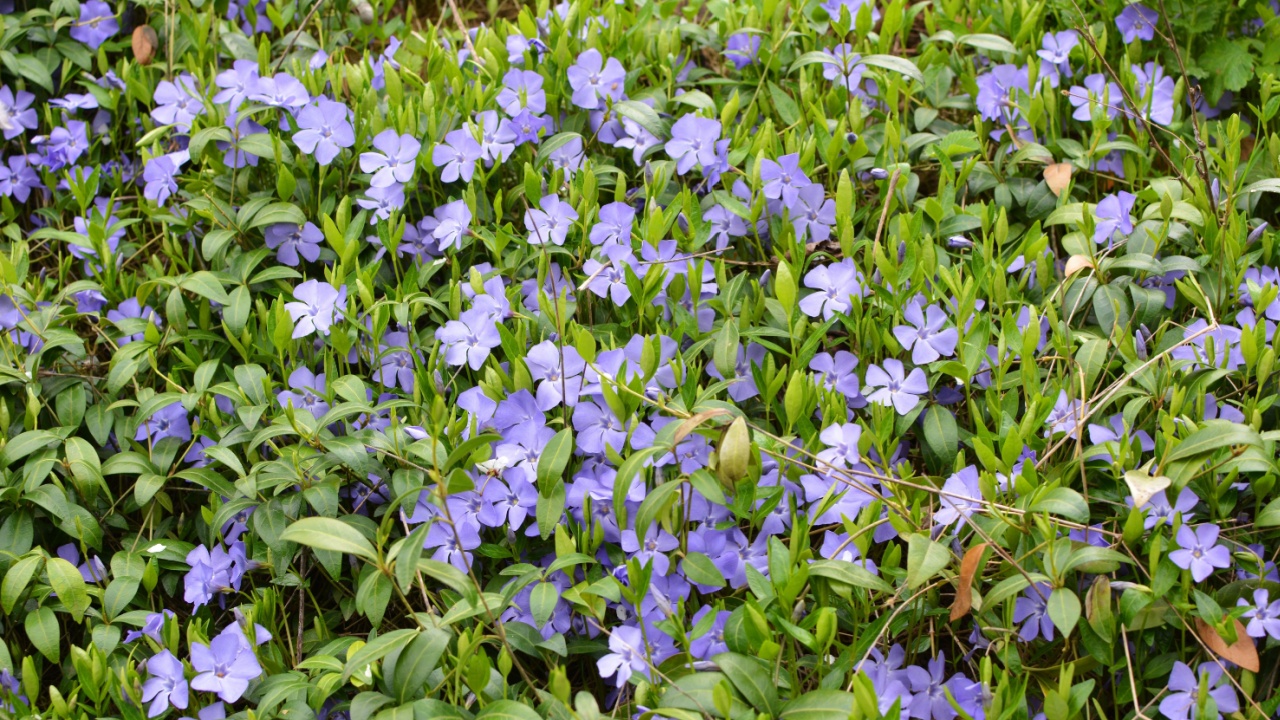
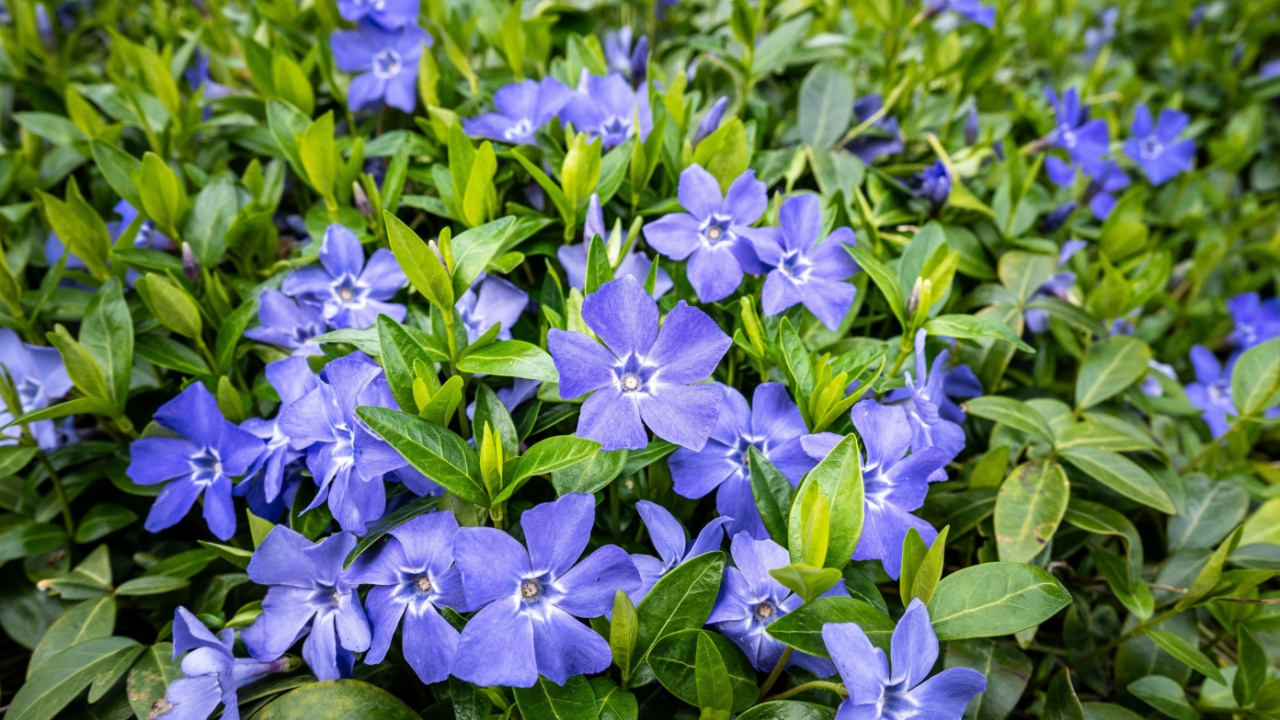
Vinca minor is your go-to for shady, tough spots. It loves shade (or partial shade), so it’s perfect under trees, near foundations, or on slopes where grass won’t grow. Plant cuttings or plugs 12-18 inches apart in well-drained soil. In a year or two, it forms a dense, evergreen mat that lasts all year. Plus, you get pretty lavender-blue flowers in spring. Once it’s settled, it handles drought, bad soil, and even tree roots. Deer don’t like it, and you barely need to maintain it – just trim if it spreads too much.
Quick Care Tips:
- Sunlight: Partial to full shade
- Soil: Well-drained, tolerates poor soil
- Spacing: 12-18 inches between plants
- Establishment time: 1-2 years
- Maintenance: Very low; trim edges as needed
8. Asiatic Jasmine (Trachelospermum asiaticum)
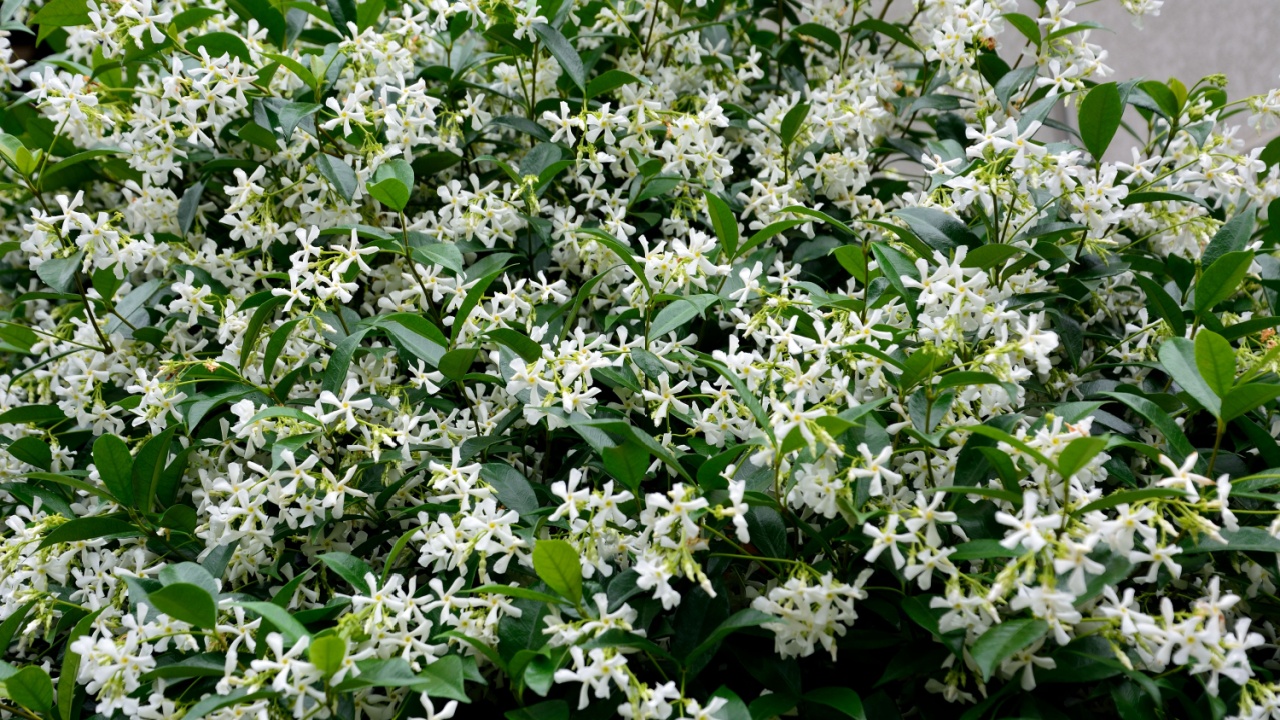
Asiatic jasmine is a super adaptable ground cover that thrives in sun or shade. Despite the name, it’s not a true jasmine and doesn’t have that signature scent. Plant it in spring, spacing plugs 12-18 inches apart in well-drained soil. With regular watering in the first season, it spreads quickly into a dense, evergreen carpet.
The glossy green leaves stay great year-round, can handle light foot traffic, and even stand up to salty coastal conditions. Once established, it’s low-maintenance, drought-tolerant, and doesn’t need much fertilizing.
Quick Care Tips:
- Sunlight: Full sun to full shade
- Soil: Well-drained, adaptable
- Spacing: 12-18 inches between plugs
- Establishment time: 1-2 years
- Maintenance: Very low; occasional trimming
9. Mazus Reptans (Creeping Mazus)
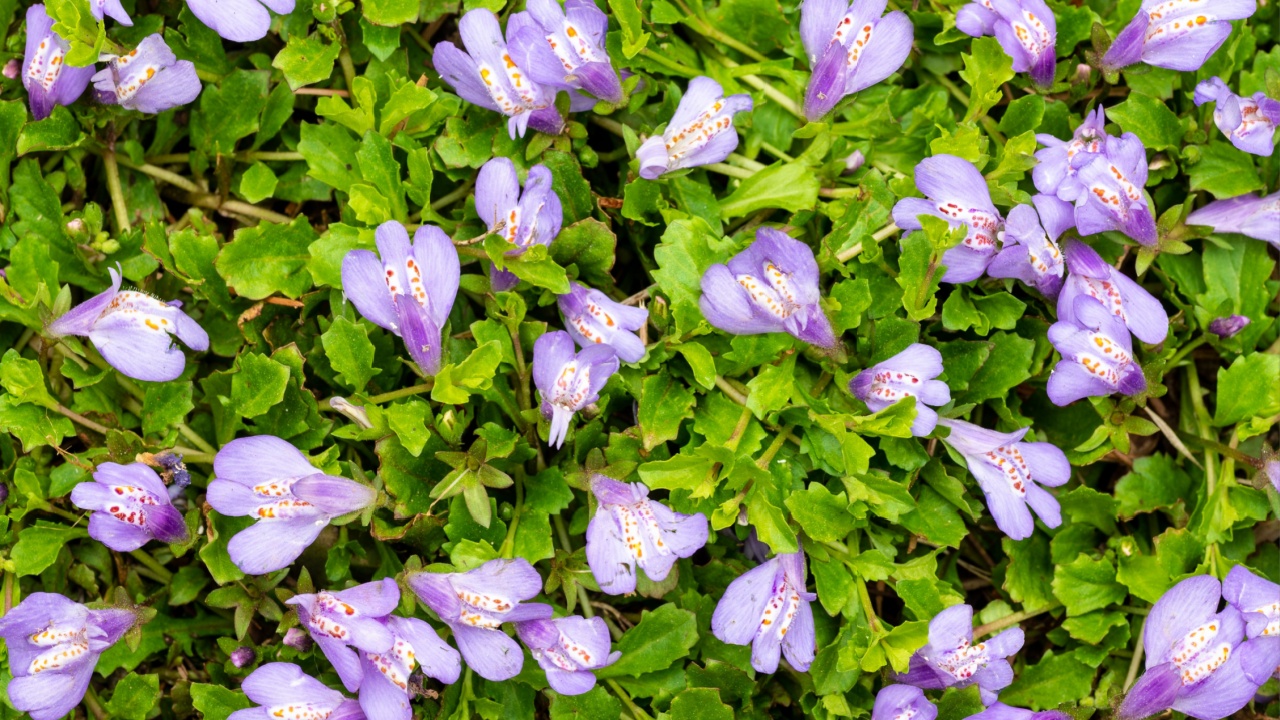
Want to add some life between your stepping stones? Creeping Mazus (Mazus reptans) is your answer! This low-growing perennial quickly forms a dense, colorful mat. It loves moist, well-drained soil, and can take sun to partial shade.
Plant it 6-8 inches apart in spring, water it well, and it’ll spread fast. It even handles light foot traffic! You’ll see cute purple-blue flowers in spring/summer, and it stays green in zones 5-8. Perfect for rock gardens, pavers, and path edges.
Quick Care Tips:
- Sunlight: Full sun to partial shade
- Soil: Moist, well-drained (although it can help as a clay soil ground cover too)
- Spacing: 6-8 inches between plants
- Establishment time: 1 year
- Maintenance: Low; benefits from consistent moisture
10. Dymondia (Dymondia margaretae)
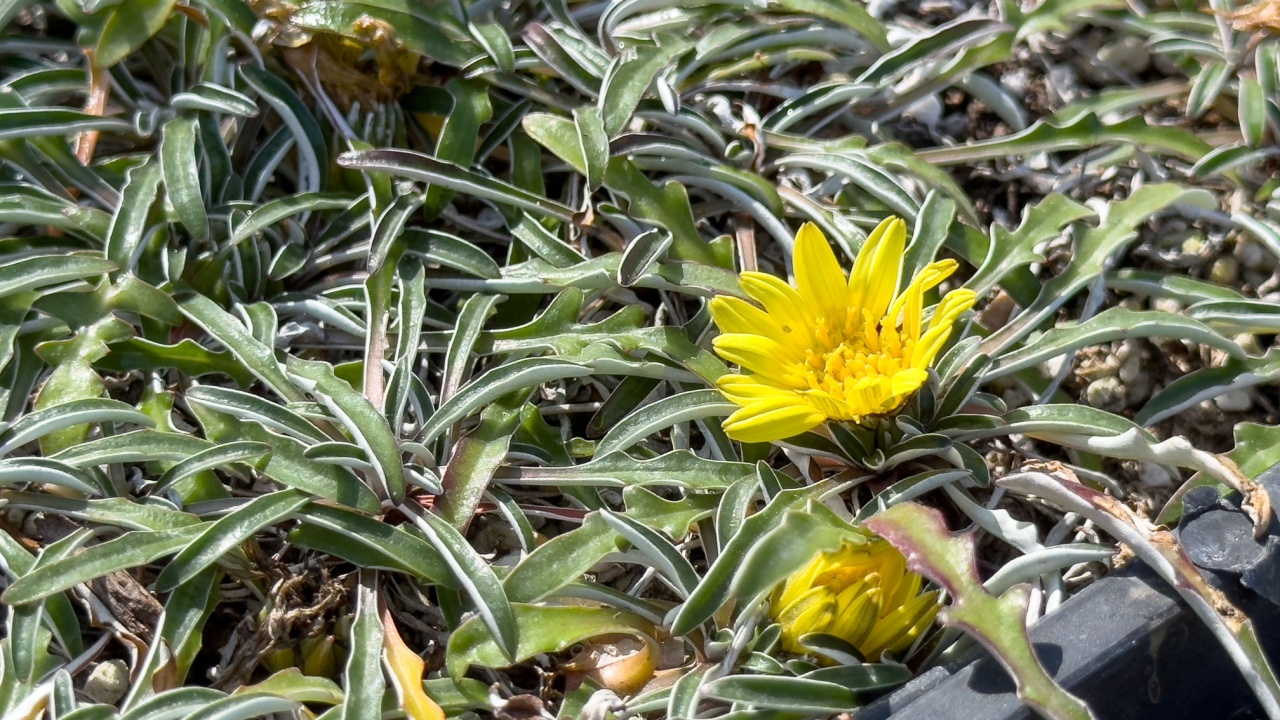
Dymondia, or silver carpet, is an awesome, low-maintenance lawn alternative, especially for dry climates. This South African gem loves full sun and creates a dense, silvery-green mat that can handle some foot traffic. Plant plugs 6-12 inches apart in sandy soil in spring.
It takes about two seasons to really get going, but then you get amazing drought tolerance and year-round beauty. It stays super low (1-2 inches), so no mowing needed! You’ll even get little yellow daisy-like flowers in summer. Plus, it’s great for slopes, pet-friendly, and saves a ton of water compared to grass.
Quick Care Tips:
- Sunlight: Full sun
- Soil: Sandy, well-drained with organic matter
- Spacing: 6-12 inches between plugs
- Establishment time: 2 years
- Maintenance: Very low; extremely drought-tolerant
11. Phedimus Spurius (Stonecrop)
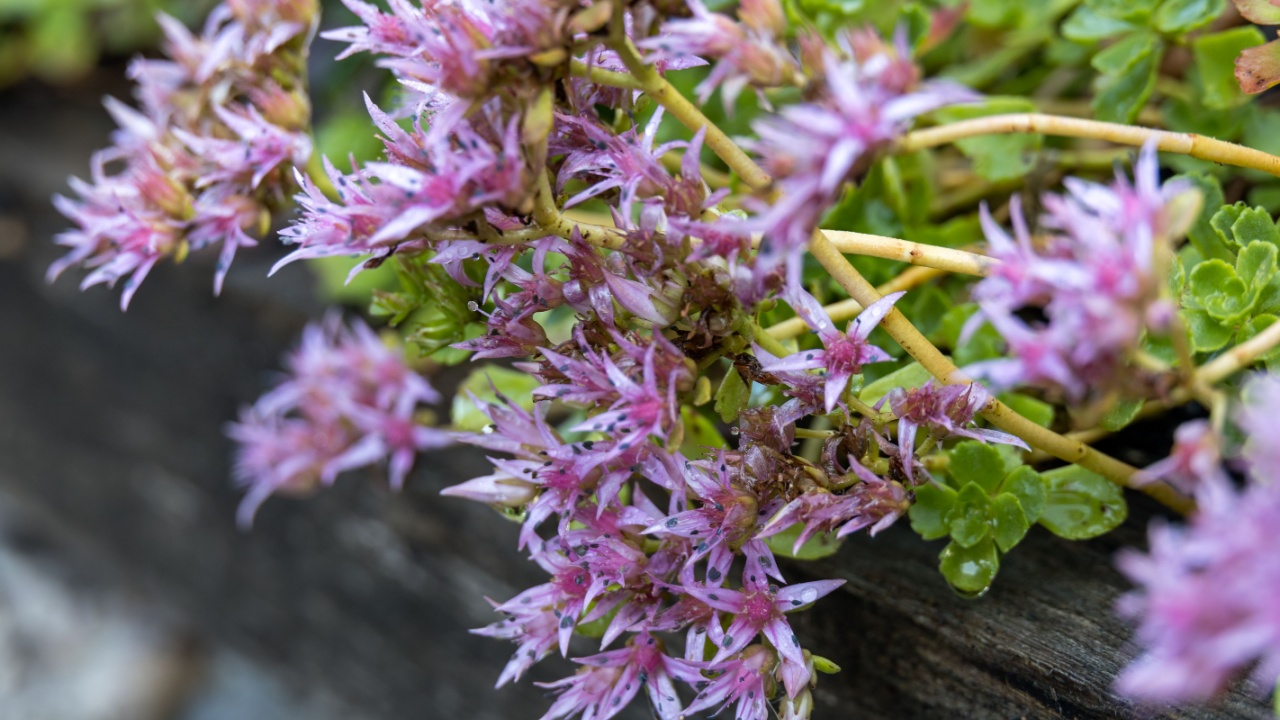
Meet Phedimus spurius, or Stonecrop. This tough succulent adds color to sunny spots without much fuss. It loves full sun and even rocky, poor soil. Plant it, and in a year or two, you’ll have a dense carpet of foliage that changes color with the seasons. Also, you get pink flowers in late summer! Once it’s settled, forget about watering; it thrives on neglect.
Quick Care Tips:
- Sunlight: Full sun to light shade
- Soil: Well-drained, tolerates poor soil
- Spacing: 8-12 inches between plants
- Establishment time: 1-2 years
- Maintenance: Very low; extremely drought-tolerant
12. Pachysandra (Japanese Spurge)

Pachysandra terminalis, also known as Japanese Spurge, is the perfect solution for those deeply shaded areas where other plants struggle. This evergreen perennial creates a lush, green carpet under trees or in woodland gardens. Plant it in the fall or spring, and once it’s established, it’s very low-maintenance.
Quick Care Tips:
- Sunlight: Deep shade
- Soil: Humus-rich, well-drained
- Spacing: 6-12 inches apart
- Establishment time: 1-2 years
- Maintenance: Very low; minimal pruning required
13. Hosta (Hosta spp.)
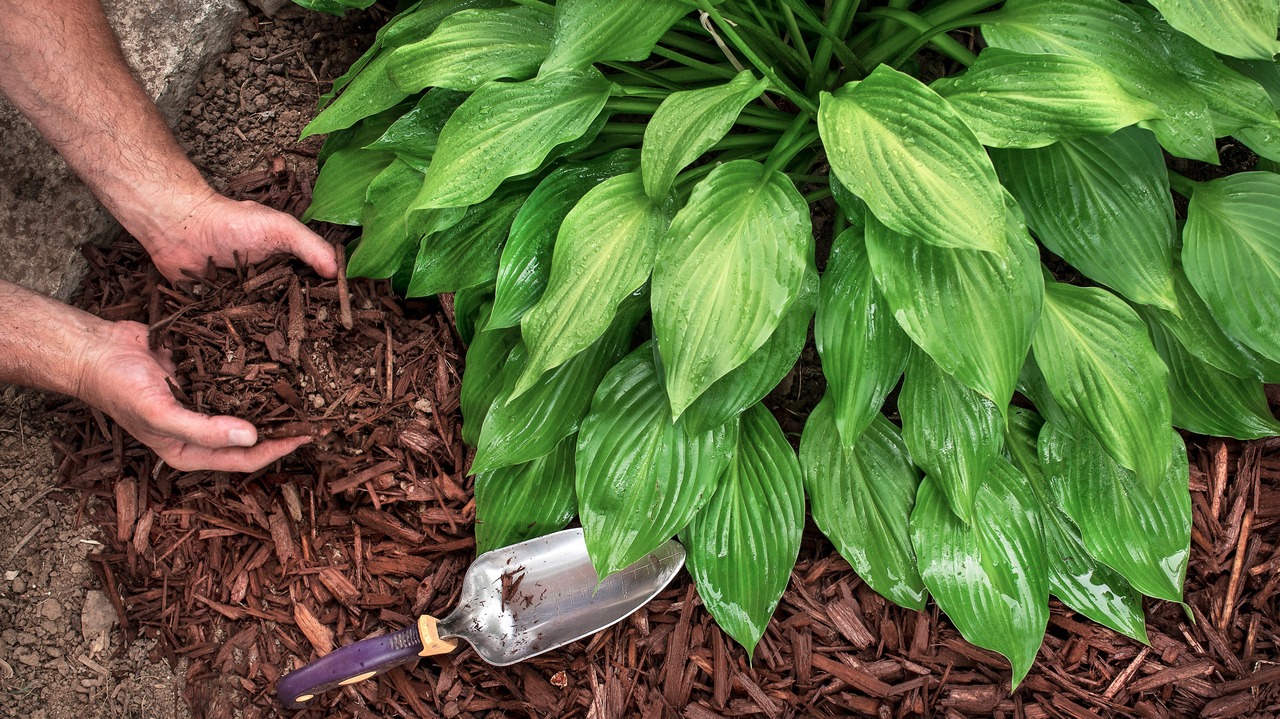
Hostas are a favored choice for shaded gardens, offering a variety of leaf shapes, sizes, and colors. They thrive under trees, in beds, or along borders, adding both texture and dimension to the space. Plant them in the spring or fall, and ensure they have consistent moisture for optimal growth.
Quick Care Tips:
- Sunlight: Partial to full shade
- Soil: Moist, well-drained
- Spacing: 18-24 inches apart
- Establishment time: 1-2 years
- Maintenance: Low; occasional watering and dividing every few years
14. Christmas Fern (Polystichum acrostichoides)
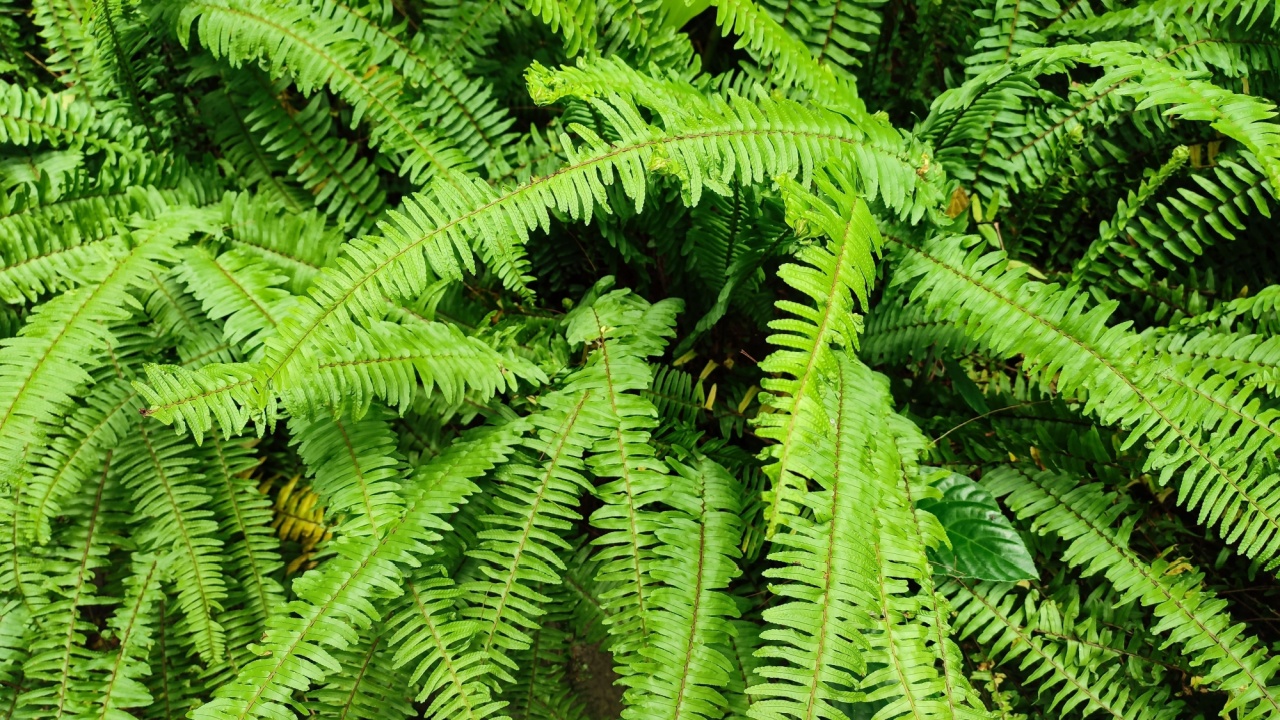
The Christmas Fern is a hardy, evergreen fern that retains its vibrant green foliage even through winter. Perfect for shaded slopes or woodland settings, it adds texture and provides year-round visual interest.
Quick Care Tips:
- Sunlight: Partial to full shade
- Soil: Moist, well-drained
- Spacing: 18-24 inches apart
- Establishment time: 1-2 years
- Maintenance: Low; occasional watering and mulching in dry weather
15. Maidenhair Fern (Adiantum pedatum)
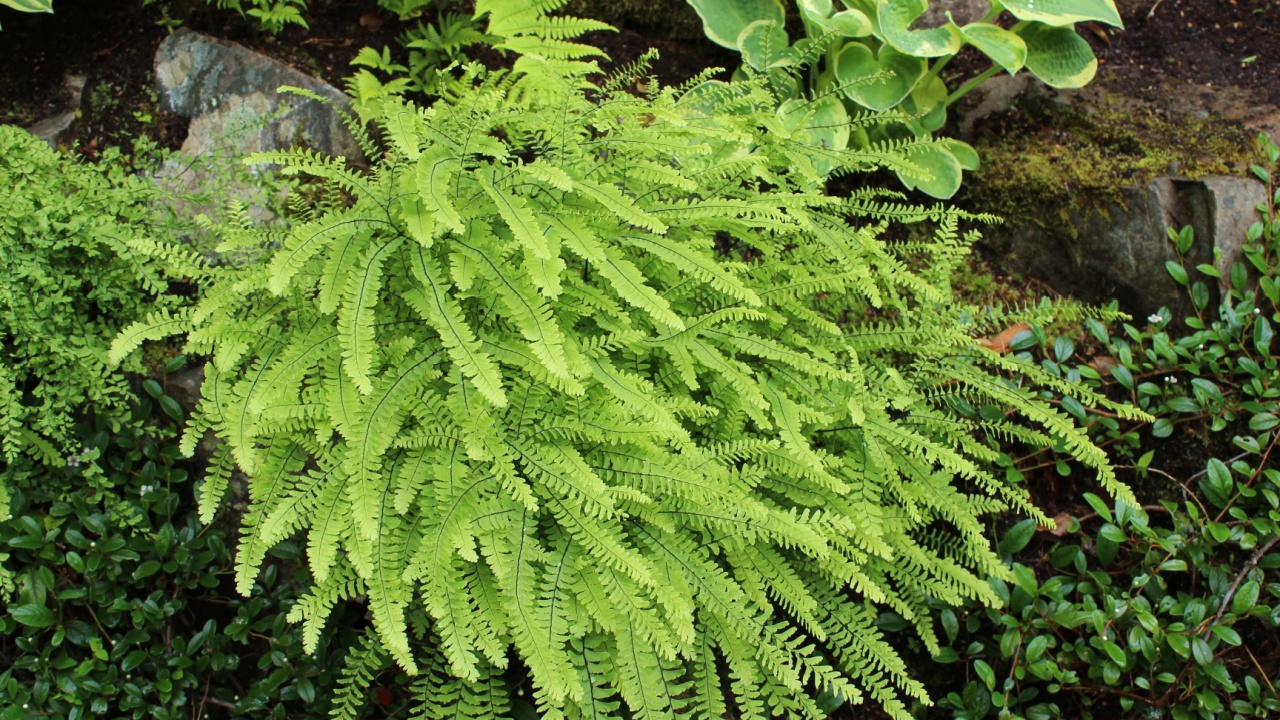
The Maidenhair Fern is a delicate and elegant fern with lacy, fan-shaped fronds. Its arching stems and light foliage make it a stunning addition to shaded gardens and woodland landscapes.
Quick Care Tips:
- Sunlight: Partial to full shade
- Soil: Rich, moist, well-drained
- Spacing: 12-18 inches apart
- Establishment time: 1-2 years
- Maintenance: Moderate; keep soil consistently moist and protect from dry conditions
Find the Right Ground Cover for Your Yard
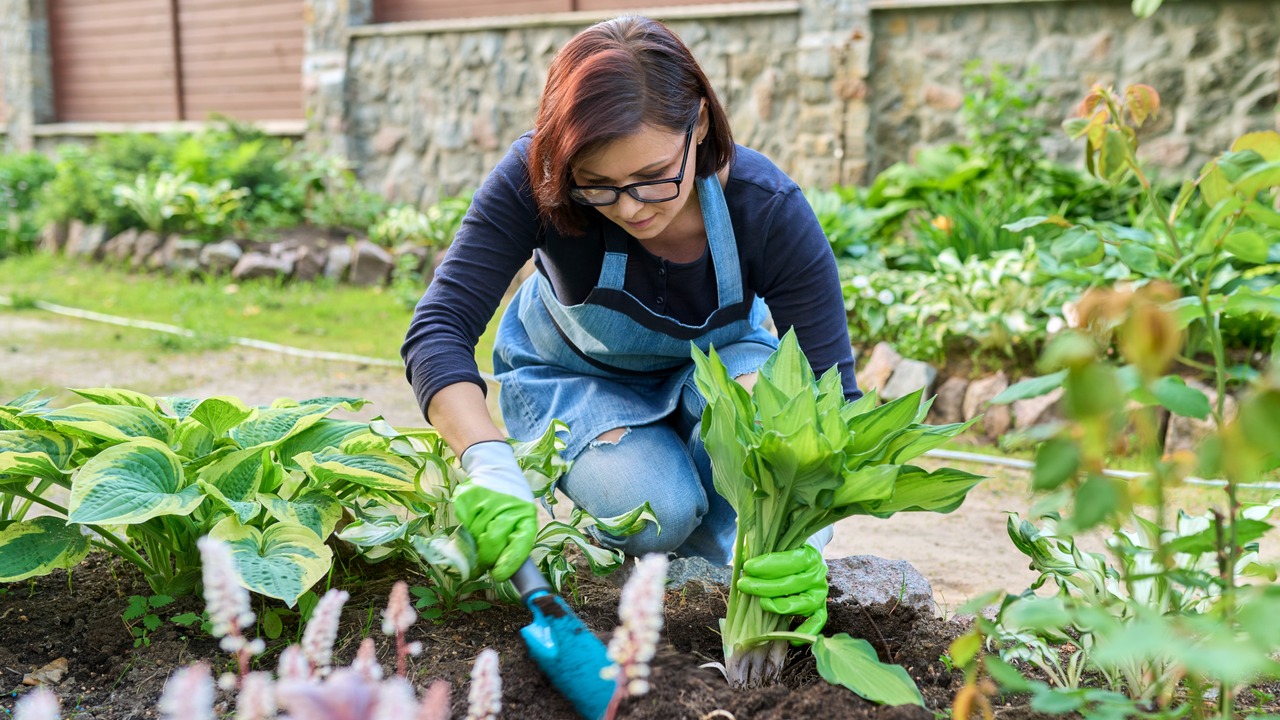
Choosing the right ground cover can transform your yard from a high-maintenance chore into a beautiful, low-effort landscape. Whether you need a solution for a sunny slope, a shady patch under a tree, or the space between stepping stones, there’s a hardy plant on this list to fit the bill.
By matching the plant to your specific conditions, you can create a thriving, weed-suppressing carpet of green that enhances your outdoor space for years to come with minimal work.