16 Things Never Worth Buying at a Home Improvement Store
A trip to the home improvement store can feel like a one-stop shop for all your project needs, from a full kitchen remodel to a simple backyard refresh.
The convenience is undeniable, but are you always getting the best quality and value? Probably not.
While these big-box retailers excel in many areas, some items are better purchased from specialized suppliers who offer superior quality, expert advice, and sometimes even better prices.
Before you fill your cart, it’s worth knowing which products might not be the wisest purchase at a major home improvement chain. Here are 16 items that you should reconsider buying, helping you become a savvier shopper.
1. Plants

Plants at big-box stores are often grown in massive, centralized nurseries and shipped nationwide. This means they may not be suited for your specific local climate.
Even worse, many are treated with pesticides and growth retardants to keep them looking perfect on the shelf. But these chemicals can be harmful to pollinators like bees and butterflies. For example, some milkweed sold at these stores can be toxic to the monarch caterpillars you’re trying to help.
- Why avoid: Often treated with harmful pesticides and may not be suitable for your local climate.
- Where to buy instead: Local nurseries, farmers’ markets, or specialized online seed retailers.
- Pro-Tip: Ask your local nursery about native plants; they are adapted to your environment, require less maintenance, and support local wildlife.
2. Garden Seeds
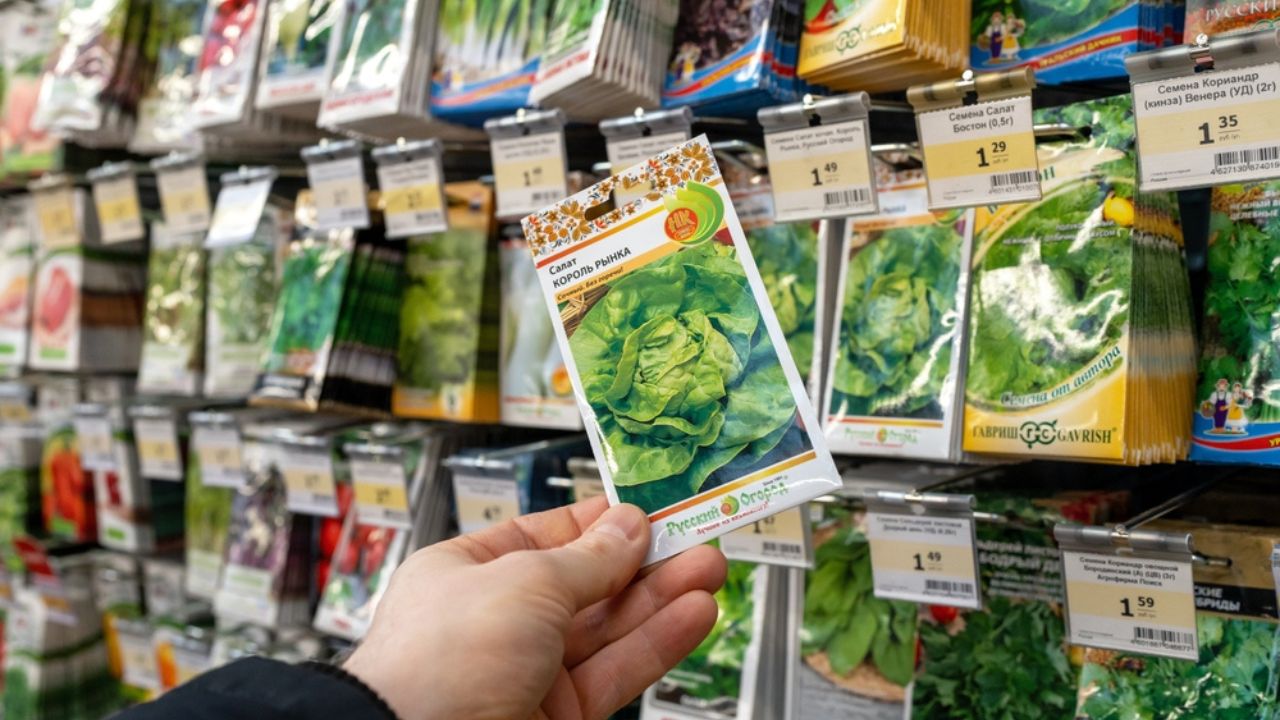
The colorful seed packets lining the aisles of a home improvement store are convenient, but their viability can be a gamble. These seeds may have been sitting in warehouses or on shelves for a long time, and the storage conditions aren’t always ideal for preserving seed life.
The selection is also often limited to common varieties that may not be the best fit for your specific growing zone or be resistant to local pests and diseases.
- Why avoid: Questionable shelf-life, limited selection, and not tailored to local growing conditions.
- Where to buy instead: Reputable online seed companies or local garden centers.
- Pro-Tip: Look for seed companies that specialize in heirloom or open-pollinated varieties for unique flavors and the ability to save your own seeds for next year.
3. Mulch
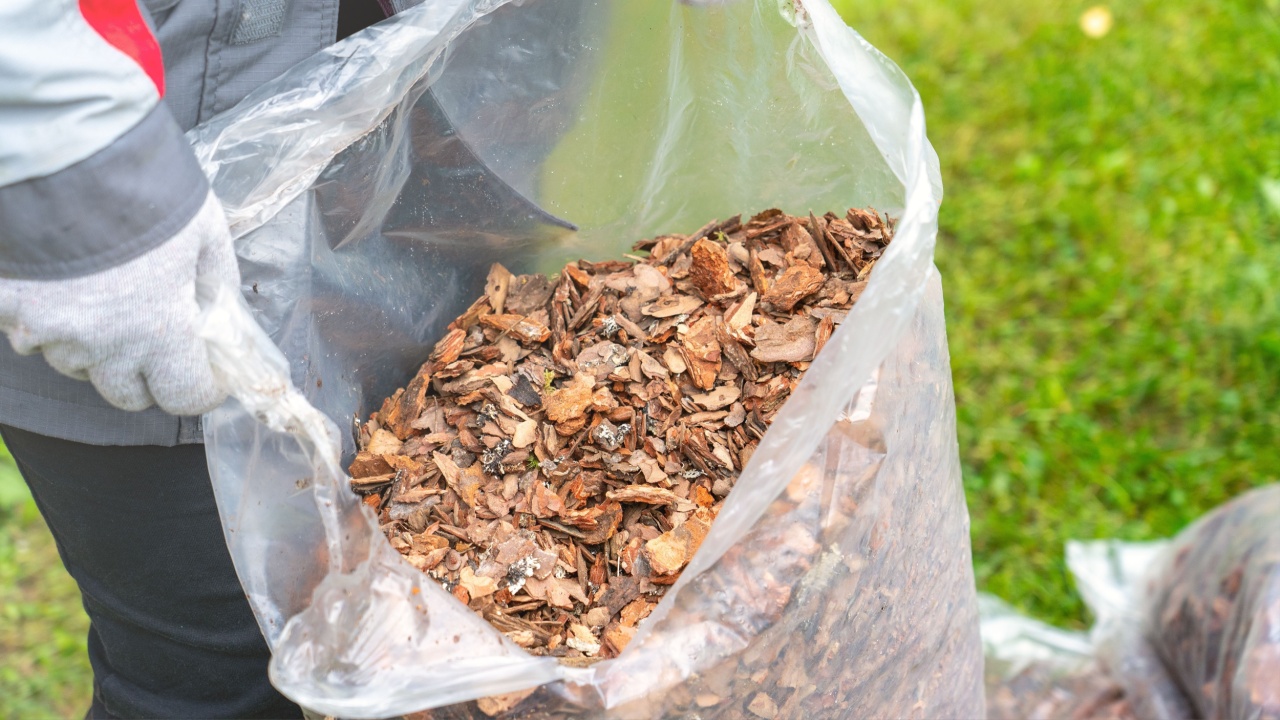
Bagged mulch from national brands often uses recycled wood, potentially containing unwanted materials or artificial dyes, and the quality can vary. Instead, buy higher-quality, locally sourced mulch in bulk from local landscape suppliers. It’s often more natural, cost-effective for larger projects, and better for your garden.
- Why avoid: Can contain unknown recycled materials and artificial dyes; quality can be inconsistent.
- Where to buy instead: Local landscape supply companies or garden centers.
- Pro-Tip: Make your own mulch by composting leaves and grass clippings. It’s free and enriches your soil with valuable nutrients.
4. Major Appliances

Buying a major appliance like a refrigerator or dishwasher from a big-box store might seem convenient, but it comes with risks. The return windows are often extremely short, sometimes as little as 48 hours. Which is hardly enough time to discover a defect that might only appear after a few uses.
Furthermore, the sales staff may lack the specialized knowledge to help you choose the best appliance for your specific needs, plumbing, or electrical setup. An independent, local appliance store is usually a better bet.
- Why avoid: Very short return windows, and staff may lack specialized product knowledge.
- Where to buy instead: Local, independent appliance stores.
- Pro-Tip: Read online reviews from multiple sources and measure your space carefully before you even start shopping for a new appliance.
5. Painting Tools
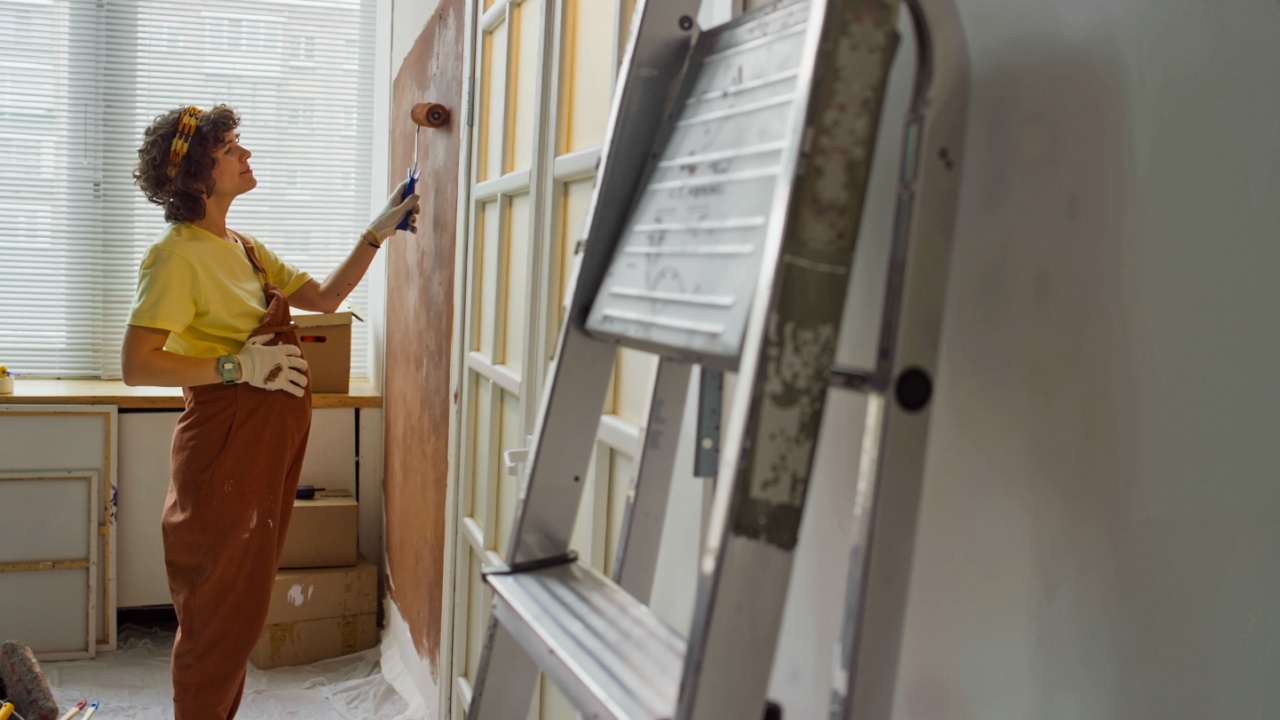
While you can certainly get decent paint rollers and brushes at a home improvement store, specialty paint stores like Sherwin-Williams or Benjamin Moore often offer superior quality tools. High-quality brushes and rollers hold more paint and apply it more evenly, which can save you time and result in a more professional-looking finish.
The staff at specialty paint stores are also experts in their field. They can provide invaluable advice on which type of brush, roller, or sprayer is best for your specific project, whether you’re painting textured walls, smooth cabinets, or detailed trim. This expert guidance can make all the difference in the outcome.
- Why avoid: Quality can be average, leading to a less professional finish.
- Where to buy instead: Specialty paint stores.
- Pro-Tip: Never skimp on painter’s tape (a common painting mistake). A high-quality tape will give you clean lines and prevent bleeding, saving you from tedious touch-ups later.
6. Clearance Paint

The “oops” paint section, with its cans of mis-tinted paint for a few dollars, can be incredibly tempting. However, unless you’re painting a doghouse or a small, non-critical project, it’s usually a waste of money. The color is often inconsistent, and if you need more, you’ll never be able to match it. Furthermore, these clearance cans might be lower-quality paint bases, meaning you’ll need more coats to get good coverage.
Instead of gambling on a mystery color, invest in a quality, mid- to high-grade paint from a reputable brand.
- Why avoid: Unmatchable color, inconsistent quality, and may require more coats.
- Where to buy instead: A specialty paint store for premium paint.
- Pro-Tip: Always buy a small sample pot to test the color on your wall in different lighting conditions before committing to a full gallon.
7. Cheap Tools
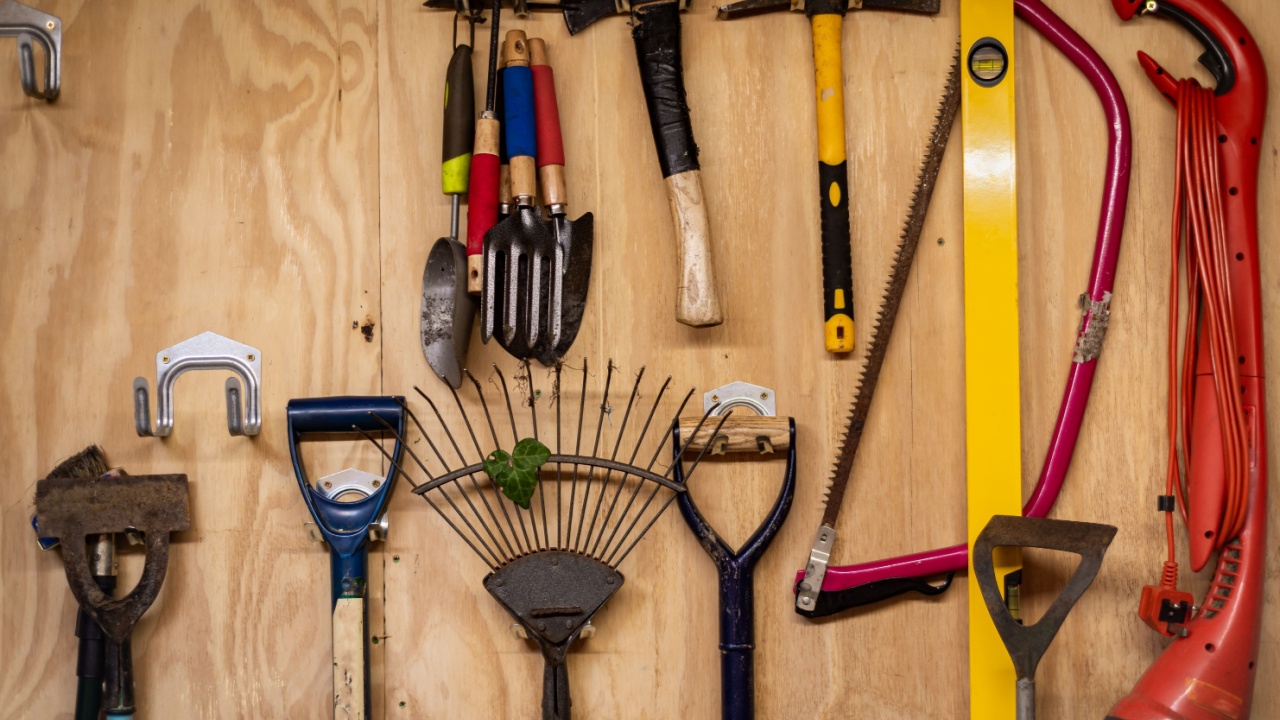
Cheap tools are more likely to break mid-project, causing frustration and delays. This is true for everything from hand tools to power tools like wet/dry vacuums, which can burn out or clog easily. Inexpensive universal electrical testers can even be dangerous if they provide inaccurate readings.
Investing in quality tools from reputable brands is a smart move, even for the occasional DIYer. These tools are built to last, perform better, and are safer to use. While the initial cost is higher, they will save you money over time by avoiding the need for frequent replacements.
- Why avoid: Prone to breaking, poor performance, and can be a safety hazard.
- Where to buy instead: Specialty tool suppliers or reputable brands known for durability.
- Pro-Tip: Start your tool collection with a few high-quality basics. You can always rent specialized tools for one-off projects.
8. Water Softeners and Filtration Systems
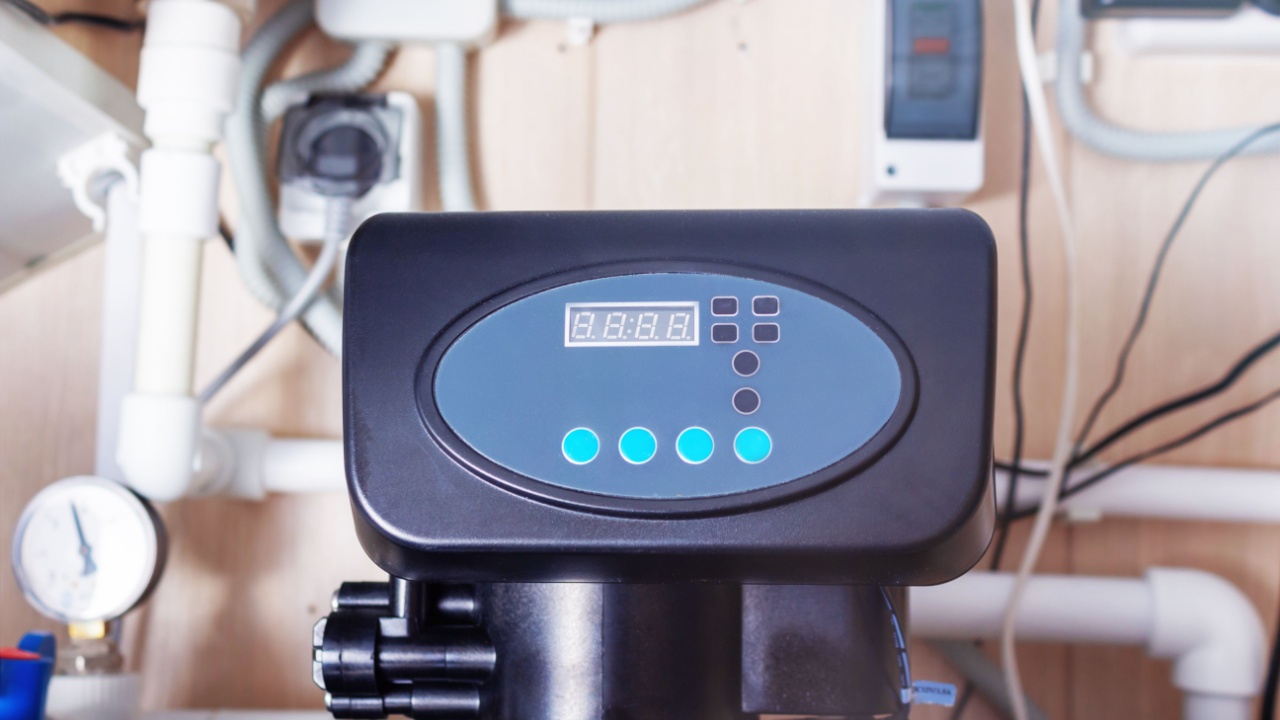
Water quality varies greatly by region, and a one-size-fits-all water softener or filter from a big-box store is unlikely to be the right solution for your home. Without a proper water analysis, you won’t know what specific contaminants or hardness level you need to address. A poorly chosen or improperly installed system can be ineffective and may even damage your plumbing.
- Why avoid: Not tailored to your specific water issues; improper installation can cause damage.
- Where to buy instead: A specialized water treatment service or retail store.
- Pro-Tip: Get your water tested by an independent lab or your local municipality to get an unbiased report on its quality before you shop for a system.
9. Pesticides

Many home gardeners unintentionally misuse pesticides by applying them improperly or using the wrong product for the pest they are trying to control. Big-box stores often carry a wide range of powerful chemical pesticides that can easily be misapplied.
Whenever possible, opt for organic or non-toxic pest control methods. Local garden centers are more likely to carry a range of these safer alternatives and have knowledgeable staff who can guide you.
- Why avoid: High risk of misapplication, which can harm wildlife and beneficial insects.
- Where to buy instead: Local garden centers that offer organic and non-toxic alternatives.
- Pro-Tip: Attract ladybugs, lacewings, and other predatory insects to your garden by planting flowers like dill, fennel, and yarrow.
10. Inexpensive Plumbing Fixtures
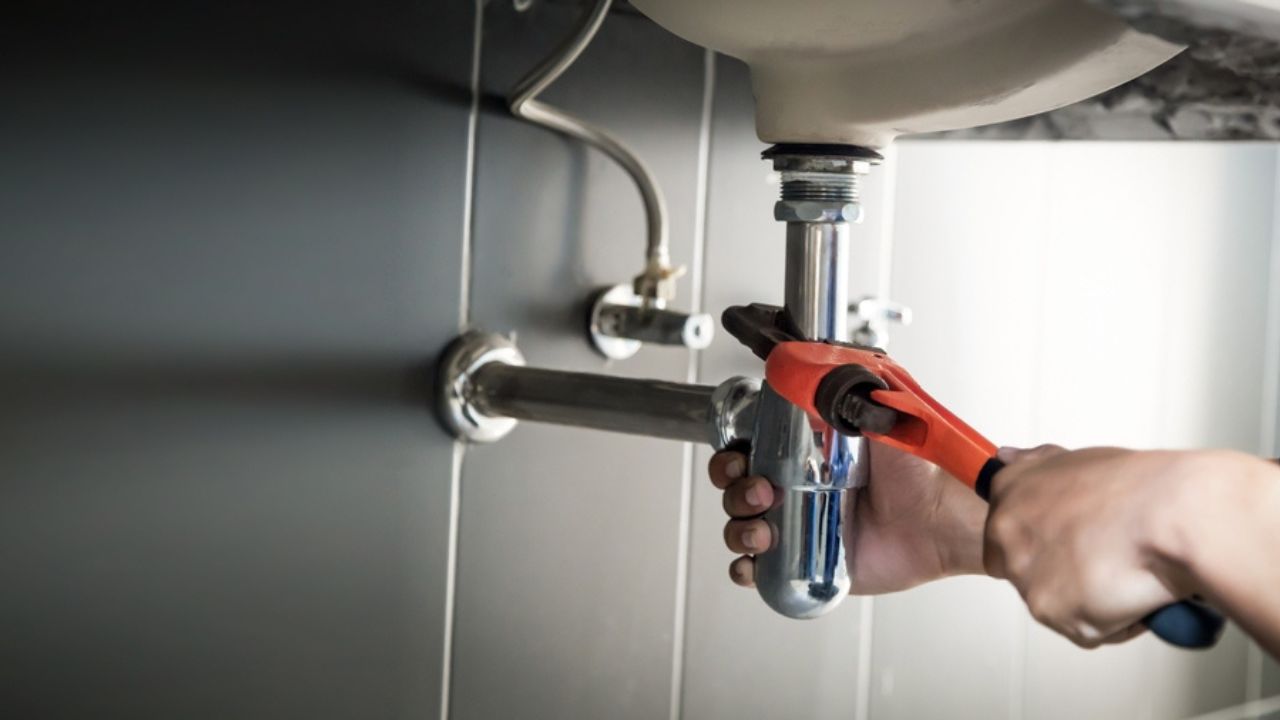
That budget-friendly faucet or showerhead might look great in the box, but it’s likely made with lower-quality materials like plastic internal components instead of durable brass. These fixtures wear out quickly, leading to drips, leaks, and the need for a replacement sooner than you’d expect.
A small leak can waste a surprising amount of water and lead to costly water damage over time.
- Why avoid: Often made with cheap plastic parts that leak and wear out quickly.
- Where to buy instead: Plumbing supply stores.
- Pro-Tip: When choosing a faucet, check for a ceramic disc valve, which is more durable and less prone to dripping than rubber washers.
11. Kitchen Cabinets
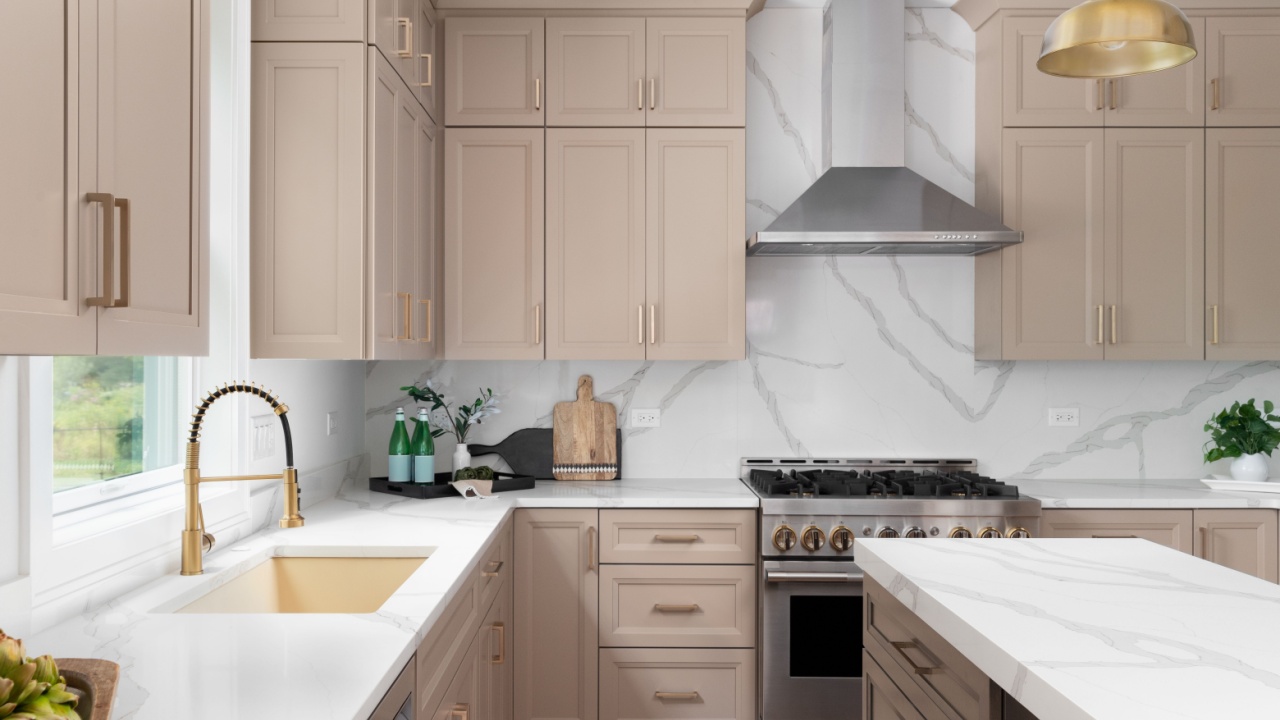
Stock cabinets from home improvement stores can seem like a great deal, but they are often constructed from particleboard or MDF (medium-density fiberboard). These materials are susceptible to moisture and can warp, swell, or chip easily, especially in the high-humidity environments of kitchens and bathrooms.
The finishes may also be less durable, showing wear and tear much faster than higher-quality options.
- Why avoid: Often made from particleboard that can easily warp or chip.
- Where to buy instead: A local cabinet maker or specialty kitchen showroom.
- Pro-Tip: If stock cabinets are your only option, look for models made from plywood instead of particleboard for better durability.
12. Lawn Mowers

Home improvement stores typically carry mass-market lawn mowers with limited features and a focus on low prices. While they might get the job done, they may not be the most durable or best-suited for your specific lawn type.
Instead, a local specialty mower dealer offers higher-quality, commercial-grade equipment that is built to last. Their staff can provide expert advice to help you choose the right mower for your lawn’s size and terrain.
- Why avoid: Often, mass-market models have limited features and support.
- Where to buy instead: Local specialty mower dealers.
- Pro-Tip: Consider the type of grass and terrain in your yard. A self-propelled mower can be a lifesaver on hilly lawns, while a riding mower is essential for large properties.
13. Bedding and Towels
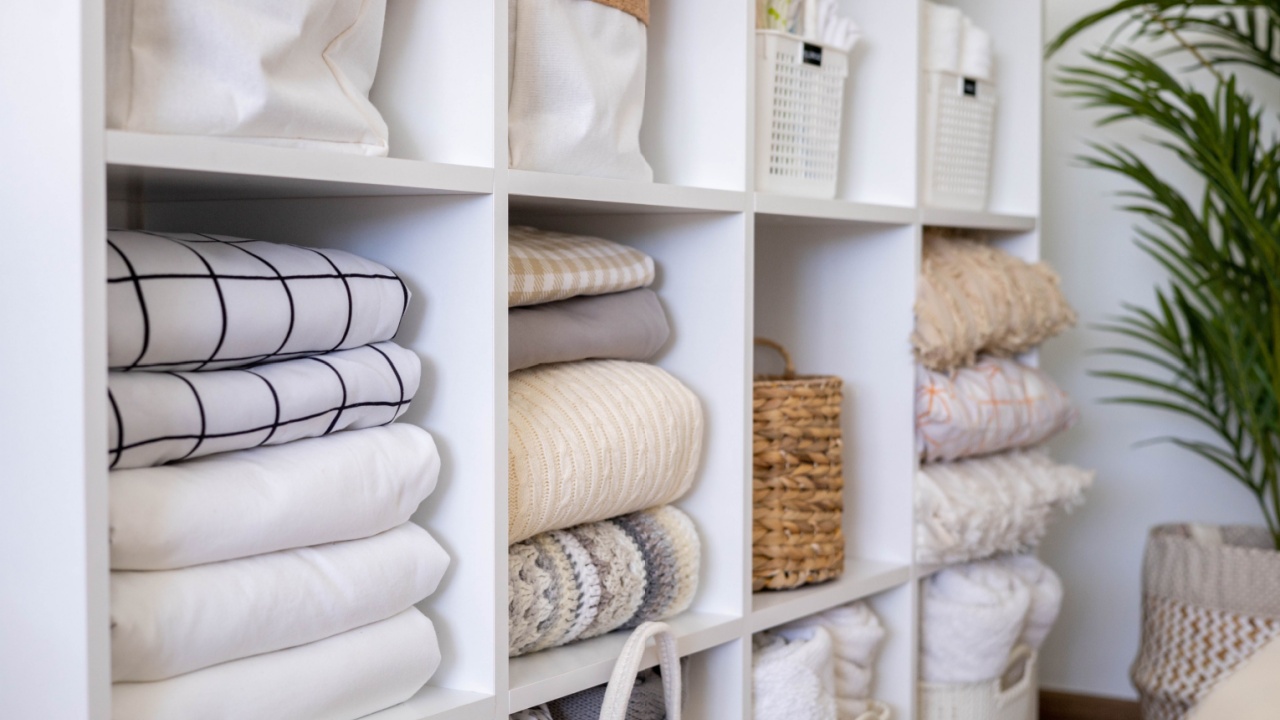
You might find some surprisingly stylish bedding and towels in the home decor aisle, but the quality can be hit or miss. These items are often manufactured with a focus on appearance over feel and longevity. The thread count might be low, and the fabric may feel rough or thin after just a few washes.
For bedding and towels that feel luxurious and stand up to regular use, it’s better to shop at a department store or a dedicated home goods retailer. These stores offer a wider range of high-quality materials like Egyptian or Pima cotton, which are known for their softness and durability.
- Why avoid: Quality can be inconsistent, and materials may not be soft or durable.
- Where to buy instead: Department stores or specialty home goods stores.
- Pro-Tip: Look for long-staple cotton when buying sheets and towels. The longer fibers create a smoother, stronger, and more durable fabric.
14. Knives

A sharp, reliable knife is a cook’s best friend. While you might find a block of knives at a home improvement store, they are generally low-quality and won’t hold an edge for long. A dull knife is not only frustrating to use but also dangerous, as it can slip easily and cause injuries.
Investing in a few high-quality knives from a kitchen supply store is a much better approach. You don’t need a huge block; a good chef’s knife, a paring knife, and a serrated bread knife will cover most of your needs. These knives will stay sharp longer, feel balanced in your hand, and make food prep a pleasure.
- Why avoid: Typically low-quality steel that dulls quickly and can be unsafe.
- Where to buy instead: Kitchen supply stores or specialty cookware retailers.
- Pro-Tip: Learn how to properly hone your knives with a sharpening steel to maintain their edge between professional sharpenings.
15. Fire Safety Devices

When it comes to protecting your home and family, you don’t want to compromise on quality. Cheap smoke detectors or carbon monoxide alarms from a big-box store may lack important features like interconnectivity (so all alarms sound at once) or long-life batteries.
Similarly, a general-purpose fire extinguisher might not be effective on all types of fires, such as a grease fire in the kitchen or an electrical fire.
- Why avoid: May lack crucial safety features or be the wrong type for your needs.
- Where to buy instead: Specialized safety supply companies.
- Pro-Tip: You should have a smoke alarm in every bedroom, outside each sleeping area, and on every level of your home, including the basement.
16. Off-Brand Impulse Buys

Those eye-catching displays at the end of the aisles are designed to tempt you into making an impulse purchase. While you might find a good deal, be wary of off-brand seasonal or electronic items.
These products are often made by unknown manufacturers with little to no customer support. If a part breaks or you need help with setup, you may have no one to turn to.
Before grabbing that tempting gadget, do a quick search on your phone. Stick to products from established companies that have a website, a customer service number, and a reputation for standing behind their products.
- Why avoid: Often lack customer support, replacement parts, or a warranty.
- Where to buy instead: Reputable brands with a known track record.
- Pro-Tip: If a deal seems too good to be true, it probably is. Wait 24 hours before making an unplanned purchase to see if you still really want or need it.
Be Mindful While You Shop

By being a more discerning shopper, you can ensure that the time, effort, and money you invest in your home and garden projects yield the best possible results.
Now that you know what to watch out for, you can approach your next project with confidence. Ready to get started? Explore our guides on choosing the right plants for your region or tackling your next DIY home repair.
Read more:
6 Home Improvement Disasters That Seemed Like a Good Idea in the Moment, According to Real People