
15 Secret Ingredients That Always Make Food Taste Better
Have you ever tasted food and wondered for a second if your taste buds were broken?
A good cook knows the difference between finger-licking food and food that tastes like unflavored snow is in the ingredients. Ask grandma, elevating a good dish to an amazing one often comes down to small, unexpected additions.
These are the ingredients that add depth, brightness, and a special touch that leaves everyone asking for your secret. (And they’re not actually as “secret” as you think.)
This list explores 15 such ingredients that can transform your everyday cooking, turning simple meals into memorable culinary experiences.
1. Shallots
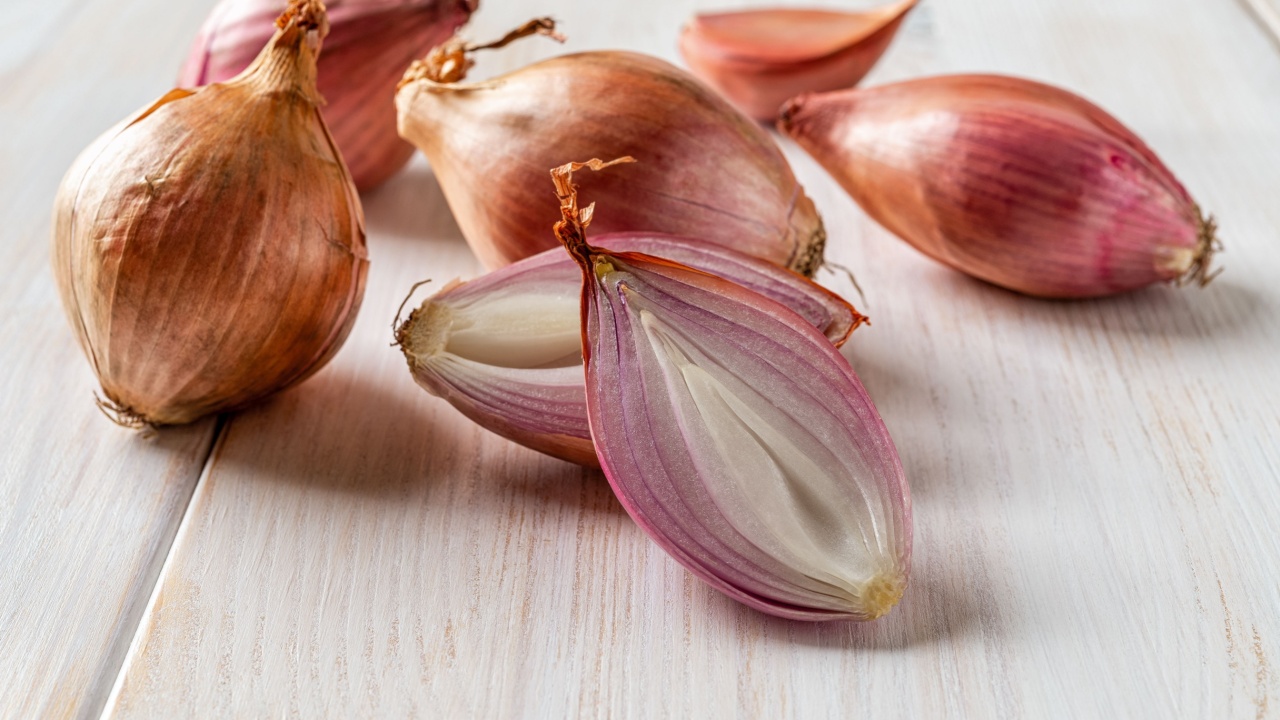
Shallots offer a delicate, sweet flavor that is milder than a regular onion with a hint of garlic. This makes them incredibly versatile. Instead of overpowering a dish, they blend in seamlessly, providing a sophisticated aromatic base. They are perfect for sauces, dressings, and sautés where you want a refined onion flavor without the sharp bite.
- Why It Works: Provides a gentle, sweet flavor that enhances without dominating.
- How to Use: Finely chop and use as a base for vinaigrettes, pan sauces, or roast them whole alongside chicken or vegetables. Caramelized shallots are especially delicious.
- Gardening Tip: You can grow shallots from sets planted in the fall or early spring. Plant individual cloves about an inch deep and six inches apart in well-drained soil. They are ready to harvest when the tops yellow and fall over.
2. Fresh Lemon Juice

Acidity is a key component of balanced flavor, and fresh lemon juice is one of the easiest ways to introduce it. A squeeze of lemon can cut through richness, brighten savory dishes, and balance sweetness. It wakes up the palate and makes other flavors pop. It’s far superior to bottled juice, which can have a dull or slightly metallic taste.
- Why It Works: Adds brightness and acidity, balancing rich or heavy flavors.
- How to Use: Squeeze over roasted vegetables, grilled fish, chicken, or into soups and stews just before serving. Use it in marinades and salad dressings.
- Gardening Tip: Dwarf lemon trees, like the Meyer lemon, can be grown in large pots. They need at least 6-8 hours of direct sunlight daily and well-draining soil. Bring them indoors during winter in colder climates.
3. Fish Sauce
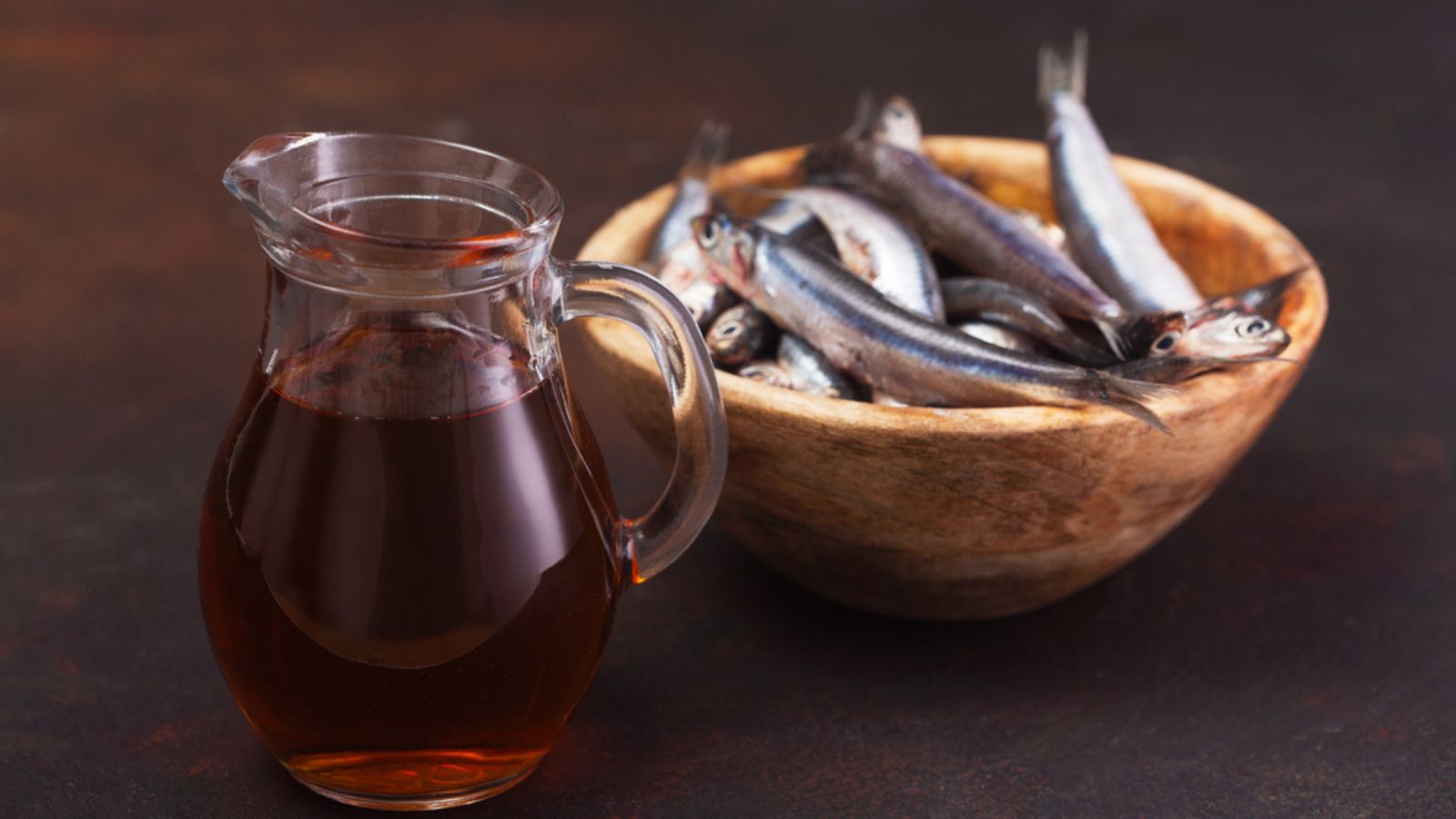
Do not be deterred by the name or the pungent smell from the bottle. A small amount of fish sauce adds a profound savory, umami depth to dishes without making them taste fishy. It is a fermented condiment that brings a complex saltiness that regular salt cannot replicate. It is a cornerstone of Southeast Asian cooking for a reason.
- Why It Works: Delivers a powerful umami punch and complex saltiness.
- How to Use: Add a dash to soups, stews, marinades, and stir-fries. It is excellent in tomato sauces and chili to deepen the flavor.
- Next Step: Purchase a bottle from an Asian market for the best quality. Start with a small amount, as it is quite potent.
4. Nutmeg
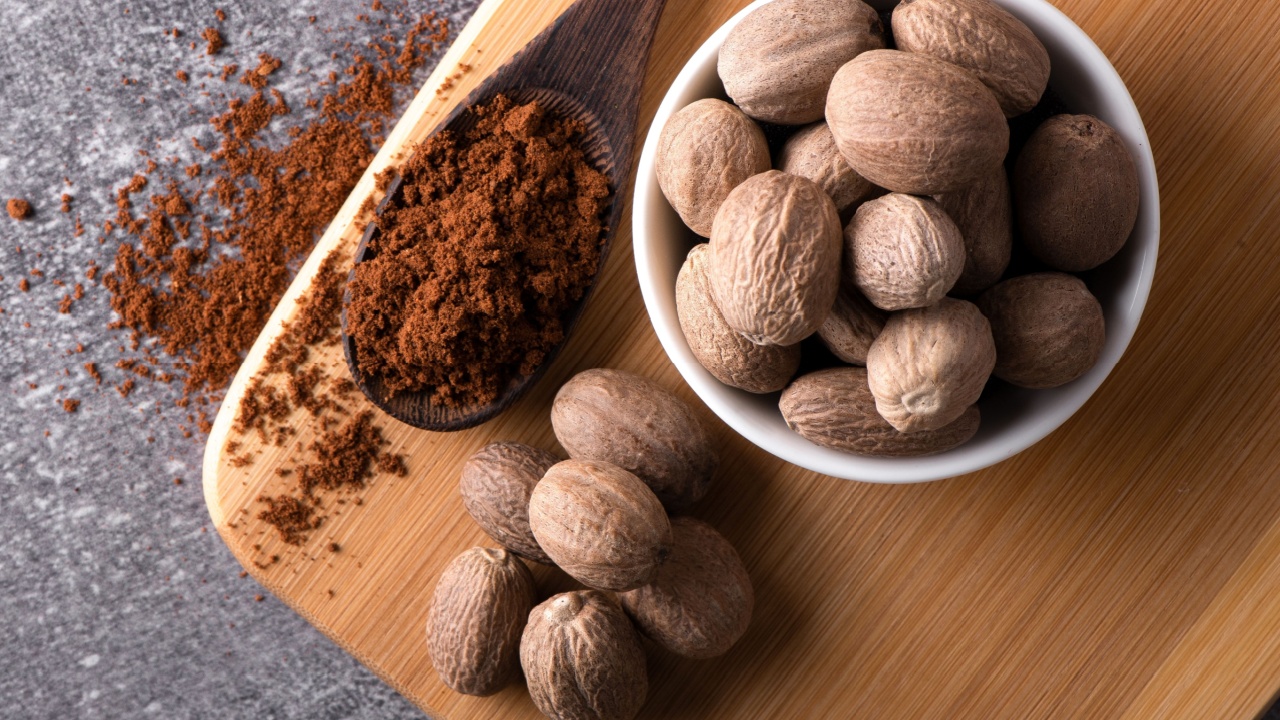
Commonly associated with holiday baking, nutmeg has a warm, aromatic flavor that works wonders in savory dishes. Specifically, it has a natural affinity for creamy or cheesy recipes. A light grating of fresh nutmeg can transform a simple béchamel, alfredo sauce, or batch of macaroni and cheese, adding a subtle warmth and complexity.
- Why It Works: Its warm spice complements dairy-based sauces and vegetables.
- How to Use: Grate a small amount into cream sauces, cheese dishes, and vegetable preparations like creamed spinach. Always use whole nutmeg and grate it fresh for the best flavor.
- Next Step: Invest in whole nutmegs and a microplane grater. The flavor is significantly better than pre-ground versions.
5. Bay Leaves
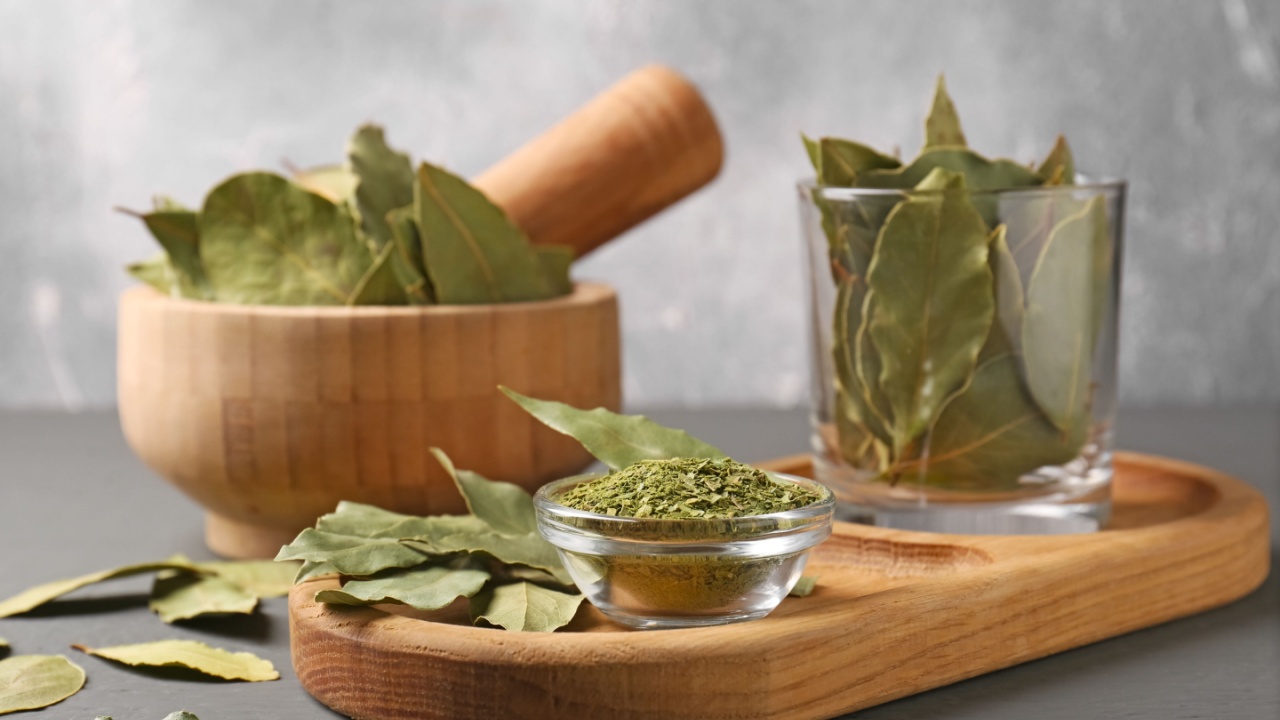
The contribution of a bay leaf is subtle but significant. Simmered in a liquid, it releases herbal, slightly floral, and peppery notes that build a foundation of flavor. While you may not be able to pinpoint its exact taste in the final dish, you would notice its absence. It deepens the character of slow-cooked soups, stews, and sauces.
- Why It Works: Infuses liquids with a subtle aromatic depth.
- How to Use: Add one or two whole leaves to your pot of soup, stew, stock, or pasta sauce at the beginning of cooking. Always remember to remove the leaves before serving.
- Gardening Tip: The bay laurel plant can be grown in a pot or in the ground in warmer climates. It’s an attractive evergreen that provides a ready supply of fresh leaves. Dry your own leaves for year-round use.
6. Anchovy Paste
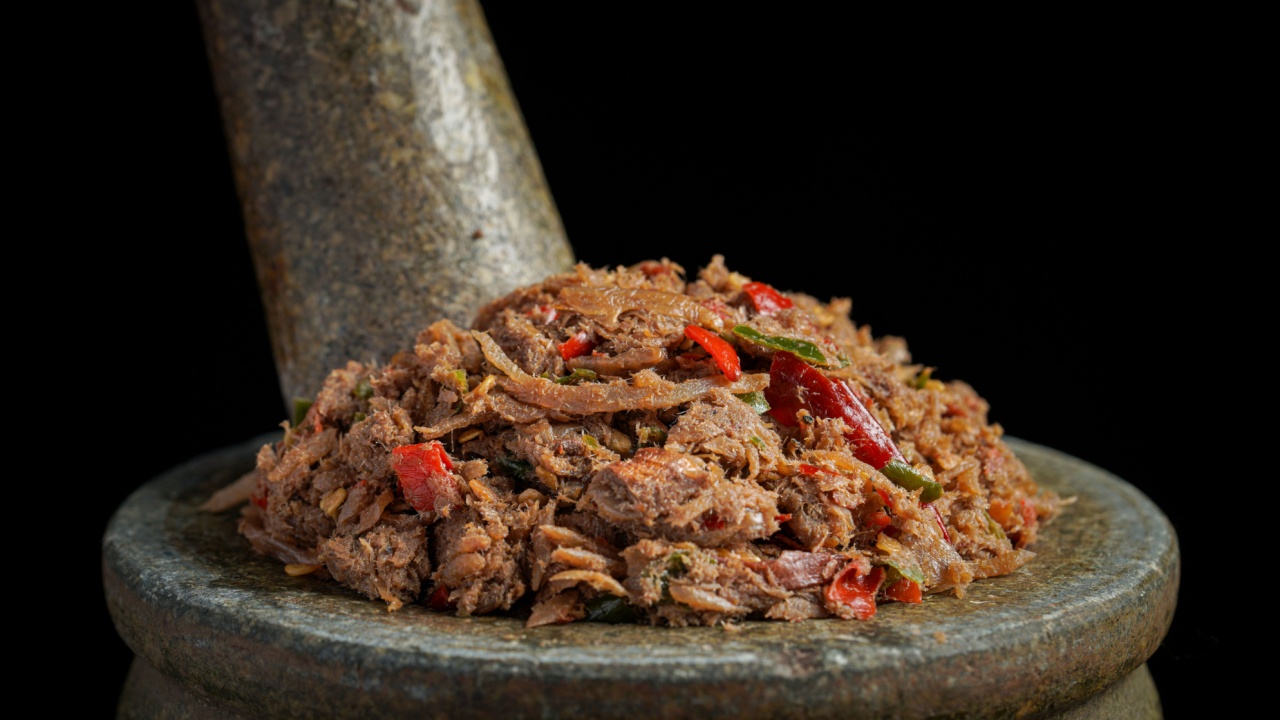
Like fish sauce, anchovy paste is an umami powerhouse. It dissolves completely into dishes, providing a savory, salty depth without a distinctly fishy taste. It is a secret weapon for amplifying the flavor of everything from Caesar dressing to pasta sauces and roasted meats. A small squeeze from the tube is all you need.
- Why It Works: Provides concentrated umami and saltiness that melts into dishes.
- How to Use: Squeeze a small amount into tomato sauces, salad dressings, or rub it onto lamb before roasting.
- Next Step: Look for it in a tube in the Italian or canned fish aisle of your grocery store. It is an inexpensive ingredient that lasts a long time in the refrigerator.
7. Smoked Paprika
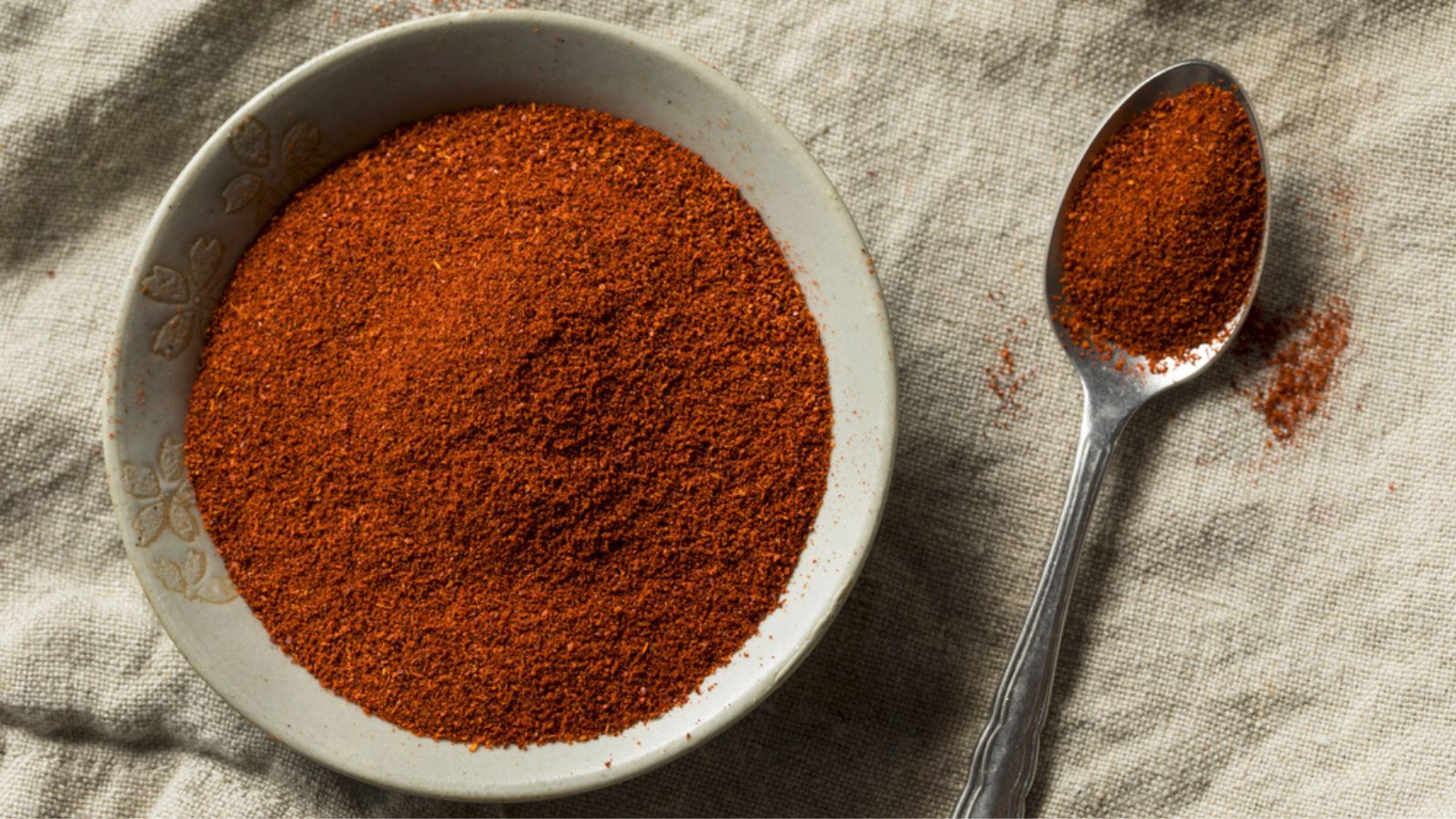
This Spanish spice is made from peppers that are smoked and dried over oak fires. It adds a smoky, rich flavor to dishes without any actual grilling or smoking. There are sweet and hot varieties, but both lend a beautiful color and a complex, woodsy aroma that is fantastic with meats, roasted vegetables, and egg dishes.
- Why It Works: Adds a smoky flavor and rich red color.
- How to Use: Sprinkle it on roasted potatoes, chicken, or deviled eggs. Add it to chili, stews, and spice rubs for meat.
- Gardening Tip: You can grow your own pimento peppers to make paprika. Once harvested and dried, smoking them requires a smoker or a grill set up for indirect heat with wood chips.
8. Sumac
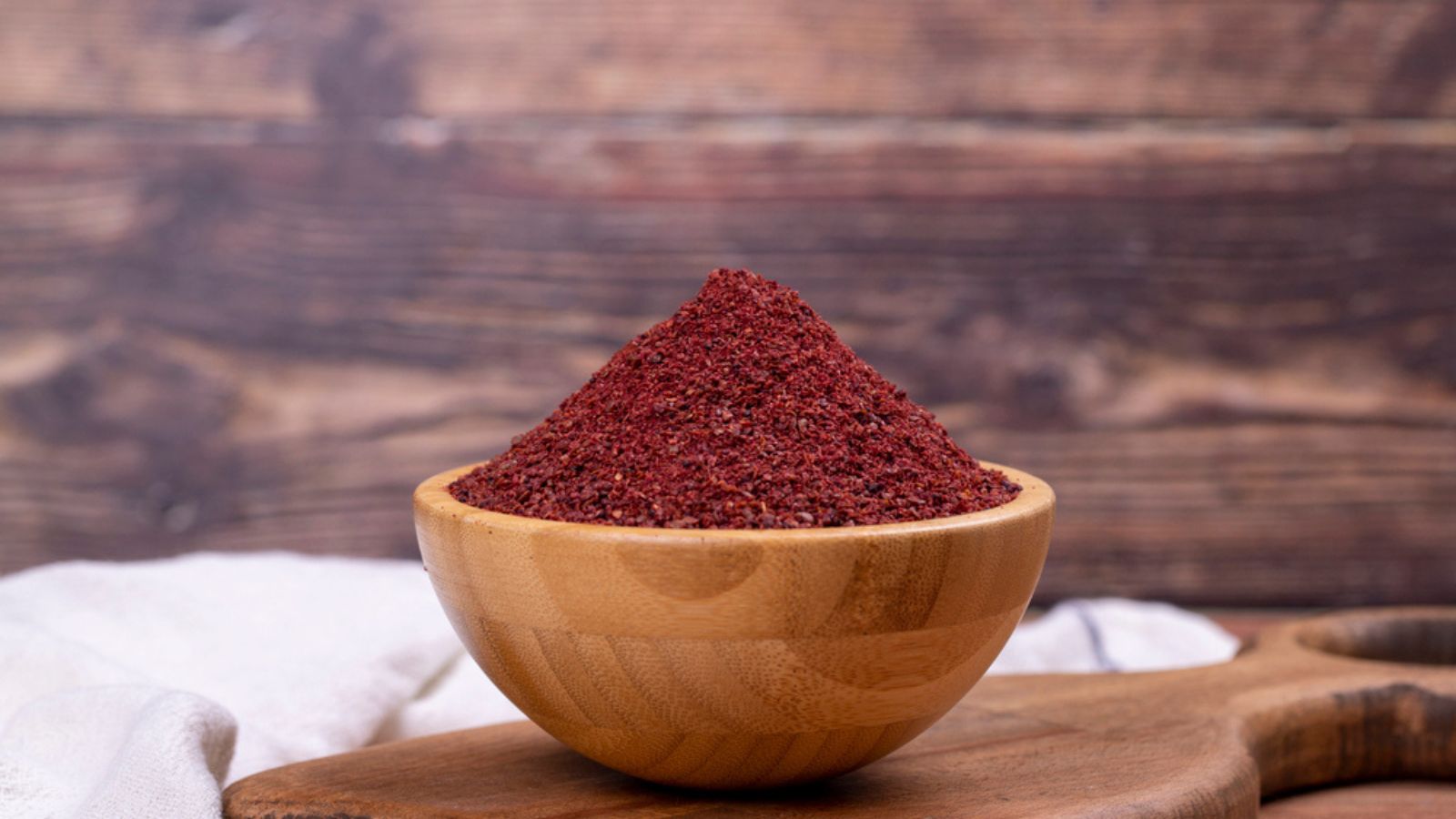
A staple in Middle Eastern cuisine, sumac is a coarse powder made from dried berries. It has a bright, tangy, and slightly fruity flavor reminiscent of lemon. It provides acidity without the liquid, making it perfect as a finishing spice. It adds a pleasant tartness and a beautiful reddish-purple hue to foods.
- Why It Works: Delivers a tangy, lemony flavor without adding moisture.
- How to Use: Sprinkle it over grilled meats, fish, salads, and dips like hummus. It is a key ingredient in the spice blend za’atar.
- Next Step: Look for sumac in Middle Eastern grocery stores or the spice aisle of a well-stocked supermarket.
9. Heavy Cream
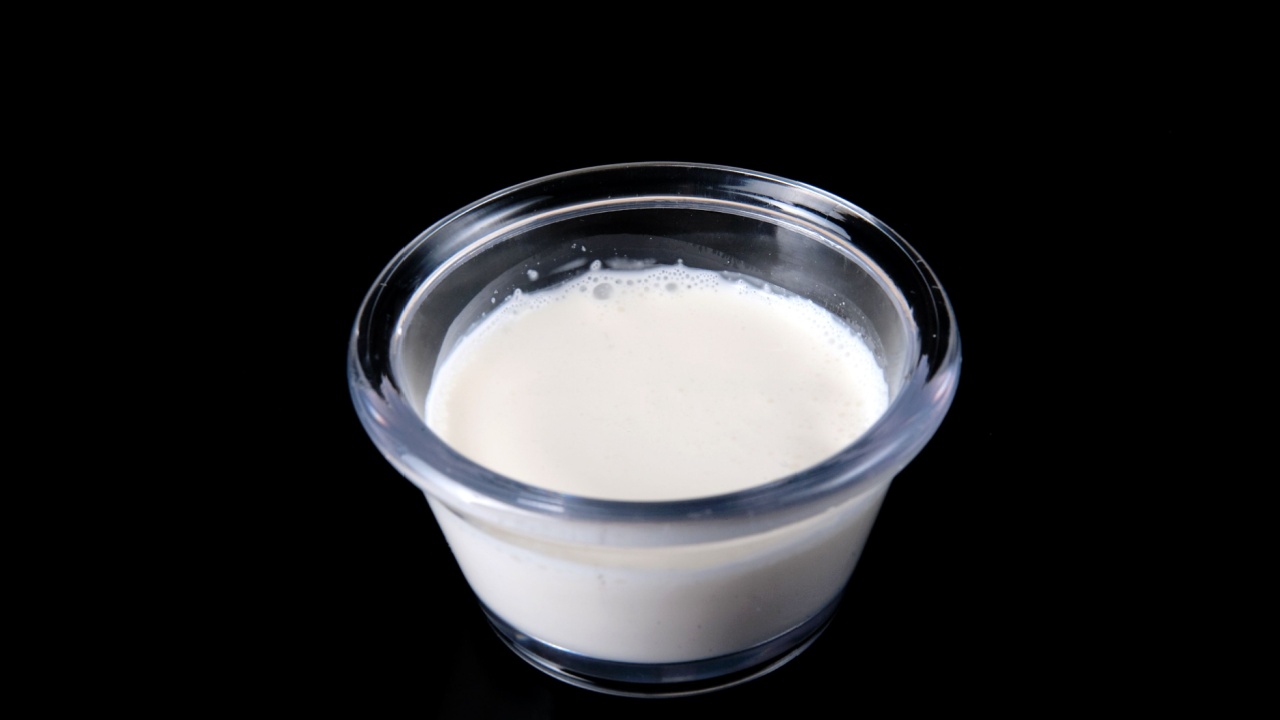
Flavor is about more than just taste; it is also about texture and “mouthfeel.” Heavy cream adds richness and a velvety smoothness that water or milk cannot match. A small splash can round out the flavors in a soup or pan sauce, making it taste more luxurious and complete. It balances acidity and mellows sharp flavors.
- Why It Works: Adds richness, body, and a smooth mouthfeel to dishes.
- How to Use: Use it to finish pan sauces, enrich soups and stews, or create creamy pasta dishes.
- Next Step: When a recipe feels like it is missing something, try adding a tablespoon or two of heavy cream at the end of cooking.
10. Tomato Powder
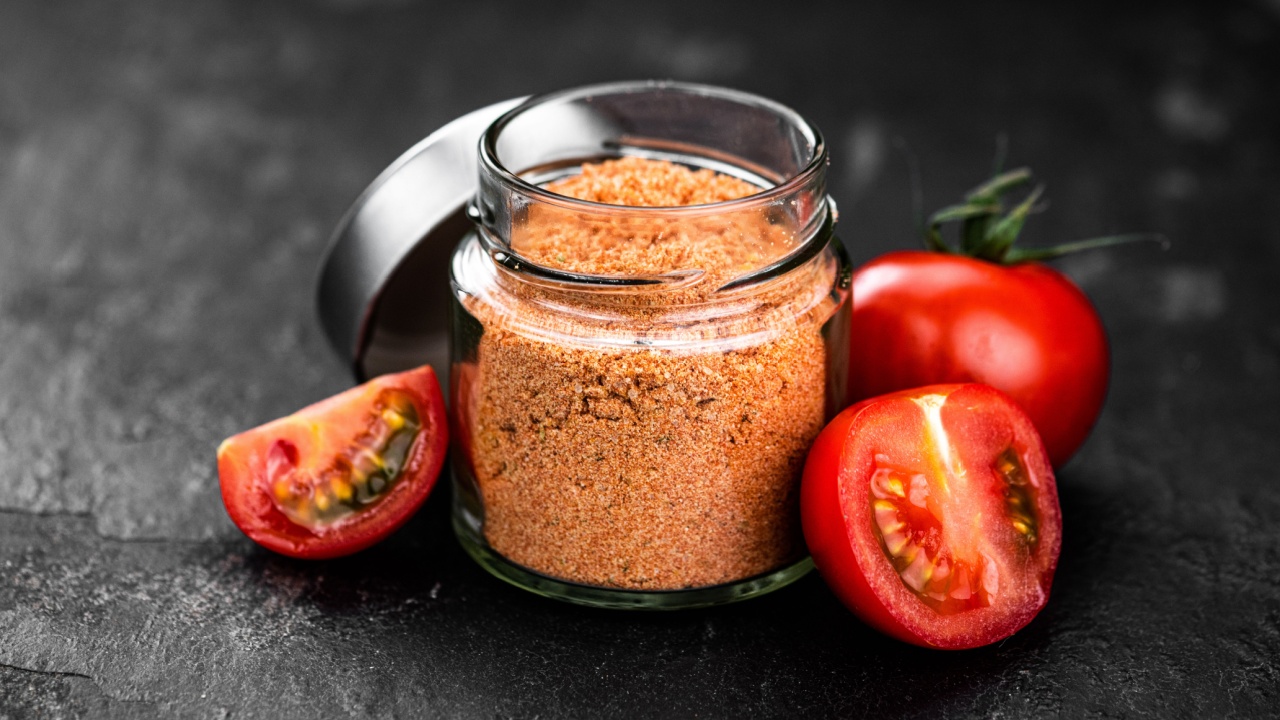
Tomato powder is simply dehydrated tomatoes ground into a fine dust. It delivers a concentrated burst of tomato flavor without the water content of tomato paste or sauce. This makes it ideal for spice rubs, dressings, and for boosting the tomato taste in a sauce that seems a little weak.
- Why It Works: Provides intense, pure tomato flavor without extra liquid.
- How to Use: Whisk it into sauces, soups, or sprinkle it on popcorn. You can also mix it with a little water to create an instant tomato paste.
- Gardening Tip: If you have a food dehydrator, you can easily make your own tomato powder. Simply dry slices of your garden tomatoes until they are brittle, then grind them in a spice grinder.
11. Worcestershire Sauce
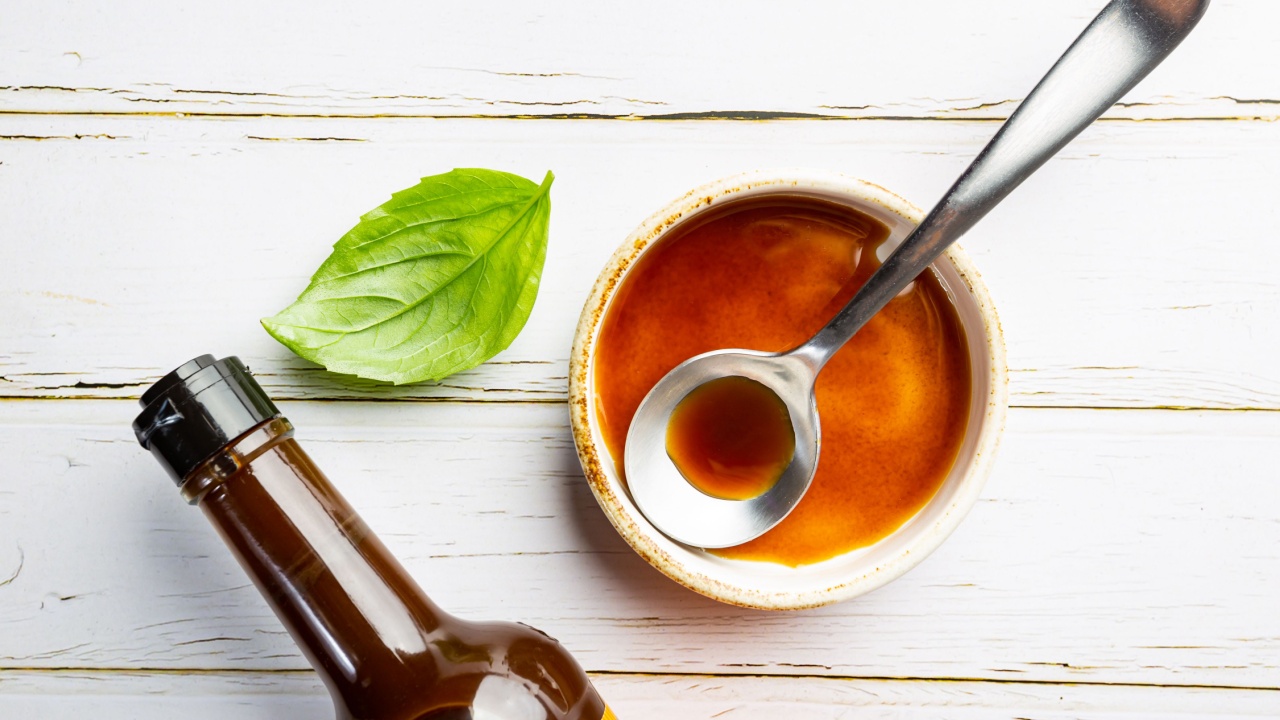
Use it, even if you can’t pronounce it. This fermented condiment has a complex ingredient list that includes anchovies, molasses, tamarind, and vinegar. The result is a sauce that hits multiple flavor notes: sweet, savory, tangy, and salty. It is a fantastic way to add umami and depth to savory meat dishes, marinades, and sauces.
- Why It Works: Offers a complex blend of sweet, sour, and savory flavors.
- How to Use: Add a few dashes to burger patties, meatloaf, chili, or a Bloody Mary. It also enhances cheese on toast.
- Next Step: A bottle of Lea & Perrins is the classic choice and a versatile staple for any pantry.
12. Celery Salt
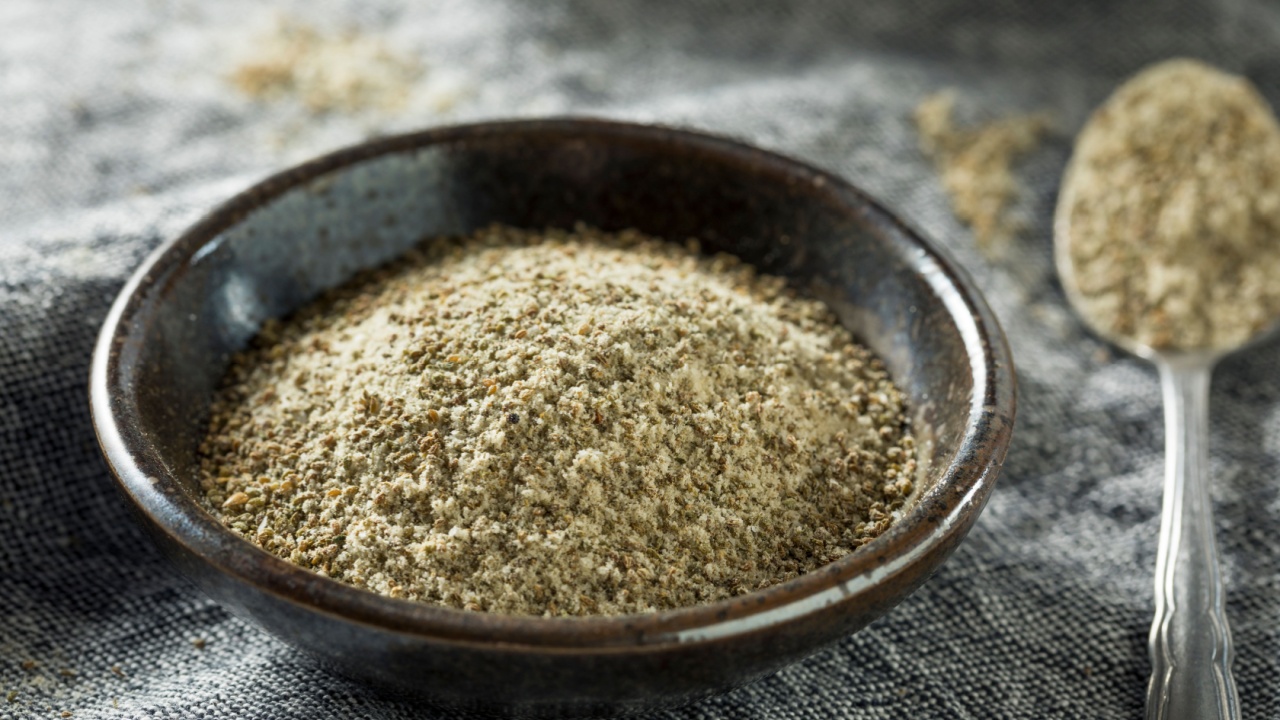
Celery salt is a simple blend of ground celery seed and salt. The celery seed has a concentrated, earthy, and slightly bitter flavor that is much more potent than the fresh stalk. It adds a distinct savory note that is particularly good with chicken, in potato salad, and for seasoning the rim of a cocktail glass.
- Why It Works: Adds a warm, aromatic, and savory flavor.
- How to Use: Use it in your poultry seasoning, on roasted chicken, or in coleslaw and potato salad. It is the secret ingredient in many Chicago-style hot dogs.
- Gardening Tip: Growing celery for its seed is a two-year process, as the plant is biennial. In its second year, it will produce flowers that turn into the seeds you can harvest and dry.
13. Dark Chocolate or Coffee

In savory cooking, a small amount of unsweetened dark chocolate or strong brewed coffee can add incredible depth, particularly to rich, meaty dishes. They contribute bitter notes that balance sweetness and a richness that enhances the overall flavor of chili, moles, and beef stews. The goal is not to make the dish taste like chocolate or coffee, but to use them as a background note.
- Why It Works: Adds bitterness and complexity that enhances rich, dark sauces.
- How to Use: Stir a small square of dark chocolate or a splash of coffee into your chili or beef stew during the last half hour of cooking.
- Next Step: Use unsweetened or high-cacao dark chocolate for the best results.
14. Za’atar
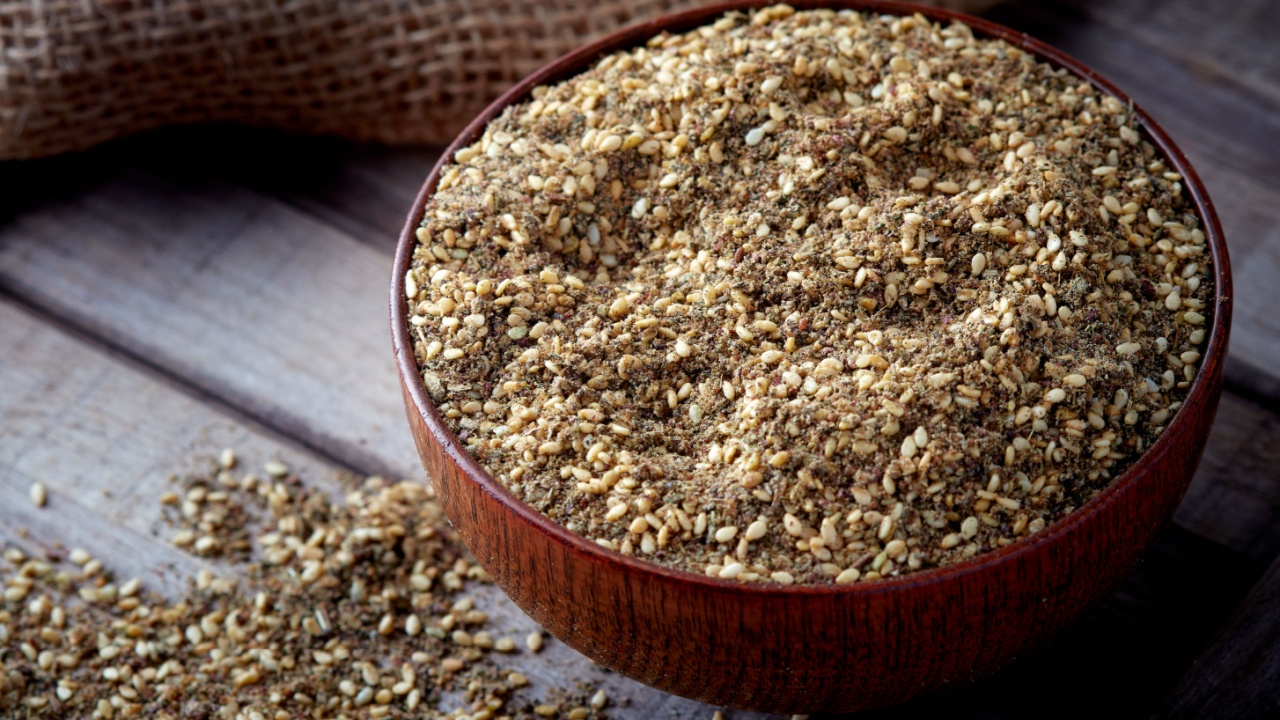
Za’atar is not a single ingredient but a classic Middle Eastern spice blend. It typically contains dried thyme, oregano, sumac, and toasted sesame seeds. The combination is herbal, tangy, and nutty all at once. It makes a fantastic finishing spice for a huge range of foods.
- Why It Works: A balanced blend of herbal, tangy, and nutty flavors.
- How to Use: Sprinkle it on vegetables before roasting, mix it with olive oil for a bread dip, or season chicken and fish with it.
- Next Step: You can find pre-made za’atar blends or buy the individual components to make your own custom mix.
15. Miso Paste
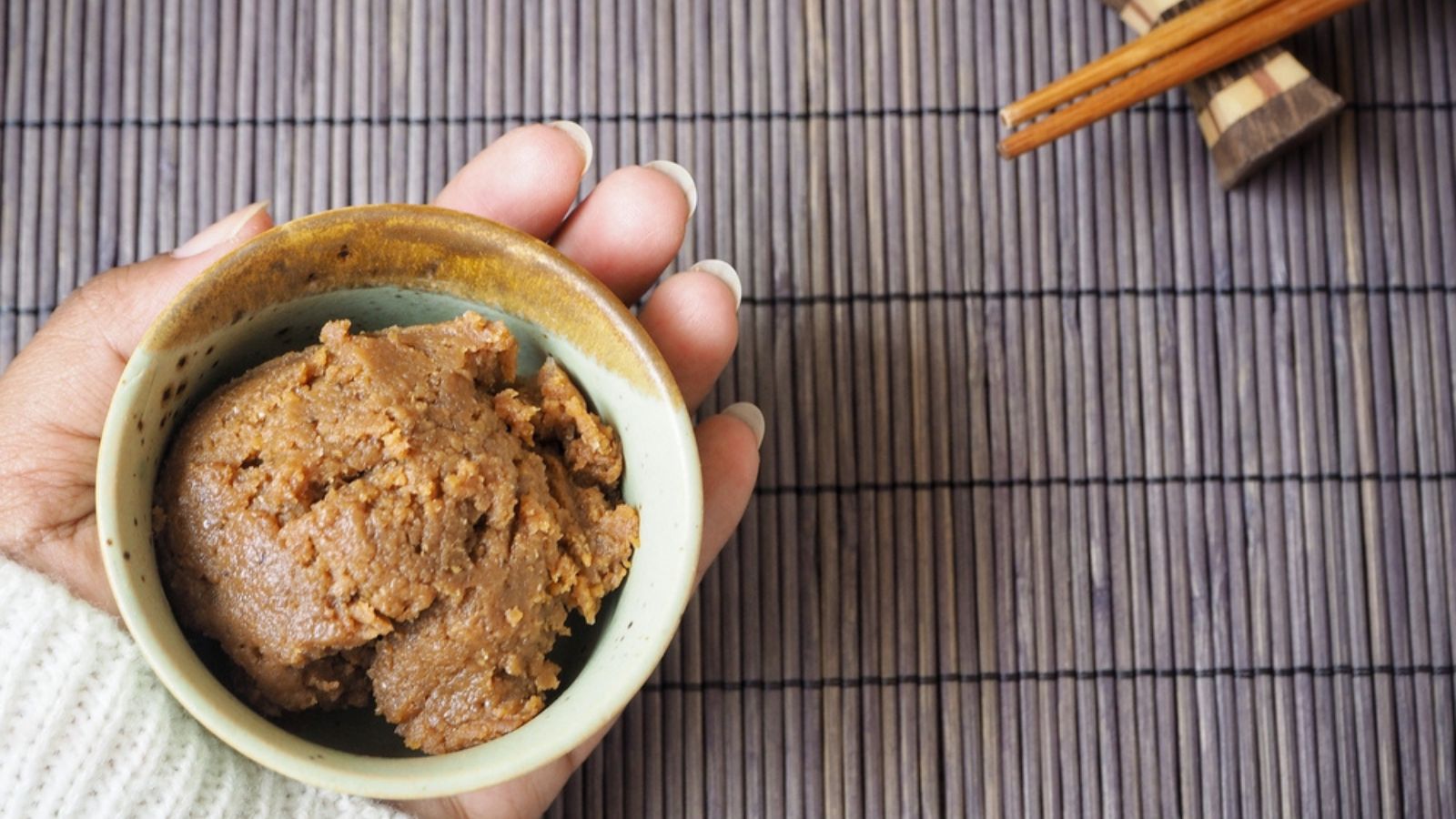
A fermented soybean paste from Japan, miso is a fundamental source of umami. There are different types, with white (shiro) miso being the mildest and sweetest, and red (aka) miso being more pungent and salty. It dissolves easily in liquid and adds a complex, savory flavor to soups, marinades, and glazes.
- Why It Works: Provides a deep, salty, and savory umami flavor.
- How to Use: Whisk it into salad dressings, use it to glaze fish or vegetables like eggplant, or add it to broth for a simple miso soup.
- Next Step: Miso is a live product, so store it in the refrigerator. Start with white miso if you are new to its flavor.
Experimenting with Flavor

The best way to become a better cook is to experiment. Pick an ingredient that intrigues you and incorporate it into your cooking this week.
Some herbs are easy to grow. Place a herb pot on your windowsill with thyme and oregano to create your own za’atar. Try growing a dwarf lemon tree for fresh juice on demand. By exploring these flavor enhancers, you connect your passion for the garden with the joy of sharing a delicious meal.
Read more:
12 Ingredients the U.S. Has Thankfully Banned from Food
16 Secret Ingredients to Stock and Take Meals to the Next Level