10 Habits That Are Accidentally Making the Home Cluttered
A cluttered home leads to a cluttered mind. It’s a frustrating cycle: you clean up, but within days, the mess reappears. But did you know small, everyday habits are the culprits behind the persistent disorder?
Changing these habits can make your home feel peaceful, cleaner, and more inviting without spending hours on deep cleaning.
Over time, these small habits pile up, creating visual noise that makes your home feel busier than it actually is. The good news is that most of these behaviors are easy to fix once you recognize them, and even tiny adjustments can make your space feel calmer and more intentional.
Let’s look at ten simple behaviors that make a home appear more chaotic than it really is and how you can change them for good. What a great way to start 2026, and beyond!
1. Not Making Your Bed
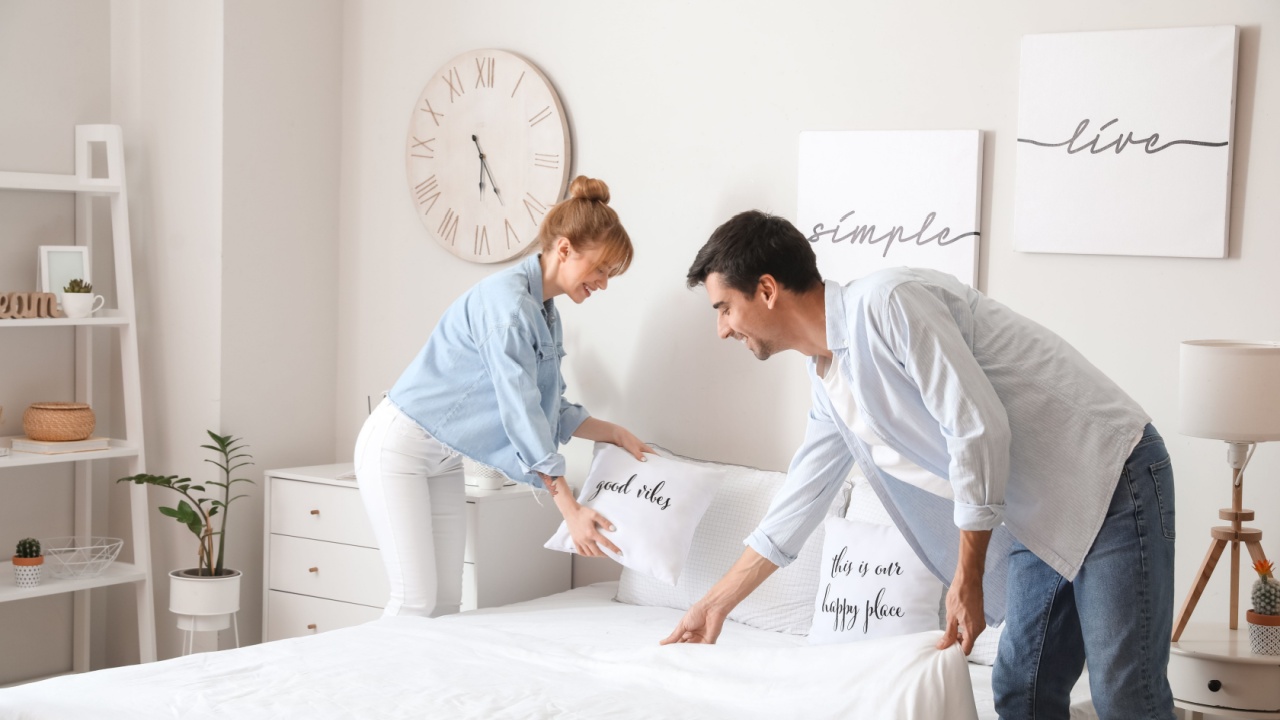
It might seem like a small thing, but making your bed can set the tone for your entire day. An unmade bed instantly makes a room look messy, even if everything else is in place. On the other hand, a neatly made bed creates an instant sense of calm and accomplishment.
Small, orderly routines can help improve focus and emotional well-being. Think of it as your first win of the morning, one that quietly encourages other good habits to follow.
Quick Tips:
- Reduce the number of decorative pillows and throws to make the process faster. A simple setup with a duvet or comforter, a couple of sleeping pillows, and maybe one or two accent pillows is all you need.
- Make it the very first thing you do after getting out of bed. The more you do it, the more automatic it will become.
2. Leaving Clothes on Chairs or Floors

We have all done this: tossing a jacket over a chair or dropping jeans on the floor, promising you’ll put them away later. But soon, this “chair-drobe” creates a mess, making it hard to find clothes and adding to your laundry pile. Piles of clothes create visual clutter that competes for your attention and increases stress.
To fix this, create a simple system. Dirty clothes go straight into the hamper. Clean clothes get hung or folded right away. For those in-between items (not dirty, but not clean), have a dedicated spot like a hook on the door or a basket in your closet.
Quick Tips:
- Once you take an item of clothing off, decide its fate immediately. It either goes in the hamper, back in the closet, or in its designated “worn-but-not-dirty” spot.
- Use a valet stand, a few wall hooks, or a small decorative ladder to neatly hang clothes you plan to wear again.
3. Letting Mail and Paperwork Pile Up
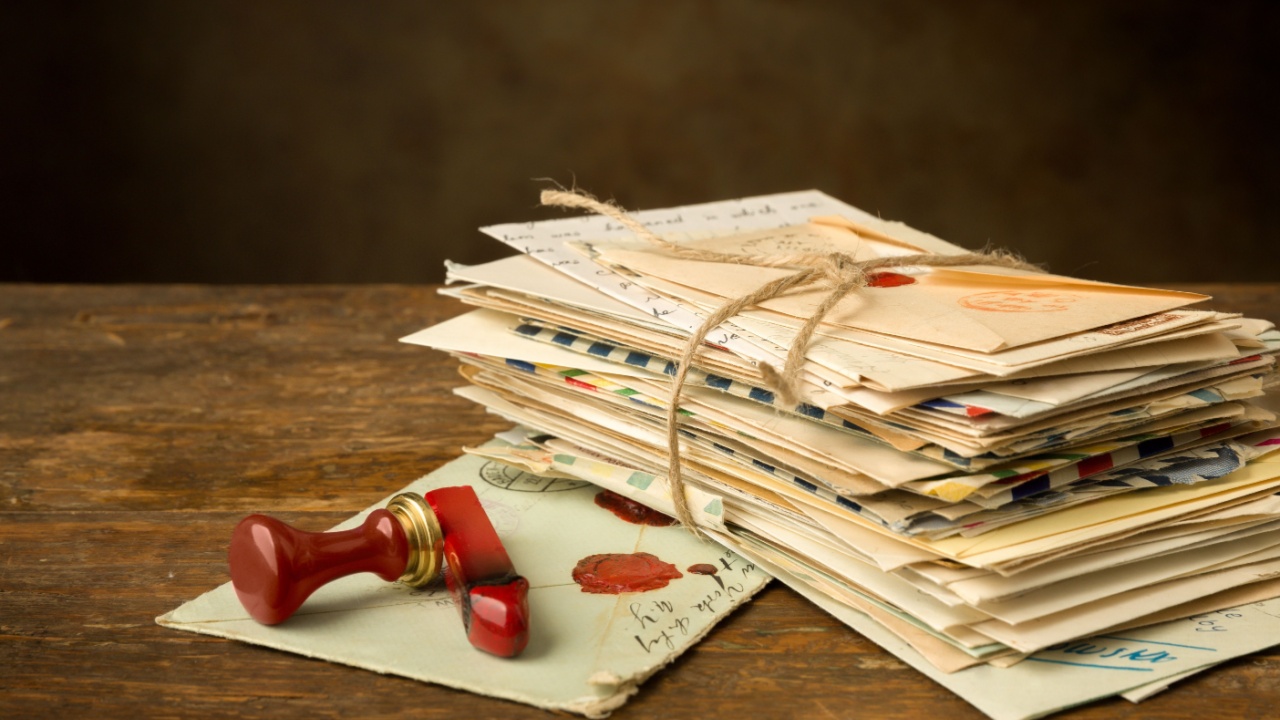
The daily influx of mail, school papers, flyers, and receipts quickly turns a clean kitchen counter or dining table into a mountain of paper. Ignoring this pile is a surefire way to create clutter and risk losing important documents.
To combat this, create a simple mail-sorting station near the entrance of your home. Dedicate just a few minutes each day to go through the pile. Spend a few minutes daily: trash junk, file important documents, and put bills aside. Remember, 80% of papers we keep we never look at again, so be ruthless.
Quick Tips:
- Use a wall organizer with labeled folders for “Action,” “To File,” and “Recycle.”
- Opt for paperless billing and statements whenever possible to reduce the amount of paper coming into your home. Scan and digitize important receipts or documents and store them in a cloud service.
4. Keeping Surfaces Crowded

Flat surfaces like counters and tables collect clutter like keys, cables, sunglasses, and more. Even if the rest of the room is tidy, these “hot spots” can make the entire space feel messy. The quickest fix? Clear them off.
Assign every item a proper home. Use trays, bowls, or boxes to organize essentials like keys or remotes, and keep surfaces as clear as possible for a cleaner, more open feel. A clean space uplifts your mood and enhances mental clarity.
Quick Tips:
- Before heading to bed, do a quick 5-minute sweep of your main surfaces. Put away anything that doesn’t belong.
- Grouping items in a tray or basket on a coffee table or entryway console makes them look contained and intentional rather than scattered and messy.
5. Leaving Dishes in the Sink
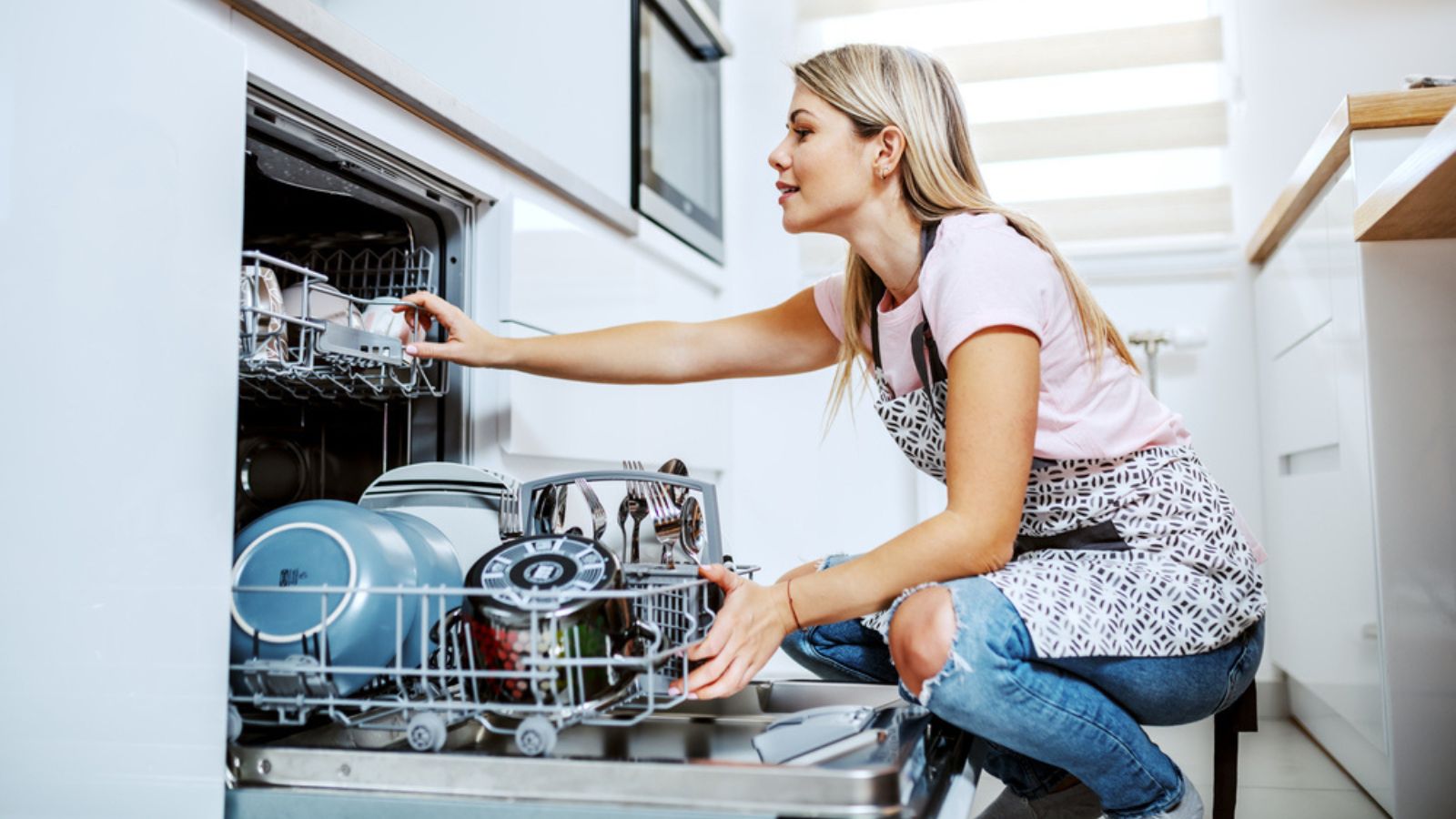
A sink full of dirty dishes is another frustrating form of clutter. It looks and smells bad, making your kitchen feel grimy and unusable. It also turns quick meal prep into a huge chore.
Try to wash dishes right after you eat, or at least rinse them and put them in the dishwasher. If you don’t have a dishwasher, wash up as you cook. Keeping the sink clear makes your kitchen a much more inviting space.
Quick Tips:
- While waiting for water to boil or something to bake, wash the prep dishes you’ve already used.
- Make it a habit to run the dishwasher every night and unload it every morning. This ensures you always have a clean space for dirty dishes.
6. Holding Onto Things “Just in Case”
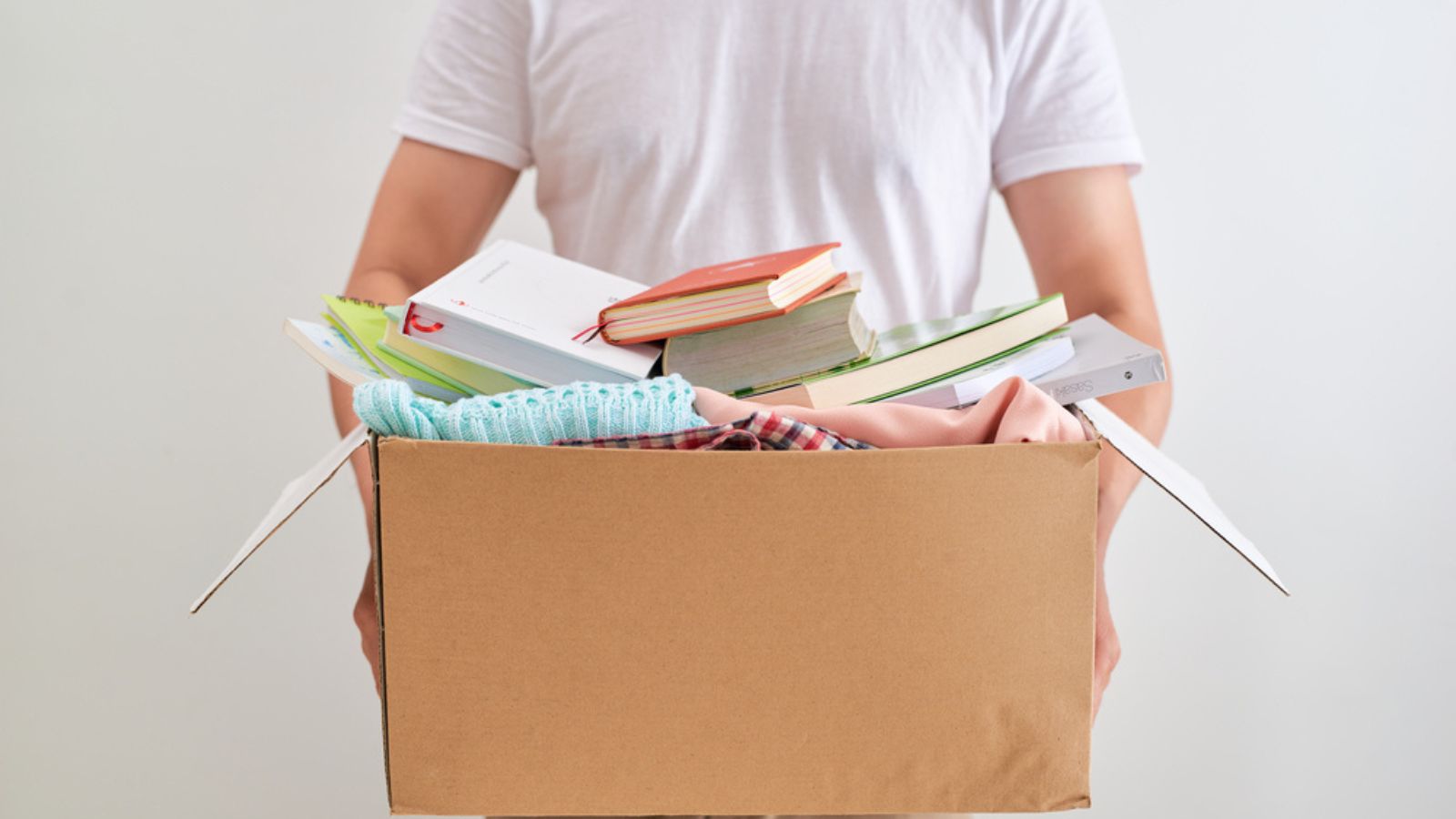
That box of old cables for electronics you no longer own, the stack of magazines you plan to read someday, the clothes that might fit again—these are all examples of “just in case” clutter. While it seems practical to hold onto these items, they often just take up valuable space and contribute to a feeling of being overwhelmed. Professional organizers often cite this mindset as a primary cause of chronic clutter.
To overcome this, adopt a more realistic approach. A good rule of thumb is the 20/20 rule: if you can replace an item for less than $20 and in less than 20 minutes, it’s safe to let it go. For sentimental items, take a photo to preserve the memory without keeping the physical object.
Quick Tips:
- If you haven’t used an item in the last year, it’s a strong candidate for donation.
- If you’re struggling to part with something, place it in a box with the current date. If you haven’t needed it in six months, donate the box without reopening it.
7. Shopping Without a Plan

Impulse buying is a major source of clutter. Walking through a store and grabbing items that catch your eye without a clear purpose or place for them at home leads to an accumulation of stuff you don’t need. This is especially true for decorative items, gadgets, and “bargains” that seem too good to pass up. These unplanned purchases often end up unused, gathering dust in a closet or drawer.
Before you go shopping, make a list of what you need and stick to it. If you see something you like that isn’t on your list, implement a “waiting period.” Give yourself 24 hours to a week to think about it. Often, the initial urge to buy will fade, and you’ll realize you don’t actually need the item.
Quick Tips:
- For every new item you bring into your home (like a piece of clothing or a mug), you must get rid of one similar item.
- Before buying furniture or storage containers, measure the space where you intend to put them. This prevents you from buying things that don’t fit.
8. Not Having a Place for Everything
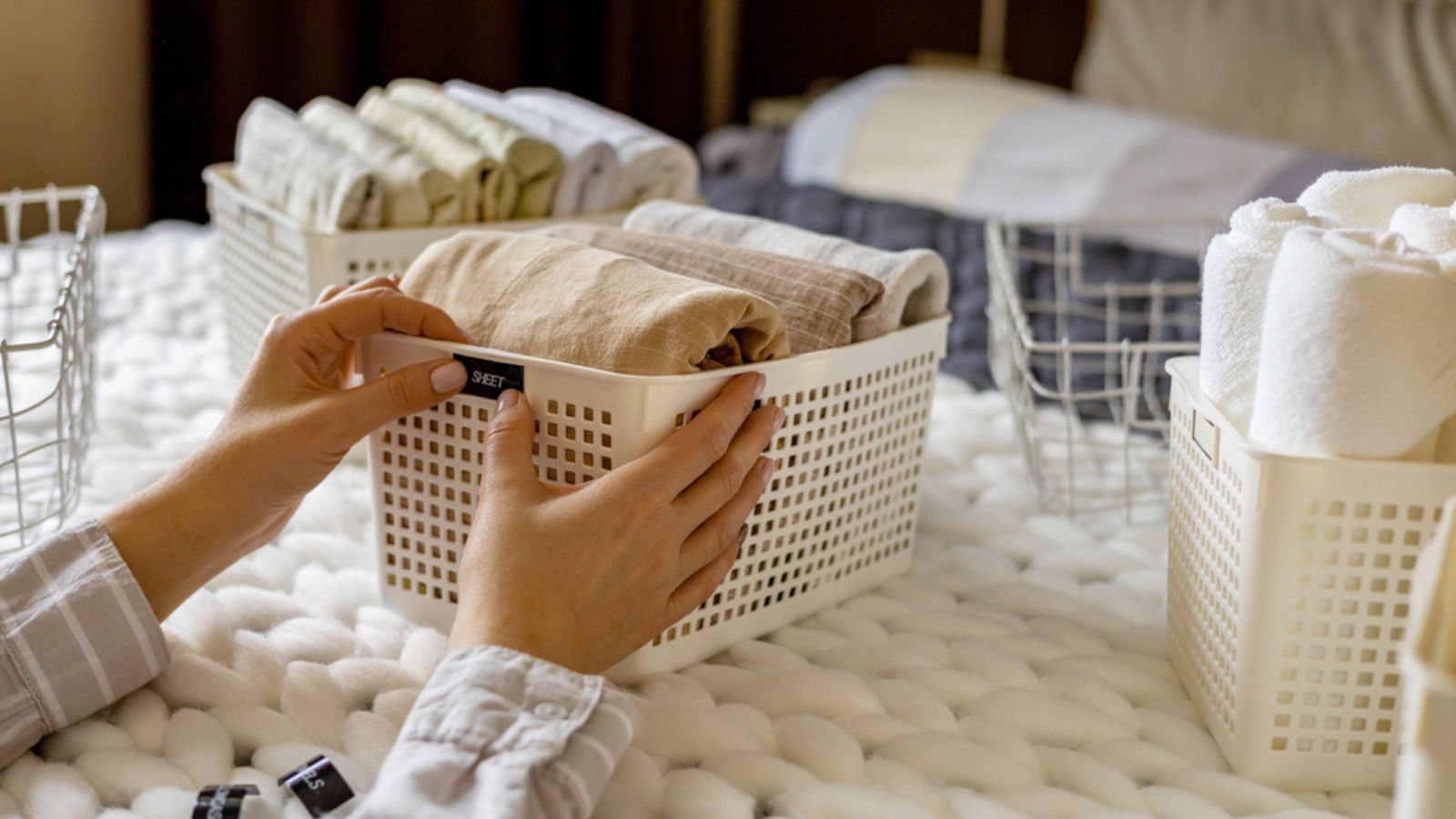
If you find items constantly adrift in your home, it’s likely because they don’t have a designated “home.” Clutter happens when items lack a logical place to be stored. When you don’t know where something goes, it gets left on the nearest flat surface. Taking the time to assign a home to every object you own is a foundational principle of an organized house.
Go through your home room by room and decide where things should live. Group similar items together—all batteries in one drawer, all cleaning supplies under one sink. Use drawer dividers, baskets, and clear containers to create organized, easy-to-access storage solutions.
Quick Tips:
- Use a label maker or simple tags to mark bins and boxes. This reminds you where things go and makes it easier to find them.
- Organize your spaces by activity. For example, create a coffee station in your kitchen with mugs, coffee, and sugar all in one spot.
9. Forgetting to Tidy Up Entryways

The entryway is the first impression of your home, and it often becomes a dumping ground for shoes, bags, coats, and keys. A cluttered entryway not only looks chaotic but can also be a physical obstacle, making coming and going a hassle. Keeping this area clear is crucial for maintaining a sense of order throughout the house.
Invest in simple entryway solutions. A shoe rack or cabinet keeps footwear off the floor. A row of hooks provides a spot for coats and bags. A small console table with a bowl can catch keys and wallets. Creating these specific homes for daily essentials prevents them from scattering around the house.
Quick Tips:
- Keep only the shoes you wear daily in the entryway. Store seasonal or less-frequently-used footwear elsewhere.
- Wall-mounted shelves and hooks are great for small entryways where floor space is limited.
10. Neglecting Your Outdoor Spaces
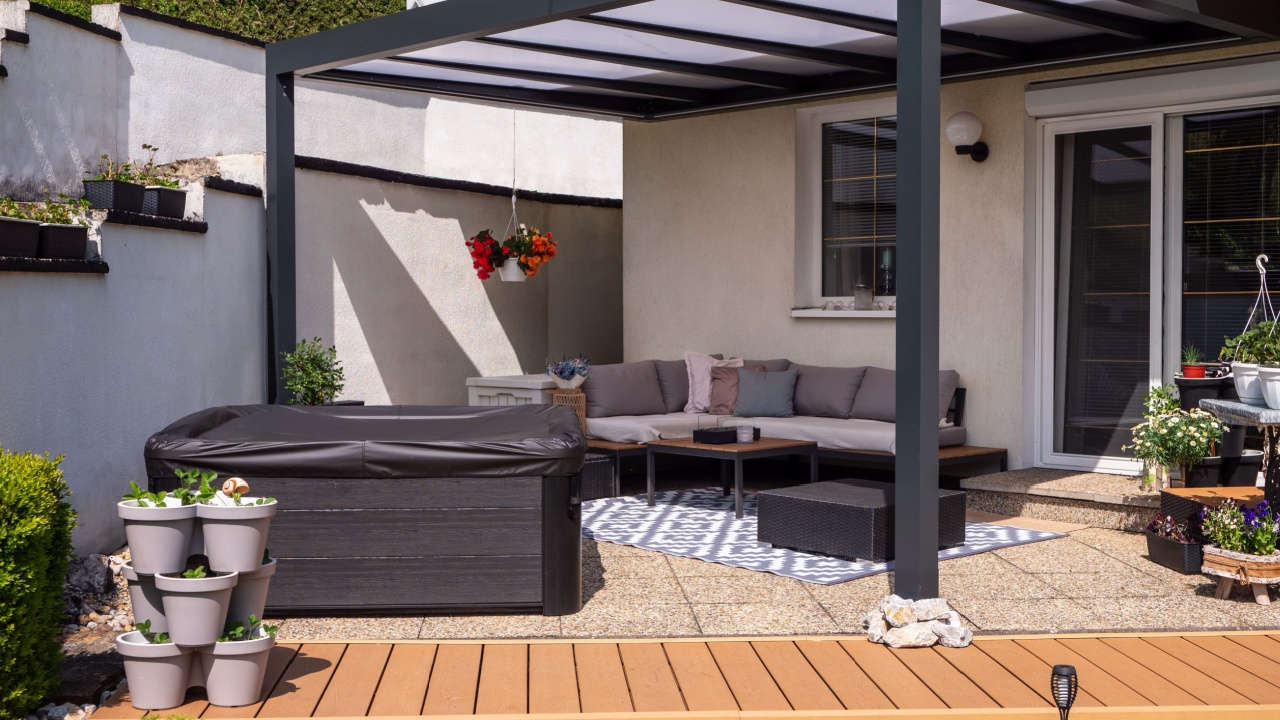
Clutter isn’t just an indoor problem. A messy yard, patio, or balcony can make your entire property feel neglected. Piles of leaves, stray gardening tools, unused pots, and forgotten kids’ toys contribute to visual chaos and can even attract pests. Just as you tidy your living room, your outdoor areas need regular attention to feel like a true extension of your home.
Treat your outdoor spaces like any other room. Designate a storage spot for tools, hoses, and outdoor cushions, such as a deck box or a small shed. Regularly sweep patios, rake leaves, and put away toys after use. A tidy garden not only looks better but is also a more inviting place to relax and enjoy nature.
Quick Tips:
- Dedicate 15-20 minutes each weekend to straightening up your yard or patio.
- A weather-resistant deck box is perfect for stashing cushions, small gardening tools, and kids’ toys out of sight.
Small Habits Make a Big Difference
By becoming more mindful of these daily habits, you can break the cycle of clutter and create a home that feels consistently clean and organized. If you’re ready to take the next step and transform your outdoor spaces, explore our guides on creating beautiful, low-maintenance garden beds or designing the perfect patio oasis.
A tidy home starts with small changes, and soon you’ll be enjoying a more peaceful and beautiful living environment, both inside and out.
Read more
2026 is Now 25% Over- Use These Hacks to Declutter and Create a Calmer Space
7 Tricks to Start Decluttering and Stop Feeling Disorganized