11 Things to Toss Without Guilt When Deep Cleaning
Our homes accumulate things without much effort. That junk drawer becomes a junk cabinet, and then you can’t find the scissors under the mound of charging cables and receipts.
Deep cleaning feels like a victory when you finally step back to admire your gleaming floors and breathe in air that smells like lemon verbena instead of last Tuesday’s fish tacos.
Deep cleaning is about creating space, not just for your prized monstera to unfurl a new leaf, but for peace of mind. Our homes accumulate things without much effort. It’s time to reclaim your sanctuary from the clutter creep.
We’re going on a treasure hunt, but instead of finding gold, we’re finding things to toss, donate, and recycle so your home can finally breathe.
1. Expired Pantry Items and Spices

That can of pumpkin purée from three Thanksgivings ago isn’t getting any younger. Your pantry can easily become a museum of good intentions and forgotten meals. Spices, in particular, are notorious culprits. While they don’t “spoil” in a way that will make you sick, they lose their potency, leaving your cooking bland and disappointing.
If that paprika has the same color and zest as brick dust, it’s time for it to go. A ruthless pantry purge not only frees up valuable shelf space but also makes you a better, more efficient cook. For spices, give them a sniff. If the aroma is faint or nonexistent, toss them.
- Toss It: Spices older than a year, canned goods past their “best by” date, and any open bags of stale chips or crackers.
- Next Steps: Use clear containers for staples like flour and rice. Create a “use first” bin for items nearing their expiration date. Consider composting any suitable expired food items.
2. Sad, Worn-Out Towels and Linens
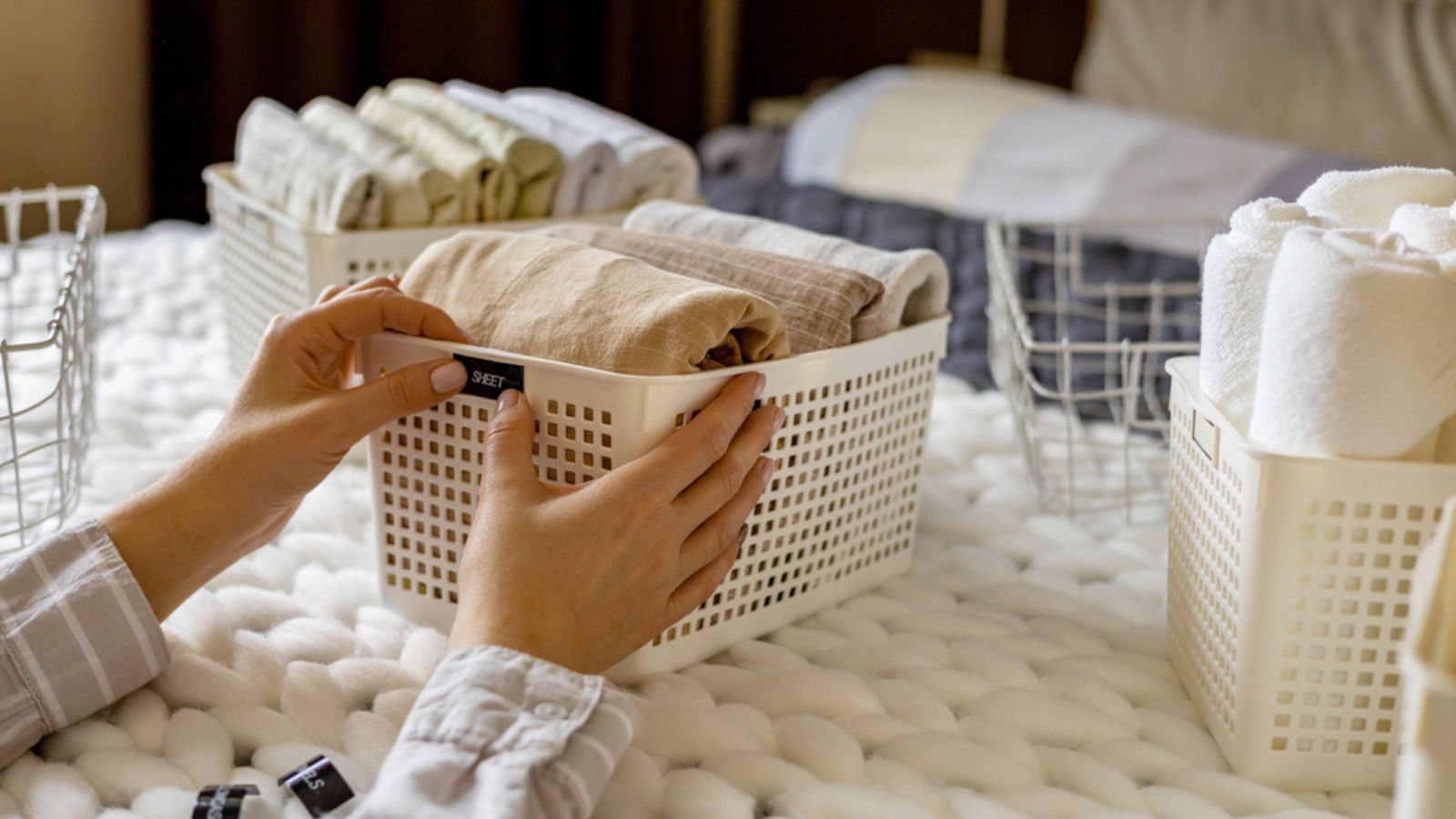
You know the ones. They’re threadbare, have a permanent shade of “dingy,” and possess the absorbency of a plastic bag. We all have a stack of these former fluffy glories relegated to the back of the linen closet. It’s a pity that the older they are, the better they wipe, but if they’re on life support, it’s time to pull the plug.
While it feels frugal to keep them “just in case,” they’re mostly just taking up space. Your linen closet should be a haven of comfort, not a graveyard for scratchy towels and pilled sheets. Many animal shelters are thrilled to accept old towels and blankets to create cozy bedding for animals in need.
- Toss It: Towels that are stained, frayed, or no longer absorbent. Bedding with holes or missing pieces from the set.
- Next Steps: Donate usable but unwanted linens to a local animal shelter. Cut up the truly ratty ones for use as cleaning rags in the garage or for garden projects.
3. Mismatched Food Storage Containers
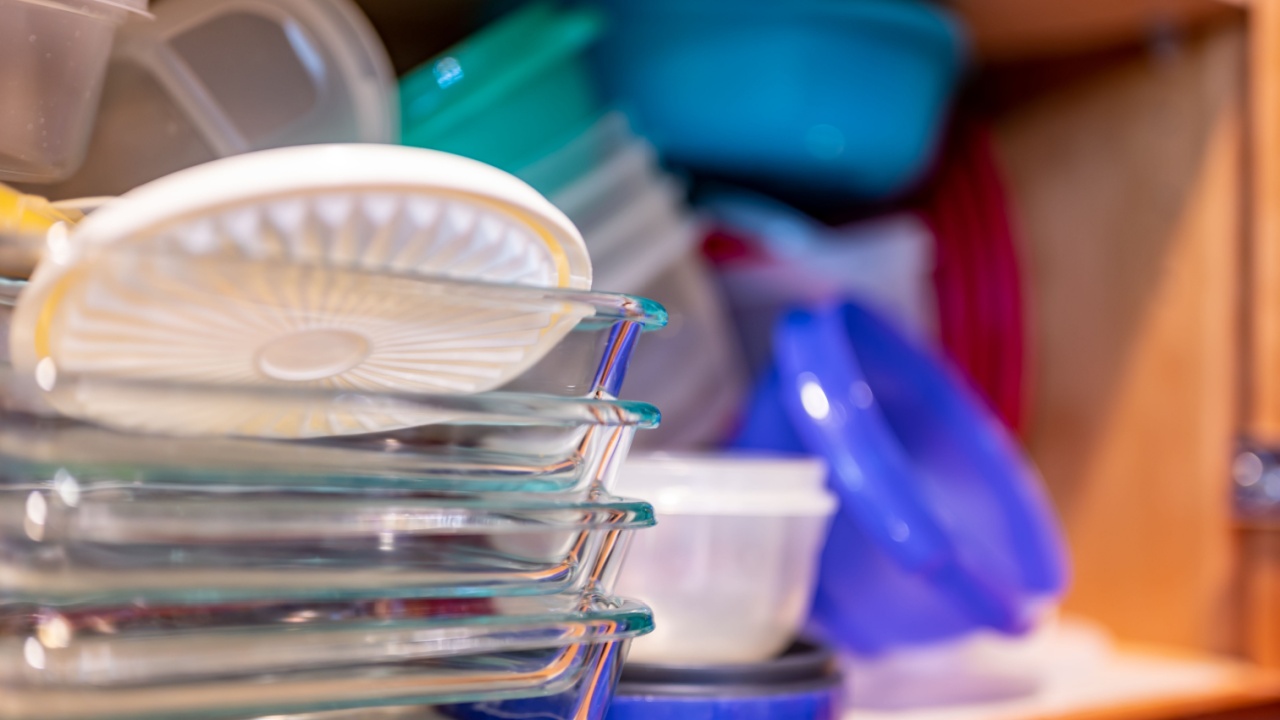
Is there a tupperare avalance every time you open that one kitchen cabinet? If with every drawer pull, you’re greeted by a cascade of lids that don’t match any bottoms, and bottoms that have long lost their partners, it’s time, Joan.
Take everything out. Every last lid and container. Now, play matchmaker. If a piece doesn’t have a partner, it has to go. This single act can transform a frustrating cabinet into a beautifully functional space.
- Toss It: Any container without a matching lid, and any lid without a container. Toss anything that is warped, cracked, or permanently stained.
- Next Steps: Recycle the plastic containers according to your local guidelines. Consider upgrading to a glass set, which doesn’t stain or retain odors.
4. Old and Expired Beauty Products

Your bathroom cabinet can quickly become a time capsule of past beauty trends. That glittery blue eyeshadow from 2008? The half-used bottle of sunscreen from a vacation three years ago? These products don’t just lose their effectiveness; they can become breeding grounds for bacteria, which is the last thing you want to put on your skin.
Most products have a small symbol of an open jar with a number on it (e.g., “12M”), indicating how many months it’s good for after opening. Go through your makeup, skincare, and toiletries. Be ruthless. If it’s expired, smells weird, has changed color or consistency, or you simply haven’t touched it in a year, it’s time to say goodbye.
- Toss It: Expired makeup and sunscreen, products that have separated or changed color, and any samples you’ll never realistically use.
- Next Steps: Clean out and recycle the containers if possible. Keep your daily-use products in an accessible spot and store the rest neatly.
5. The Infamous Junk Drawer Contents
Every home has one. It’s the Bermuda Triangle of household items: random keys, dead batteries, dried-up pens, rubber bands, soy sauce packets, and that one mysterious electronic cable. The junk drawer is the physical manifestation of procrastination. While it’s meant to be a catch-all, it often becomes a black hole where useful things go to die.
The solution isn’t to get rid of the drawer, but to rebrand it as a “utility drawer.” Empty it completely. Throw away the actual junk, then, use small drawer dividers to give everything a home. Now, you have a designated spot for batteries, a spot for tape, and a spot for charging cords.
- Toss It: Dried-up pens and markers, dead batteries, old receipts, mystery keys, and broken rubber bands.
- Next Steps: Use drawer organizers or small containers to sort the remaining items by category. Test pens and chargers before putting them back.
6. Old Documents and Manuals

Even hotel menus and your washing machine’s manual are now just a quick Google search or a scanned code away; there’s little need to keep a filing cabinet stuffed with paper. The same goes for old utility bills, bank statements from a decade ago, and warranties for products you no longer own.
Go through your files and be merciless. You generally only need to keep tax records for about seven years. Most other statements can be shredded after a year, especially if you can access them online.
- Toss It: Manuals for appliances you can find online, expired warranties, old bills and statements, and junk mail.
- Next Steps: Shred any documents with personal information. Scan and save important sentimental papers to a cloud service.
7. Worn-Out and Unloved Clothing

Your closet should be filled with clothes that make you feel confident and comfortable, not a collection of “maybe someday” items. We all have them: the jeans that haven’t fit in five years, the sweater that’s too itchy to wear, or the shirt with a tiny but persistent stain.
If an item is stained, ripped beyond repair, or completely worn out, it’s time to toss it. If it’s in good condition but you haven’t worn it in over a year, it’s time to donate it.
- Toss It: Clothing with irreparable stains or holes. Single socks that have been without a mate for months.
- Next Steps: Donate gently used clothing you no longer wear. Some textile recycling programs will take worn-out items to be repurposed.
8. Old or Broken Toys

If you have kids, you know that toys seem to multiply faster than bacteria in a warm petri dish. The toy box overflows with broken action figures, puzzles missing half their pieces, and games with lost instructions.
Involve your kids in the process if they are old enough. Have them help you pick out toys to donate to other children who might enjoy them. This teaches them a valuable lesson about generosity and letting go. Any toys that are truly broken or unsafe should be thrown away.
- Toss It: Broken toys, games with missing essential pieces, and dried-out craft supplies like markers and clay.
- Next Steps: Donate outgrown toys that are still in good condition. Keep a few treasured favorites in a special memory box.
9. Excess Mugs and Water Bottles
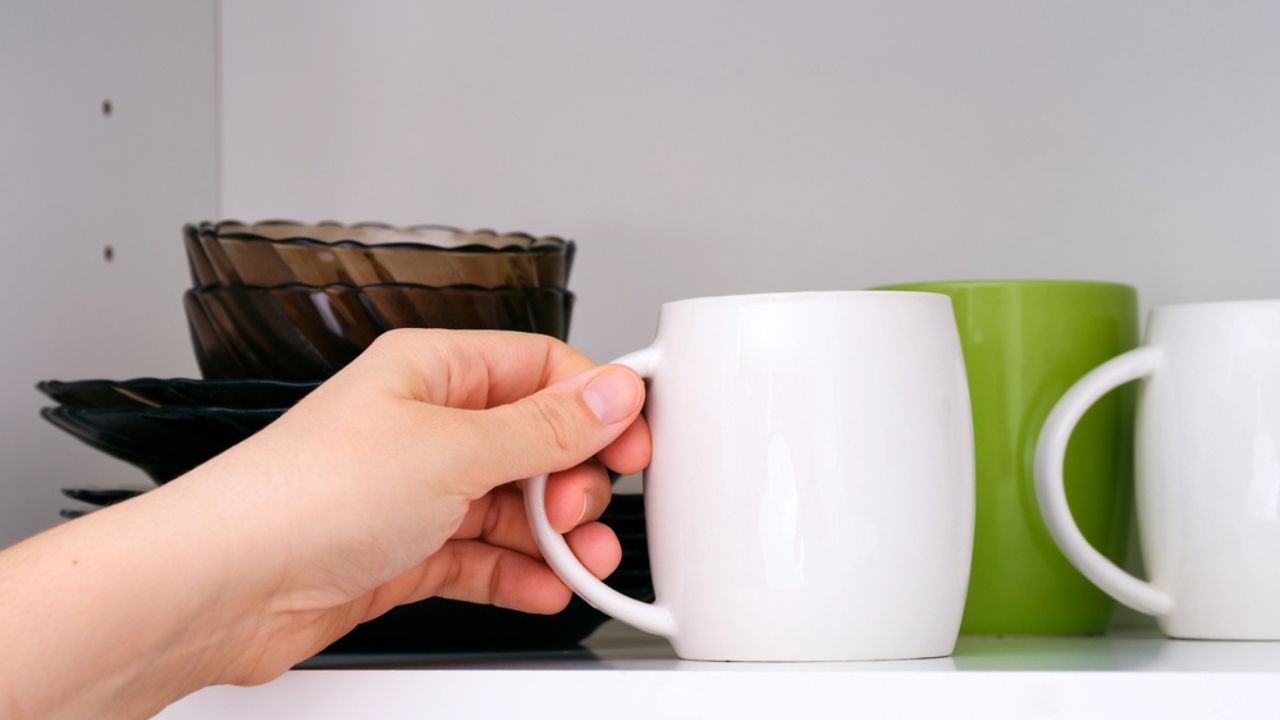
Mugs and water bottles seem to appear out of nowhere. You get them from events, as gifts, or buy them on a whim, and suddenly your cabinet is overflowing. You have your favorite one or two you use every day, while the other 27 gather dust and take up space.
It’s time to reclaim that cabinet. Keep the ones that keep your water cold for hours, and let the rest find a new home. This simple purge can free up an entire shelf.
- Toss It: Chipped or cracked mugs. Water bottles with missing parts or a funky smell that won’t wash out.
- Next Steps: Donate the extras to a local thrift store. A newly organized cabinet will make your morning coffee routine feel much more serene.
10. Old Paint Cans

That half-empty can of “Seashell Gray” from when you painted the guest room four years ago is not helping your garage’s first impression. Old paint can separate, go bad, and become unusable. Liquid paint is often considered household hazardous waste and can’t just be thrown in the regular trash.
Check the paint. If it’s chunky, smells sour, or won’t mix back together, it’s no good. To dispose of it properly, find a local hazardous waste drop-off site. For latex paint that is still somewhat usable, you can dry it out by adding cat litter or a paint hardener before disposing of it in the trash.
- Toss It: Paint that is chunky, separated, or has a strong odor. Cans that are rusted and leaking.
- Next Steps: Find a local hazardous waste facility for disposal. For small amounts of latex paint, let it dry out completely before tossing the can.
11. Broken Garden Pots and Tools
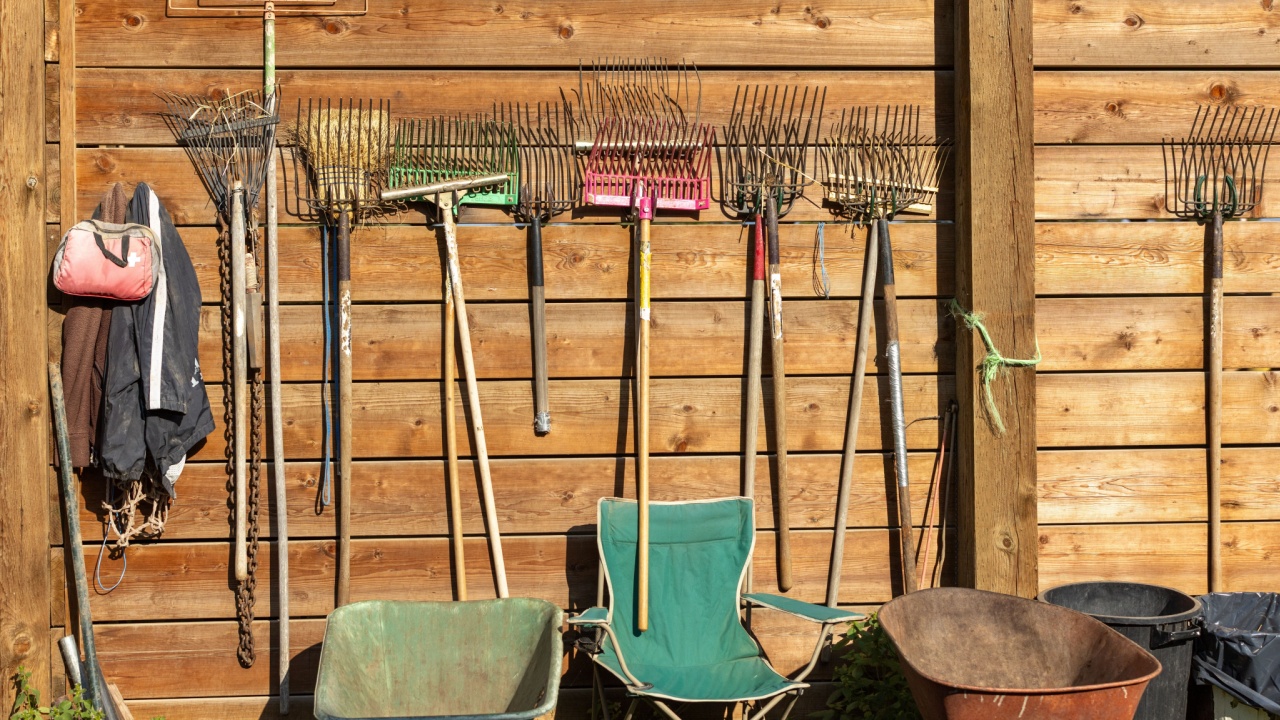
Your garden shed is not immune to clutter. It’s easy to accumulate cracked plastic pots, rusty trowels, and tools with broken handles. You tell yourself you’ll fix that handle or find a use for that cracked pot, but you never do.
Take stock of your gardening supplies (especially the neglected ones). A little rust can often be cleaned off, but a trowel bent at a 90-degree angle or a completely shattered terracotta pot has served its purpose. Tossing the broken stuff makes it easier to find and care for the tools that help your garden thrive.
- Toss It: Cracked plastic pots, hopelessly rusted tools, and tools with broken handles that are beyond repair.
- Next Steps: Clean and sharpen the tools you decide to keep. Use broken terracotta pot pieces (shards) at the bottom of large planters for drainage.
What to Do Next
Once you’ve purged the clutter, the real fun begins. Maybe you’ll finally organize your garden shed, creating a beautiful and functional potting station. Or perhaps you’ll use that newly cleared-out pantry space to start an indoor herb garden on your kitchen counter.
Maintaining a clutter-free space is an ongoing process, but by regularly tossing what you no longer need, you create room for growth.