19 Beautiful Types of Butterflies (And How to Attract Them)
A garden buzzing with life is a happy garden, and few visitors bring as much magic and movement as butterflies. These delicate, winged insects do more than just add a splash of color; they are vital pollinators that help your flowers, fruits, and vegetables thrive. Creating a space that welcomes them transforms your yard into a vibrant ecosystem.
By choosing the right plants, you can roll out the welcome mat for some of nature’s most beautiful creatures. It’s a simple way to support local wildlife and bring an enchanting, dynamic quality to your outdoor sanctuary. This guide will introduce you to 19 stunning butterflies and show you exactly what to plant to invite them into your garden.
1. Monarch Butterfly
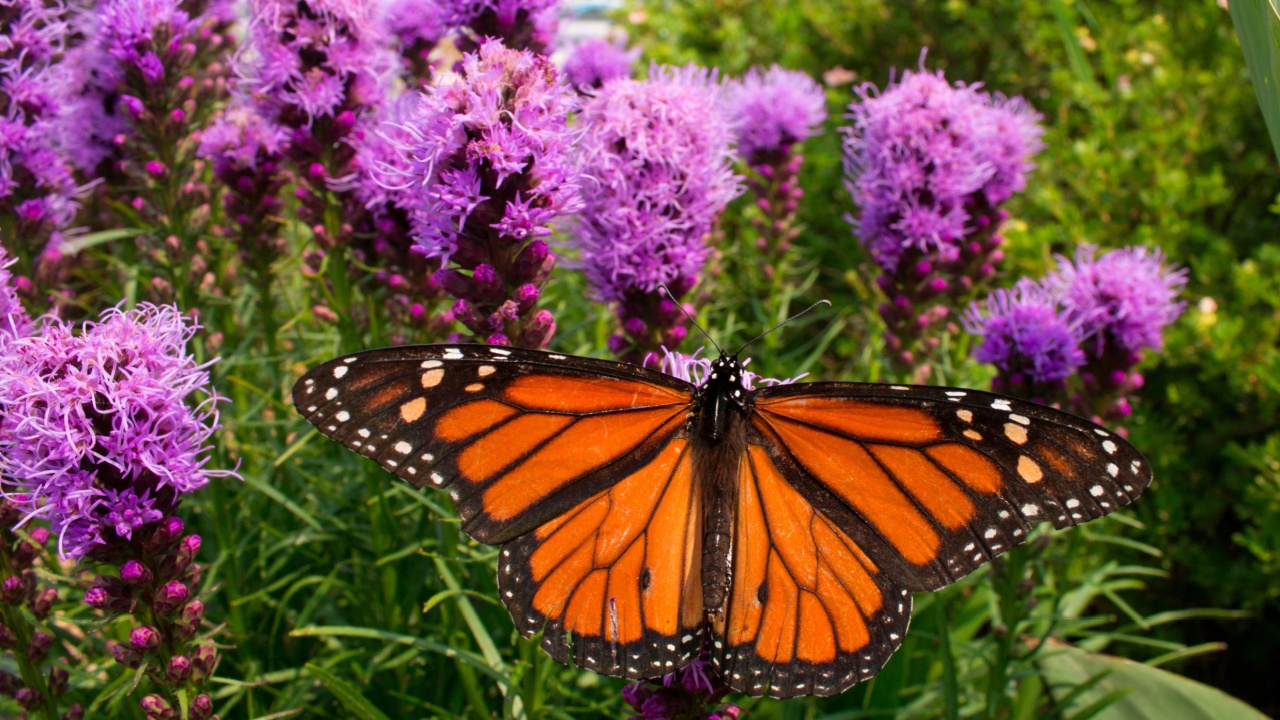
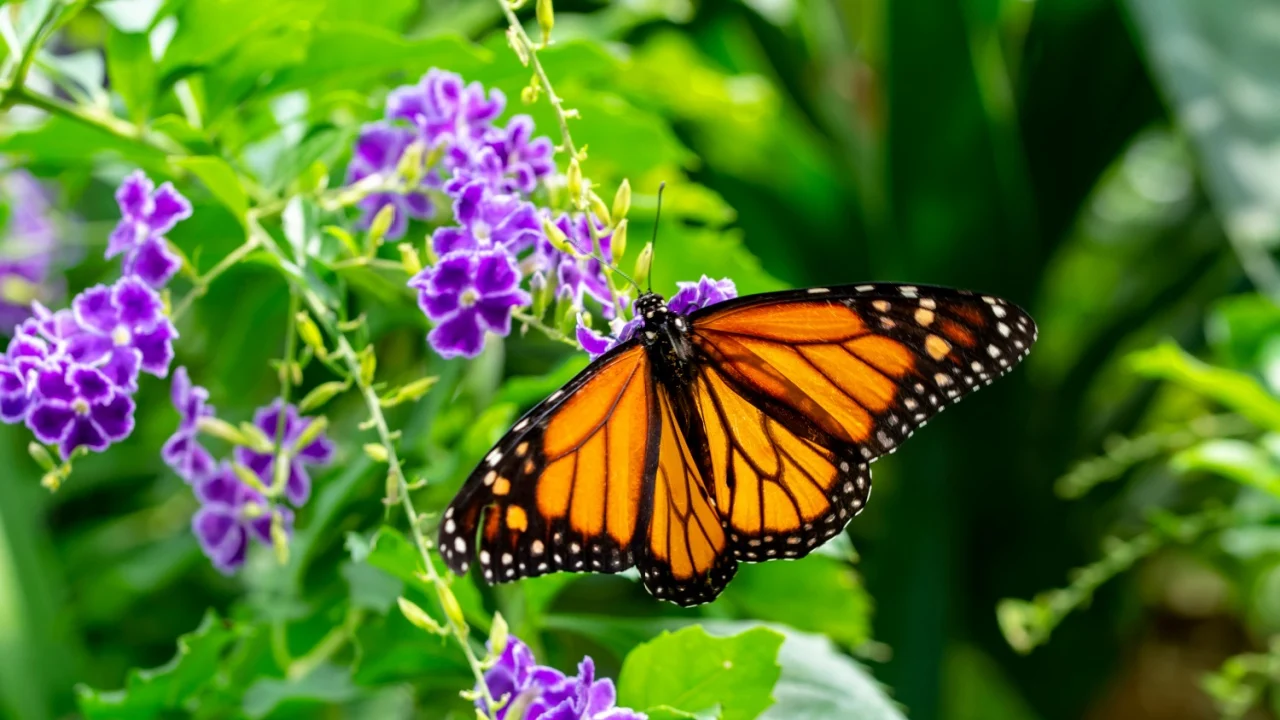
The Monarch is arguably the most famous butterfly in North America, known for its brilliant orange wings outlined in black and dotted with white spots. Their incredible annual migration makes them a truly special visitor. Attracting Monarchs provides a crucial stop for them on their long journey and helps support their threatened populations.
To bring Monarchs to your yard, planting milkweed is essential. It is the only host plant for their caterpillars, meaning it’s the only plant they will lay their eggs on. Adult Monarchs also enjoy the nectar from a variety of colorful flowers, especially those with large, flat tops that provide an easy landing pad.
- Appearance: Bright orange wings with bold black veins and white-spotted edges.
- Host Plants: All varieties of Milkweed (Asclepias).
- Nectar Plants: Zinnias, Coneflowers, Joe-Pye Weed, and Liatris.
- Care Tip: Plant milkweed in a sunny spot and avoid using pesticides, which can harm caterpillars.
2. Swallowtail Butterfly
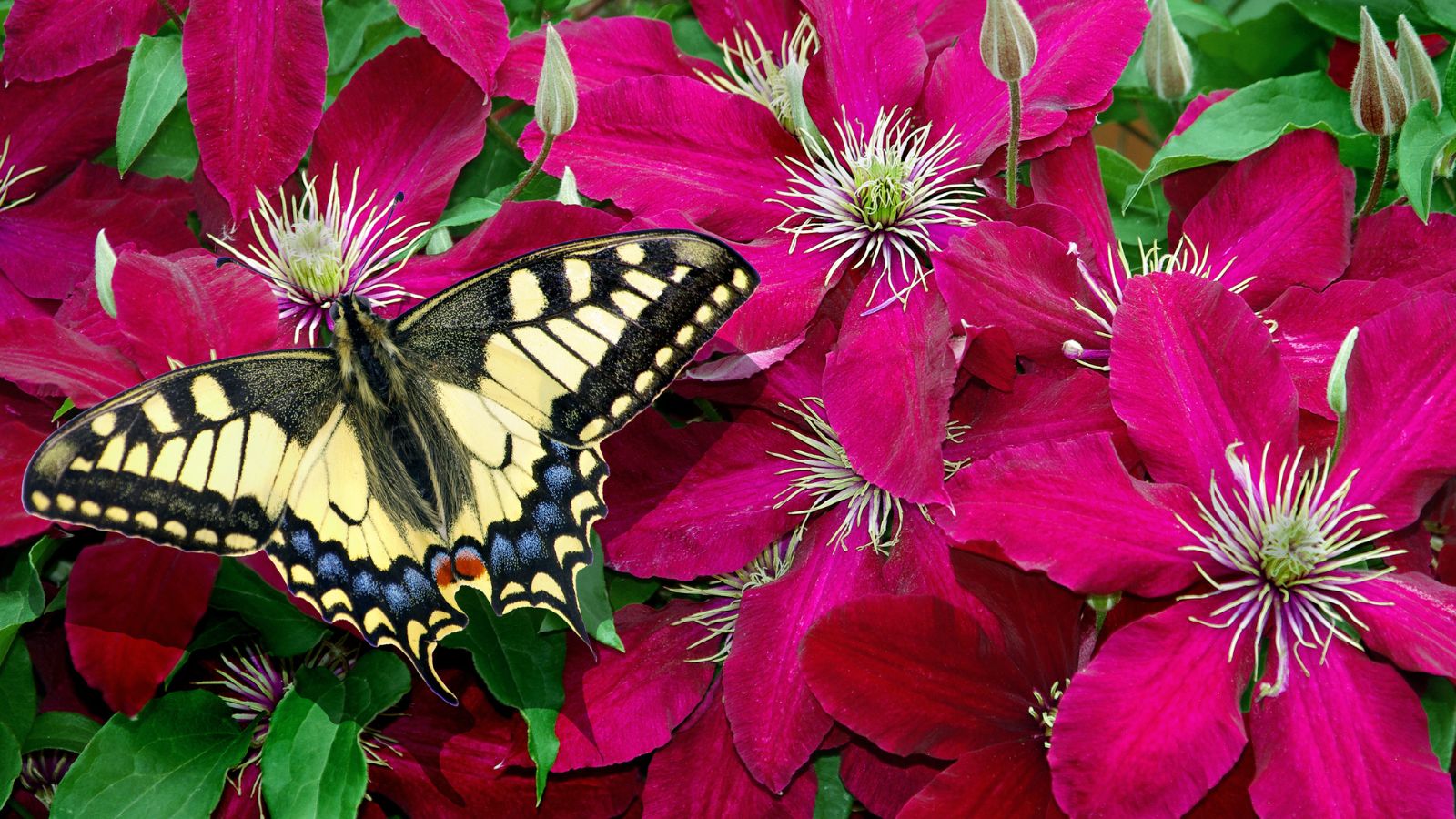
Swallowtails are large, elegant butterflies recognized by the distinctive tail-like points on their hind wings. With many species across the country, they come in a variety of colors, most commonly yellow or black. Their large size and graceful flight pattern make them a captivating sight as they float from flower to flower.
To attract these beauties, you need to appeal to both the caterpillars and the adults. Caterpillars of different Swallowtail species feed on plants in the carrot family. Adult Swallowtails are drawn to a wide range of nectar-rich flowers, especially those that are clustered together.
- Appearance: Large wings, often black or yellow, with characteristic “tails” on the back wings.
- Host Plants: Dill, Fennel, Parsley, and Queen Anne’s Lace.
- Nectar Plants: Phlox, Butterfly Bush, Lilacs, and Anise Hyssop.
- Care Tip: Plant a patch of their favorite herbs in a corner of your vegetable or flower garden.
3. Peacock Butterfly
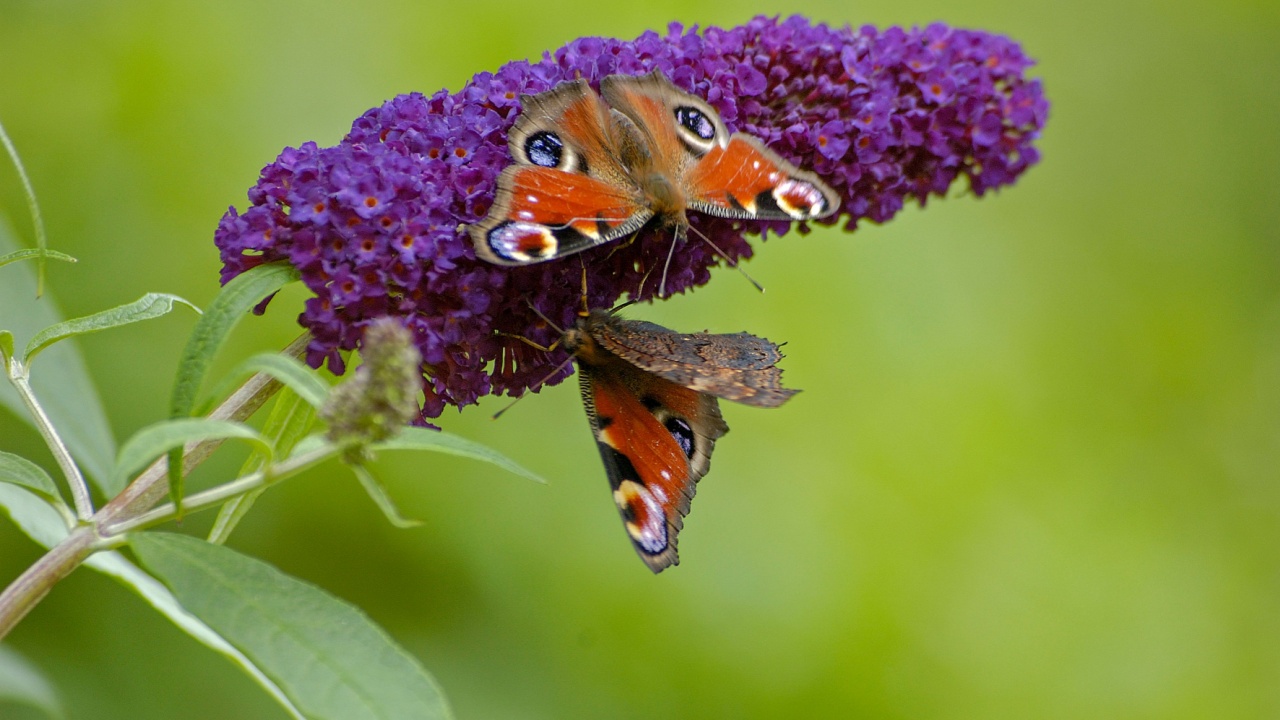
The Peacock Butterfly is a true showstopper. Its velvety, reddish-brown wings feature stunning, intricate eyespots that resemble a peacock’s feathers. These markings are not just for show; they help startle and deter predators. Their bold coloring makes them stand out beautifully against green foliage.
These butterflies hibernate as adults, so they are often one of the first to be seen in the spring. They rely on Stinging Nettle as a host plant for their caterpillars. Providing both nettle and plenty of early-blooming nectar sources will make your garden a preferred spot.
- Appearance: Reddish-brown wings with large, colorful eyespots on each one.
- Host Plants: Stinging Nettle.
- Nectar Plants: Butterfly Bush (Buddleia), Dandelions, and Marigolds.
- Care Tip: Allow a patch of nettles to grow in an out-of-the-way, sunny part of your yard.
4. Painted Lady
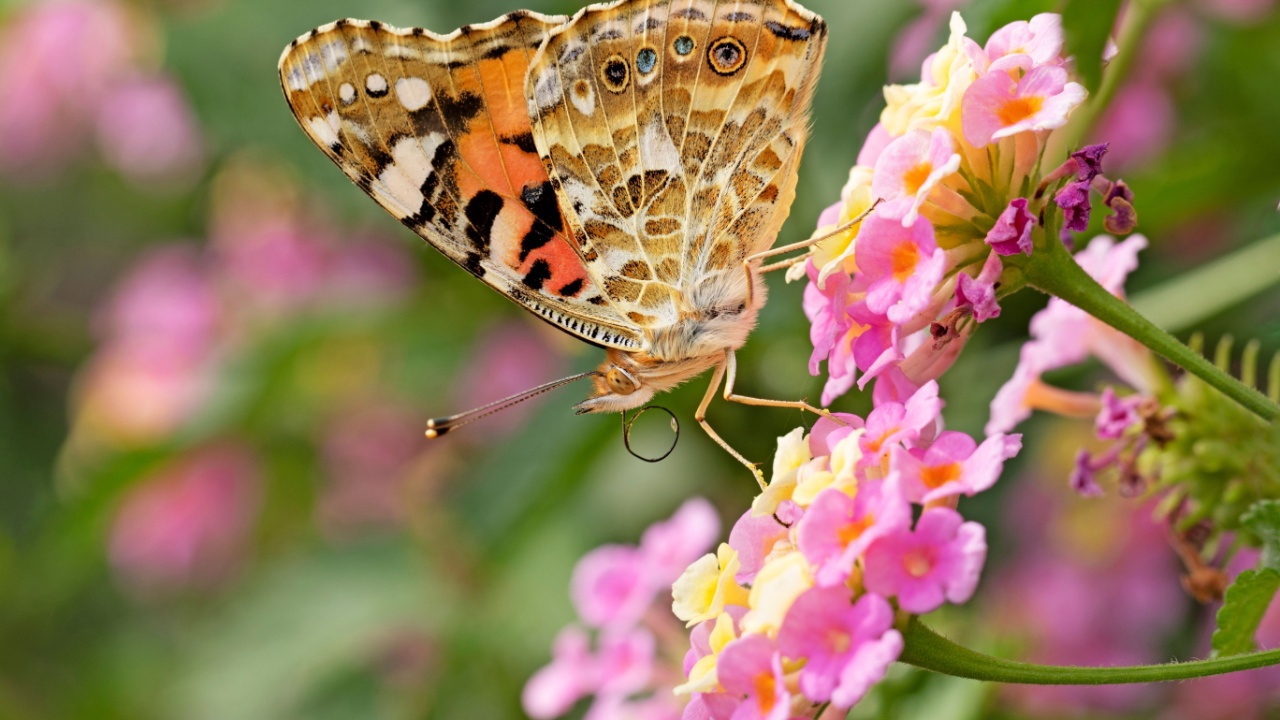
Known as one of the most widespread butterflies in the world, the Painted Lady is a common but beautiful visitor. Its wings are a delicate mosaic of orange, brown, and black with white spots. These tireless travelers migrate long distances, so offering them a nectar-rich pit stop is a great way to support them.
Painted Lady caterpillars are not too picky and will feed on a variety of host plants, particularly thistles and mallows. The adults are drawn to composite flowers that provide a wide surface for them to land on and feed from multiple small blooms at once.
- Appearance: Intricate pattern of orange, brown, and black with white markings.
- Host Plants: Thistles, Hollyhock, and Mallows.
- Nectar Plants: Sunflowers, Asters, Zinnias, and Cosmos.
- Care Tip: Plant composite flowers in a sunny, open area to give them plenty of space.
5. Brimstone
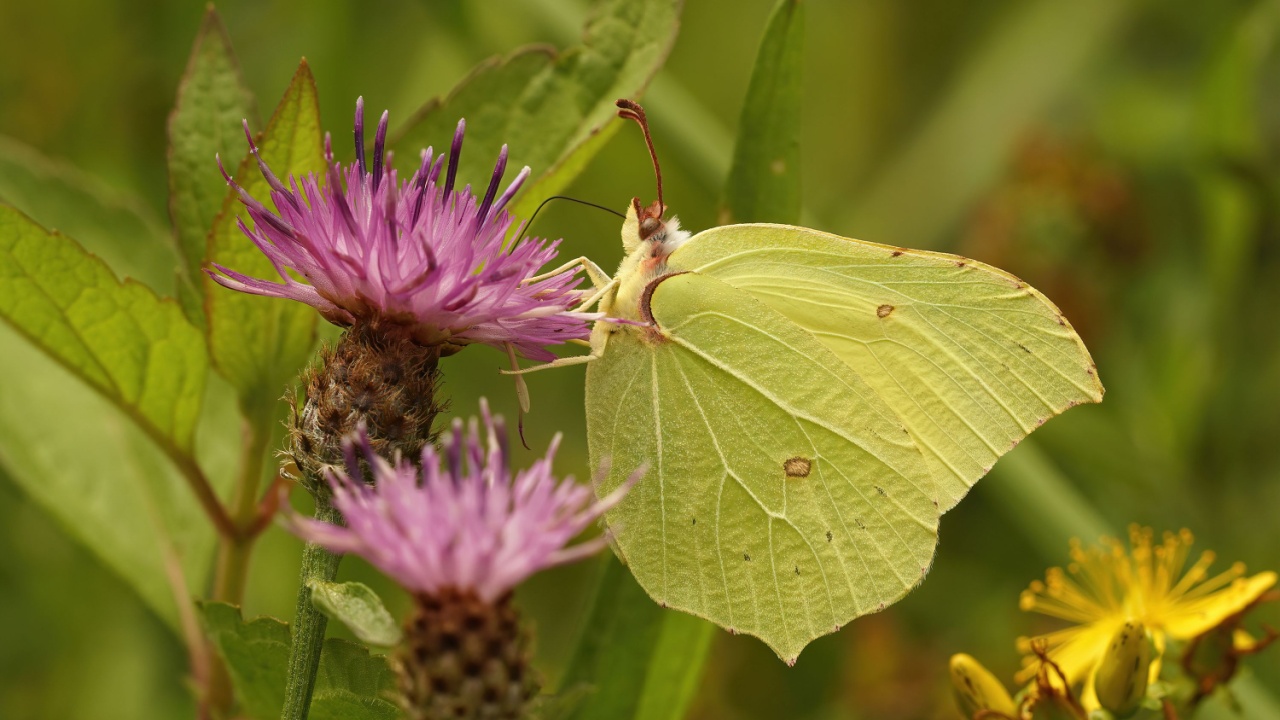
The male Brimstone is a flash of brilliant yellow, often mistaken for a fluttering lemon-yellow leaf. Females are a much paler, greenish-white. These butterflies are one of the longest-living, and their appearance is considered one of the first true signs of spring.
To invite Brimstones, you must have Buckthorn shrubs in or near your garden. It is the only food source for their caterpillars. Adults enjoy the nectar from a variety of early spring flowers, which provide much-needed energy after hibernation.
- Appearance: Males are bright, leaf-shaped yellow; females are pale green-white.
- Host Plants: Buckthorn and Alder Buckthorn.
- Nectar Plants: Primrose, Cowslip, and Teasels.
- Care Tip: Plant Buckthorn shrubs as a hedge or border plant to create an ideal habitat.
6. Small Tortoiseshell
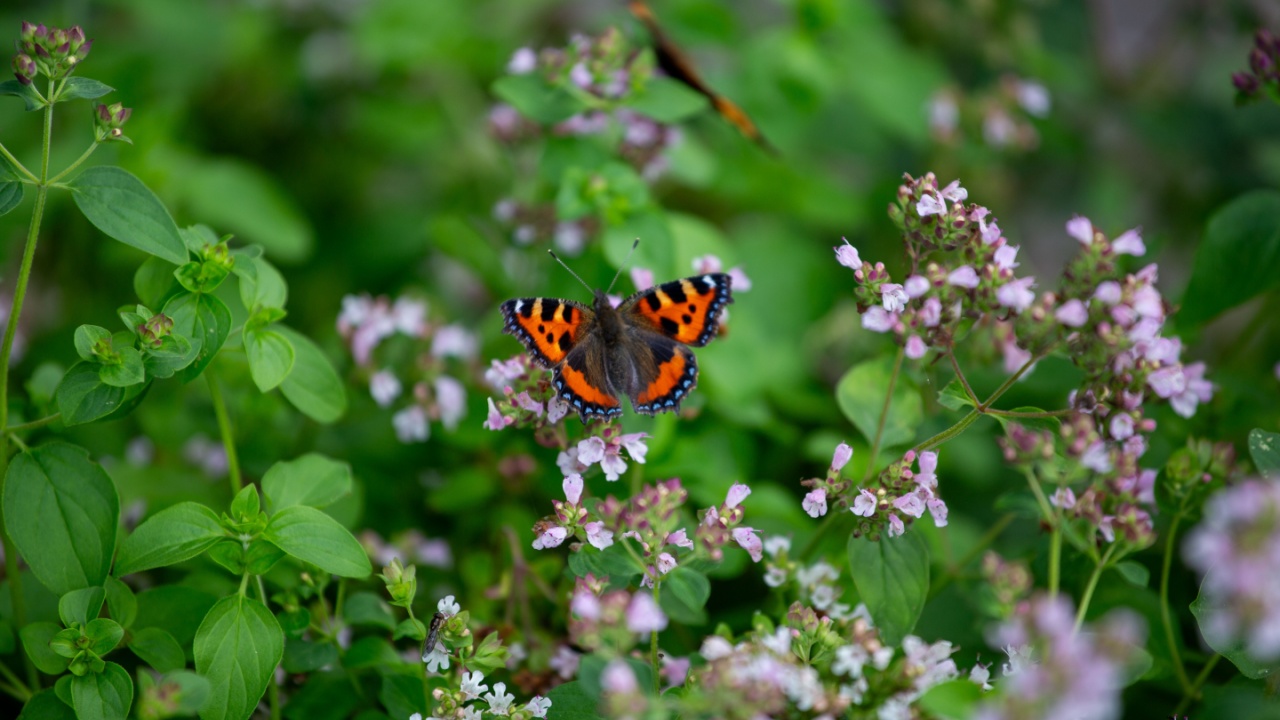
With its fiery orange wings marked with black, yellow, and blue spots along the edges, the Small Tortoiseshell is a vibrant and welcome garden guest. They are active butterflies that can often be seen basking in the sun on paths or fences.
Like the Peacock butterfly, the Small Tortoiseshell relies almost exclusively on Stinging Nettle for its caterpillars. Creating a welcoming habitat for them means embracing this often-maligned plant. Adults are less particular and will happily visit a wide range of flowers for nectar.
- Appearance: Bright orange and black wings with a border of blue crescents.
- Host Plants: Stinging Nettle.
- Nectar Plants: Sedum, Asters, Marigolds, and Butterfly Bush.
- Care Tip: Let a patch of nettles grow wild and provide sunny spots for the butterflies to bask.
7. Cabbage White
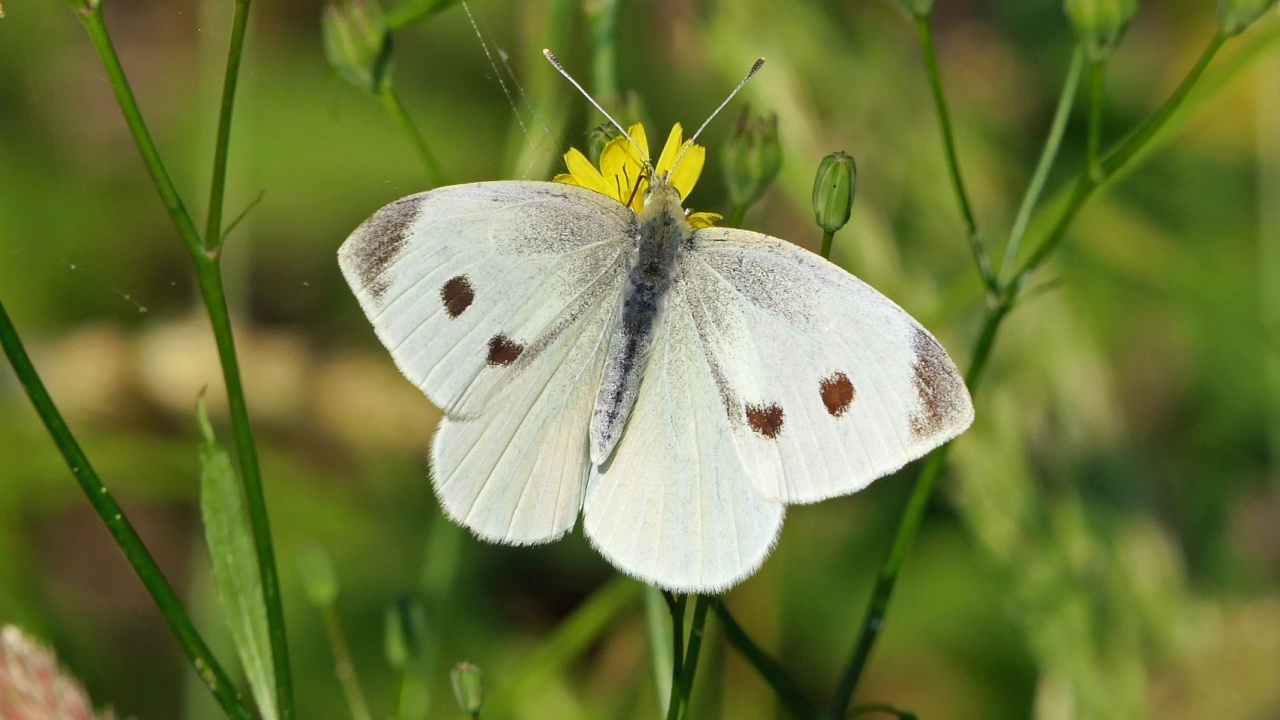
The Cabbage White is a familiar sight in many vegetable gardens. While its creamy white wings may seem simple, their delicate beauty is undeniable. Though some gardeners view them as pests due to their caterpillars’ love for brassicas, they are important pollinators.
You can attract them—and manage their lifecycle—by planting their favorite host plants. If you want to protect your prize cabbages, consider a “trap crop” of nasturtiums or kale planted nearby to draw the butterflies away. Adults will feed on a wide variety of flowers.
- Appearance: Plain creamy-white wings, sometimes with small black dots.
- Host Plants: Cabbage, Kale, Broccoli, and other Brassicas.
- Nectar Plants: Lavender, Dandelions, and Red Clover.
- Care Tip: Plant nasturtiums alongside your vegetable patch as a companion plant.
8. Comma Butterfly
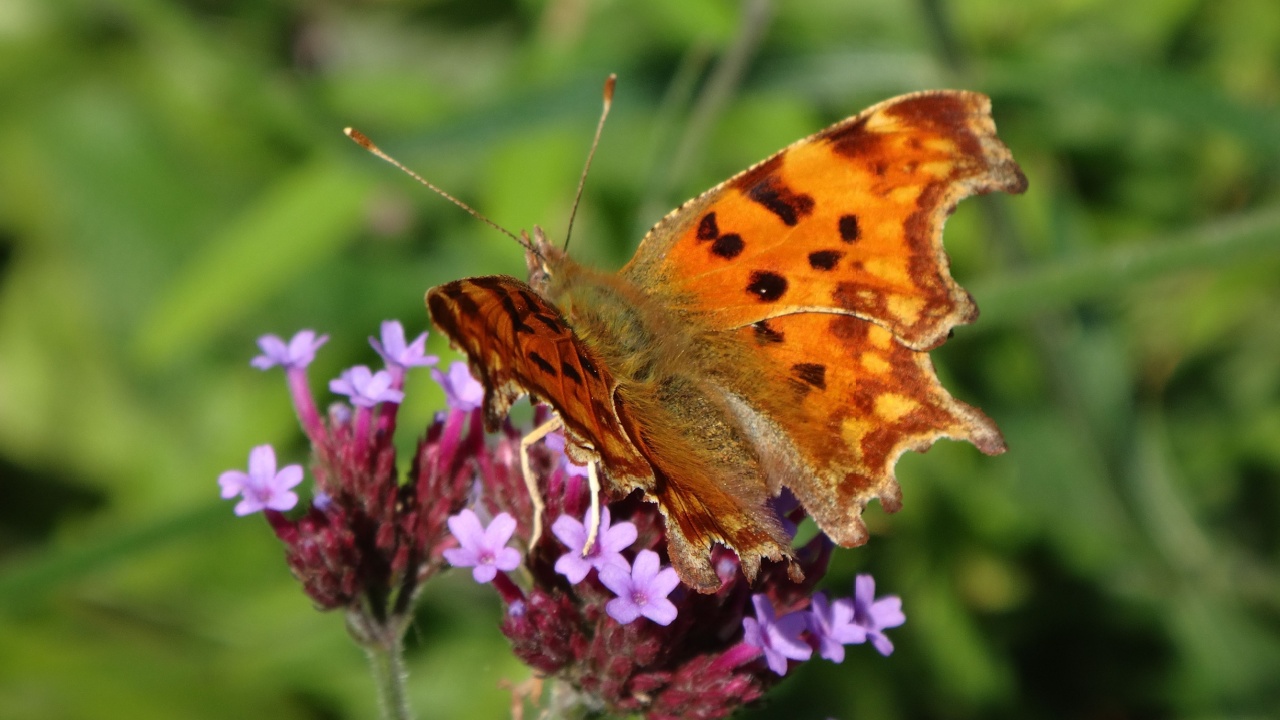
Named for the tiny, white comma-shaped mark on the underside of its hind wings, this butterfly has a unique, ragged wing shape that helps it camouflage as a dead leaf. Its upper wings are a rich orange-brown with dark spots, making it a beautiful sight when it opens them in the sun.
Comma caterpillars feed on a variety of plants, making them relatively easy to host. They are often found in gardens that have a slightly wild or woodland feel, with a mix of shrubs, trees, and flowers.
- Appearance: Jagged, irregular wing edges with orange and brown patterns. A white “comma” mark is visible underneath.
- Host Plants: Nettles, Hops, and Elm.
- Nectar Plants: Asters, Ivy blooms, and Blackberries.
- Care Tip: Allowing some ivy to flower in the fall provides a crucial late-season food source.
9. Common Blue
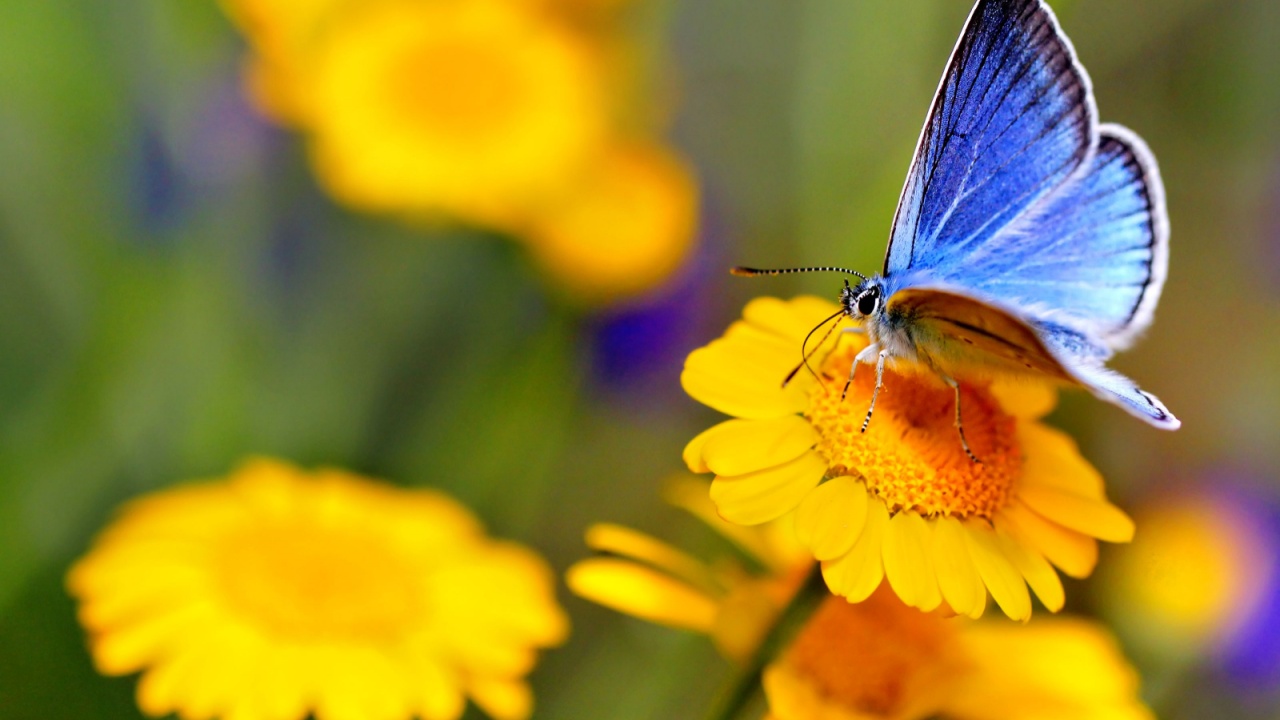
Don’t let the name fool you; there is nothing “common” about the stunning, iridescent blue of the male Common Blue butterfly. Females are more variable, ranging from mostly brown to nearly as blue as the males. They are small but add a jewel-like quality to lawns and wildflower patches.
These little gems are specialists. Their caterpillars feed almost exclusively on Bird’s-Foot Trefoil, a low-growing legume. By allowing this plant to grow in a sunny part of your lawn or meadow area, you create the perfect nursery for them.
- Appearance: Males are a vibrant violet-blue; females are brown with orange spots and a dusting of blue.
- Host Plants: Bird’s-Foot Trefoil.
- Nectar Plants: Thyme, Marjoram, and Clover.
- Care Tip: Avoid mowing a section of your lawn to let clover and trefoil flower.
10. Orange Tip
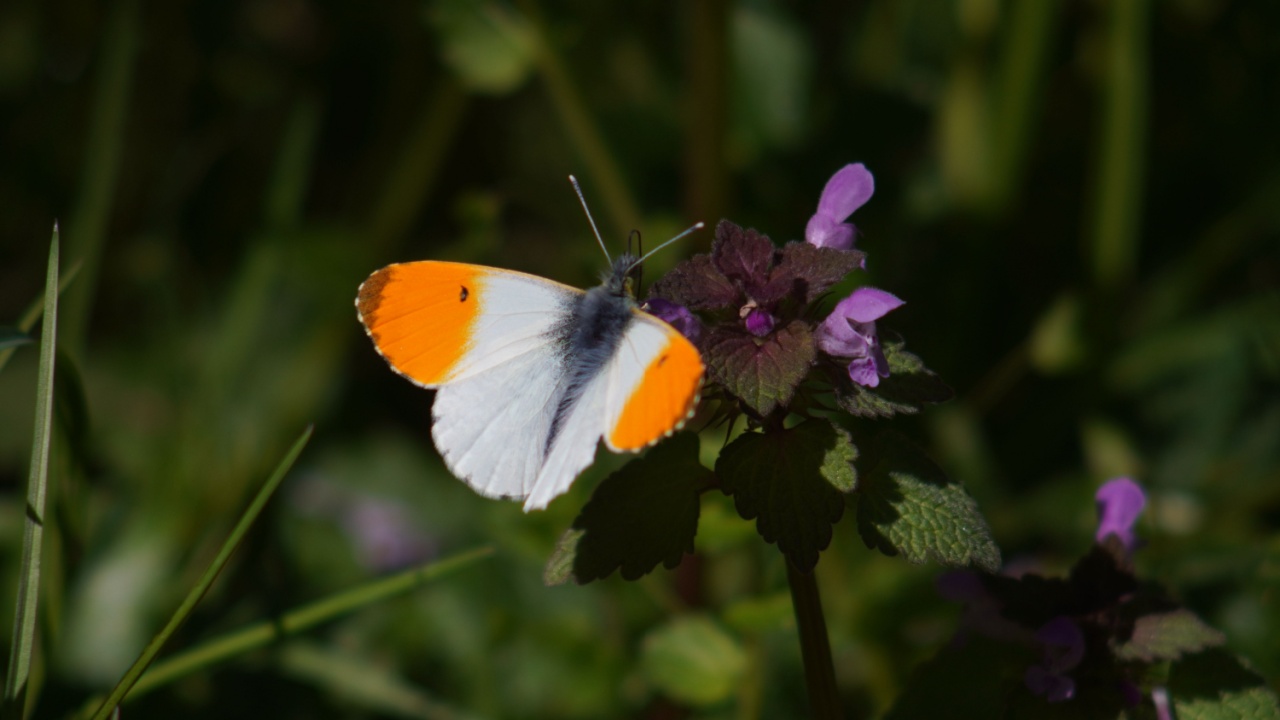
A true harbinger of spring, the Orange Tip is a beautiful butterfly with a distinctive feature: the males have bright orange patches on the tips of their forewings. Females lack the orange but share the intricate, mossy-green pattern on the underside of their hind wings.
Orange Tip caterpillars feed on the flower heads and seed pods of plants in the mustard family, especially those found in damp or woodland-edge habitats. They add a cheerful flash of color to gardens in the early part of the season.
- Appearance: White wings with bright orange tips on the males. Both have a green marbled pattern underneath.
- Host Plants: Cuckooflower (Lady’s Smock) and Garlic Mustard.
- Nectar Plants: Bluebells, Honesty, and Forget-me-nots.
- Care Tip: These plants prefer damp areas, so plant them near a pond or in a shadier part of the garden.
11. Red Admiral
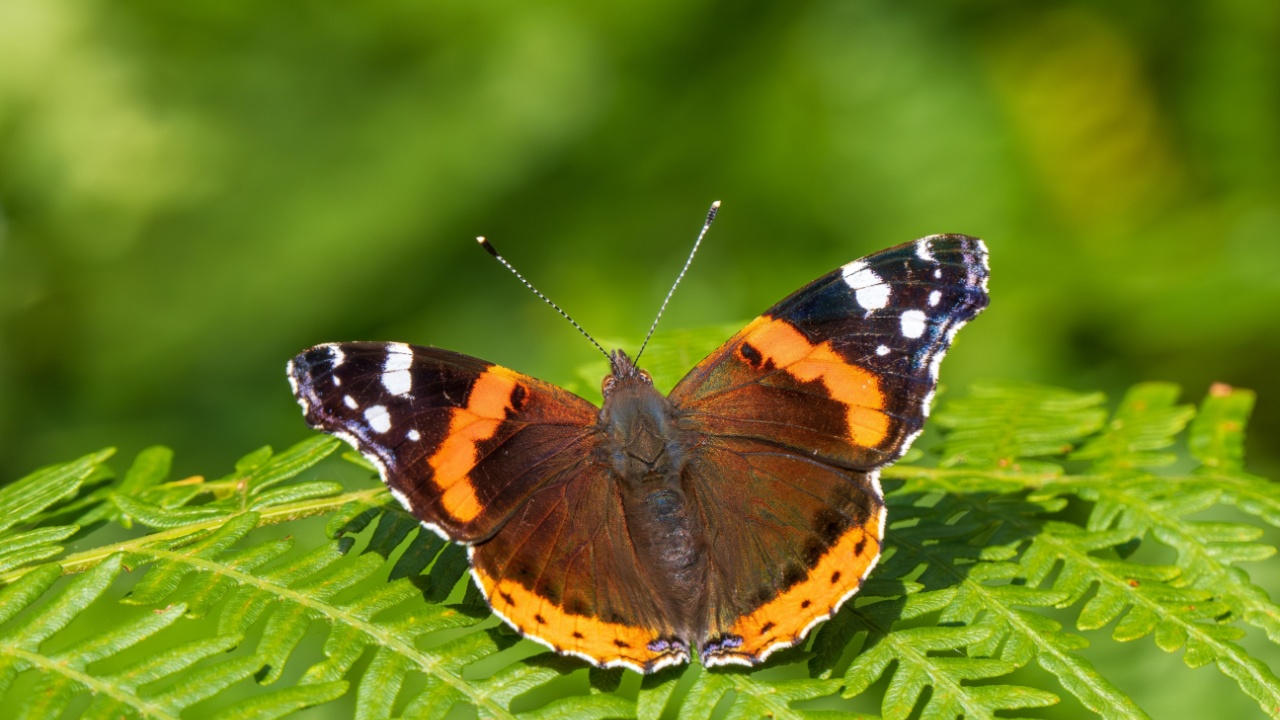
The Red Admiral is a strong and striking butterfly with velvety black wings slashed with bold red-orange bands and white spots. They are powerful fliers and can be quite territorial, often seen chasing other butterflies away from their favorite patch of flowers.
Similar to other colorful butterflies like the Peacock and Small Tortoiseshell, Red Admiral caterpillars depend on Stinging Nettles. To attract the adults, plant flowers that bloom late into the season, as they remain active well into the fall. They are also known to feed on fermenting fruit.
- Appearance: Velvety black wings with striking red bands and white spots.
- Host Plants: Stinging Nettle.
- Nectar Plants: Butterfly Bush, Sedum, Asters, and rotting fruit.
- Care Tip: Leave a few fallen apples or plums on the ground in late summer to provide a feast.
12. Marbled White
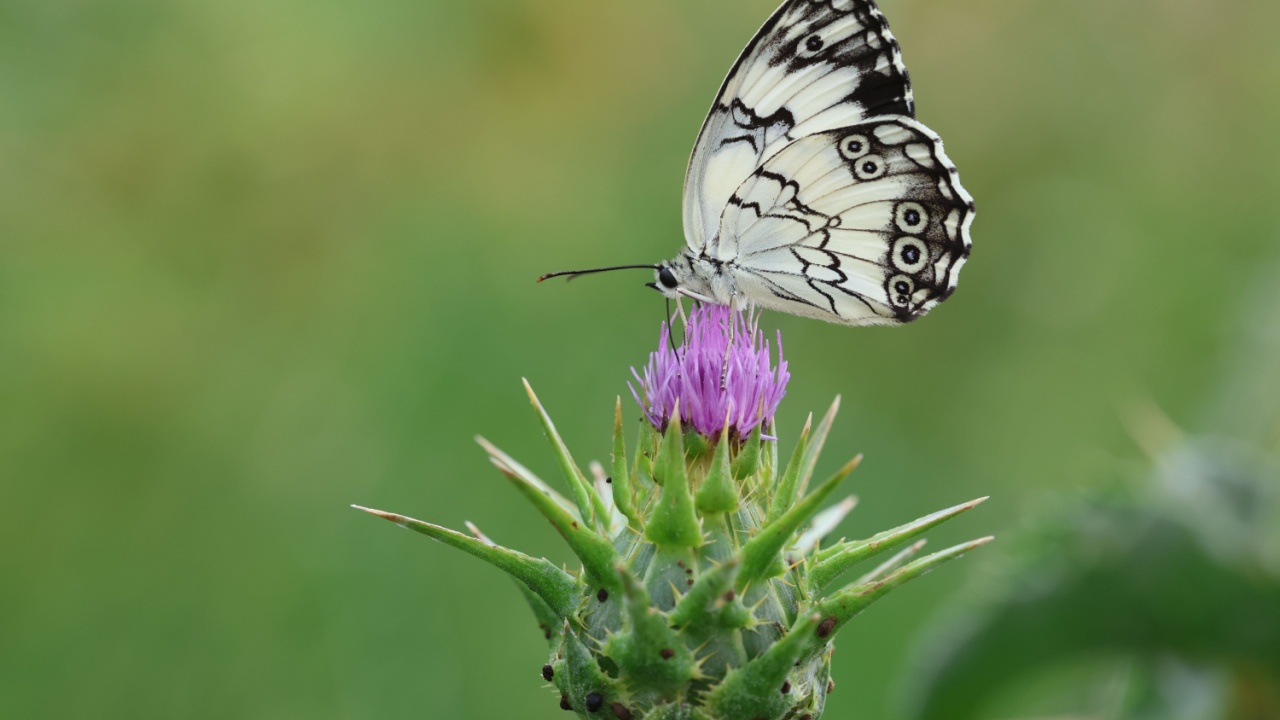
The Marbled White is technically a member of the “browns” family, but its appearance is a stunning checkerboard of black and creamy white. It flies with a slow, dancing flight on sunny summer days, making it a beautiful and calming presence.
This butterfly is a grassland specialist. Its caterpillars feed on various types of grasses, such as fescues and bents. To attract them, you need an area of your garden with long grass and plenty of nectar-rich wildflowers mixed in.
- Appearance: A distinctive black-and-white checkerboard pattern.
- Host Plants: Various fine-leaved grasses like Red Fescue and Sheep’s-fescue.
- Nectar Plants: Thistles, Knapweed, and Scabious.
- Care Tip: Create a mini-meadow by letting a sunny patch of lawn grow long throughout the summer.
13. Holly Blue
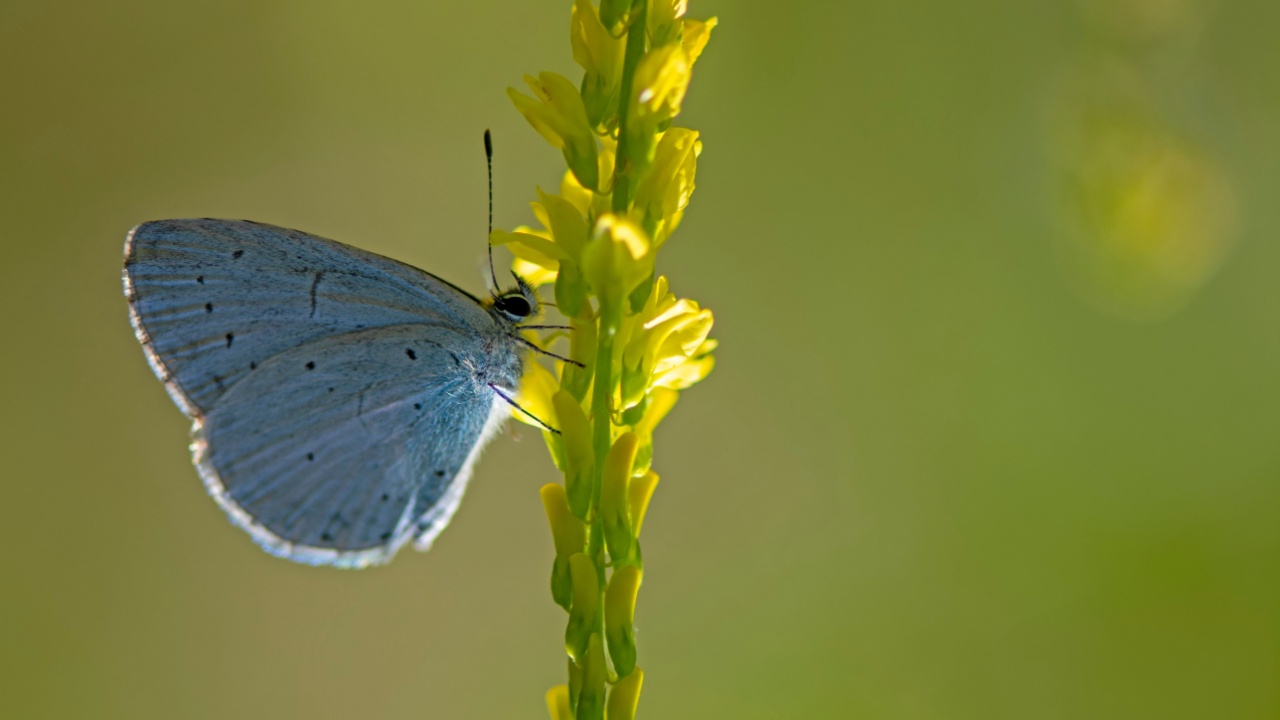
The Holly Blue is a small, delicate butterfly with pale, silvery-blue wings. It often flies high around bushes and trees, making it easy to distinguish from the low-flying Common Blue. It adds a subtle shimmer to the garden as it flits through the foliage.
This butterfly is unique because it has two broods a year that use different host plants. The spring generation lays eggs on Holly, while the summer generation uses Ivy. Having both plants in your garden ensures a continuous presence.
- Appearance: Delicate, sky-blue wings with a silvery sheen.
- Host Plants: Holly (for the spring brood) and Ivy (for the summer brood).
- Nectar Plants: Forget-me-nots, Brambles, and Ivy flowers.
- Care Tip: Plant both holly and ivy shrubs to support their full lifecycle.
14. Gatekeeper
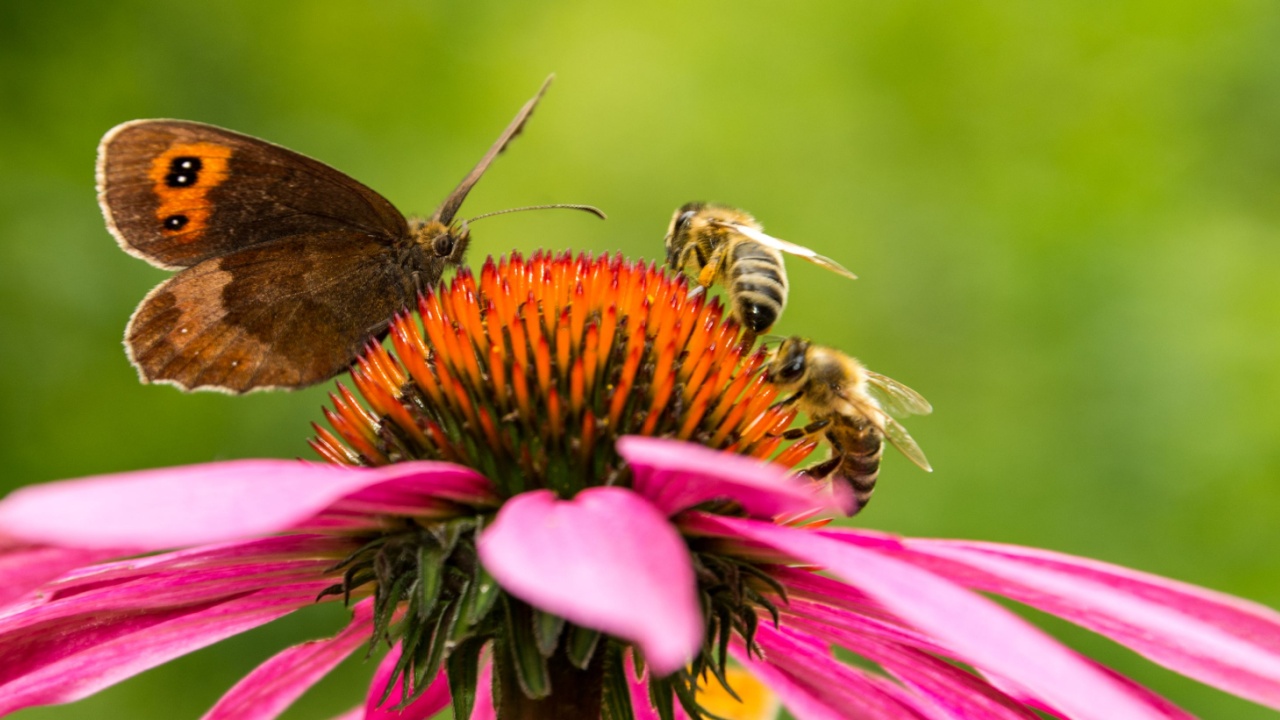
Also known as the Hedge Brown, the Gatekeeper is an orange-and-brown butterfly often found basking in the sun along hedgerows and garden edges. It has small black eyespots on its forewings, which are a key identifying feature. It typically flies only in bright sunshine. The
Gatekeeper is another grassland butterfly. Its caterpillars feed on fine grasses, so a manicured lawn is not ideal. They thrive in gardens with less formal edges where grasses can grow a bit longer.
- Appearance: Tawny orange wings with thick, dark brown borders and a small black eyespot.
- Host Plants: Fine-leaved grasses like fescues and bents.
- Nectar Plants: Marjoram, Ragwort, and Bramble flowers.
- Care Tip: Let the grass grow long at the base of hedges or fences to create the perfect habitat.
15. Speckled Wood
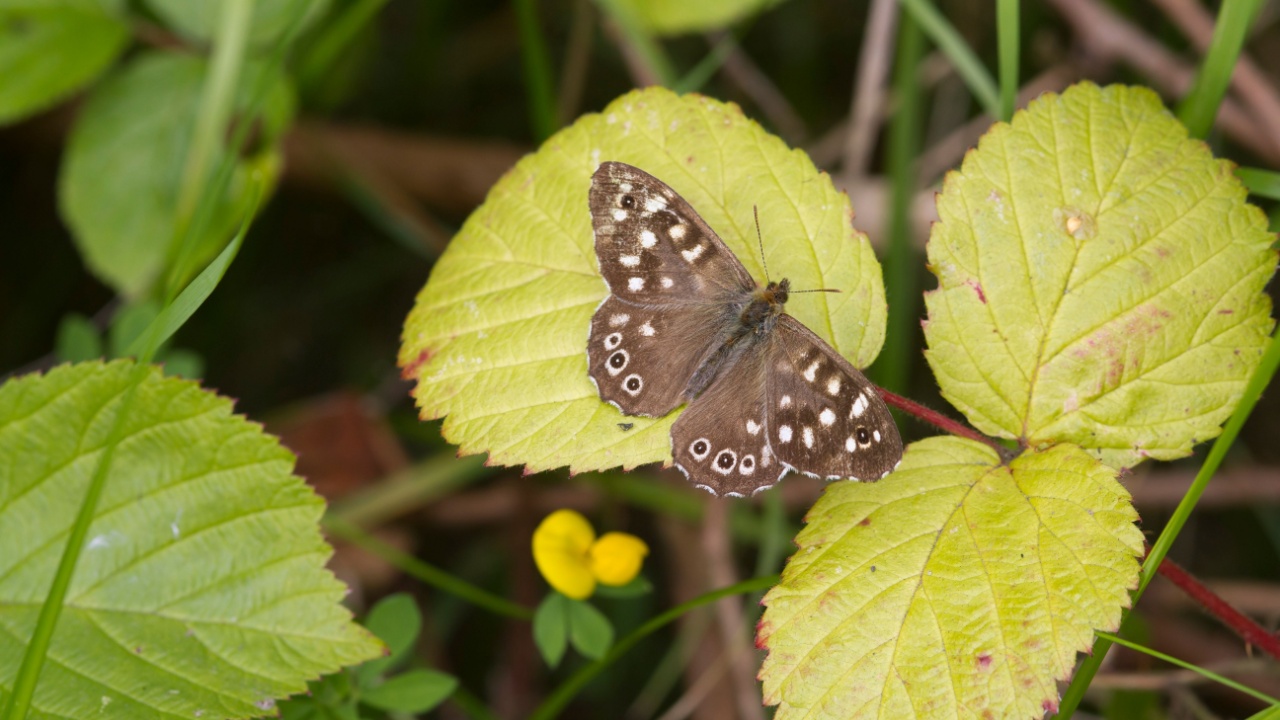
Perfectly at home in dappled sunlight, the Speckled Wood is a brown butterfly with creamy yellow spots. Unlike many butterflies that love open, sunny meadows, this one prefers the partial shade of woodlands, making it an excellent addition to gardens with mature trees.
Males are known to defend their territory, often a single patch of sunlight on the woodland floor. The caterpillars feed on a variety of broad-leaved grasses that thrive in shaded conditions.
- Appearance: Dark brown wings with pale yellow spots and small eyespots.
- Host Plants: False Brome, Cock’s-foot, and Yorkshire-fog grasses.
- Nectar Plants: They prefer honeydew from aphids but will visit Bramble and Dandelion flowers.
- Care Tip: Create a woodland edge feel with some shady spots and patches of long grass.
16. Small Copper
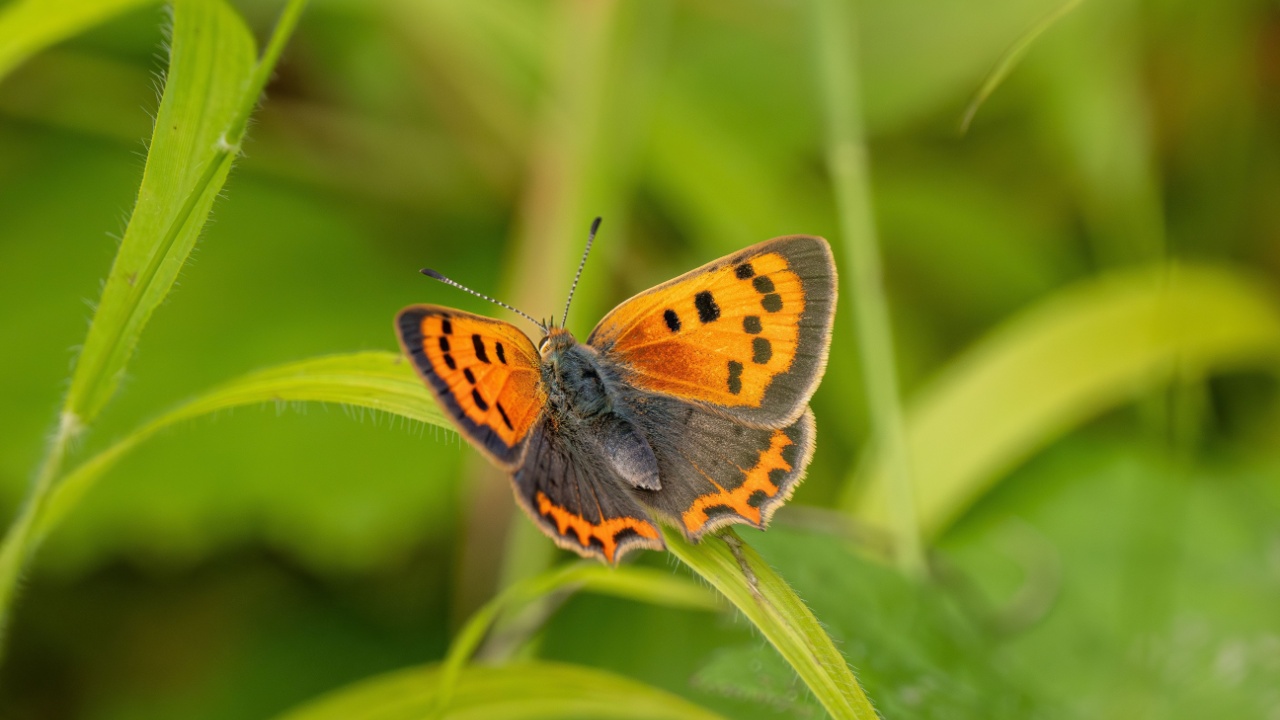
This is a small but fiery butterfly. Its bright, metallic-copper forewings make it look like a tiny, winged jewel as it darts about in the sunshine. They are fast, active fliers and are highly territorial, often chasing away much larger butterflies.
To attract the Small Copper, you need to have its caterpillar food plants: Common Sorrel or Sheep’s Sorrel. These plants are often considered weeds, but allowing a patch to grow in a sunny, well-drained spot is the key to hosting this vibrant butterfly.
- Appearance: Bright, iridescent copper-orange forewings and brownish hind wings.
- Host Plants: Common Sorrel and Sheep’s Sorrel (docks).
- Nectar Plants: Thyme, Buttercups, and Ragwort.
- Care Tip: Sorrel grows well in rockeries or gravel gardens where it won’t be outcompeted.
17. Ringlet
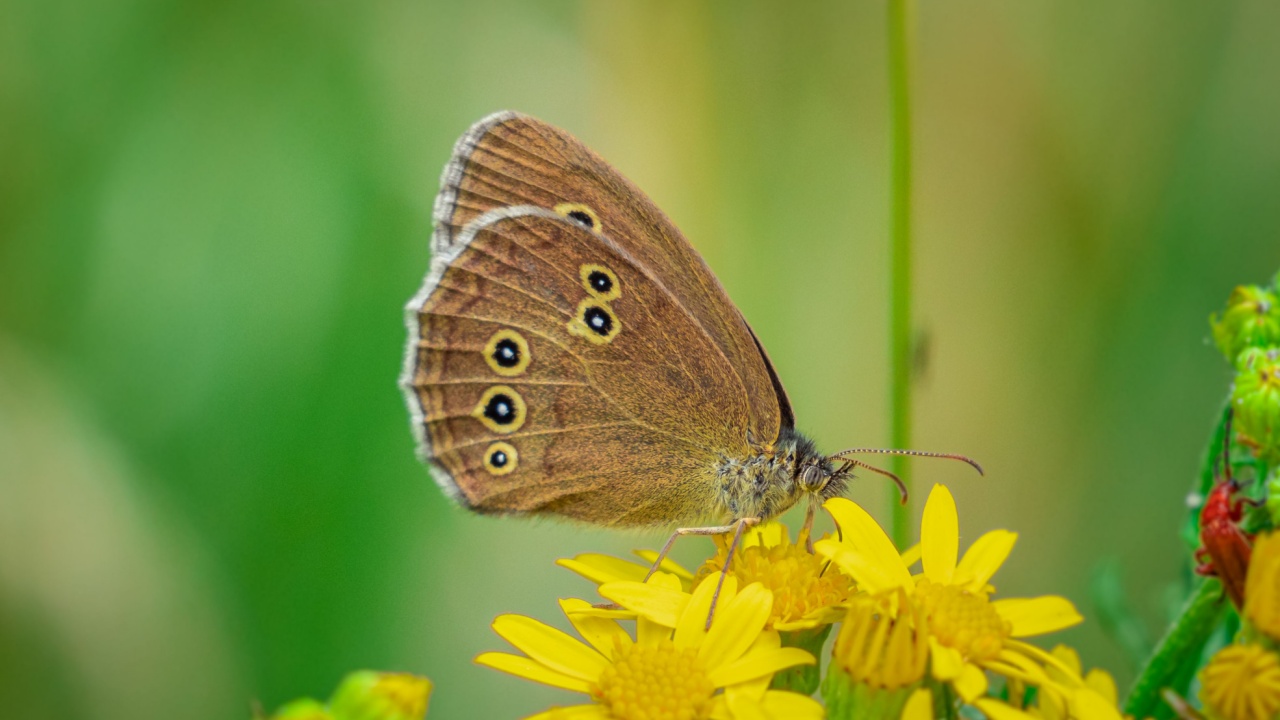
Named for the small, ringed eyespots on its dark, sooty-brown wings, the Ringlet is a butterfly of damp, shady places. It has a distinctive bobbing flight and, unlike most butterflies, will often fly in overcast or even drizzly weather.
The Ringlet’s caterpillars feed on a range of common grasses, particularly those found in damper conditions. Its dark coloring helps it warm up quickly, giving it an advantage in less sunny environments.
- Appearance: Velvety dark brown wings with small, yellow-ringed black eyespots.
- Host Plants: Cock’s-foot, False Brome, and other coarse grasses.
- Nectar Plants: Bramble flowers and Wild Privet.
- Care Tip: They love overgrown, slightly wild areas of the garden with long grass and some shade.
18. Green Hairstreak
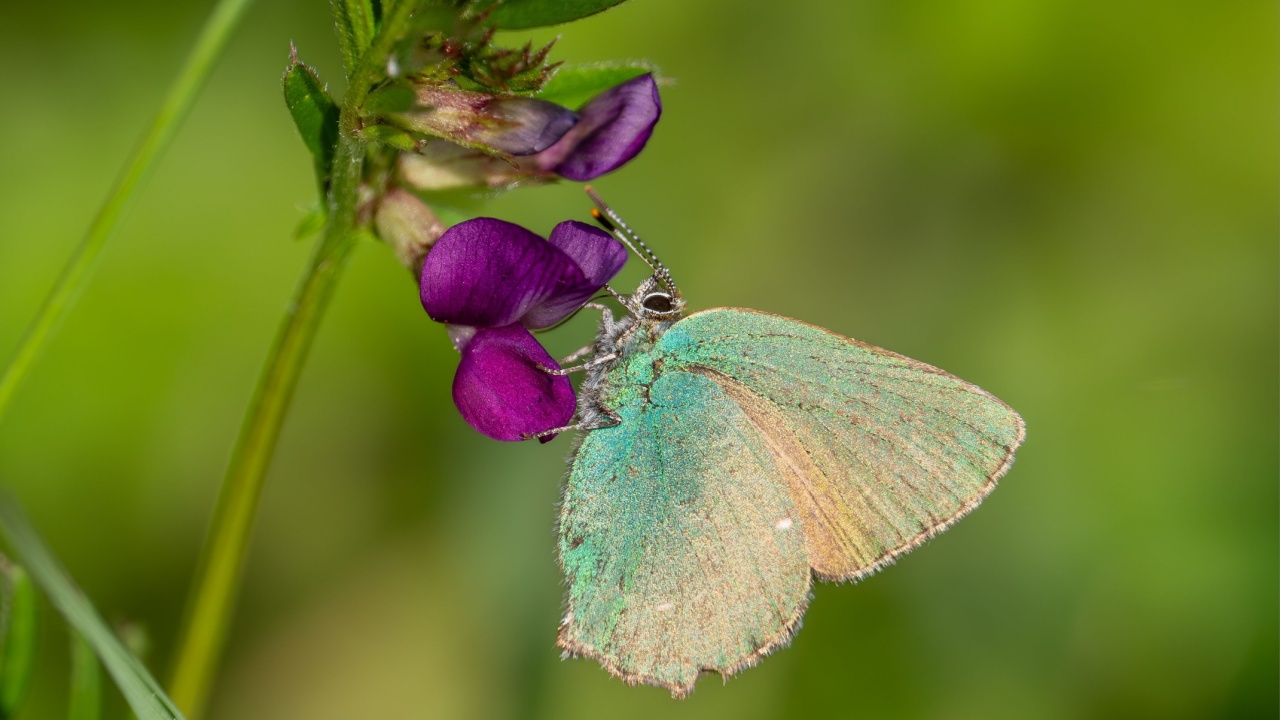
The Green Hairstreak is a master of camouflage. When at rest with its wings closed, it is a brilliant, metallic green, blending in perfectly with leaves. This is the only green butterfly native to many regions, making it a unique and exciting find. Its upper wings, rarely seen, are a warm brown.
This butterfly is not fussy about its habitat and can be found in heathland, woodland clearings, and grasslands. Its caterpillars feed on a wide variety of shrubs and plants, making it adaptable to many garden styles.
- Appearance: Bright iridescent green on the underwings; plain brown on the upper side.
- Host Plants: Gorse, Broom, Bird’s-Foot Trefoil, and Buckthorn.
- Nectar Plants: Dandelions, Hawthorn, and Buttercups.
- Care Tip: Plant a mix of low-growing shrubs to provide shelter and food.
19. Silver-washed Fritillary
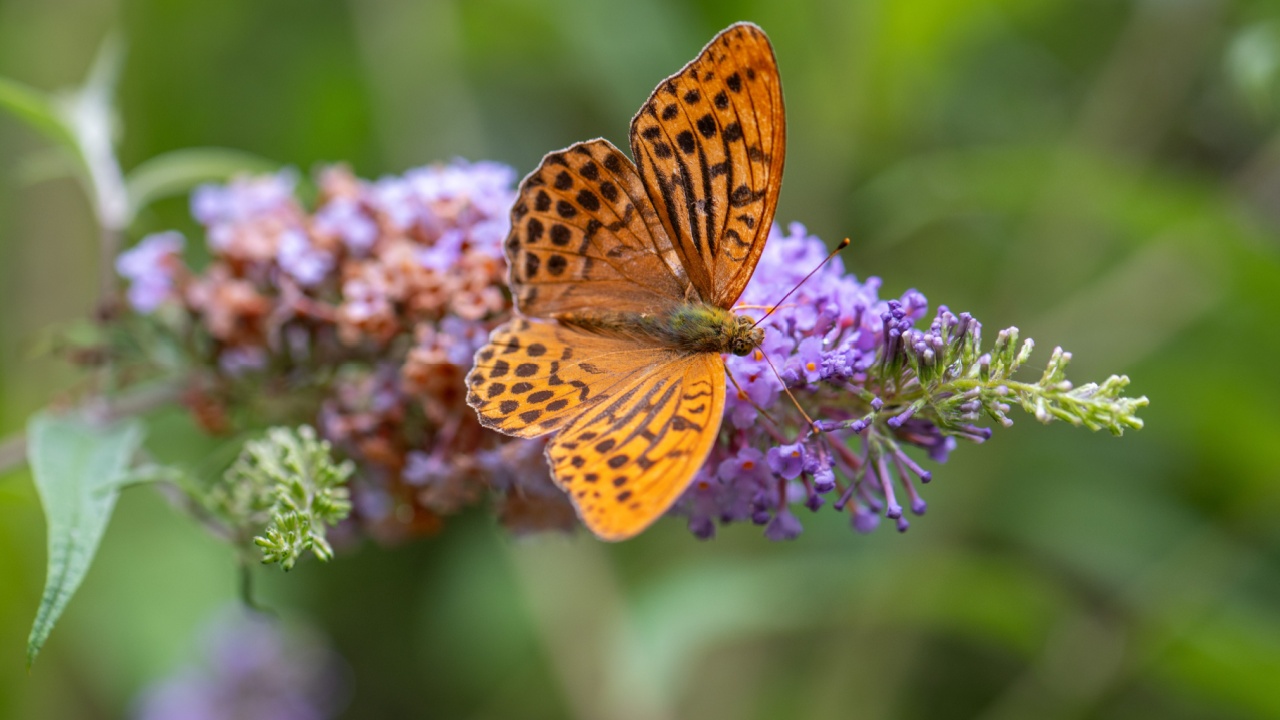
This is a large, powerful butterfly with bright orange wings marked with black spots and streaks. The “silver-washed” name comes from the beautiful silvery streaks on the underside of its hind wings. They are fast, active fliers, often seen gliding along woodland rides and sunny glades.
The key to attracting this magnificent butterfly is to have violets growing in your garden. Its caterpillars feed exclusively on the leaves of various violet species. They prefer shady or semi-shaded spots, typical of a woodland floor.
- Appearance: Large, bright orange wings with black spots. The underside has a green and silver wash.
- Host Plants: Common Dog-violet and other violet species.
- Nectar Plants: Bramble flowers, Thistles, and Buddleia.
- Care Tip: Plant violets as a groundcover in shady areas beneath trees or shrubs.
Want a Butterfly Paradise?
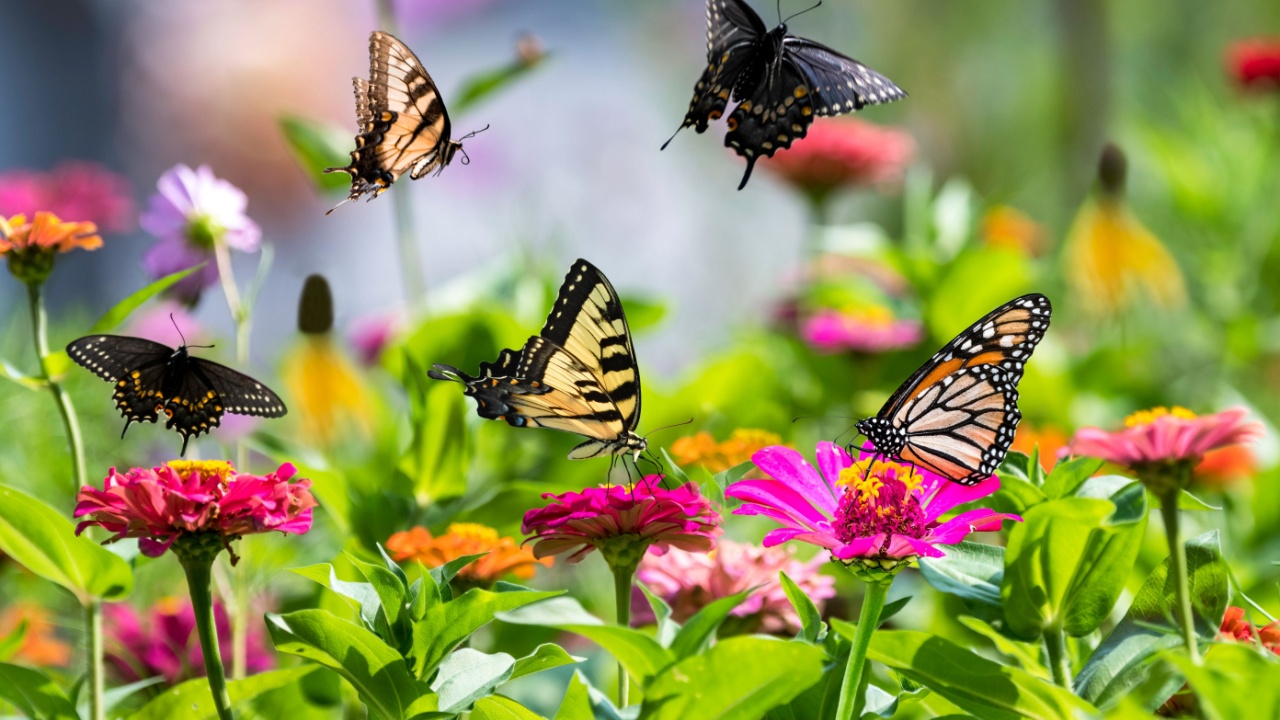
Creating a butterfly-friendly garden is a rewarding journey that adds beauty and life to your yard. You don’t need to do everything at once. Start small and enjoy the process.
Your first step is to choose one or two butterflies from this list that you’d love to see. Then, focus on planting their specific host plants. Remember, no host plants, no caterpillars, and no new butterflies. Next, add a variety of nectar-rich flowers that bloom from spring through fall to provide a continuous food source for the adults.
Finally, be a little less tidy. Let a corner of your lawn grow long, allow some nettles to thrive, and hold off on deadheading every single flower. A garden that is a little bit wild is a garden that is full of life. As you add these elements, you’ll not only attract butterflies but also create a healthier, more balanced ecosystem right outside your door.