15 Short Perennials That Look Great in Small Spaces
Creating a stunning garden doesn’t require a vast expanse of land. In fact, some of the most captivating outdoor spaces are born from thoughtful planning in smaller areas. If you’re working with a compact yard, patio, or balcony, short perennial flowers are your best friends.
These low-growing plants return year after year, offering reliable color and texture without overpowering your space. They are perfect for borders, containers, and rock gardens, providing all the beauty of their taller relatives with far less fuss.
This guide will walk you through 15 fantastic short perennials that can transform your small garden into a vibrant, low-maintenance oasis.
We’ll explore what makes each plant special, how to care for it, and why it deserves a spot in your yard.
1. Creeping Phlox (Phlox subulata)
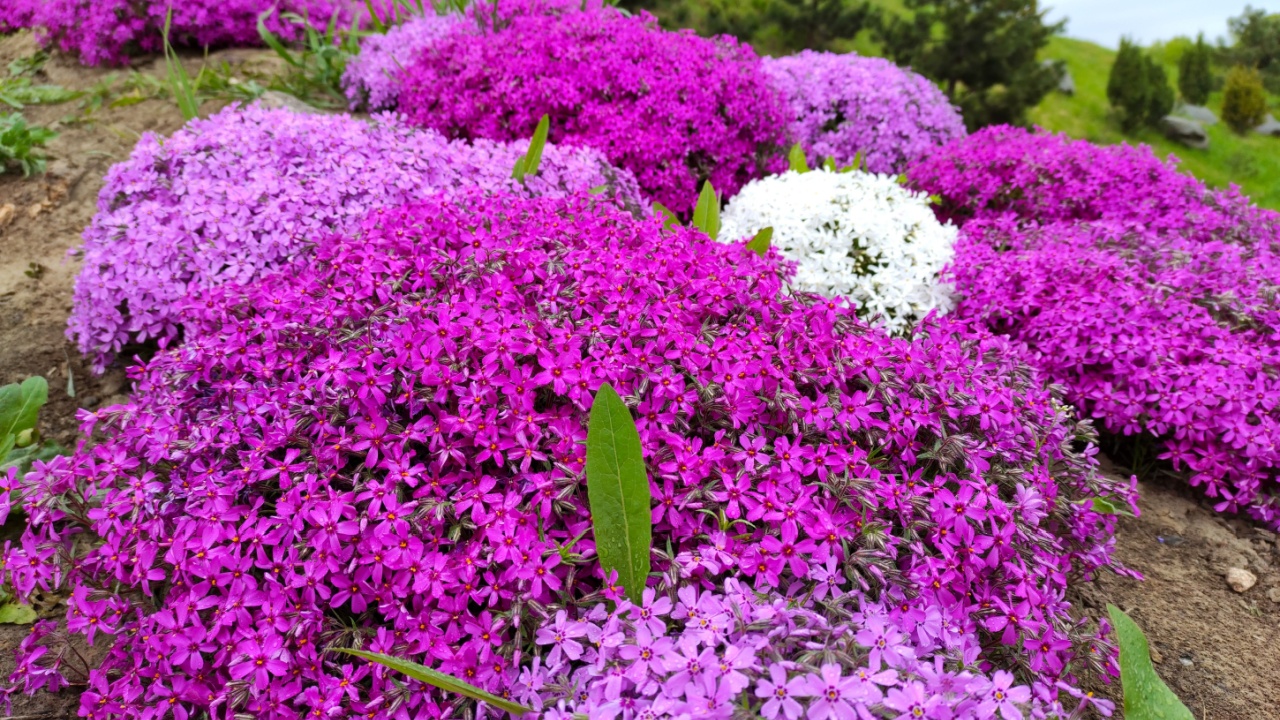
Creeping Phlox is a springtime showstopper, known for creating dense, colorful mats of flowers. It’s an ideal groundcover that blankets the ground in shades of pink, purple, blue, or white. This plant is perfect for cascading over rock walls, lining garden paths, or filling in gaps between taller plants, where it helps suppress weeds while adding a burst of color.
Its ability to thrive in full sun and tolerate dry soil once established makes it a resilient and low-maintenance choice. The star-shaped flowers are not only beautiful to look at but also attract early-season pollinators like butterflies, bringing your garden to life. Come spring, you’ll be rewarded with a breathtaking carpet of blooms that announces the arrival of the new growing season.
- Best For: Groundcover, rock gardens, path edging.
- Sun Exposure: Full sun.
- Soil Needs: Well-drained soil; tolerates poor, gravelly soil.
- Bloom Time: Spring.
- Care Tip: Shear the plant back lightly after flowering to encourage dense growth and prevent it from becoming woody.
2. Dwarf Daylily (Hemerocallis)
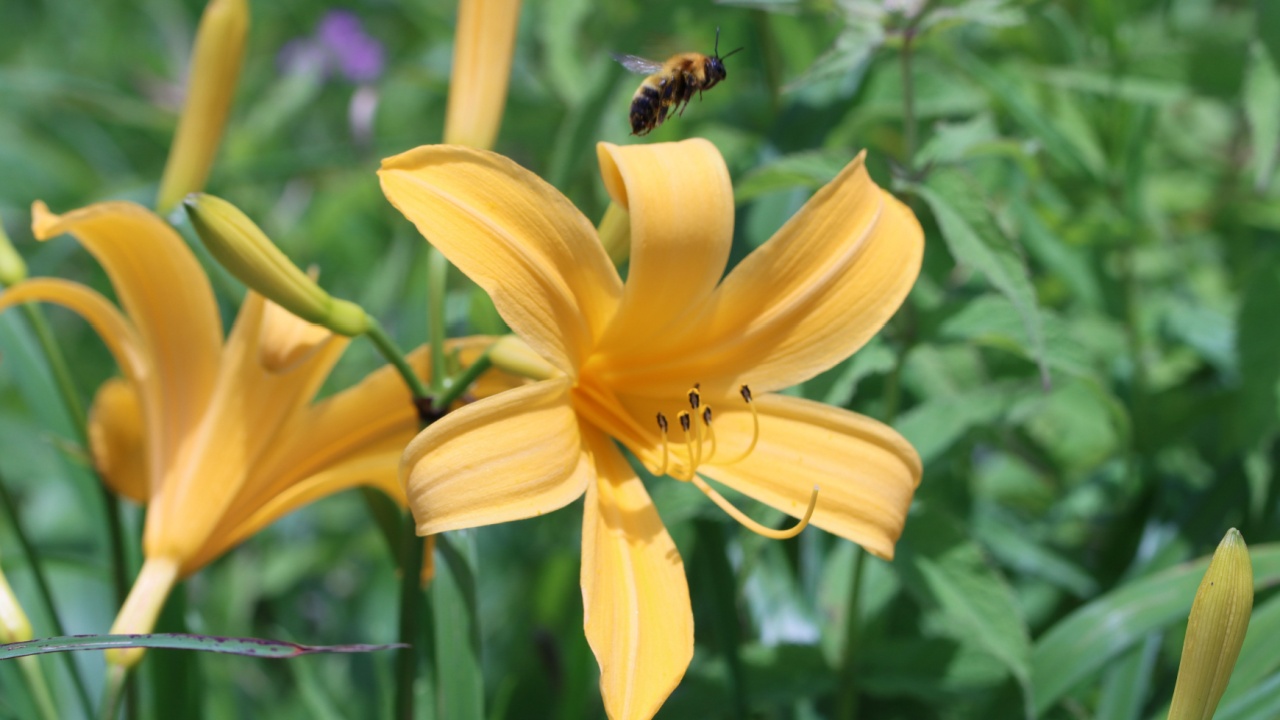
Dwarf Daylilies bring all the charm and resilience of traditional daylilies into a much smaller package. These compact powerhouses produce an abundance of vibrant flowers, often in shades of yellow, orange, and red. While each flower lasts only for a day, the plant produces so many buds on each stalk that you get a continuous show for weeks on end.
They are incredibly adaptable, thriving in a range of conditions from full sun to partial shade and in various soil types. This toughness makes them an excellent choice for beginner gardeners or anyone looking for a reliable, low-effort plant. Use them in borders, mass plantings, or containers for a cheerful splash of color that lasts all summer.
- Best For: Borders, containers, mass plantings.
- Sun Exposure: Full sun to part shade.
- Soil Needs: Adaptable to most soils but prefers well-drained soil.
- Bloom Time: Summer.
- Care Tip: Deadhead spent flowers to keep the plant looking tidy and encourage more blooms.
3. Heuchera (Coral Bells)
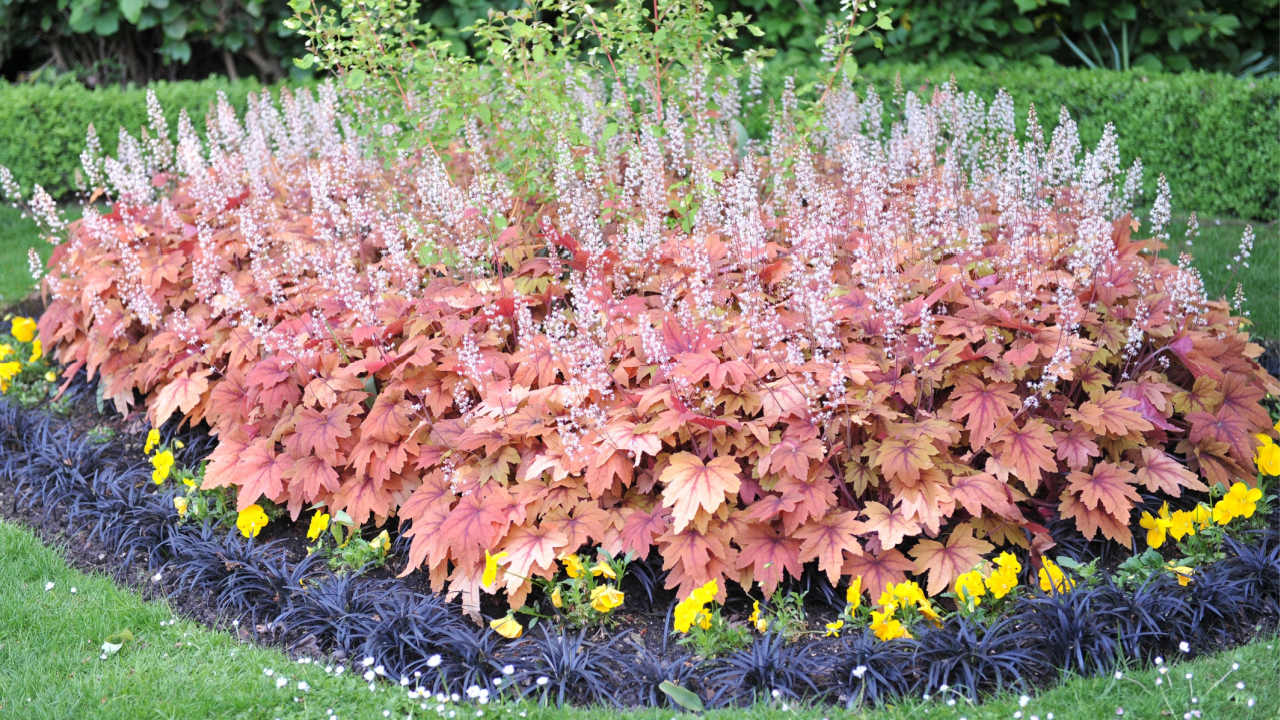
While many plants are grown for their flowers, Heuchera is celebrated for its stunning foliage. Also known as Coral Bells, this perennial offers leaves in an incredible spectrum of colors, including deep burgundy, vibrant lime green, rich purple, and coppery orange. This makes it a fantastic plant for providing year-round interest and contrast in your garden beds.
In late spring or early summer, Heuchera sends up delicate, airy wands of tiny, bell-shaped flowers that attract hummingbirds and bees. It thrives in partial shade, making it perfect for brightening up those less sunny spots in your garden. Plant it in containers or along the front of a border to let its colorful leaves shine.
- Best For: Shady spots, container arrangements, border fronts.
- Sun Exposure: Part shade to full shade (some varieties tolerate more sun).
- Soil Needs: Rich, moist, well-drained soil.
- Bloom Time: Late spring to early summer (flowers); foliage is year-round.
- Care Tip: Divide clumps every 3-4 years in the spring to rejuvenate the plant and create new ones.
4. Lamb’s Ear (Stachys byzantina)
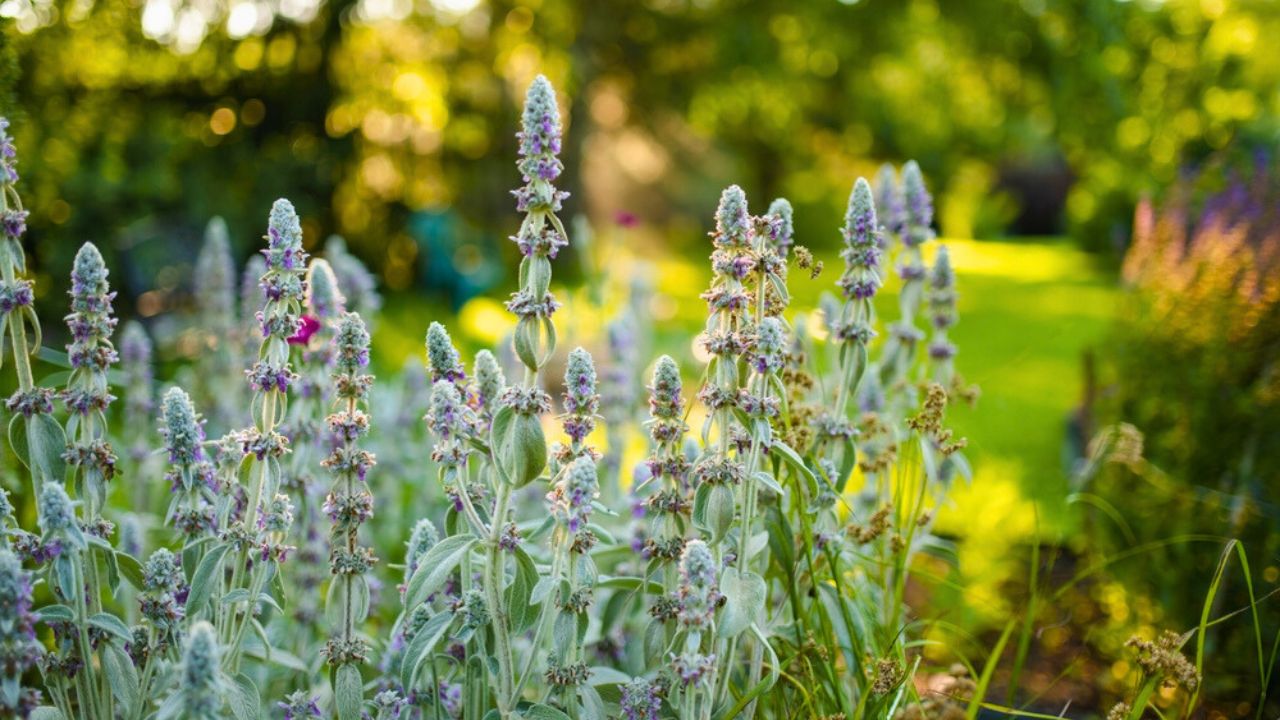
Lamb’s Ear is a plant you can’t help but touch. Its name comes from the thick, fuzzy, silver-gray leaves that feel just like a lamb’s ear. This unique texture makes it a wonderful sensory addition to any garden, especially for children. It forms a low-growing mat of foliage that works beautifully as a soft-textured groundcover or border edging.
This perennial is exceptionally drought-tolerant and loves basking in full sun, making it ideal for hot, dry areas of your garden where other plants might struggle. In summer, it produces spikes of small, purplish-pink flowers. However, many gardeners choose to remove the flower stalks to focus the plant’s energy on producing its lovely foliage.
- Best For: Groundcover, sensory gardens, dry and sunny borders.
- Sun Exposure: Full sun.
- Soil Needs: Well-drained soil; dislikes wet conditions.
- Bloom Time: Summer.
- Care Tip: Remove any soggy or rotting leaves, especially after heavy rain, to improve air circulation and prevent disease.
5. Dianthus (Pinks)
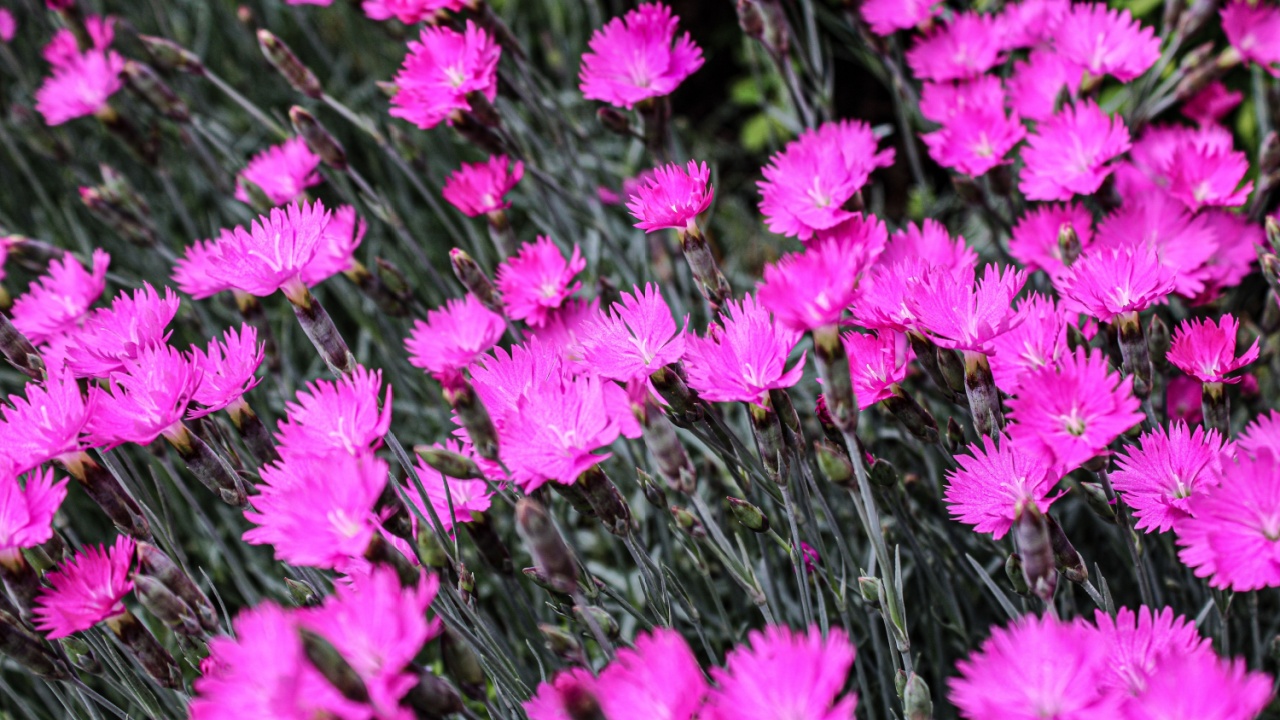
Dianthus, often called “Pinks,” is a classic cottage garden flower prized for its fringed, colorful blooms and delightful, spicy-clove fragrance. Available in shades of pink, red, white, and lavender, these cheerful flowers often have contrasting patterns on their petals. Their compact, mounding habit makes them perfect for the front of borders, rock gardens, and containers.
Most Dianthus varieties bloom profusely from spring into summer, and some will even rebloom if you deadhead them regularly. They require full sun and well-drained soil to perform their best and are relatively drought-tolerant once established. Their charming flowers are also excellent for cutting and bringing indoors.
- Best For: Cottage gardens, containers, path edging.
- Sun Exposure: Full sun.
- Soil Needs: Well-drained, alkaline to neutral soil.
- Bloom Time: Spring to summer.
- Care Tip: Avoid overwatering, as Dianthus is prone to root rot in soggy soil.
6. Hellebore (Lenten Rose)
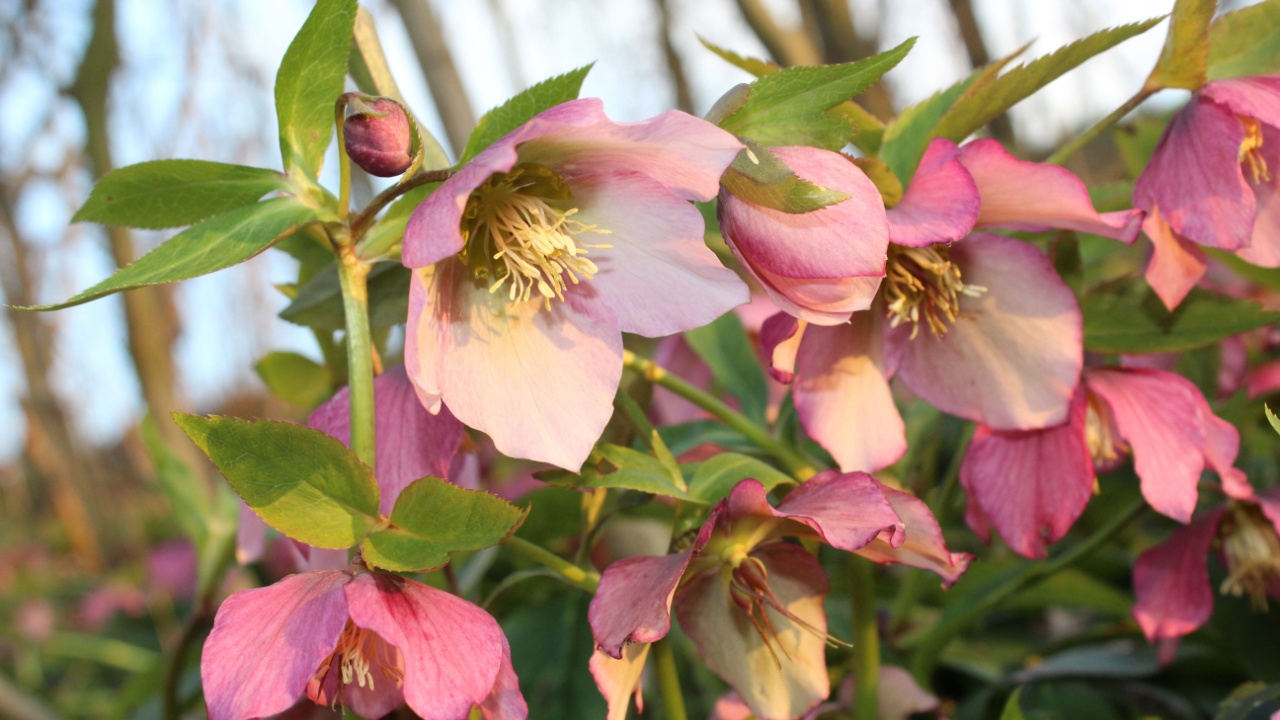
Hellebores are the heroes of the late winter and early spring garden. Often called Lenten Rose or Christmas Rose, these tough perennials produce elegant, nodding flowers when little else is in bloom. Their cup-shaped blossoms appear in shades of white, pink, deep red, and even near-black, often with beautiful speckles inside.
These plants thrive in partial to full shade, making them a perfect choice for woodland gardens or beneath trees and shrubs. Their leathery, evergreen foliage provides interest throughout the year. Hellebores are deer- and rabbit-resistant, long-lived, and require very little maintenance once they’re happy in their spot.
- Best For: Winter interest, shade gardens, woodland settings.
- Sun Exposure: Part shade to full shade.
- Soil Needs: Rich, moist, well-drained soil.
- Bloom Time: Late winter to early spring.
- Care Tip: Cut back the old, tattered foliage in late winter just before the new flowers emerge to put them on full display.
7. Bugleweed (Ajuga reptans)
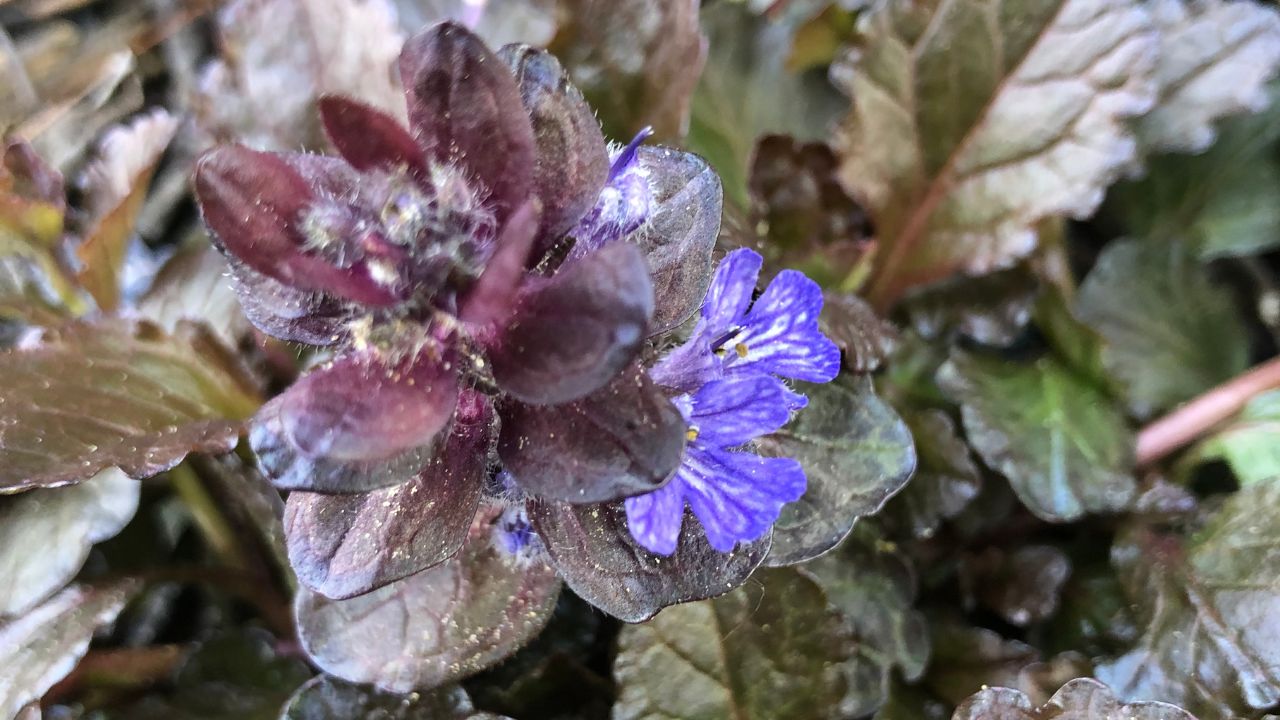
Bugleweed is a vigorous and attractive groundcover that excels in shady to partially shaded areas. It forms a dense mat of glossy leaves, which can be green, bronze, or variegated depending on the variety. In mid-to-late spring, it sends up short spikes of vibrant blue or purple flowers that are a magnet for bees.
This plant is an excellent problem-solver for difficult areas, such as on slopes where it can help control erosion, or in shady spots where grass struggles to grow. It spreads via runners, so be sure to plant it where it has room to roam or where its spread is contained by paths or edgings.
- Best For: Groundcover in shade, erosion control on slopes.
- Sun Exposure: Part shade to full shade.
- Soil Needs: Moist, well-drained soil; tolerates a wide range.
- Bloom Time: Mid to late spring.
- Care Tip: It can be an aggressive spreader. If it moves into unwanted areas, simply pull or dig it out.
8. Thrift (Armeria maritima)
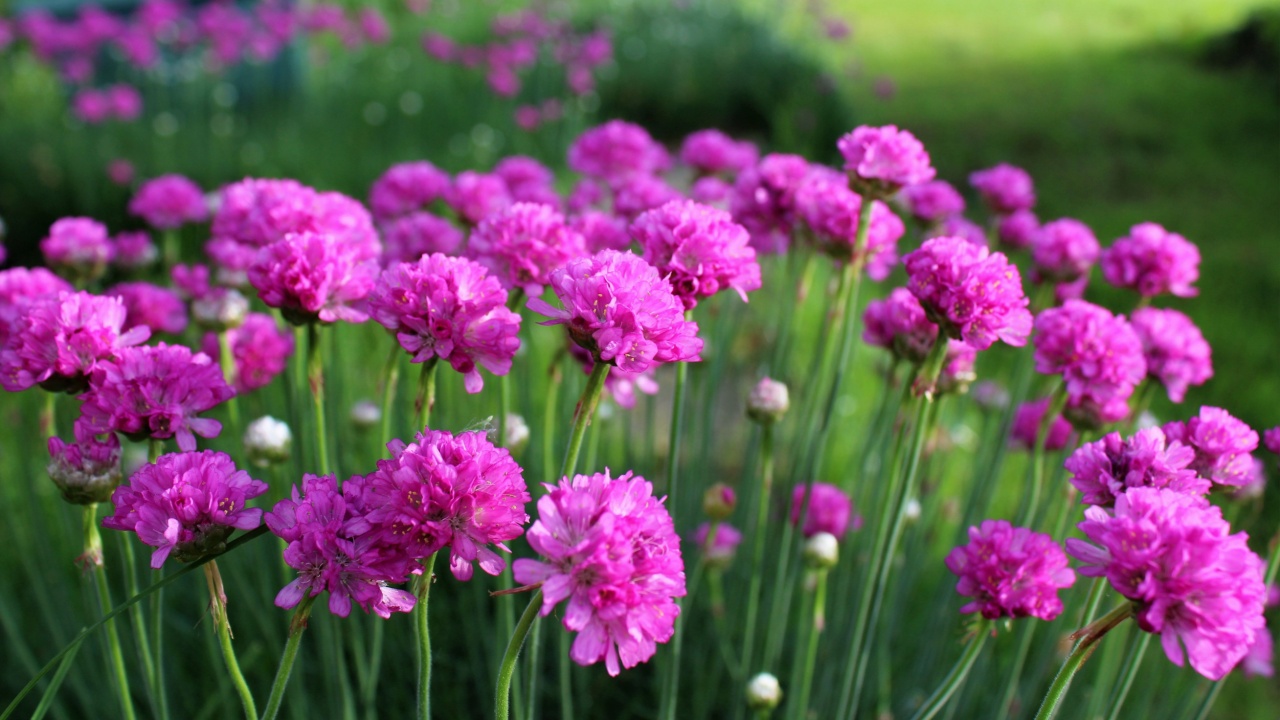
Also known as Sea Pink, Thrift is a charming perennial that forms neat, grassy tufts of foliage. In spring and early summer, it produces adorable, globe-like flower clusters on slender stems in shades of pink, magenta, or white. Its compact, mounding habit makes it a perfect fit for rock gardens, gravel gardens, or the very front of a sunny border.
As its common name suggests, Thrift is incredibly tolerant of salty air and sandy soils, making it a star performer in coastal gardens. It’s a tough little plant that thrives on neglect, preferring full sun and sharp drainage. It’s also drought-tolerant, making it a water-wise choice.
- Best For: Rock gardens, coastal gardens, border fronts.
- Sun Exposure: Full sun.
- Soil Needs: Very well-drained, sandy, or gritty soil.
- Bloom Time: Spring to early summer.
- Care Tip: Deadhead spent flower stems to promote reblooming and keep the plant looking tidy.
9. Rock Cress (Aubrieta)
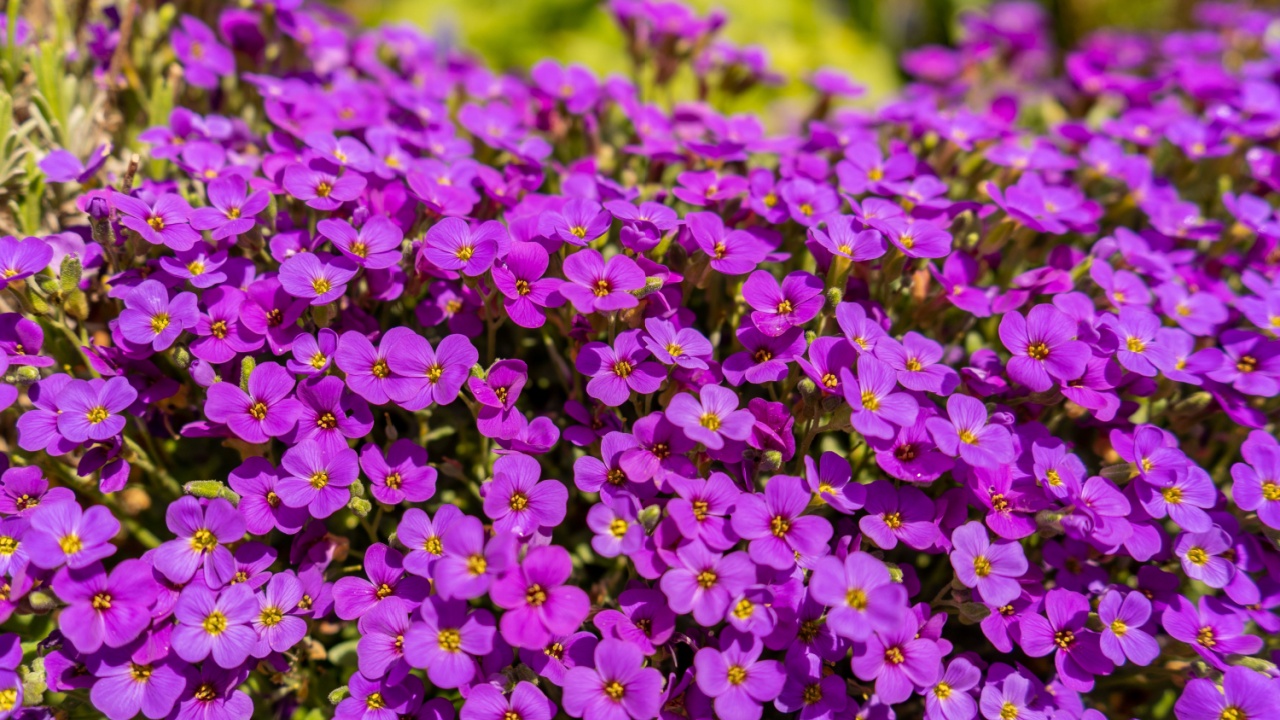
Rock Cress is famous for its breathtaking spring display, where it completely covers itself in tiny, four-petaled flowers. It creates a stunning cascade of purple, pink, or blue blooms, making it a top choice for spilling over rock walls, trailing from containers, or edging a sunny pathway.
This perennial loves the sun and needs excellent drainage to thrive, which is why it’s so at home in rock gardens. Once its spectacular bloom is finished, its gray-green foliage remains as an attractive, low-growing mat. It’s a low-maintenance plant that delivers high impact with its waterfall of color.
- Best For: Rock walls, groundcover, container edges.
- Sun Exposure: Full sun.
- Soil Needs: Well-drained, alkaline soil.
- Bloom Time: Spring.
- Care Tip: Trim the plant back after flowering to maintain a compact shape and encourage healthy new growth.
10. Campanula (Bellflower)
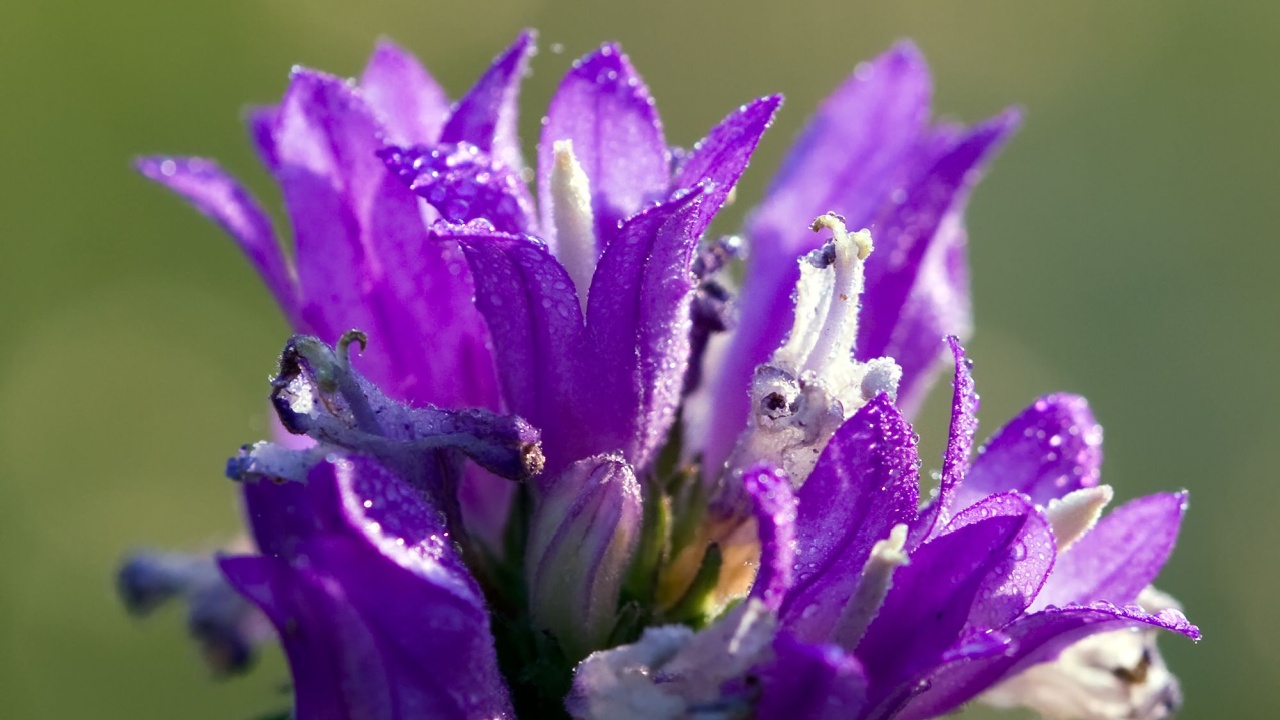
The various dwarf varieties of Campanula, or Bellflower, add a touch of fairytale whimsy to the garden with their charming, bell-shaped flowers. Species like Campanula carpatica form neat mounds of foliage topped with upward-facing blue, purple, or white bells throughout the summer.
These perennials are versatile, performing well in full sun or light shade. They are perfect for rock gardens, filling crevices in walls, or creating a colorful edge for a border. They are generally easy to care for and reliably return each year, with some varieties spreading gently to form larger clumps over time.
- Best For: Rock gardens, border edging, cottage gardens.
- Sun Exposure: Full sun to part shade.
- Soil Needs: Average, well-drained soil.
- Bloom Time: Summer.
- Care Tip: Regular deadheading will prolong the blooming season significantly.
11. Sedum (Stonecrop)
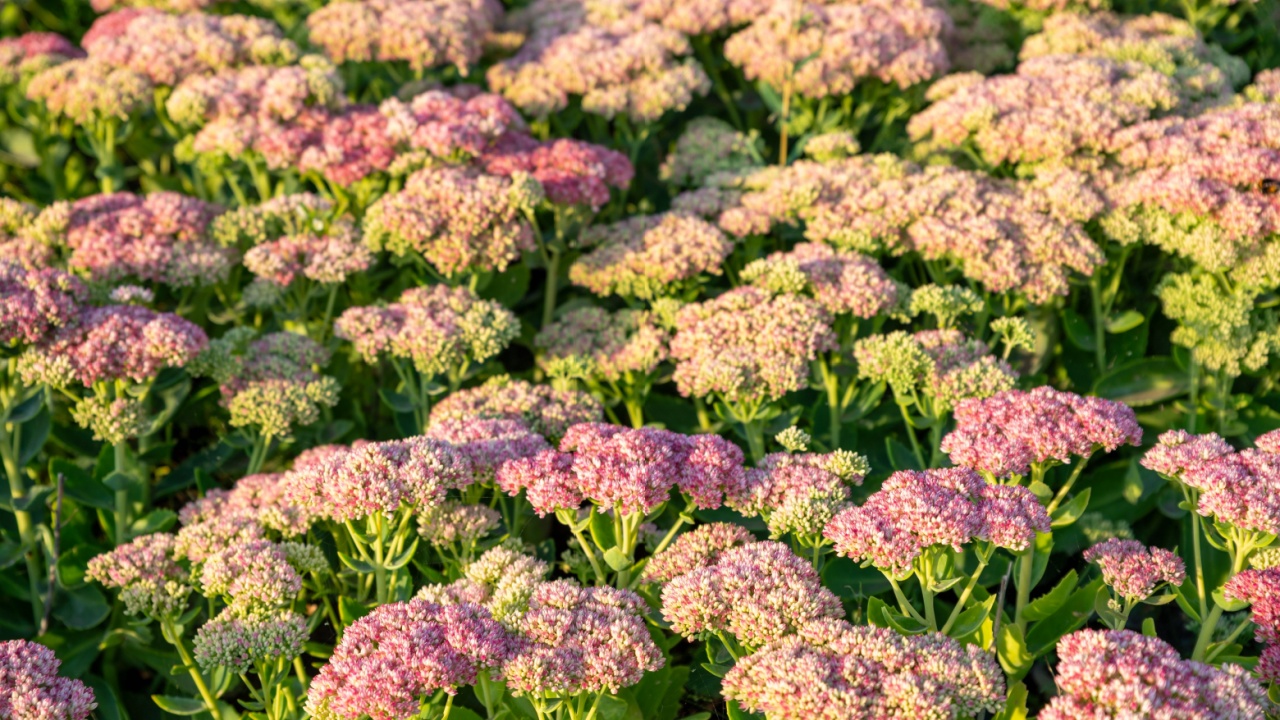
Low-growing Sedums, often called Stonecrops, are some of the toughest plants you can grow. These succulents have fleshy leaves designed to store water, making them incredibly drought-tolerant. They come in a wide array of foliage colors, including blue-green, chartreuse, and deep red, providing texture and color even when not in bloom.
In late summer and fall, they produce clusters of star-shaped flowers that are highly attractive to bees and butterflies, providing a crucial late-season nectar source. They are perfect for hot, sunny spots, rock gardens, gravel paths, or green roofs where little else will survive.
- Best For: Hot and dry spots, rock gardens, containers.
- Sun Exposure: Full sun.
- Soil Needs: Poor to average, very well-drained soil.
- Bloom Time: Late summer to fall.
- Care Tip: Do not overwater or fertilize; these plants thrive on neglect.
12. Tiarella (Foamflower)

Tiarella, or Foamflower, is a delightful native woodland plant perfect for shady gardens. It is cherished for its sprays of frothy, star-shaped white or pinkish flowers that rise above the foliage in spring, looking like foam. The heart-shaped leaves are often attractively marked with deep red or purple veining, providing multi-season interest.
This perennial forms clumps and can spread by runners to create a lovely groundcover in moist, shaded areas. It’s a wonderful companion for Hostas, Ferns, and Heucheras, helping to create a lush, textured look in your shade garden.
- Best For: Shade gardens, woodland plantings, groundcover.
- Sun Exposure: Part shade to full shade.
- Soil Needs: Moist, rich, well-drained soil.
- Bloom Time: Spring.
- Care Tip: Prefers consistently moist soil, so don’t let it dry out completely, especially in warmer weather.
13. Liriope (Lilyturf)
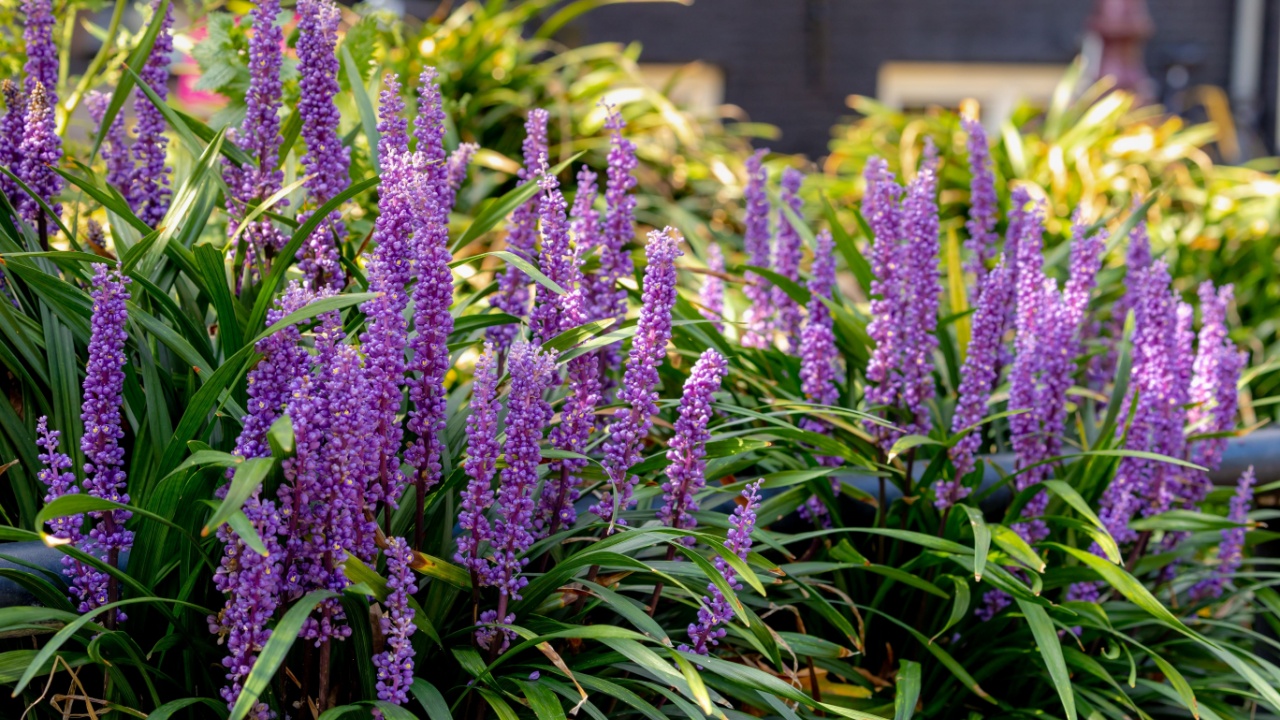
Liriope is a tough, grass-like perennial valued for its reliability and versatility. It forms dense clumps of dark green or variegated foliage that remains evergreen in many climates. In late summer, it produces spikes of small purple or white flowers, which are often followed by dark, berry-like fruits.
It is an excellent choice for creating a formal border, lining a walkway, or as a groundcover under trees where other plants might fail. Liriope is tolerant of a wide range of conditions, including drought, shade, and sun, making it a true workhorse in the garden.
- Best For: Edging, groundcover, mass plantings.
- Sun Exposure: Full sun to full shade.
- Soil Needs: Adaptable to most soils but prefers well-drained soil.
- Bloom Time: Late summer.
- Care Tip: For a tidy appearance, you can mow or cut back the foliage in late winter before new growth begins.
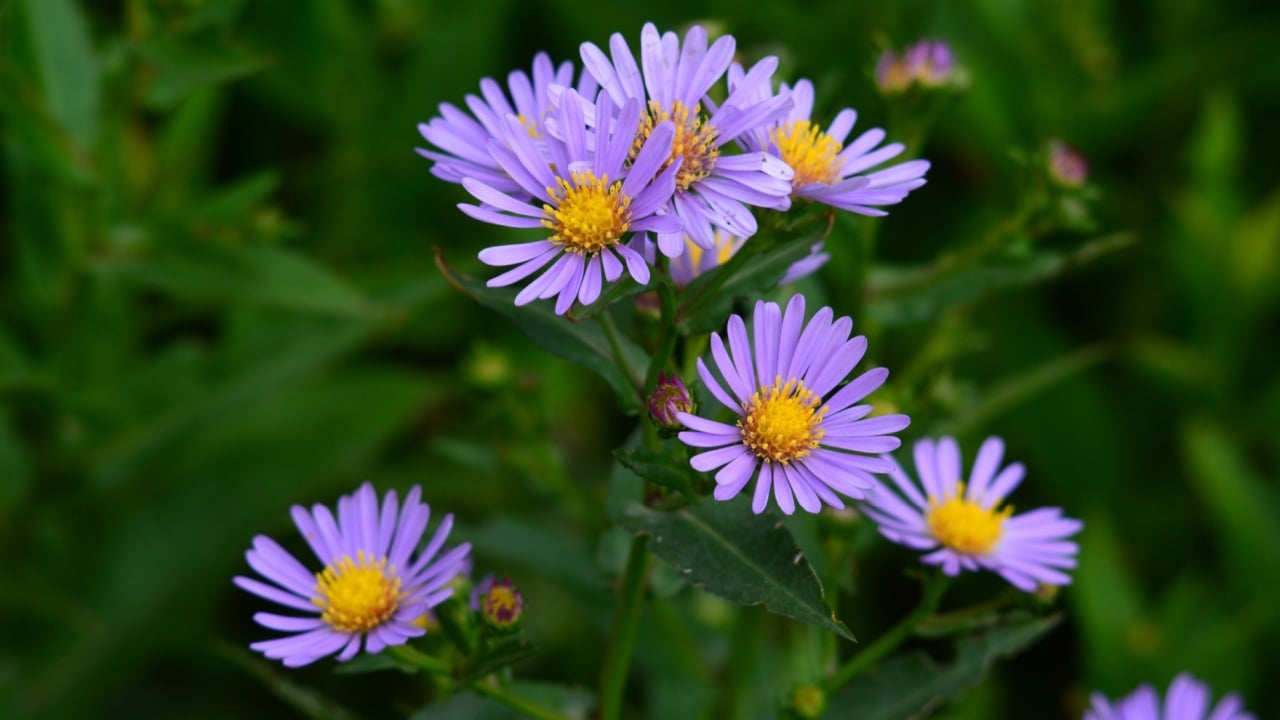
14. Alpine Aster
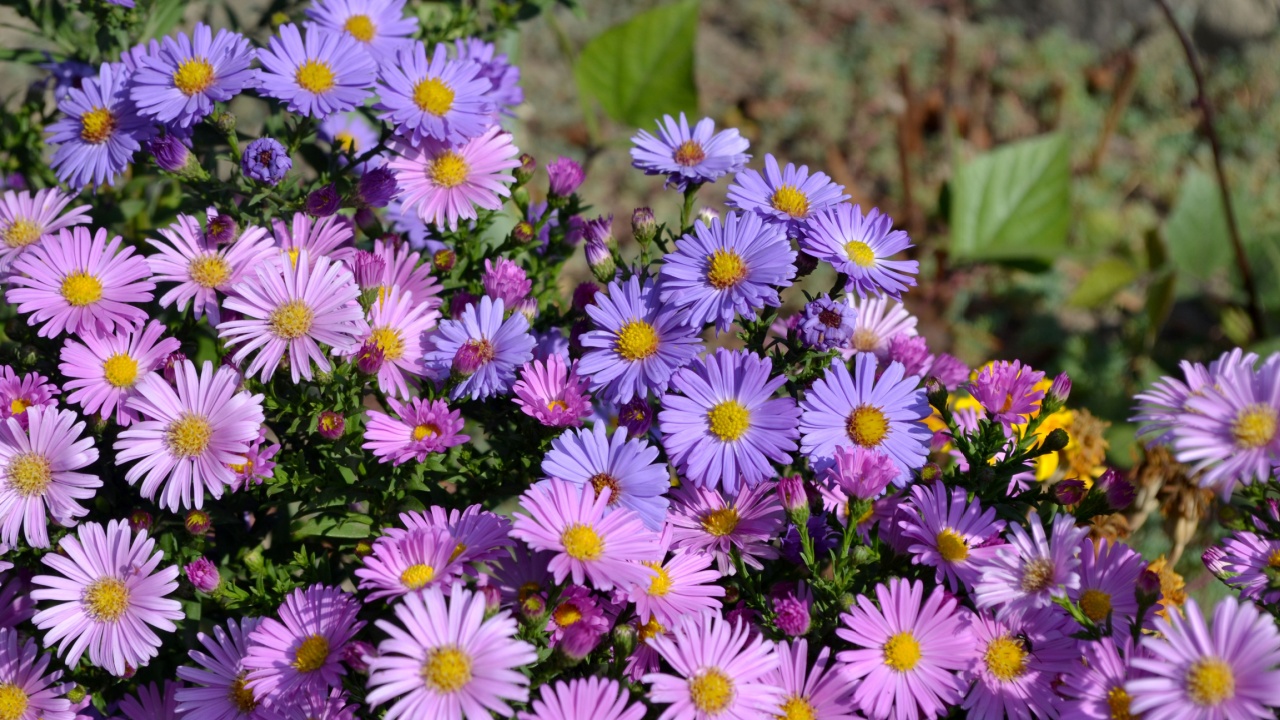
Unlike their tall, fall-blooming cousins, Alpine Asters are compact plants that flower in late spring and early summer. They form low mounds of foliage and produce cheerful, daisy-like flowers with bright yellow centers and petals in shades of purple, blue, pink, or white.
These asters are perfectly suited for rock gardens, troughs, or the front of a sunny border. They need excellent drainage and plenty of sun to mimic their native alpine habitat. They are a wonderful way to enjoy the classic beauty of asters in a small-space garden.
- Best For: Rock gardens, containers, sunny borders.
- Sun Exposure: Full sun.
- Soil Needs: Well-drained, gravelly soil.
- Bloom Time: Late spring to early summer.
- Care Tip: Divide every few years to maintain vigor.
15. Hosta (Miniature Varieties)
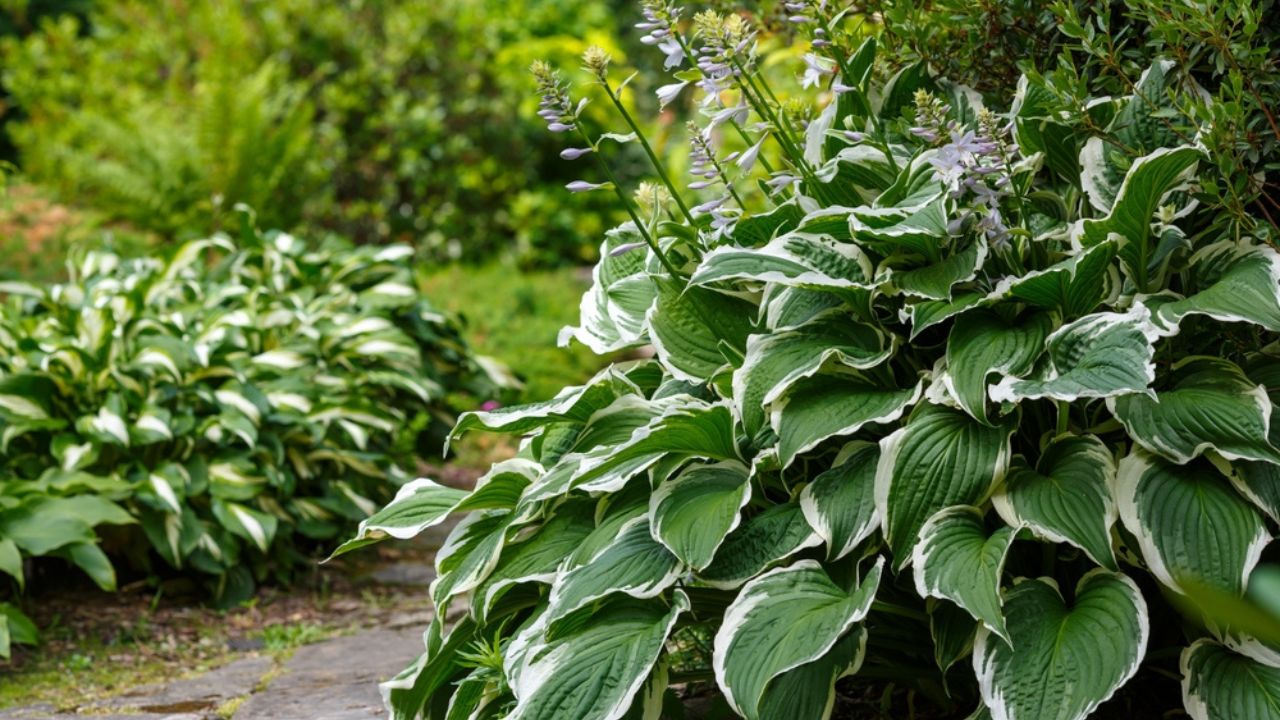
While many people think of Hostas as large foliage plants, there are hundreds of miniature varieties perfect for small gardens. These tiny treasures have all the leaf color, texture, and variegation of their larger relatives but grow in neat little clumps, some only a few inches tall and wide.
Miniature Hostas are perfect for shady rock gardens, troughs, fairy gardens, or as an edging for a shady path. Like their larger counterparts, they thrive in shade and moist soil and produce spikes of lavender or white flowers in the summer. They are a great way to add sophisticated foliage interest to the tiniest of spaces.
- Best For: Shade containers, fairy gardens, troughs, shady rock gardens.
- Sun Exposure: Part shade to full shade.
- Soil Needs: Moist, rich, well-drained soil.
- Bloom Time: Summer.
- Care Tip: Protect them from slugs and snails, which love to munch on Hosta leaves.
A Thriving Small Garden
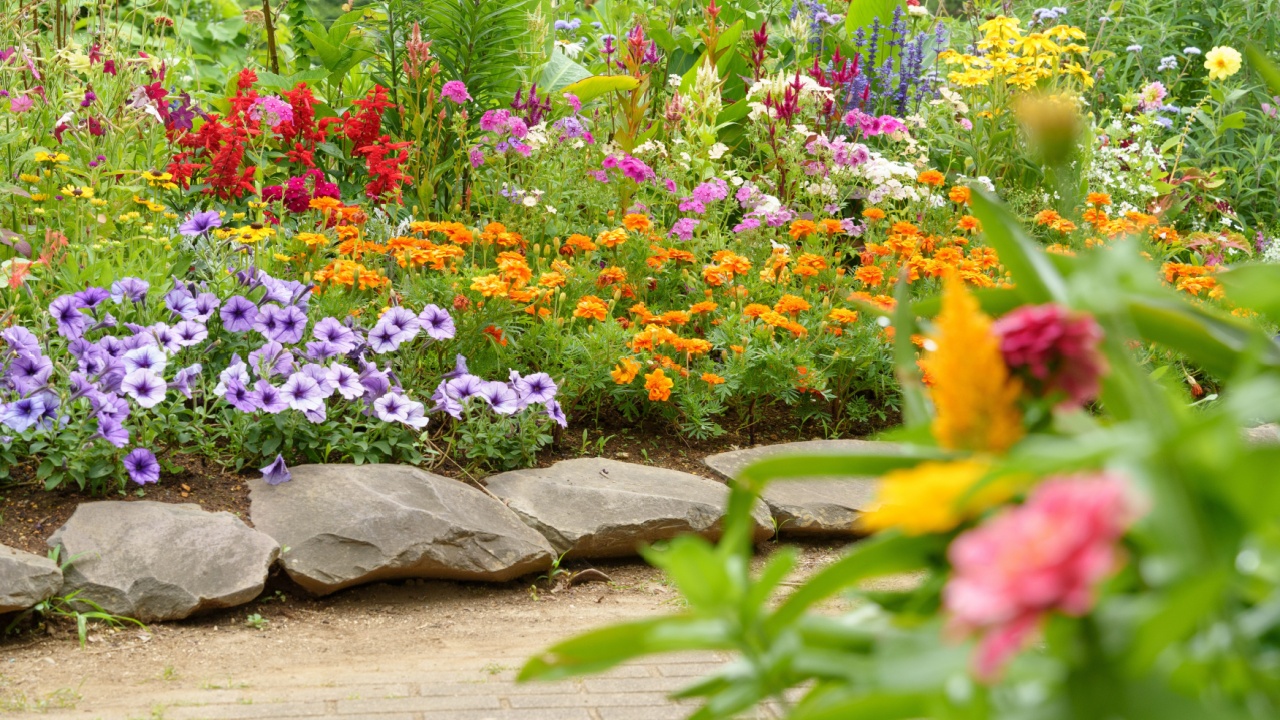
Feeling inspired? Turning that inspiration into a beautiful garden is the best part. Here’s how you can get started:
- Assess Your Space: Before you buy anything, take a close look at your garden area. How much sun does it get throughout the day? Is the soil wet or dry? Knowing your conditions is the key to choosing plants that will thrive.
- Make a Plan: Sketch out a simple design. Think about combining plants with different colors, textures, and bloom times to create interest throughout the year. Place slightly taller plants (like Dwarf Daylilies) at the back and low-growing groundcovers (like Creeping Phlox) at the front.
- Find Your Plants: Visit your local nursery or browse online perennial specialists. Look for healthy-looking plants and don’t be afraid to ask for advice. The varieties listed here are popular and should be widely available.
- Plant and Maintain: Prepare your soil, plant your new perennials, and give them a good watering. Remember to follow the specific care tips for each plant. A little attention, especially in the first year, will set your small garden up for long-term success.
With these short perennials, you can create a garden that is big on beauty, even if it’s small in size.
Read more:
Plant These 12 Perennials This Spring for a Summer Garden Packed With Color
8 Toughest Blooming Perennials That Make Gardening a Breeze