11 Perennials to Never Cut Back During Fall Cleanup
Fall is here! And many gardeners feel the urge to tidy up their yards for the winter. The fall cleanup ritual often involves cutting back spent perennials so next spring is a fresh start. But what if we told you that stepping away from the pruning shears could be one of the best things you do for your garden? Leaving certain perennials standing through the colder months provides crucial shelter and food for local wildlife, supports your garden’s ecosystem, and often leads to stronger, healthier plants in the spring.
Resisting the urge to cut everything back creates a winter wonderland that’s not only beautiful but also functional. The skeletal remains of flowers and grasses add texture and interest to the snowy landscape, while their seed heads become a natural bird feeder. The standing foliage also protects the plant’s crown from harsh winter winds and fluctuating temperatures.
This guide will walk you through 11 perennials you should leave standing this fall, explaining how this simple act of “less-is-more” gardening can yield incredible benefits.
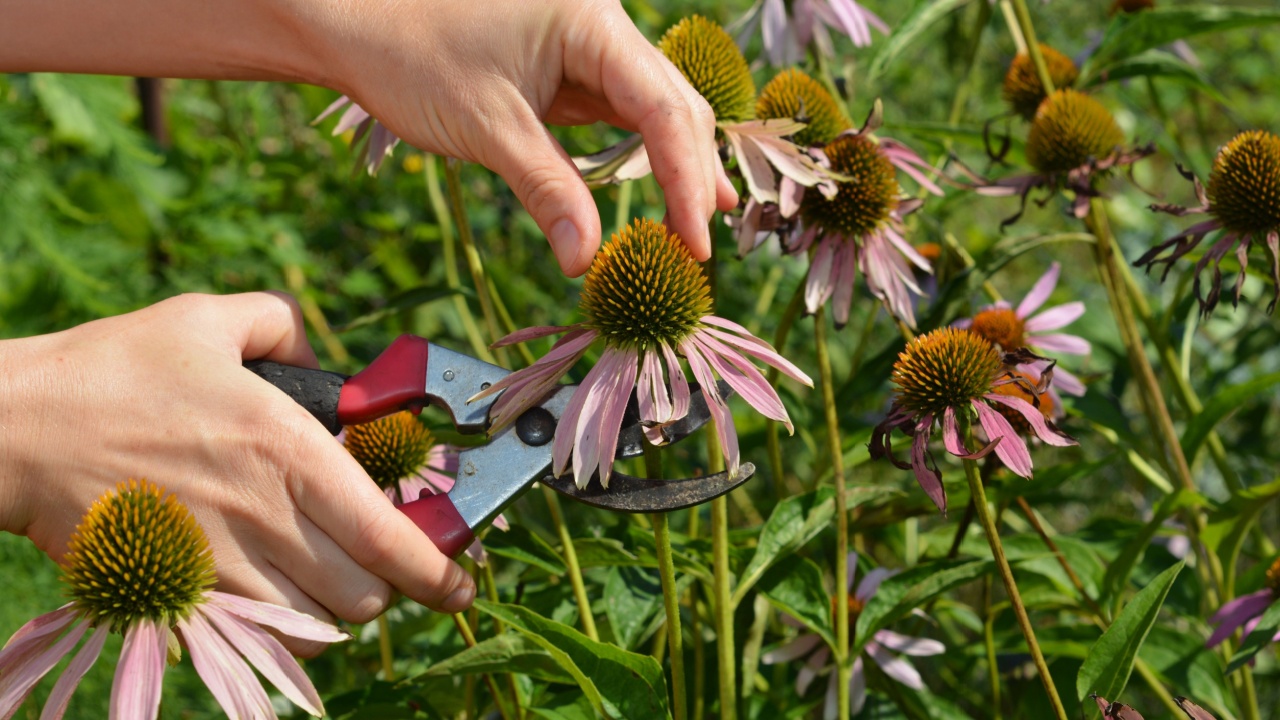
1. Coneflowers (Echinacea)
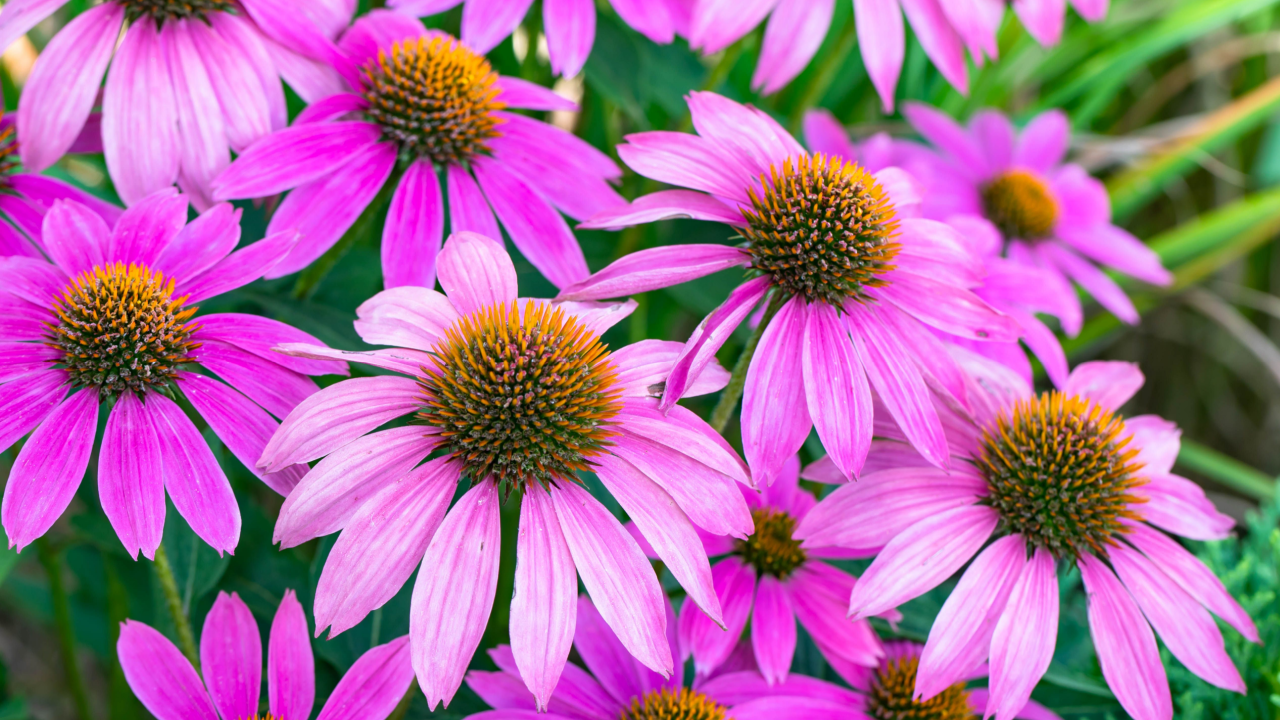
Coneflowers are a garden favorite for their daisy-like blooms, and their value extends long after the petals have dropped. Leaving them standing through winter offers a vital food source for birds. Goldfinches and other small birds cling to the stalks and feast on the nutrient-rich seeds in the iconic cone-shaped centers.
Beyond feeding the birds, the sturdy stems and seed heads create visual interest in the winter garden, looking particularly striking when dusted with snow. The remaining foliage also provides a bit of natural mulch and protection for the plant’s crown, helping it withstand the cold.
Quick Care Guide:
- Why Leave It: Provides a natural winter food source for birds like goldfinches.
- Winter Look: Adds structural height and texture to the garden.
- Spring Cleanup: In late winter or early spring, before new growth appears, cut the old stems back to the base of the plant.
2. Lilacs
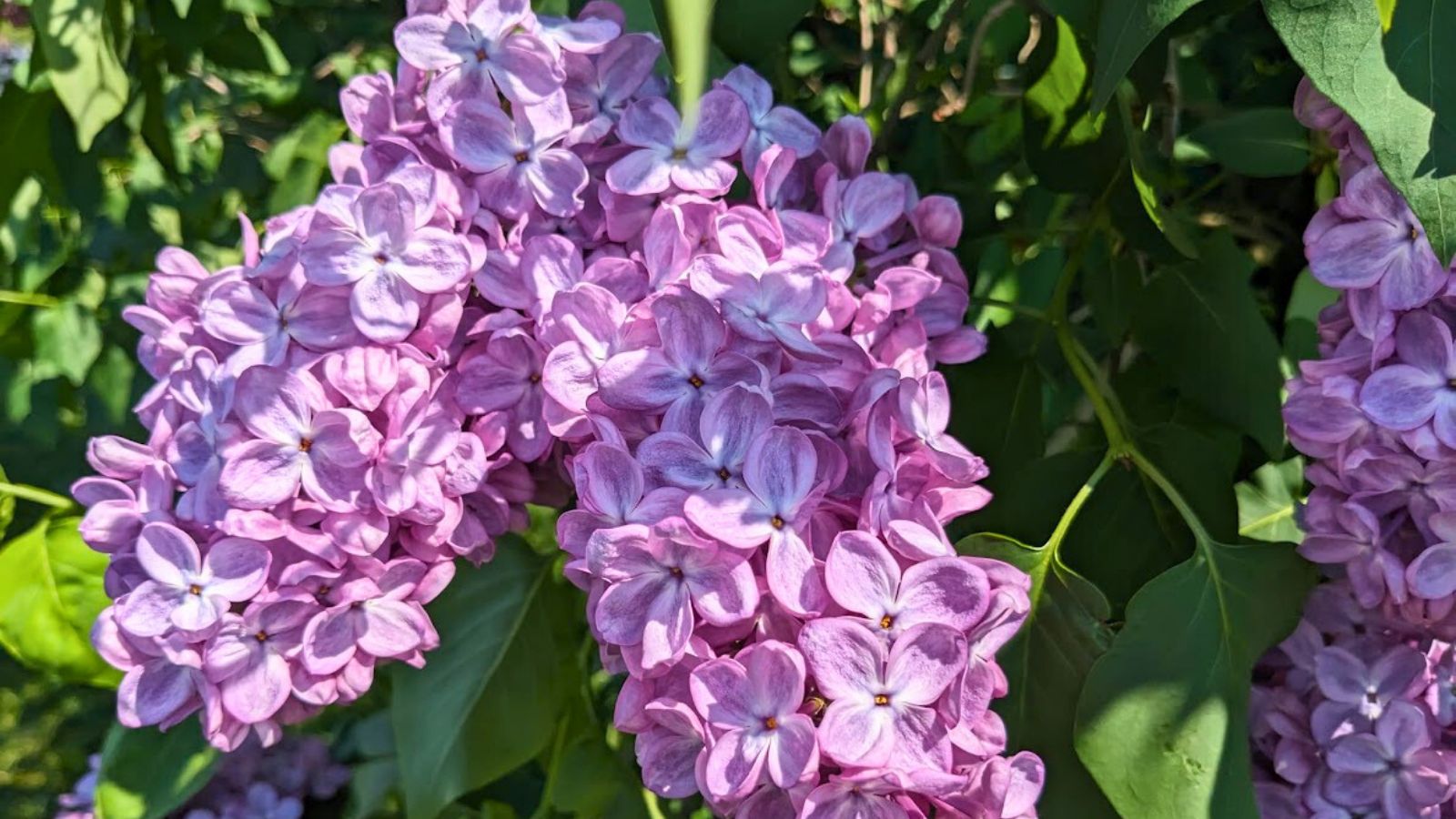
If you want a stunning display of fragrant lilac blooms in the spring, put down your pruners in the fall. Lilacs form their flower buds for the following year on “old wood,” which is the growth from the current season.
Cutting back lilacs during your fall cleanup means you are removing next year’s flowers. Any necessary pruning to shape the shrub or remove dead wood should be done immediately after it finishes blooming in late spring. This gives the plant plenty of time to produce the new growth that will carry the buds for the next flowering season.
Quick Care Guide:
- Why Leave It: Flower buds for next spring form on this year’s growth. Fall pruning will eliminate blooms.
- When to Prune: Only prune right after the plant has finished flowering in the spring.
- Spring Cleanup: No cleanup is needed in the spring unless you spot broken or dead branches.
3. Ornamental Grasses
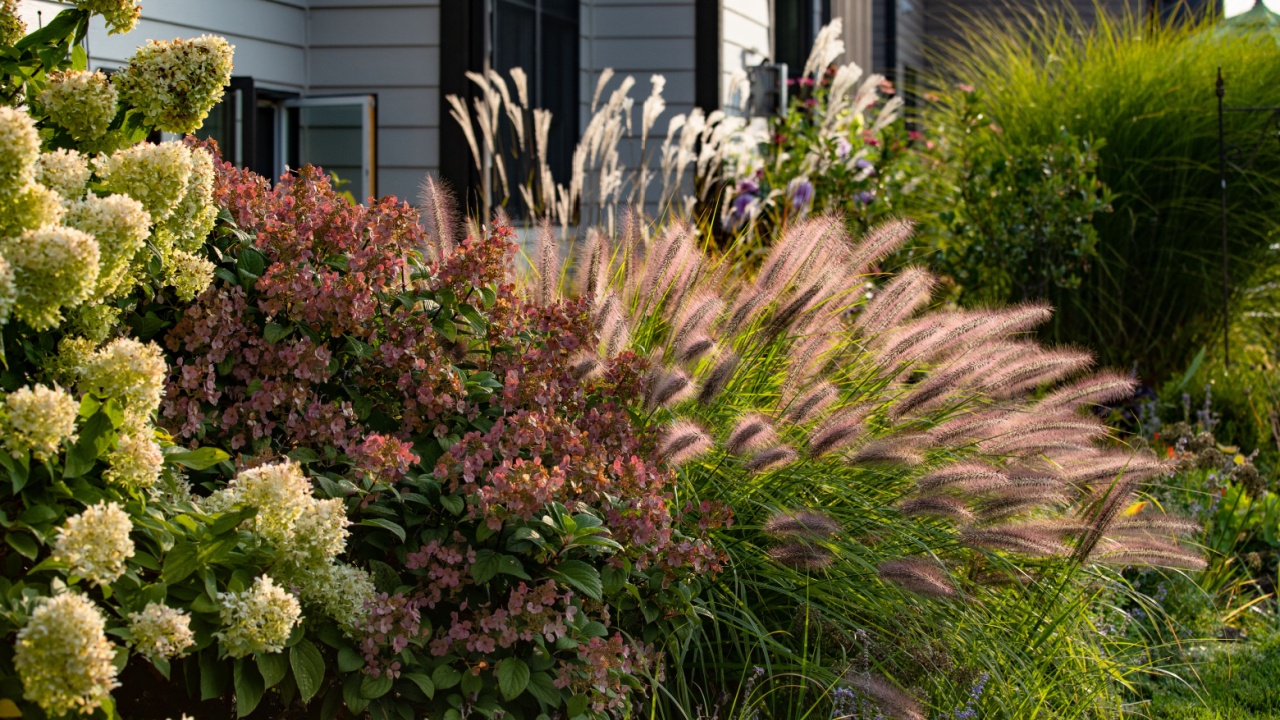
Ornamental grasses are stars of the winter garden. Their graceful plumes and foliage catch the light and sway beautifully in the wind, providing much-needed movement and structure. Varieties like Switchgrass, Little Bluestem, and Fountain Grass look magnificent when tipped with frost or snow.
These grasses also serve a critical ecological purpose. The dense clumps provide excellent shelter for beneficial insects, small mammals, and even birds to overwinter safely. Cutting them back too early, especially too short, can expose the crown to rot from winter moisture, potentially killing the plant.
Quick Care Guide:
- Why Leave It: Offers essential winter shelter for wildlife and creates stunning visual interest.
- Winter Look: Adds texture, height, and movement to the landscape.
- Spring Cleanup: Cut back to a few inches from the ground in late winter or early spring to make way for new shoots.
4. Hydrangeas
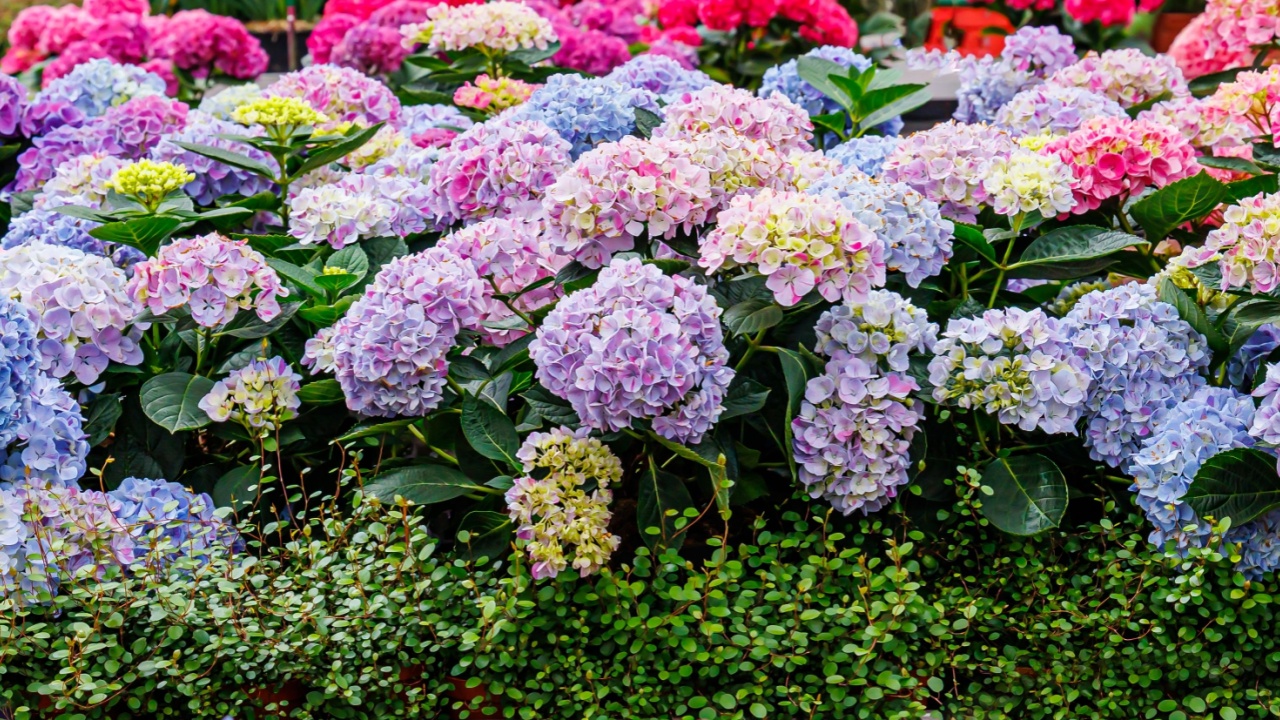
Many popular hydrangea varieties, especially the bigleaf types (Hydrangea macrophylla), bloom on old wood. Similar to lilacs, pruning them in the fall means you’ll be cutting off the flower buds that have already formed for next summer.
Even for hydrangeas that bloom on new wood, like the ‘Annabelle’ variety, the dried flower heads provide a lovely, rustic look throughout the winter. They also offer some protection to the new buds forming further down the stems. The best approach is to identify your specific hydrangea type, but when in doubt, it’s safest to wait until spring to prune.
Quick Care Guide:
- Why Leave It: Many varieties set flower buds on old wood; fall pruning removes next year’s blooms.
- Winter Look: Dried flower heads add a delicate, papery texture.
- Spring Cleanup: Wait until you see new green buds emerging in spring. Then, prune out any dead wood just above the highest living bud.
5. Azaleas
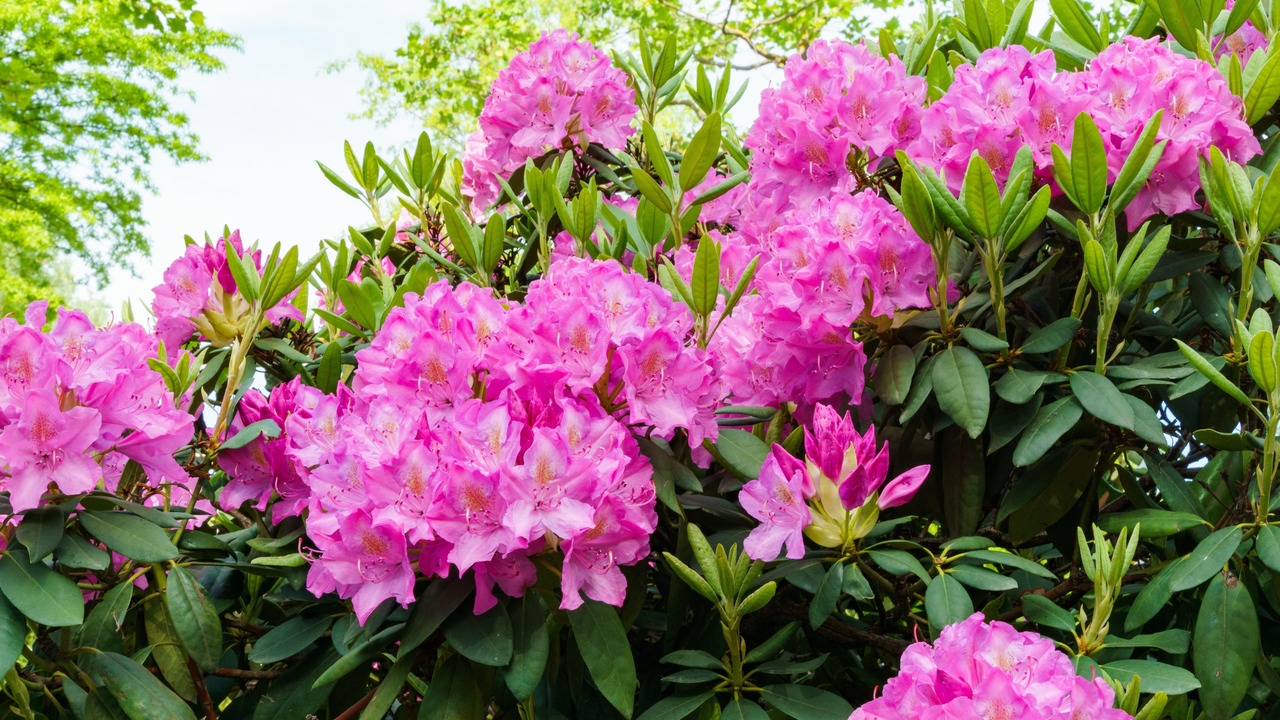
Azaleas are another shrub that flowers on old wood. Their vibrant spring display depends entirely on the buds they set during the previous summer and fall. A fall trim will guarantee a severe lack of flowers come springtime.
The plant’s energy is stored in its existing stems and leaves to survive the winter and fuel its spring bloom. Avoid the temptation to tidy them up. The only time to prune azaleas is within a few weeks after they finish flowering. This ensures you aren’t sacrificing the next season’s floral show.
Quick Care Guide:
- Why Leave It: You will cut off the flower buds that will open in the spring.
- When to Prune: Lightly shape the plant within three weeks after it finishes blooming.
- Spring Cleanup: Minimal cleanup needed. Only remove branches that are clearly dead or damaged.
6. Hellebores (Lenten Rose)
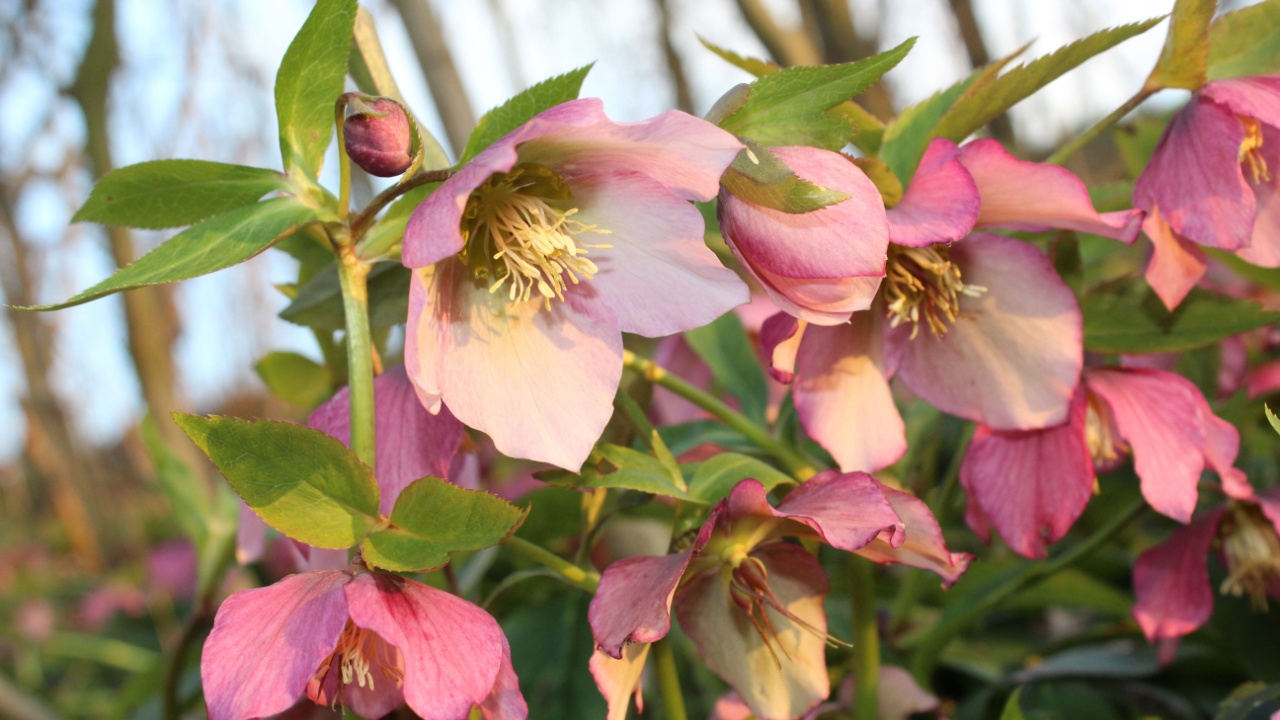
Hellebores are evergreen perennials, meaning their leaves often remain green and functional throughout the winter. These leaves are vital, as they photosynthesize on sunny winter days and protect the delicate flower buds forming at the plant’s base. The plant reabsorbs energy from the old leaves to fuel its new growth.
Cutting back the foliage in the fall would rob the plant of this energy source and expose the emerging buds to harsh conditions. Wait until you see new leaves and flower stalks begin to emerge in late winter or early spring. At that point, you can trim away the old, tattered-looking leaves to make the new blooms the star of the show.
Quick care guide:
- Why Leave It: The evergreen leaves provide energy and protect developing flower buds.
- Winter Look: The dark green foliage provides color even in the coldest months.
- Spring Cleanup: Trim off last year’s weathered leaves as new flowers and foliage appear.
7. Poppies

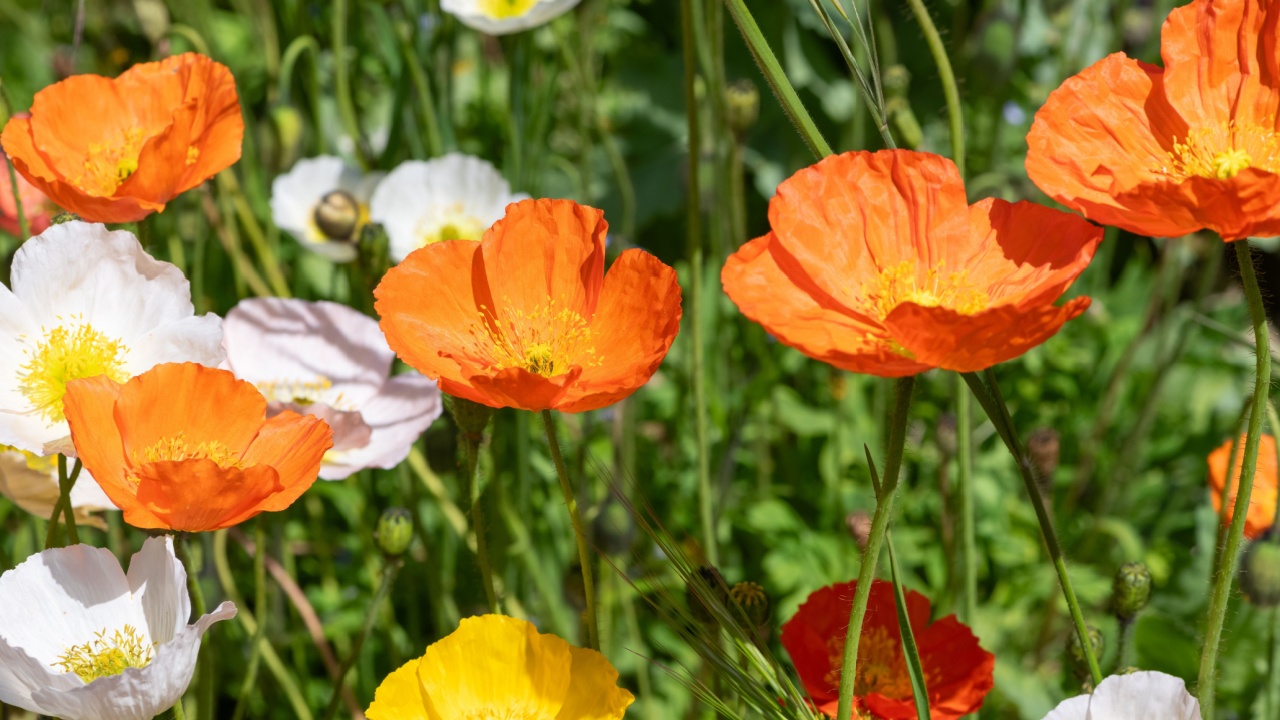
While poppies can be cut back, there’s little need to. Their unique and decorative seed pods add a fascinating architectural element to the winter garden. Many gardeners find them just as beautiful as the flowers themselves.
Leaving them in place also allows them to self-seed gently around the garden, which can be a welcome bonus for filling in sparse areas. If you are worried about them spreading too aggressively, you can easily remove some seed heads, but leaving a few provides beauty and the promise of new plants next year. The dried stalks are typically easy to pull out in the spring once new growth emerges.
Quick Care Guide:
- Why Leave It: The dried seed pods are highly decorative and allow for gentle self-seeding.
- Winter Look: Adds quirky, structural shapes to the garden bed.
- Spring Cleanup: The old stalks pull out easily once the new rosette of leaves appears at the base.
8. Daffodils
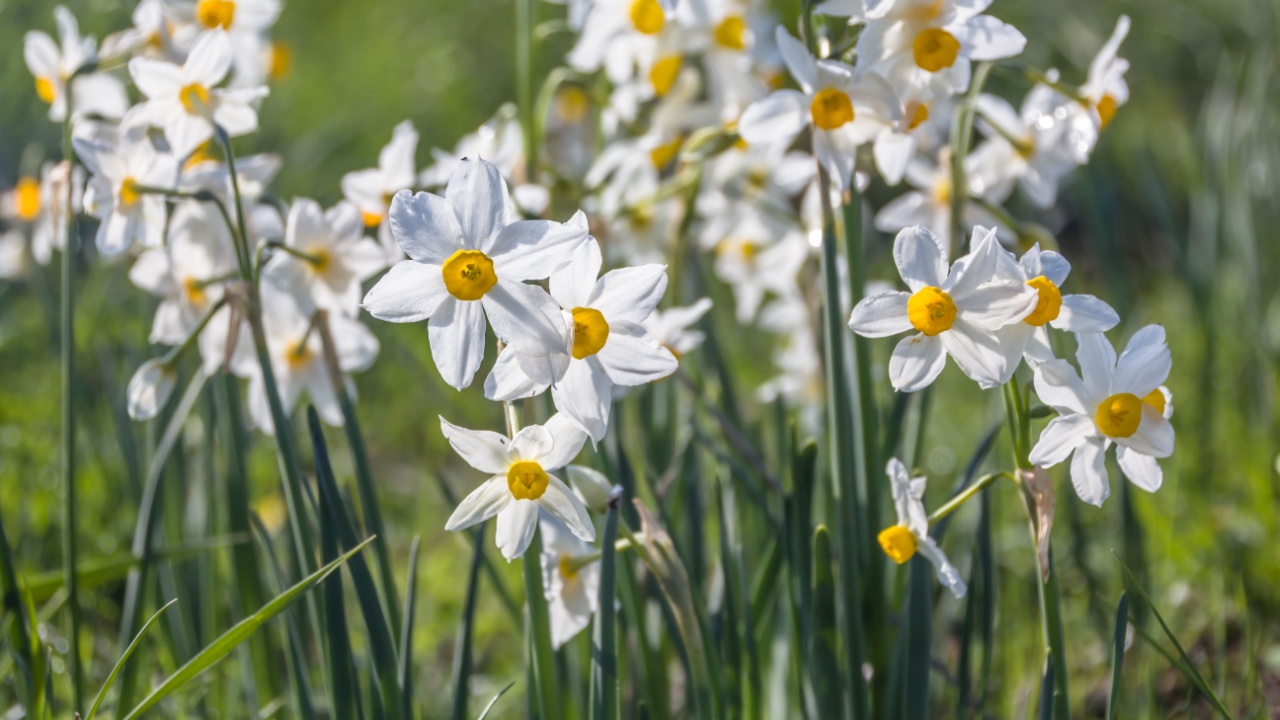
After daffodils bloom, the foliage should be left to die back naturally. This is a critical period when the leaves are busy photosynthesizing and sending energy down to the bulb. This energy is stored to fuel next year’s growth and flowers.
If you cut the leaves back while they are still green, the bulb will be severely weakened and may not bloom the following year. Wait until the foliage turns completely yellow or brown. At that point, it has done its job. You can then cut it back or gently rake it away.
Quick Care Guide:
- Why Leave It: Green leaves are storing energy in the bulb for next year’s flowers.
- When to Prune: Only remove foliage after it has turned completely yellow or brown.
- Spring Cleanup: No cleanup is needed if the foliage was left to decompose over winter.
9. Coral Bells (Heuchera)
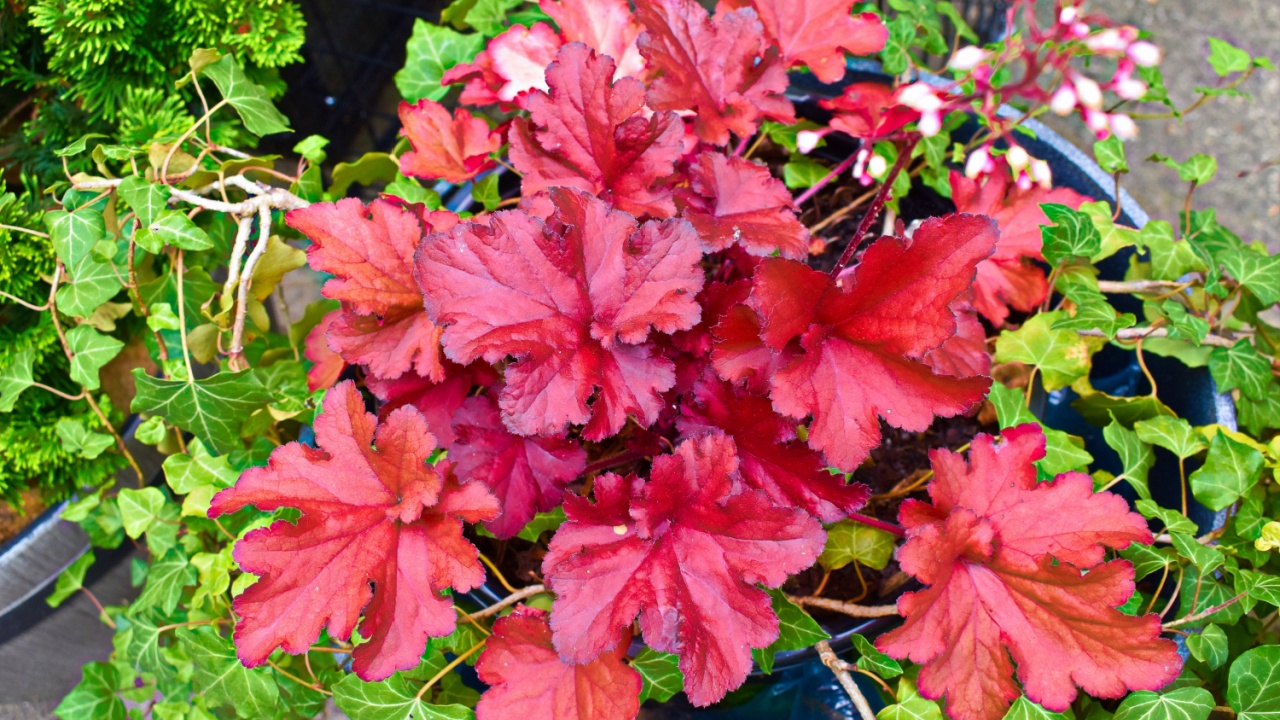
Coral Bells are considered semi-evergreen, meaning their colorful foliage often persists through the winter, especially in milder climates. These leaves provide a welcome splash of color from deep purples and burgundies to bright chartreuse—when most of the garden is dormant.
The mound of old foliage also acts as a natural protective blanket for the plant’s crown, shielding it from the damaging effects of freeze-thaw cycles. In the spring, you can simply tidy up any tattered or dead leaves to freshen up its appearance as new growth starts to push through.
Quick Care Guide:
- Why Leave It: The semi-evergreen leaves provide winter color and protect the plant’s crown.
- Winter Look: Offers mounds of rich color that stand out against snow.
- Spring Cleanup: In early spring, gently remove any winter-damaged leaves by hand.
10. Deciduous Shrubs
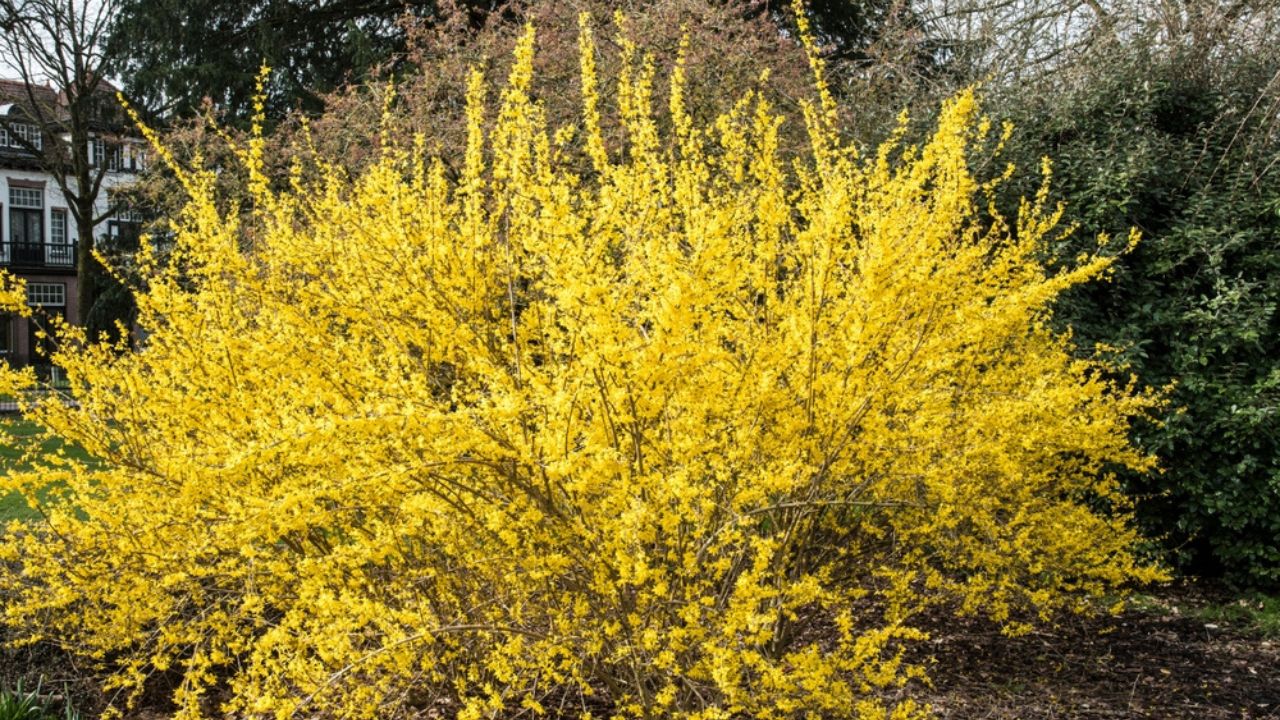
This is a general rule for many woody plants in your garden, such as forsythia, weigela, and ninebark. While not a perennial in the herbaceous sense, it’s a critical fall “hands-off” tip. Heavy fall pruning can stimulate new, tender growth that won’t have time to harden off before the first hard frost, leading to winter damage.
Major pruning stresses a shrub, making it more vulnerable to disease and dieback during the harsh winter months. A good rule of thumb is to never remove more than one-third of a deciduous shrub’s mass in any given season. Most structural pruning is best done in late winter when the plant is fully dormant.
Quick Care Guide:
- Why Leave It: Fall pruning can encourage weak new growth and increase stress and disease risk.
- When to Prune: Perform major pruning in late winter or early spring while the shrub is dormant.
- Spring Cleanup: Remove any branches that are broken, dead, or crossing.
11. Cardinal Flower (Lobelia cardinalis)
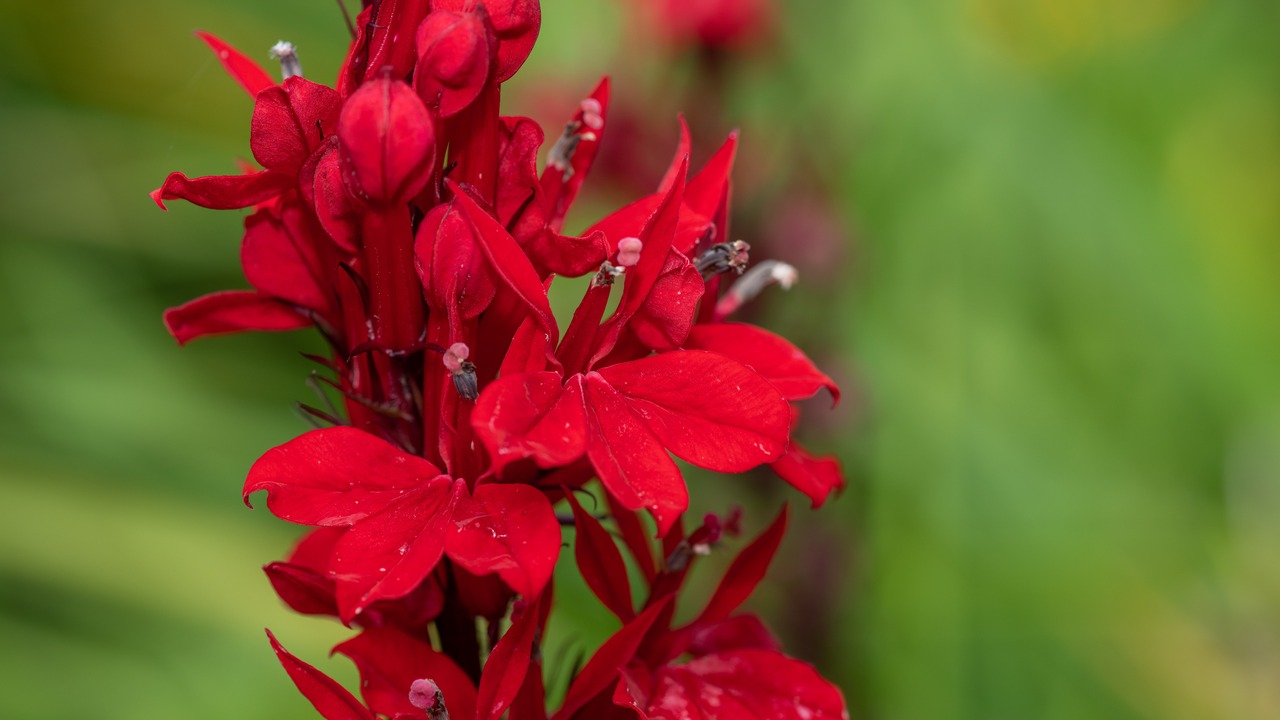
The Cardinal Flower is a short-lived perennial that often relies on self-seeding to maintain its presence in the garden. The flower stalks are topped with seed capsules that will drop seeds throughout the fall and winter, ensuring new plants will pop up nearby next season.
By cutting back the stalks in the fall, you remove its only way of reproducing for the following year. Leaving them standing guarantees a future for this brilliant, hummingbird-attracting plant in your garden. The standing stalks also help trap leaves, which provides natural insulation for the basal foliage at the plant’s base.
Quick Care Guide:
- Why Leave It: Allows the plant to self-seed, ensuring its return next year.
- Winter Look: Tall, slender stalks add vertical interest.
- Spring Cleanup: Old stalks can be removed in spring once you see new green growth at the base.
Embrace a Healthier, Wilder Garden
By putting down the pruners this fall, you’re not being lazy, you’re being a smart and compassionate gardener. You are creating a garden that is more resilient, visually interesting, and alive with activity throughout the coldest months. Your next steps are simple:
- Walk Your Garden: Take a tour of your yard and identify the plants mentioned here. Make a conscious decision to let them be.
- Focus on Essential Tasks: Instead of cutting back, focus on other fall chores like mulching your beds with shredded leaves, watering your evergreens one last time before the ground freezes, and cleaning and storing your tools.
- Observe and Enjoy: Watch as birds visit your coneflower seed heads and notice how beautiful ornamental grasses look in the low winter sun. You’ll be rewarded with a garden that supports nature and returns with vigor in the spring.