14 Pretty Purple Perennials That Look Great
Adding a splash of purple to your garden can transform it into a regal and serene retreat. This versatile color, a blend of calm blue and vibrant red, comes in countless shades, from soft lavender to deep violet.
Purple flowers create a stunning contrast with green foliage, making any outdoor space feel more dynamic and eye-catching.
The best part? When you choose perennials, you plant them once and get to enjoy their beautiful blooms year after year with minimal effort. If you want to bring this captivating color into your yard, you have a wide selection of purple perennials to choose from. Many are easy to care for, making them perfect for both new and experienced gardeners.
Let’s explore 17 gorgeous purple perennials that will add lasting beauty and charm to your garden beds, borders, and containers.
1. Lavender (Lavandula)
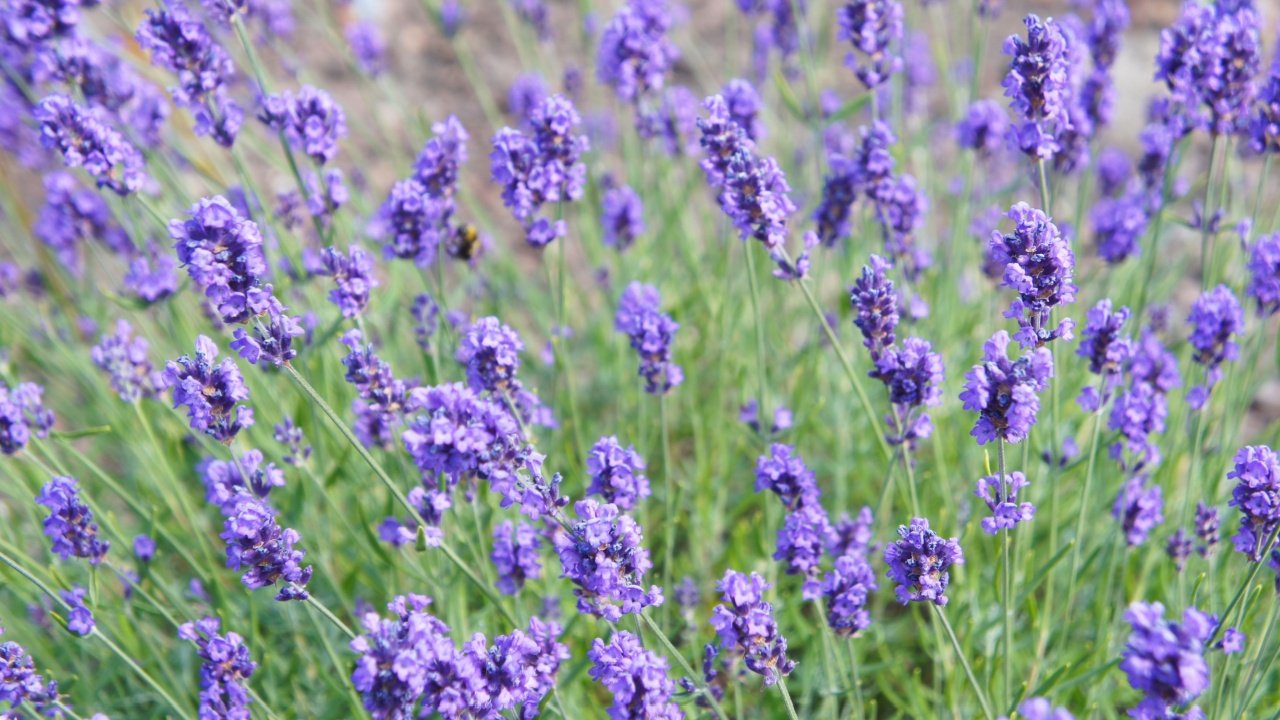
Lavender is often the first plant that comes to mind when you think of purple flowers, and for good reason. Its distinctive, fragrant spikes are a classic choice for gardens. Beyond its intoxicating scent, lavender offers beautiful hues ranging from pale lilac to deep, royal purple. It’s a fantastic addition to borders, pots, or planted in large groups to create a fragrant, low-growing hedge. This perennial is also a magnet for pollinators like bees and butterflies, bringing your garden to life. Plus, you can harvest the flowers to use in sachets, potpourri, or even culinary creations.
Care at a Glance:
- Bloom Season: Spring or summer, depending on the variety
- USDA Growing Zone: 5-8
- Growing Conditions: Full sun is a must
- Soil Type: Well-draining, even sandy soil
- Size: Typically 20-24 inches tall
2. Allium ‘Millennium’ (Allium millenium)
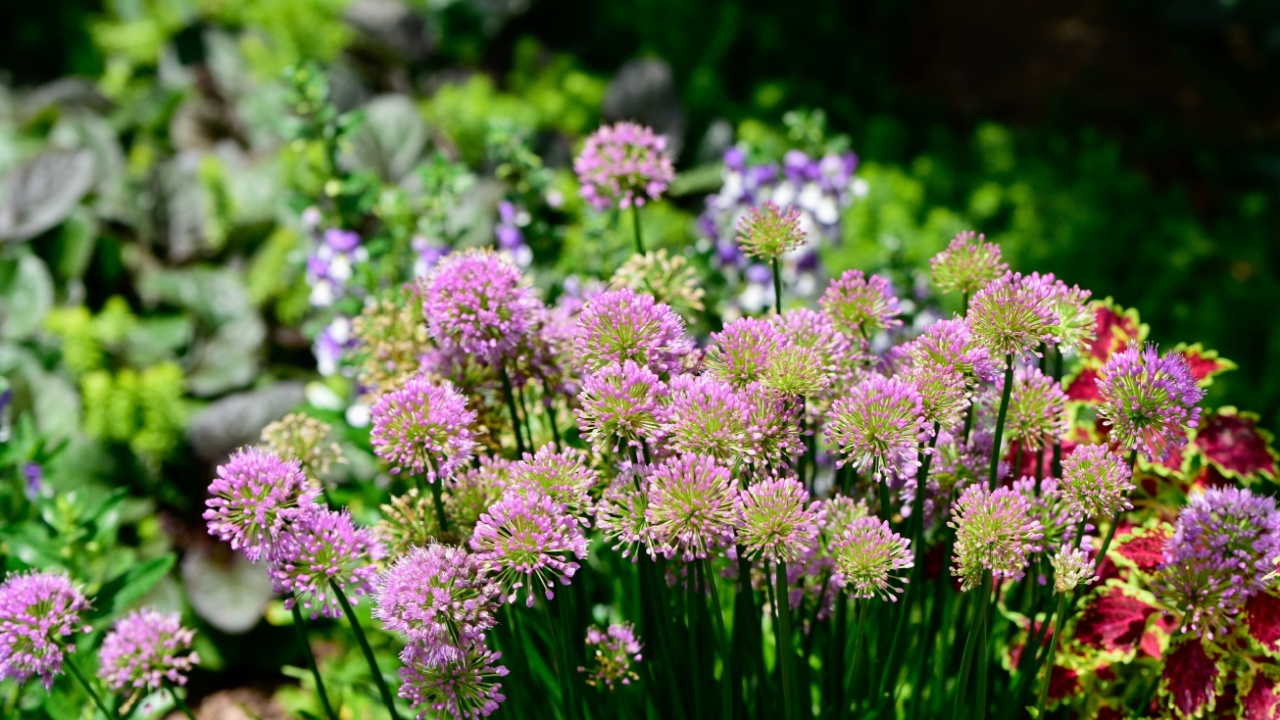
For a touch of modern drama, the Millennium flowering onion is a perfect choice. This perennial produces large, globe-shaped flower heads composed of dozens of tiny, star-like purple blossoms. Perched atop sturdy, straight stems, these “lollipops” of color create an elegant and whimsical centerpiece in any garden bed or border. Despite their delicate appearance, alliums are incredibly tough. Their stems are strong enough to stand tall without staking, even in windy conditions. They are also deer and rabbit-resistant, making them a reliable option for many gardens.
Care at a Glance:
- Bloom Season: Summer
- USDA Growing Zone: 3-9
- Growing Conditions: Full sun
- Soil Type: Loamy and well-draining
- Size: Up to 6 feet tall, though ‘Millennium’ is often closer to 15-20 inches
3. Foxglove (Digitalis purpurea)
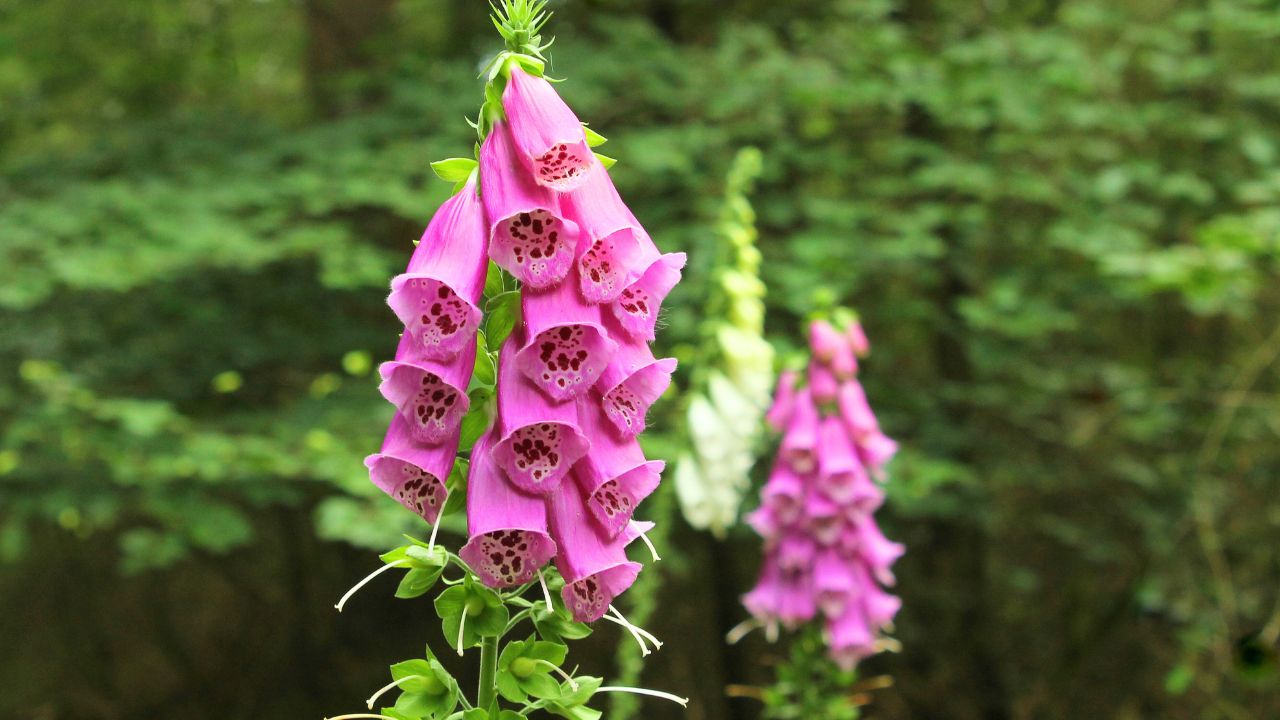
Foxgloves bring a touch of fairytale magic to the garden with their tall, stately spires of bell-shaped flowers. These blossoms, often speckled on the inside, hang gracefully from the upper portion of the stem, creating a striking vertical accent. They are perfect for cottage gardens or for adding height to the back of a border. While beautiful, it’s important to note that all parts of the foxglove plant are poisonous if ingested, so handle them with care and plant them away from areas where pets or small children play.
Care at a Glance:
- Bloom Season: Summer to early autumn
- USDA Growing Zone: 4-9
- Growing Conditions: Full sun or partial shade in very hot climates
- Soil Type: Loamy and well-draining to prevent crown rot
- Size: Up to 6 feet tall
4. Salvia ‘May Night’ (Salvia nemorosa)
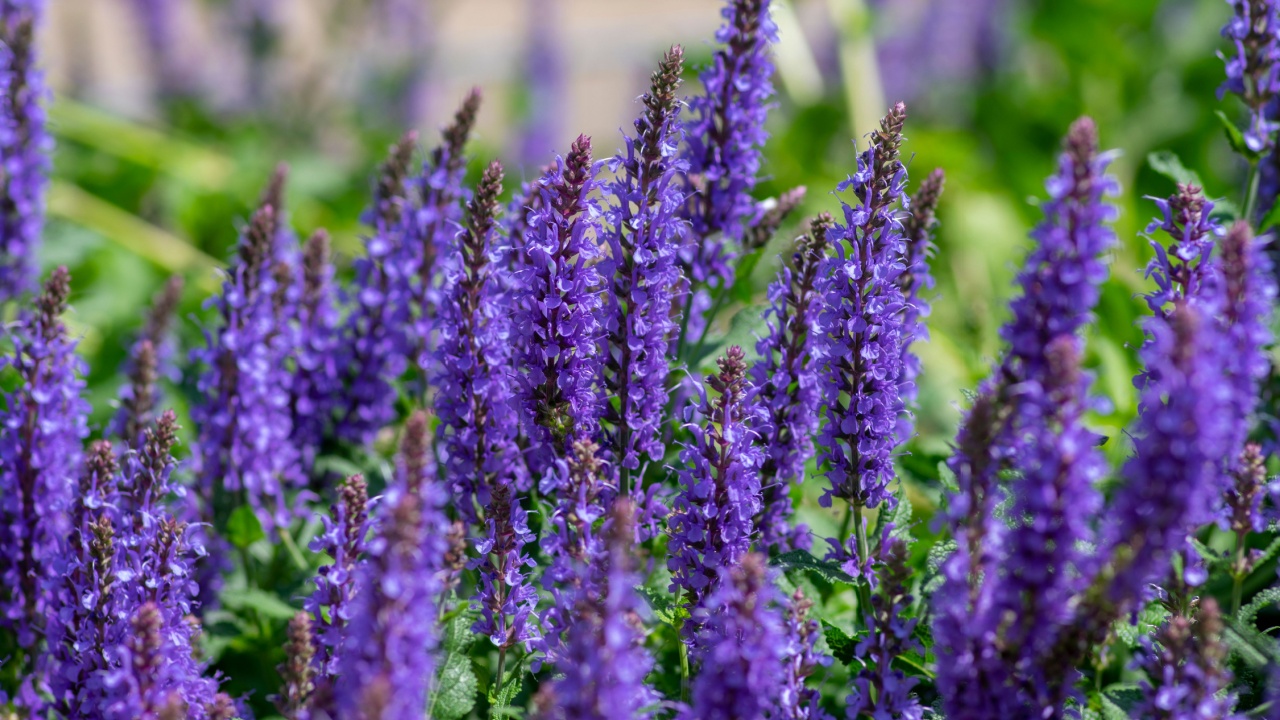
Salvia, also known as meadow sage, is a workhorse in the perennial garden. The ‘May Night’ variety is particularly beloved for its dense spikes of deep indigo-purple flowers that bloom for an extended period. Deadheading the spent flowers will encourage a second, and sometimes even a third, flush of blooms throughout the summer. This plant’s upright growth habit and rich color make it a versatile partner for many other perennials. It’s drought-tolerant once established and a favorite of hummingbirds and butterflies.
Care at a Glance:
- Bloom Season: Late spring to early summer, with reblooming
- USDA Growing Zone: 4-9
- Growing Conditions: Full sun
- Soil Type: Average, well-draining soil
- Size: Around 18 inches tall
5. Coneflower (Echinacea purpurea)
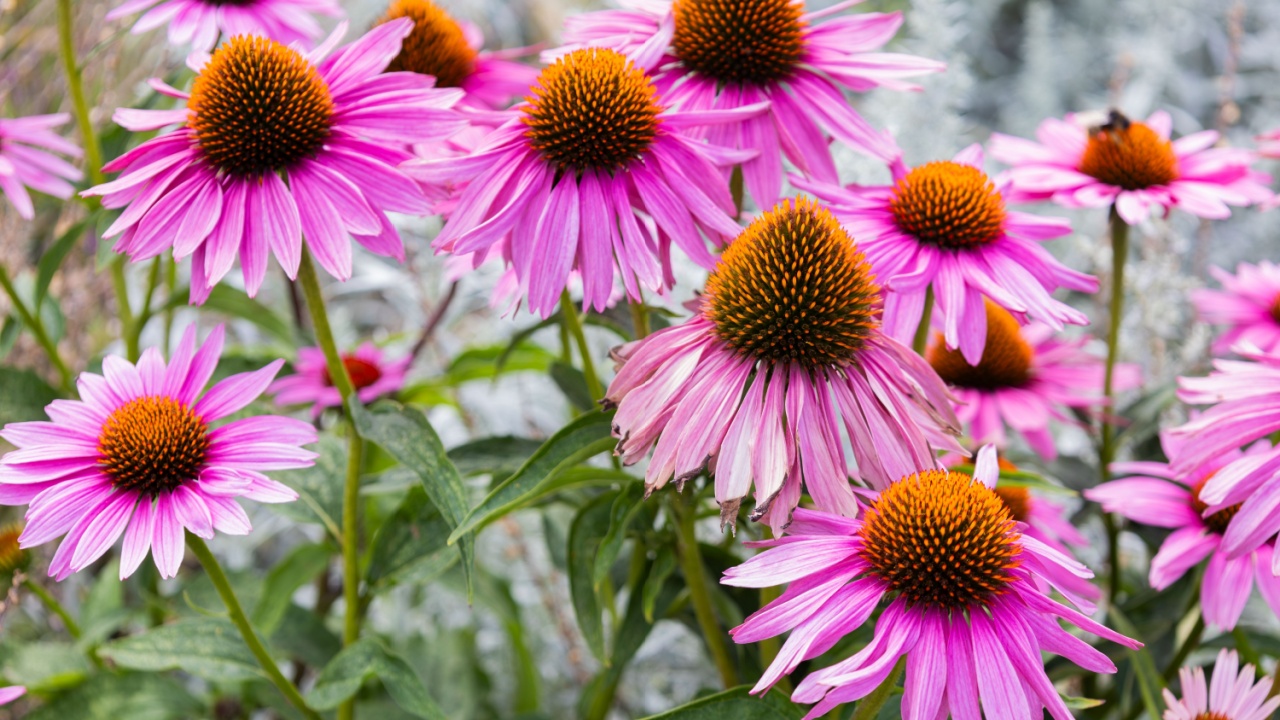
While often seen in pink, the classic purple coneflower is a native powerhouse that deserves a spot in every garden. Its large, daisy-like flowers feature drooping, vibrant purple petals surrounding a spiky, coppery-orange cone. They provide long-lasting color from mid-summer until the first frost. Coneflowers are incredibly low-maintenance and attract a host of pollinators. If you leave the seed heads on through winter, they provide a valuable food source for birds like goldfinches and add structural interest to the snowy landscape.
Care at a Glance:
- Bloom Season: Summer to early autumn
- USDA Growing Zone: 3-8
- Growing Conditions: Full sun
- Soil Type: Tolerant of most soils, but prefers well-draining soil
- Size: 2-4 feet tall
6. Pasqueflower (Pulsatilla vulgaris)
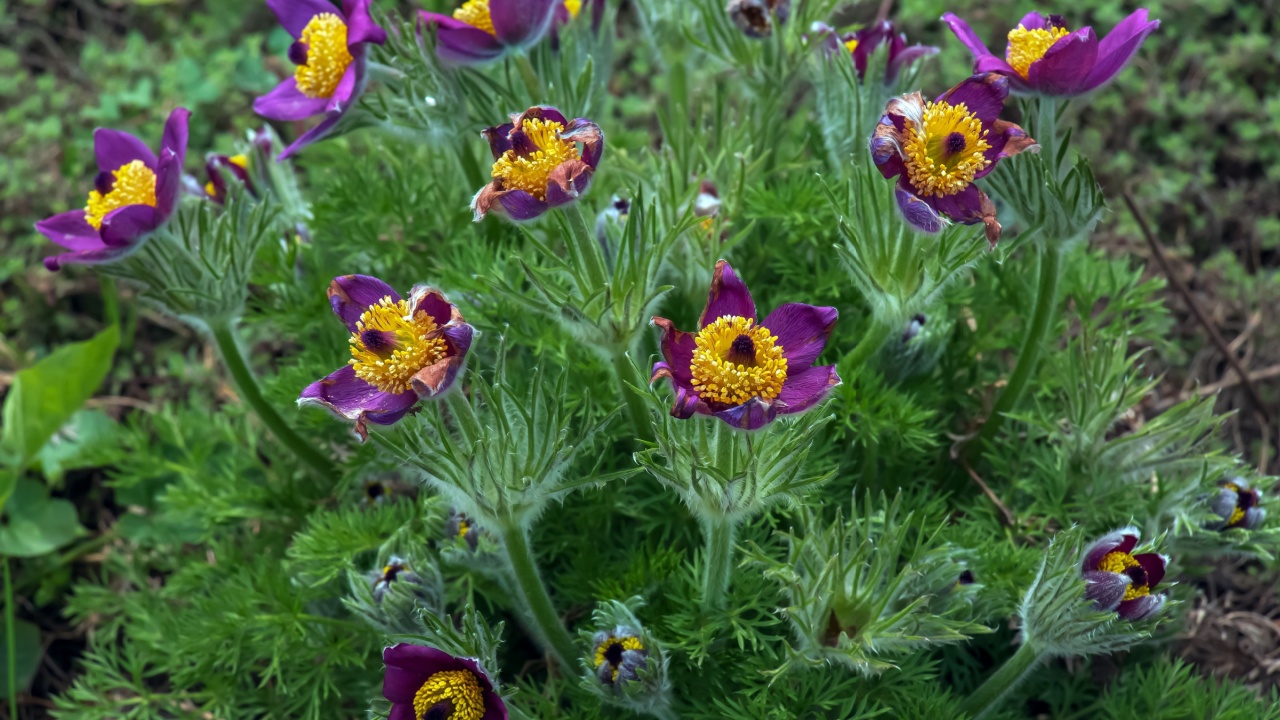
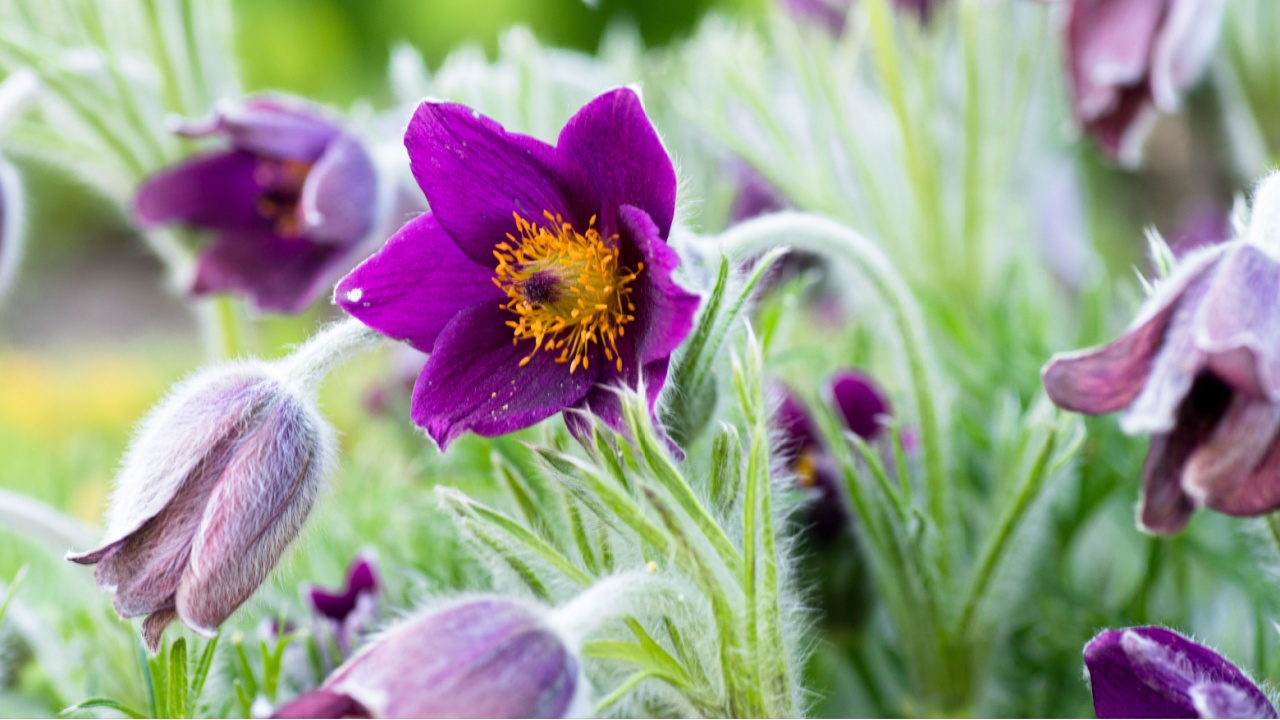
As one of the earliest perennials to bloom, the Pasqueflower is a welcome sight after a long winter. It produces large, bell-shaped purple flowers with bright yellow centers, often appearing before its fern-like foliage fully emerges. After the blooms fade, they are replaced by attractive, feathery seed heads that look like something out of a storybook. Also known as the Easter flower, this low-growing plant is perfect for rock gardens, borders, and the front of a perennial bed where its early beauty can be appreciated.
Care at a Glance:
- Bloom Season: Spring
- USDA Growing Zone: 4-8
- Growing Conditions: Full sun
- Soil Type: Loamy and well-draining
- Size: Up to 1 foot tall
7. Wisteria
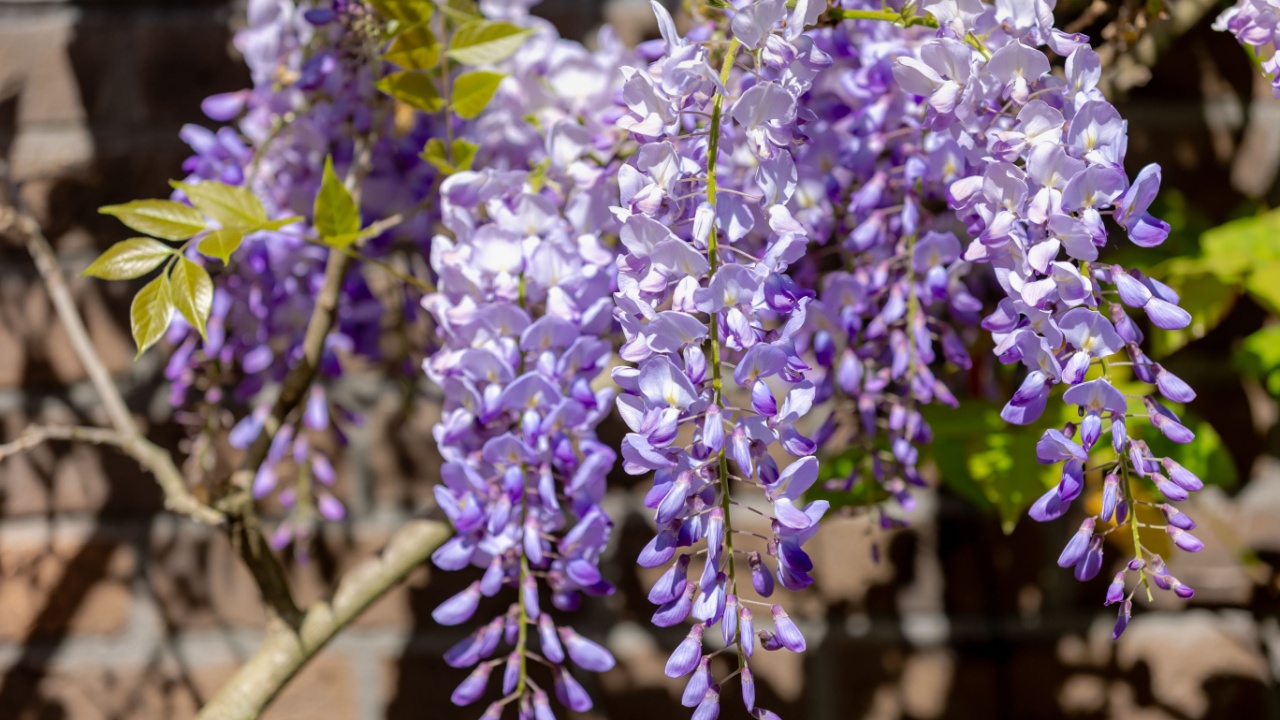
For a truly breathtaking display, nothing beats a mature wisteria in full bloom. This vigorous climbing vine produces long, cascading clusters of incredibly fragrant, pea-like flowers in shades of lavender and violet. It’s perfect for training over a sturdy pergola, arbor, or along the side of a house. Wisteria requires a strong support structure to thrive, as it can become quite heavy over time. It also benefits from regular pruning to control its growth and encourage more abundant flowering.
Care at a Glance:
- Bloom Season: Spring and summer
- USDA Growing Zone: 5-8
- Growing Conditions: Full sun with some partial shade
- Soil Type: Loamy and well-draining
- Size: Can grow up to 30 feet tall or more
8. Bearded Iris (Iris germanica)
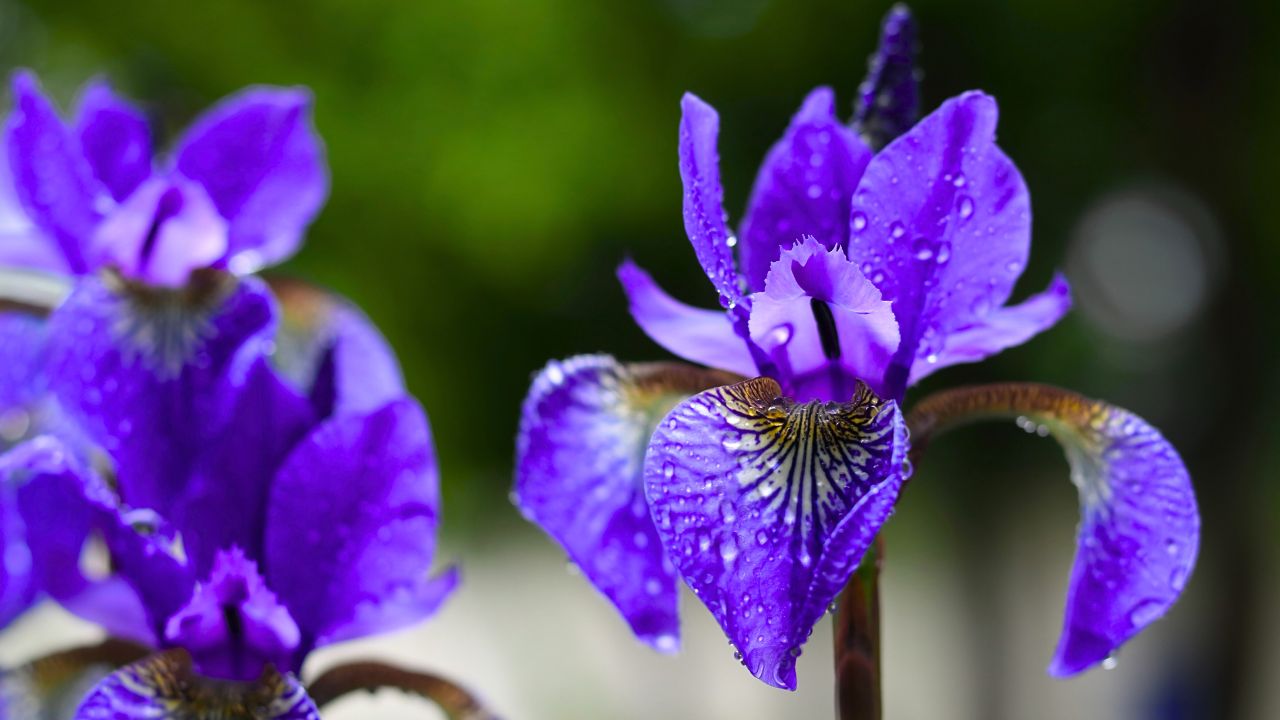
The iris offers some of the most intricate and uniquely shaped flowers in the plant world. Bearded irises are particularly stunning, with their “falls” (the lower, drooping petals) and “standards” (the upper, upright petals). They come in a vast array of colors, including many striking shades of purple, often in bicolored combinations. These hardy, clump-forming perennials are excellent for borders or as focal points in a sunny bed. They require division every few years to maintain their vigor and blooming performance.
Care at a Glance:
- Bloom Season: Spring
- USDA Growing Zone: 3-9
- Growing Conditions: Full sun
- Soil Type: Loamy and well-draining; rhizomes should be slightly exposed
- Size: Up to 3 feet tall
9. Hydrangea (Hydrangea macrophylla)
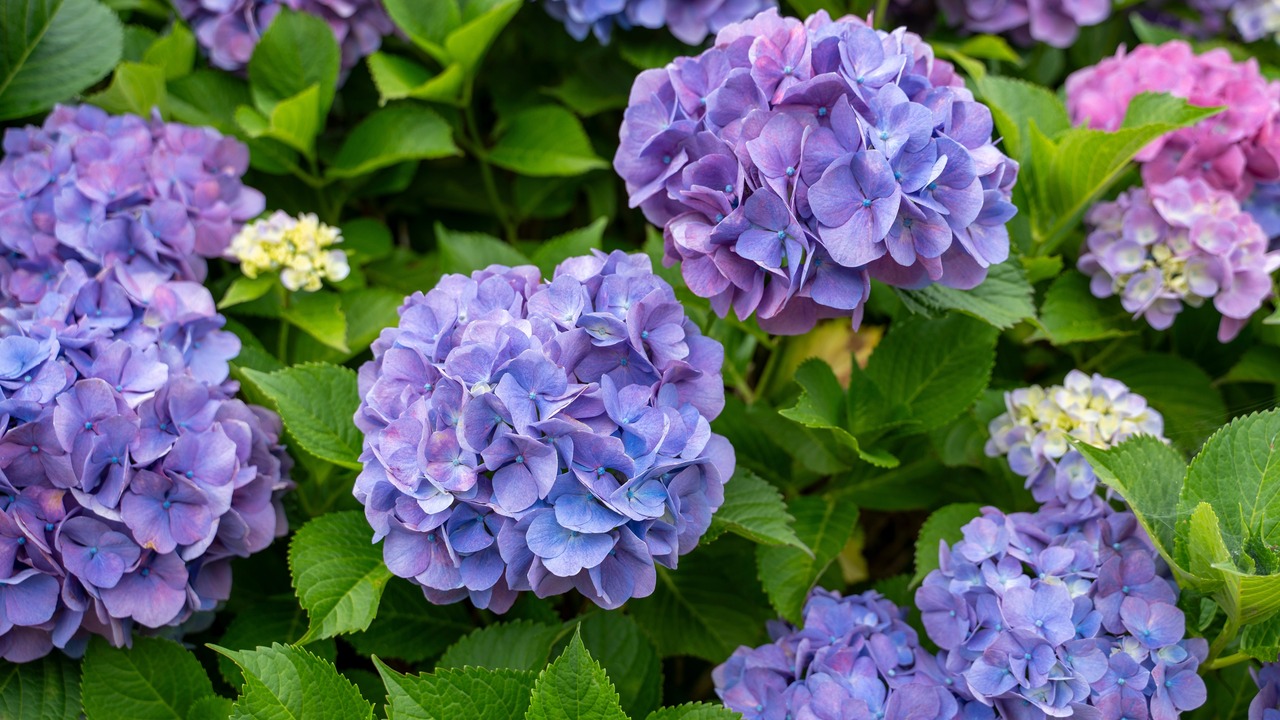
Hydrangeas are beloved for their massive, showy flower heads that can add a big punch of color to shady spots in the garden. While often associated with blue and pink, wide varieties can produce beautiful shades of lavender and deep purple. The color of the blooms is famously influenced by the soil’s pH. To achieve purple flowers, you’ll want slightly acidic soil, with a pH between 5.5 and 6.5. Soil with a pH below 5.5 tends to produce blue flowers, while more alkaline soil yields pink. It’s a fun science experiment right in your own backyard!
Care at a Glance:
- Bloom Season: Spring and summer
- USDA Growing Zone: 3-7
- Growing Conditions: Partial shade, especially afternoon shade
- Soil Type: Clay-based or loamy, consistently moist
- Size: 3 to 6 feet tall and wide, depending on the variety
10. Hellebore (Helleborus)
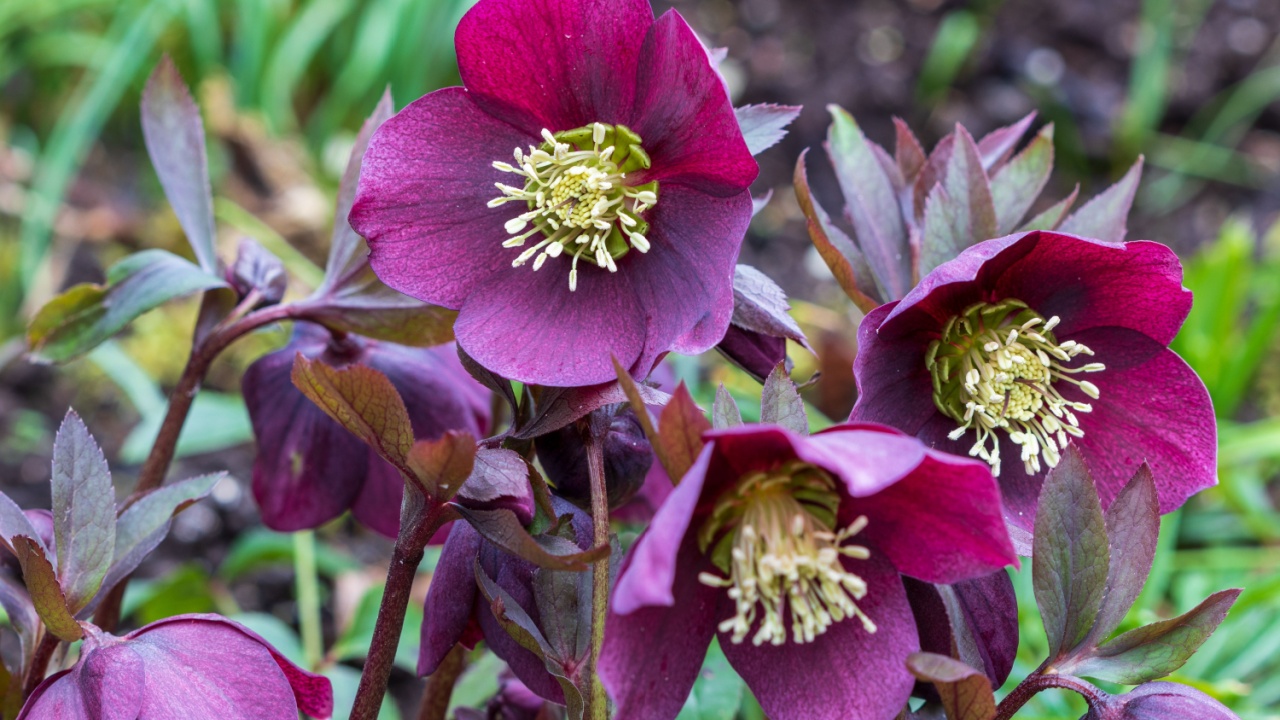
Hellebores are the heroes of the late winter and early spring garden, often blooming even when snow is still on the ground. Also called Lenten Roses or Christmas Roses, these plants produce cup-shaped, downward-facing flowers in a range of colors, including dusty mauves, deep purples, and near-blacks. These shade-loving perennials are perfect for planting under deciduous trees or in a woodland garden setting. They form neat clumps and are exceptionally long-lived, providing beauty for years to come.
Care at a Glance:
- Bloom Season: Winter to early spring
- USDA Growing Zone: 3-9
- Growing Conditions: Shade to partial shade
- Soil Type: Fertile and well-draining
- Size: Up to 18 inches tall
11. Aster ‘Wood’s Purple’ (Aster dumosus ‘Wood’s Purple)
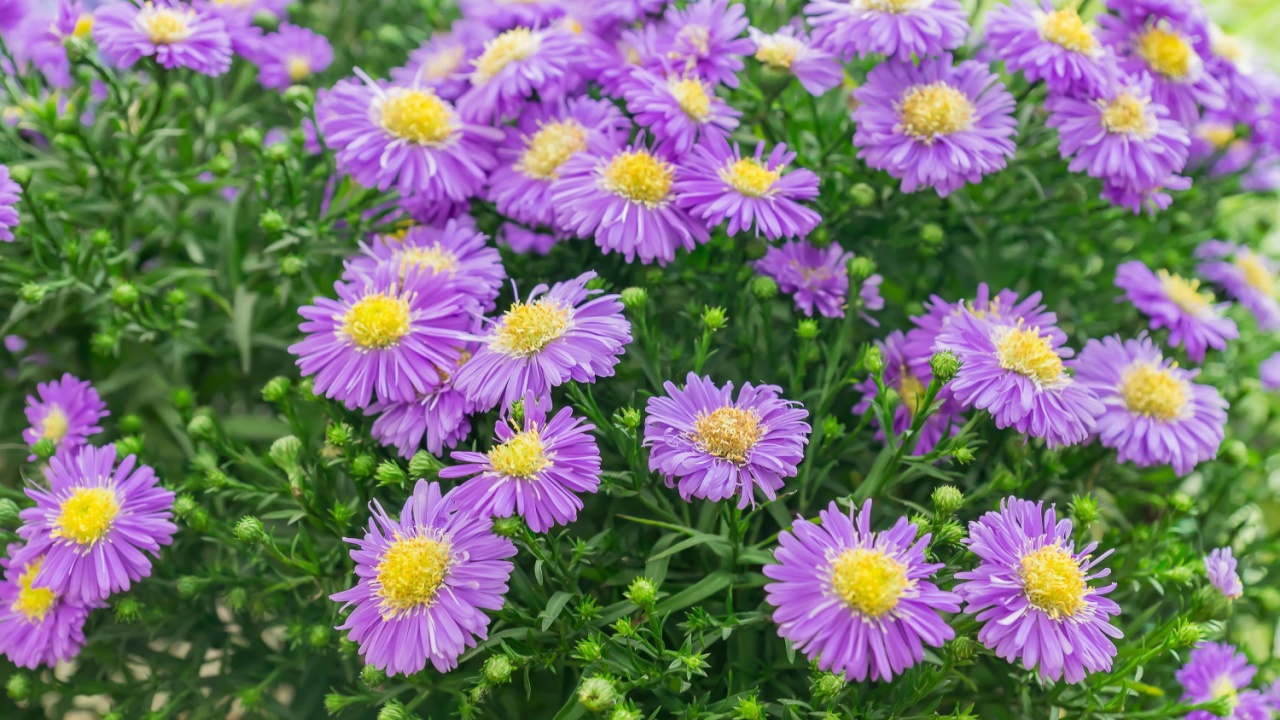
When most other flowers are starting to fade, asters burst onto the scene, providing a final, brilliant show of color. ‘Wood’s Purple’ is a compact variety that becomes completely covered in small, daisy-like lavender-purple flowers with sunny yellow centers. Its dark green foliage provides a perfect backdrop for the prolific blooms. Asters are a critical late-season nectar source for bees and butterflies. They work well in borders or as an underplanting for roses and shrubs.
Care at a Glance:
- Bloom Season: Late summer to autumn
- USDA Growing Zone: 3-8
- Growing Conditions: Full sun
- Soil Type: Moist but well-draining
- Size: Up to 18 inches tall
12. African Lily (Agapanthus)
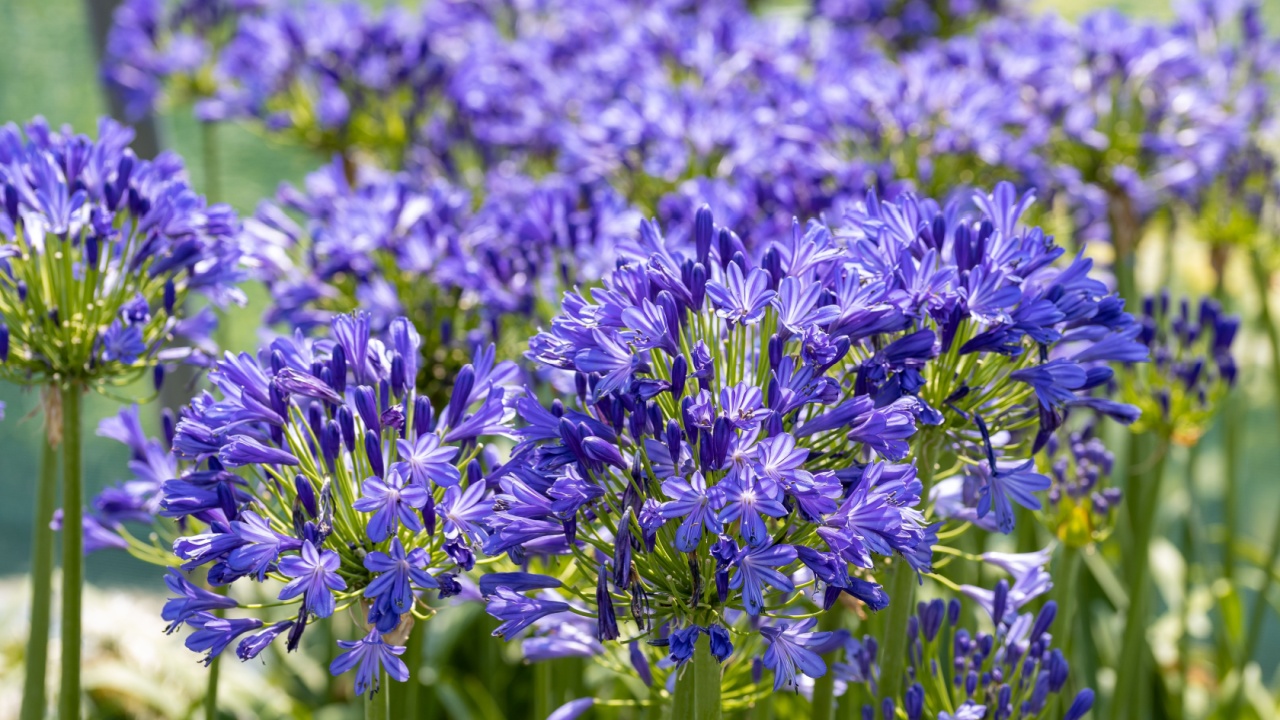
The African Lily brings an exotic and architectural element to the garden. It features large, spherical clusters of trumpet-shaped, blue-purple flowers that rise on tall, leafless stems above clumps of strap-like foliage. They make a fantastic statement in containers or as a focal point in a sunny border. Native to South Africa, these plants appreciate warmth. In cooler climates, plant them in the sunniest spot available. In hotter regions, they benefit from some afternoon shade to protect them from scorching.
Care at a Glance:
- Bloom Season: Summer
- USDA Growing Zone: 8-11 (can be grown as an annual or in pots in colder zones)
- Growing Conditions: Full sun in cooler areas, partial shade in hot climates
- Soil Type: Fertile and well-draining
- Size: Up to 3 feet tall
13. Cardoon (Cynara cardunculus)
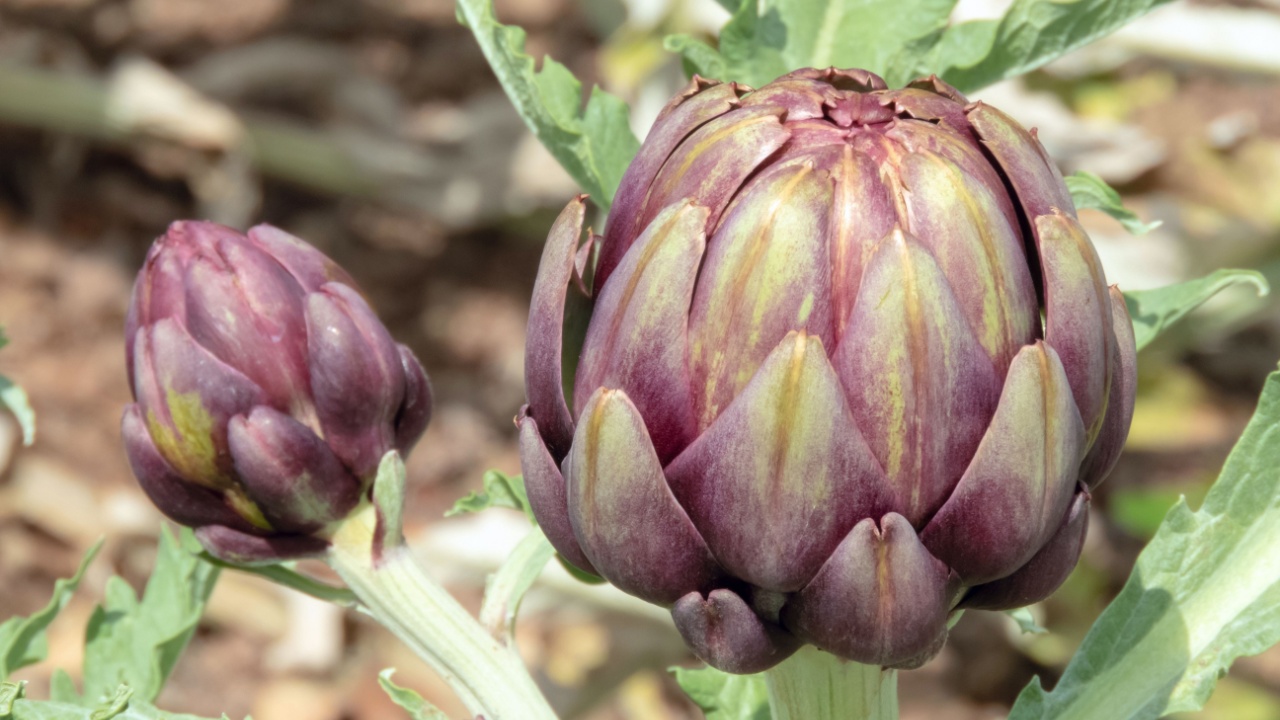
For a plant that is both beautiful and dramatic, look no further than the cardoon. This thistle-like perennial is a close relative of the artichoke and boasts striking, silvery-green, serrated foliage. In late summer, it sends up tall stalks topped with spectacular, electric-purple, fuzzy flower heads that are magnets for bees. Cardoon adds a bold, architectural presence to the back of a border. It’s an unusual and eye-catching choice that brings a touch of wildness to any garden design.
Care at a Glance:
- Bloom Season: Late summer to autumn
- USDA Growing Zone: 7-10
- Growing Conditions: Full sun
- Soil Type: Well-draining
- Size: Up to 5 feet tall
14. Candle Larkspur (Delphinium elatum)
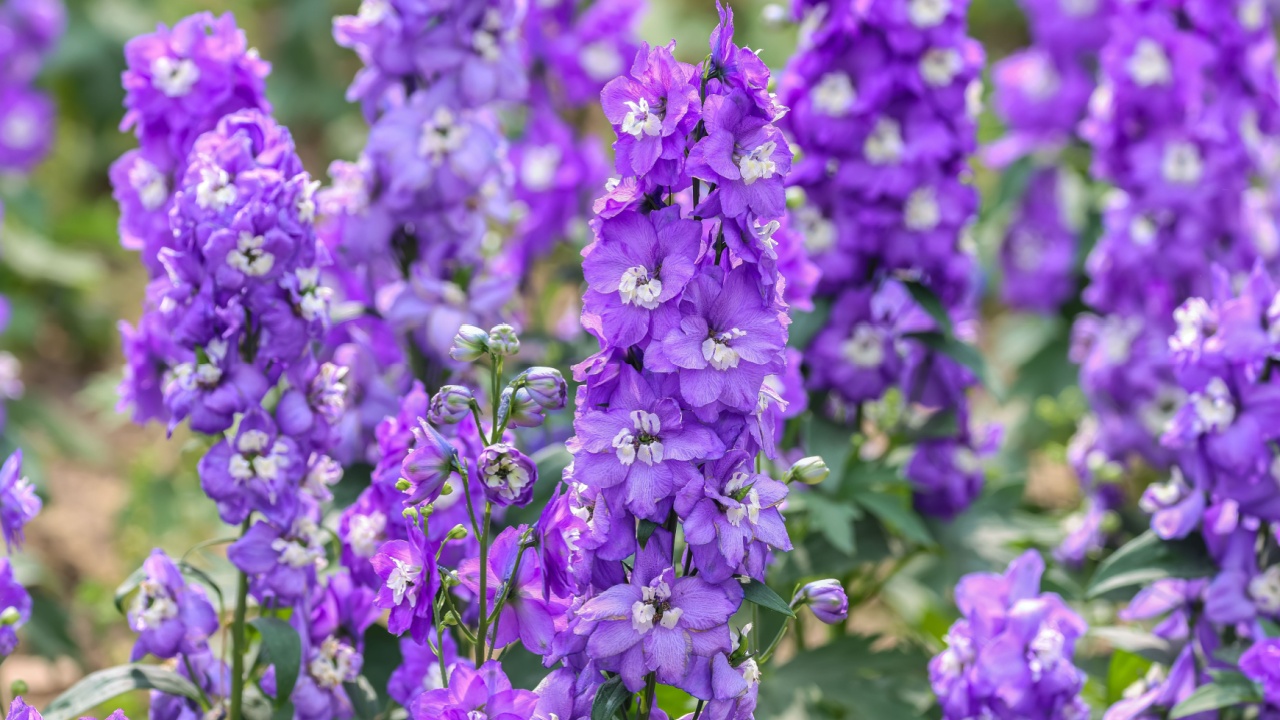
Larkspurs are the epitome of a classic cottage garden flower. They produce magnificent, tall spires densely packed with individual flowers, creating a candle-like effect. The shades of purple available are truly breathtaking, ranging from pale lilac to deep, royal violet, often with a contrasting white “bee” in the center of each floret. These plants are perfect for adding vertical interest and a sense of grandeur to the back of a border. They may require staking in windy locations to keep their tall stems from breaking.
Care at a Glance:
- Bloom Season: Summer to autumn, if deadheaded
- USDA Growing Zone: 4-8
- Growing Conditions: Full sun
- Soil Type: Moist and well-draining
- Size: Can reach up to 6 feet, though wide varieties are 3-4 feet
15. Lily Turf (Liriope muscari)
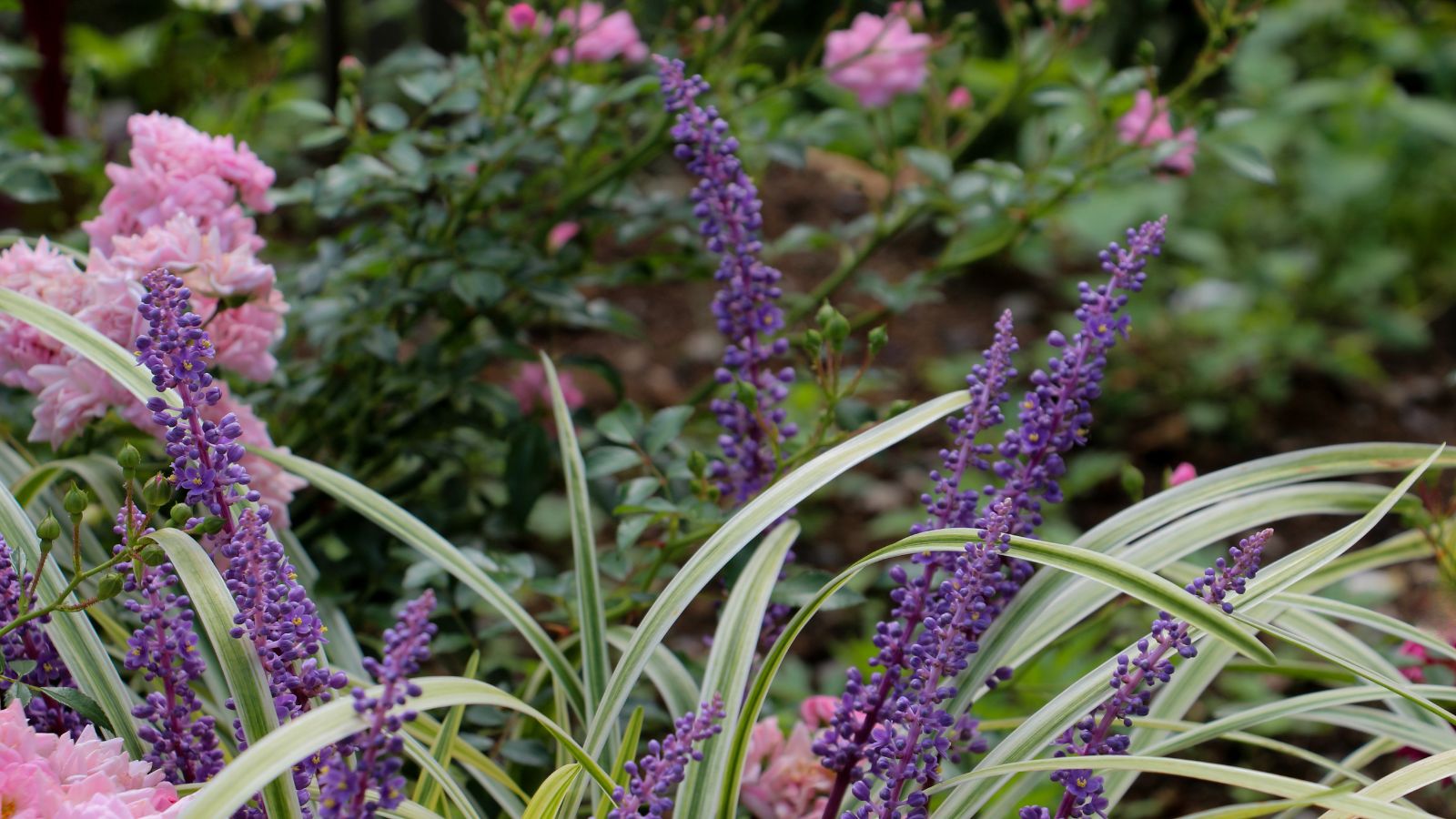
Lily Turf is an incredibly useful and attractive groundcover plant. It forms dense clumps of dark green, grass-like foliage that stays evergreen in many climates. In late summer and fall, it sends up spikes of small, grape-hyacinth-like flowers in shades of lilac and violet. After flowering, it produces ornamental black berries. This perennial is an excellent choice for edging pathways, defining borders, or planting in mass under trees where other plants might struggle. It’s tough, reliable, and requires very little maintenance.
Care at a Glance:
- Bloom Season: Late summer to autumn
- USDA Growing Zone: 5-10
- Growing Conditions: Full sun to partial shade
- Soil Type: Loamy, moist, and well-draining
- Size: Up to 18 inches tall
16. Saffron Crocus (Crocus sativus)
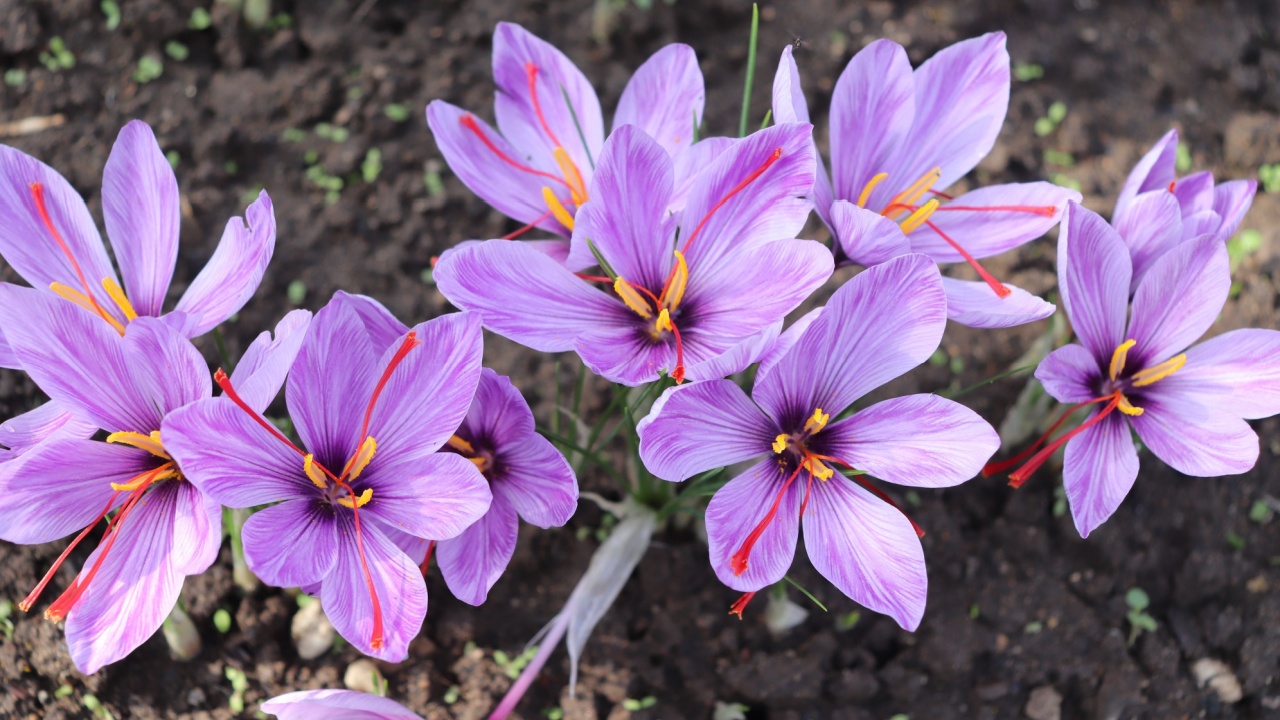
Unlike its spring-blooming cousins, the saffron crocus flowers in the autumn, offering a lovely surprise as the gardening season winds down. It produces delicate, cup-shaped lilac-purple flowers. The real treasure, however, is the three long, crimson stigmas in the center of each bloom. This is the source of the world’s most expensive spice, saffron. You can easily harvest and dry the stigmas from your own plants. Even if you don’t harvest the saffron, these crocuses are a beautiful addition to rockeries, borders, or even lawns.
Care at a Glance:
- Bloom Season: Autumn
- USDA Growing Zone: 5-8
- Growing Conditions: Full sun
- Soil Type: Loamy and well-draining
- Size: 4-6 inches tall
17. Vervain (Verbena officinalis)
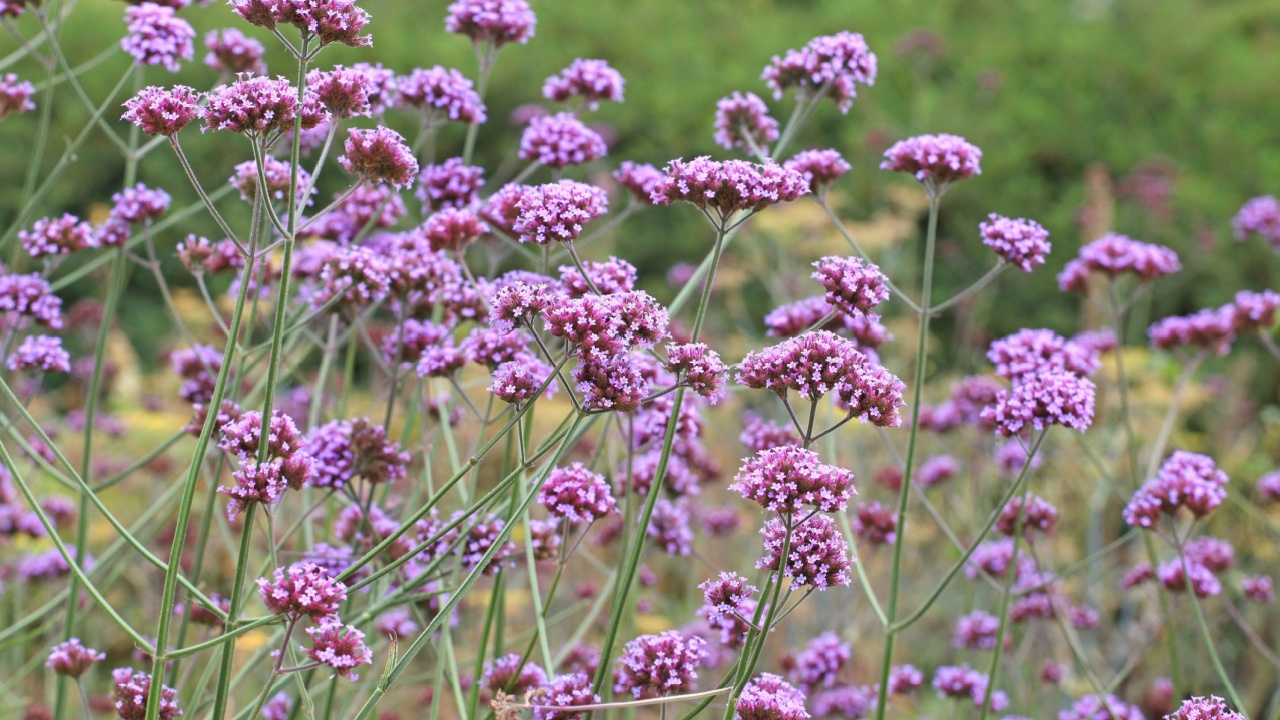
Vervain is a wildflower that brings a delicate, airy quality to the garden. It produces tall, thin, branching stems with small, spiky clusters of tiny lilac-purple flowers. While individually small, the sheer number of blooms creates a hazy, see-through effect that looks beautiful when woven through other perennials. This plant has a long history of use in herbal medicine and folklore. In the garden, it’s a hardy and frost-tolerant perennial that self-seeds politely, adding a touch of naturalistic charm.
Care at a Glance:
- Bloom Season: Summer to early autumn
- USDA Growing Zone: 3-9
- Growing Conditions: Full sun
- Soil Type: Loamy and well-draining
- Size: Up to 5 feet tall
A Purple Paradise in Your Yard
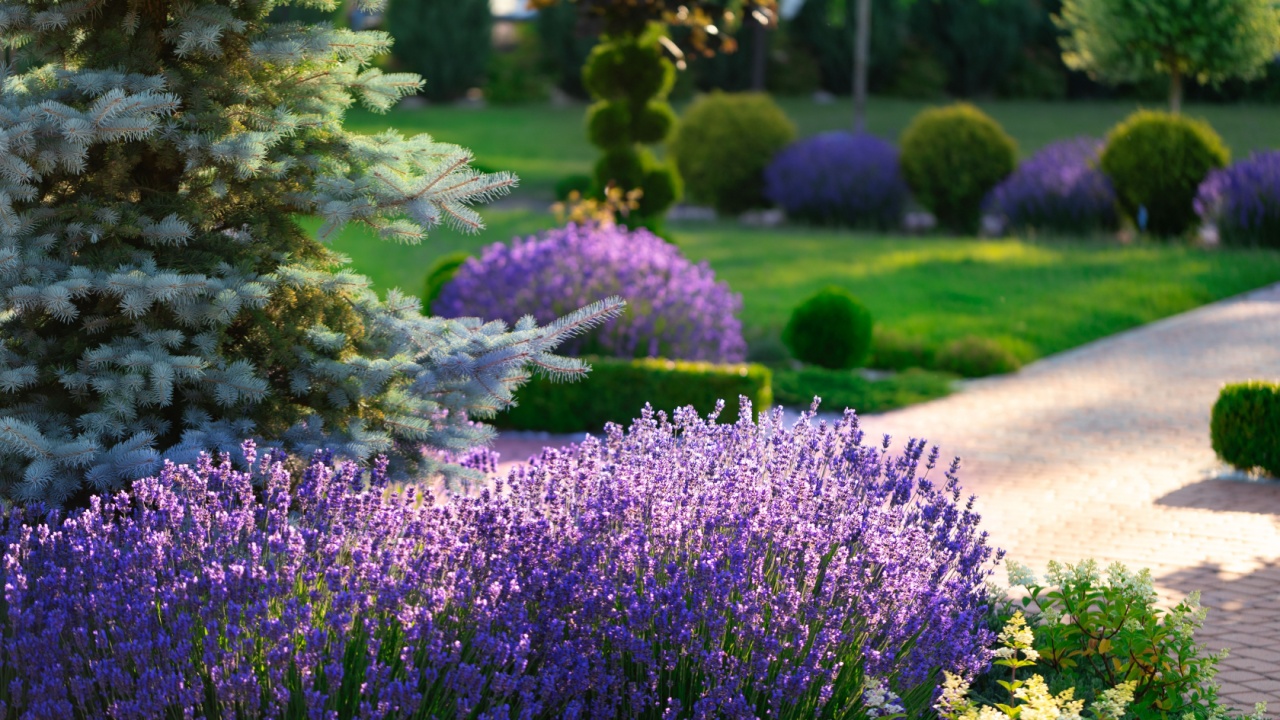
Now that you’re inspired by the possibilities, it’s time to bring these purple beauties into your own garden. Here’s how to get started:
- Assess Your Space: Take note of your garden’s sunny and shady spots. Check your USDA hardiness zone to ensure you choose plants that will thrive in your climate.
- Plan Your Design: Think about combining plants with different heights, textures, and bloom times. Pair tall foxgloves with medium-sized salvias and a low-growing border of lily turf for a layered look.
- Prepare Your Soil: Most perennials thrive in well-draining soil. Amend heavy clay or sandy soil with compost to improve its texture and fertility before planting.
- Start Planting: Visit your local garden center to find some of these purple perennials. Follow the planting instructions for each, giving them enough space to grow to their mature size. Water them well after planting to help them get established.
By choosing a few of these gorgeous purple perennials, you can create a garden that is not only beautiful and vibrant but also provides color and joy for many years to come.
Read more:
10 Pretty Pink Perennials to Add a Pop of Color
17 Hardy Perennials Worth Planting to Outcompete Weeds