22 Best Fall Blooming Perennial Flowers
As summer’s vibrant colors begin to fade, your garden doesn’t have to follow suit. The arrival of cooler weather marks the perfect opportunity to welcome a new cast of characters to your outdoor space. Fall-blooming perennials bring a final, brilliant burst of life, painting the landscape in rich hues that carry you through to the first frost.
These hardy plants not only extend the gardening season but also provide crucial late-season nectar for pollinators like bees and butterflies. With a little planning, you can create a garden that remains a stunning focal point long after the summer annuals have said their goodbyes.
1. Autumn Joy Sedum (Hylotelephium ‘Herbstfreude’)
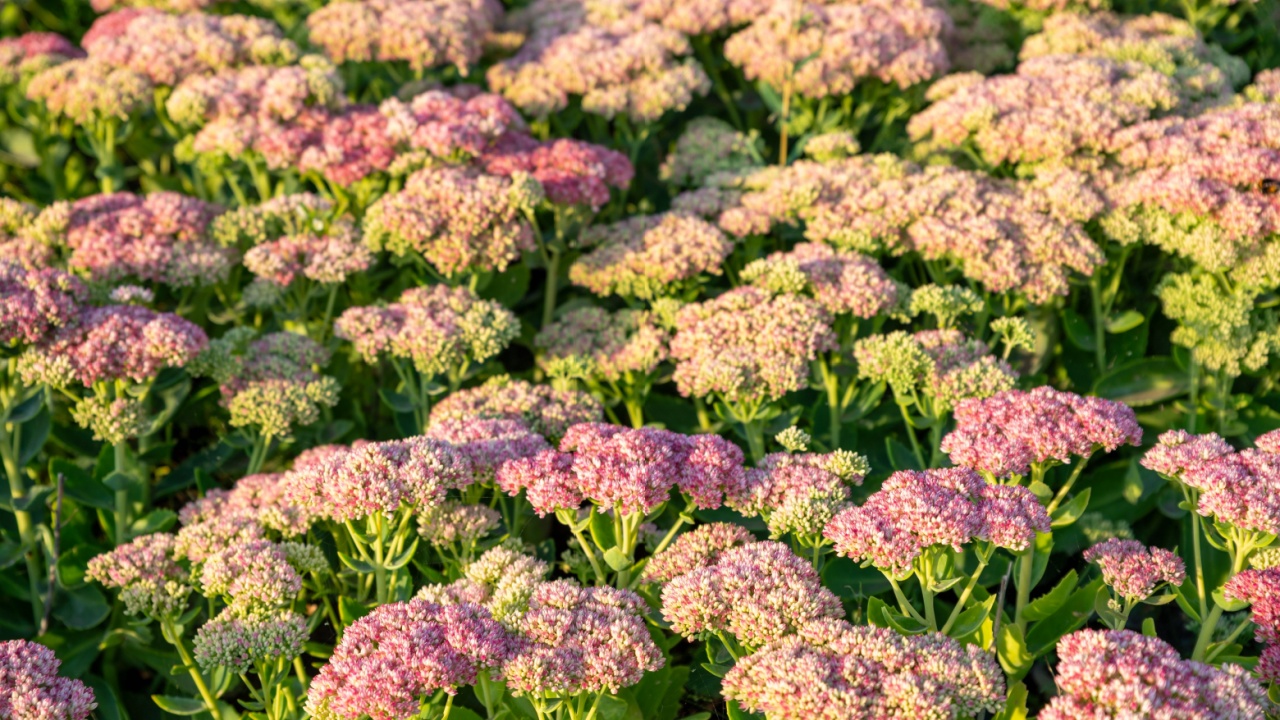
This plant is a true workhorse in the perennial garden. Autumn Joy Sedum offers interest from spring through fall, starting with fleshy, blue-green leaves that form tidy mounds. By late summer, large flower heads emerge, resembling green broccoli florets. These gradually open into vast, starry clusters of pale pink, deepening to a rich, coppery red as autumn progresses. It’s incredibly low-maintenance and drought-tolerant, making it a reliable choice for almost any sunny spot.
- Why it’s a good choice: It’s practically foolproof. It thrives on neglect, looks great for multiple seasons, and provides a sturdy structure that even looks beautiful when topped with snow in the winter.
- Care Tips: Plant in full sun and well-drained soil. It’s prone to flopping in overly rich soil or shade. To encourage sturdier stems, you can pinch them back by about half in early summer. It is not deer-resistant, so plan accordingly if deer are common visitors.
2. Japanese Anemone (Anemone x hybrida)
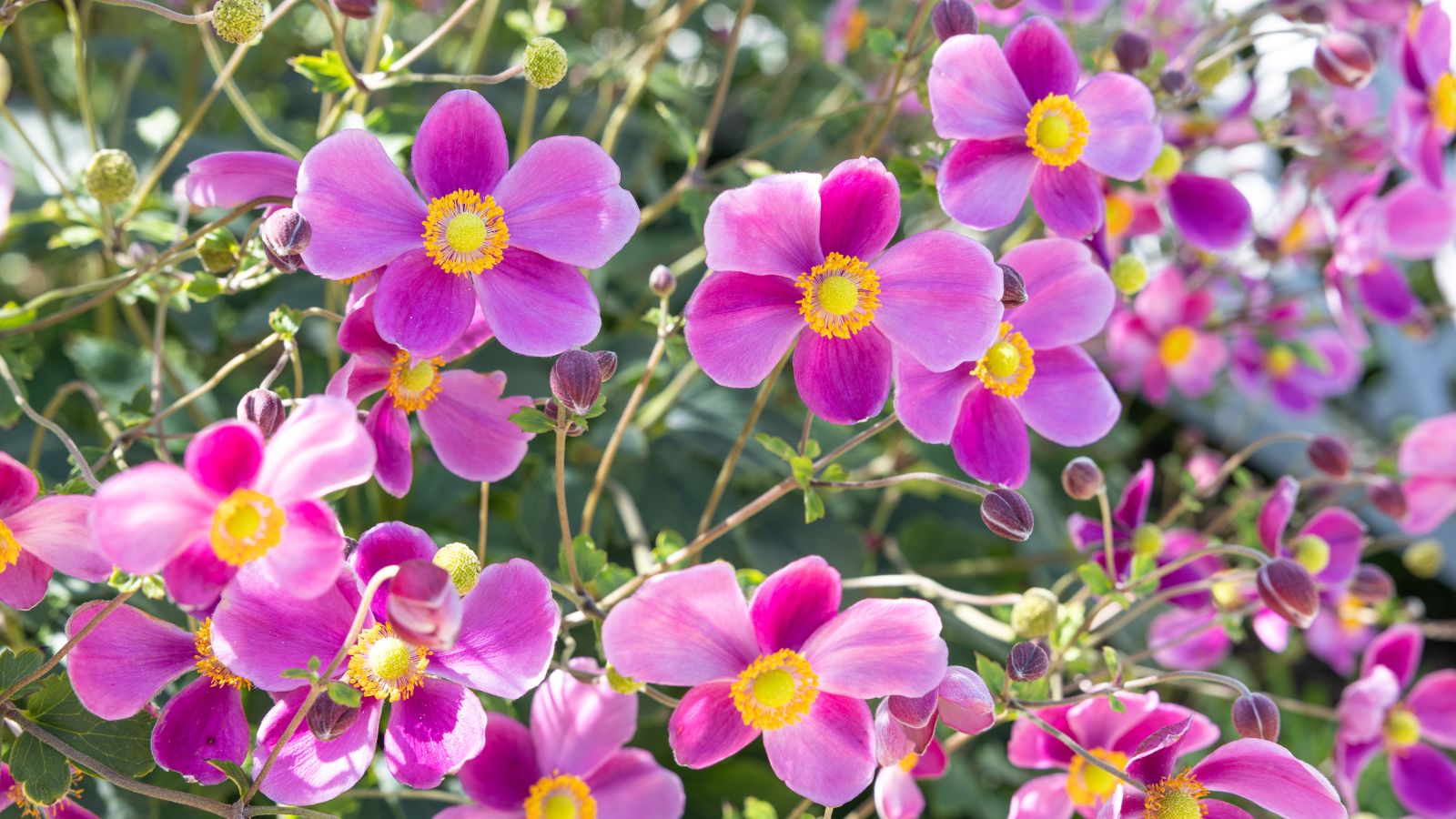
For a touch of elegance in the late-season garden, look no further than Japanese Anemone. Rising on tall, wiry stems, these graceful, poppy-like flowers seem to dance in the autumn breeze. Available in shades of pure white and soft pink with bright yellow centers, they bring light and movement to garden beds. The blooms begin appearing in late summer and continue until a hard frost, providing weeks of delicate beauty.
- Why it’s a good choice: Its height and graceful form make it an excellent companion for sturdier plants like sedums and grasses. It fills the “fall gap” beautifully and attracts butterflies.
- Care Tips: Plant in partial sun to dappled shade in rich, moist, and well-drained soil. In cooler climates, a layer of mulch in late fall helps protect the roots through winter. While it can be slow to establish, it may spread once it finds a happy home.
3. New England Aster (Symphyotrichum novae-angliae)
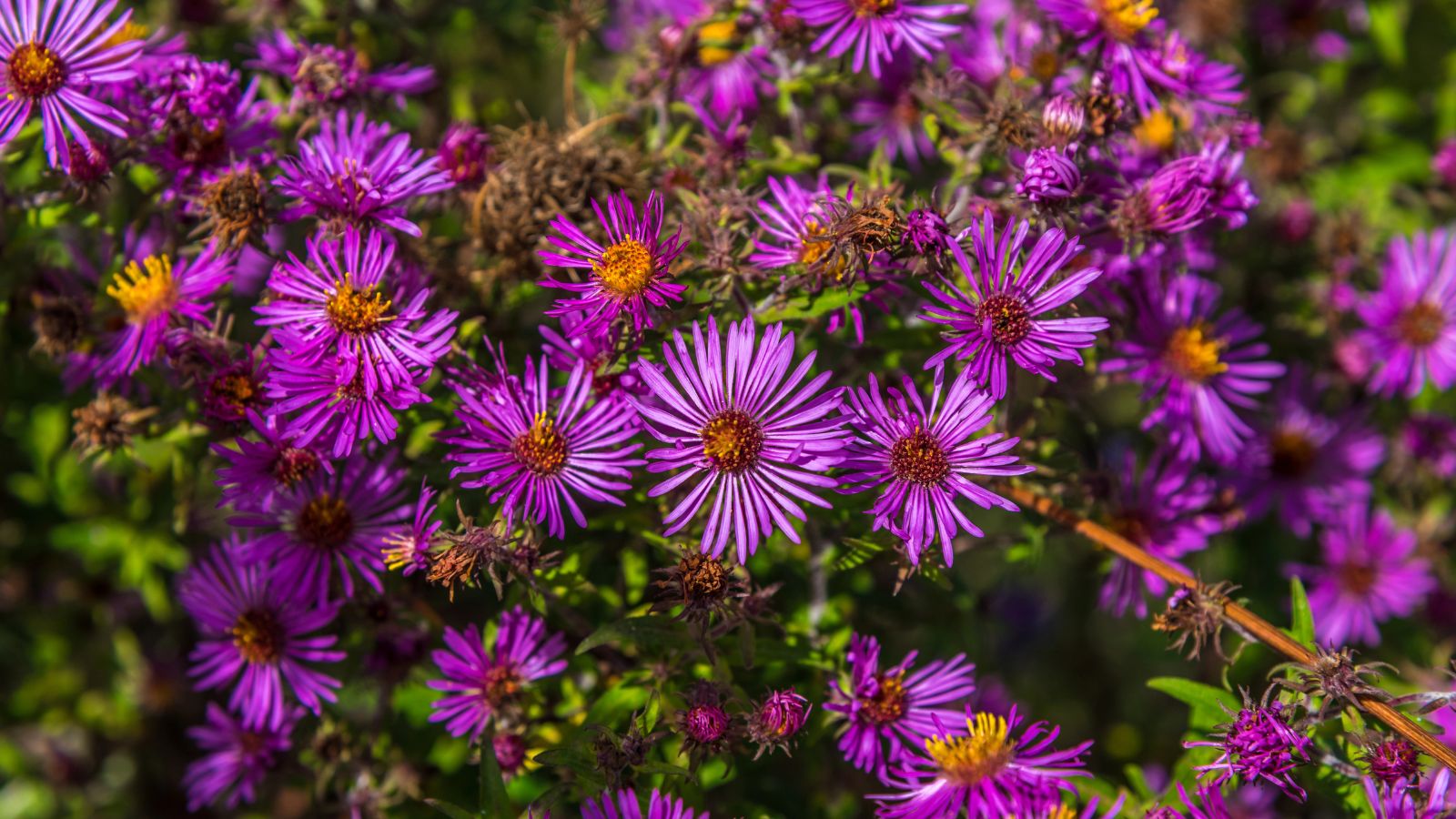
A native powerhouse, the New England Aster is a fall classic for a reason. These plants explode into a profusion of daisy-like flowers with vibrant purple, pink, or blue petals surrounding a sunny yellow center. Growing up to six feet tall, they create a stunning backdrop in borders and are a magnet for late-season pollinators, especially monarch butterflies fueling up for their migration.
- Why it’s a good choice: It’s a critical food source for pollinators and brings bold, cheerful color to the garden when many other plants are winding down. It also makes for beautiful cut flowers.
- Care Tips: Plant in full sun and moist soil. To prevent legginess and the need for staking, pinch back the stems by one-third to one-half in late spring or early summer. This encourages a bushier, more compact plant with even more blooms. Cut back hard after the first frost to prevent powdery mildew issues next season.
4. Russian Sage (Salvia yangii)
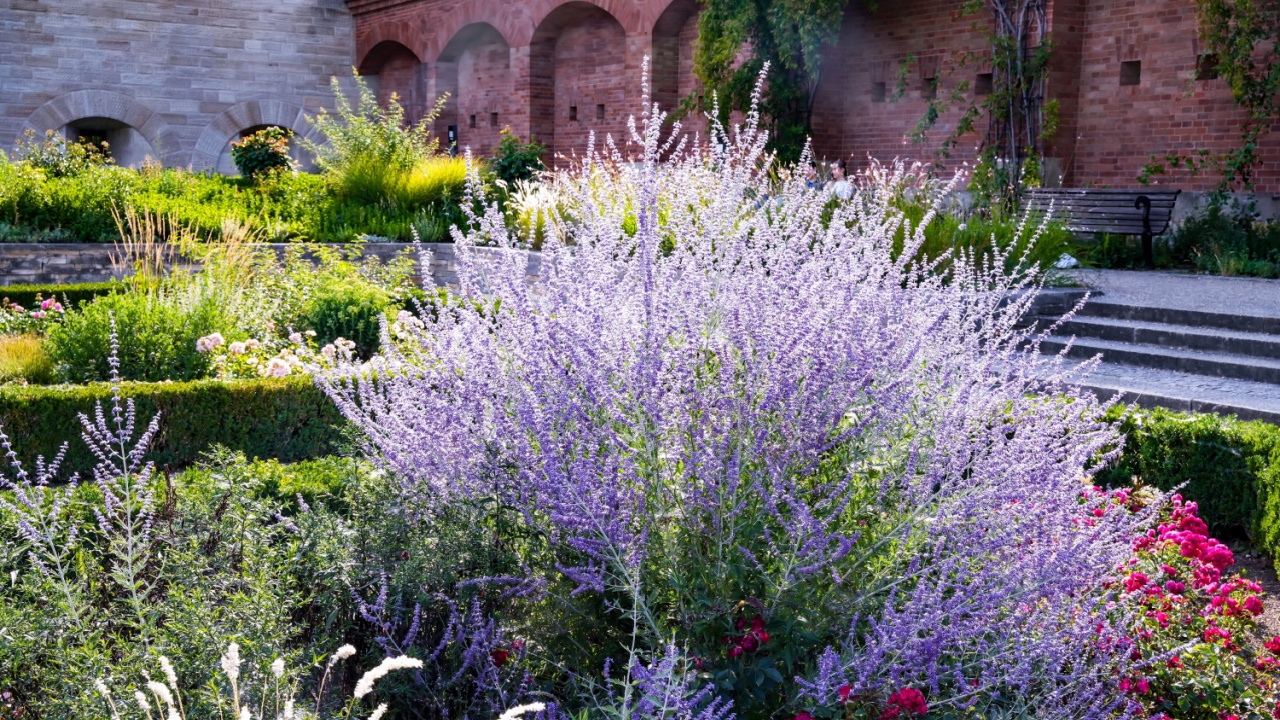
With its silvery, aromatic foliage and wispy spires of lavender-blue flowers, Russian Sage adds a cool, airy texture to the garden. It typically begins blooming in late summer and continues strong into the fall. The haze of blue it creates pairs wonderfully with the warm yellows, oranges, and reds of other autumn bloomers.
- Why it’s a good choice: It’s extremely drought-tolerant, deer-resistant, and thrives in hot, sunny spots where other plants might struggle. The fine texture provides a beautiful contrast to bold-leaved plants.
- Care Tips: Full sun is non-negotiable for Russian Sage; too much shade will cause it to become leggy and flop over. It prefers well-drained, even poor, soil. Wait to prune the woody stems back until early spring, just as new growth begins to emerge at the base.
5. Joe Pye Weed (Eutrochium purpureum)
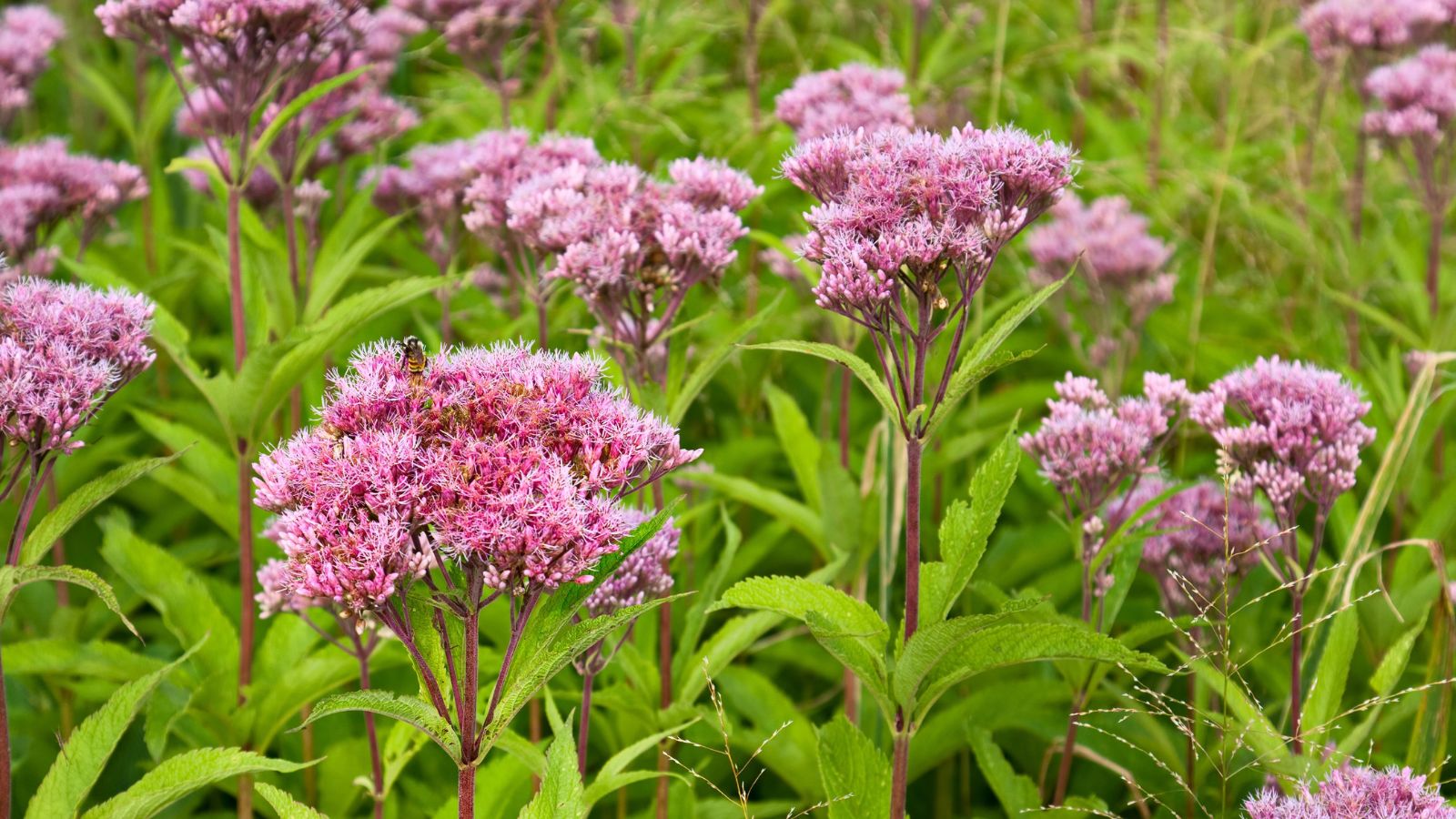
Don’t let the “weed” in its name fool you; this towering native perennial is a garden stunner. Joe Pye Weed boasts huge, dome-shaped clusters of fuzzy, mauve-pink flowers that have a light vanilla scent. Blooming from midsummer into fall, its impressive stature makes it a perfect choice for the back of a border or in a meadow-style planting.
- Why it’s a good choice: It’s a butterfly magnet like no other. Its height adds architectural interest, and it’s a robust, low-maintenance plant.
- Care Tips: It thrives in full sun to light shade and prefers consistently moist soil, making it a great option for rain gardens or damp spots. Taller varieties may need support, or you can prune them back in early summer for a shorter, sturdier plant.
6. Goldenrod (Solidago)
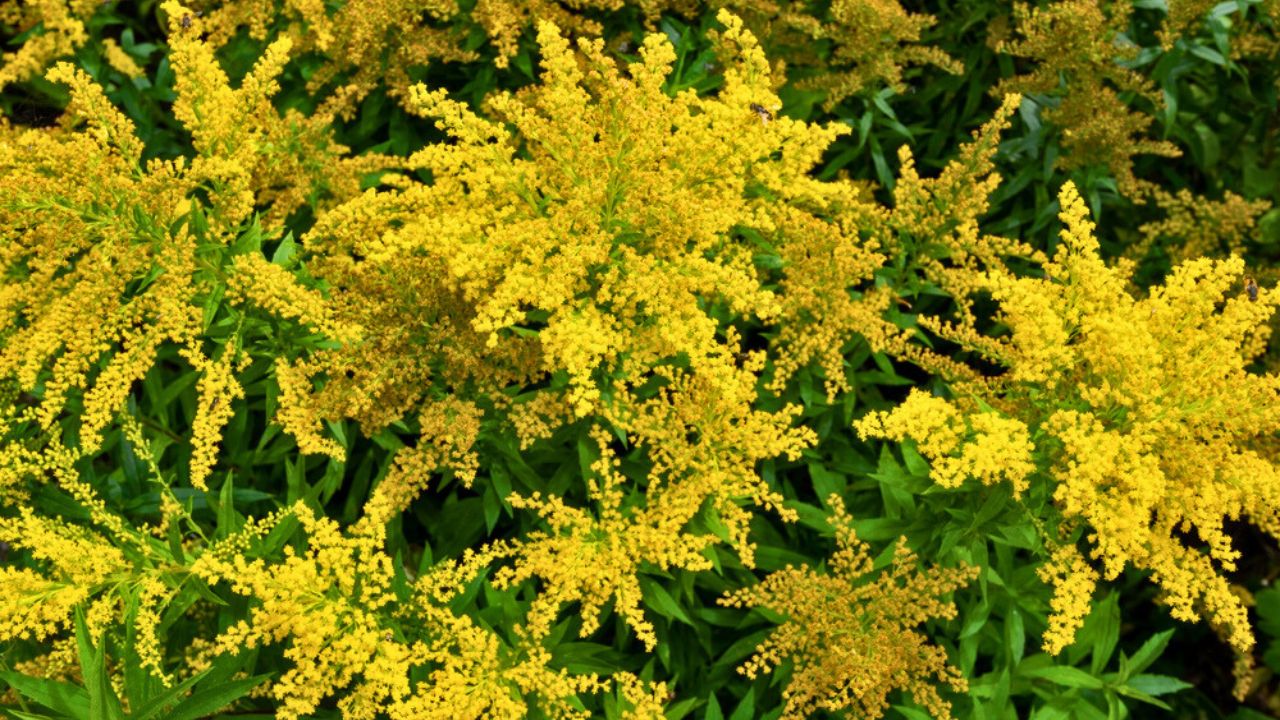
Often wrongly blamed for hay fever (the real culprit is ragweed), Goldenrod is a glorious native perennial that lights up the fall landscape. It produces arching sprays or dense clusters of brilliant golden-yellow flowers. There are many well-behaved cultivars available for the home garden that won’t spread as aggressively as their wild cousins.
- Why it’s a good choice: It provides a vital late-season food source for bees and other beneficial insects. Its bright yellow color is the perfect complement to purple asters.
- Care Tips: Plant in full sun and average, well-drained soil. To control its size and prevent unwanted self-seeding, you can deadhead the flowers before they produce seeds. Choose a named cultivar like ‘Fireworks’ for a more manageable and graceful habit.
7. Turtlehead (Chelone lyonii)
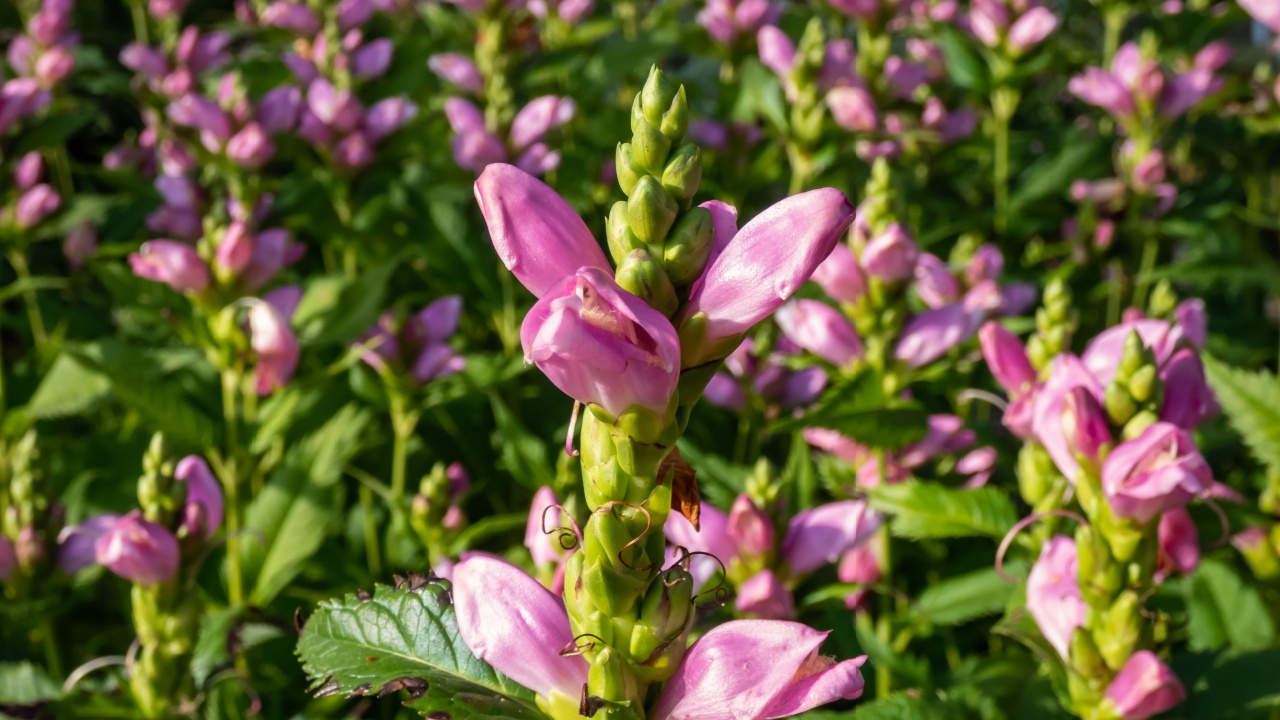
Named for its unique flowers that resemble a turtle’s head with its mouth open, this is a charming and distinctive fall bloomer. The snapdragon-like flowers appear in dense spikes of pink, rose, or white from late summer through autumn. Its deep green, glossy foliage looks attractive all season long.
- Why it’s a good choice: It’s one of the few fall bloomers that thrives in moist, shady conditions. It is also highly deer-resistant.
- Care Tips: Turtlehead needs consistently moist soil and performs best in part shade, though it can tolerate full sun if given enough water. It forms a dense, upright clump that rarely needs staking. Pinching the stems back in spring can create a fuller plant.
8. Chrysanthemum (Chrysanthemum)
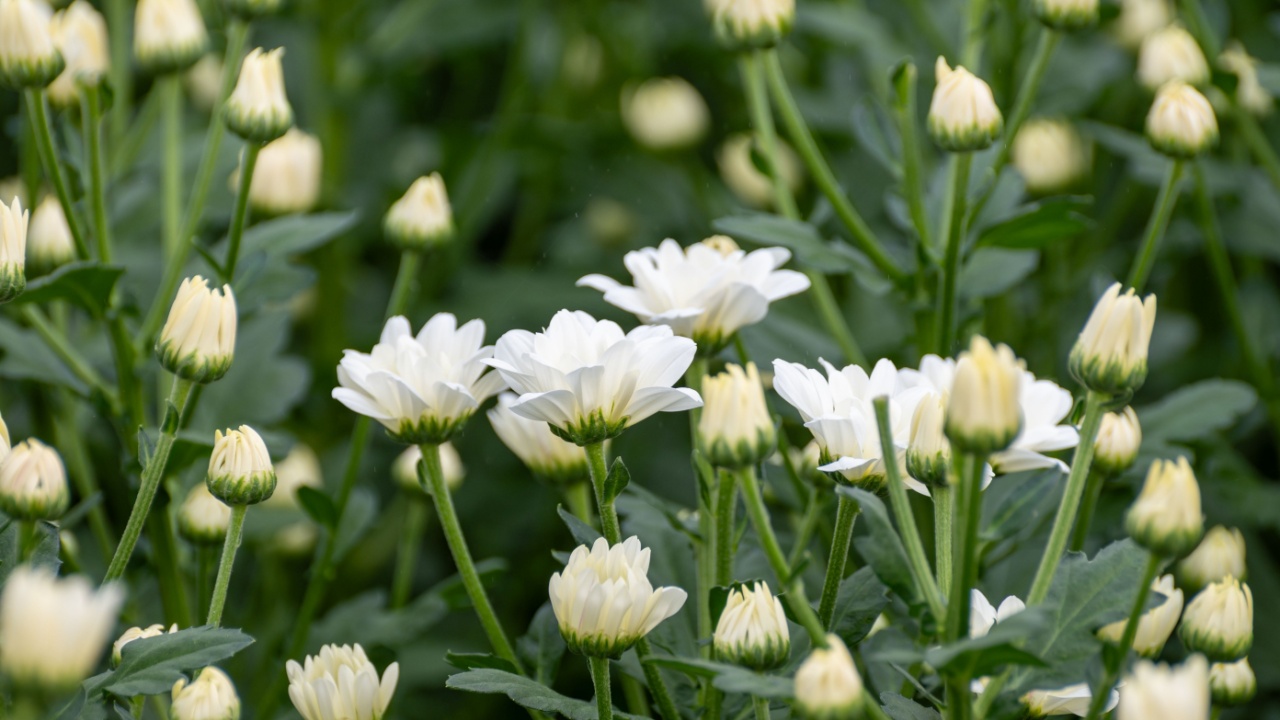
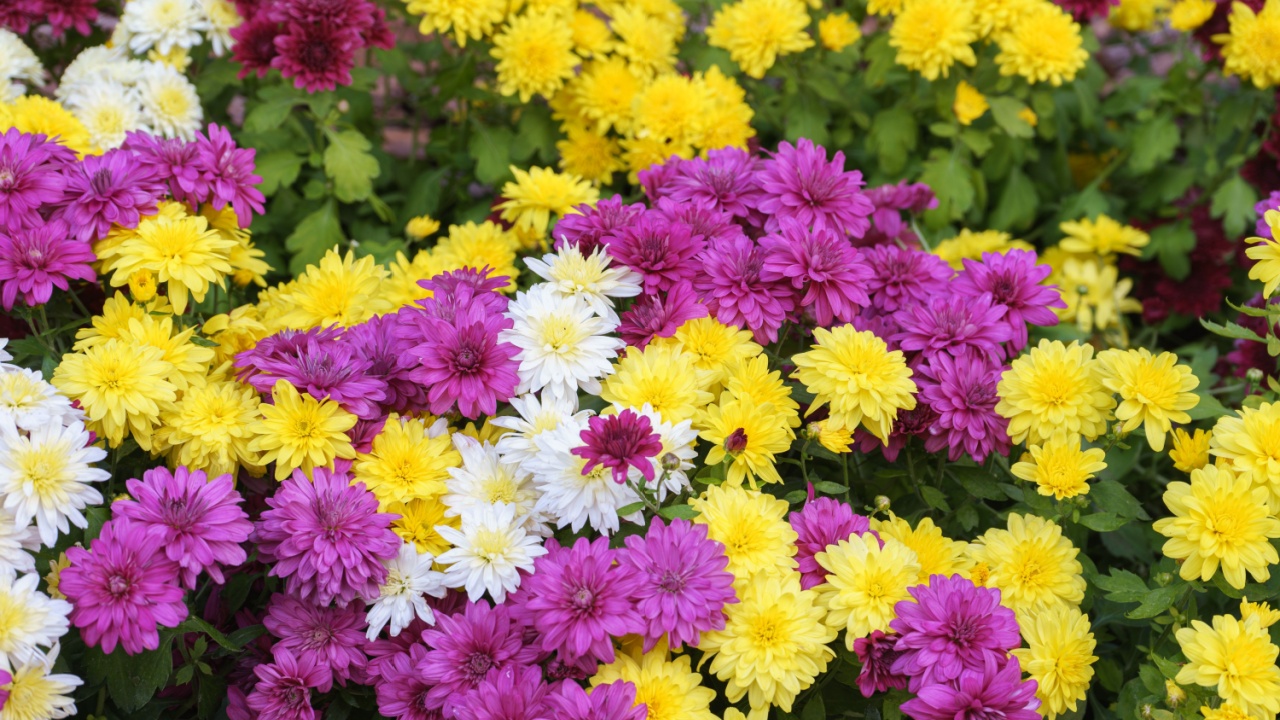
No fall flower list is complete without mums. While many people buy potted mums as annual decorations, planting hardy or perennial mums in your garden ensures they return year after year. These plants form dense mounds that become completely covered in flowers, available in nearly every color of the rainbow except true blue.
- Why it’s a good choice: They offer an unparalleled burst of classic autumn color and are incredibly versatile for beds, borders, and containers.
- Care Tips: For perennial success, plant hardy mums in the spring to give them a full season to establish their root systems. They require full sun and well-drained soil. To get that classic mounded shape, you’ll need to pinch back the growing tips every few weeks from spring until mid-summer (stopping around the Fourth of July is a good rule of thumb).
9. Autumn Crocus (Colchicum autumnale)
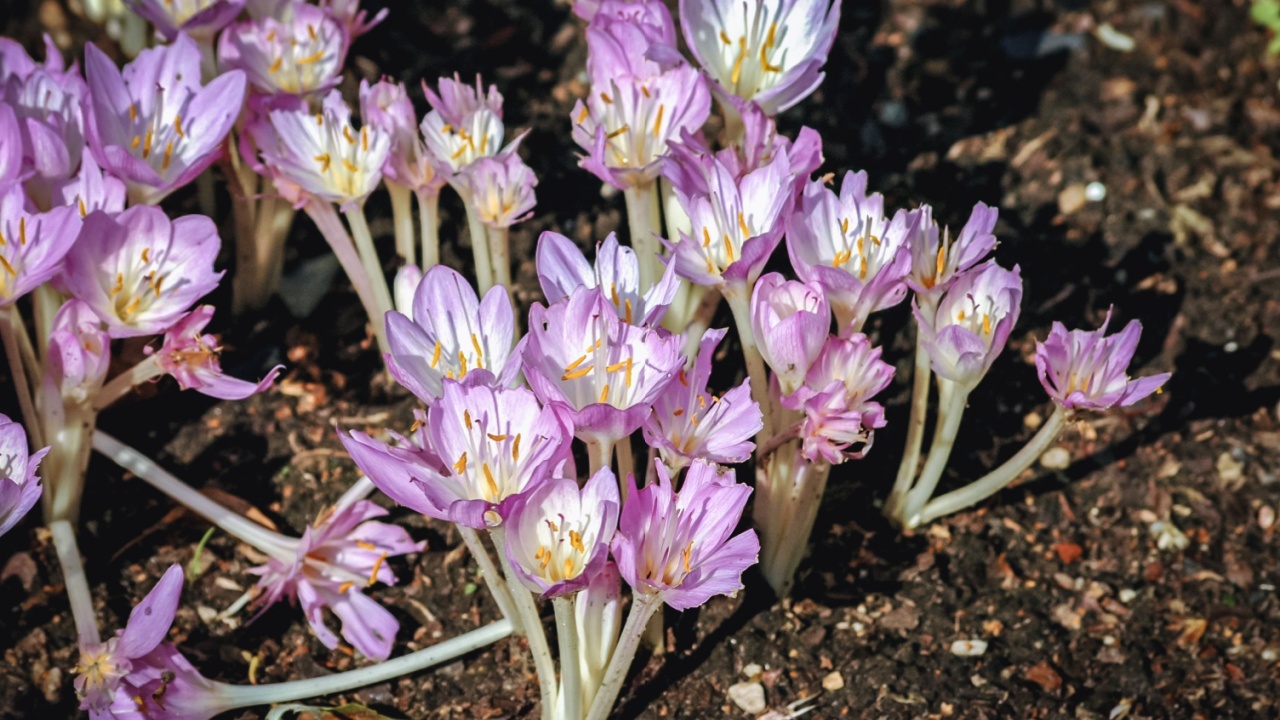
This is a delightful fall surprise. Planted in late summer, the bulbs send up chalice-like flowers in shades of pink, lavender, and white directly from the bare earth, with no foliage in sight. The leaves will appear the following spring, gather energy for the plant, and then die back for the summer, making way for the floral show in fall.
- Why it’s a good choice: It provides an unexpected and magical pop of color at ground level. It’s perfect for planting under deciduous trees or among ground covers.
- Care Tips: Plant the corms (bulbs) in late summer in a spot with full sun and well-drained soil. Be aware that all parts of the plant are toxic if ingested, so plant with care around pets and children. Divide clumps every few years to keep them vigorous.
10. Sneezeweed (Helenium autumnale)

Another native plant with an unfortunate name, Sneezeweed is a cheerful, daisy-like flower that doesn’t cause sneezing. It blooms in warm, autumnal shades of gold, burnt orange, and deep red. The petals are distinctively skirt-like, drooping down from a prominent central cone.
- Why it’s a good choice: Its warm colors perfectly capture the essence of autumn. It’s deer-resistant and a favorite of bees.
- Care Tips: Helenium prefers full sun and consistently moist soil. Use mulch to help keep the roots cool. Taller varieties will likely need staking, or you can pinch them back in early summer to promote a shorter, bushier habit.
11. Blue Mist Shrub (Caryopteris x clandonensis)
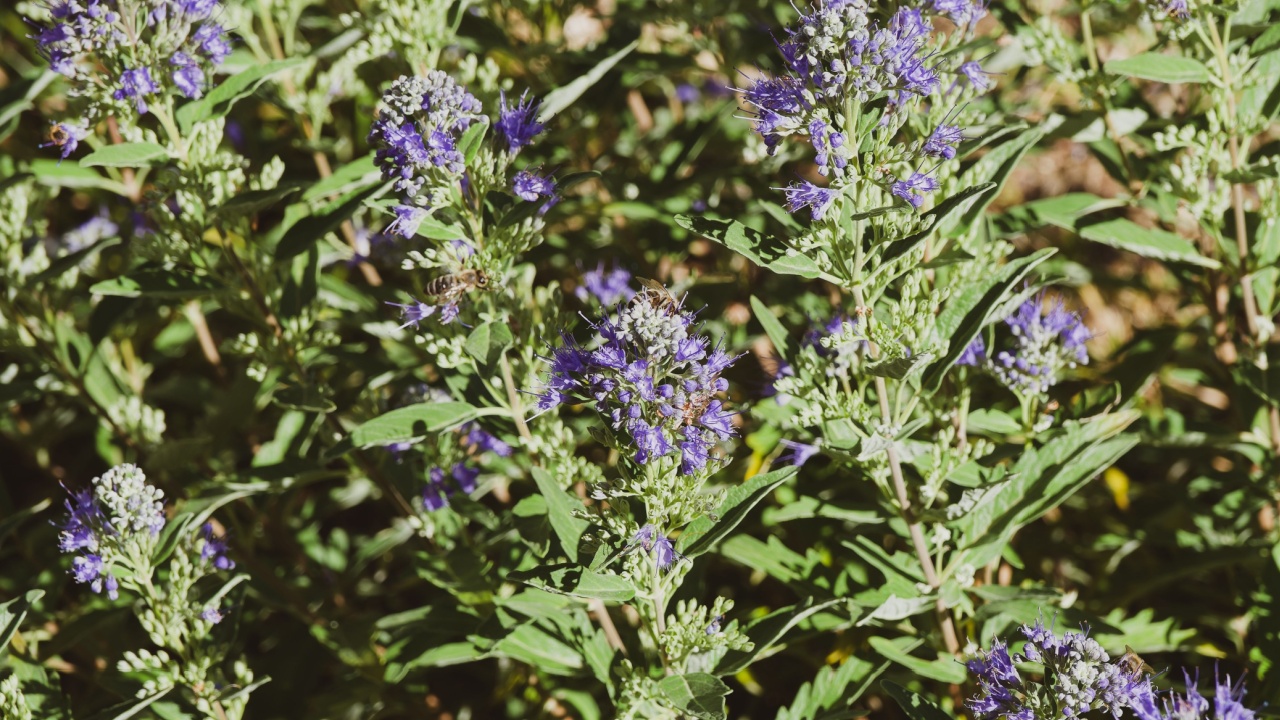
This small, woody shrub produces clusters of delicate, powder-blue flowers in late summer and fall, attracting bees and butterflies in droves. Its foliage is often silvery-green and aromatic, adding another layer of sensory interest to the garden.
- Why it’s a good choice: The true blue color is a rare and welcome sight in the fall garden, contrasting beautifully with yellow and orange flowers. It is deer-resistant and drought-tolerant once established.
- Care Tips: Plant in full sun and very well-drained soil. It blooms on new wood, so it should be pruned back hard in late winter or early spring to encourage vigorous new growth and abundant flowers.
12. Leadwort (Ceratostigma plumbaginoides)
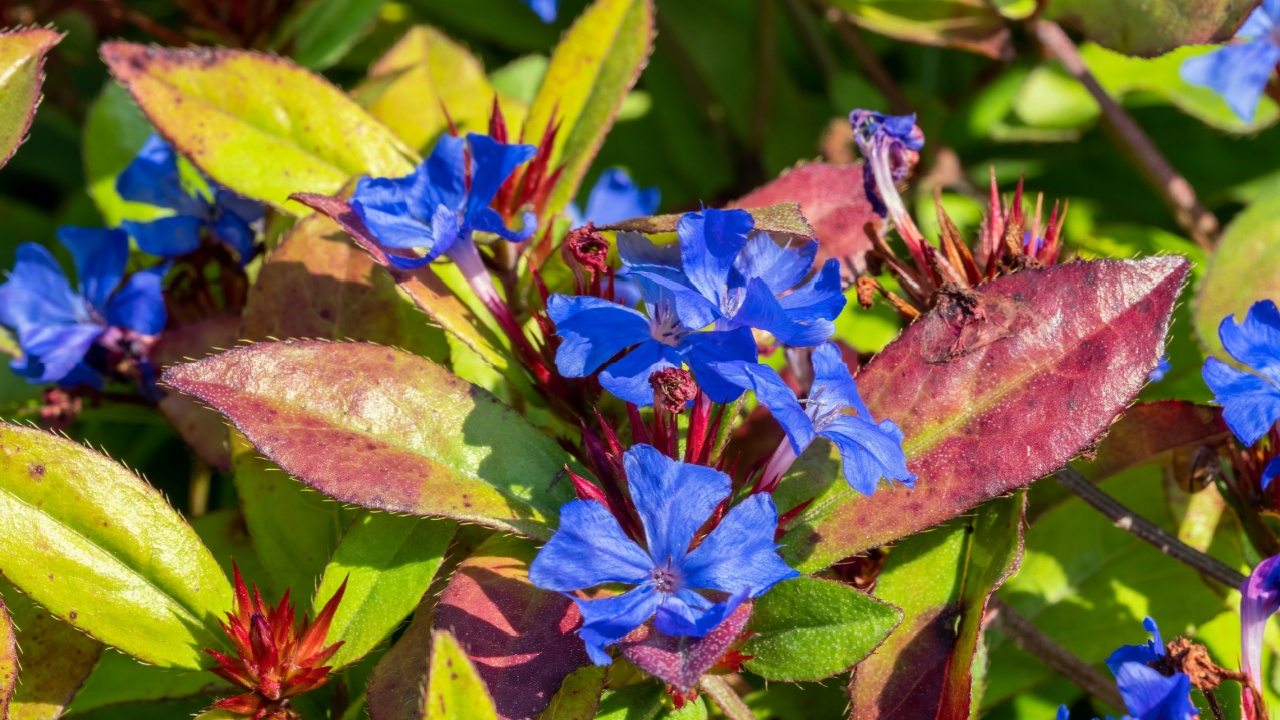
Leadwort is a fantastic ground cover that offers two seasons of interest. In late summer and fall, it produces brilliant, electric-blue flowers. As the temperatures drop, its green leaves transform into stunning shades of bronze and scarlet, creating a beautiful tapestry of color at the front of a border.
- Why it’s a good choice: It’s a tough, spreading ground cover that provides vibrant flower color and spectacular fall foliage. It is also deer-resistant.
- Care Tips: It performs well in full sun or part shade and is adaptable to various soil types, as long as they are well-drained. It spreads by roots but is not considered invasive, making it great for filling in rocky areas or slopes.
13. Perennial Sunflower (Helianthus spp.)
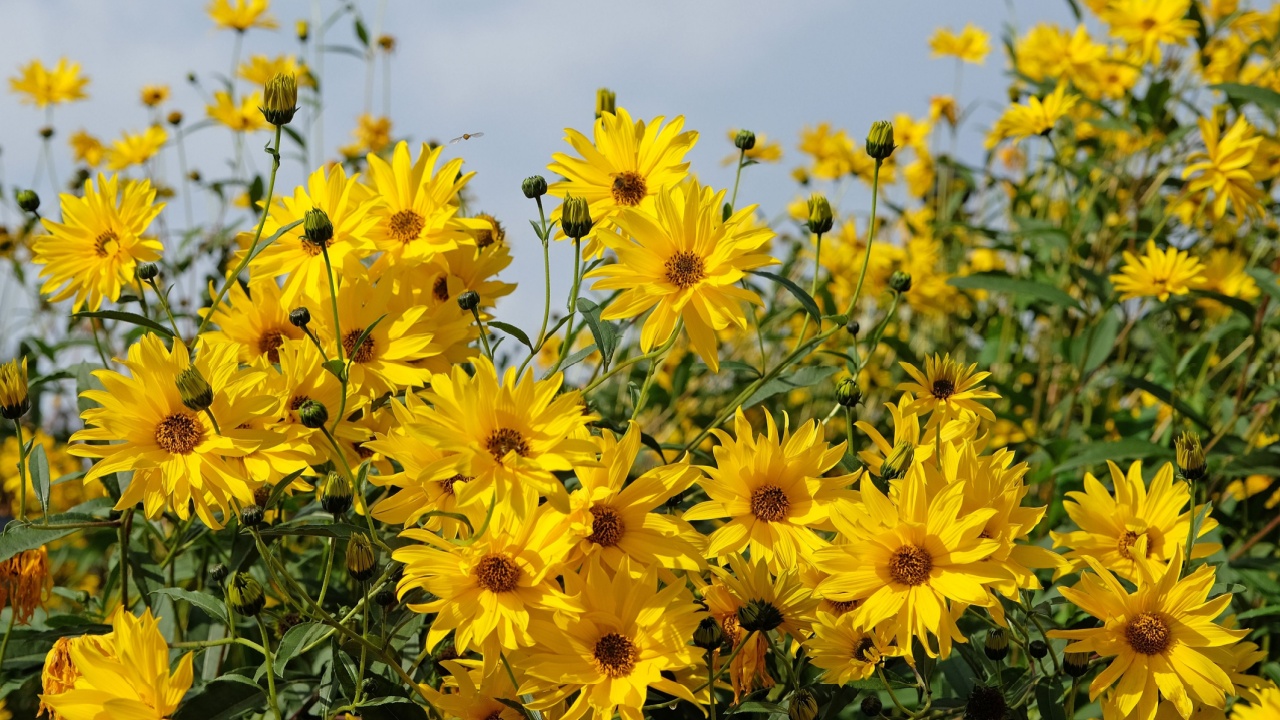
While annual sunflowers get much of the attention, their perennial cousins are steadfast garden performers. These plants produce a profusion of smaller, but equally cheerful, yellow daisy-like flowers from late summer into fall. Varieties can range from a few feet tall to towering giants.
- Why it’s a good choice: They provide a reliable and abundant splash of sunshine yellow in the autumn landscape. Many native varieties are excellent for supporting local ecosystems.
- Care Tips: Plant in full sun in average soil. They are generally tough and drought-tolerant. Taller types, like the swamp sunflower (Helianthus angustifolius), may require staking for support.
14. Sweet Autumn Clematis (Clematis paniculata)
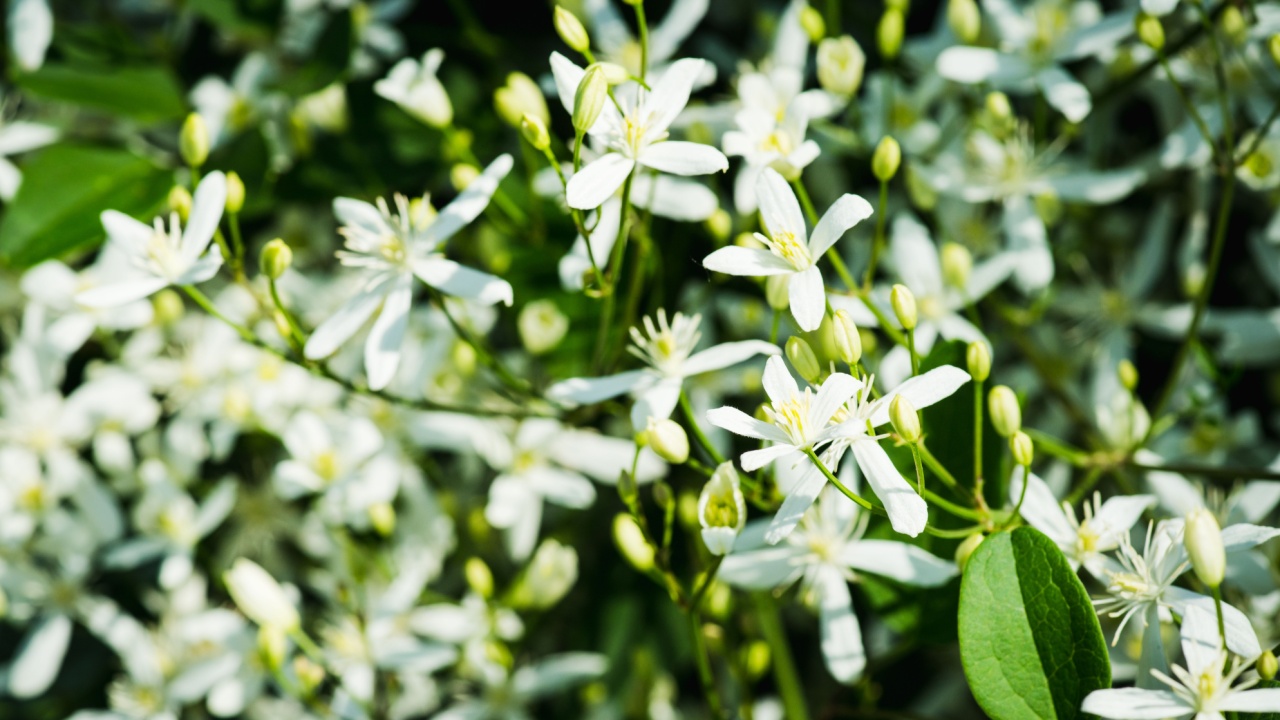
This vigorous vine can cover a trellis, fence, or arbor with a dense blanket of tiny, fragrant, star-shaped white flowers in late summer and fall. The effect is like a snowstorm in September, followed by attractive silvery seed heads.
- Why it’s a good choice: It’s perfect for quickly covering an unsightly structure with beautiful, fragrant blooms.
- Care Tips: Plant in a spot where its roots are shaded, but the vine can grow into full sun. Be warned: this is an extremely aggressive grower and is considered invasive in some areas. It requires ruthless pruning and management to keep it in check. Prune it back hard in late winter or early spring, as it blooms on new growth.
15. Balloon Flower (Platycodon grandiflorus)
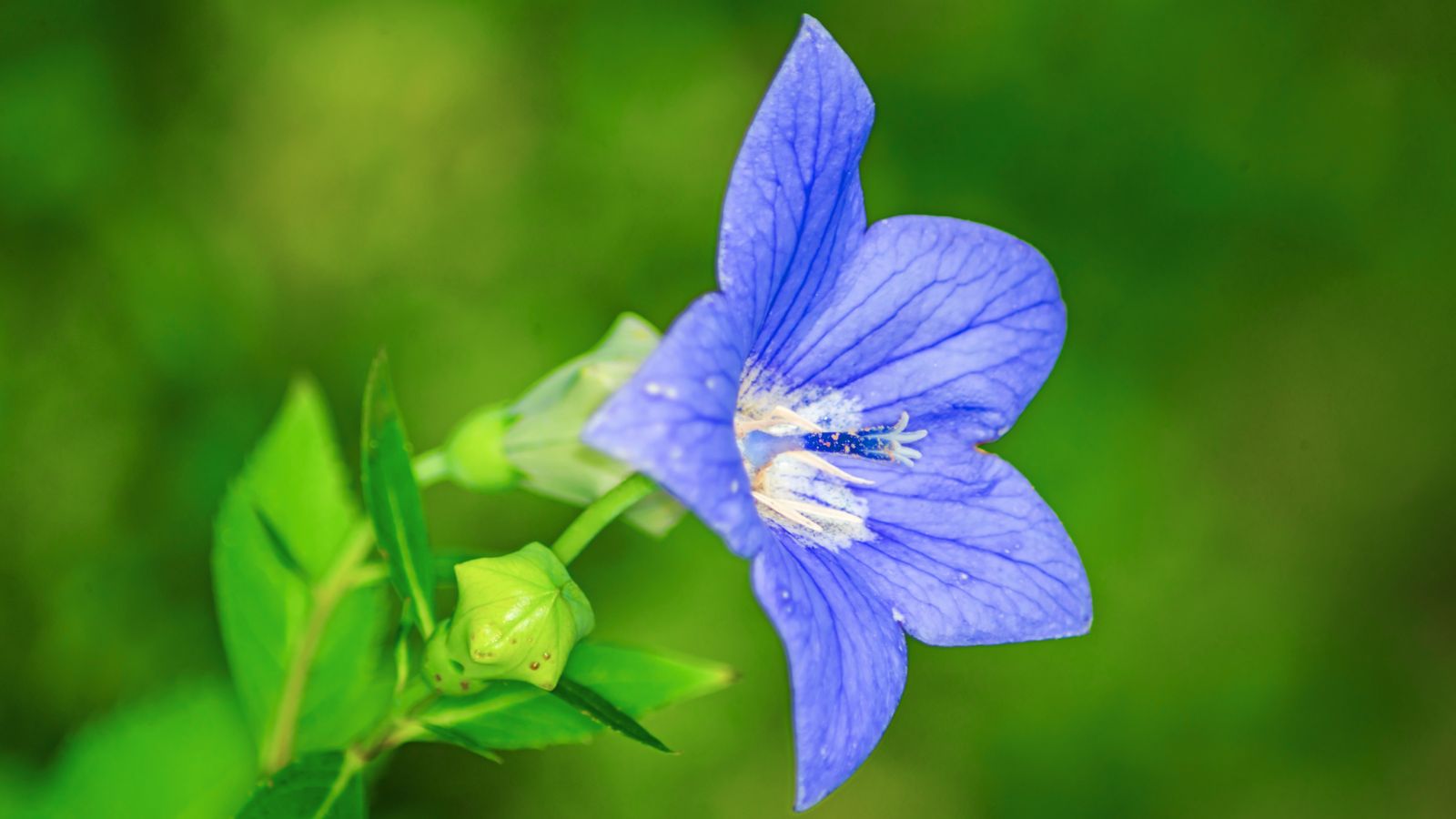
While primarily a summer bloomer, Balloon Flower will often rebloom in the fall if consistently deadheaded. The name comes from its flower buds, which swell up like puffy, balloon-like bubbles before popping open into bell-shaped, blue, pink, or white flowers.
- Why it’s a good choice: The unique budding process is fun to watch, and the plant is a reliable, long-lived perennial that requires very little maintenance.
- Care Tips: Plant in full sun to part shade in well-drained soil. Once established, it dislikes being moved due to its long taproot. Deadhead spent flowers to encourage a second, lighter flush of blooms in the fall.
16. Dahlia (Dahlia spp.)
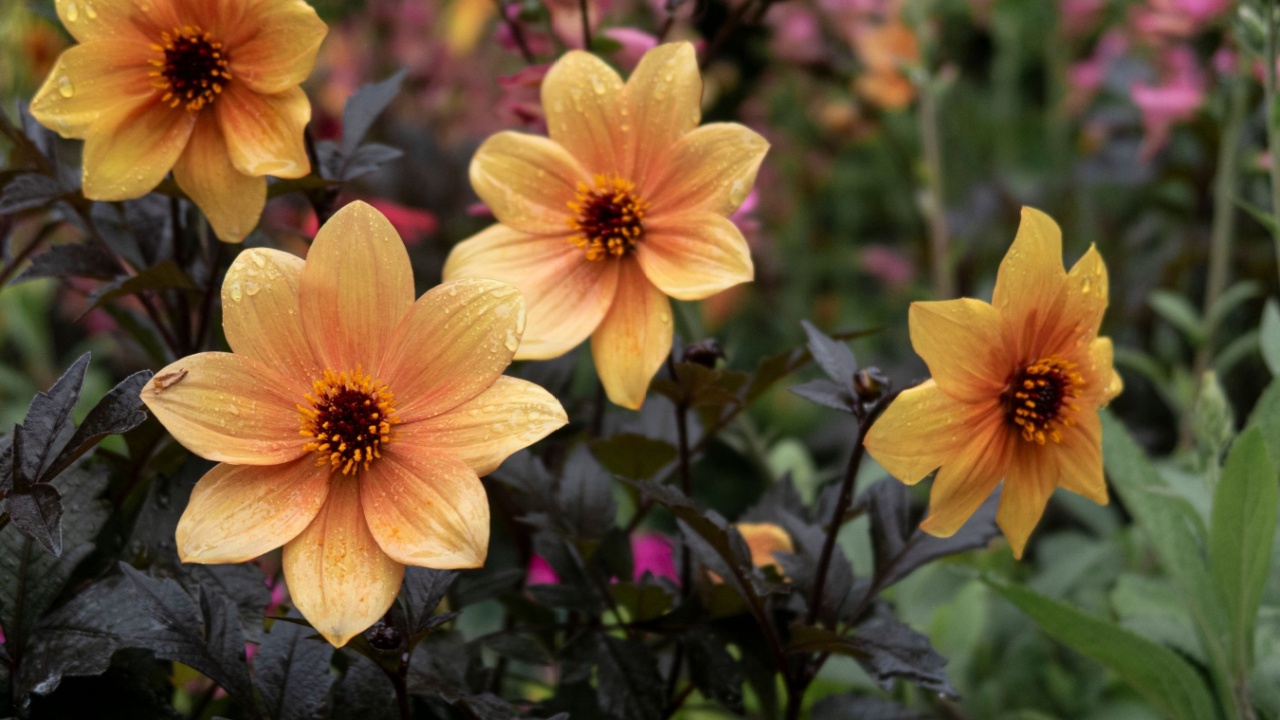
Dahlias are the divas of the late-season garden, blooming with an incredible diversity of shapes, sizes, and colors from midsummer until the first frost. While technically a tender perennial (meaning they are not cold-hardy in most zones), their spectacular show is well worth the effort.
- Why it’s a good choice: They provide some of the most dramatic and intricate flowers you can grow. The range of colors and forms is simply breathtaking.
- Care Tips: Plant tubers in the spring after the danger of frost has passed. They need full sun and rich, well-drained soil. In zones colder than 8, you must dig up the tubers after the first frost kills the foliage and store them in a cool, dry place over winter to replant next year.
17. Tickseed (Coreopsis)
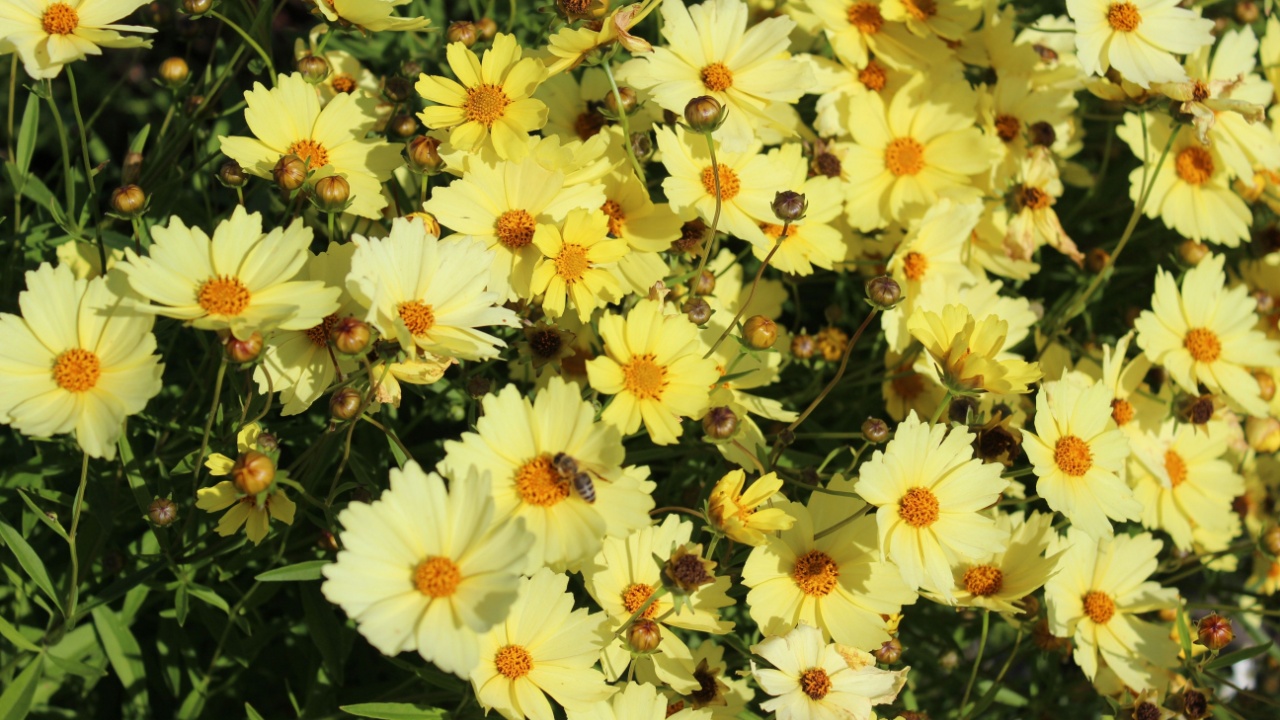
Many varieties of Coreopsis will put on a second, spectacular floral display in the fall if you give them a good shearing after their first wave of summer blooms. The cheerful, daisy-like flowers, most often in shades of yellow and gold, will brighten up any garden bed.
- Why it’s a good choice: It’s a long-blooming, easy-care perennial that attracts butterflies and other pollinators.
- Care Tips: Plant in full sun and well-drained soil. They are very tolerant of poor, dry soils. To encourage fall reblooming, cut the entire plant back by about one-third after the main summer flowering period is over.
18. Blanket Flower (Gaillardia aristata)
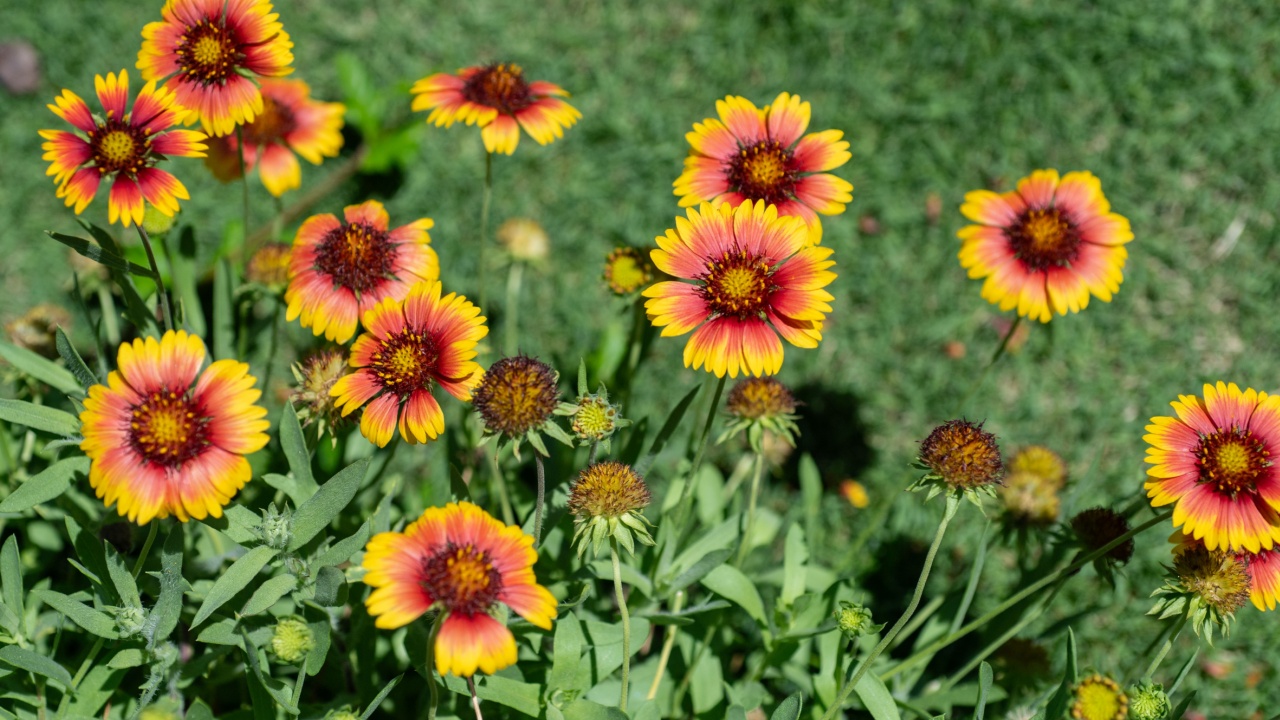
Known for its fiery, festive blooms in shades of red, orange, and yellow, Blanket Flower is a tough perennial that blooms its head off from summer right through to frost. The flowers often have a “blanket stitch” pattern of color, giving them their common name.
- Why it’s a good choice: It thrives in hot, dry, sunny conditions and poor soil. It’s a perfect choice for a low-water garden and is deer-resistant.
- Care Tips: Full sun and excellent drainage are key. Deadheading will promote continuous blooming throughout the season. They are often short-lived perennials but may self-seed to ensure future generations.
19. Strawflower (Xerochrysum bracteatum)
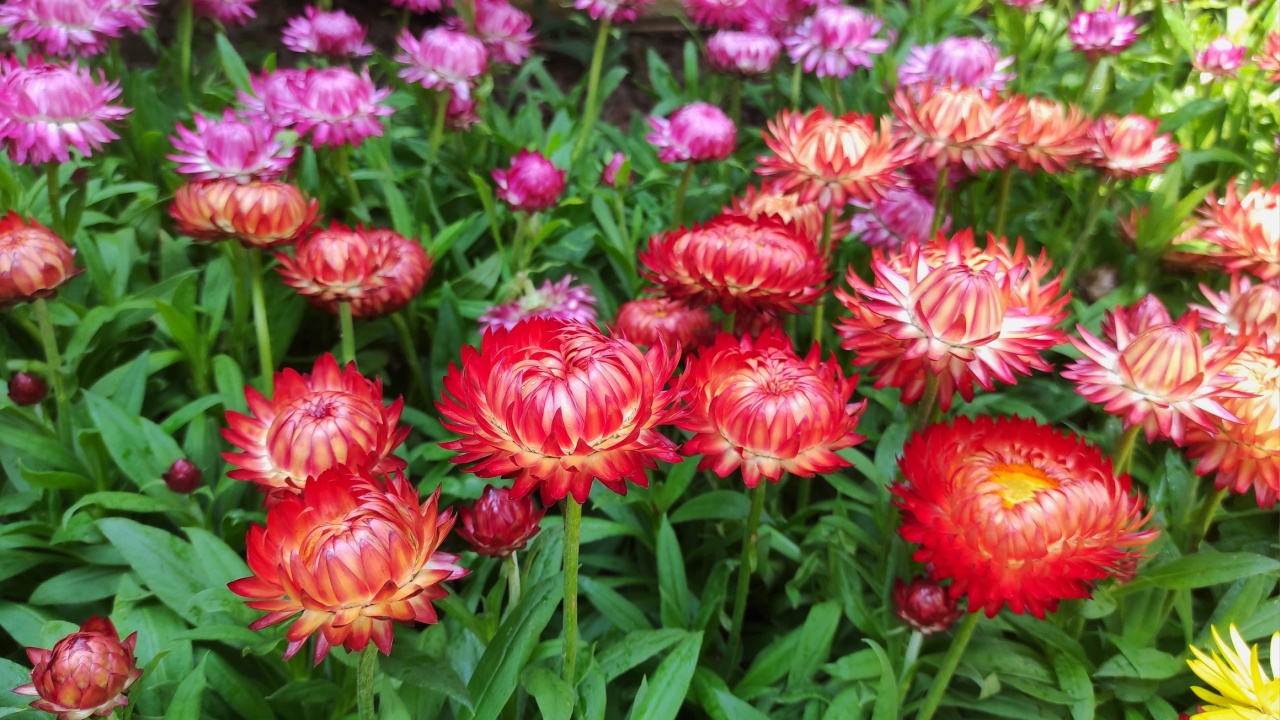
With papery, crisp-textured petals, Strawflowers are fascinating to see and touch. They bloom in a wide array of jewel tones from late spring until frost. As tender perennials, they are often grown as annuals in cooler climates, but their long bloom time makes them a valuable addition to the fall garden.
- Why it’s a good choice: The flowers retain their shape and color beautifully when dried, making them a top choice for dried flower arrangements and crafts.
- Care Tips: Plant in full sun and well-drained soil. Regular deadheading will encourage a continuous supply of blooms. They are heat and drought-tolerant once established.
20. Mexican Bush Sage (Salvia leucantha)
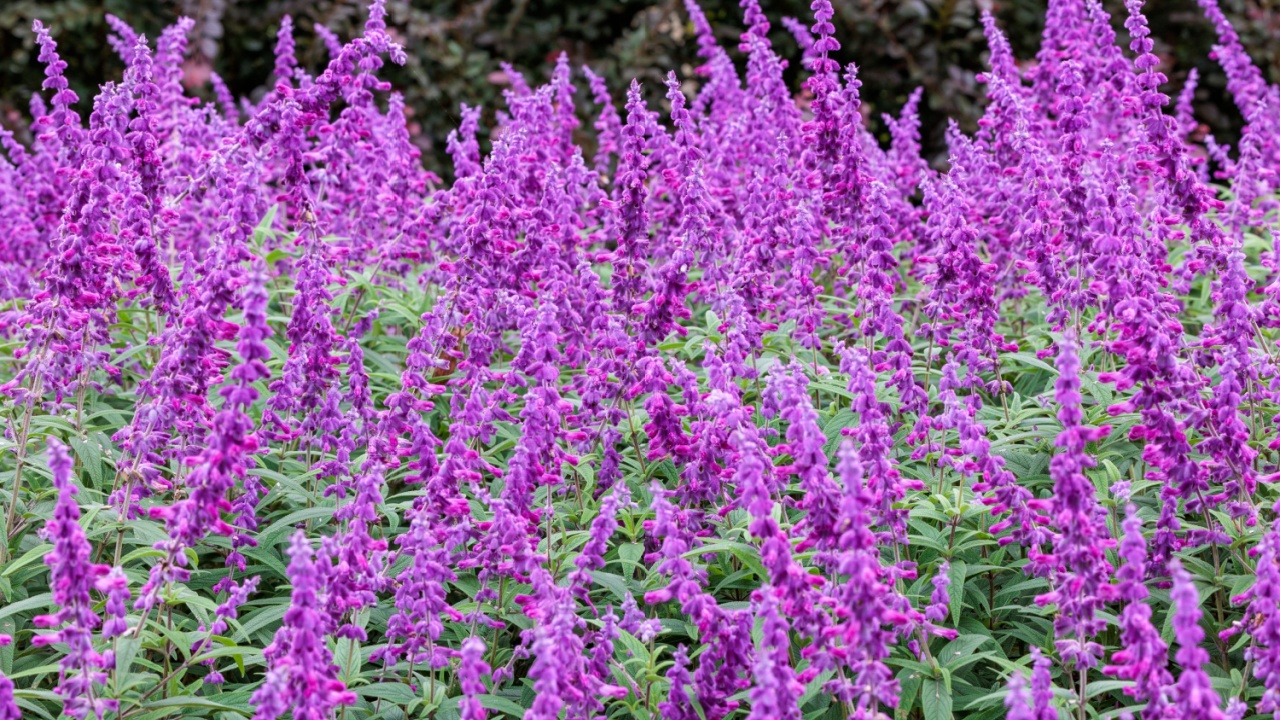
This is a showstopper. Mexican Bush Sage produces long, graceful wands of fuzzy, velvety purple flower spikes. Tiny white flowers emerge from the purple bracts, creating a beautiful two-tone effect from late summer until frost. Hummingbirds absolutely adore this plant.
- Why it’s a good choice: Its unique texture and vibrant color make a bold statement. It’s deer-resistant and drought-tolerant.
- Care Tips: Plant in full sun and well-drained soil. It is only perennial in warmer zones (7b and above). In cooler climates, it can be grown as a spectacular annual or in a container that can be moved indoors for winter.
21. Boltonia (Boltonia asteroides)
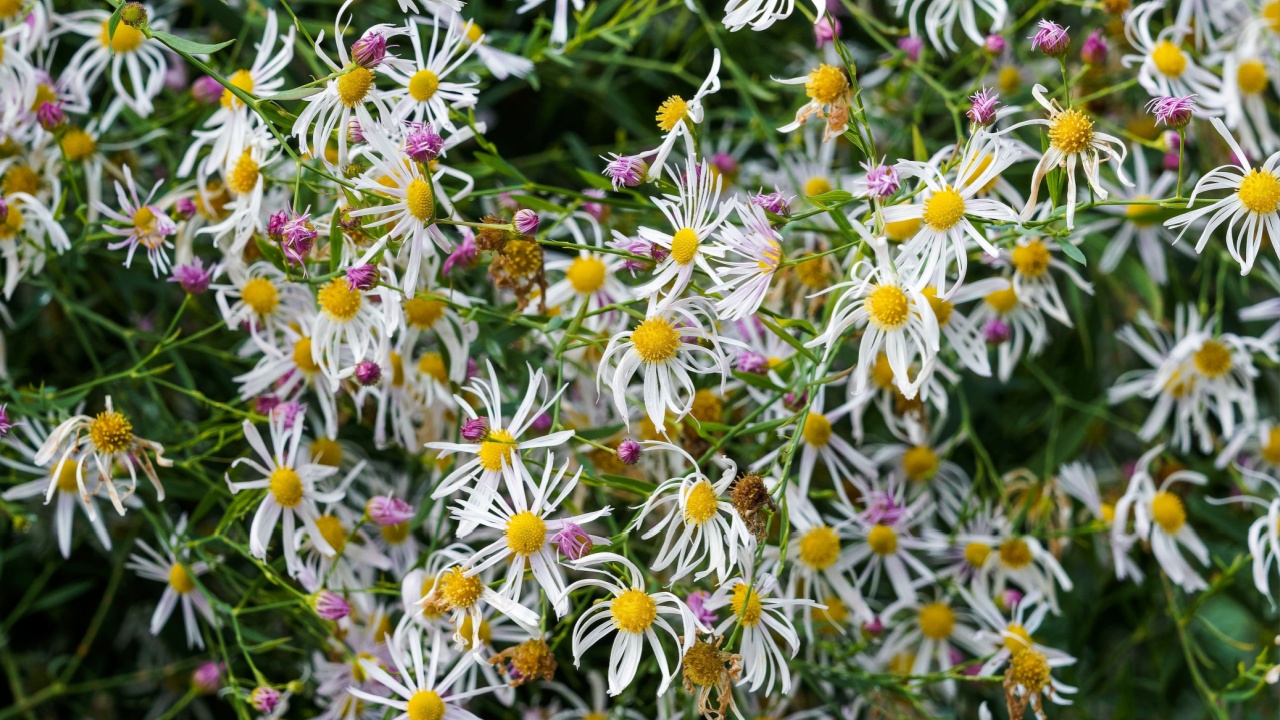
Also known as the false aster, Boltonia covers itself in a cloud of small, white, daisy-like flowers in late summer and fall. It forms a large, bushy clump and can create a stunning, airy effect, similar to baby’s breath but on a much larger scale.
- Why it’s a good choice: It provides a massive floral display with minimal effort and is a great alternative to some of the more aggressive asters.
- Care Tips: It needs full sun and average soil. It can get quite tall and may require staking, especially in rich soil. Pinching it back in early summer can help create a sturdier, more compact plant.
22. Autumn Phlox (Phlox paniculata)
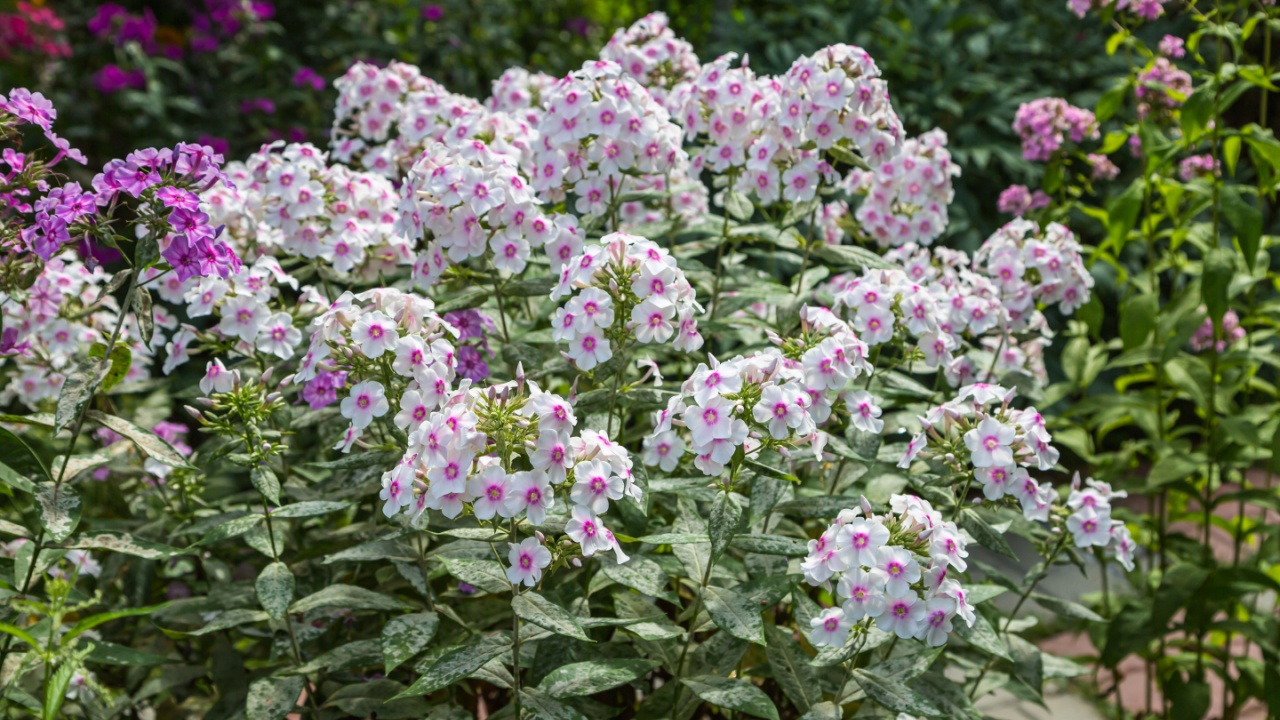
While many garden phlox are summer bloomers, several cultivars are bred for their late-season performance, continuing to produce their fragrant flower clusters well into autumn. Cultivars like ‘Laura’ (purple with a white eye) or ‘David’ (pure white) are known for their long bloom times and good mildew resistance.
- Why it’s a good choice:It provides large, fragrant flower heads and vertical interest late in the season. It attracts a wide range of pollinators.
- Care Tips:Plant in full sun and provide good air circulation to minimize powdery mildew, a common issue for phlox. Deadheading faded flower panicles will prolong the bloom time and prevent self-seeding.
Cultivating a Fabulous Fall Garden
Now that you’re inspired by these incredible fall bloomers, it’s time to get planning! The best time to plant most perennials is in the fall, about six weeks before your first expected frost.
This gives them time to establish strong roots before winter. Start by assessing your garden. Where are the sunny spots? Are there areas with moist soil? Sketch out a simple design, placing taller plants like Joe Pye Weed and New England Asters at the back of your borders, and lower-growing plants like Leadwort and Autumn Crocus at the front. Think about color combinations, pairing the cool purples of asters with the warm yellows of goldenrod for a classic autumn look. As you plant, remember to give each perennial enough space to grow to its mature size. A little effort now will reward you with a breathtaking garden that celebrates the beauty of autumn for years to come.