Make Your Garden Work for You With These Permaculture Hacks
Creating a garden that works with nature, instead of against it, is the dream for many home gardeners. A permaculture garden does just that.
It’s a design approach that mimics natural ecosystems to build a resilient, sustainable, and productive space. By combining the words “permanent” and “agriculture,” permaculture offers a way to grow food and create beautiful landscapes that require less work over time.
You can reduce waste, support local wildlife, and enjoy a bountiful harvest with a system that largely takes care of itself.
This guide will walk you through 13 practical tips to start your own permaculture garden. You might be surprised to find you’re already using some of these principles. By adding a few more, you can transform your backyard into a thriving, self-sustaining ecosystem that benefits both you and the environment.
1. Observe and Interact

Before you dig, watch. This first principle is about understanding the unique conditions of your yard. Pay attention to how sunlight moves across your property throughout the day and year. Notice where water pools after rain, which areas are windy, and what kinds of wildlife visit. A garden journal is an excellent tool for this. Documenting your observations helps you make smarter decisions about where to place plants and other garden elements.
Why it’s a good option: This approach prevents costly mistakes. Placing a sun-loving plant in a shady spot or a delicate one in a wind tunnel leads to frustration. By observing first, you work with your landscape’s natural patterns, setting your garden up for success from the start and reducing the need for future interventions.
Quick Tips:
- Sketch a map of your yard and mark sun, shade, and wind patterns.
- Note existing plants (including weeds) as they indicate soil type and health.
- Track which pests appear and when, so you can plan for natural deterrents.
2. Catch and Store Energy
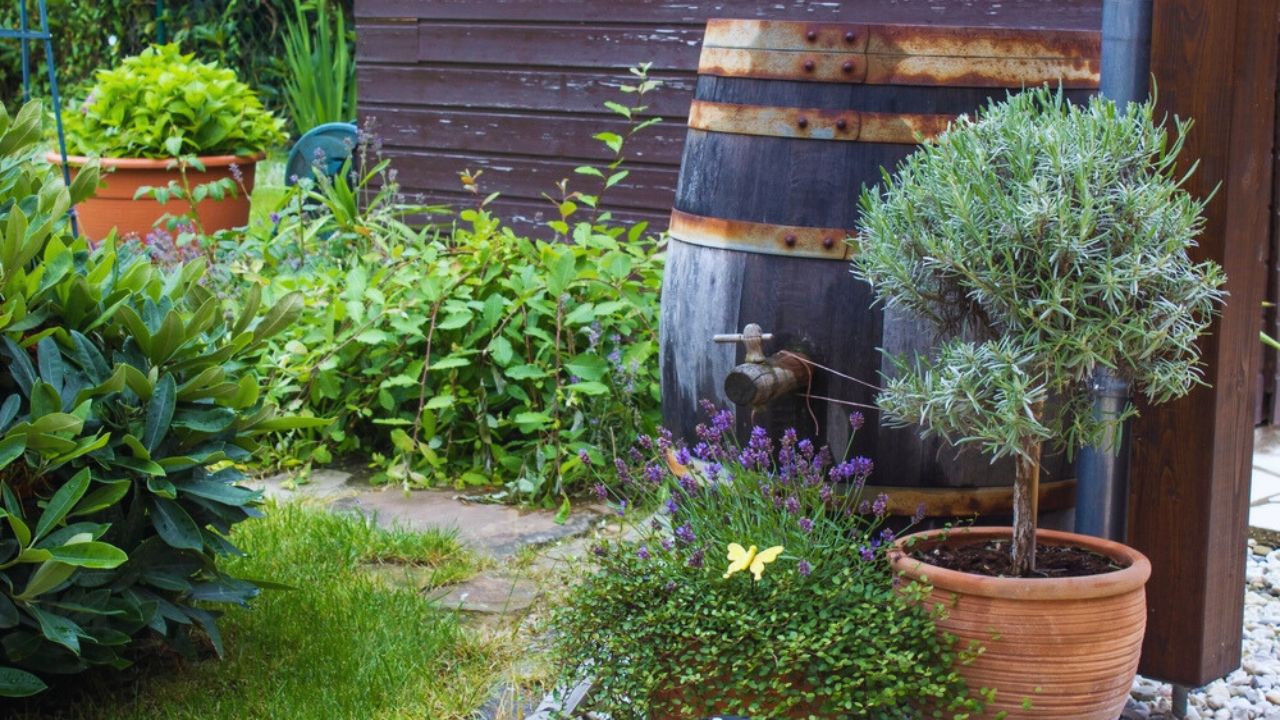
Your garden receives a constant flow of natural energy from the sun, wind, and rain. A key permaculture principle is to capture and store these resources. This can be as simple as setting up rain barrels to collect water from your roof for irrigation. It also means using solar energy to power a small water pump or using the sun’s warmth to your advantage by placing plants strategically. Another great example is composting, which captures the nutrients in yard and kitchen waste and returns them to the soil.
Why it’s a good option: Capturing resources makes your garden more self-sufficient and lowers your utility bills. Using stored rainwater reduces your reliance on municipal water, and creating your own compost eliminates the need to buy synthetic fertilizers. It closes the loop, turning potential waste into valuable assets.
Quick Tips:
- Install rain barrels under downspouts.
- Build a compost bin for leaves, grass clippings, and vegetable scraps.
- Consider a small solar-powered light or fountain for your garden.
3. Define a Yield

A permaculture garden should provide a “yield,” but that doesn’t just mean food. A yield can be anything you want to get from your space. This could be fresh vegetables, herbs, and fruits, but it could also be cut flowers for your home, a peaceful place to relax, or a vibrant habitat for pollinators. Before you plant, take a moment to decide what you want your garden to produce for you and the ecosystem.
Why it’s a good option: Having a clear goal guides your design and plant choices. If your primary yield is food, you’ll focus on productive edible plants. If it’s creating a pollinator haven, you’ll select native flowers that attract bees and butterflies. A defined purpose ensures your efforts are focused and the outcome is truly rewarding.
Quick Tips:
- List your top 3-5 desired outcomes (e.g., food, beauty, wildlife habitat).
- Choose plants that serve multiple functions, like an apple tree that gives fruit and shade.
- Plan for yields throughout the seasons, not just in summer.
4. Use Self-Regulation and Feedback
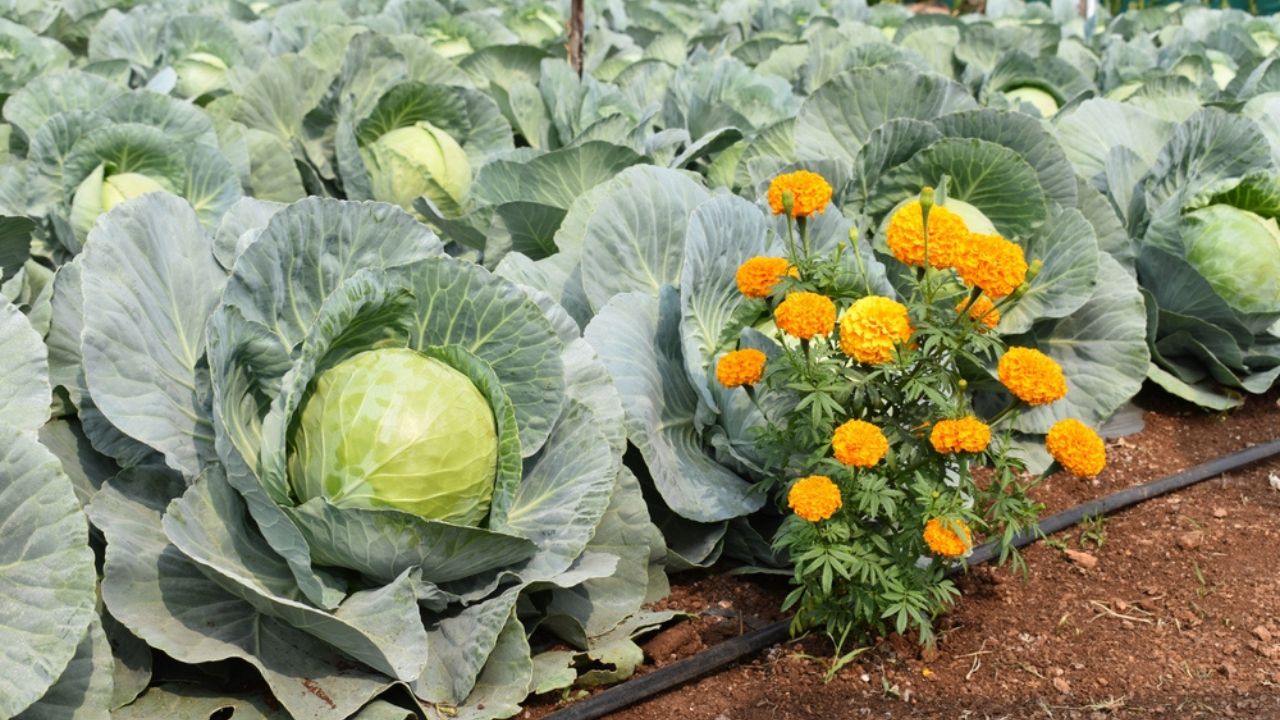
This principle encourages you to be mindful of your garden’s impact on the larger environment. It’s about making choices that promote balance. Instead of reaching for chemical pesticides that can harm beneficial insects and pollute waterways, you can use organic methods like companion planting or introducing predatory insects. It’s about listening to the “feedback” your garden gives you like seeing more bees after planting native flowers and adjusting your approach accordingly.
Why it’s a good option: Self-regulation creates a healthier, more stable garden ecosystem. By avoiding synthetic inputs, you protect pollinators, improve soil health, and ensure the food you grow is clean and safe. This approach reduces your environmental footprint and fosters a garden that is truly regenerative.
Quick Tips:
- Use floating row covers to protect crops from pests.
- Plant flowers like marigolds and nasturtiums alongside vegetables to deter pests.
- Rotate your crops each year to prevent soil-borne diseases from building up.
5. Use Renewable Resources

Relying on renewable resources is at the heart of permaculture’s sustainable ethos. Think beyond just solar and wind. In gardening, this means using what nature provides freely and cyclically. Mulching with fallen leaves, creating your own compost, and collecting rainwater are all simple ways to use renewable resources. You can also build garden structures from reclaimed or sustainably harvested wood.
Why it’s a good option: This practice reduces waste and saves money. Instead of bagging up leaves for trash pickup, you turn them into a nutrient-rich mulch that suppresses weeds and feeds your soil. It’s a practical way to create a closed-loop system where your garden’s outputs become its inputs.
Quick Tips:
- Create a “leaf mold” pile by letting leaves decompose for a year or two it makes a fantastic soil conditioner.
- Connect a drip irrigation system to a rain barrel for automated, efficient watering.
- Use grass clippings as a nitrogen-rich mulch around your plants.
6. Produce No Waste
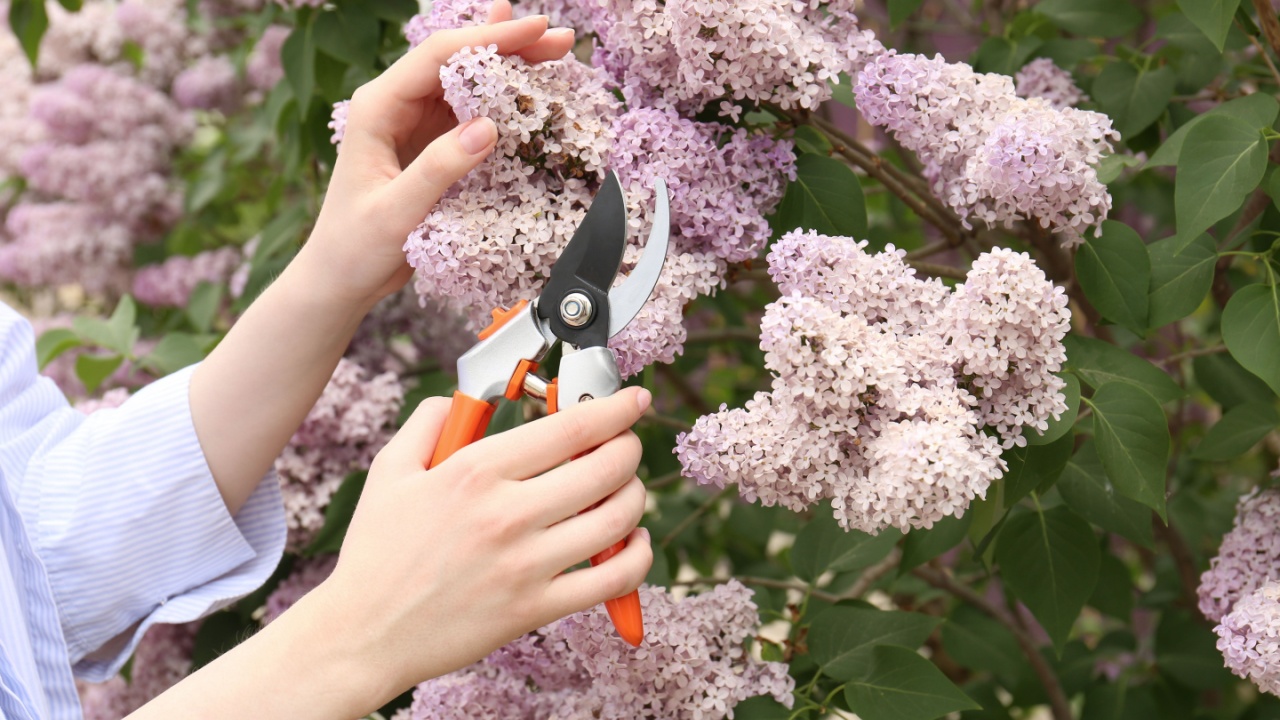
In nature, there is no such thing as waste; every output is an input for something else. Permaculture aims to replicate this. Garden “waste” like pruned branches, weeds (before they go to seed), and spent plants can all be repurposed. Branches can be chipped for mulch or used to build a hügelkultur bed. Kitchen scraps can go into a compost pile or a worm farm. The goal is to see everything as a resource.
Why it’s a good option: A no-waste approach transforms your garden into a model of efficiency. You’ll spend less time and money dealing with trash and more time creating valuable resources for your soil. This principle not only benefits your garden but also reduces your contribution to landfills.
Quick Tips:
- Start a worm bin (vermicomposting) to turn kitchen scraps into nutrient-dense worm castings.
- Let some plants “go to seed” at the end of the season to save seeds for next year.
- Chop up and drop pruned material directly on the garden bed as mulch (as long as it’s disease-free).
7. Design From Patterns to Details
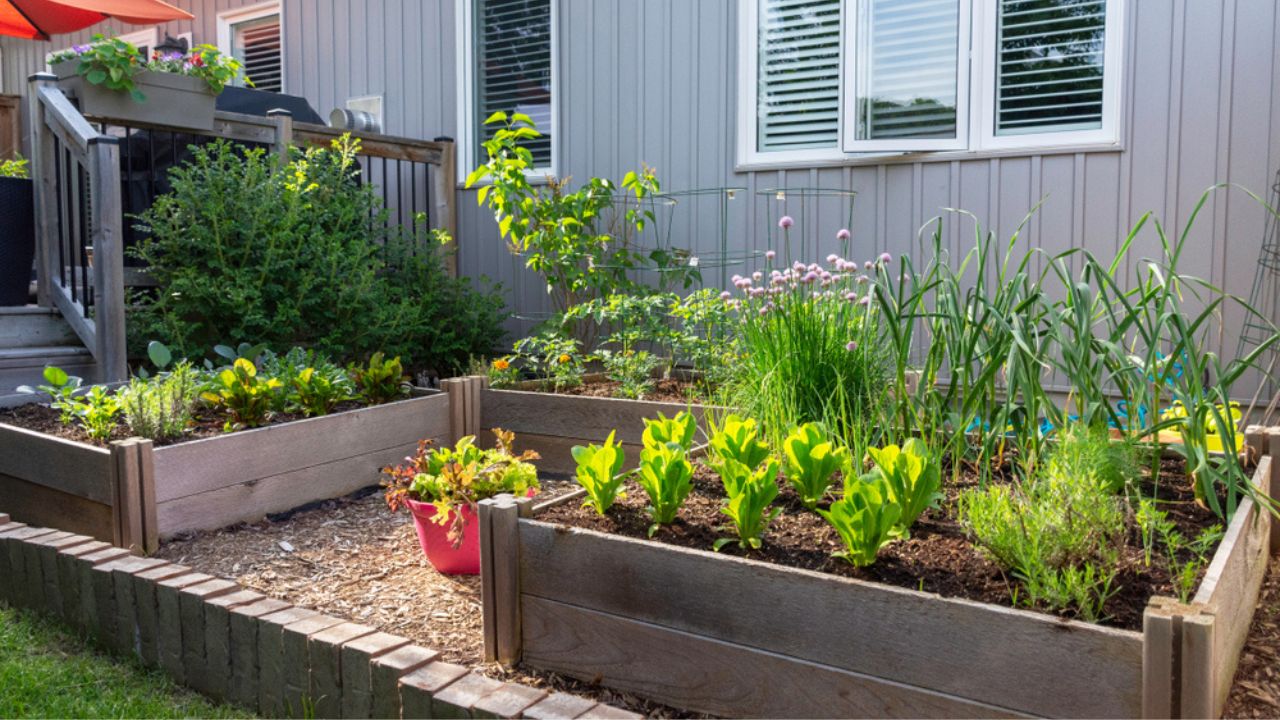
Before you focus on individual plants, think about the overall flow and structure of your garden. This means observing natural patterns and incorporating them into your design. Consider the paths you naturally walk in your yard and formalize them to prevent soil compaction. Think about how elements relate to each other. Place your compost bin near your kitchen door for convenience and your herb garden close by for easy access while cooking.
Why it’s a good option: Designing from the big picture down to the details creates a garden that is both functional and beautiful. It ensures that elements are placed logically, making your gardening tasks easier and more enjoyable. A well-designed path system also protects your soil structure, which is crucial for healthy plant growth.
Quick Tips:
- Designate permanent paths and permanent planting beds to avoid walking on and compacting the soil where plants grow.
- Group plants with similar water needs together to make irrigation more efficient.
- Place frequently harvested plants, like herbs and salad greens, closest to your house.
8. Integrate, Don’t Segregate

Natural ecosystems are incredibly diverse, with different plants, animals, and insects living together. Permaculture encourages you to mimic this integration. Instead of planting a monoculture block of tomatoes, mix them with basil, marigolds, and borage. Combine different gardening techniques, like using raised beds for root vegetables, containers for herbs on the patio, and in-ground beds for larger crops like squash.
Why it’s a good option: Integration creates a stronger, more resilient garden. A diverse mix of plants can confuse pests, attract a wider range of beneficial insects, and improve soil health. Combining different types of garden beds allows you to make the most of your space and cater to the specific needs of each plant.
Quick Tips:
- Plant flowers and herbs among your vegetables.
- Create layers in your garden with tall trees, medium shrubs, and low-growing groundcovers.
- Use a combination of annuals and perennials for continuous harvests and soil stability.
9. Use Small and Slow Solutions
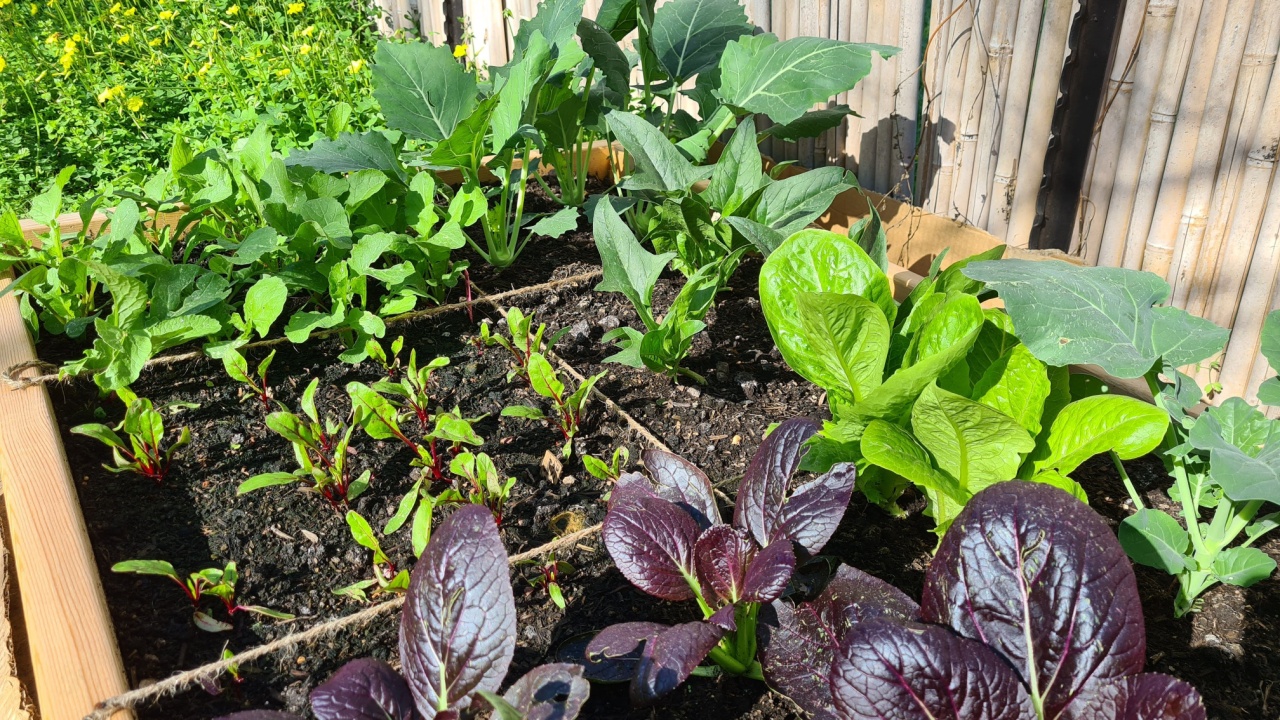
We often want instant results, but nature operates on a different timeline. Permaculture values small, slow, and steady changes. Building healthy soil is a process that takes years, not weeks. Instead of trying to transform your entire yard at once, start with one small garden bed. Experiment with techniques like no-till gardening or lasagna gardening, which improve soil structure over time with minimal effort.
Why it’s a good option: Small and slow solutions are more manageable and sustainable. They allow you to learn as you go and make adjustments without being overwhelmed. This approach leads to more lasting and resilient results, as you are building a healthy ecosystem from the ground up rather than imposing a quick fix.
Quick Tips:
- Start your permaculture journey with a single raised bed or a small section of your yard.
- Try lasagna gardening: layer cardboard, compost, leaves, and other organic materials to build a new garden bed without digging.
- Build a hügelkultur bed by burying rotting wood under soil to create a long-term source of nutrients and water retention.
10. Use and Value Diversity

Diversity is nature’s insurance policy. A garden with a wide variety of plants is less vulnerable to pests and diseases. If one crop fails, you have many others to rely on. Including a mix of flowers, herbs, vegetables, and native plants is key. This diversity also supports a wider range of wildlife, from pollinators to pest-eating predators like ladybugs and lacewings.
Why it’s a good option: A diverse garden is a healthy garden. It attracts beneficial insects that help with pollination and pest control, reducing the need for manual intervention. It also provides a more varied and interesting harvest for you and your family.
Quick Tips:
- Plant at least 10-15 different types of plants in your garden.
- Include native plants, as they are best adapted to your climate and provide essential food for local wildlife.
- Experiment with different varieties of the same vegetable to see which performs best in your garden.
11. Utilize Edges and Value the Marginal
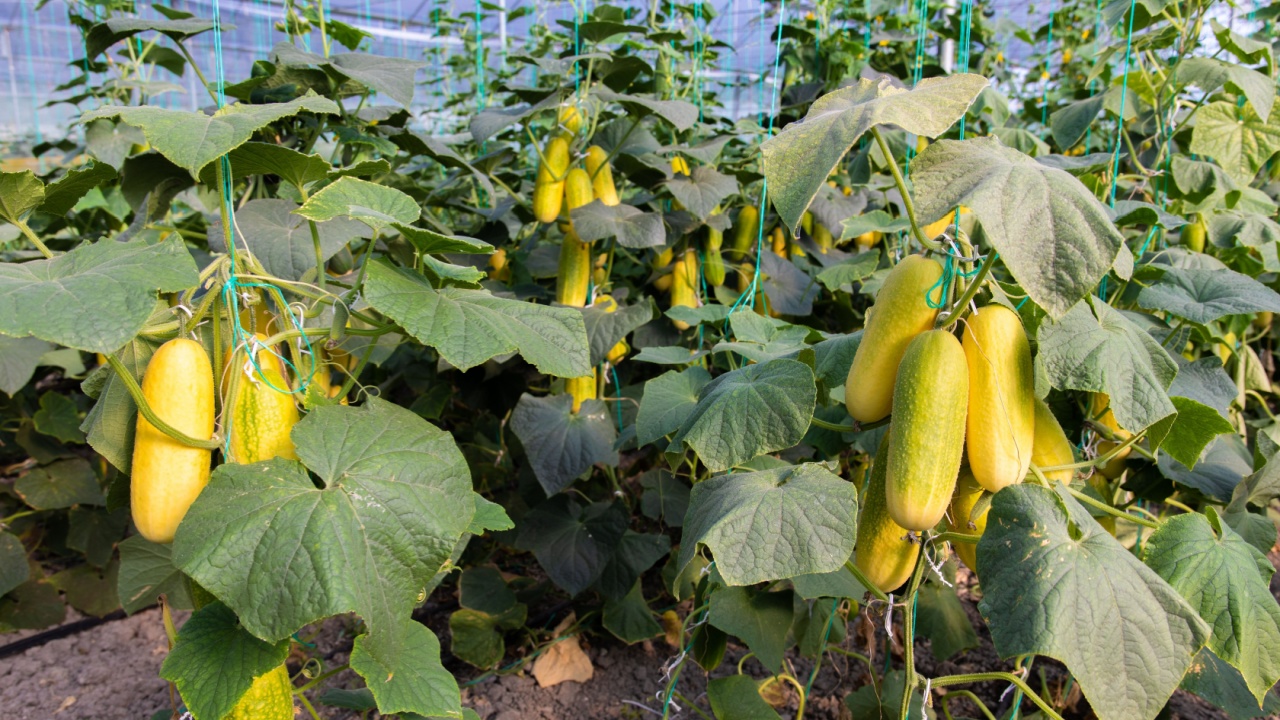
In nature, the most productive areas are often the “edges” where two ecosystems meet, like the boundary between a forest and a meadow. You can create these productive edges in your garden. The border of a garden bed, the edge of a pathway, or the space along a fence are all opportunities. Instead of straight lines, design curved garden beds to increase the amount of edge space. Utilize vertical space by adding trellises for climbing plants.
Why it’s a good option: Using edges maximizes your growing area and productivity. It allows you to fit more plants into a small space and create microclimates that can benefit certain plants. It’s about seeing every part of your yard, even the “marginal” corners, as a valuable growing opportunity.
Quick Tips:
- Design keyhole or spiral-shaped garden beds to maximize edge space.
- Grow vining plants like cucumbers, beans, and peas on trellises or fences.
- Plant shade-tolerant herbs or flowers at the base of taller plants.
12. Stack Functions
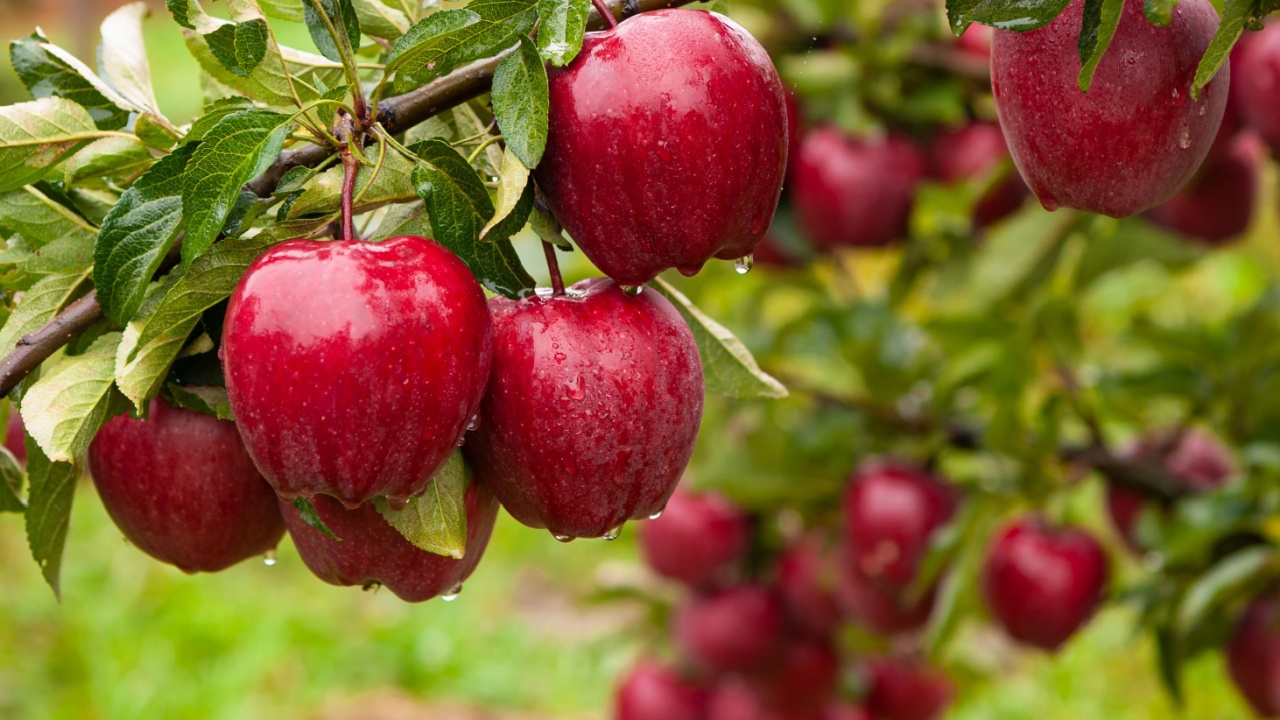
In permaculture, every element in your garden should serve multiple purposes. This is called “stacking functions.” For example, a comfrey plant can be a “dynamic accumulator” that draws nutrients from deep in the soil, its leaves can be used as mulch or compost activator, and its flowers attract pollinators. An apple tree provides fruit, shade, a home for birds, and blossoms for bees.
Why it’s a good option: Stacking functions creates an incredibly efficient and interconnected system. It means you get more value from each plant and element in your garden. This interconnectedness builds resilience, as each component supports several others, creating a strong and stable whole.
Quick Tips:
- When choosing a plant, ask yourself: what are at least three things this plant can do for my garden?
- Plant nitrogen-fixing legumes like beans or clover to naturally fertilize the soil for neighboring plants.
- Use a trellis not only to support climbing plants but also to provide shade for plants below during the hot afternoon sun.
13. Use Change Creatively and Respond to It

Gardens are not static; they are constantly evolving. Plants grow, seasons change, and unexpected challenges arise. The final permaculture principle is to embrace this change and adapt. If a certain vegetable consistently struggles in one spot, don’t keep planting it there. See it as an opportunity to try something new that is better suited to those conditions. Permaculture is a dance of observation and response.
Why it’s a good option: Being flexible and responsive makes you a better gardener. It prevents you from getting stuck in frustrating patterns and opens you up to new possibilities. By learning from both your successes and failures, you can fine-tune your garden over time, making it more resilient and better adapted to your specific environment.
Quick Tips:
- Keep your garden journal updated with what worked and what didn’t.
- Don’t be afraid to move or remove plants that aren’t thriving.
- View problems like a pest outbreak as feedback, prompting you to increase plant diversity or add more habitats for beneficial insects.
Try Your Hand at a Permaculture Garden
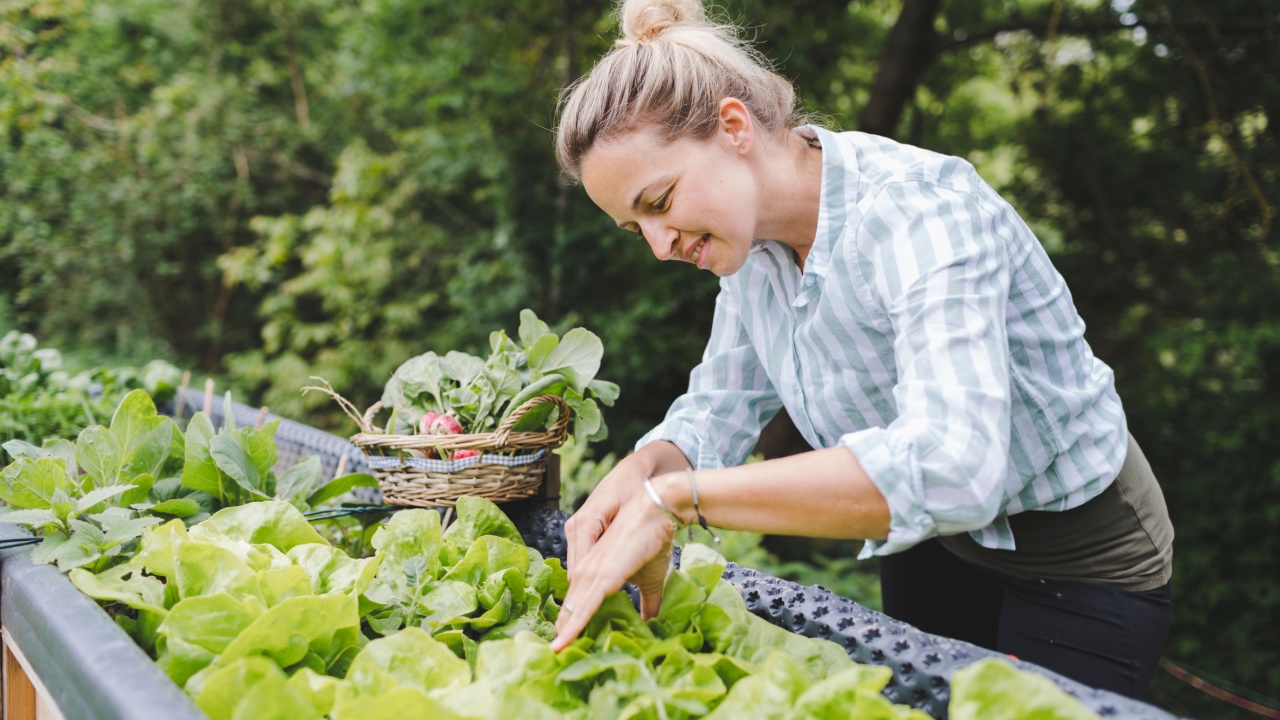
Starting a permaculture garden may seem like a big project, but it begins with small, simple actions. You don’t have to implement all these principles at once. Choose one or two that resonate with you and start there. Begin by observing your yard for a week. Set up a simple compost bin or a rain barrel.
Plant a small polyculture bed with three different plants that support each other. The journey to a thriving permaculture garden is a rewarding one, built one step at a time. As you begin to work with nature, you’ll create a beautiful, productive, and life-filled space that will bring you joy for years to come.
Read more
17 Gardening Lessons from Experts Who Learned the Hard Way (So You Don’t Have To)