23 Fencing Ideas for a Next Level Backyard
Your backyard is your personal sanctuary, a place to unwind, entertain, and connect with nature.
The right fence does more than just mark your property line; it enhances your outdoor living experience. A well-chosen fence can offer privacy from neighbors, create a safe space for kids and pets, and add significant aesthetic appeal to your garden and home.
This guide will walk you through 23 excellent backyard fence ideas suitable for any space.
We’ll explore a variety of materials, styles, and functions to help you find the ideal match for your needs and budget, inspired by landscapers and home improvement experts.
1. The Classic White Picket Fence
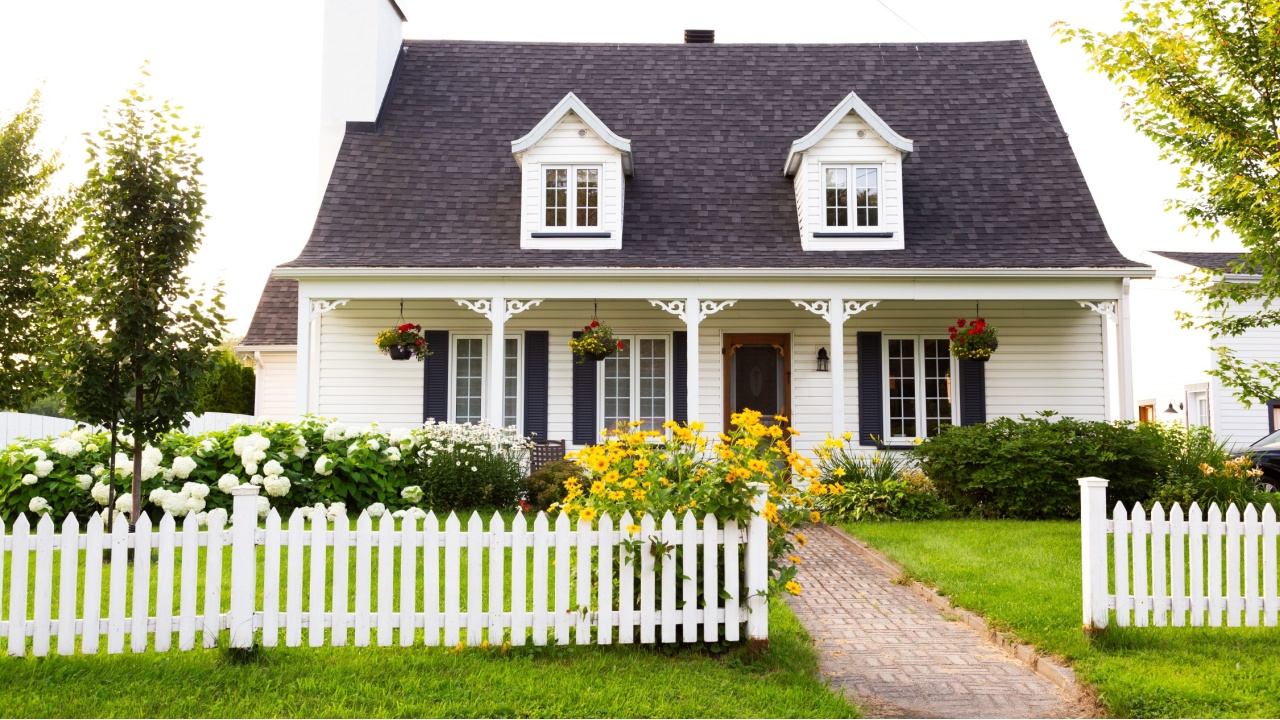
There’s a reason the white picket fence is an enduring symbol of home. Its evenly spaced wooden pickets and charming appearance create a friendly, welcoming boundary that defines your space without feeling restrictive. It’s the perfect complement to cottage, colonial, and traditional home styles.
This style is ideal for establishing a clear border for your yard or a dedicated garden bed. While it doesn’t offer much privacy, it excels at keeping small pets and children contained. Traditionally made of wood, you can now find low-maintenance vinyl versions that offer the same look without the need for regular painting.
- Best For: Creating a classic, charming border and light containment.
- Good to Know: Typically stands 3 to 4 feet tall. For a polished look, consider vinyl. If using wood, be prepared for regular upkeep.
- Next Steps: Decide between wood and vinyl. If you choose wood, select a high-quality exterior paint and primer to protect it from the elements.
2. Tall Wood Privacy Fence
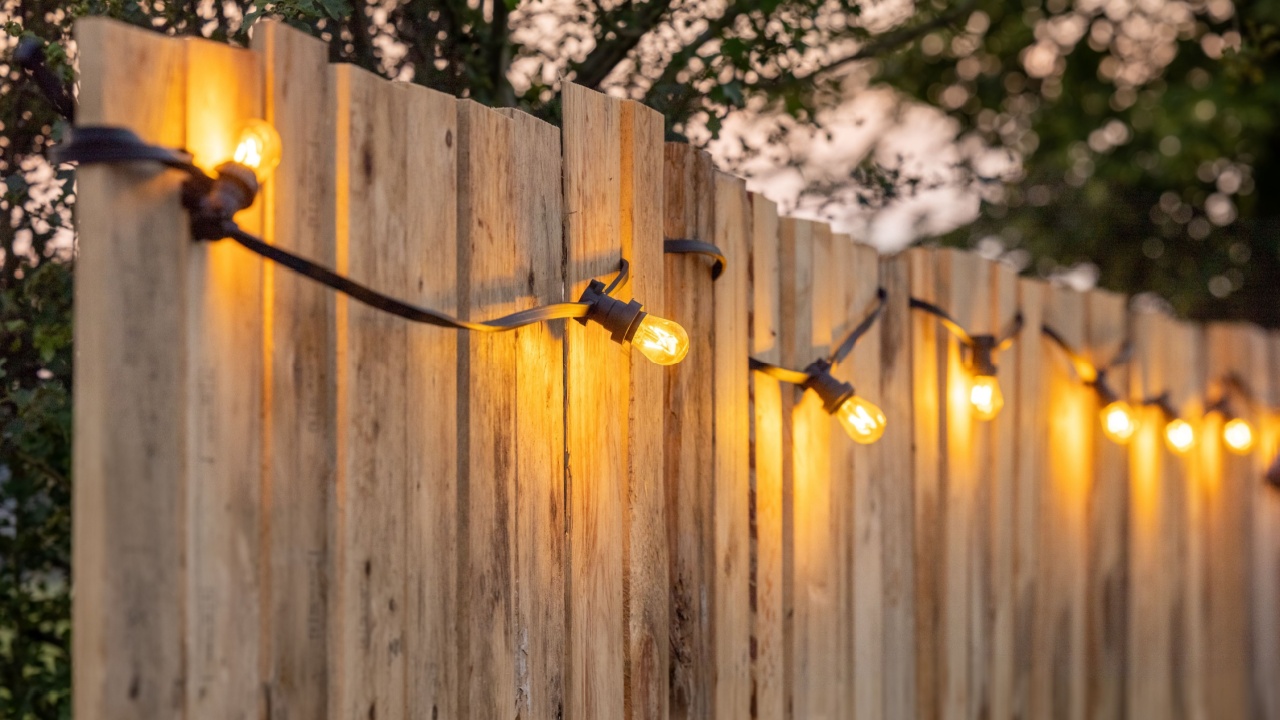
If seclusion is your top priority, a tall wood fence is a fantastic solution. By placing the boards side-by-side with no gaps, you create a solid barrier that shields your yard from view. This is especially valuable in neighborhoods where homes are close together, allowing you to create a truly private retreat.
You can install the planks vertically for a traditional look or horizontally for a more modern, linear aesthetic. Soften the visual impact of a tall fence by planting climbing vines, like clematis or jasmine, or by placing shrubs and small trees along its base.
- Best For: Maximum privacy and security.
- Good to Know: Can be customized with different wood types and stains. A fence height of 6 feet is common for privacy.
- Next Steps: Check local zoning laws for any height restrictions. Choose a durable wood like cedar or redwood that naturally resists rot and insects.
3. Elegant Wrought Iron
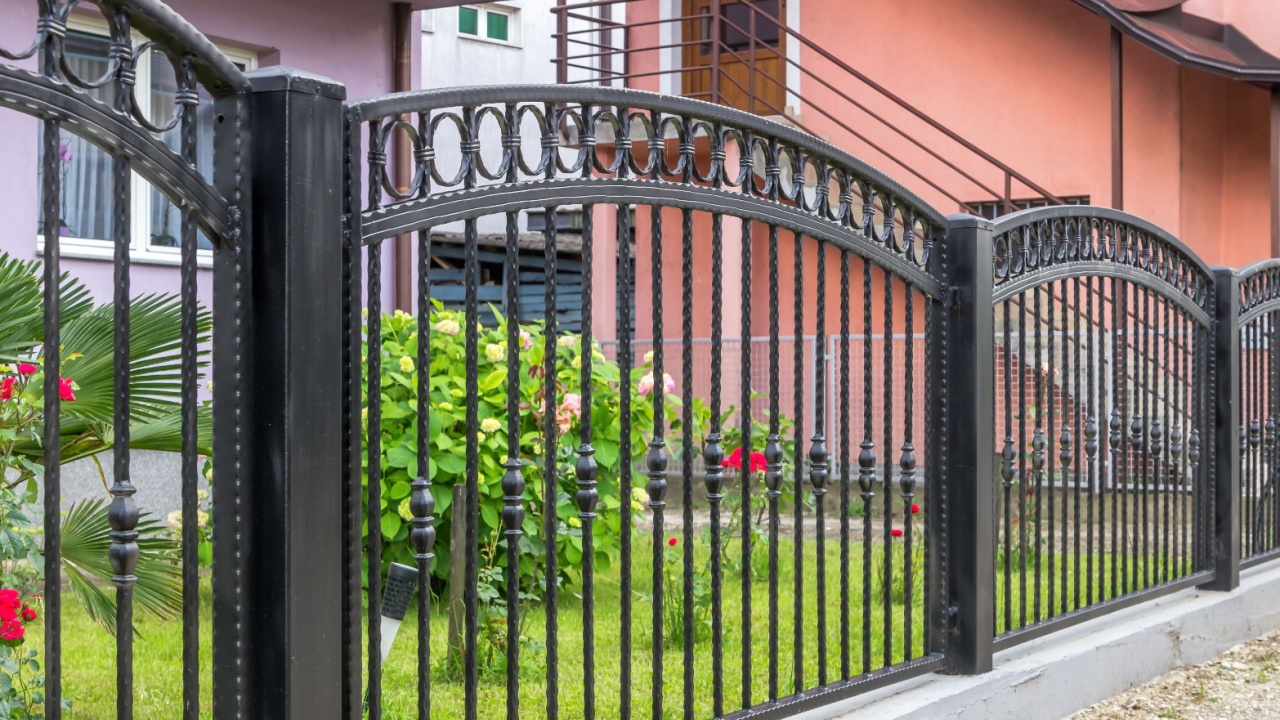
For a touch of timeless sophistication, wrought iron is unmatched. Its strong, durable, and ornate designs add a sense of luxury and permanence to any property. This style is perfect for homeowners who want security and a clear boundary without obstructing the view of their beautiful landscaping.
While traditional wrought iron is heavy and can be costly, modern aluminum options provide a similar look with less weight and better rust resistance. Wrought iron pairs beautifully with brick or stone pillars, creating a grand and formal entrance to your backyard.
- Best For: Security, durability, and an unobstructed view.
- Good to Know: True wrought iron requires occasional painting to prevent rust. Aluminum is a lower-maintenance alternative.
- Next Steps: Explore different decorative options, such as finials and scrollwork, to customize your design.
4. Charming Brick Wall
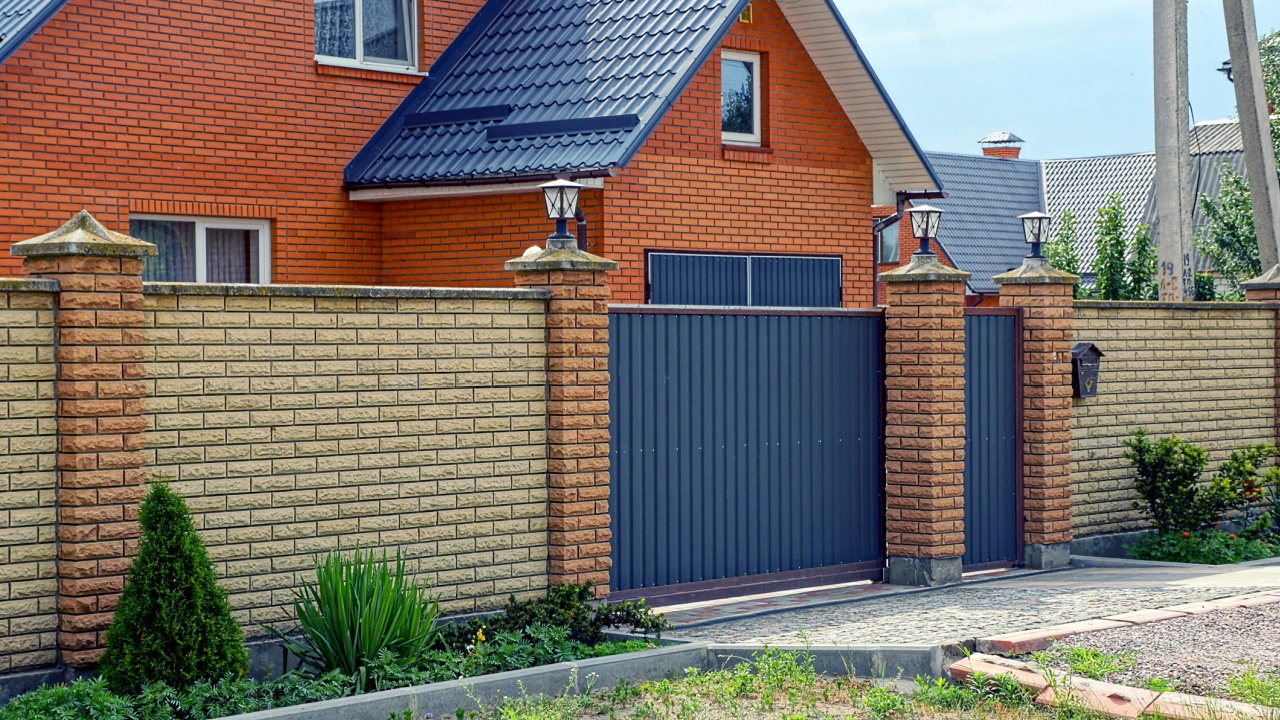
A brick fence brings a sense of history, character, and sturdiness to your backyard. It’s a long-lasting option that stands up to the elements and develops a beautiful patina over time as moss and age add to its character. Brick is incredibly versatile and complements a wide range of architectural styles.
You can build a full-height brick wall for complete privacy or a low wall to serve as a garden border. To break up a large expanse of brick, consider incorporating an iron gate or leaving openings for planters.
- Best For: Durability, a classic look, and sound-blocking properties.
- Good to Know: Brick is a significant investment but requires very little maintenance once installed.
- Next Steps: Choose a brick color and style that complements your home’s exterior. Hire a professional mason for proper installation.
5. Rustic Post-and-Rail
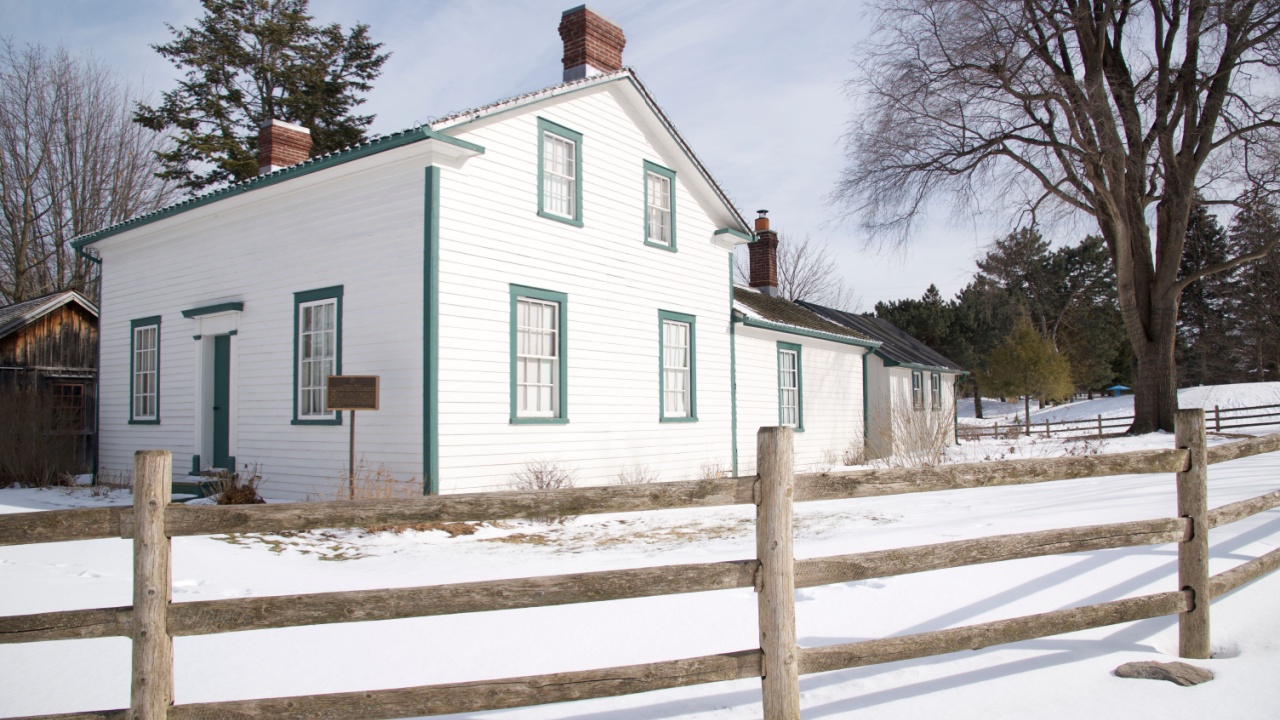
Also known as estate fencing, the post-and-rail style is simple, open, and has a charmingly rustic feel. Consisting of vertical posts connected by two or three horizontal rails, it’s an excellent choice for large properties or for defining a boundary without blocking scenic views.
This style is one of the most cost-effective options because it uses minimal material. While it won’t keep small pets in, it’s perfect for a pastoral or farmhouse aesthetic. You can find it in traditional wood or modern vinyl. Adding wire mesh between the rails is a common modification to make it more secure for animals.
- Best For: Defining large property lines and maintaining an open, airy feel.
- Good to Know: Very easy to install and repair. Not suitable for privacy or containing small pets without modification.
- Next Steps: Decide on the number of rails you want. For an authentic look, split-rail cedar is a great choice.
6. Living Fence or Hedge
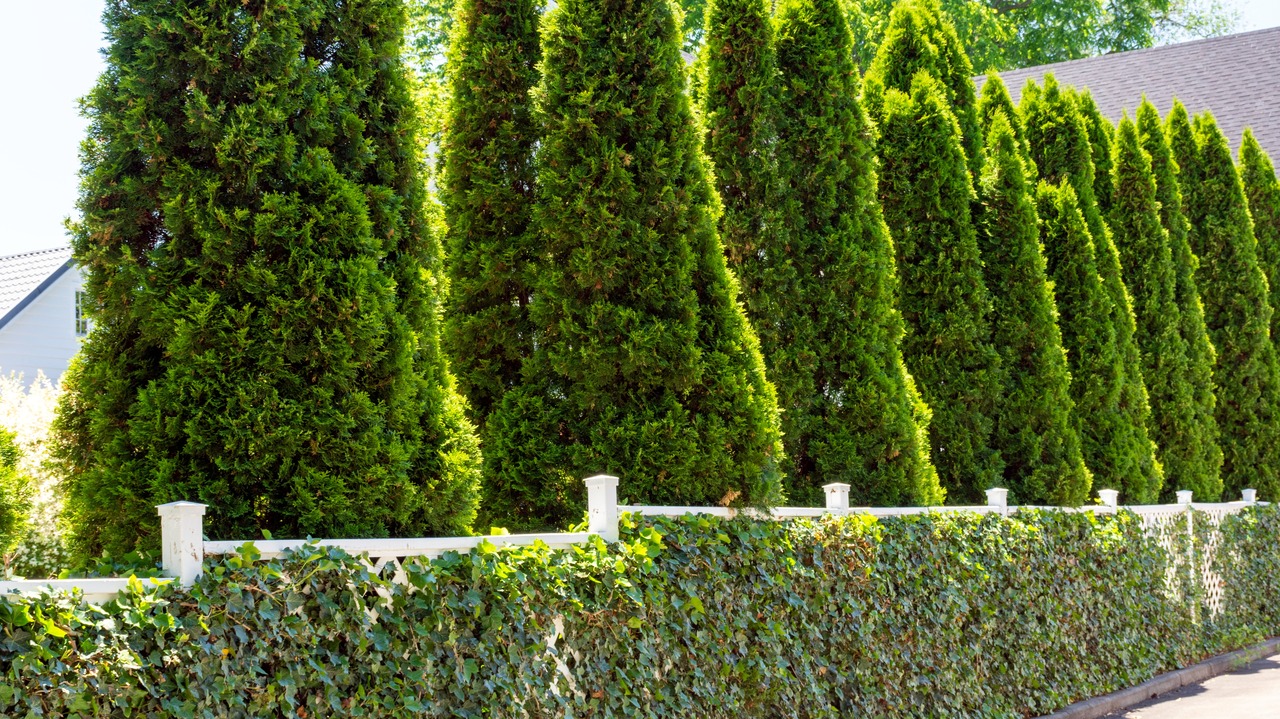
Why build a barrier when you can grow one? A living fence, made of carefully selected shrubs or trees, is a beautiful and eco-friendly way to create privacy. Dense evergreens like Arborvitae, Boxwood, or Leyland Cypress can form a solid green wall that also helps absorb sound and filter air.
Living fences can be manicured into a formal, clipped hedge or allowed to grow into a more natural, informal shape. While they require time to mature and ongoing maintenance like pruning and watering, the result is a lush, vibrant boundary that changes with the seasons.
- Best For: Natural privacy, sound reduction, and an eco-friendly approach.
- Good to Know: Requires patience as it can take a few years to fill in completely. Choose plants suited to your climate and soil.
- Next Steps: Research fast-growing privacy shrubs for your region. Plan your planting pattern to ensure dense coverage as the plants mature.
7. Natural Wood with Character

Instead of a perfectly painted fence, embrace the beauty of natural wood. A simple board fence made from cedar or redwood will weather over time to a lovely silvery-gray patina. This style allows the material itself to be the main feature, creating a look that is both relaxed and sophisticated.
You can customize the design by choosing the width of the boards and the size of the gaps between them. The top of the pickets can also be shaped flat, rounded, or pointed to add a subtle decorative touch that suits your personal taste.
- Best For: A relaxed, natural aesthetic that blends with the outdoors.
- Good to Know: Using weather-resistant wood like cedar reduces maintenance. You can apply a clear sealant to preserve the wood’s natural color for longer.
- Next Steps: Let your wood weather naturally or choose a stain that enhances its grain.
8. Mixed Materials: Brick and Wood
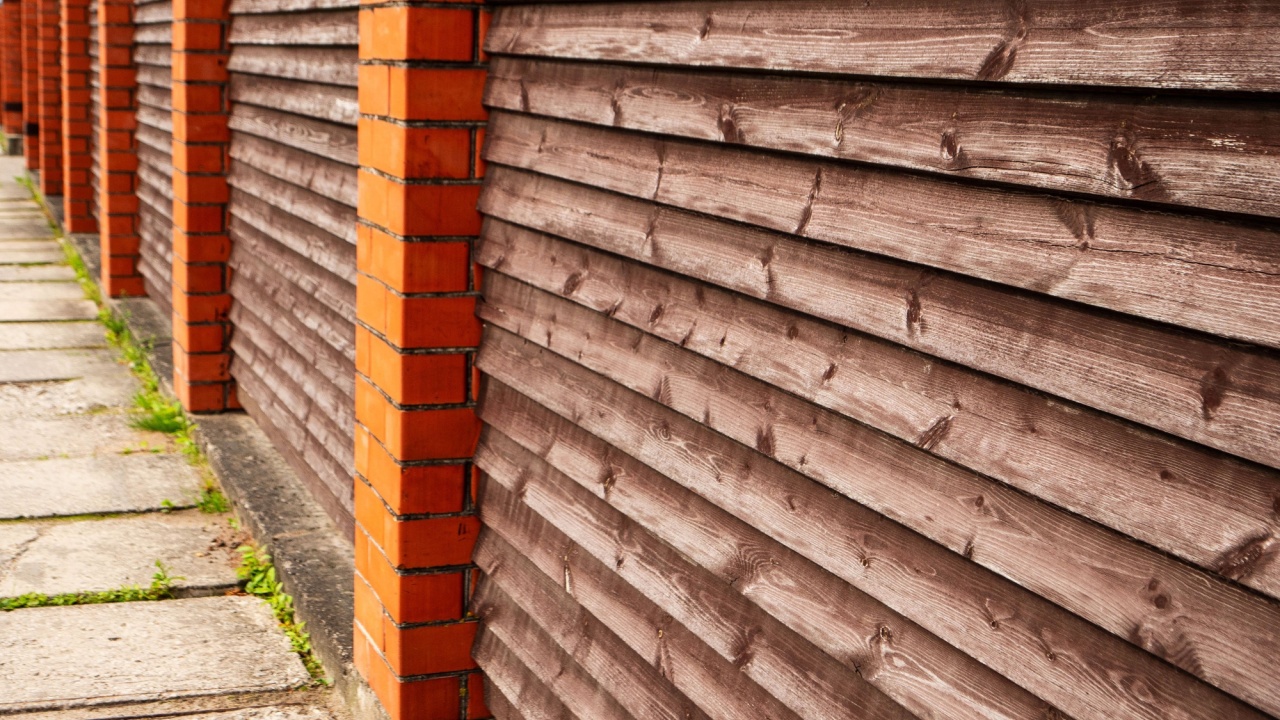
Combine the sturdiness of brick with the warmth of wood for a truly custom look. A popular design features a low brick or stone wall as a base with a wooden picket or panel fence built on top. This “stacked” approach adds height and interest, creating a statement piece in your yard.
This combination is incredibly versatile. A relaxed brick base with a white picket top feels classic and welcoming, while a sleek concrete base with horizontal wood panels looks modern and clean. This style allows you to get the best of both worlds: the durability of masonry and the classic appeal of a wood fence.
- Best For: Creating a high-end, custom look with added durability.
- Good to Know: This style can be more expensive due to the need for two different materials and potentially two different contractors.
- Next Steps: Plan a design that balances the two materials. Ensure the colors and textures complement each other and your home’s exterior.
9. Decorative Lattice Panels
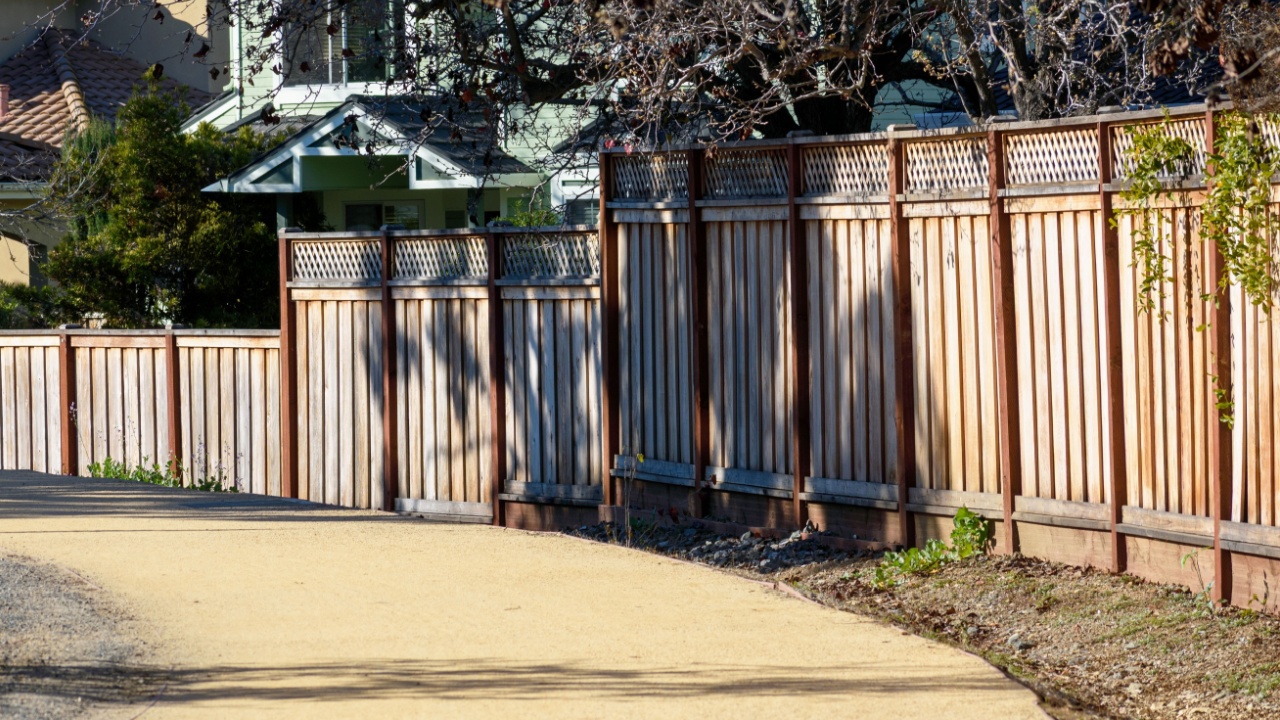
Lattice fencing is an excellent way to add a decorative touch while providing semi-privacy. The crisscross pattern of wood or vinyl strips creates a light, airy feel that doesn’t make a space feel closed in. It’s a perfect choice for garden partitions, patio screens, or as a trellis for climbing plants.
Lattice panels are often sold in prefabricated sections, making them a relatively easy DIY project. They allow sunlight and air to pass through, which is ideal for enclosing a porch or deck without making it feel stuffy. For more privacy, you can choose a lattice with a tighter weave.
- Best For: Decorative screening, garden dividers, and supporting climbing plants.
- Good to Know: Easy to install. Can be painted or stained to match your home. Great for adding texture and pattern to your yard.
- Next Steps: Plant climbing roses, clematis, or ivy at the base and train them to grow up the lattice for a stunning green wall.
10. Horizontal Slat Fence
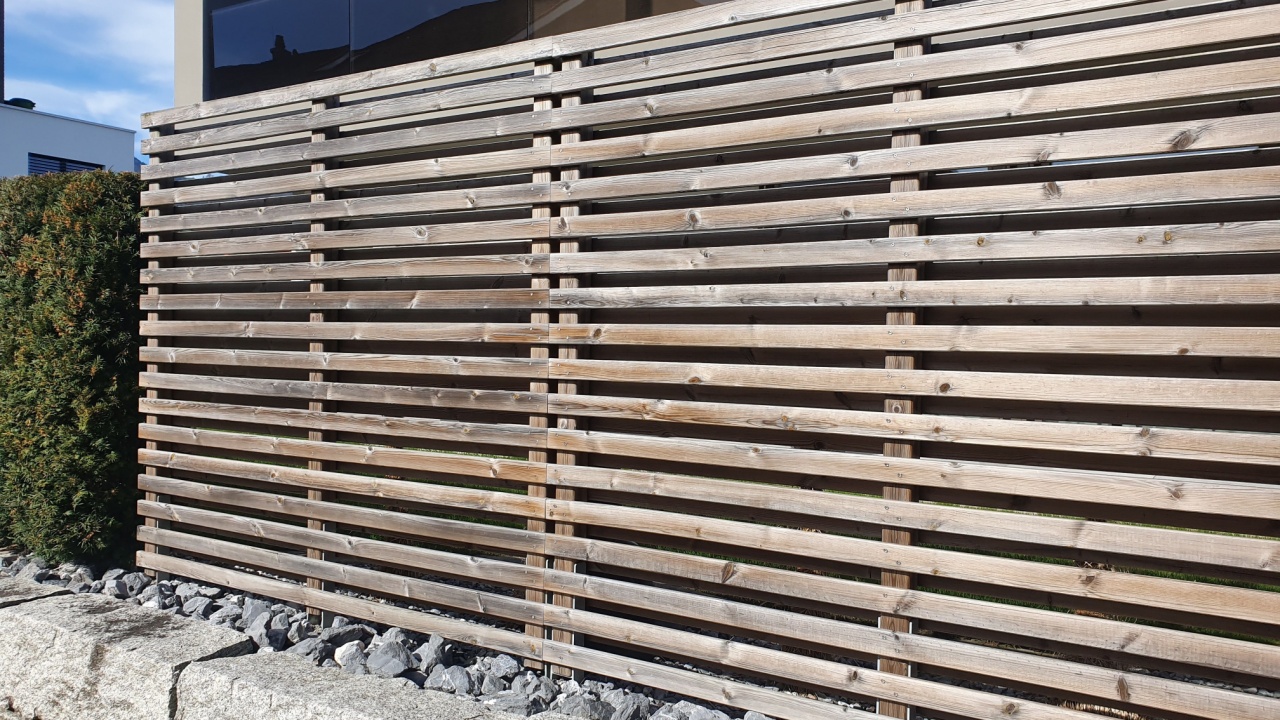
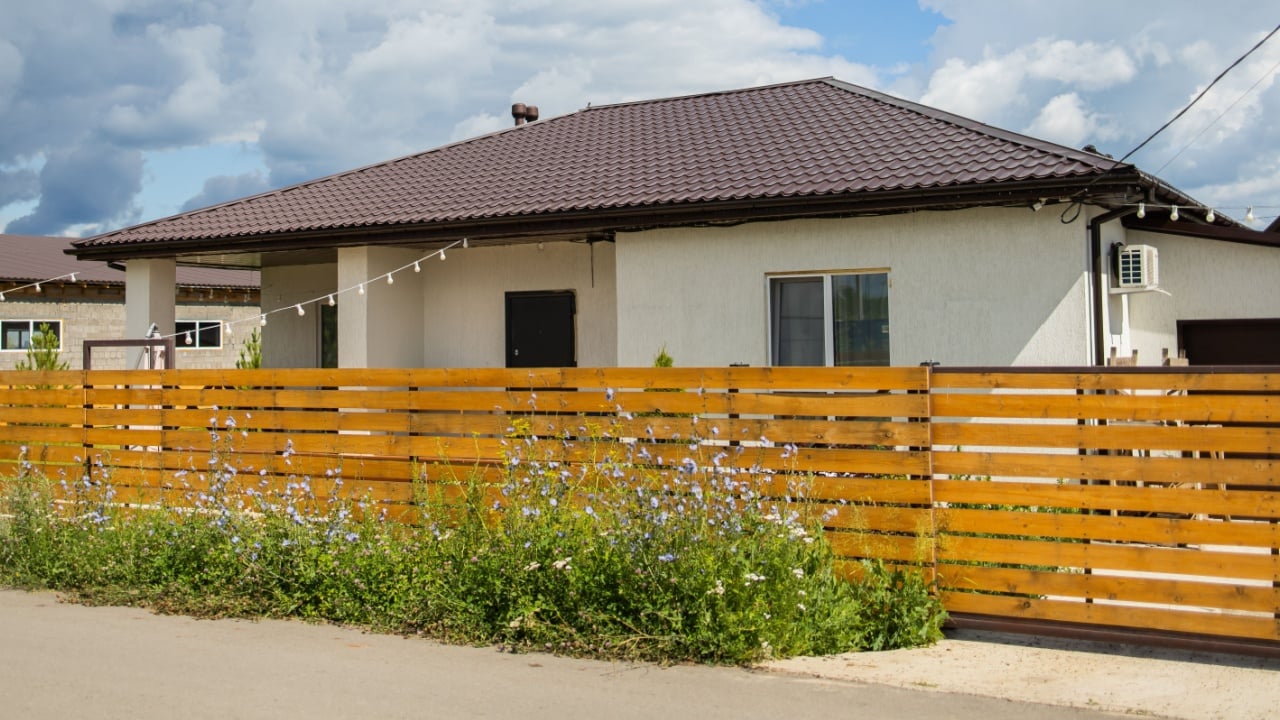
For a clean, contemporary look, a horizontal slat fence is a top choice. The long, linear lines draw the eye and can make a small backyard feel wider and more spacious. This style is incredibly versatile and can be designed for full privacy with no gaps or with small spaces between the boards for a semi-private, modern screen.
Horizontal fences are often built with high-quality woods like Ipe, cedar, or redwood to highlight the beauty of the grain. They pair exceptionally well with modern architecture, minimalist landscaping, and outdoor seating areas.
- Best For: A modern aesthetic, making a space feel larger, and customizable privacy.
- Good to Know: Requires precise installation to keep the lines perfectly straight. It can be more labor-intensive to build than a standard vertical fence.
- Next Steps: Decide on the gap spacing between boards. A smaller gap provides more privacy, while a wider gap creates a more open feel.
11. Enduring Stone Wall
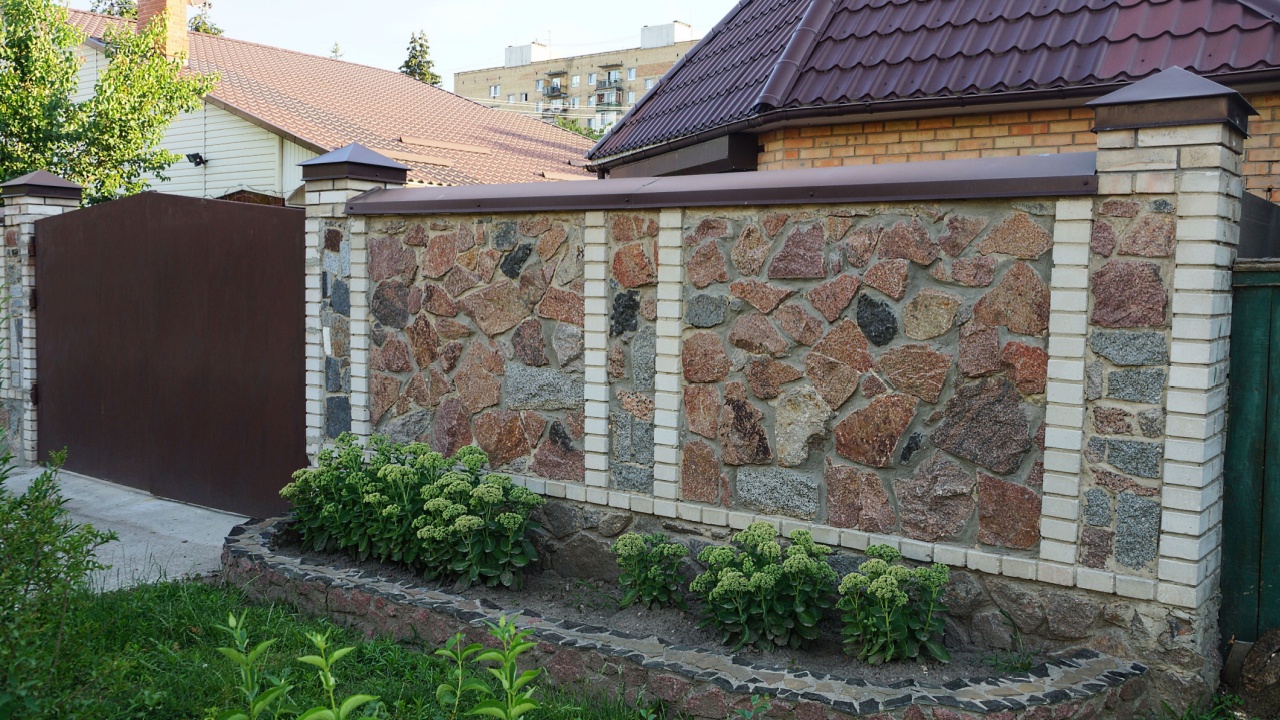
A stone wall is the oldest and most durable type of fencing. It offers a timeless, rustic charm that connects your landscape to nature. Whether you use rounded river rocks for a country feel or flat, stacked slate for a more tailored look, a stone fence is a permanent and beautiful addition to any yard.
While traditionally built by dry-stacking stones, modern stone walls often use mortar for added stability and a more finished appearance. A low stone wall is perfect for defining garden beds, while a taller wall provides excellent privacy and security.
- Best For: Unmatched durability, a natural look, and excellent sound-blocking.
- Good to Know: This is one of the most expensive and labor-intensive options, but it will last a lifetime with virtually no maintenance.
- Next Steps: Source local stone for a look that is authentic to your region. Hire a skilled stonemason for this specialized work.
12. Corrugated Metal Panels
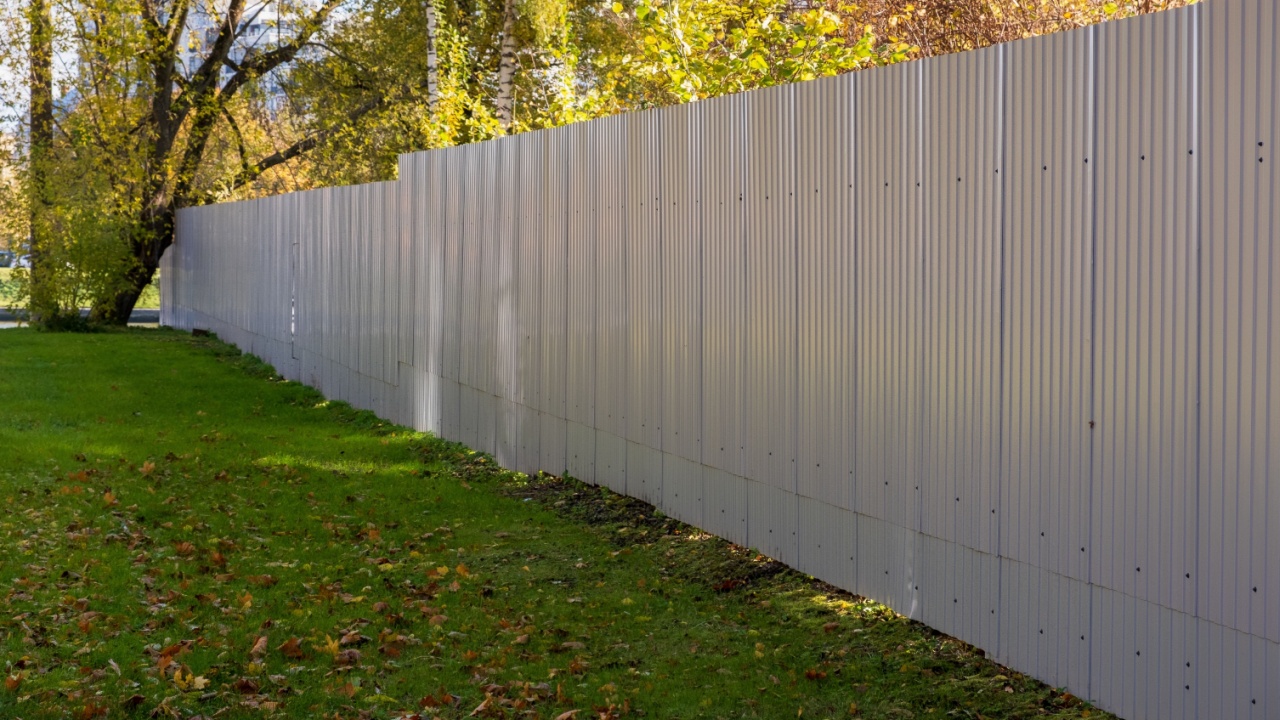
For a unique, industrial-chic look, consider corrugated metal. This material is affordable, durable, and surprisingly stylish when used in a backyard setting. It can be paired with a wood frame to soften its appearance or used on its own for a bold, modern statement.
Corrugated metal provides excellent privacy and is extremely low-maintenance. It’s resistant to rot, insects, and fire. Over time, some metals like Corten steel will develop a stable, rust-like patina that adds texture and color.
- Best For: A modern, industrial, or rustic look; high privacy; and low cost.
- Good to Know: Can be noisy in heavy rain. The metal can get hot in direct sun, so it’s best not to plant delicate vines directly against it.
- Next Steps: You can install the panels vertically or horizontally. Frame them with stained cedar or redwood for a popular and attractive mixed-material design.
13. Animal-Proof Wire Mesh

If your main goal is to keep pets in or garden pests out, a wire mesh fence is a practical and effective solution. Often called hardware cloth or welded wire, this material can be attached to a simple wood frame to create a secure but unobtrusive barrier.
This style allows for full visibility and airflow, so it won’t make your yard feel closed off. It’s an excellent choice for enclosing a vegetable garden to protect it from rabbits and deer. By choosing a black-coated wire mesh, the fence will visually recede into the landscape.
- Best For: Containing pets, protecting gardens, and maintaining views.
- Good to Know: Very affordable and easy to install. The size of the mesh opening determines what you can keep in or out.
- Next Steps: Pair it with sturdy wood posts and rails. For a cleaner look, build a full frame around each wire panel.
14. Gabion Wall Fence
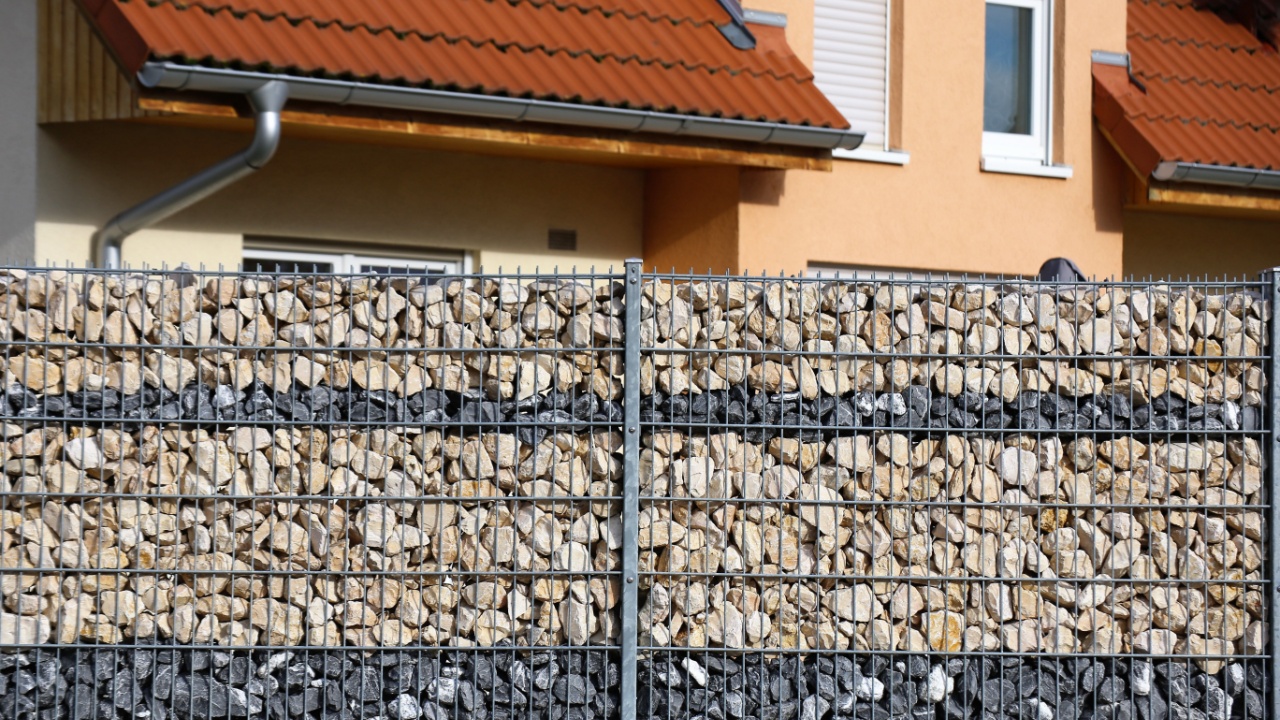
A gabion wall offers a striking blend of industrial and natural elements. It consists of a metal wire cage (a gabion) filled with rocks, stones, or even recycled materials like broken concrete or glass. The result is a highly durable, textured wall that serves as both a fence and a unique landscape feature.
Gabion walls are excellent for privacy and sound-blocking. They are also permeable, allowing water to drain through, which makes them great for retaining walls on sloped properties. You can fill them with a variety of materials to create different looks, from smooth river rocks to rough, angular quarry stones.
- Best For: A unique modern or rustic look, durability, and sound insulation.
- Good to Know: It can be time-consuming to fill, but it is a straightforward construction process. The wire cages can be purchased in various sizes.
- Next Steps: Plan your foundation, as a full gabion wall is very heavy. Choose a fill material that matches your aesthetic and budget.
15. Adding an Arbor Entryway
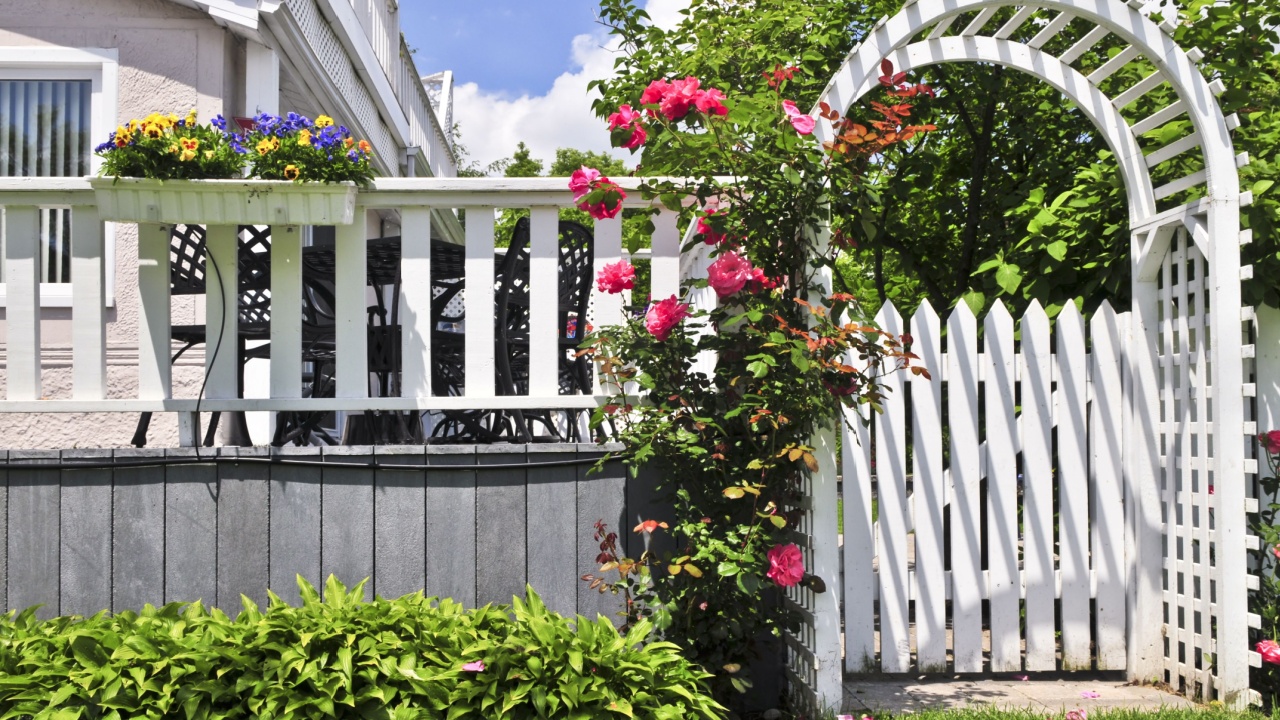
Enhance any fence with a beautiful arbor. An arbor creates a defined and welcoming entrance to your backyard or a special section within it, like a garden or patio. It adds vertical interest and provides a perfect structure for growing flowering vines like roses, wisteria, or trumpet vine.
Arbors can be made from wood, vinyl, or metal and come in many styles, from simple square frames to classic arched designs. By integrating an arbor into your fence line, you transform a simple gate into a picturesque focal point.
- Best For: Creating a beautiful focal point and a grand entrance.
- Good to Know: A simple arbor can be a weekend DIY project. Ensure it’s anchored securely in the ground to withstand wind and the weight of mature plants.
- Next Steps: Choose a climbing plant that thrives in your area. Position the arbor to frame a pleasant view in your yard.
16. Bamboo Reed Fencing
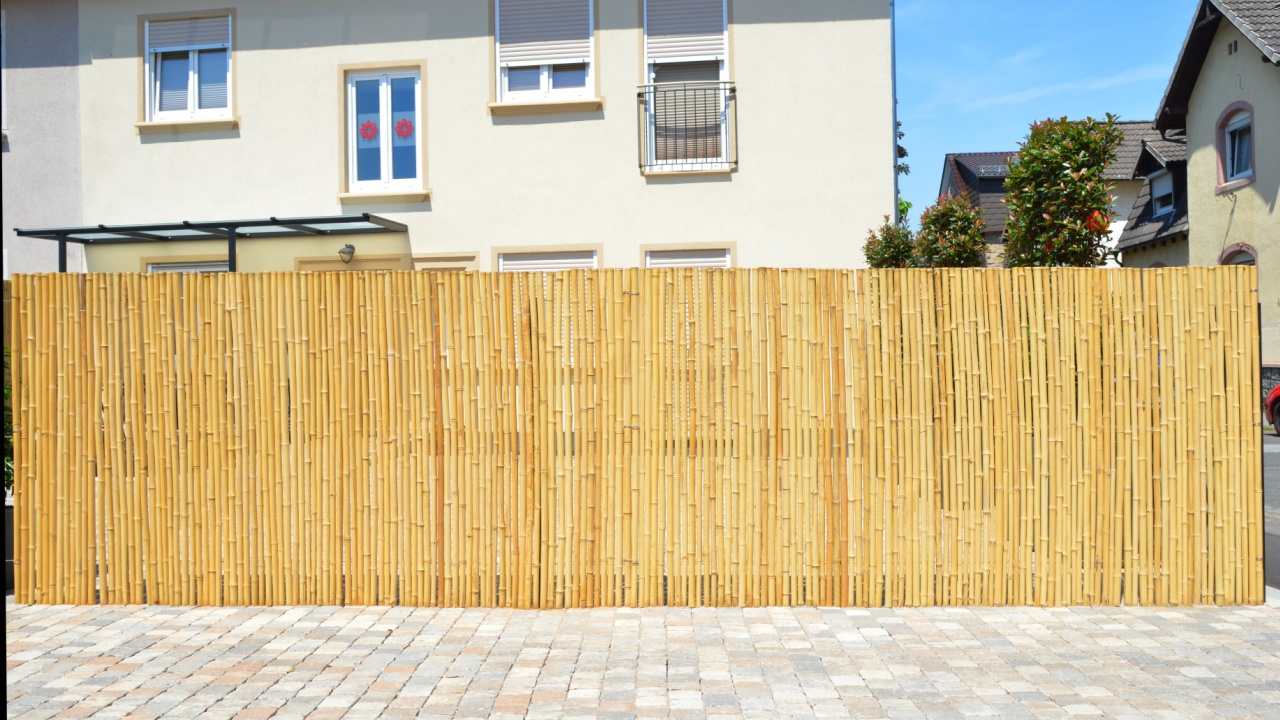
For a natural, tropical, or zen-like atmosphere, bamboo fencing is an excellent choice. It’s an eco-friendly and cost-effective option, often sold in rolls of pre-assembled bamboo reeds held together by wire. These rolls can be easily attached to an existing chain-link fence or a new frame of posts and rails.
Bamboo provides good privacy and has a unique texture that adds warmth and an organic feel to a backyard. It’s a great way to quickly cover an unsightly wall or create a serene backdrop for a patio or meditation garden.
- Best For: A natural, tropical look; covering an existing fence; quick installation.
- Good to Know: The lifespan of natural bamboo is shorter than wood, typically 5-10 years. Look for thicker, more durable bamboo poles for better longevity.
- Next Steps: Unroll the bamboo and attach it to your support structure using galvanized wire or zip ties.
17. Framed Panel Fencing
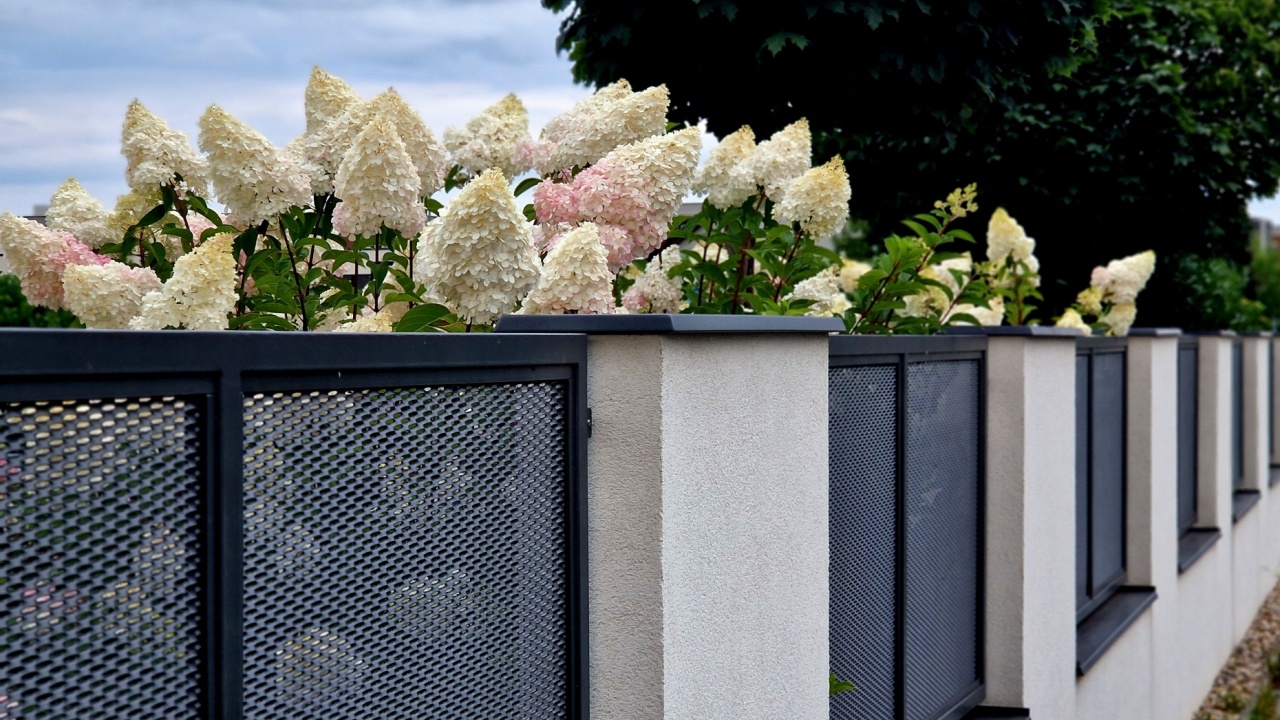
Also known as “picture frame” fencing, this style adds a polished, custom-made look to a standard board fence. It involves building a frame around each section of fencing, which neatly contains the vertical or horizontal infill boards.
This method hides the ends of the boards and gives the fence a clean, finished appearance from both sides. This style is often used with wood but can also be adapted for vinyl or composite materials. The frame can be the same color as the infill for a subtle look or a contrasting color to make the design pop. It’s a great way to elevate a simple privacy fence into something more elegant.
- Best For: A high-end, finished look; good-neighbor fences (looks good on both sides).
- Good to Know: Requires more material and labor than a basic board fence, but the visual payoff is significant.
- Next Steps: Plan your post spacing carefully to ensure the panels are uniform in size.
18. Reclaimed Wood Fence
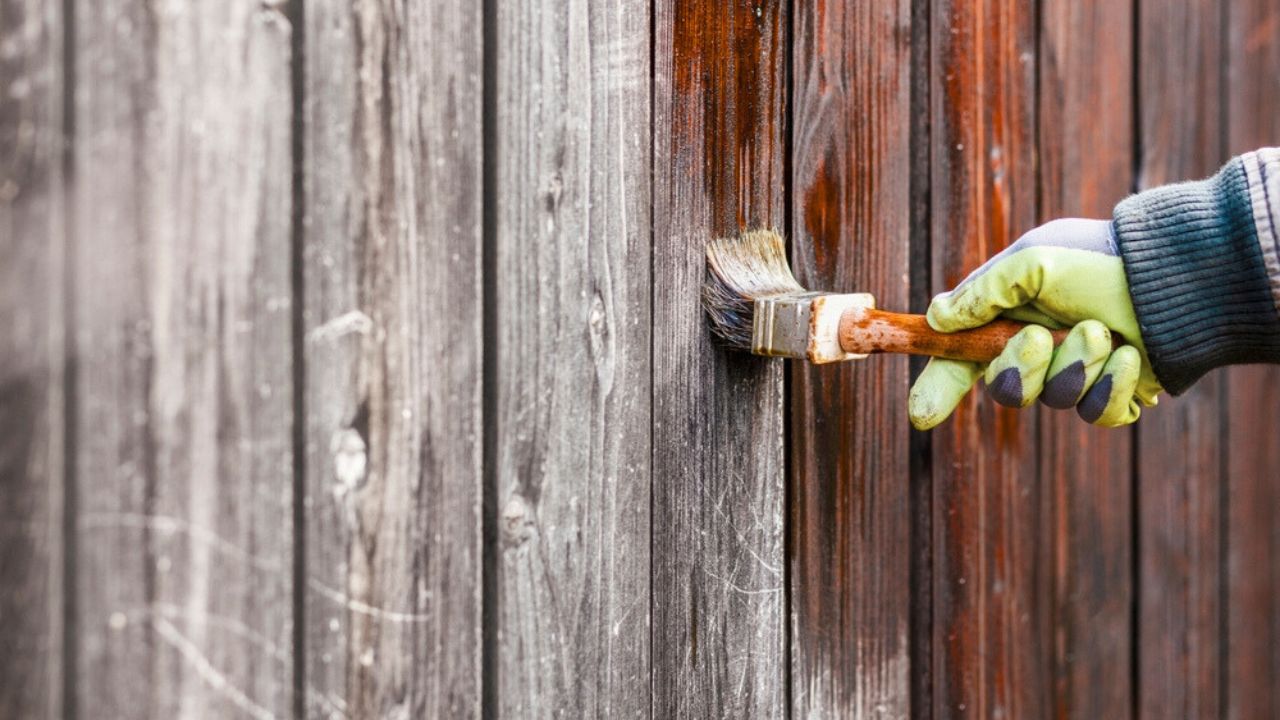
Not surprisingly, wood made this list several times thanks to it’s versatility.
For a one-of-a-kind fence with rustic charm and a sustainable story, use reclaimed wood. Old pallet wood, salvaged barn boards, or even driftwood can be repurposed to create a fence that is full of character and texture.
Each board tells a story, and the variations in color, grain, and weathering create a unique, eclectic look. Building with reclaimed wood is an environmentally friendly choice that keeps usable material out of landfills. The key is to select wood that is still structurally sound and free from rot.
- Best For: A rustic, eco-friendly, and unique design.
- Good to Know: Reclaimed wood may have nails or splinters, so handle it with care. You may need to treat it with a sealant to protect it from further decay.
- Next Steps: Source wood from local salvage yards, online marketplaces, or deconstruction projects. Let the unique shapes and sizes of the wood guide your design.
19. Wild and Overgrown
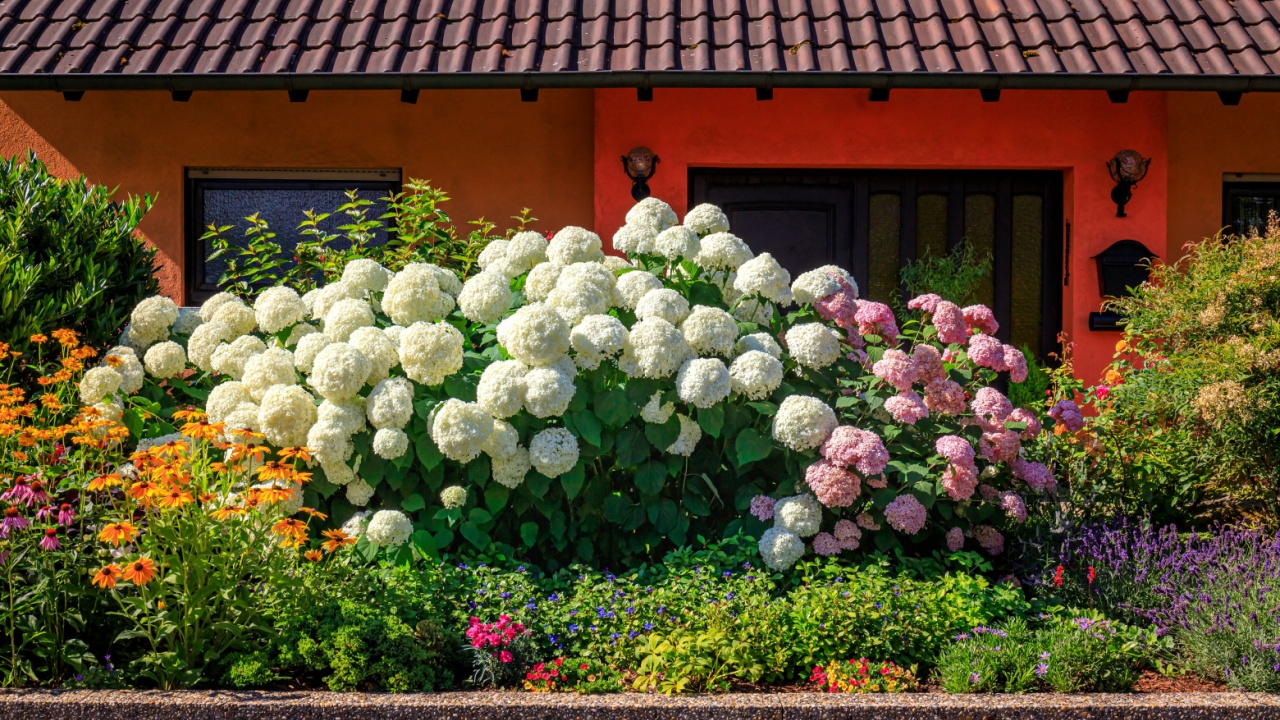
Sometimes the best fence is one that blends seamlessly into a lush, overflowing garden. Allow flowering shrubs, tall grasses, and climbing vines to grow up, over, and through your fence. This approach creates a “wild,” free-flowing look that feels natural and romantic.
A simple post-and-rail or picket fence works beautifully as a support structure for this style. The goal is to soften the hard lines of the fence and make it feel like an integrated part of the garden itself. This method provides a sense of enclosure without feeling rigid or formal.
- Best For: Creating a romantic, cottage-garden feel.
- Good to Know: This look requires a bit of curated chaos. You’ll still need to prune and manage the plants to prevent them from becoming too unruly.
- Next Steps: Choose fast-growing, low-maintenance plants. A mix of evergreen and flowering species will ensure year-round interest.
20. Extending Your Home’s Siding
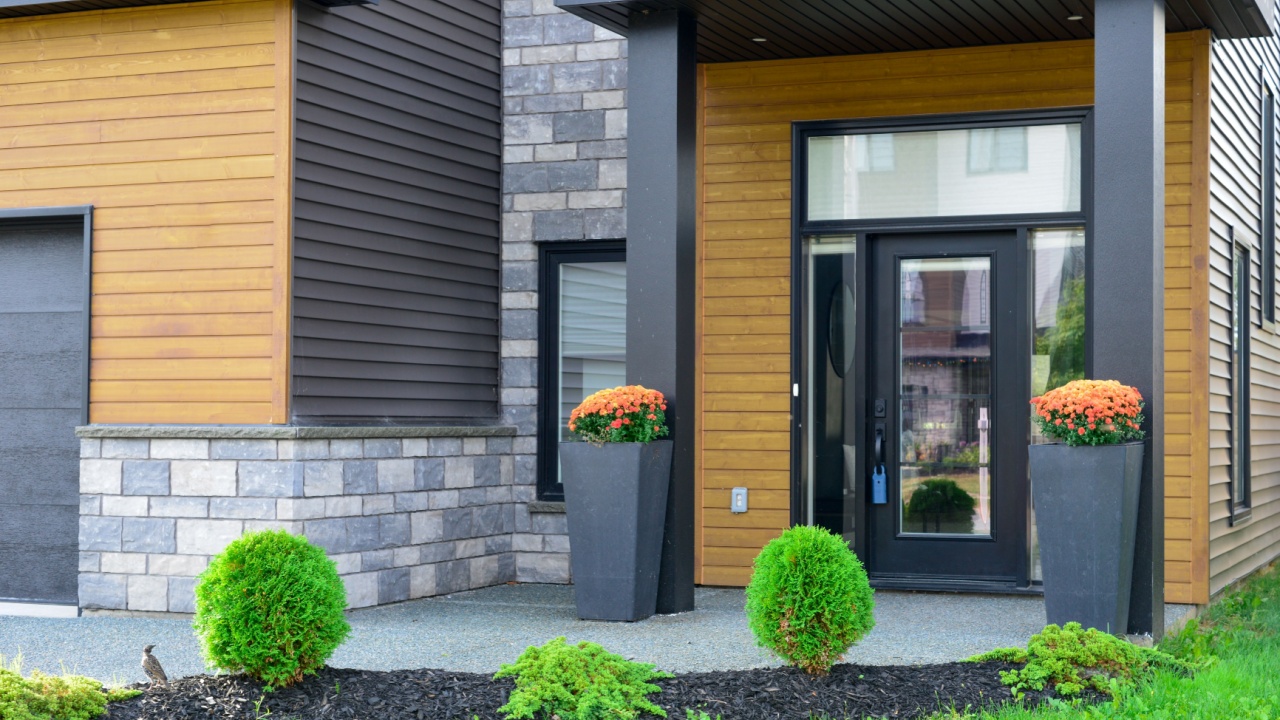
Create a seamless transition from your house to your yard by building a fence that mimics your home’s siding. Use the same material, color, and orientation, whether it’s horizontal lap siding or vertical board-and-batten, to make the fence feel like a natural extension of your home’s architecture.
This technique is especially effective for creating private courtyards or patios that feel like outdoor rooms. It provides a cohesive and intentional look that visually ties your entire property together.
- Best For: A cohesive, architectural look; creating “outdoor rooms.”
- Good to Know: Matching the color exactly is crucial. Use the same paint code as your house for a perfect match.
- Next Steps: Take cues from your home’s design. If your house has distinctive trim, consider adding similar details to the fence.
21. Low Garden Border Fence
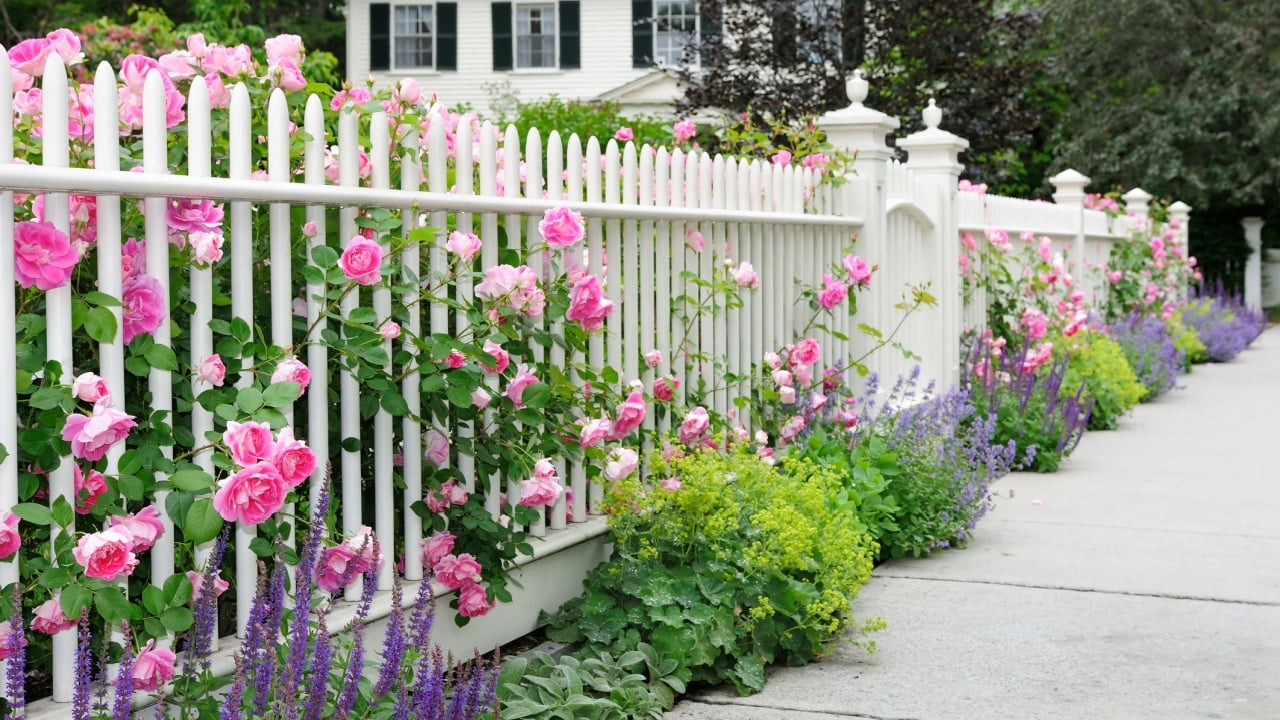
Fences aren’t just for property lines. A low fence is a wonderful tool for creating definition within your garden. Use a short picket, wire, or decorative metal fence to frame a flower bed, protect a vegetable patch from trampling, or simply add clean lines to your landscape design.
A low fence can be purely aesthetic, serving as a “frame” for your planting compositions. It can also be functional, helping to keep pets or children out of delicate areas without blocking the view of your beautiful blooms.
- Best For: Defining garden spaces and adding decorative structure.
- Good to Know: These are typically 1 to 2 feet high. Many styles come in easy-to-install sections that you can simply push into the ground.
- Next Steps: Choose a style that complements your garden’s theme a rustic split-rail for a wildflower garden or an ornate iron border for a formal rose bed.
22. Shadowbox Style Fence
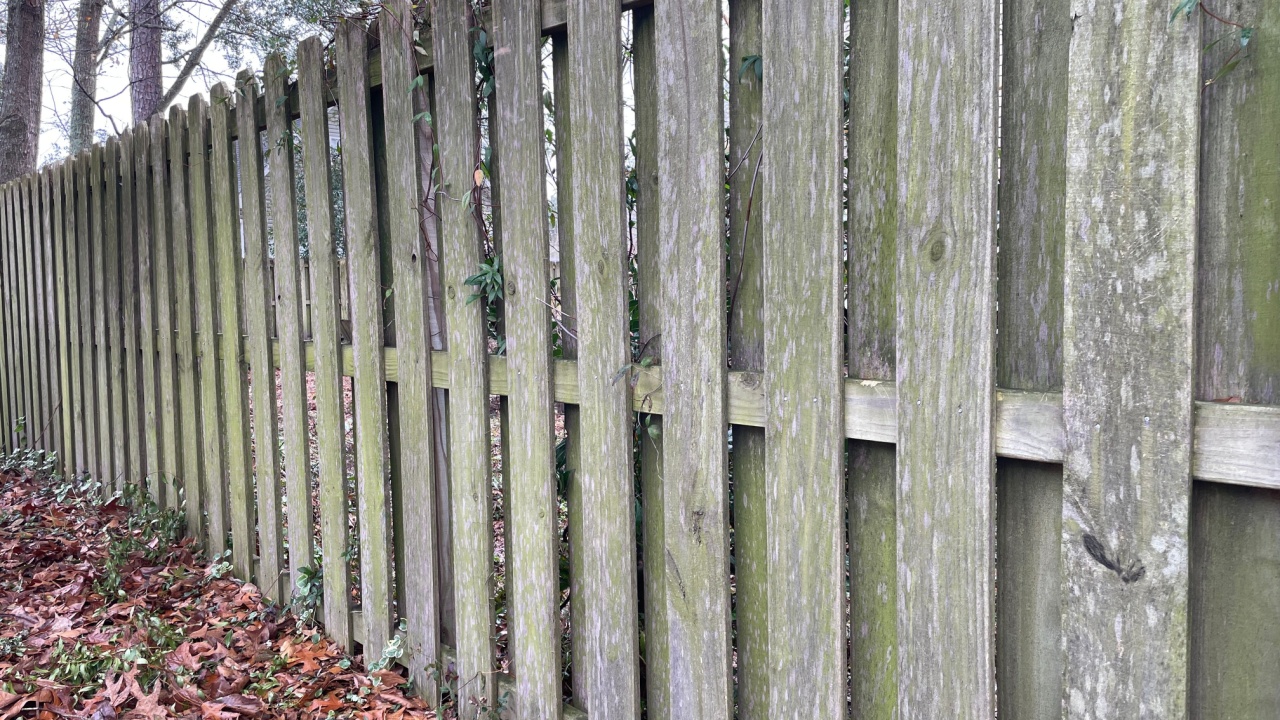
A shadowbox fence is a popular “good neighbor” design because it looks almost identical from both sides. It’s constructed by attaching pickets to either side of the rails in an alternating pattern. This creates small gaps that allow for airflow and a degree of visibility when viewed at an angle, but provide solid privacy when viewed head-on.
This design is less susceptible to wind damage than a solid privacy fence because air can pass through it. The layered look also adds depth and texture, making it more visually interesting than a flat fence.
- Best For: Privacy, airflow, and a design that looks great from any angle.
- Good to Know: Uses more pickets than a standard privacy fence, which can increase material costs.
- Next Steps: Staggering the pickets correctly is key. Ensure there is an equal overlap on each side for a consistent, professional look.
23. Covering with Greenery
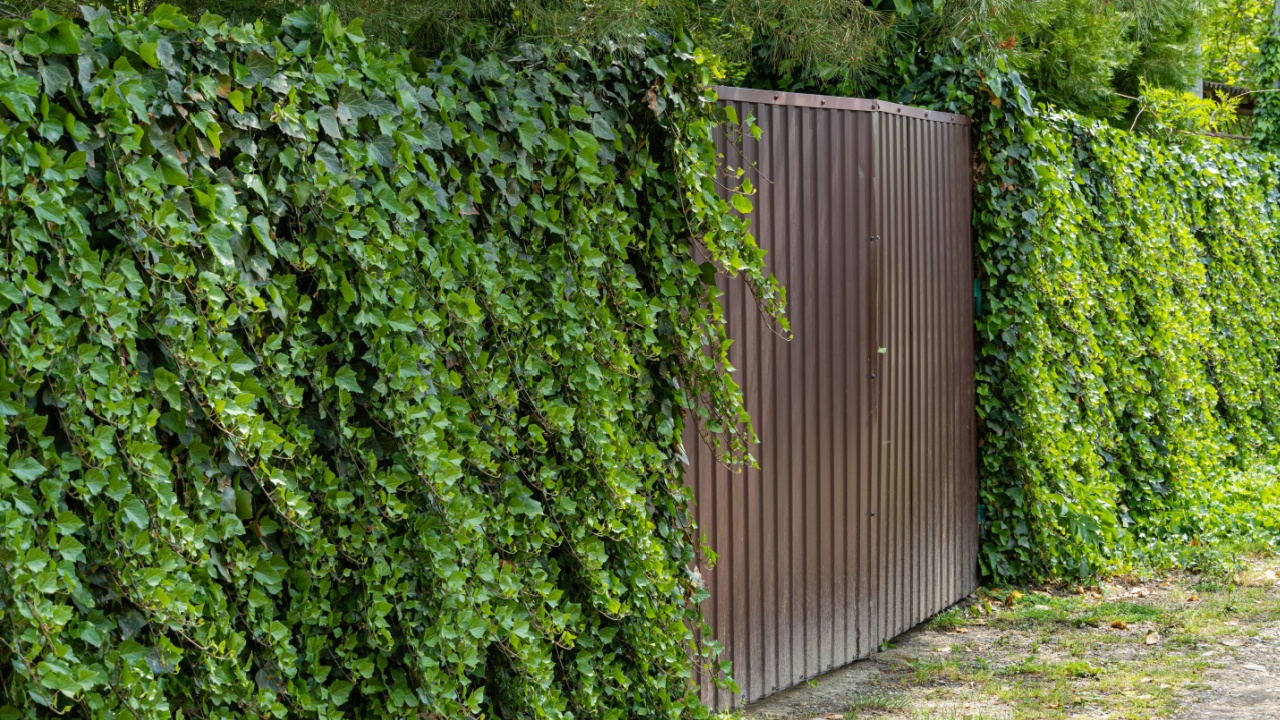
If you have an existing fence that’s functional but unattractive, like a chain-link fence or a drab wall, one of the easiest and most beautiful solutions is to cover it with greenery. Fast-growing climbing vines like English Ivy or Creeping Fig can quickly blanket a surface(and return each year), turning an eyesore into a lush, green feature.
This is a cost-effective way to get the look of a living wall without the expense of a brand-new fence. The plants add life and softness, helping the fence blend into the natural environment.
- Best For: Disguising an unattractive fence and adding natural beauty.
- Good to Know: Some vines, like ivy, can be aggressive and may damage mortar or wood over time. Choose your plant carefully and be prepared for regular pruning.
- Next Steps: Install a trellis a few inches away from the fence to give the plants something to climb on without directly attaching to the fence material itself.
Choosing Your Perfect Fence

With so many options available, selecting the right fence comes down to balancing your priorities. Start by asking yourself a few key questions: What is the main purpose of the fence: privacy, security, or aesthetics? What is your budget? And how much maintenance are you willing to do?
Your next steps should be to check your local zoning regulations and any HOA rules regarding fence height and materials. Then, sketch out your yard and decide which style best complements your home and garden. Whether you choose to DIY or hire a professional, a new fence is a rewarding project that will enhance your home and your enjoyment of your backyard for years to come.
Read more:
3 Tips to Keep Grass from Growing Under the Fence (to Save Time Mowing)
These Fruiting Vines Turn Fences and Trellises into Edible Gardens