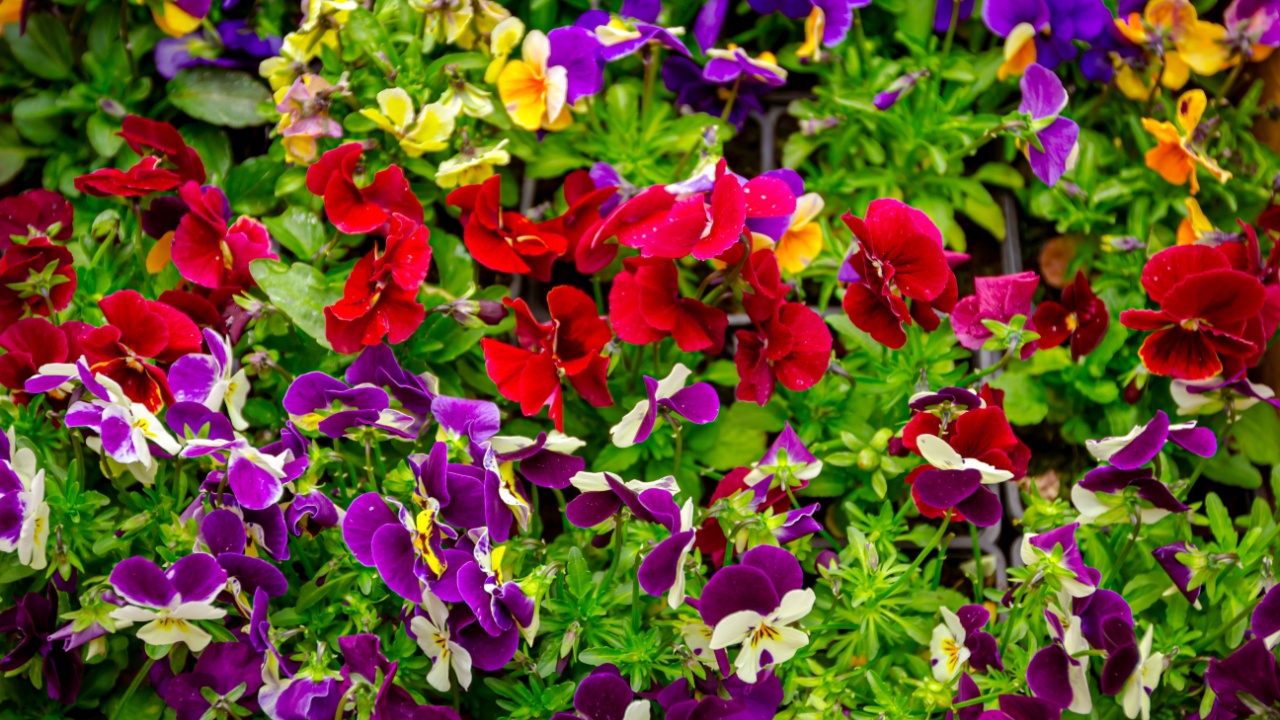
Our 17 Favorite Plants for Fall Color in Your Garden
Your garden’s grand finale doesn’t have to happen when summer ends. As the air gets crisp and days grow shorter, your outdoor space can burst into a second life with vibrant colors and textures. By choosing the right plants, you can create a stunning autumn display that keeps your yard beautiful all the way until the first frost. Extending the gardening season is a rewarding way to enjoy your space (and indoors if you cut them to bring inside) and support local pollinators preparing for winter.
Let’s look at 17 fantastic plants that deliver reliable and breathtaking fall color, sourced and confirmed by gardening experts, such as university agriculture extensions.
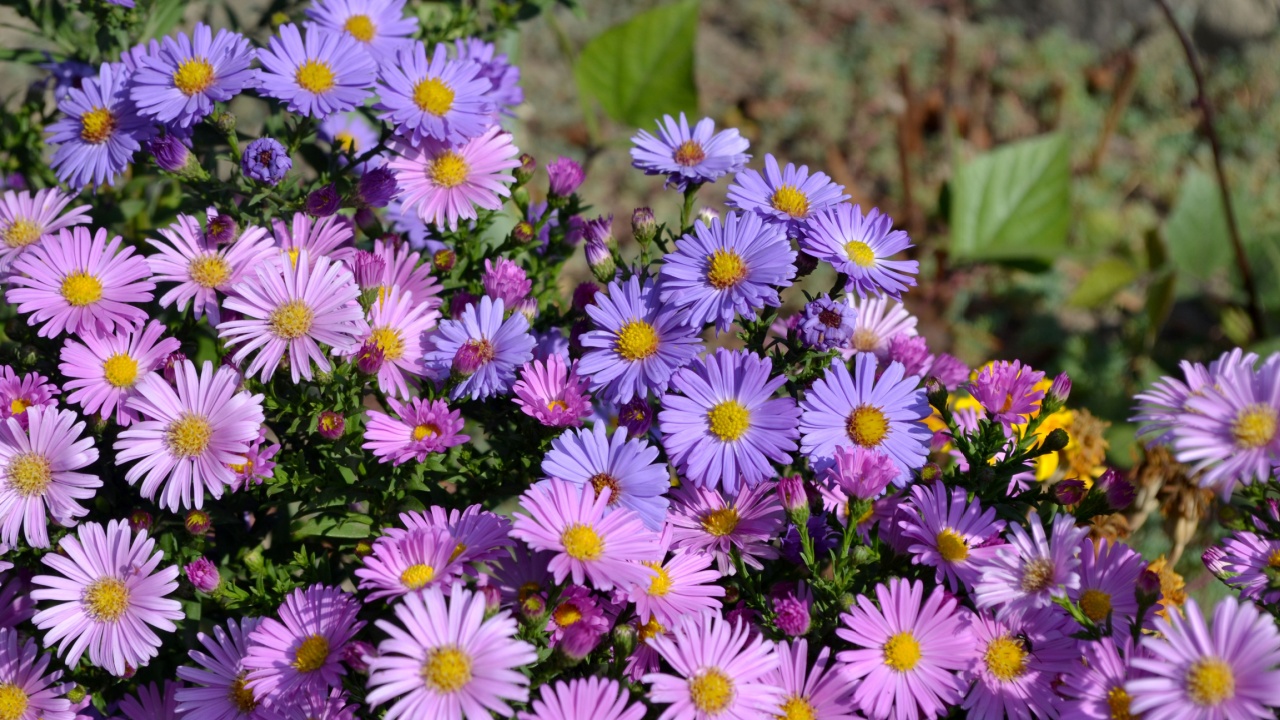
1. Aster
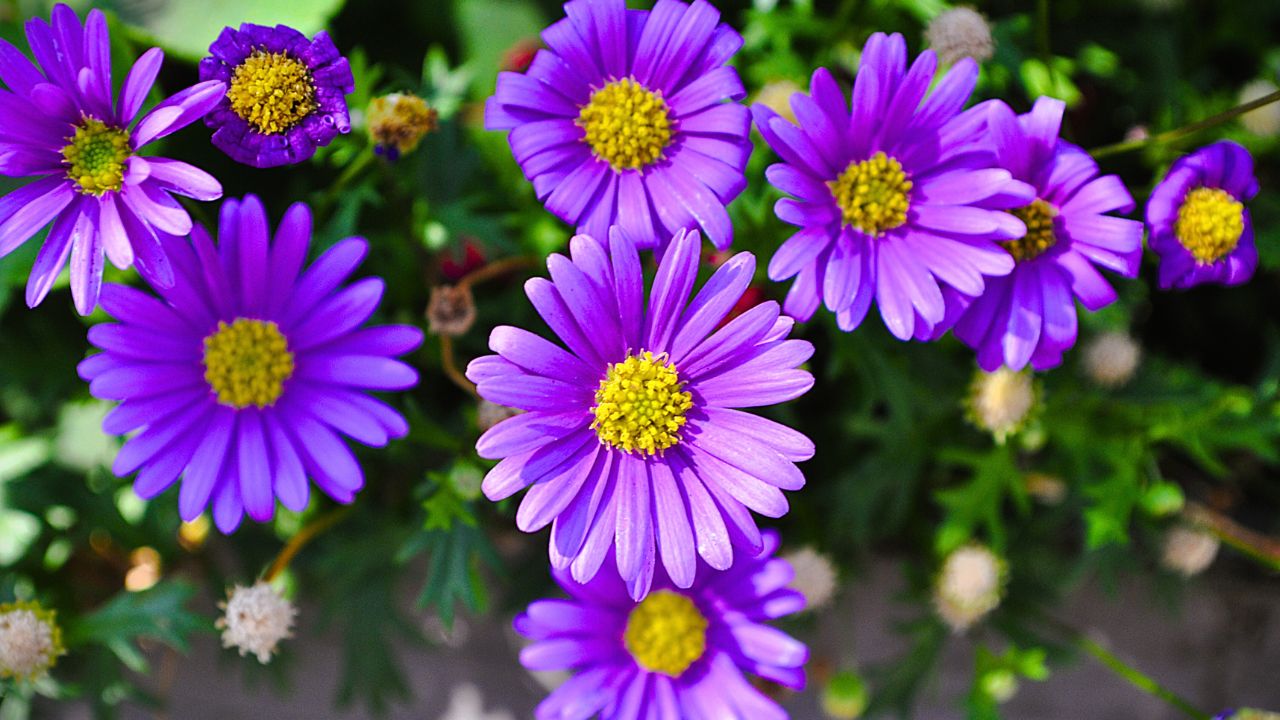
Asters are the quintessential fall flower, providing a burst of daisy-like blooms just as many other plants are beginning to fade. Flowering from late summer until the first frost, they are a critical late-season food source for bees and butterflies. Their flowers come in a beautiful array of blues, purples, pinks, and whites, making them a versatile addition to any garden design or cutting garden.
Why it’s a great option: Asters are dependable perennials that offer vibrant color when you need it most. They are easy to grow and attract a host of beneficial insects, adding life and movement to your garden.
Care & Next Steps:
- Sunlight: Full sun (at least 6 hours per day).
- Soil: Well-draining soil.
- Watering: Water regularly, especially during dry periods.
- Pro Tip: To encourage bushier growth and more flowers, pinch back the stems by about one-third in early summer. After enjoying their fall show, you can plant them in a permanent spot in your garden to enjoy for years to come.
2. Sedum
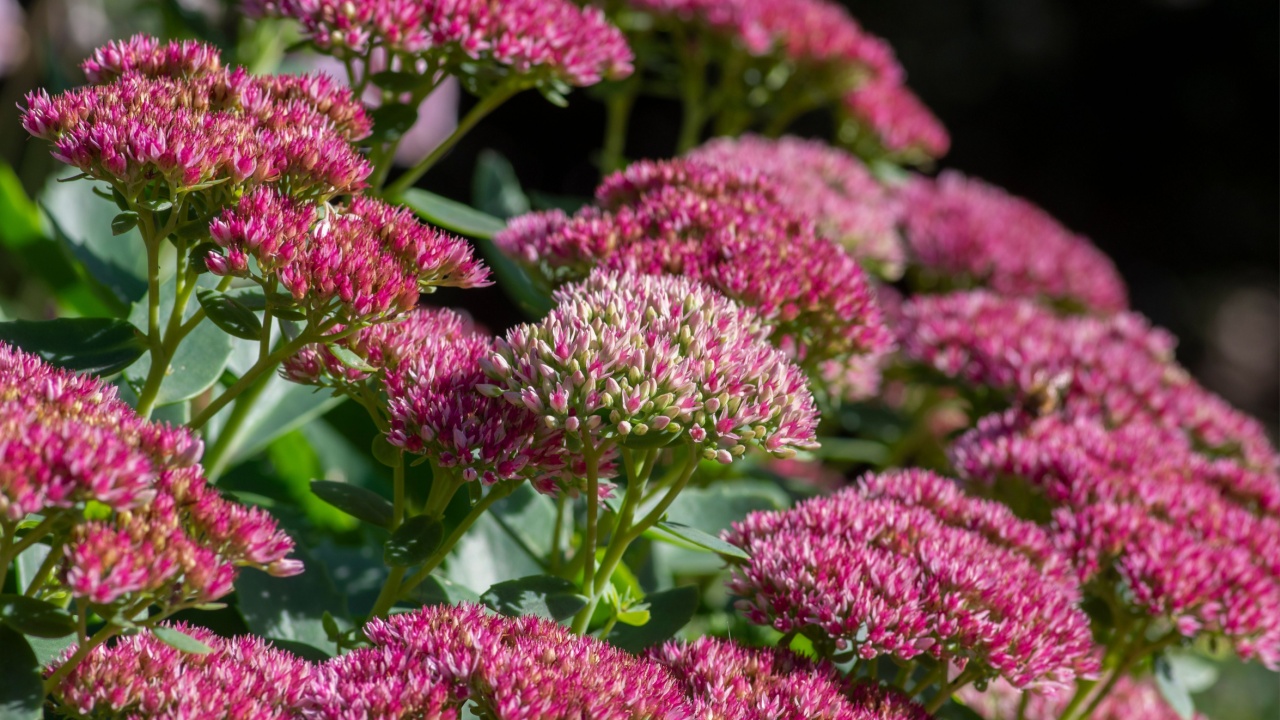
Sedum, particularly upright varieties like ‘Autumn Joy,’ is a powerhouse perennial. It’s incredibly tough, tolerating poor soil, heat, and drought once it’s established. Its succulent leaves look great all season, but the real show begins in late summer when large flower heads open, transitioning from pink to a deep, rusty red in the fall. These blooms are absolute magnets for pollinators.
Why it’s a great option: Its rugged nature makes it a low-maintenance choice for almost any sunny spot. The flower heads provide visual interest well into winter, even after they have dried.
Care & Next Steps:
- Sunlight: Full sun.
- Soil: Well-draining, even sandy or poor soil.
- Watering: Water occasionally once established; it’s very drought-tolerant.
- Pro Tip: Leave the dried flower heads on the plant through winter for visual interest and to provide shelter for beneficial insects. Cut them back in early spring when new growth appears.
3. Heuchera (Coral Bells)
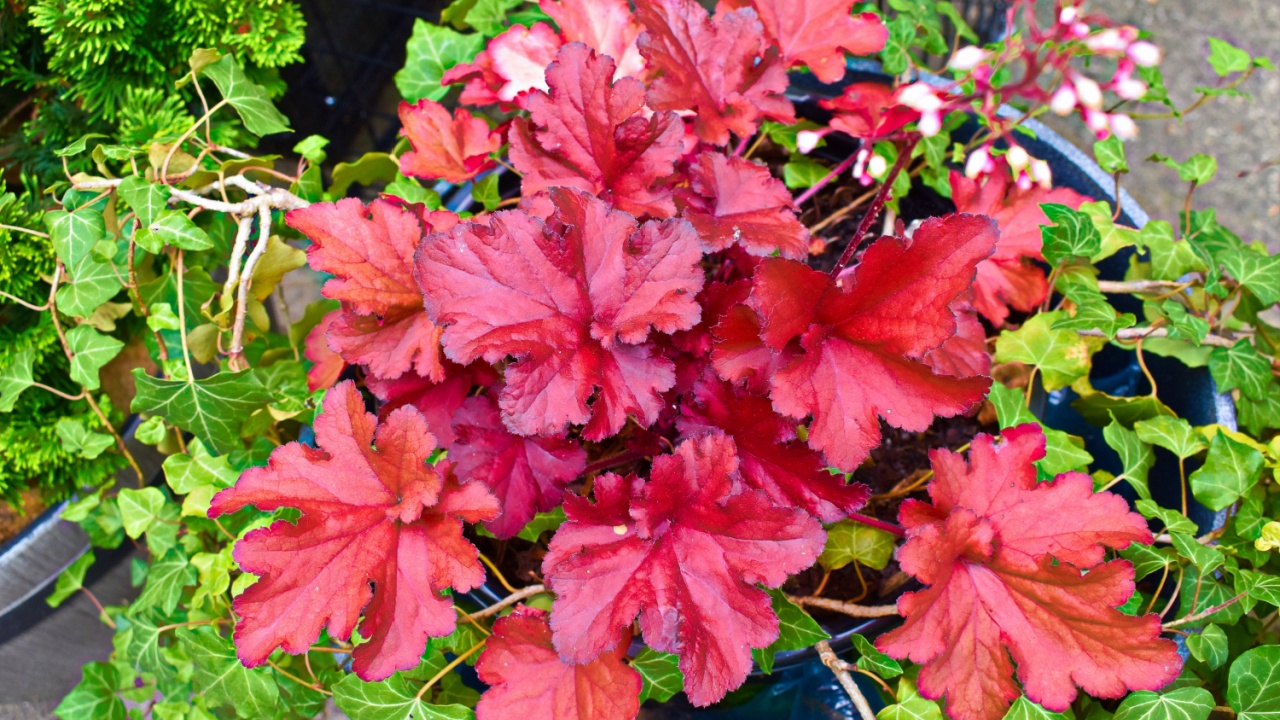
While Heuchera produces delicate spikes of flowers in summer that attract hummingbirds, its main appeal is its stunning foliage. Also known as coral bells, these perennials come in an incredible range of colors, from chartreuse and amber to deep purple and nearly black. Varieties like ‘Autumn Leaves’ and ‘Caramel’ are especially suited for a fall palette, adding rich, warm tones to borders and containers.
Why it’s a great option: Heuchera provides year-round color with minimal effort. It’s also deer and rabbit-resistant, making it a reliable choice for gardens with wildlife visitors.
Care & Next Steps:
- Sunlight: Partial shade to full sun, depending on the variety (darker leaves can handle more sun).
- Soil: Rich, well-draining soil.
- Watering: Keep soil consistently moist but not waterlogged.
- Pro Tip: Plant Heuchera in groups of three or five to create a dramatic pop of color. They work beautifully as an edging plant or in mixed containers with grasses and pansies.
4. Annual Ornamental Grasses
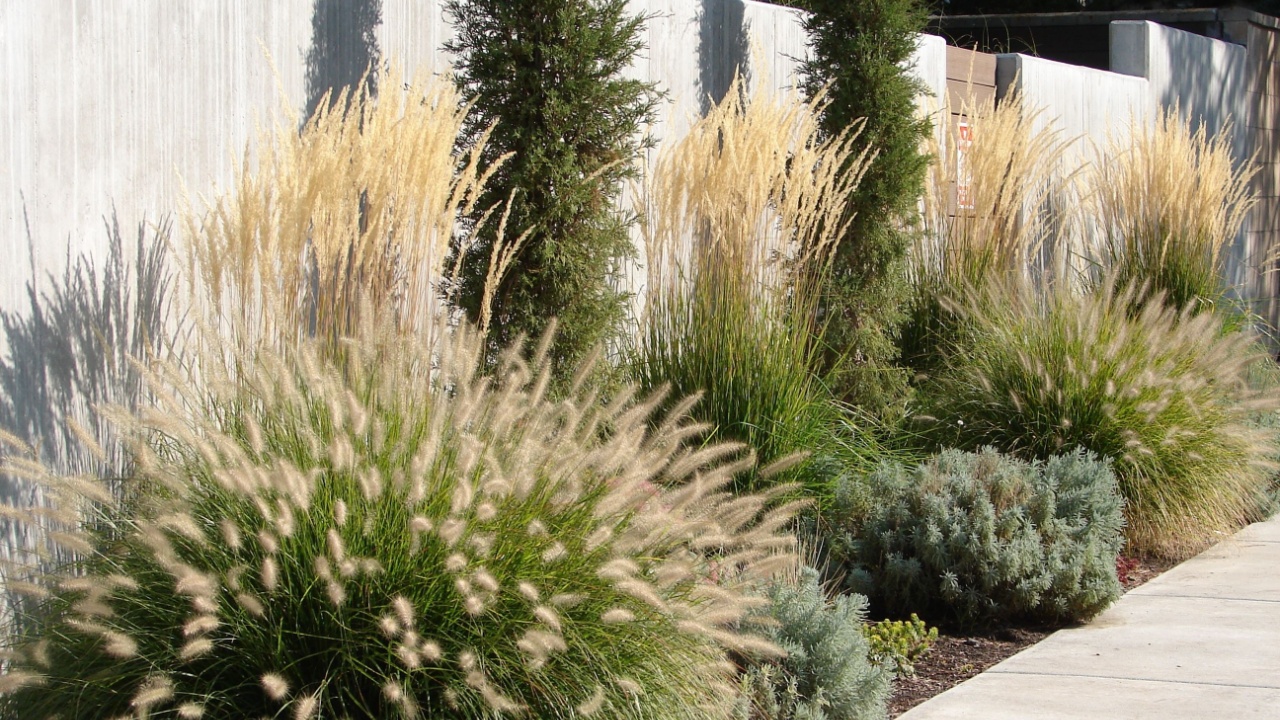
For instant texture, movement, and color in your fall containers, look no further than annual ornamental grasses. Purple fountain grass (Pennisetum setaceum ‘Rubrum’), with its burgundy foliage and soft, feathery plumes, is a popular choice. These grasses create a beautiful “thriller” element in pots, waving gracefully in autumn breezes.
Why it’s a great option: They provide immediate impact and fill in spaces left by tired summer annuals. Their clumping habit adds structure and a modern feel to any planting.
Care & Next Steps:
- Sunlight: Full sun.
- Soil: Standard potting mix.
- Watering: Water regularly to keep the soil moist.
- Pro Tip: Simply purchase a plant from your local garden center and drop it into a container for an instant fall makeover. Since they are annuals in most climates, you don’t need to worry about long-term care.
5. Oakleaf Hydrangea
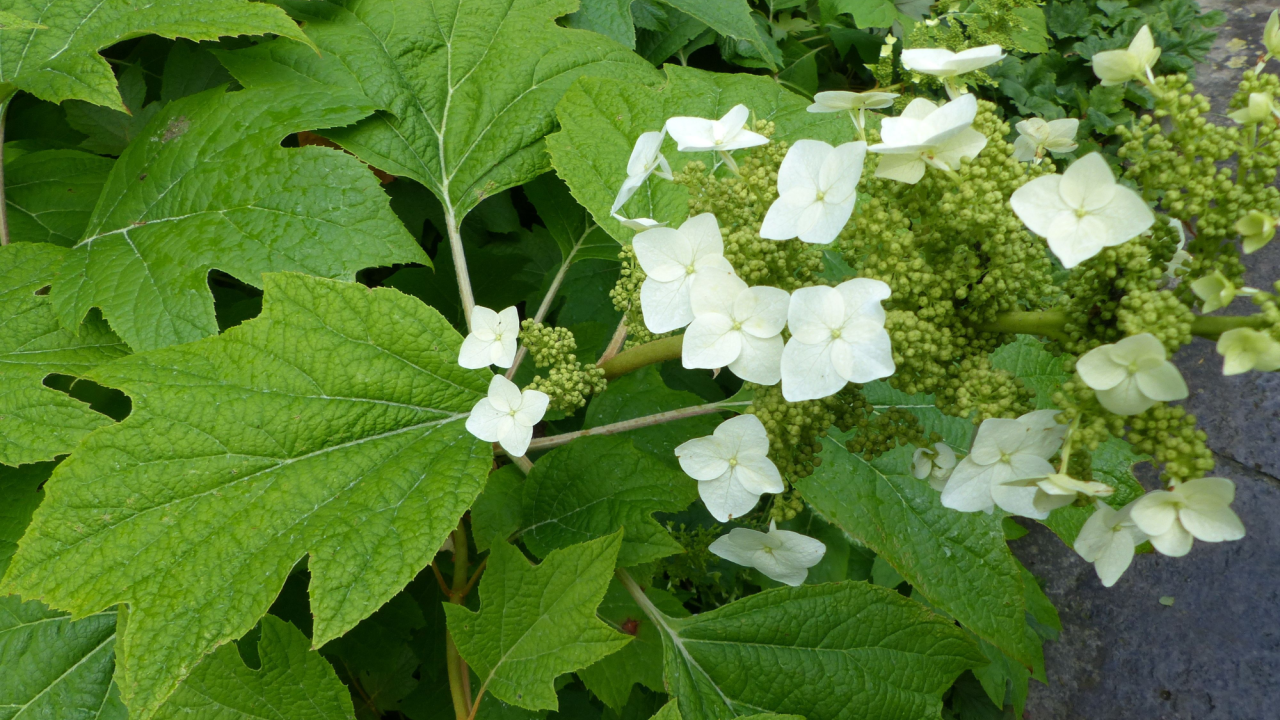
This is the only type of hydrangea that offers spectacular fall foliage color. In late autumn, its large, oak-shaped leaves transform into a stunning medley of rich red, bronze, and deep purple. Before the foliage shows, it produces large cones of white flowers in the summer that fade to pink. Its peeling bark also adds winter interest.
Why it’s a great option: It’s a true four-season shrub, offering beautiful flowers, incredible fall color, and interesting winter bark. It makes an excellent foundation plant or informal hedge.
Care & Next Steps:
- Sunlight: Morning sun and afternoon shade is ideal.
- Soil: Moist, well-draining soil.
- Watering: Needs consistent moisture, especially in its first few years.
- Pro Tip: Choose a permanent location for this shrub where it has room to grow. Popular varieties like ‘Gatsby Gal’ and ‘Ruby Slippers’ offer gorgeous color on more compact plants.
6. Pansy
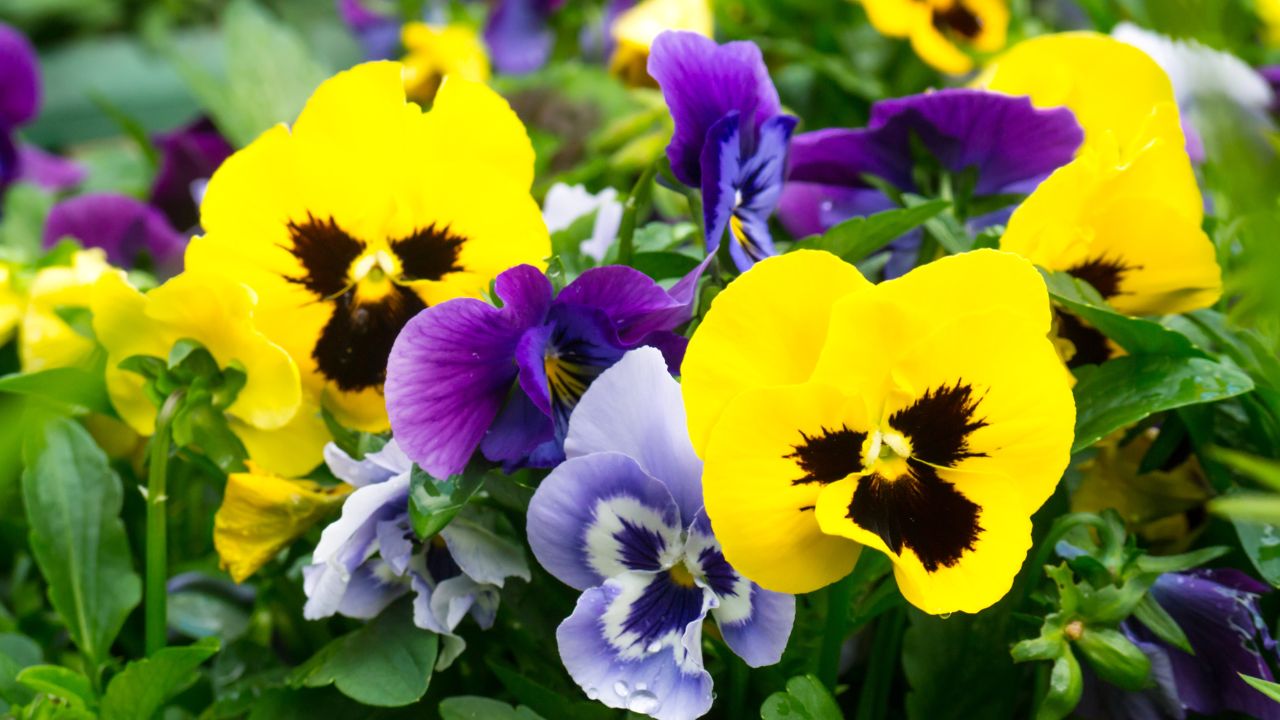
Pansies are cheerful, cool-weather annuals perfect for brightening up window boxes, containers, and borders. Their happy “faces” come in a vast range of colors and patterns. Many modern varieties are bred to withstand a light frost, meaning they will continue to provide vibrant color well into late fall, and in milder climates, sometimes through the winter.
Why it’s a great option: They offer instant, affordable color and thrive in the cool temperatures that cause other annuals to fail.
Care & Next Steps:
- Sunlight: Full sun to partial shade.
- Soil: Rich, well-draining soil.
- Watering: Keep the soil consistently moist.
- Pro Tip: Deadhead (remove spent blooms) regularly to encourage continuous flowering. Combine them in containers with ornamental kale and mums for a classic fall display.
7. Marigold
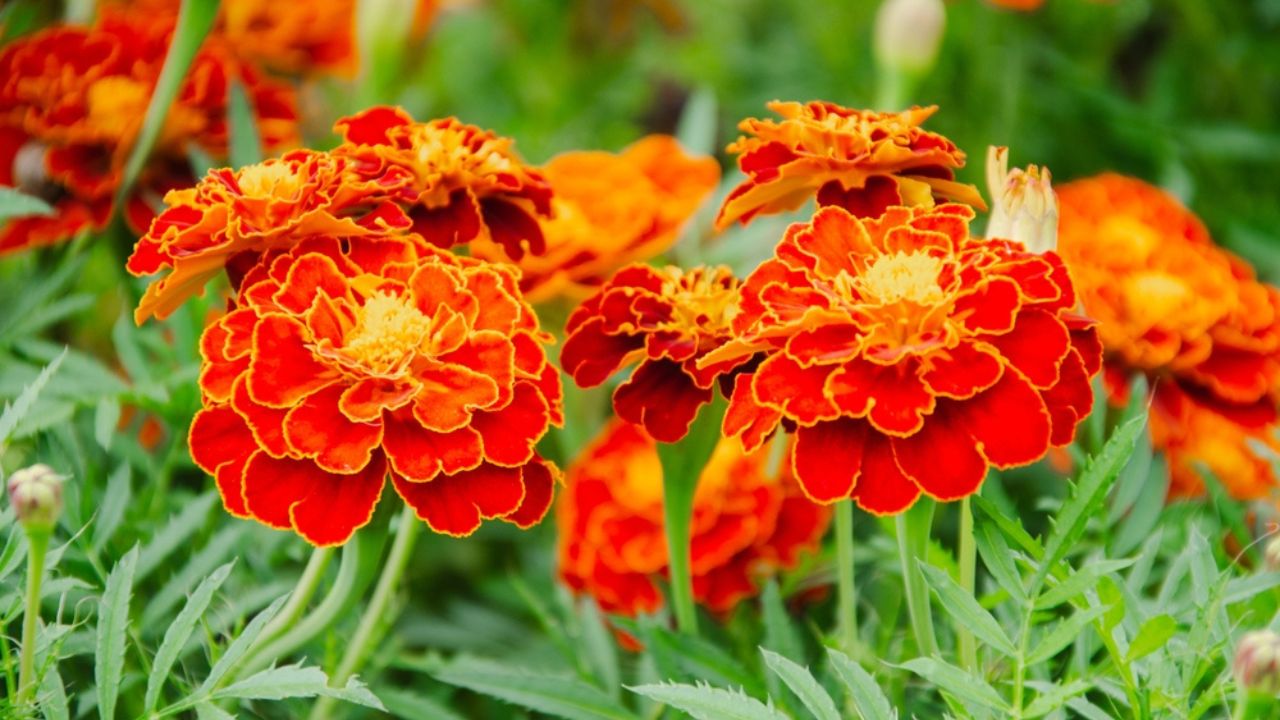
This old-fashioned favorite is a workhorse in the garden. Marigolds are tough, reliable, and bloom profusely from summer right up until a hard frost. Their warm colors of yellow, orange, and red are a perfect match for the autumn season. They are easy to grow from seed or can be purchased as plants to fill in any gaps in your garden beds.
Why it’s a great option: They are incredibly low-maintenance and provide a long season of cheerful color. Some gardeners also plant them to help deter pests.
Care & Next Steps:
- Sunlight: Full sun.
- Soil: Tolerates most soil types but prefers well-draining soil.
- Watering: Water during dry spells.
- Pro Tip: Add marigolds to vegetable gardens or mixed flower beds for a pop of late-season color. Simply let them grow until the frost takes them.
8. Beautyberry
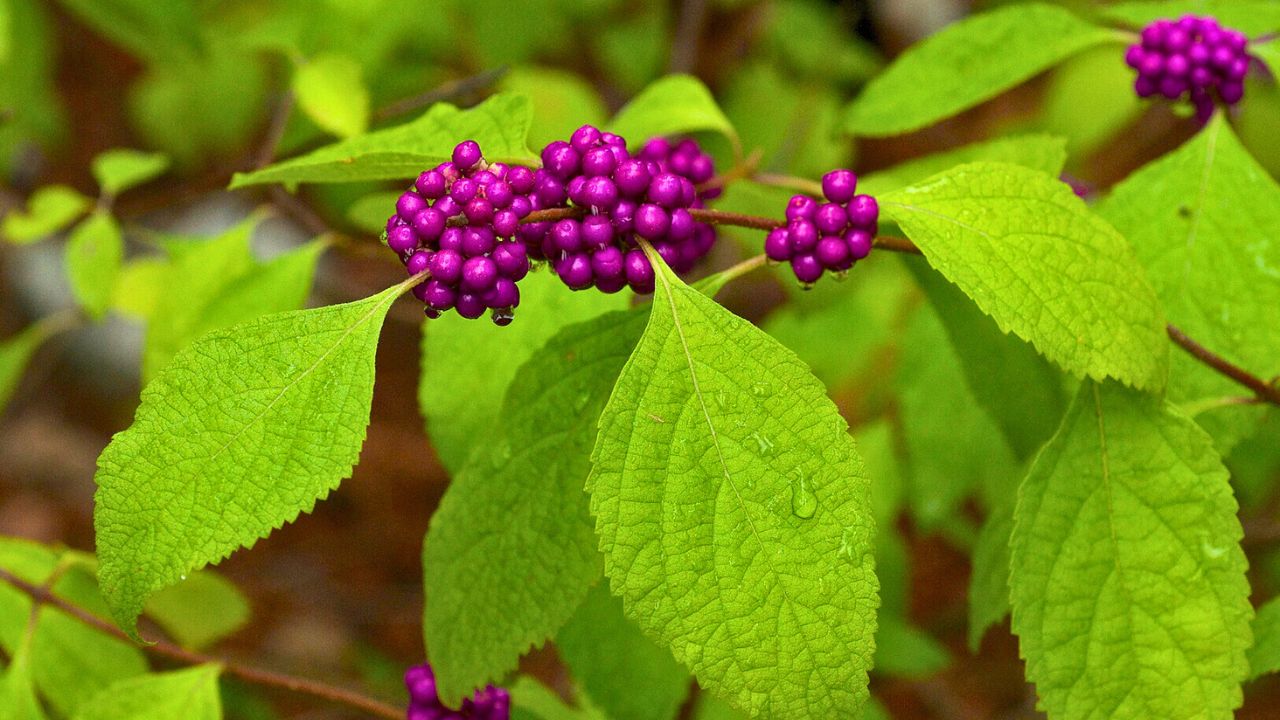
Beautyberry is a lesser-known shrub that deserves a spot in every fall garden. After its small white or pink spring flowers fade, it produces spectacular clusters of vibrant, metallic-purple berries that cling to the branches. These berries appear in early fall and often persist after the leaves have dropped, creating a stunning visual.
Why it’s a great option: It offers a unique and unexpected pop of color in the fall landscape. Birds also enjoy the berries, adding another layer of life to your garden.
Care & Next Steps:
- Sunlight: Full sun to partial shade (more sun equals more berries).
- Soil: Adaptable to most soil types.
- Watering: Water regularly until established.
- Pro Tip: Look for newer varieties like ‘Pearl Glam,’ which offer a more compact size and attractive purple-tinged foliage throughout the season.
9. Black-Eyed Susan (Rudbeckia)
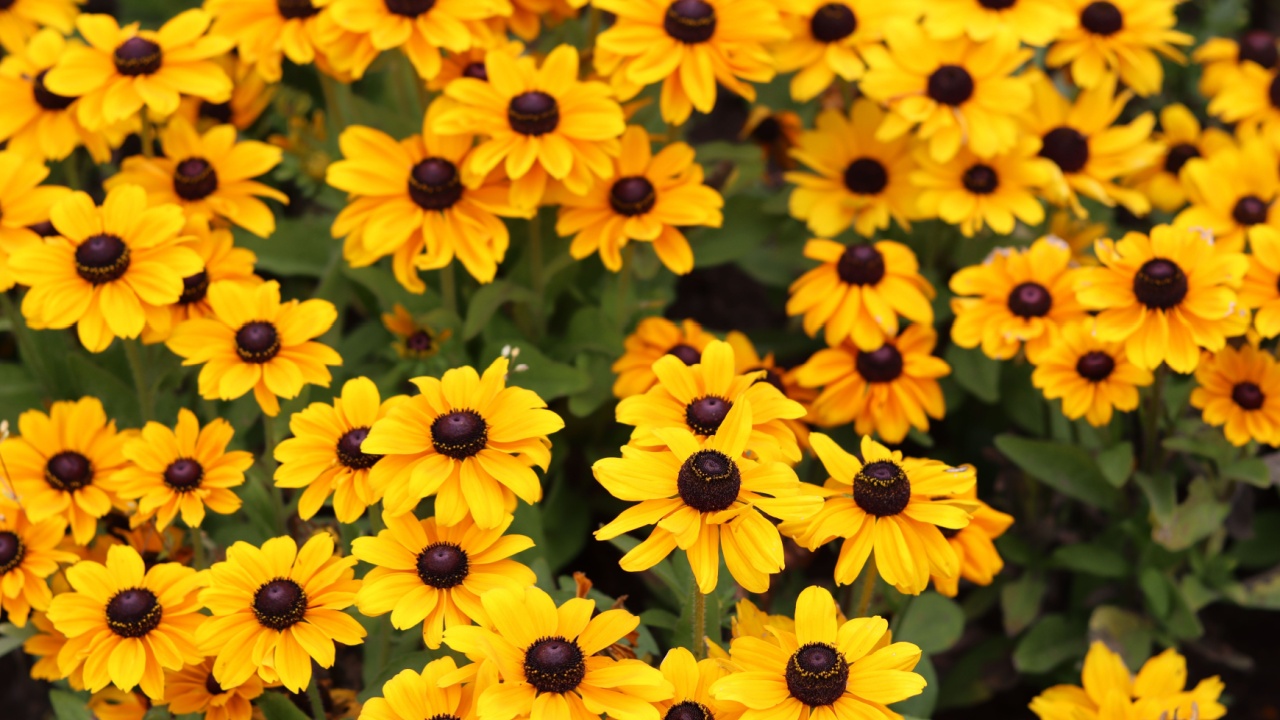
With their sunny yellow petals and dark brown centers, Black-Eyed Susans are a cheerful sight in the late summer and fall garden. These native perennials bloom for a very long time, often continuing until the first frost. They are a favorite of pollinators and add a wonderful, prairie-like feel to garden beds.
Why it’s a great option: They are drought-tolerant, deer-resistant, and provide a reliable source of bright, happy color. They also make excellent cut flowers.
Care & Next Steps:
- Sunlight: Full sun.
- Soil: Average, well-draining soil.
- Watering: Water occasionally, but they are quite drought-tolerant once established.
- Pro Tip: Leave the seed heads on the plants over winter. They provide food for birds like goldfinches and add structural interest to the snowy landscape.
10. Japanese Anemone
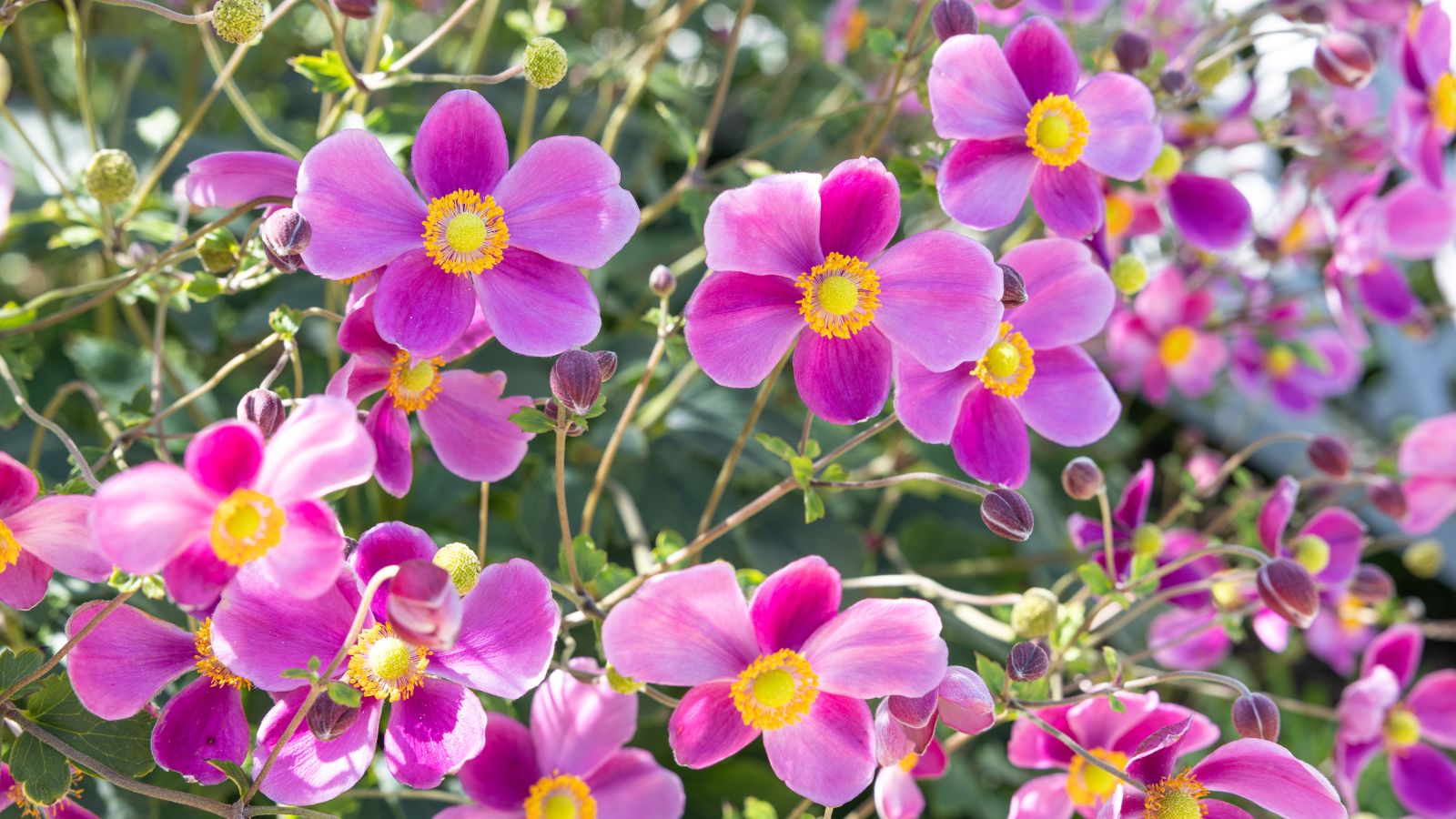
This elegant perennial is a true showstopper in the late-season garden. From late summer through early fall, it sends up tall, wiry stems that dance in the breeze, topped with simple, beautiful flowers in shades of white or pink with yellow centers. They float above attractive, dark green foliage, adding a sense of grace and movement.
Why it’s a great option: It blooms at a time when many other perennials are finished. It is also deer-resistant and thrives in partial shade, a valuable trait for trickier spots in the garden.
Care & Next Steps:
- Sunlight: Partial shade is ideal, though it can tolerate full sun with consistent moisture.
- Soil: Rich, moist, well-draining soil.
- Watering: Keep soil consistently moist.
- Pro Tip: Japanese anemones can spread, so give them room to form a nice colony. They look wonderful planted in drifts under tall trees or at the back of a border.
11. Ornamental Cabbage and Kale
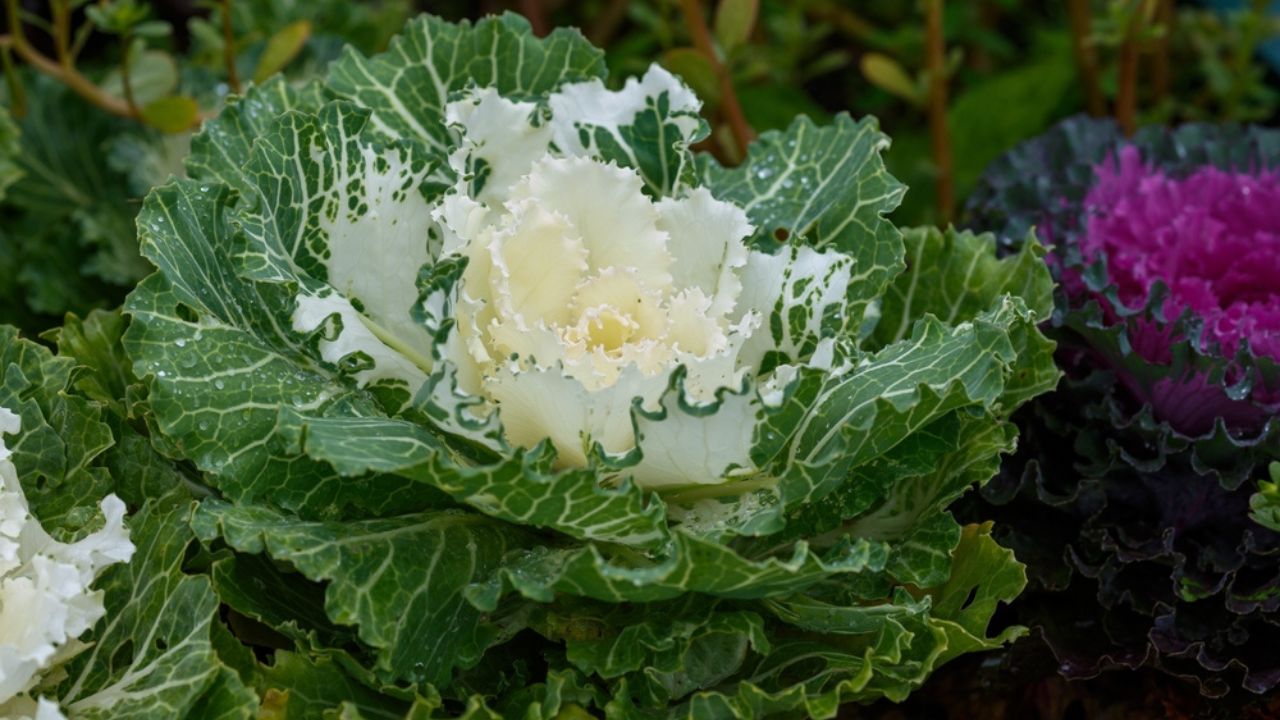
These are not your typical vegetable garden plants. Grown for their foliage, not for eating, ornamental cabbage and kale form large rosettes of frilly or smooth leaves in shades of white, pink, purple, and green. Their color actually intensifies as the weather gets colder, making them perfect for fall and early winter displays.
Why it’s a great option: They are incredibly cold-hardy and will often look great even after a few snowfalls. They provide unique texture and structure to fall containers.
Care & Next Steps:
- Sunlight: Full sun.
- Soil: Standard potting mix or garden soil.
- Watering: Keep the soil moist.
- Pro Tip: Use them as a bold centerpiece in a container, surrounded by pansies, or plant them in a row along a walkway for a dramatic effect.
12. Goldenrod (Solidago)
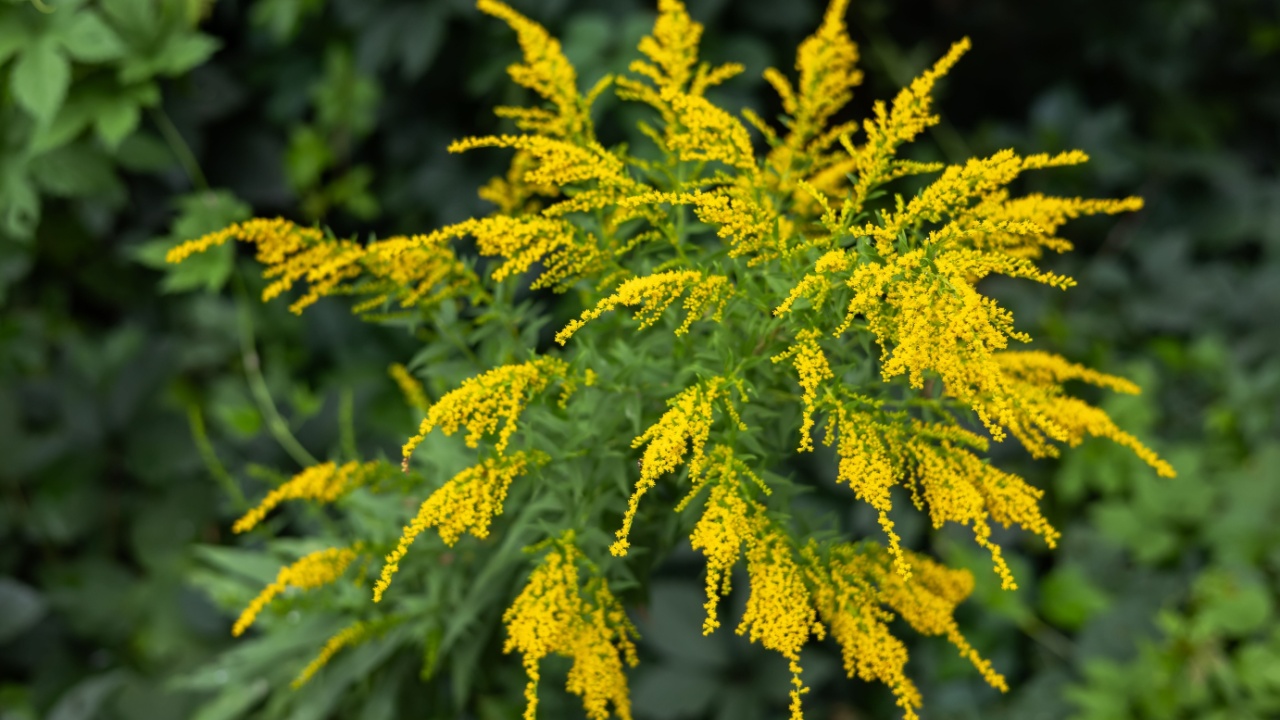
Don’t confuse this native beauty with ragweed, the true cause of fall allergies! Goldenrod is a vital native perennial that produces brilliant plumes of golden-yellow flowers from late summer into fall. It is one of the most important late-season food sources for native bees, wasps, and butterflies.
Why it’s a great option: It supports a huge range of pollinators and adds a splash of brilliant, wild color to the garden. Newer cultivars like ‘Fireworks’ offer a more compact and tidy habit than wild species.
Care & Next Steps:
- Sunlight: Full sun.
- Soil: Adapts to a wide range of soils.
- Watering: Drought-tolerant once established.
- Pro Tip: Plant goldenrod at the back of a border to create a beautiful backdrop for other fall bloomers like asters and sedum.
13. Helenium (Sneezeweed)
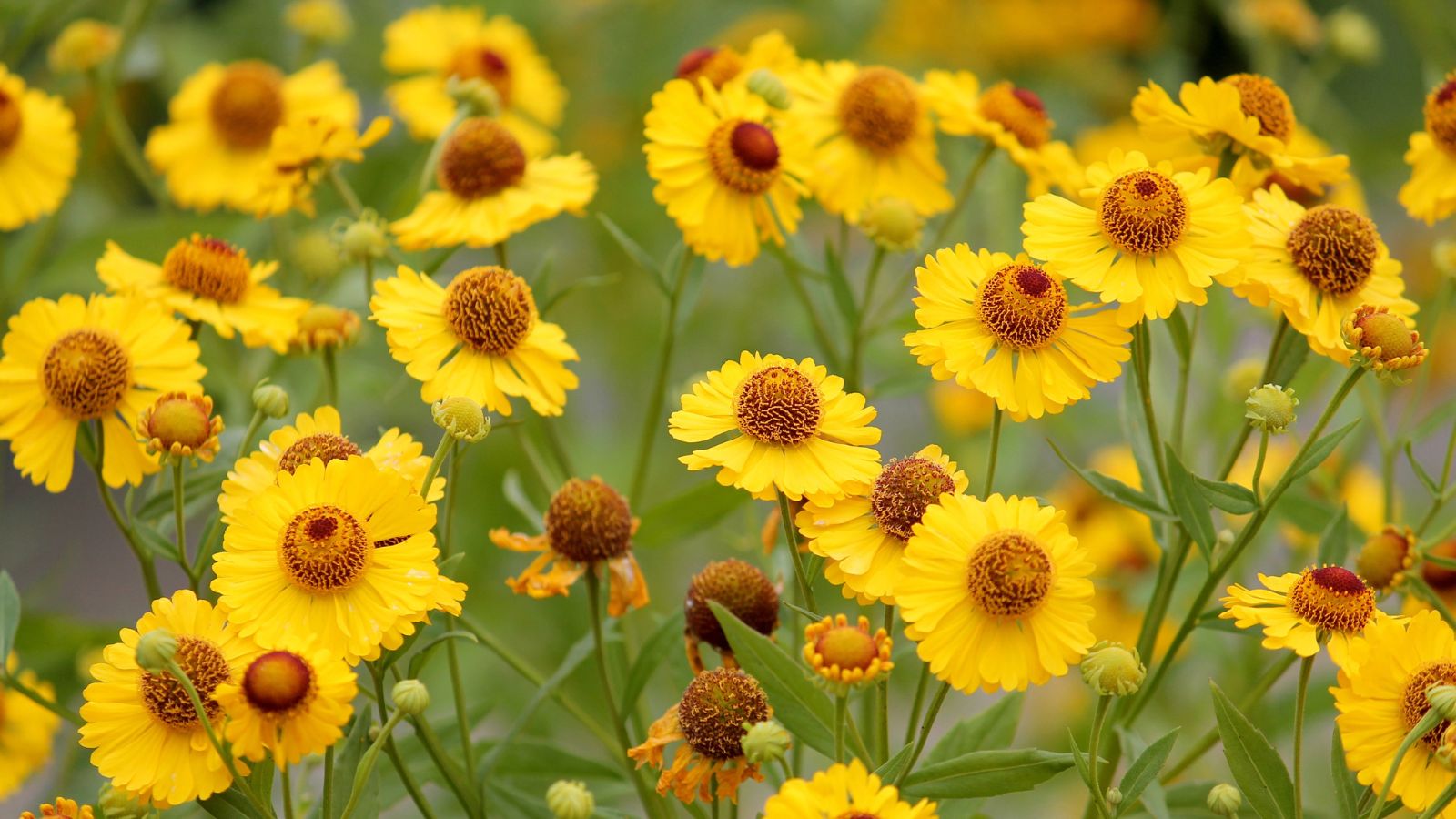
Also known by the fun name sneezeweed, Helenium offers long-lasting, daisy-like flowers in warm, autumnal shades of deep orange, burnt red, and bright yellow. The flowers appear from mid-summer through fall, providing continuous color and attracting pollinators.
Why it’s a great option: Its rich, warm colors perfectly capture the essence of autumn. It’s a reliable bloomer that adds height and vibrancy to pollinator gardens and cutting gardens.
Care & Next Steps:
- Sunlight: Full sun.
- Soil: Moist, well-draining soil.
- Watering: Prefers consistent moisture and does not like to dry out.
- Pro Tip: Pinching the stems back in late spring can help promote a sturdier, more compact plant with even more blooms.
14. Russian Sage
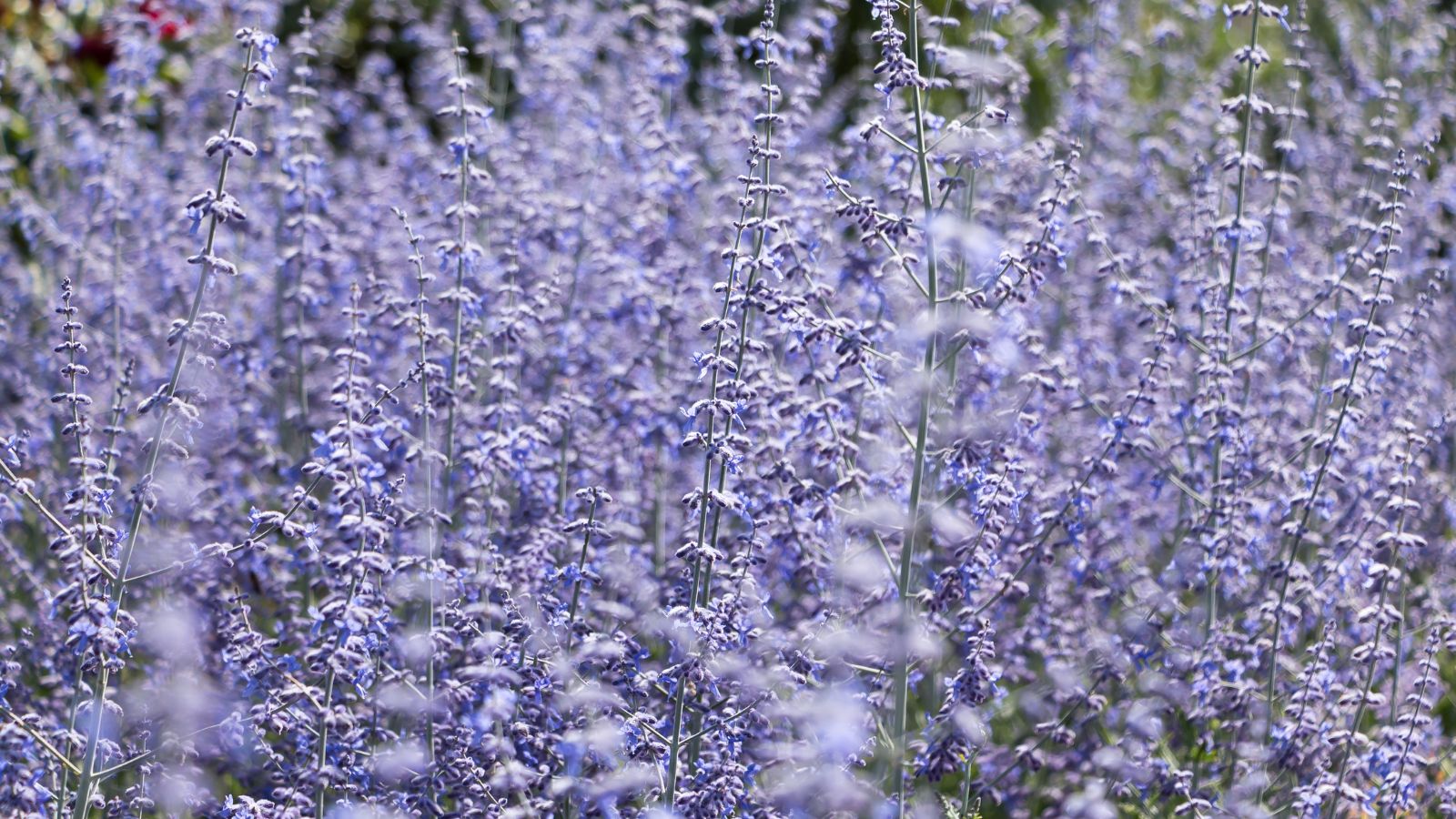
With its silvery-gray foliage and tall, airy spikes of lavender-purple flowers, Russian sage adds a cool, hazy beauty to the garden. It blooms for months, from mid-summer well into fall, and its aromatic foliage is a bonus. It’s an incredibly tough plant, unfazed by heat or drought.
Why it’s a great option: It is extremely drought-tolerant and resistant to deer and rabbits. Its fine texture provides a beautiful contrast to plants with bold leaves or flowers, like sedum or black-eyed susans.
Care & Next Steps:
- Sunlight: Full sun.
- Soil: Well-draining soil is a must; it dislikes wet feet.
- Watering: Water only until established.
- Pro Tip: Wait to cut back the old stems until early spring, when you see new growth emerging at the base of the plant.
15. Panicle Hydrangea
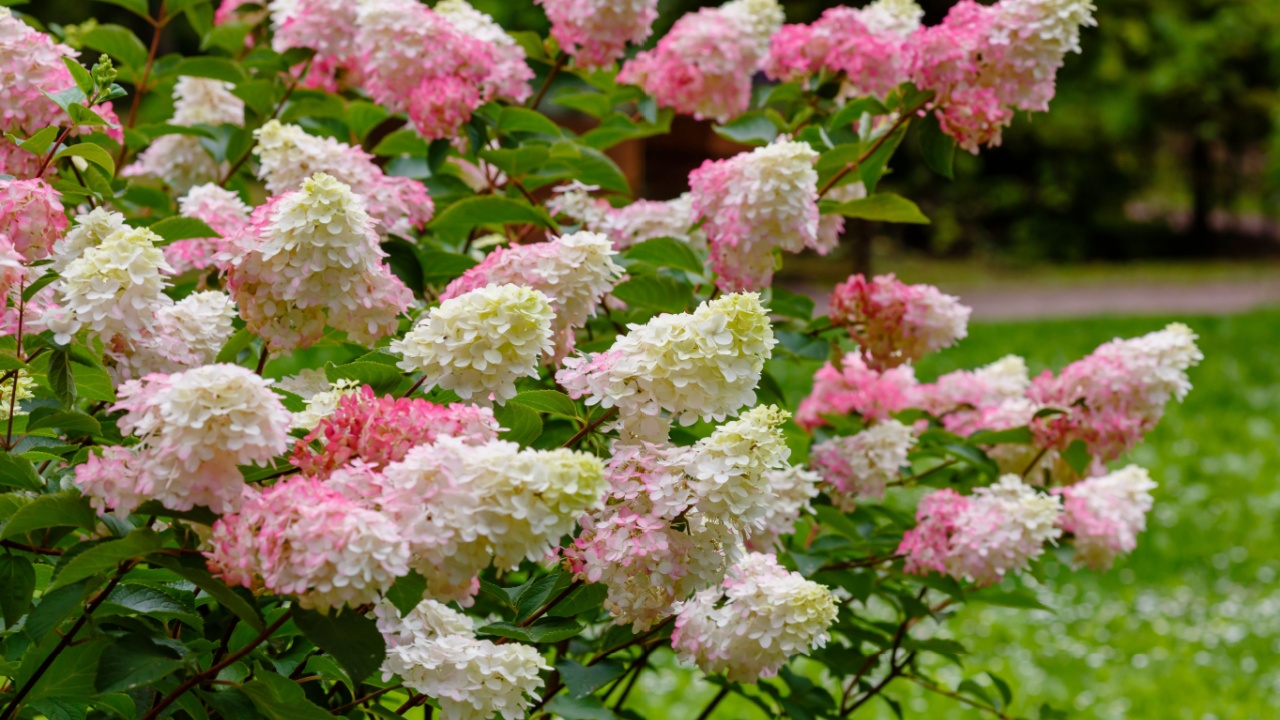
Panicle hydrangeas are some of the easiest and most rewarding hydrangeas to grow. They produce large, cone-shaped flowers in summer that start out white or lime-green. As the weather cools in fall, these blooms age to beautiful shades of pink, red, and burgundy. The dried flower heads often remain on the plant through winter.
Why it’s a great option: They are super hardy, reliable bloomers, and offer great three-season interest. Varieties like ‘Limelight’ and ‘Vanilla Strawberry’ are famous for their stunning color transformations.
Care & Next Steps:
- Sunlight: Full sun to partial shade.
- Soil: Adaptable to most soils but prefers well-draining.
- Watering: Water regularly, especially in heat.
- Pro Tip: Prune panicle hydrangeas back by about one-third of their size in late winter or early spring to encourage strong stems and abundant flowers.
16. Chrysanthemum (Mums)
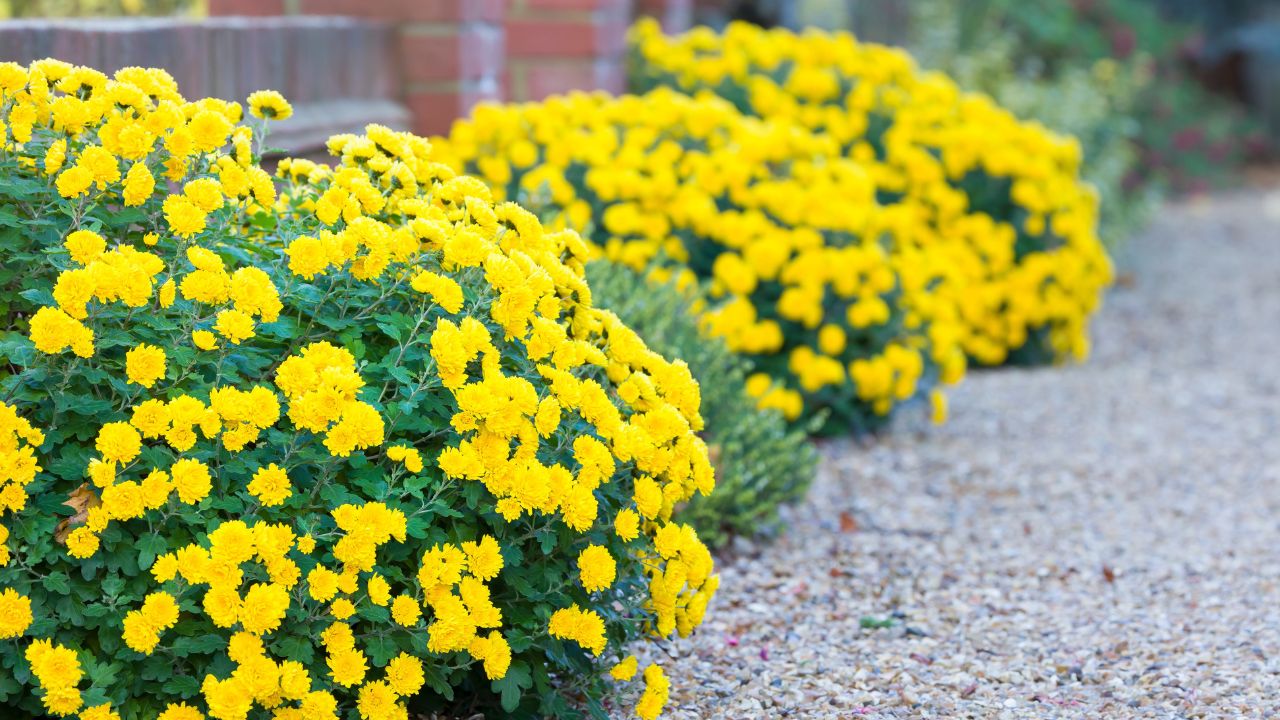
No fall plant list would be complete without mums. These are the undisputed icons of the season, available in a huge range of colors and flower forms. While many mums sold in the fall are treated as annuals, you can also plant “hardy” or “garden” mums in the spring or early summer. When established in the garden, these perennials will return year after year.
Why it’s a great option: Mums provide an instant and impressive burst of classic fall color. They are perfect for containers, front porch displays, and filling gaps in garden beds.
Care & Next Steps:
- Sunlight: Full sun.
- Soil: Well-draining soil.
- Watering: Keep them consistently moist, especially in containers which can dry out quickly.
- Pro Tip: For mums to survive the winter, plant them in the ground at least six weeks before the ground freezes to allow their roots to establish. Mulching after the first hard frost can also help protect them.
17. Witch Hazel (Hamamelis)
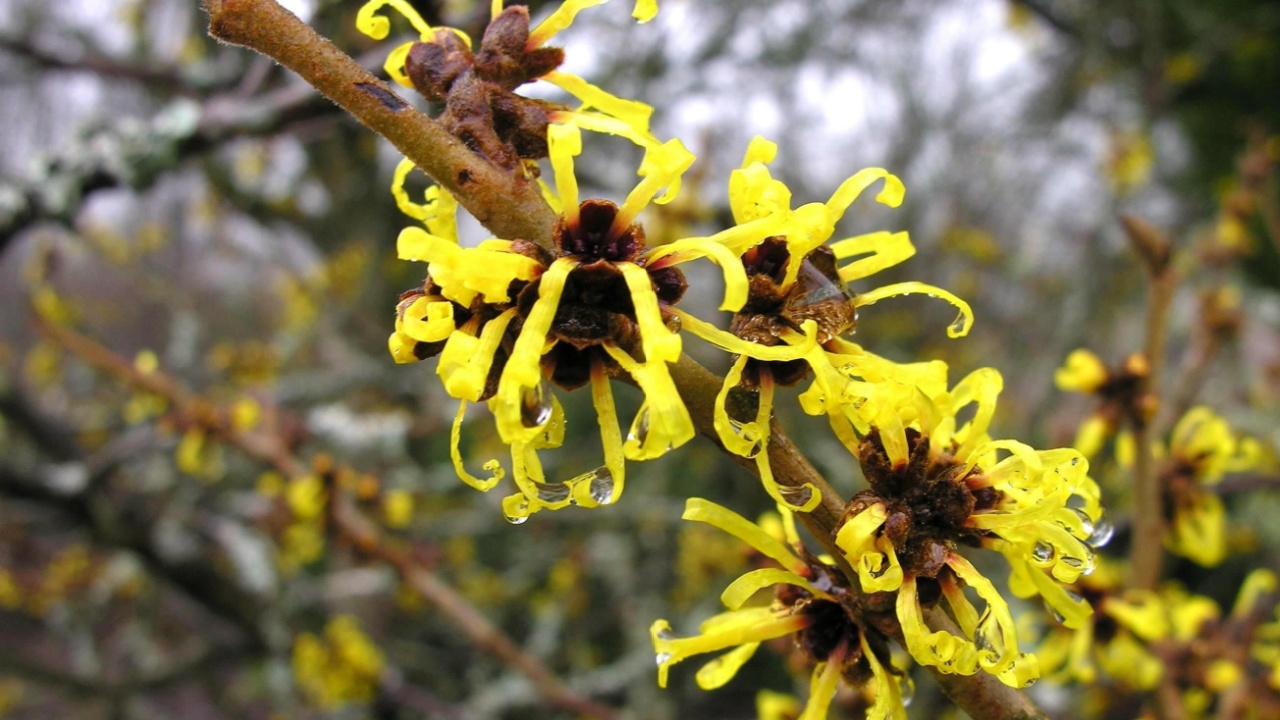
For a truly unique fall and winter show, consider planting a witch hazel shrub. Depending on the variety, these shrubs produce spidery, fragrant flowers in yellow, orange, or red. Some bloom in the autumn as their leaves turn a brilliant yellow, while others wait until the dead of winter, flowering on bare branches.
Why it’s a great option: Witch hazel offers stunning fall foliage and fragrant flowers when almost nothing else is happening in the garden. It provides a source of surprise and delight during the colder months.
Care & Next Steps:
- Sunlight: Full sun to partial shade.
- Soil: Prefers acidic, well-draining soil.
- Watering: Water regularly during its first few seasons.
- Pro Tip: Plant witch hazel where you can enjoy its fragrance, such as near a walkway or patio. Hamamelis virginiana is a native variety that blooms in the fall.
Cultivating a Fabulous Fall Garden
Feeling inspired? Now is the perfect time to act. Fall is an excellent time to plant perennials and shrubs. The cooler temperatures and more reliable rainfall reduce transplant shock and help plants establish strong root systems before winter.
Start by assessing your garden. Where are the empty spots? What colors would complement your existing landscape? Make a list of your favorites from this guide and head to your local nursery. Don’t be afraid to mix and match perennials, annuals, and shrubs in your beds and containers to create a rich, layered look. By taking these simple steps, you can ensure your garden’s beauty continues long after summer has faded.