21 Animals to Spot in American Backyards
Your backyard is more than just a plot of land; it’s a living, breathing ecosystem buzzing with activity. From the flash of a cardinal’s wing to the quiet rustle of a rabbit in the undergrowth, your garden is a stage for a surprising variety of wildlife. Observing these animal visitors can bring immense joy and a deeper connection to nature right outside your door. However, sharing your space also comes with its own set of challenges, from protecting your prized vegetable patch to ensuring the safety of your family and pets.
This guide will introduce you to 21 common animals you might find in your backyard across the United States (brought to you by trusted sources). We’ll explore their roles in the local ecosystem, whether they are friends or foes to your garden, and provide practical tips for how you can either welcome them or gently encourage them to move along. Learning to coexist with your wild neighbors is the key to creating a balanced and thriving backyard habitat.
1. Skunks

The distinctive black and white skunk is often smelled before it is seen. These nocturnal animals are generally mild-mannered but are infamous for their powerful defensive spray. They are omnivores with a helpful appetite for garden pests like grubs, insects, and small rodents.
A skunk in the garden can be a sign of a healthy grub population just below the surface. While they are beneficial for pest control, their digging can create small, cone-shaped holes in your lawn. If you encounter one, give it space and retreat slowly. To discourage them from setting up a den, secure garbage cans, bring in pet food at night, and seal off any openings under decks, sheds, or porches.
Quick Guide:
- Friend or Foe? Friend to gardeners (eats pests), but a foe if it sprays.
- What to do: Secure trash and pet food. Block access to potential den sites under structures.
- Pro Tip: Skunks have poor eyesight. If you encounter one at night, speak softly so it knows you are there and won’t be startled.
2. Foxes
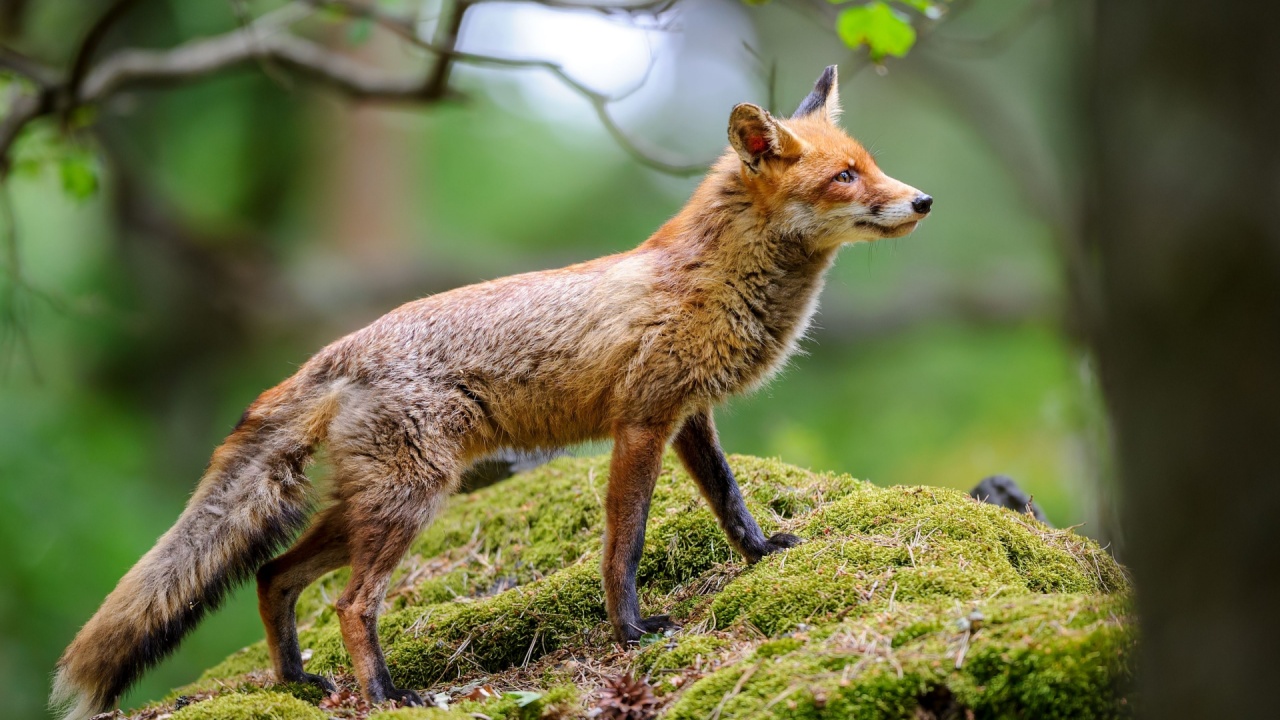
With their bushy tails and clever eyes, foxes are captivating visitors. Both red and gray foxes have adapted well to suburban life. They are opportunistic omnivores, preying on rodents, rabbits, and squirrels, which helps keep these populations in check. They also eat fruit and insects.
While fascinating to watch, foxes can be a concern for those with free-ranging chickens or small pets like rabbits. They may also dig in garden beds searching for food. To deter them, never leave pet food outside and ensure your garbage is secure. Motion-activated lights or sprinklers can be effective at scaring them away without causing harm.
Quick Guide:
- Friend or Foe? A friend for rodent control, but a potential foe to small pets.
- What to do: Secure small pets, especially at dawn and dusk. Use motion-activated deterrents.
- Pro Tip: A fox’s presence often indicates a healthy local food web.
3. Spiders
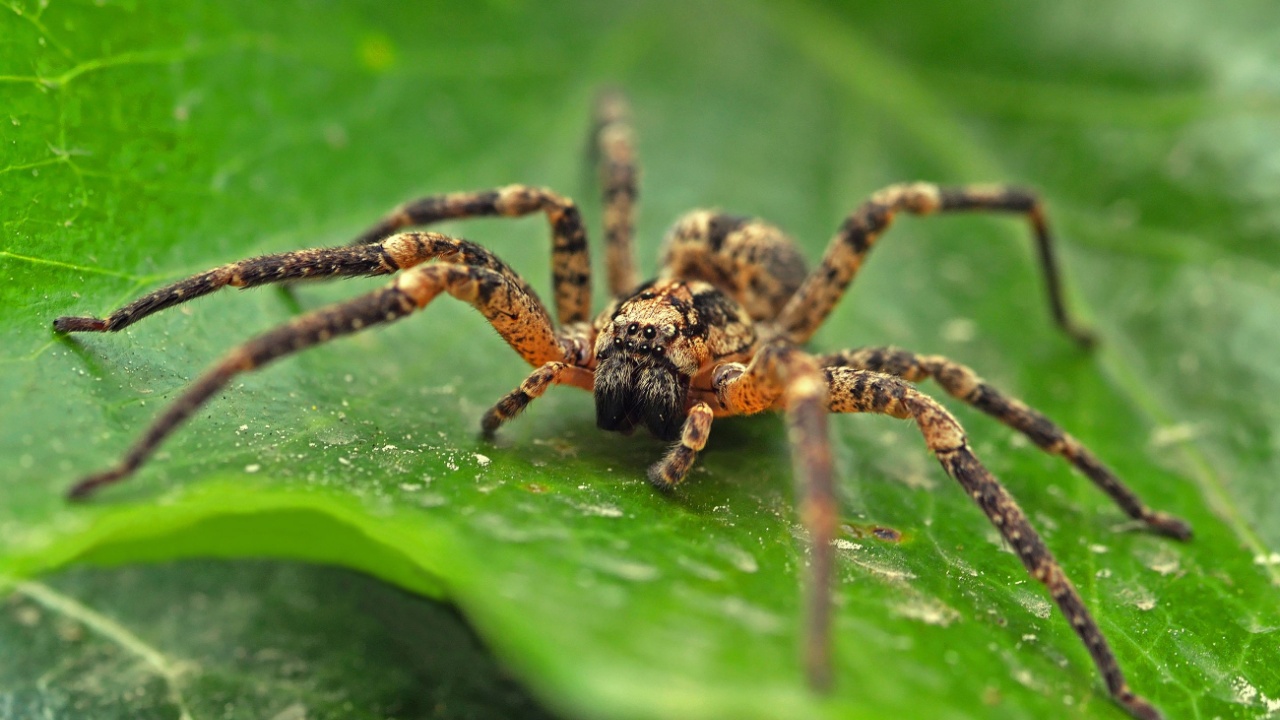
Though they often evoke fear, the vast majority of spiders in your backyard are harmless and incredibly beneficial. They are nature’s expert pest controllers, trapping and eating countless insects like flies, mosquitoes, and aphids that could otherwise damage your plants or annoy your family.
From the intricate orbs of garden spiders to the funnel webs in the grass, their work is everywhere. Learning to identify the few medically significant species in your area (like the black widow or brown recluse) is wise, but for the most part, spiders should be welcomed. Avoid using broad-spectrum pesticides that wipe out these helpful allies.
Quick Guide:
- Friend or Foe? A top-tier friend to any gardener.
- What to do: Leave them be! Appreciate their free pest control service.
- Pro Tip: Shine a flashlight across your lawn at night to see the reflective eyes of hundreds of wolf spiders hunting ground-level pests.
4. American Robins

The American Robin is a classic symbol of spring and a familiar sight on lawns across the country. You’ll often see them hopping across the grass, head cocked, listening for the telltale movement of an earthworm. Their diet of worms, insects, and berries makes them a balanced part of the garden ecosystem.
Robins are a joy to have around. They rarely cause any trouble for gardeners, and their cheerful song is a welcome sound. You can attract them by providing a bird bath, as they love to drink and splash around. Planting native berry-producing shrubs like dogwood or winterberry will also provide a valuable food source for them.
Quick Guide:
- Friend or Foe? A welcome friend.
- What to do: Provide a shallow bird bath and plant native berry bushes.
- Pro Tip: Watch for their mud-and-grass nests built on ledges, in trees, or on outdoor light fixtures in the spring.
5. Coyotes
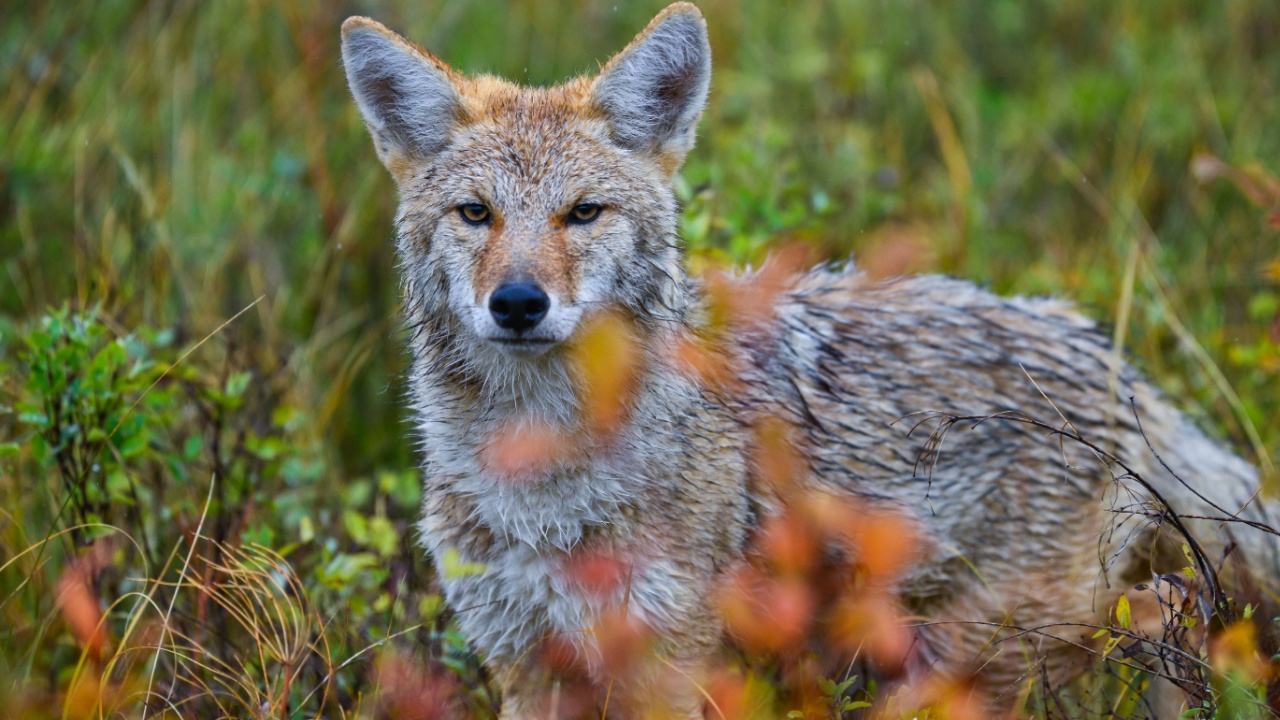
Highly adaptable and intelligent, coyotes are increasingly common in suburban and even urban areas. They are primarily carnivores, playing a vital role in controlling populations of rodents, rabbits, and geese. They are generally shy of humans and prefer to be active at dawn, dusk, and night.
While beneficial for managing rodent populations, coyotes can pose a risk to cats and small dogs. Never feed coyotes, as this erodes their natural fear of humans. To keep them out of your yard, maintain a secure fence, remove fallen fruit, and use “hazing” techniques—making loud noises or spraying them with a hose—to reinforce that they are not welcome.
Quick Guide:
- Friend or Foe? Foe of unattended small pets, but beneficial for controlling rodent populations.
- What to do: Supervise small pets outdoors. Do not leave food out. Use hazing to deter them.
- Pro Tip: Coyotes are opportunistic. Securing all food sources is the single most effective way to discourage them.
6. Ants

Ants are everywhere, and while a few on the patio are no bother, a trail marching into your kitchen is another story. In the garden, ants play a complex role. They help aerate the soil with their tunneling and aid in decomposition. Some species also help distribute seeds.
However, ants can also protect pests like aphids from predators because they “farm” the aphids for their sweet honeydew. To manage ants without harming the broader ecosystem, avoid chemical sprays. Use diatomaceous earth around the foundation of your home, or place bait traps specifically designed for ants if they become a nuisance indoors.
Quick Guide:
- Friend or Foe? Both. They aerate soil but can protect garden pests.
- What to do: Use diatomaceous earth for a non-toxic barrier. Keep kitchen counters clean to avoid attracting them inside.
- Pro Tip: Observing an ant trail can often lead you directly to an aphid infestation on one of your plants.
7. Bears
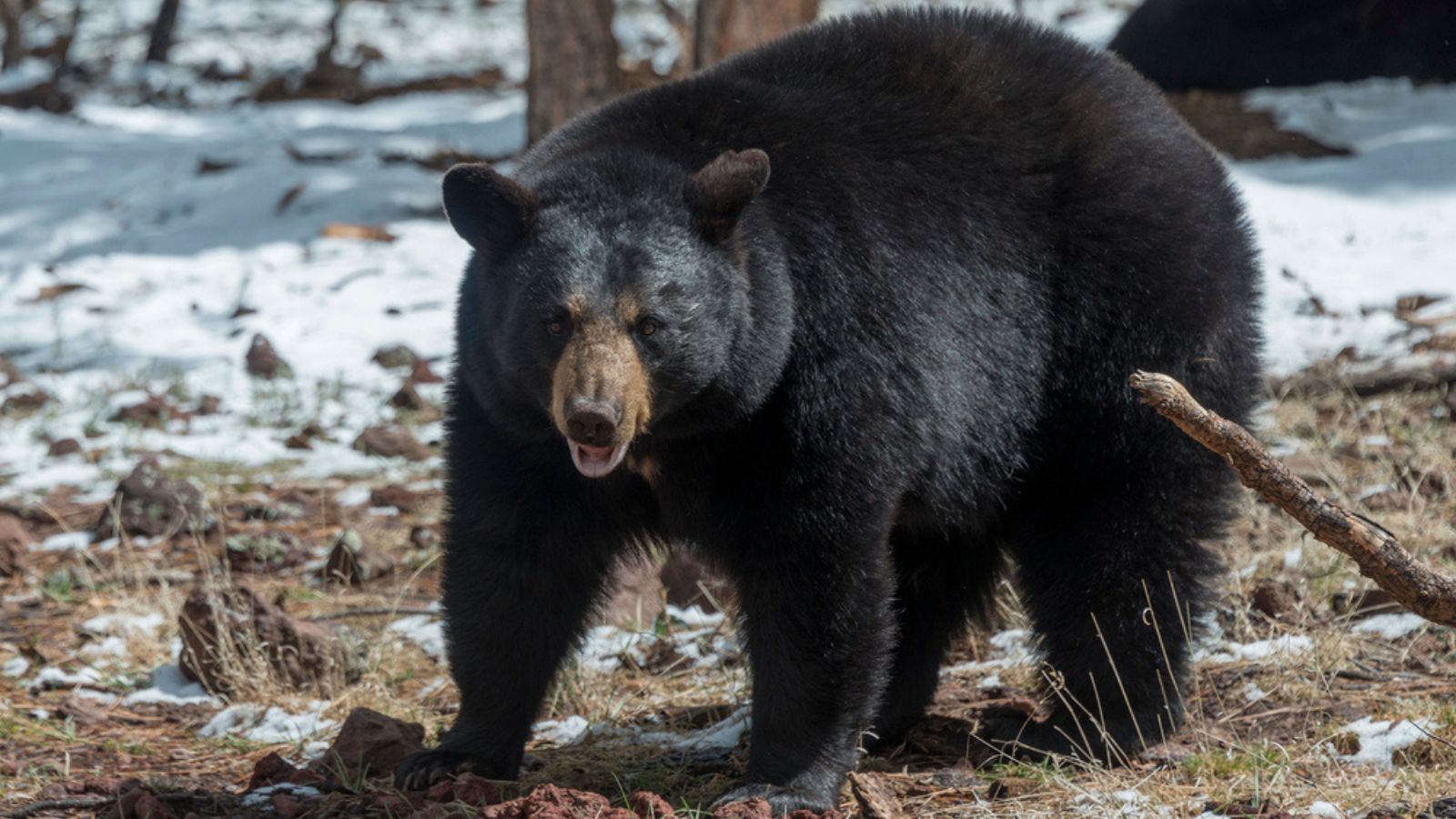
Spotting a black bear in your backyard can be both thrilling and terrifying. This is a visitor that demands respect and caution. Bears are typically drawn to human-populated areas by the promise of an easy meal. Their incredible sense of smell can detect garbage, birdseed, and pet food from miles away.
If bears are known to be in your region, prevention is critical. Use certified bear-resistant trash cans and take them out only on the morning of collection. Take down bird feeders from April to November, and feed pets indoors. If you see a bear, do not approach it. Make loud noises from a safe distance (like inside your home) to scare it away.
Quick Guide:
- Friend or Foe? A dangerous foe that should be deterred for both human and bear safety.
- What to do: Secure all food sources, including trash, birdseed, and compost. Never feed them.
- Pro Tip: A bear that becomes comfortable around people is a danger and often has to be euthanized. Keeping them wild is the kindest thing you can do.
8. Groundhogs
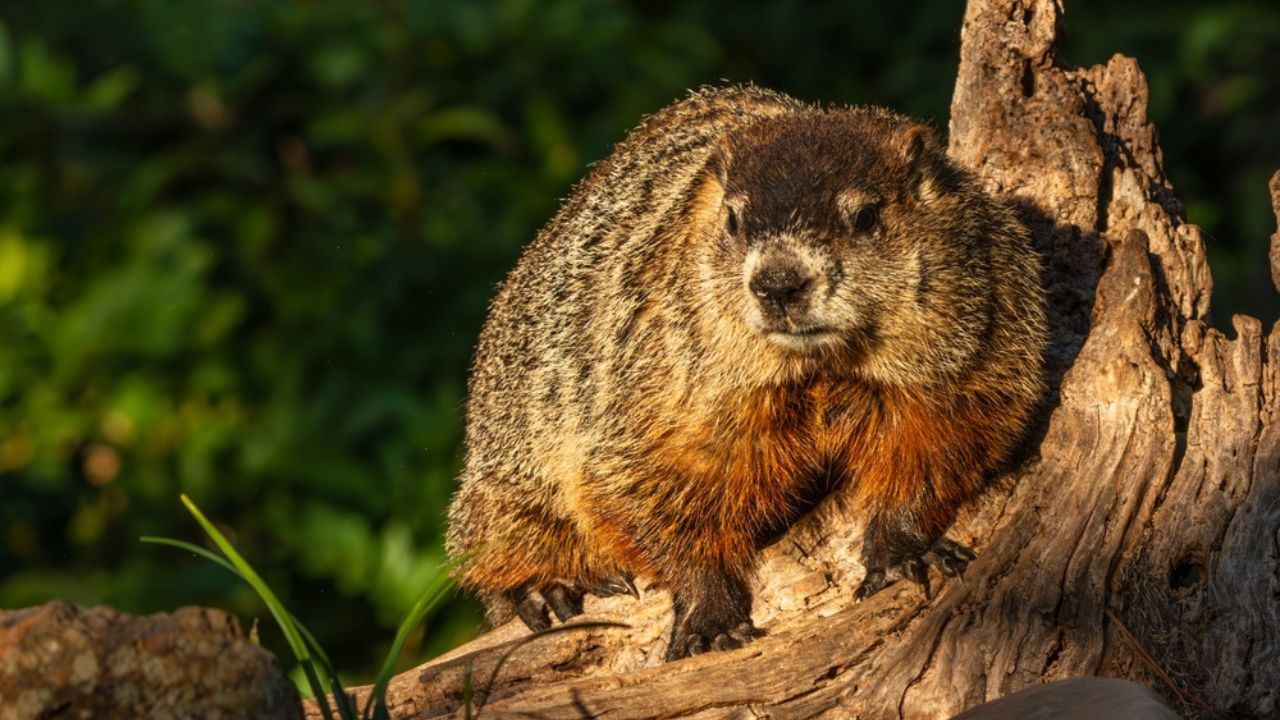
Also known as woodchucks, these large rodents are expert excavators. Their presence is usually announced by a large burrow entrance, often with a mound of dirt nearby. Groundhogs are herbivores and can be a major headache for gardeners, as they love to eat a wide variety of vegetables and ornamental plants.
Their extensive burrowing can also undermine sheds and decks. The best way to protect your precious plants is with fencing. A fence at least 3-4 feet high with another foot buried underground will deter most groundhogs. You can also try humane repellents or motion-activated sprinklers.
Quick Guide:
- Friend or Foe? A definite foe to the vegetable gardener.
- What to do: Install sturdy fencing around garden beds, burying the bottom portion.
- Pro Tip: Groundhog burrows are often used by other animals, like foxes and skunks, as shelter.
9. Slugs
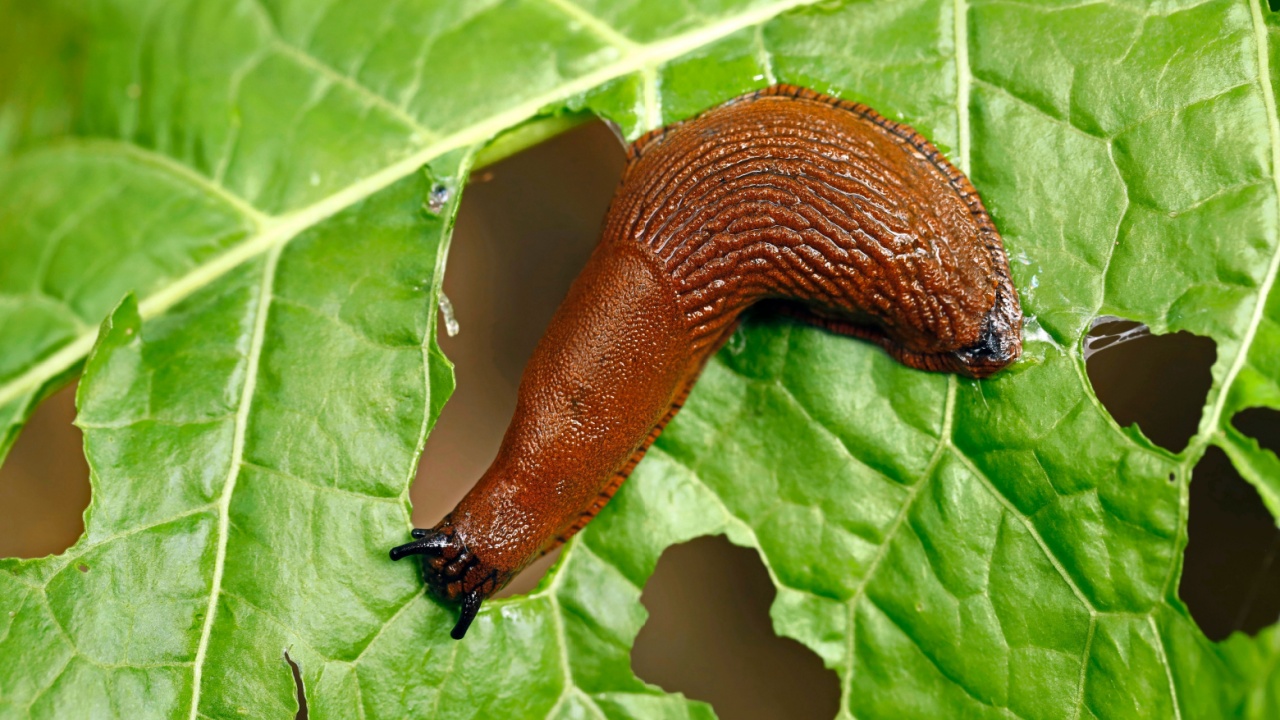
Slimy and slow-moving, slugs are nocturnal feeders that can do a surprising amount of damage to a garden. They thrive in damp conditions and are particularly fond of tender seedlings, leafy greens like lettuce, and hostas, leaving behind their signature ragged holes and silvery slime trails.
While they are a part of the decomposition cycle, their numbers can quickly get out of hand. You can manage them by watering in the morning so surfaces are dry by evening. Hand-picking them at night is effective, or you can set beer traps (a shallow dish of beer buried to the rim) to lure and drown them. Copper tape around pots and raised beds can also create a barrier that they are reluctant to cross.
Quick Guide:
- Friend or Foe? Foe to many popular garden plants.
- What to do: Water in the morning. Use beer traps, copper tape, or hand-pick them at night.
- Pro Tip: Slugs hate rough surfaces. Surrounding vulnerable plants with crushed eggshells or diatomaceous earth can act as a deterrent.
10. Squirrels
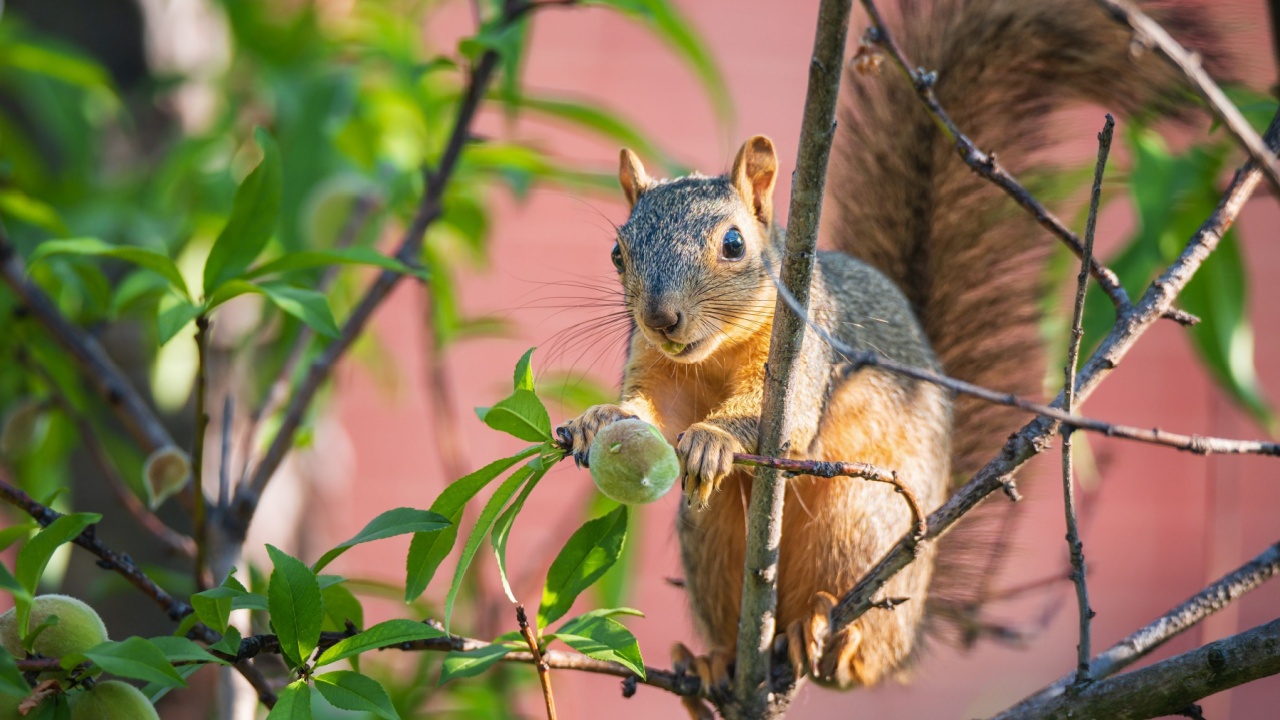
Love them or hate them, squirrels are a fixture of most backyards. Their acrobatic antics can be entertaining, but their habits can be frustrating. They are notorious for digging up flower bulbs, raiding bird feeders, and taking a single bite out of every ripe tomato in your garden.
To protect bulbs, you can lay down chicken wire over the soil after planting. For bird feeders, invest in squirrel-proof models or install a baffle on the pole. Protecting your vegetable garden may require netting. Remember that squirrels are also important seed dispersers, planting trees that they forget to dig up later.
Quick Guide:
- Friend or Foe? A frustrating foe for gardeners and bird lovers.
- What to do: Use baffles on bird feeders and netting over gardens. Plant bulbs under chicken wire.
- Pro Tip: Squirrels often travel along utility lines and fences. Identifying their routes can help you place deterrents effectively.
11. Rabbits
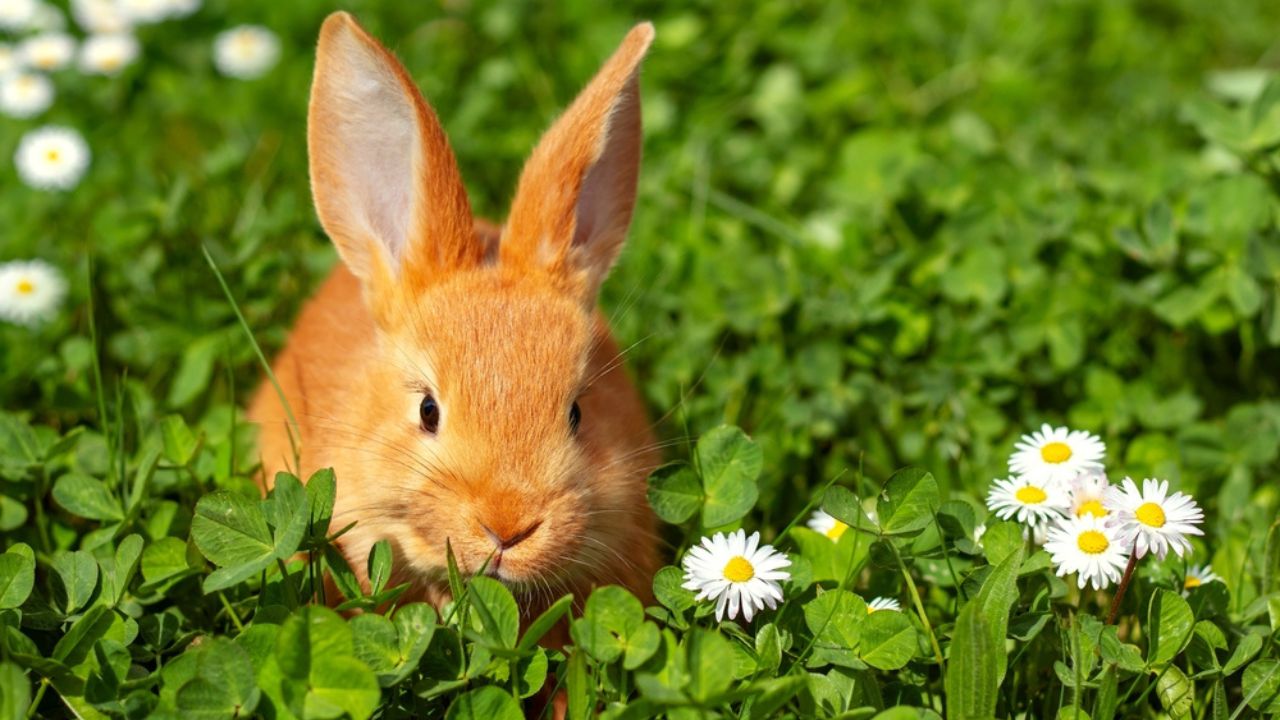
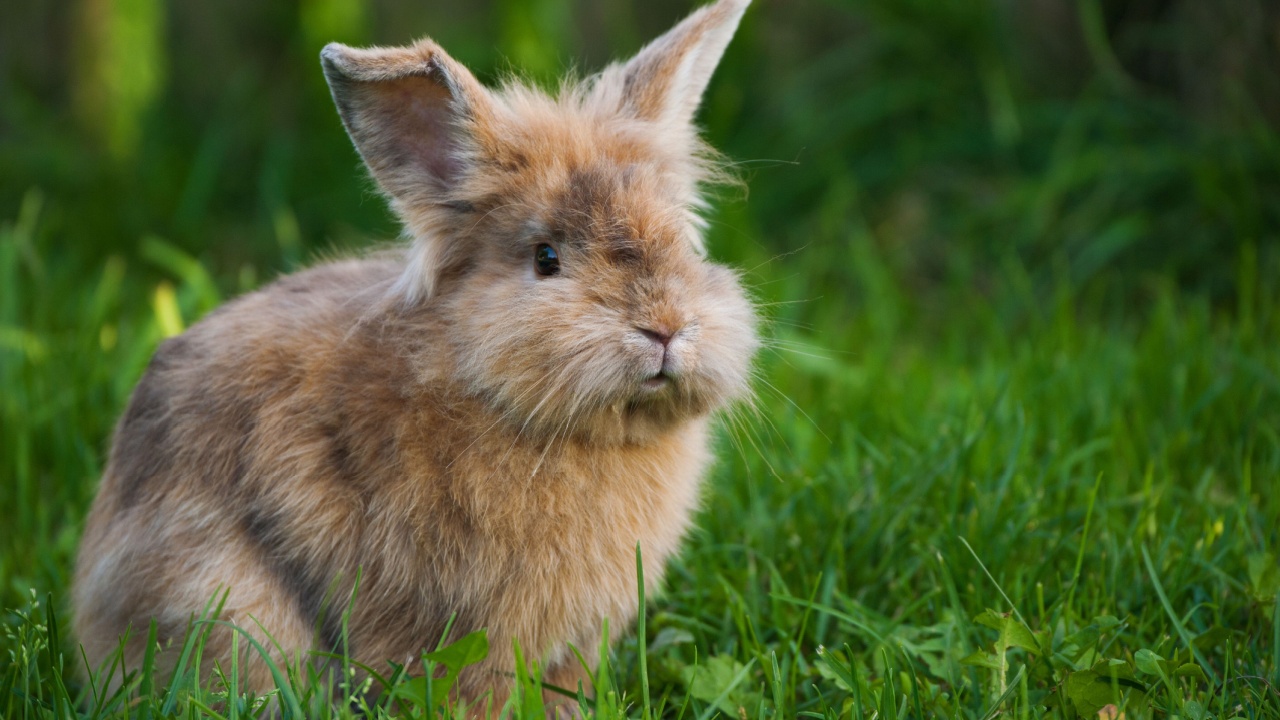
The sight of a bunny hopping across the lawn is charming, but their appetite can be destructive. Eastern cottontails are common backyard residents that feast on a wide range of plants, from tender clover and grass to your prized tulips, beans, and lettuce. They are especially damaging in spring when new growth is emerging.
Fencing is the most reliable way to protect your vegetable garden from rabbits. A simple chicken wire fence that is two feet high and buried a few inches deep is usually sufficient. You can also use plant cages to protect individual shrubs or young trees. Planting unpalatable plants like marigolds, lavender, or salvia around the borders of your garden may also help deter them.
Quick Guide:
- Friend or Foe? A foe of unprotected flowers and vegetables.
- What to do: Install a low fence around vulnerable garden areas.
- Pro Tip: Rabbits create shallow nests called “forms” in grassy areas. Always walk through your lawn before mowing in the spring and summer to check for baby bunnies.
12. Raccoons
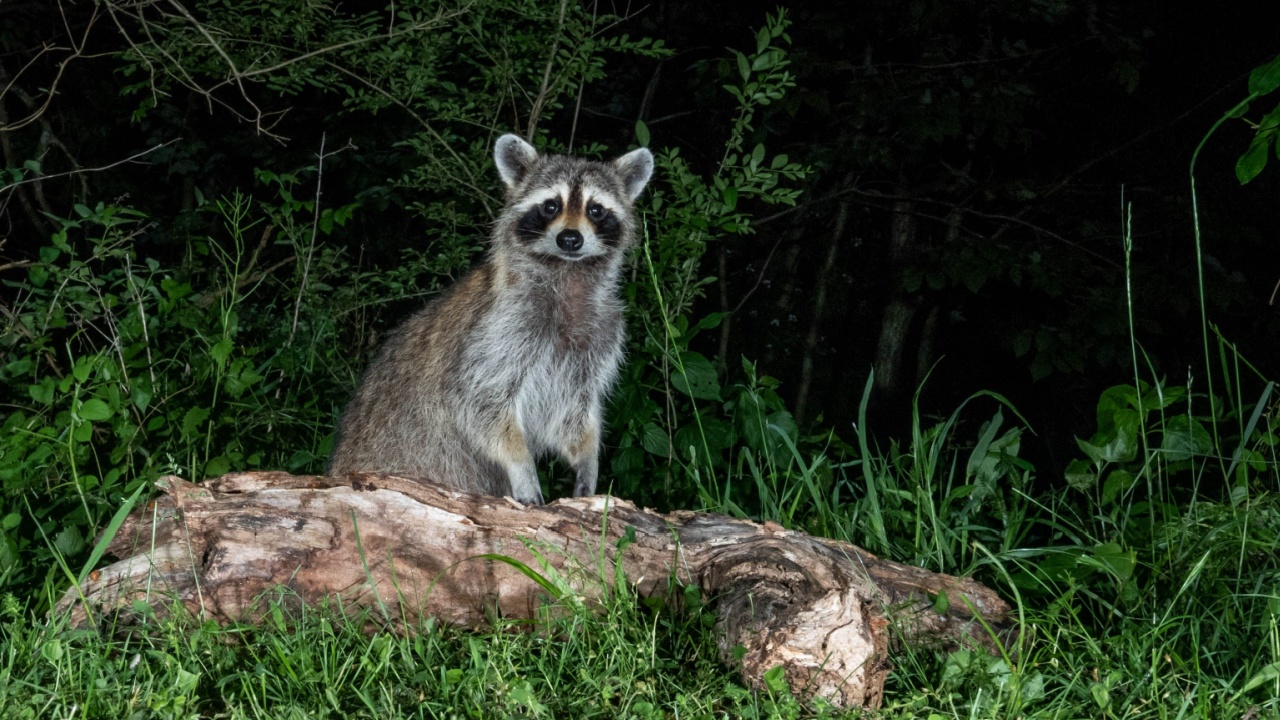
Known for their masked faces and clever hands, raccoons are highly intelligent nocturnal omnivores. They are attracted to anything that could be a meal, including pet food, unsecured garbage cans, compost piles, and even fish in a garden pond.
Raccoons can be destructive, tipping over trash cans and digging up lawns in search of grubs. The most important step to deter them is to eliminate all food sources. Use bungee cords or locks to secure your garbage can lids, bring pet food in before dusk, and avoid adding meat or oily foods to your compost pile.
Quick Guide:
- Friend or Foe? A mischievous foe that thrives on human carelessness.
- What to do: Securely fasten all garbage can lids. Never leave pet food out overnight.
- Pro Tip: Raccoons have an excellent sense of touch and memory. Once they find a reliable food source, they will return nightly.
13. Opossums

North America’s only marsupial, the opossum, is a unique and often misunderstood backyard visitor. These nocturnal animals are scavengers that provide excellent sanitation services. They eat fallen fruit, carrion, and, most notably, a huge number of ticks. A single opossum can consume thousands of ticks in a season.
Despite their intimidating, toothy grin when threatened, opossums are incredibly docile and unlikely to cause harm. Their famous “playing ‘possum” is an involuntary fear response. Because they are such effective tick-eaters and are resistant to rabies, they are a fantastic animal to have around. Simply leave them be, and they will quietly clean up your yard at night.
Quick Guide:
- Friend or Foe? A misunderstood friend and a champion tick-eater.
- What to do: Nothing! Let them do their job. Secure trash to avoid attracting them unnecessarily.
- Pro Tip: Opossums have a lower body temperature than most mammals, which makes it very difficult for the rabies virus to survive in their bodies.
14. Bees

Bees are the unsung heroes of the garden. From fuzzy bumblebees to industrious honeybees and countless species of native solitary bees, these insects are essential pollinators. They are responsible for the successful fruiting of everything from your apple trees and squash plants to your strawberries and blueberries.
A decline in bee populations is a serious concern. You can help by planting a variety of native flowers that bloom from spring through fall, providing a continuous food source. Avoid using pesticides, especially on blooming plants. You can also provide a “bee bath” by filling a shallow dish with pebbles and water, giving them a safe place to drink.
Quick Guide:
- Friend or Foe? An essential friend to the entire garden.
- What to do: Plant native flowers. Avoid pesticides. Provide a water source.
- Pro Tip: Many native bees are solitary and nest in hollow stems or tunnels in the ground. Leaving some parts of your yard a little “messy” provides crucial habitat for them.
15. Mice and Voles
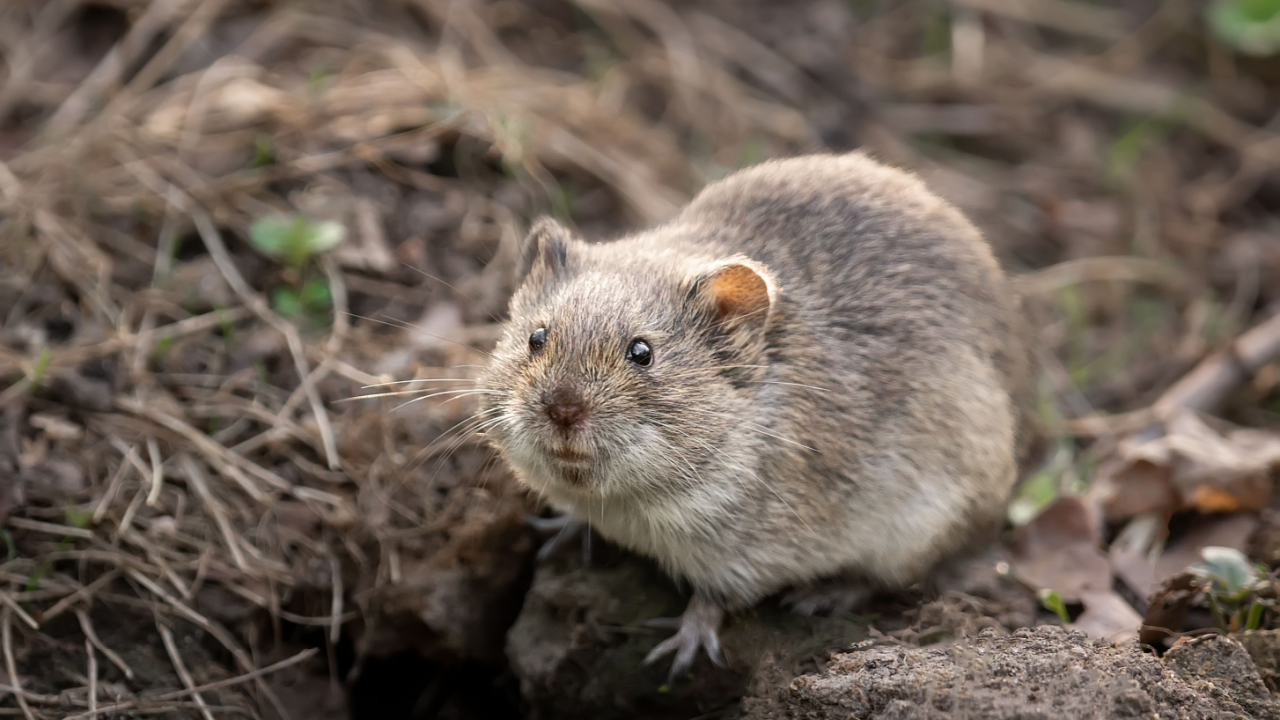
Mice and voles are small rodents that can cause big problems. House mice may seek shelter in your home, while field mice and voles are more likely to stay outdoors. Voles, in particular, are a gardener’s bane. They create runway-like tunnels just under the surface or through mulch, feeding on plant roots, bulbs, and the bark of young trees, often killing the plant.
To manage them, keep your lawn mowed and remove heavy mulch or vegetation near vulnerable plants to reduce their cover. Protect the base of young trees with hardware cloth cylinders. Setting snap traps along their runways can be an effective control method. Encouraging natural predators like hawks, owls, and snakes can also help keep their populations in check.
Quick Guide:
- Friend or Foe? A definite foe, especially to roots, bulbs, and young trees.
- What to do: Reduce cover, use tree guards, and set traps.
- Pro Tip: Voles look like mice but have shorter tails and smaller ears. Identifying the culprit helps you choose the right control method.
16. Moths
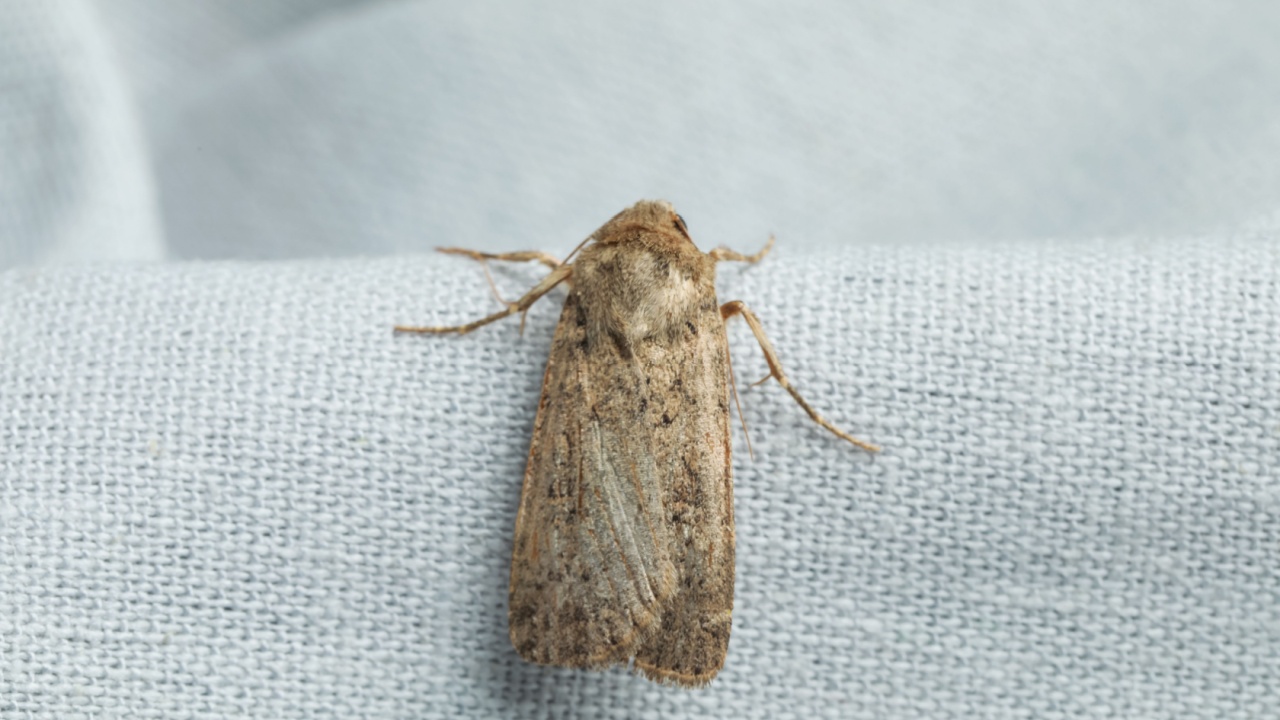
While butterflies get all the glory, moths are equally important nocturnal pollinators. Many flowers, especially those that are white or pale and fragrant at night, like evening primrose or moonflower, rely on moths for pollination. Their larvae, caterpillars, are also a critical food source for birds.
Some moth caterpillars, like hornworms on tomatoes or cabbage loopers on brassicas, are significant garden pests. The key is balance. Tolerate some caterpillar damage on non-essential plants to support the food web. For vegetable gardens, hand-picking pest caterpillars is the most targeted and eco-friendly control method.
Quick Guide:
- Friend or Foe? Both. Adults are helpful pollinators, but some larvae are major pests.
- What to do: Plant night-blooming flowers. Hand-pick pest caterpillars from vegetables.
- Pro Tip: You can attract a stunning variety of moths for nighttime viewing simply by leaving an outdoor light on near a white sheet.
17. Chipmunks
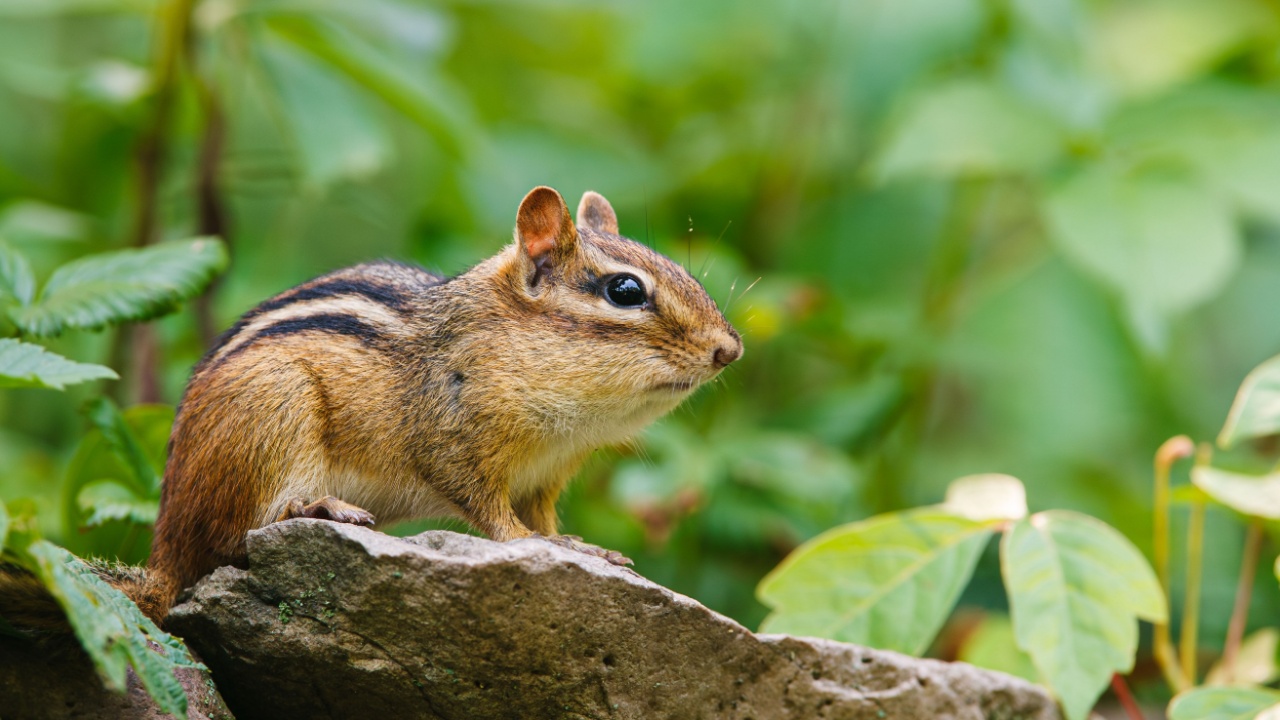
These small, striped members of the squirrel family are active, curious, and can be found scurrying almost anywhere. They primarily eat seeds, nuts, berries, and flower bulbs. Their digging can be a nuisance, as they create extensive but small burrows, sometimes under patios or retaining walls.
Chipmunks can be frustrating when they dig up newly planted seeds or feast on your prize bulbs. To protect bulbs, consider planting them in wire cages or interplanting with less tasty options like daffodils. While they can be pesky, they are also a food source for predators like hawks and foxes, playing their part in the backyard food chain.
Quick Guide:
- Friend or Foe? A minor foe, especially for lovers of bulbs and newly sown seeds.
- What to do: Use bulb cages. Keep birdseed areas clean of spillage.
- Pro Tip: A chipmunk’s burrow entrance is a neat, two-inch hole with no dirt mound, distinguishing it from a groundhog’s work.
18. Deer
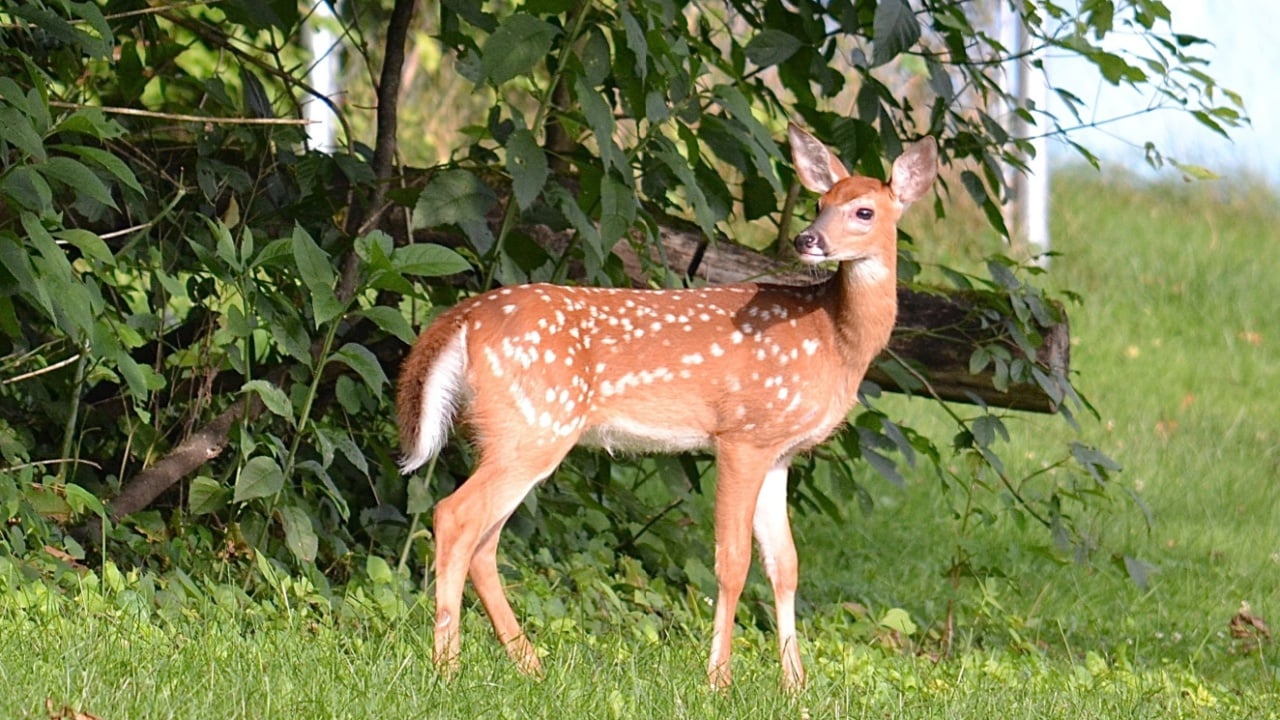
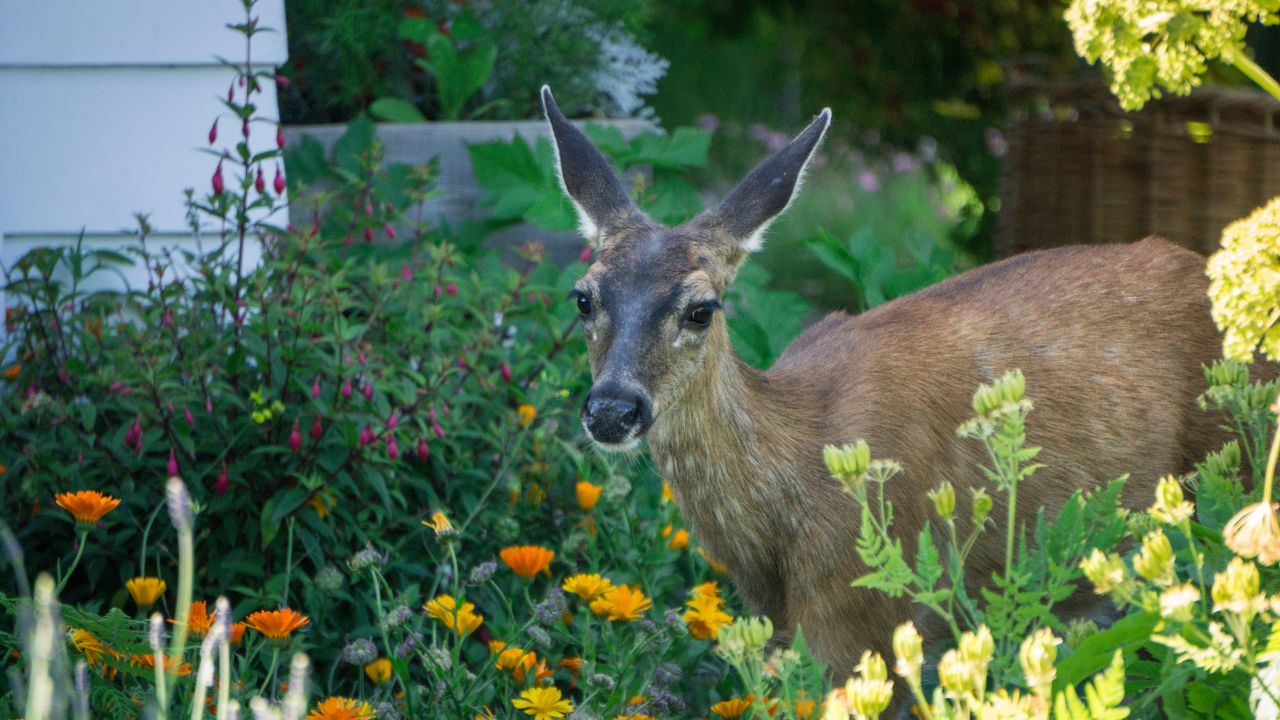
A visit from a majestic deer can be a magical moment, but for a gardener, it often spells disaster. Deer are voracious herbivores that can decimate a garden overnight, eating everything from hostas and tulips to arborvitae and vegetables.
The only truly effective long-term solution for deer is a tall, sturdy fence, at least 8 feet high. Repellent sprays can work but must be reapplied frequently, especially after rain. Another strategy is to focus on planting deer-resistant species, such as ferns, ornamental grasses, and plants with strong scents like lavender, rosemary, and catmint.
Quick Guide:
- Friend or Foe? A destructive foe to most gardens.
- What to do: Install an 8-foot fence. Use repellents consistently. Plant deer-resistant varieties.
- Pro Tip: Deer are creatures of habit. If you can break their routine of visiting your yard for a few weeks with repellents or scare devices, they may find a new route.
19. Snakes
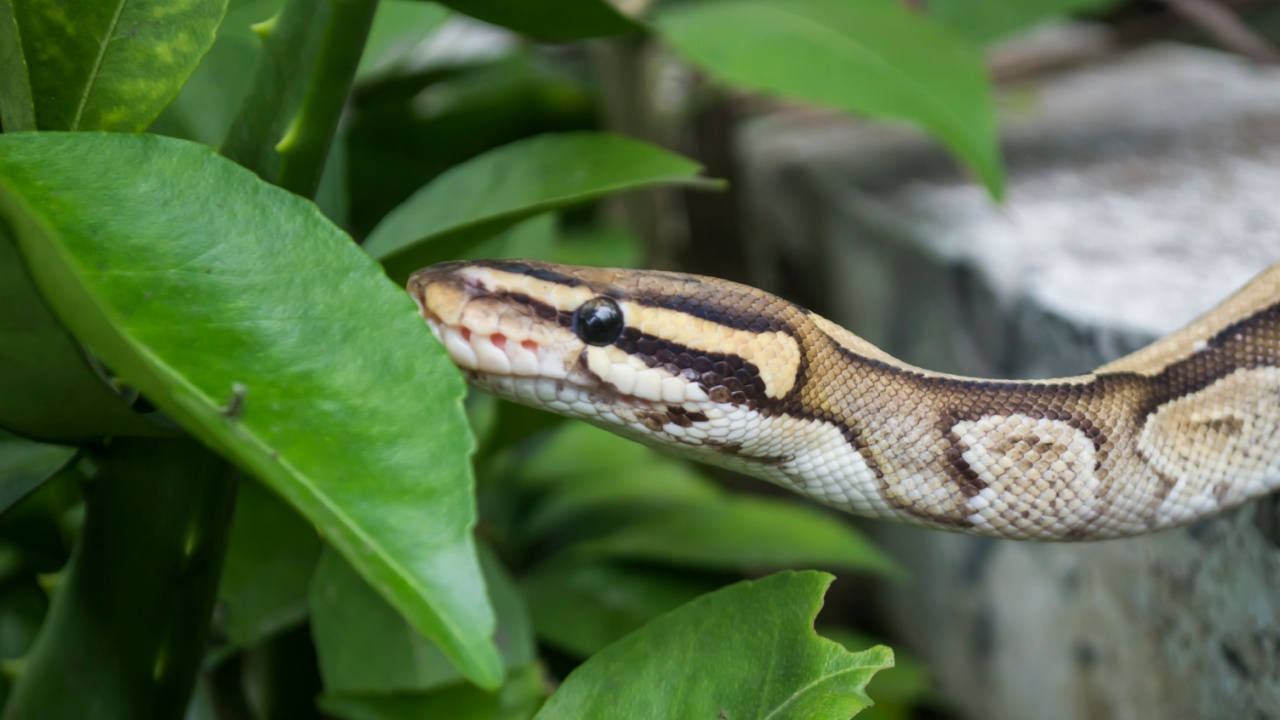
Snakes are perhaps the most feared and misunderstood backyard animals. The vast majority of snakes are non-venomous and provide an incredible service to gardeners. Garter snakes, for example, are voracious predators of slugs, insects, and mice. Larger snakes, like rat snakes, help control rodent populations that could otherwise infest your home or garage.
Learning to identify the few venomous species in your area is a key safety measure. Otherwise, the best thing you can do when you see a snake is to leave it alone. They are shy and want to avoid you. Having them in your yard is a sign of a healthy ecosystem and means you have free, silent, and efficient pest control on duty.
Quick Guide:
- Friend or Foe? An extremely beneficial friend.
- What to do: Leave them alone! Appreciate their role in controlling pests.
- Pro Tip: Snakes love cover. A woodpile or a pile of rocks in a corner of your yard can provide valuable habitat for these helpful reptiles.
20. Hawks and Owls
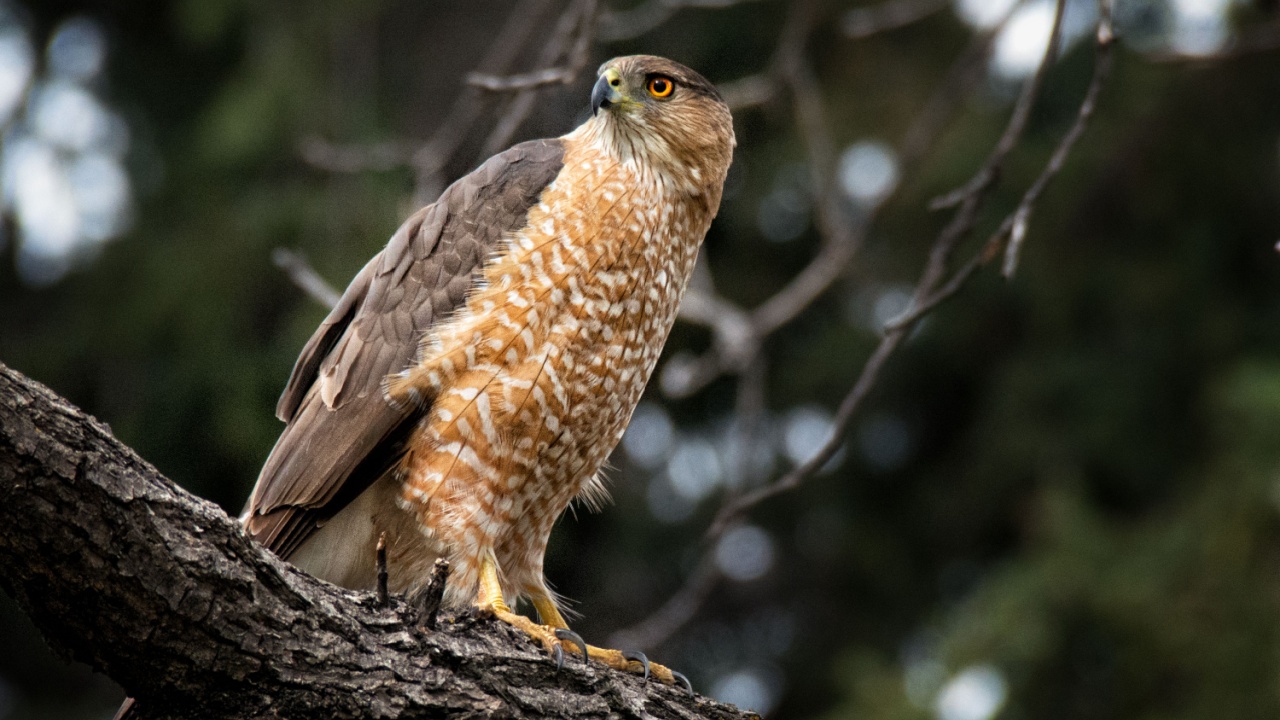
The sight of a hawk circling overhead or the sound of an owl’s hoot at night are powerful reminders of the wildness in your backyard. These birds of prey are at the top of the backyard food chain. Hawks hunt by day and owls by night, and their diet consists of rodents, rabbits, squirrels, snakes, and even smaller birds.
Having these raptors around is a huge benefit for keeping pest animal populations in check naturally. You can encourage them by preserving large, mature trees that they can use for nesting and perching. Avoid using rodent poisons, as these toxins travel up the food chain and can kill the very birds that provide natural rodent control.
Quick Guide:
- Friend or Foe? A powerful friend for natural pest control. It can be a foe to those with free-ranging chickens.
- What to do: Avoid using rodenticides. Keep large trees.
- Pro Tip: Installing an owl box can encourage these nocturnal hunters to take up residence in your yard.
21. Frogs and Toads
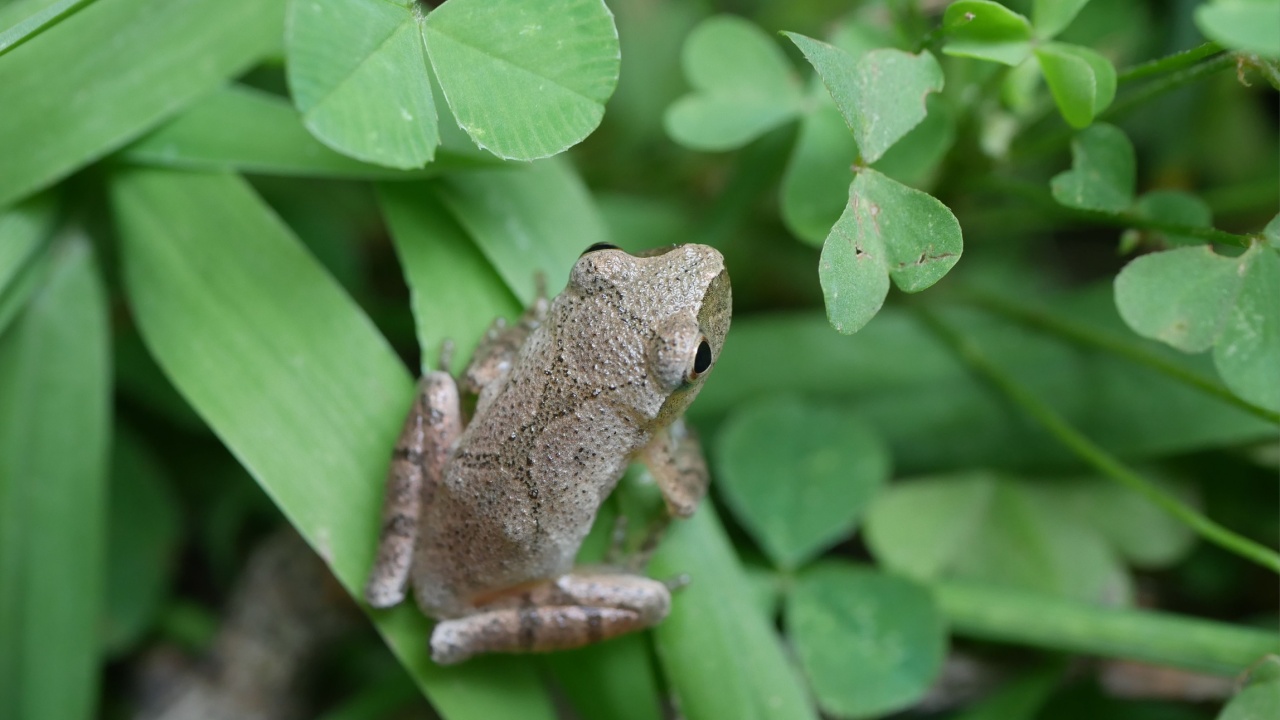
The cheerful chirping of frogs after a rainstorm or the sight of a warty toad nestled under a porch light are wonderful signs of a healthy garden. Both frogs and toads are amphibians that feast on an enormous number of insects, slugs, and other invertebrates. A single toad can eat thousands of pests in one summer.
Toads spend most of their time on land, while many frogs need to be near a permanent water source. You can encourage them by avoiding pesticides and providing shelter, like a “toad abode” made from a cracked terracotta pot placed in a shady, damp spot. Adding a small pond or water feature is the best way to attract frogs.
Quick Guide:
- Friend or Foe? An invaluable friend and pest-eating machine.
- What to do: Avoid pesticides. Provide water and shelter.
- Pro Tip: Toads have bumpy, dry skin, while frogs typically have smooth, moist skin. Both are excellent garden companions.
Nurturing Your Backyard Ecosystem
Observing the animals in your backyard is a rewarding hobby that connects you to the natural world. The key to a successful and enjoyable shared space is balance.
Your next step is to decide what you want your backyard to be. Do you want to create a certified wildlife habitat? Or do you simply want to protect your vegetable garden while still appreciating the local fauna from a distance? Start small. Choose one action, whether it’s securing your garbage cans to deter raccoons, adding a bird bath to help the robins, or installing a simple fence to protect your lettuce from rabbits.
By taking thoughtful, deliberate steps, you can cultivate a garden that is beautiful, productive, and lives in harmony with its wild inhabitants.