
Creating a home that feels both beautiful and personal is a rewarding journey. It can be tempting to jump on the latest design trends showcased online and in magazines. While these styles can offer a quick refresh, they often come with a hidden cost both to your wallet and your home’s long-term appeal. Many fleeting trends result in wasted money and items that quickly feel dated or fall apart. Instead of chasing what’s popular for a moment, you can make smarter choices that build lasting value and character.
This guide will walk you through nine home decor ideas that interior designers often flag as poor investments. We will explore why they might fall short and offer practical, timeless alternatives that will help you create a space you love for years to come. By focusing on quality, durability, and personal style, you can curate a home that is both stunning and sustainable.
Decorate the Way You Want
Before you dive in, we just wanted to make a note that there are no hard and fast rules for home decoration. You are welcome to decorate your home in the way that feels good to you. This article is meant to remind you that you don’t have to follow the trends. We sourced our recommendations from interior designers and home experts to help you make smart decoration choices for your own personal use.
1. Overly Trendy Paint Colors
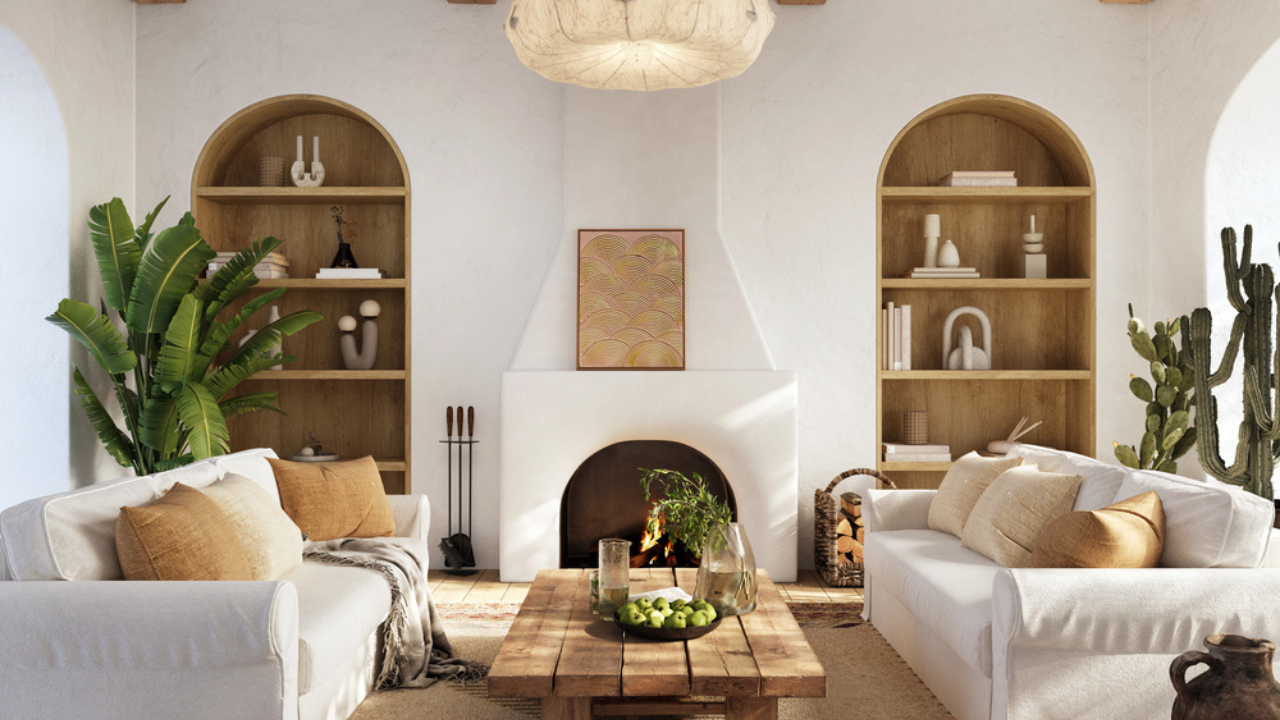
Image Credit: Depositphotos.com.
Bold, vibrant paint trends like color drenching painting the walls, trim, and even the ceiling the same intense shade can make a dramatic statement. While a shocking lime green or a deep, moody purple might seem exciting at first, these fleeting color crazes can quickly make a room feel dated. Committing an entire space to a hyper-specific hue often means you are stuck with it long after the trend has passed, leading to another expensive and time-consuming paint job sooner than you’d like.
A better approach is to build your room around a foundation of classic, versatile colors. Soft neutrals, off-whites, and gentle pastels create a timeless backdrop that allows your furniture and decor to shine. If you truly love a bold color, use it as an accent. Paint a single piece of furniture, create a feature wall that’s easy to change later, or bring in color through textiles like cushions and art. This gives you the freedom to express your personality without the long-term commitment.
Quick Guide:
- Why it’s a waste: Trendy colors date quickly, leading to frequent repainting.
- What to do instead: Stick to classic, neutral wall colors. Use bold hues for accents like throw pillows, art, or a single piece of furniture.
- Next Steps: Before committing to a bold color, buy a sample pot and paint a large poster board. Move the board around the room at different times of day to see how the light affects it and if you truly love living with it.
2. Disposable, Fast-Fashion Furniture

Image Credit: Shutterstock.
The allure of trendy, low-cost furniture is hard to deny, especially when you can furnish a room for a fraction of the cost of high-end pieces. However, this “fast-fashion” approach to furniture often means you get what you pay for. Pieces made from particleboard, MDF, and cheap veneers are prone to chipping, warping, and breaking down within a few years, if not months. This cycle of buying, using, and discarding contributes to landfill waste and ultimately costs you more over time as you replace items again and again.
Investing in fewer, higher-quality pieces is a much more sustainable and satisfying strategy. Look for furniture made from solid wood, sturdy metals, or other durable materials. These items not only last longer but also develop character with age. If custom furniture isn’t in your budget, explore vintage and second-hand stores. You can often find unique, well-made pieces with a history that adds soul to your home. Even many modern retailers offer customizable options in a variety of price ranges, allowing you to get a perfect fit for your space.
Quick Guide:
- Why it’s a waste: Poor construction leads to a short lifespan and contributes to landfill waste.
- What to do instead: Invest in pieces made from solid, durable materials like wood or metal. Shop vintage for unique, high-quality finds.
- Care Tip: To extend the life of any wood furniture, keep it out of direct sunlight to prevent fading and use coasters to avoid water rings. Regularly dust and polish with a suitable product.
3. Faux Plants and Greenery
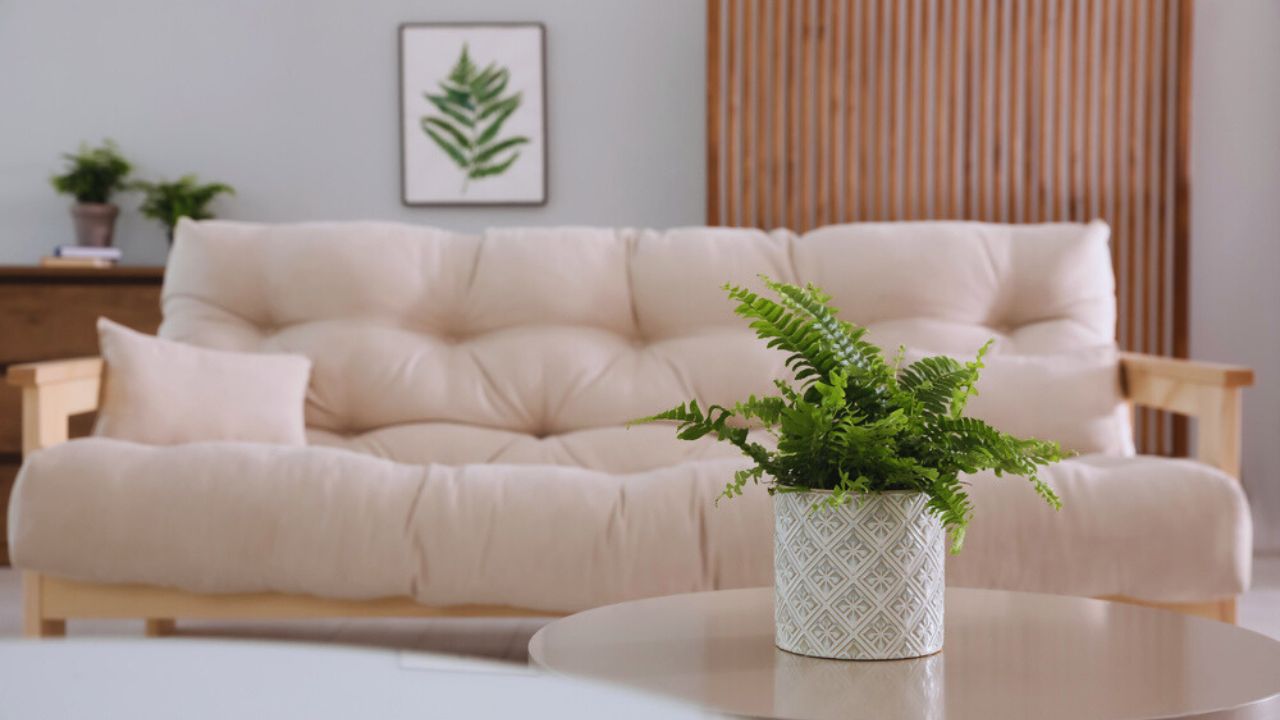
Image Credit: Shutterstock.
While the idea of a no-maintenance plant is appealing, faux greenery rarely lives up to expectations. No matter the price point, plastic plants often look artificial and tend to collect dust, making them look even less convincing over time. They lack the organic texture, natural variation, and vibrant energy that real plants bring into a space. Instead of enlivening a room, they can end up feeling like static, lifeless clutter.
For those who feel they lack a green thumb, there are countless low-maintenance options. Succulents, snake plants, and ZZ plants are famously resilient and thrive on a bit of neglect. If you have pets, be sure to choose non-toxic varieties like spider plants or parlor palms. Another beautiful alternative is using dried or preserved arrangements. Dried eucalyptus, lavender, or grasses add natural texture and a subtle scent to a room without requiring any care. These options provide an organic touch that feels far more intentional and elegant than plastic.
Quick Guide:
- Why it’s a waste: They collect dust, often look fake, and add no life to a room.
- What to do instead: Opt for low-maintenance live plants like succulents or snake plants. Use dried or preserved florals and grasses for a lasting natural touch.
- Next Steps: Assess the light in your room. Is it bright and direct, or low and indirect? Choose a real plant that is suited to your home’s specific conditions to ensure it thrives.
4. Expensive Designer Throw Blankets

Image Credit: Shutterstock.
A $2,000 throw blanket with a prominent designer logo might feel like a luxurious statement, but its value is often tied to the brand name rather than its quality or comfort. These pieces can make a room feel less personal and more like a showroom. As brand-focused trends come and go, that expensive blanket can quickly look dated, making it a poor long-term investment for adding genuine warmth and style.
True luxury in a textile comes from its material and craftsmanship, not its label. You can find incredibly soft and beautiful throws for a fraction of the price. Look for blankets made from natural fibers like cashmere, merino wool, alpaca, or high-quality cotton. An artisan-made, handwoven throw can become a unique conversation piece and add rich texture to your sofa or bed. Choose a solid color or a subtle pattern that complements your existing decor, ensuring it will remain a cherished and timeless accessory for years.
Quick Guide:
- Why it’s a waste: You’re paying for a logo, not necessarily superior quality. The trendiness can fade quickly.
- What to do instead: Choose throws made from high-quality natural materials like wool or cashmere. Look for unique, artisan-made textiles.
- Care Tip: Always check the care label. Most high-quality wool or cashmere throws should be hand-washed or dry-cleaned to maintain their shape and softness.
5. Overdone Gallery Walls
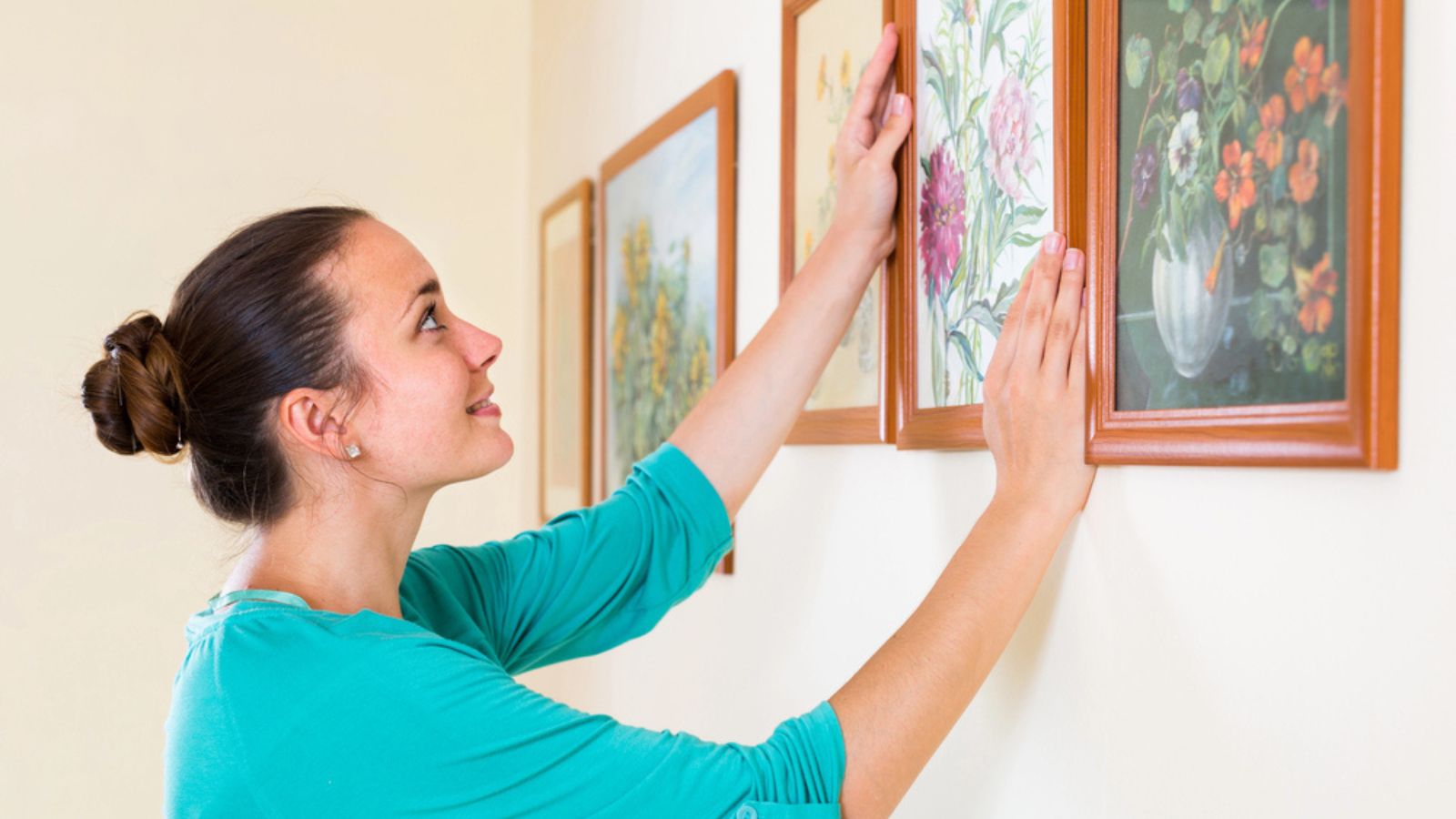
Image credit: Depositphotos.com.
Gallery walls were once a fresh way to display art, but their overuse has made them feel more like a default design choice than a personal statement. A poorly planned gallery wall can easily look cluttered and chaotic, overwhelming a room rather than enhancing it. The effort required to collect frames, arrange photos, and hang everything perfectly is significant, and the result can sometimes fall flat or feel dated.
Instead of scattering many small frames across a wall, consider making a bigger impact with a single, large-scale piece of art. A statement painting or an oversized photograph can act as a powerful focal point, creating a cleaner and more sophisticated look. Multi-panel artwork, where one image is split across two or three canvases, is another great way to fill a large space with a cohesive, modern feel. You can also try rotating your art seasonally, which allows you to refresh your space without a complete overhaul.
Quick Guide:
- Why it’s a waste: It can look cluttered and dated. Requires significant effort to curate and hang.
- What to do instead: Hang one large, statement piece of art. Try multi-panel art for wider walls or consider a seasonal art rotation.
- Next Steps: If you love the idea of multiple pieces, try a more structured grid layout or a picture ledge. A ledge allows you to easily swap out frames and layer pieces without putting dozens of holes in the wall.
6. Strictly Themed Rooms
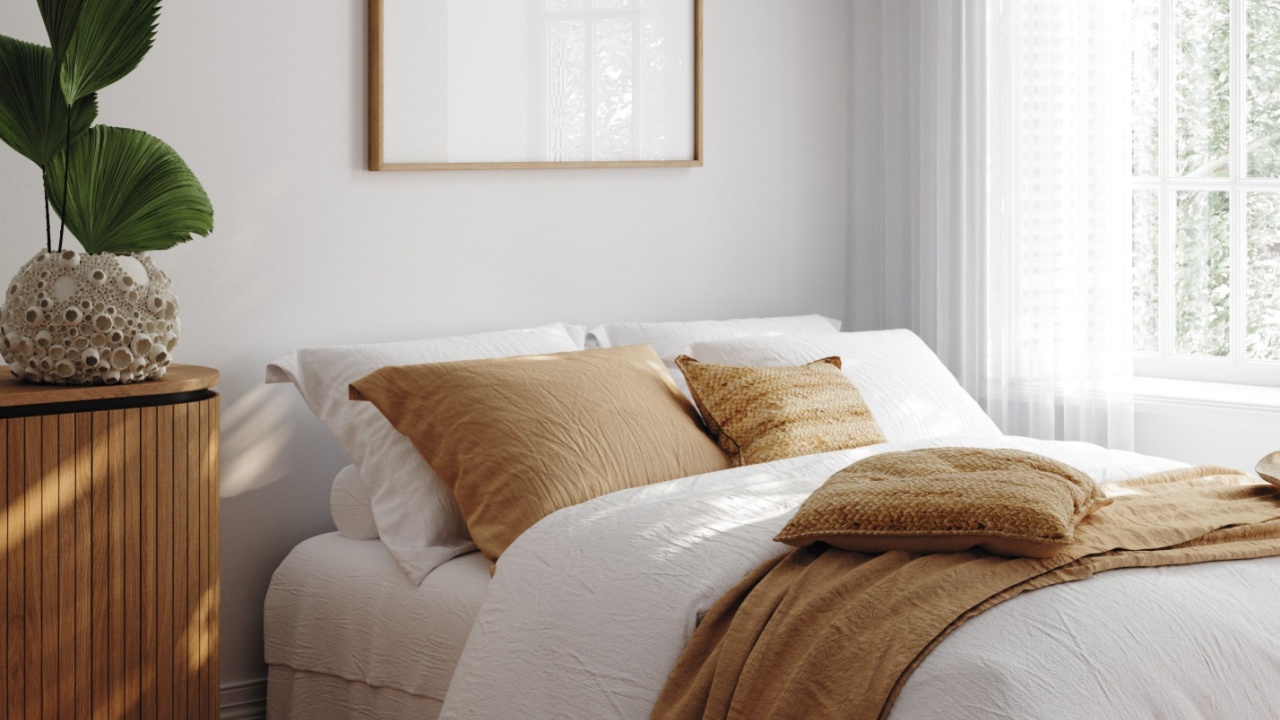
Image Credit: Shutterstock.
Designing a room entirely around one specific theme be it nautical, Parisian, or based on a child’s favorite character can feel fun initially, but it severely limits the space’s longevity. Tastes evolve, children grow up, and hyper-specific trends fade. When the entire room is committed to one motif, updating it becomes a costly and extensive project. What was once a charming pirate-themed bedroom quickly becomes an outgrown space that requires a complete redesign.
A more flexible and timeless approach is to build a neutral, quality foundation and introduce your theme through easily changeable accessories. For a coastal feel, for instance, start with a base of sandy beige or soft blue walls and natural-fiber furniture. Then, layer in themed elements like seashell-print cushions, driftwood accents, or maritime-inspired art. This allows the room’s personality to shine through while giving you the freedom to easily evolve the space as your tastes change.
Quick Guide:
- Why it’s a waste: Themes date quickly and are costly to update.
- What to do instead: Create a timeless foundation with neutral colors and quality furniture. Add themed elements through easily swapped accessories like pillows, art, and decor.
- Next Steps: Identify the key colors and textures of your desired theme. Incorporate these into your room through textiles, paint accents, and small decorative objects that can be easily replaced.
7. Hidden and Integrated Tech
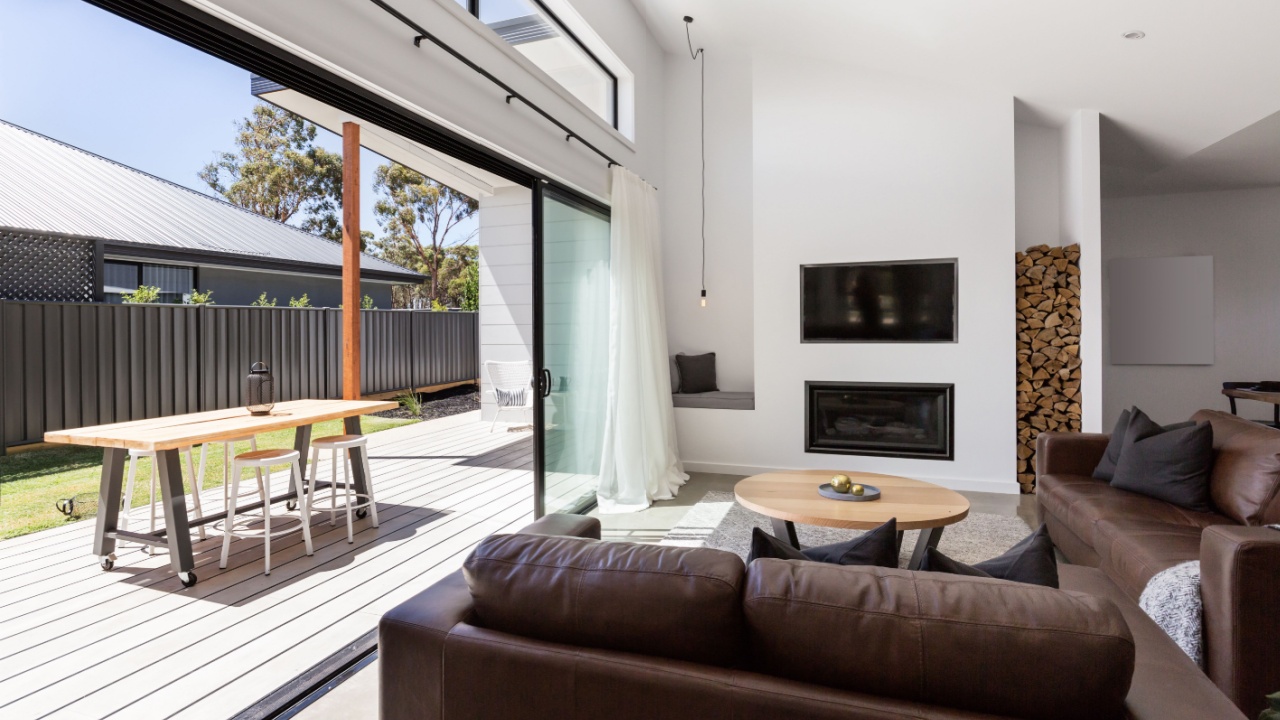
Image Credit: Shutterstock.
Gadgets like televisions that drop from the ceiling, speakers hidden inside walls, and other “invisible” tech solutions may seem like the peak of sophisticated design. However, they are often incredibly expensive to install and can become a technological nightmare down the road. Technology evolves rapidly; in just a few years, that state-of-the-art system can become obsolete, and repairing or upgrading it can be difficult and costly, sometimes requiring you to open up walls.
Embrace your technology by choosing well-designed, high-quality devices that can also serve as stylish decor elements. For example, modern televisions like Samsung’s “The Frame” are designed to look like artwork when not in use, blending seamlessly into a gallery wall. A high-quality soundbar or beautifully crafted bookshelf speakers can add to your room’s aesthetic rather than detract from it. This approach keeps your space functional and future-proof, allowing you to easily update, repair, or move your tech as needed.
Quick Guide:
- Why it’s a waste: Extremely expensive, difficult to repair or upgrade, and becomes outdated quickly.
- What to do instead: Choose stylish, visible tech that complements your decor, like a framed TV or well-designed speakers.
- Next Steps: When arranging your room, treat your TV like a piece of art. Center it above a console table and balance it with other decorative elements to integrate it thoughtfully into the space.
8. High-Maintenance Outdoor Rugs
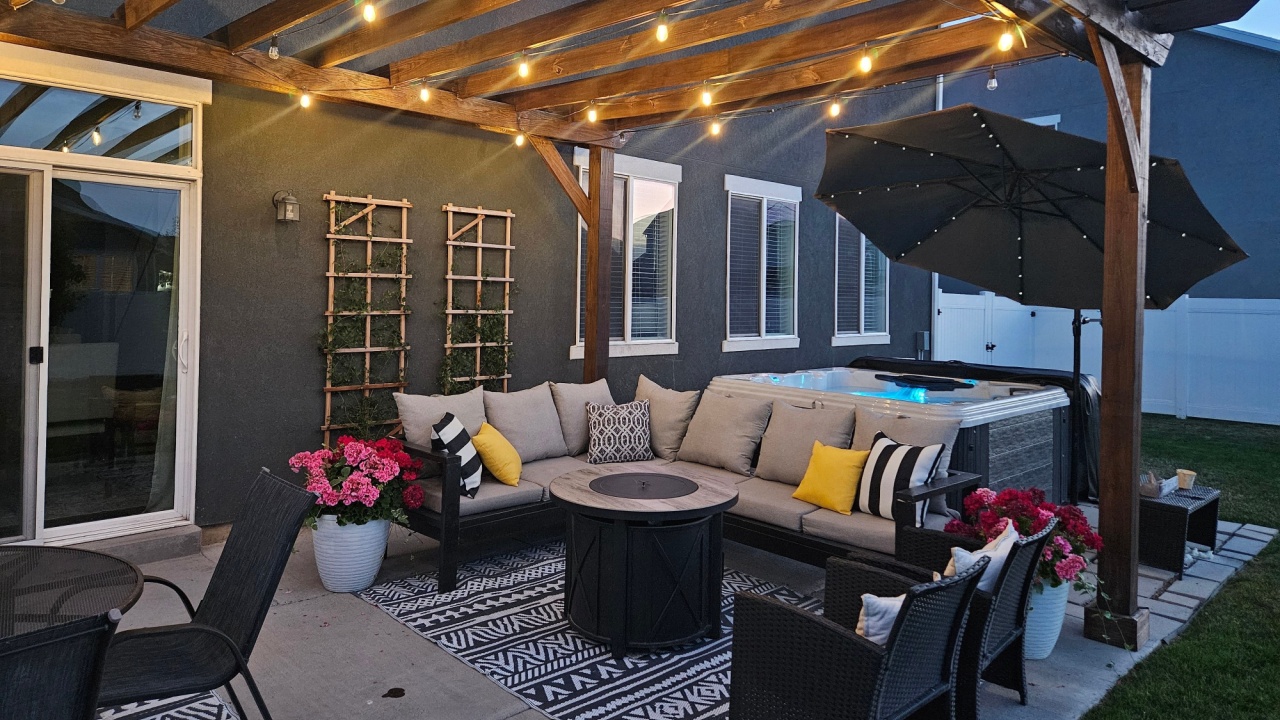
Image Credit: Shutterstock.
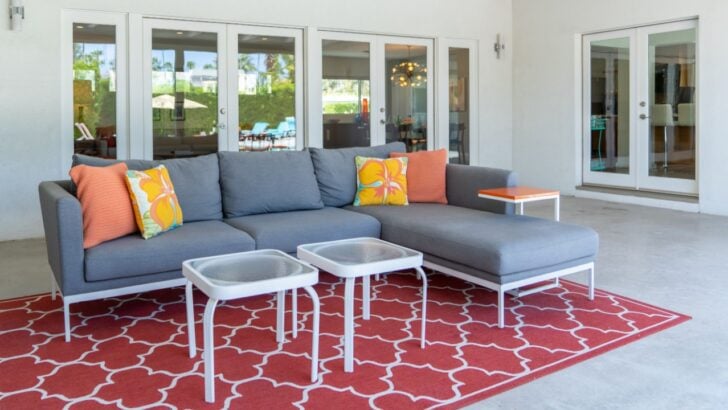
An outdoor rug can instantly define a patio or deck, adding color, comfort, and style. However, many outdoor rugs are not as durable as they claim to be. Those made from natural fibers like jute or sisal, while beautiful, are susceptible to mold, mildew, and rot when exposed to rain and humidity. Even some synthetic rugs can fade quickly in direct sunlight, or their backing can disintegrate, leaving a mess on your deck. Constantly moving the rug indoors before it rains or spending weekends scrubbing it clean is a hassle that detracts from your outdoor enjoyment.
For a truly low-maintenance and long-lasting outdoor space, consider more durable alternatives. Rugs made from polypropylene are specifically designed to resist water, mildew, and fading, making them a much more practical choice. Another great option is to skip the rug altogether and create visual interest with patterned patio tiles or a painted stencil design on a concrete slab or wood deck. These solutions provide the color and pattern of a rug without any of the upkeep.
Quick Guide:
- Why it’s a waste: Many “outdoor” rugs can’t withstand the elements, leading to mold, fading, and rapid deterioration.
- What to do instead: Choose a rug made from 100% polypropylene. Consider patterned tiles or painted floor stencils as a no-maintenance alternative.
- Care Tip: Even with a polypropylene rug, it’s a good idea to hose it down occasionally and let it dry completely in the sun to keep it looking fresh.
9. Small, Flimsy Garden Decor
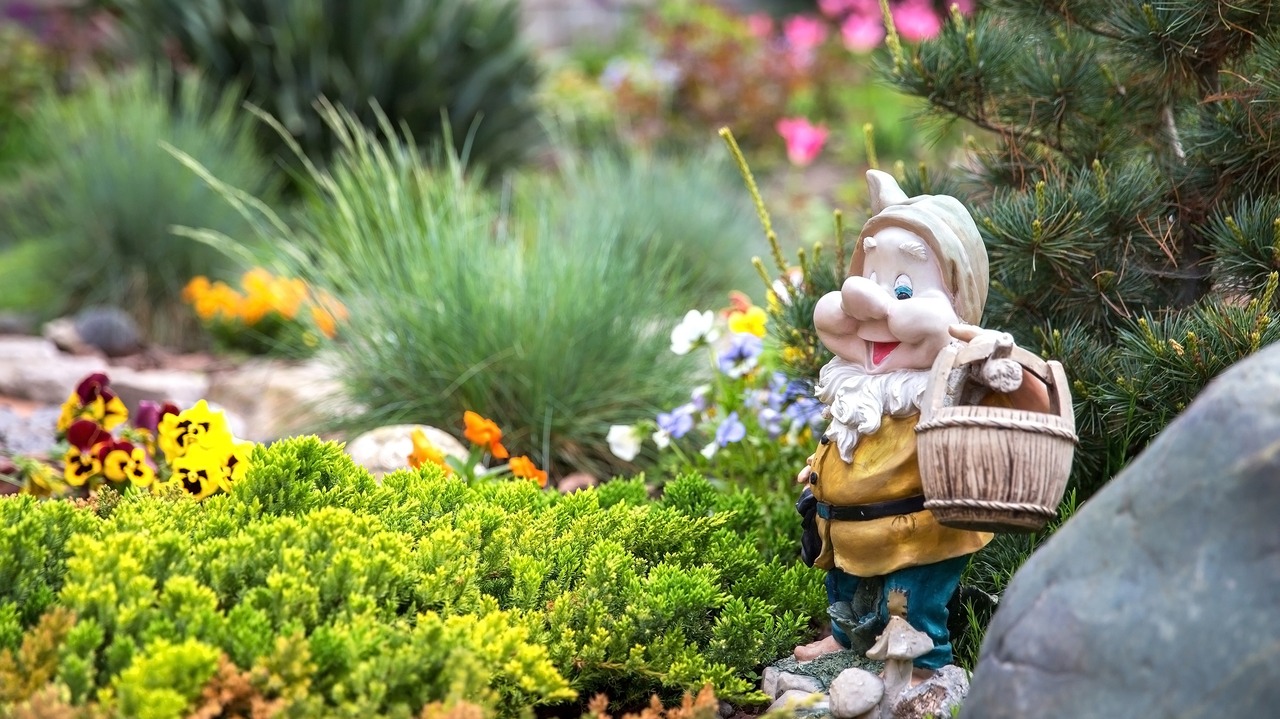
Image Credit: Shutterstock.
It’s easy to fill a cart with charming but cheaply made garden stakes, miniature windmills, and other whimsical lawn ornaments from a big-box store. These items offer an instant pop of personality but are often made from thin metal or brittle plastic that can’t withstand the elements. After just one season, they often fade, rust, or break, ending up in the trash and creating unnecessary waste.
Instead of accumulating a collection of disposable decor, invest in one or two significant, high-quality pieces that will serve as lasting focal points in your garden. A well-crafted stone birdbath, a sturdy metal sculpture, or a classic wooden bench will endure for years, adding a sense of permanence and elegance to your outdoor space. These substantial pieces not only hold up better against sun, wind, and rain but also make a much stronger design statement. For color, rely on the natural beauty of your plants and flowers to create a vibrant, ever-changing display.
Quick Guide:
- Why it’s a waste: Cheaply made items break, rust, and fade quickly, adding to landfill waste.
- What to do instead: Invest in a few high-quality, durable garden features like a stone birdbath, a metal sculpture, or a solid wood bench. Use plants for color and texture.
- Next Steps: Plan your garden around a key focal point. Decide where a bench would be most enjoyed or where a sculpture would draw the eye, and build your plantings around that feature to create a cohesive and intentional landscape.
Decorating for a Timeless Welcoming Home
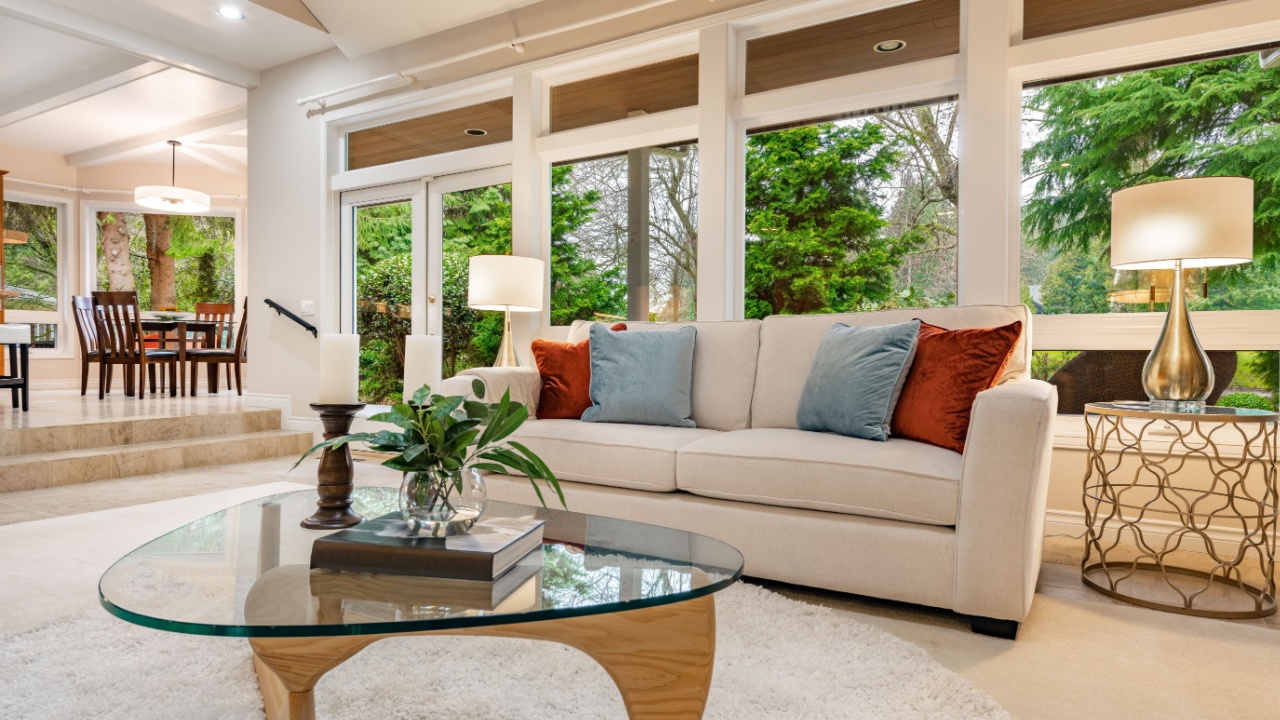
Image Credit: Shutterstock.
Creating a home you love doesn’t have to mean following every new trend. By making thoughtful and intentional choices, you can design a space that is both beautiful and built to last. Start small. The next time you’re considering a decor purchase, ask yourself if it’s something you will still love in five years.
Focus on quality materials, timeless designs, and pieces that truly reflect your personal style. Your home and your wallet will thank you for it.
Read more:
10 Tips for Adding Boho Chic Styling to a Home
12 Home Decorations That Are a Total Waste of Money When Bought New