17 Perennials to Plant in Fall for a Stunning Spring Garden
While most gardeners think spring is the prime time for planting, seasoned green thumbs know that fall can offer the perfect window for establishing perennials that will reward you with spectacular blooms come next season. The cooler temperatures, increased rainfall, and reduced plant stress make autumn an ideal time to get your garden ready for a show-stopping spring display.
Fall planting gives perennials months to establish strong root systems before the growing season begins. Without the stress of producing flowers, plants can focus their energy on developing robust foundations that will support years of beautiful blooms. Plus, you’ll often find better deals at garden centers as they clear out seasonal inventory.
Ready to transform your garden into a spring paradise? Here are 17 exceptional perennials to plant this fall, each chosen for its hardiness, beauty, and ability to thrive when planted in cooler weather. We verified our care tips and recommendations via trusted extension sources, such as the University of Maryland, and the Royal Horticultural Society, to give you useful fall planting options!
1. Tulips

Tulips are the quintessential spring bulb, offering an incredible range of colors, shapes, and bloom times to create waves of color from early to late spring. These hardy bulbs require a cold winter period to bloom properly, making fall planting essential for spring success. Plant tulip bulbs 6-8 inches deep in well-draining soil with the pointed end facing up. Choose a sunny location that receives at least six hours of direct sunlight daily. For the best perennial performance, select species tulips or Darwin hybrids, which tend to naturalize better than large hybrid varieties.
Care Tips: Water thoroughly after planting, then allow natural rainfall to take over. Apply a balanced fertilizer in early spring as shoots emerge. Protect bulbs from hungry squirrels and chipmunks by covering the planting area with chicken wire or applying cayenne pepper to the soil surface.
Next Steps: Plant bulbs before the ground freezes, typically 6-8 weeks before hard frost in your area.
2. Crocus
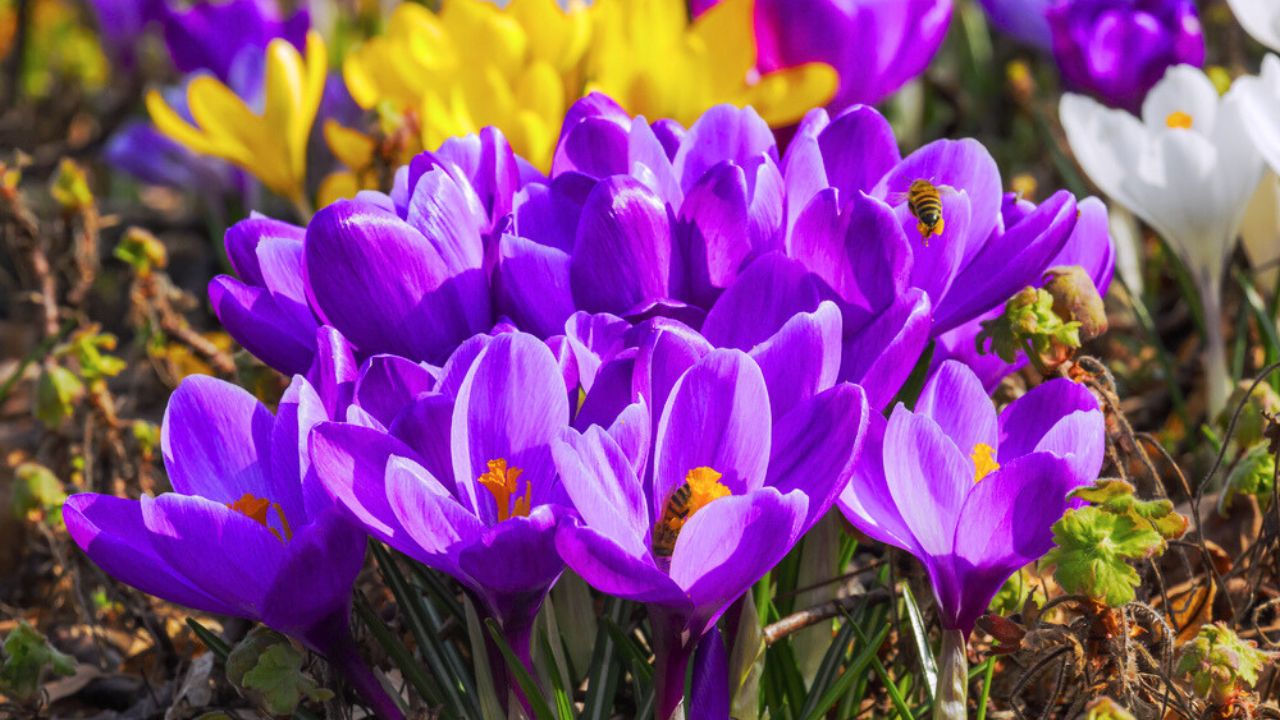
These cheerful early bloomers push through snow and frozen ground to herald spring’s arrival with purple, white, yellow, and striped flowers. Crocus bulbs are incredibly hardy and will multiply naturally over time, creating larger displays each year. Plant crocus bulbs 3-4 inches deep in clusters for the most impact. They thrive in full sun to partial shade and prefer well-draining soil. These versatile bulbs work beautifully in rock gardens, borders, or naturalized in lawn areas.
Care Tips: Crocus is virtually maintenance-free once established. Allow foliage to die back naturally to feed the bulb for next year’s bloom. If naturalizing in grass, wait to mow until leaves yellow completely.
Next Steps: Plant from September through November, depending on your growing zone. Northern gardeners should plant earlier than those in warmer climates.
3. Daffodils
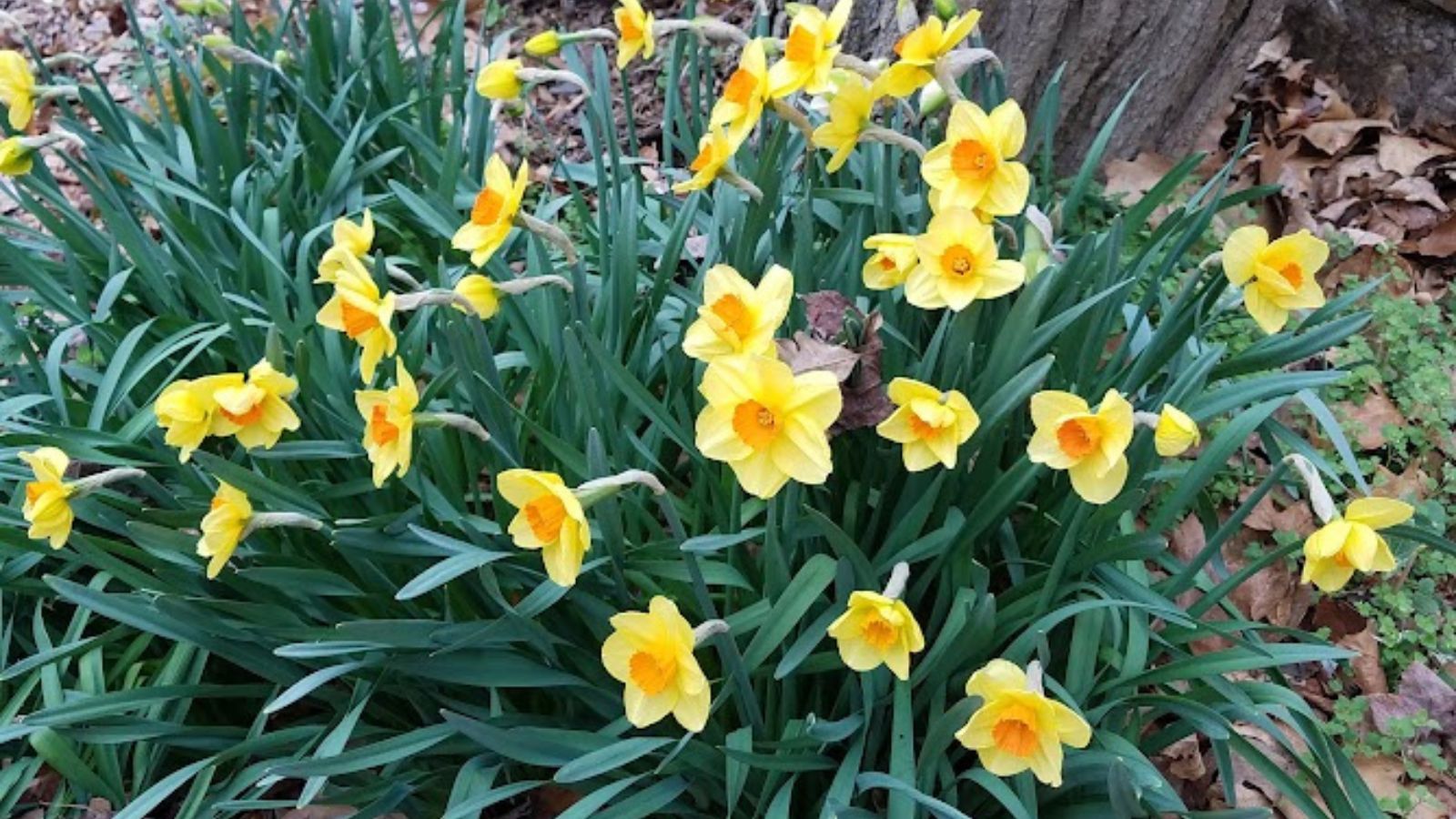
Daffodils offer reliable spring color with the added benefit of being deer and rodent-resistant. These hardy bulbs come in numerous varieties, from tiny species types to large trumpet forms, ensuring options for every garden style. Choose a location with full sun to partial shade and plant bulbs 6 inches deep with the pointed end up. Daffodils prefer slightly alkaline soil but adapt to most conditions as long as drainage is adequate.
Care Tips: Water during planting and early spring growth, but avoid overwatering. Deadhead spent flowers but leave foliage intact until it yellows naturally. Divide clumps every 4-5 years to maintain vigor.
Next Steps: Plant in fall before the ground freezes. Mix varieties with different bloom times for extended spring color lasting 6-8 weeks.
4. Chrysanthemums (Mums)
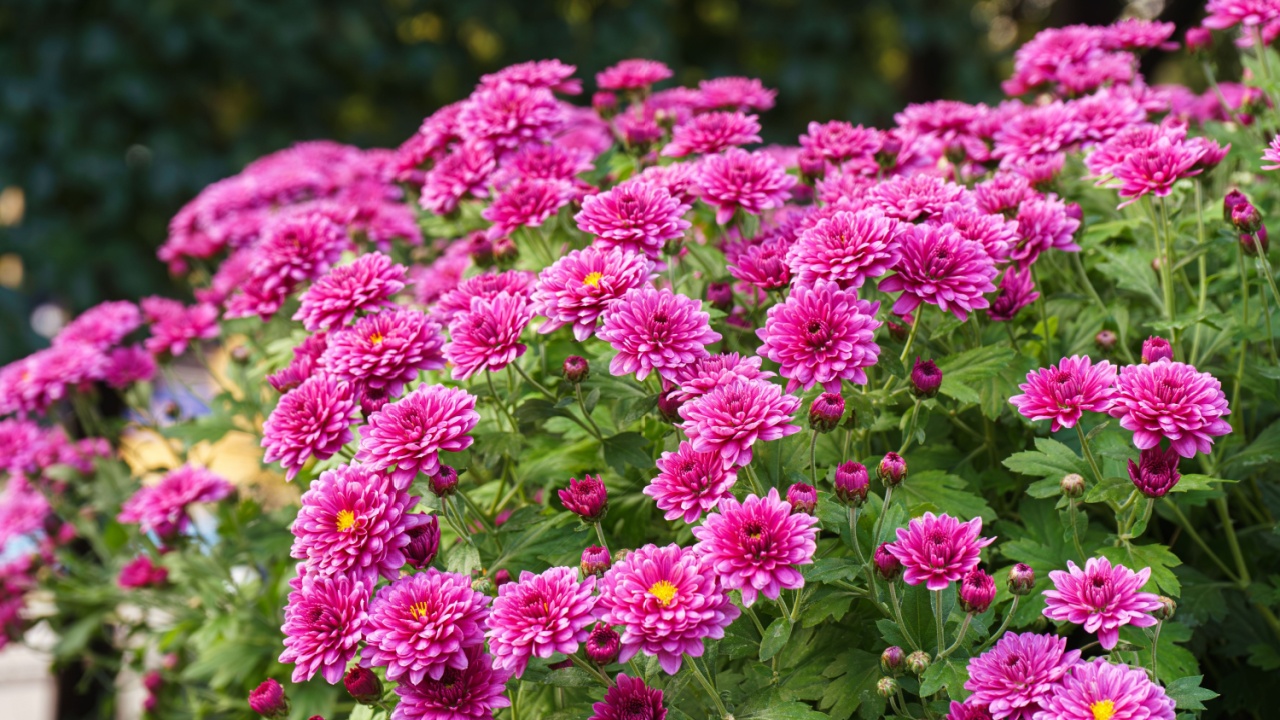
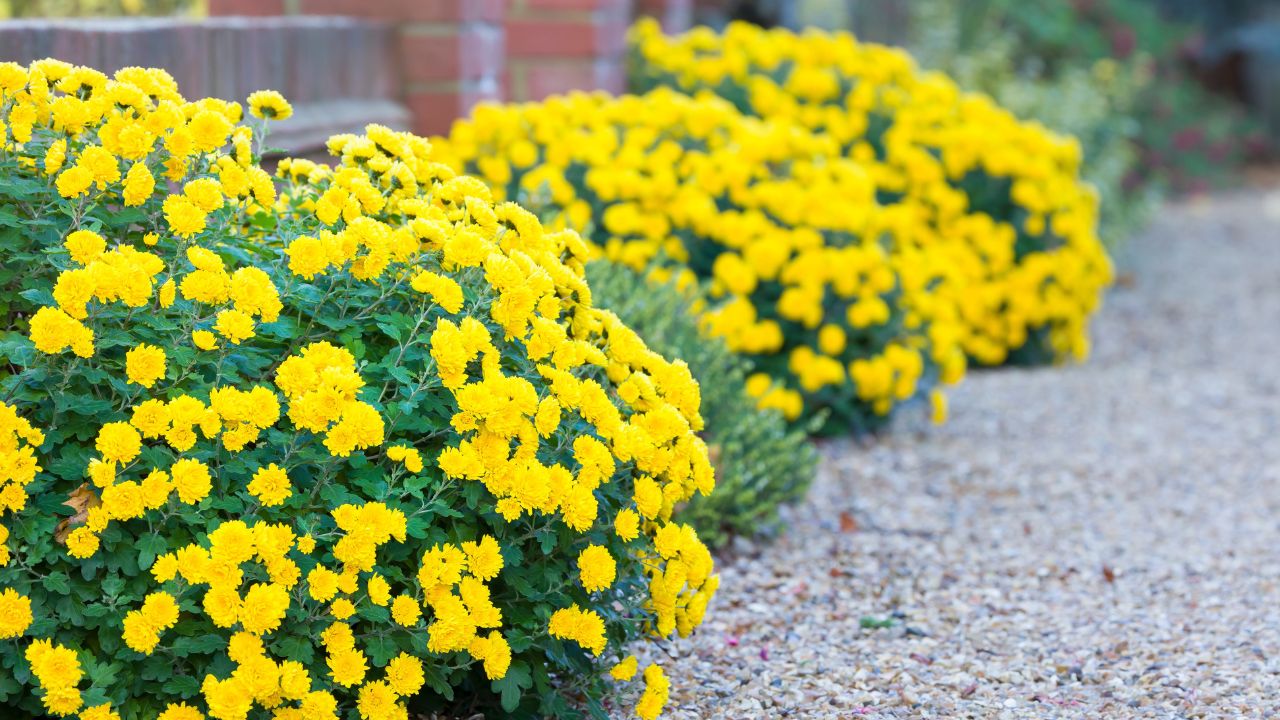
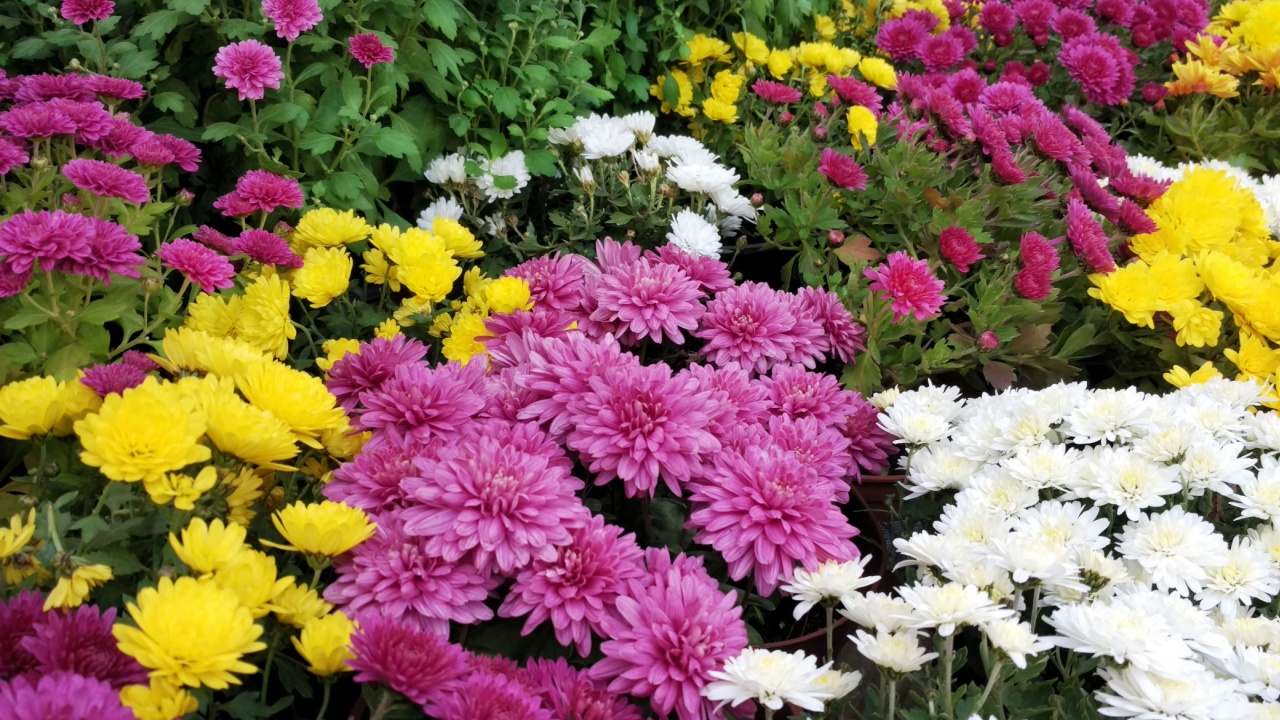
While often treated as annuals, mums can be long-lived perennials when planted early enough in fall. These autumn stars provide rich colors and textures that bridge the gap between summer and winter dormancy. Plant mums at least 6-8 weeks before your first hard frost to allow proper root establishment. Choose a sunny location with good air circulation and well-draining soil. Pinch growing tips regularly through mid-July to encourage bushy growth and more blooms.
Care Tips: Water deeply but infrequently to encourage deep root growth. Mulch around plants after the ground begins to freeze. Cut back to 2-3 inches in late fall or early spring.
Next Steps: Select hardy varieties suited to your zone rather than decorative potted mums, which may not survive winter.
5. Allium
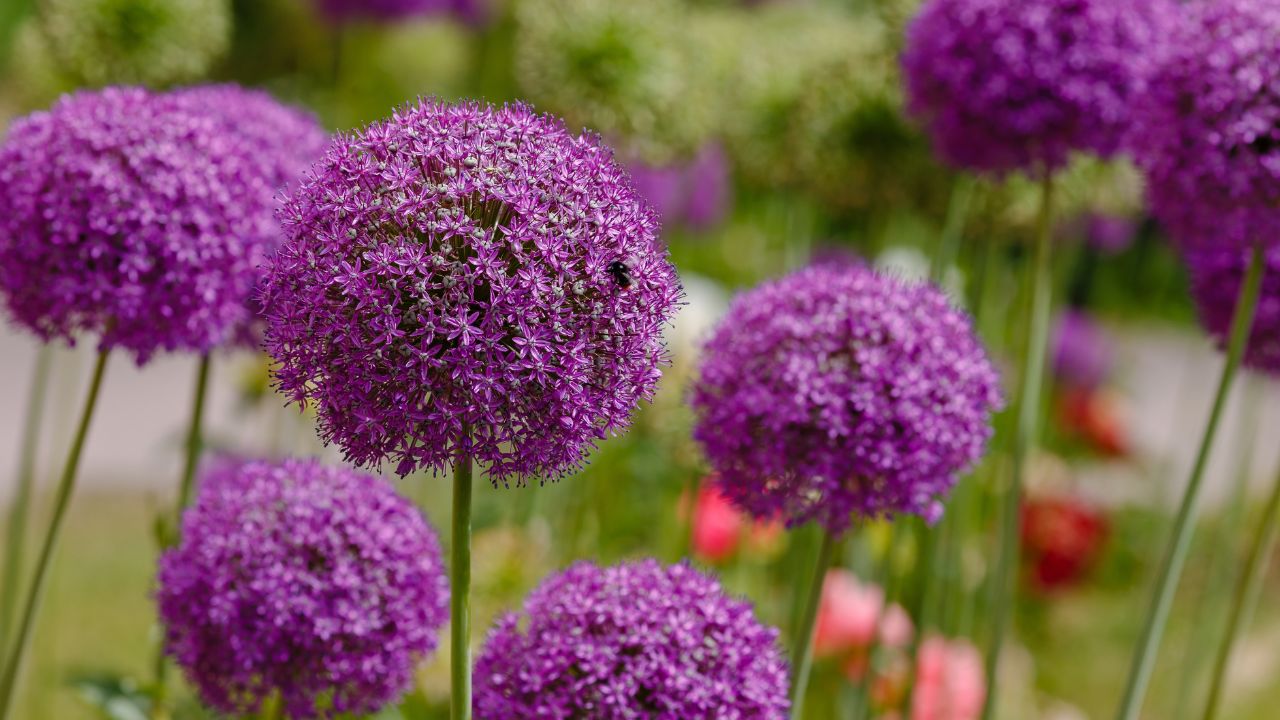
These architectural beauties add dramatic height and sculptural interest to spring gardens while being completely ignored by deer and rodents. Ornamental onions range from golf ball-sized blooms to massive 6-inch spheres atop tall stems. Plant allium bulbs 2-3 times their height deep in full sun locations with excellent drainage. Mix different varieties for a succession of blooms from late spring through early summer.
Care Tips: Allow soil to dry between waterings as alliums hate wet conditions. Leave seed heads for winter interest and to allow self-seeding. Divide clumps every 3-4 years in fall.
Next Steps: Companion plant with hostas or other perennials that will camouflage the dying allium foliage.
6. Hydrangeas
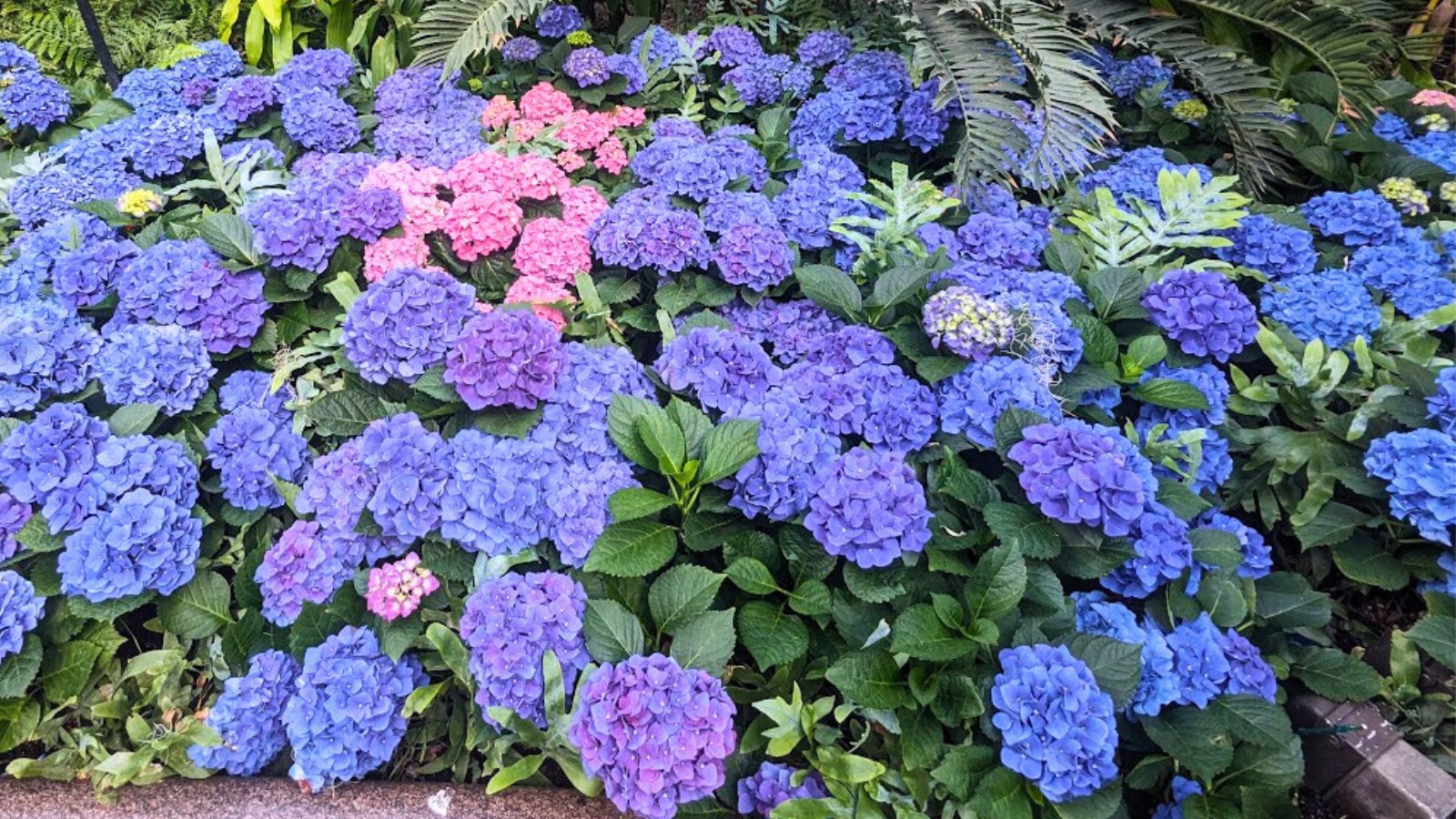
Fall-planted hydrangeas have months to establish root systems before facing the stress of spring flowering. These versatile shrubs offer long-lasting blooms and four-season interest with proper variety selection. Choose varieties suited to your hardiness zone and plant in locations receiving morning sun and afternoon shade in warmer climates. Ensure consistent moisture and rich, organic soil for best performance.
Care Tips: Water deeply and regularly, especially during the first year. Prune according to variety—some bloom on old wood, others on new growth. Apply compost annually and mulch to retain moisture.
Next Steps: Select varieties like ‘Annabelle’, ‘Limelight’, or ‘Bobo’ for cold hardiness and reliable blooming.
7. Dogwood Trees
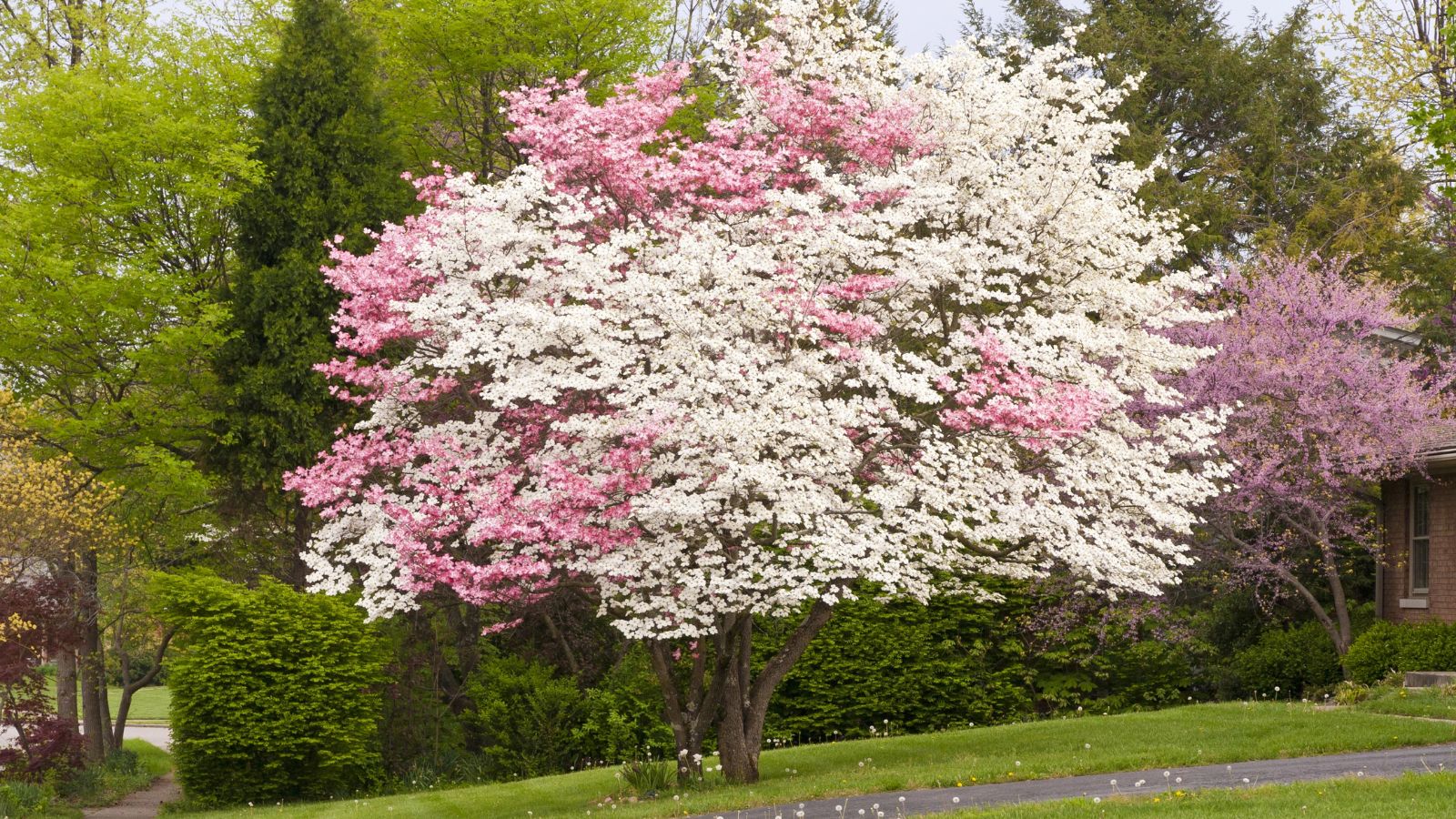
Flowering dogwoods provide spectacular spring blooms followed by attractive fall color and winter berries. Fall planting allows these trees to establish before the energy demands of spring flowering. Plant in partially shaded locations with rich, acidic soil that stays consistently moist but not waterlogged. Avoid full sun in hot climates, which can stress these understory natives.
Care Tips: Mulch generously to keep roots cool and moist. Water regularly during dry spells, especially the first two years. Prune only if necessary, immediately after flowering.
Next Steps: Consider native varieties like Cornus florida or disease-resistant Kousa dogwood (Cornus kousa) for better long-term success.
8. Hyacinth
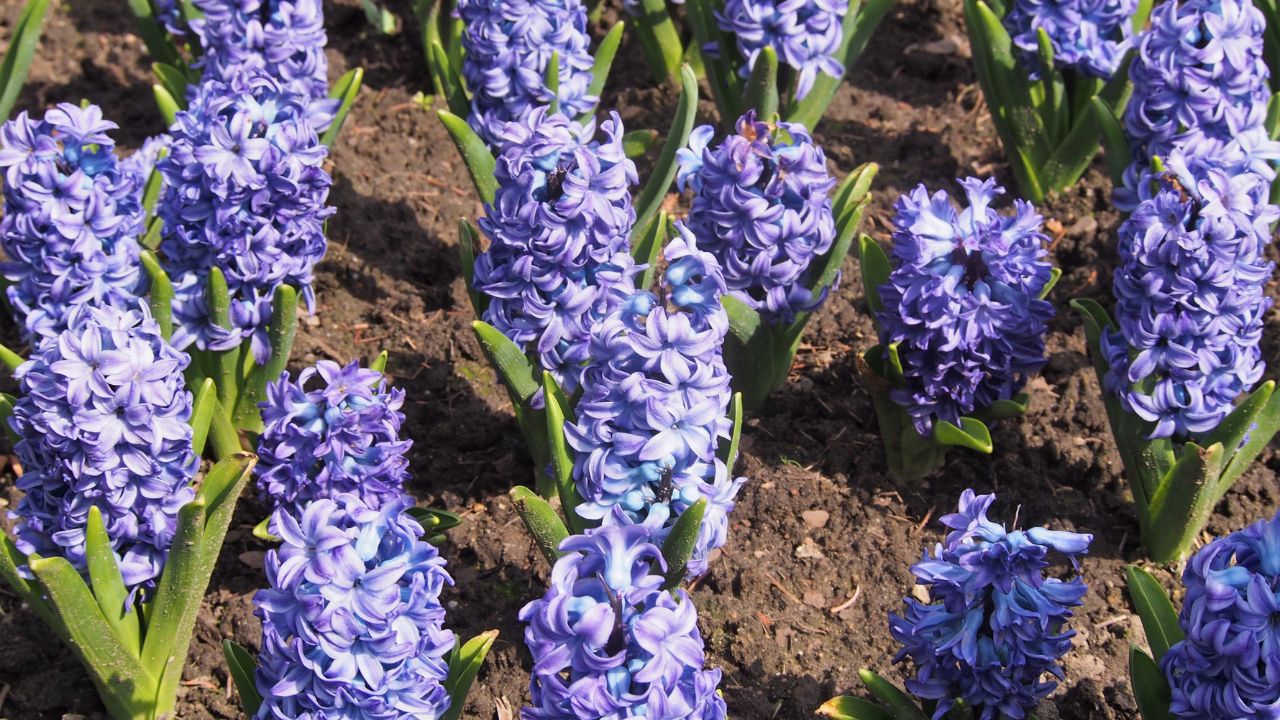
Intensely fragrant hyacinth bulbs create stunning spring displays while perfuming the entire garden. These reliable performers return year after year with proper care and placement. Plant bulbs 6 inches deep in full sun to partial shade with excellent drainage. Space 4-6 inches apart for mass plantings or scatter throughout borders for fragrant surprises.
Care Tips: Avoid overwatering, especially during dormancy. Allow foliage to die back naturally to nourish next year’s blooms. Apply bone meal at planting time for stronger flowers.
Next Steps: Try both large Dutch hyacinths and smaller grape hyacinths (Muscari) for extended bloom periods and different garden applications.
9. Fruit Trees
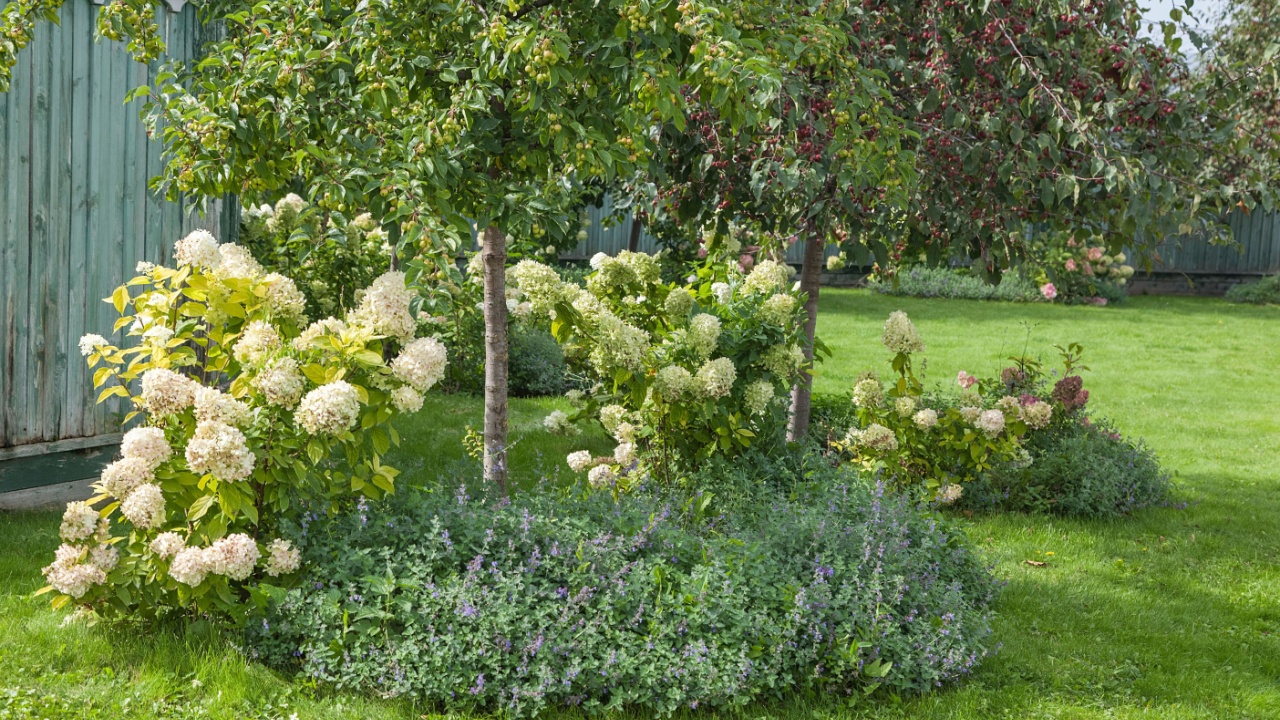
Fall-planted fruit trees establish root systems during cool weather, leading to better survival rates and earlier fruit production. The reduced stress of cooler temperatures helps trees adapt to their new environment. Choose varieties suited to your climate zone and chill hour requirements. Plant in full sun locations with well-draining soil and good air circulation to prevent disease issues.
Care Tips: Water regularly the first year, but avoid overwatering. Prune annually during dormancy to maintain shape and encourage fruiting. Apply balanced fertilizer in early spring.
Next Steps: Research pollination requirements—many fruit trees need cross-pollination from compatible varieties for fruit production.
10. Forsythia
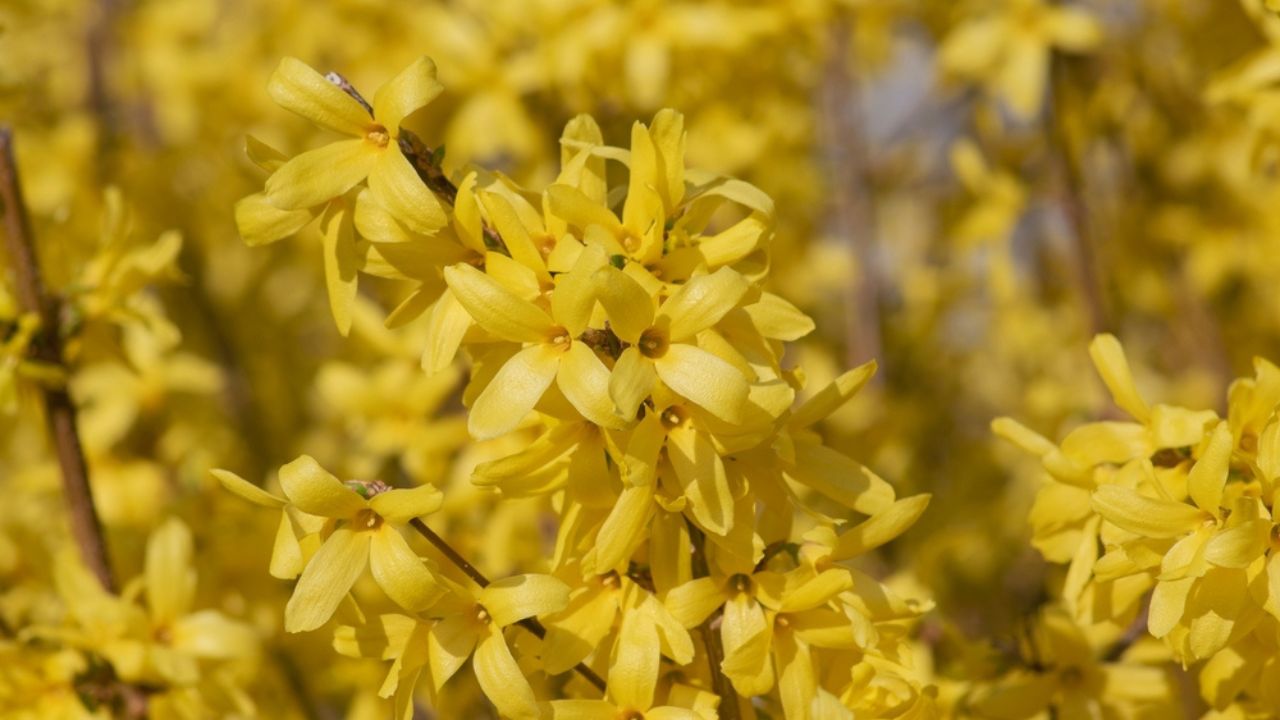
This early spring showstopper bursts into brilliant yellow bloom before its leaves emerge, providing much-needed color after a long winter. Fall planting ensures strong root development for spectacular spring displays. Plant in full sun to partial shade with average garden soil. These adaptable shrubs tolerate various soil conditions but prefer good drainage.
Care Tips: Prune immediately after flowering, as forsythia blooms on old wood. Remove the oldest canes annually to maintain vigor. Fertilize lightly in spring if needed.
Next Steps: Allow adequate space—forsythia can reach 8-10 feet tall and wide at maturity. Use as hedging or specimen plants.
11. Lilacs

The intoxicating fragrance and beautiful blooms of lilacs make them must-have spring shrubs. Fall planting allows time for root establishment before the energy demands of flower production. Plant in full sun locations with slightly alkaline, well-draining soil. Ensure good air circulation to prevent powdery mildew issues common in humid climates.
Care Tips: Prune immediately after flowering to avoid removing next year’s buds. Remove suckers regularly unless you want a naturalized thicket. Apply lime annually if the soil is acidic.
Next Steps: Choose disease-resistant varieties and provide adequate spacing for mature size—some varieties reach 20 feet tall.
12. Pansies
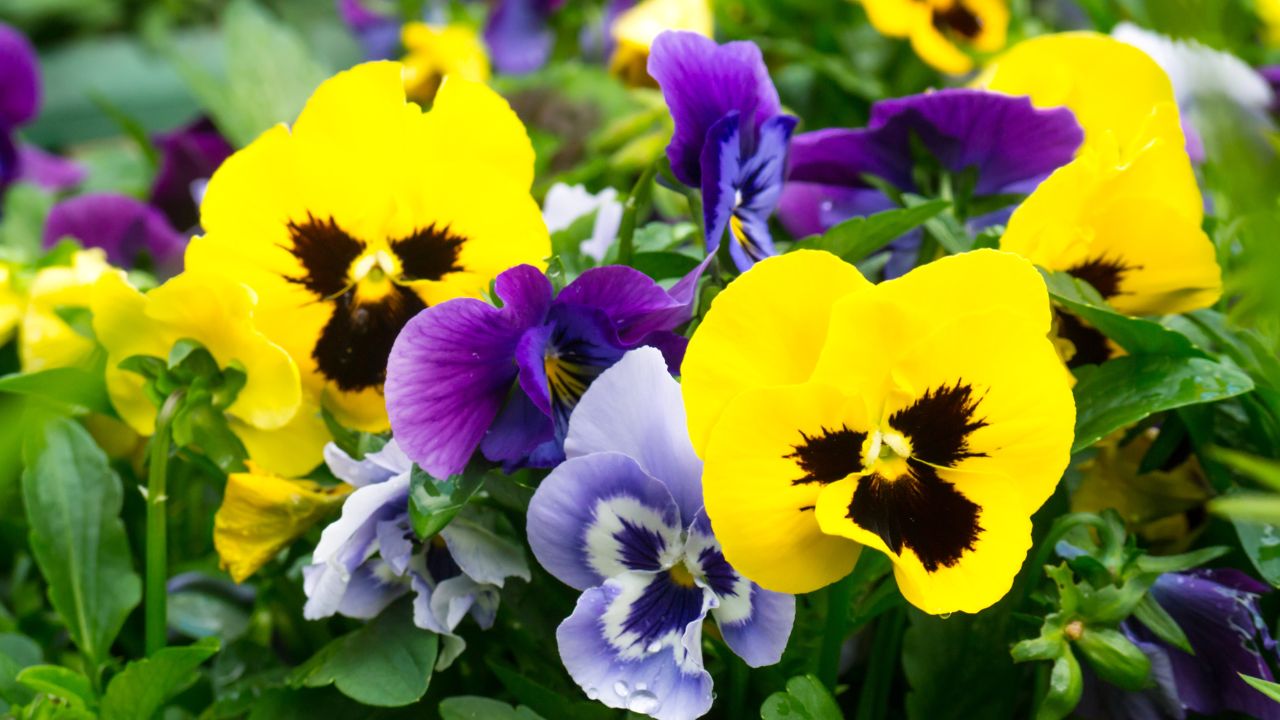
Cool-season pansies planted in fall can bloom through winter in mild climates and provide early spring color elsewhere. These cheerful faces add instant charm to containers and borders. Plant in full sun to partial shade with rich, moist soil. In colder regions, treat as cool-season annuals; in warmer areas, enjoy fall through spring blooms.
Care Tips: Deadhead regularly to encourage continued blooming. Protect from harsh winter winds with row covers in borderline hardy areas. Water consistently, but avoid overhead watering in humid conditions.
Next Steps: Combine with other cool-season flowers like snapdragons and sweet alyssum for extended displays.
13. Black-Eyed Susans
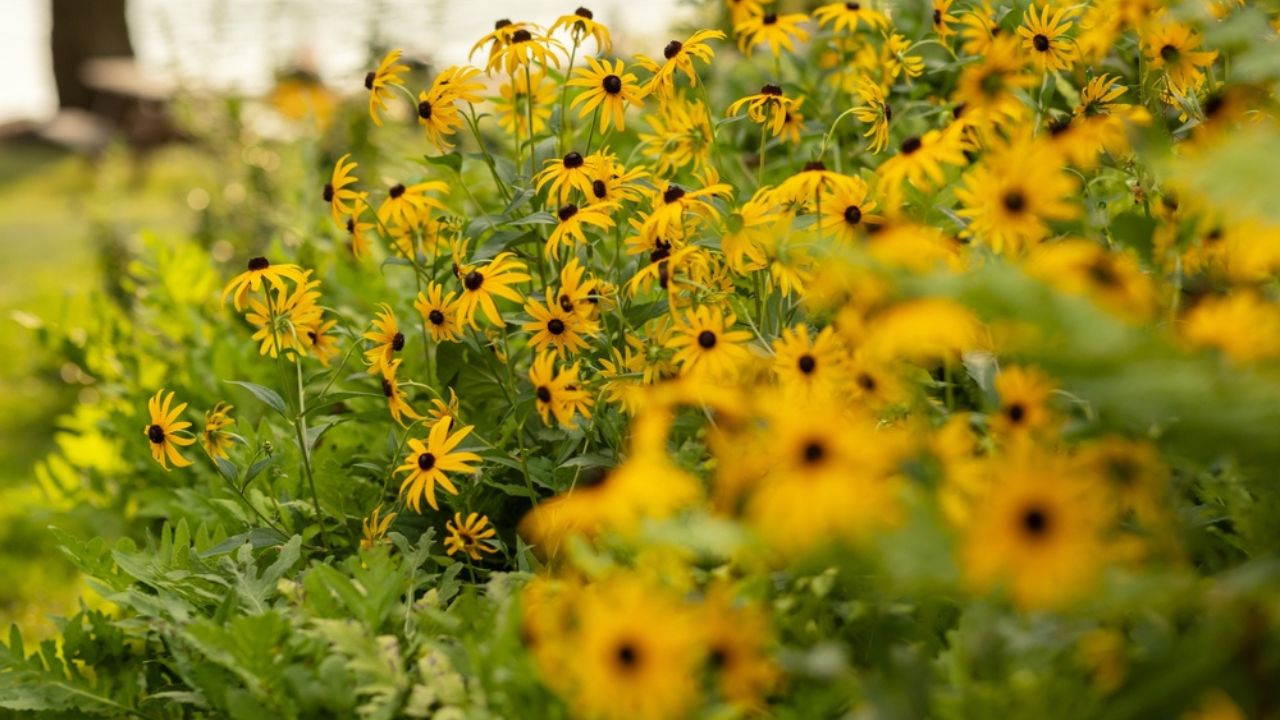
These drought-tolerant natives provide bright yellow blooms from summer through fall while attracting beneficial pollinators. Fall planting establishes strong root systems for robust spring growth. Plant in full sun with average to poor soil—these adaptable perennials actually prefer lean conditions. Excellent drainage is more important than soil fertility.
Care Tips: Deadhead for continued blooming or leave seed heads for winter bird food. Divide clumps every 3-4 years in fall or spring. Water regularly the first year, then rely on natural rainfall.
Next Steps: Combine with purple coneflowers and ornamental grasses for a stunning prairie-style planting.
14. Peonies
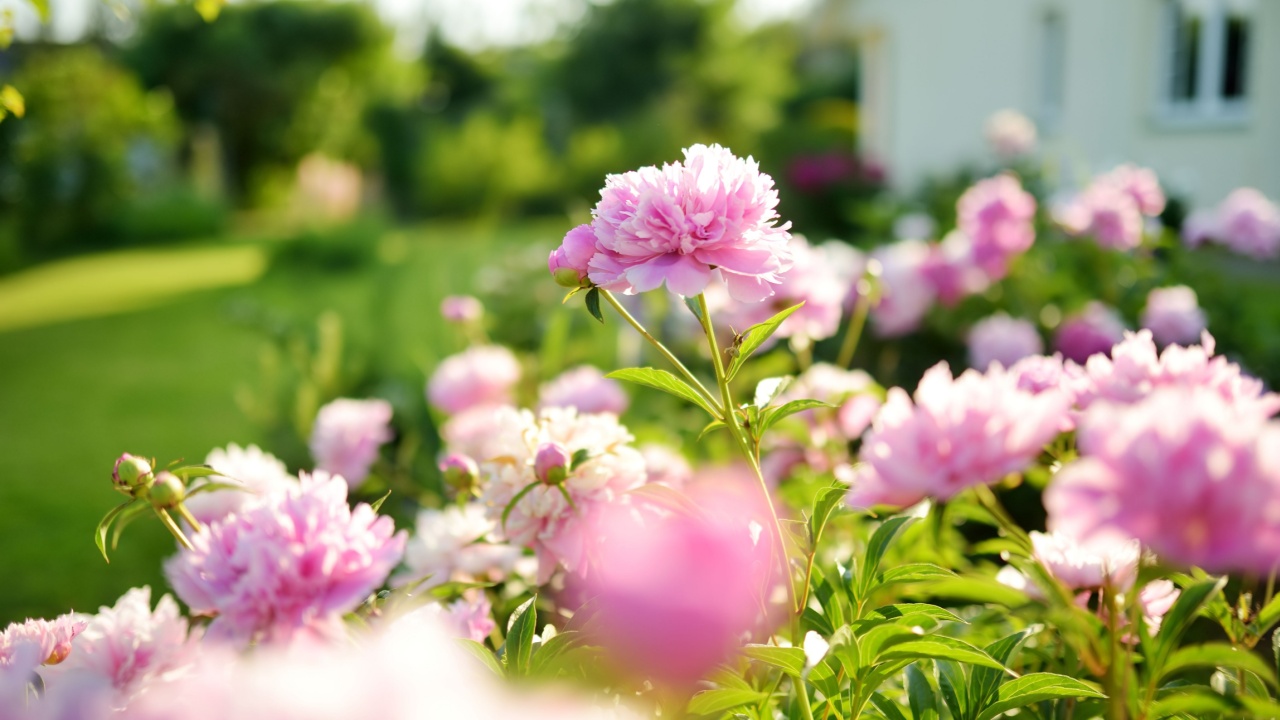
These long-lived perennials can bloom for decades with proper planting and care. Fall is the ideal time to plant or divide peonies, as they prefer cool weather for root establishment. Plant with eyes (growth buds) 2 inches below the soil surface in full sun to partial shade. Choose locations with excellent drainage and morning sun for disease prevention.
Care Tips: Avoid deep planting, which prevents flowering. Support tall varieties with peony rings or stakes. Cut back foliage after the first frost and dispose of debris to prevent disease.
Next Steps: Be patient—peonies may take 2-3 years to reach full flowering potential after planting.
15. Wildflowers
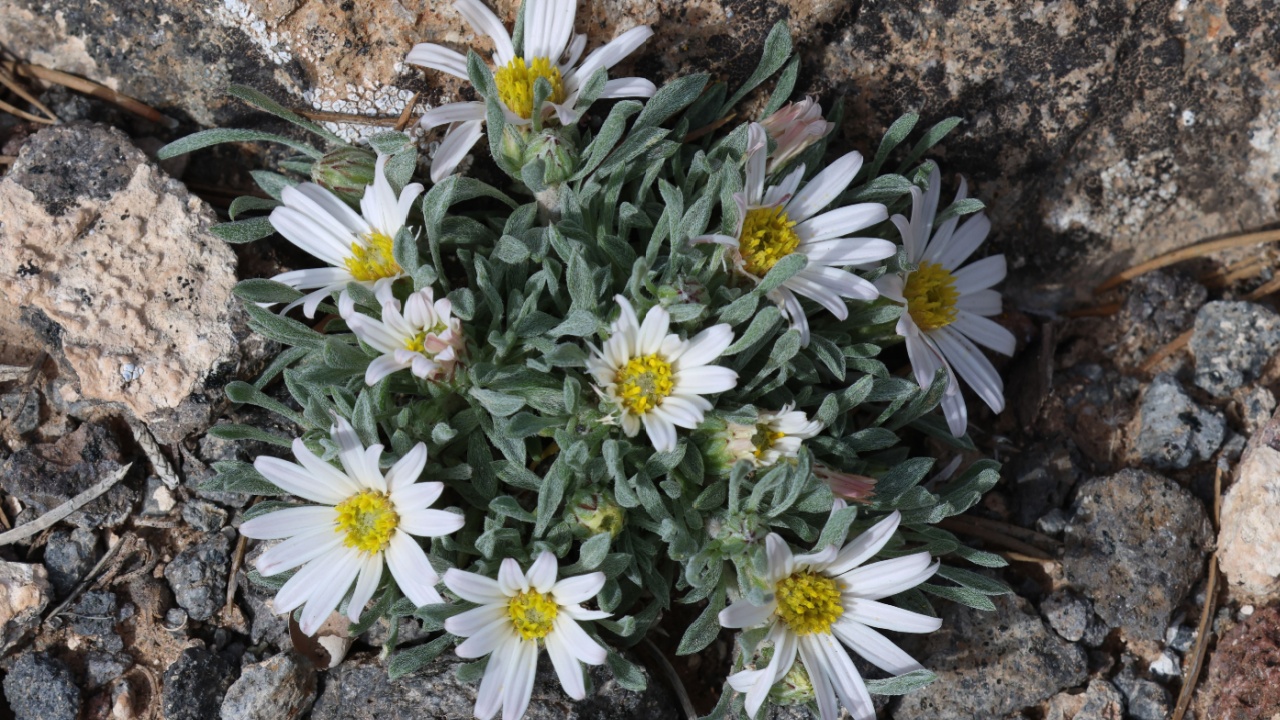
Native wildflower mixes planted in fall undergo natural stratification over winter, leading to better germination and stronger plants in spring. These low-maintenance options support local ecosystems. Prepare the soil by removing weeds and lightly scratching the surface. Scatter seeds according to package directions and lightly rake to ensure soil contact.
Care Tips: Avoid fertilizing wildflower areas, as natives prefer lean soils. Allow some areas to go to seed for natural reseeding. Mow or cut back in late fall after seeds have dispersed.
Next Steps: Choose region-specific mixes for best results and research any invasive species to avoid in your area.
16. Astilbe
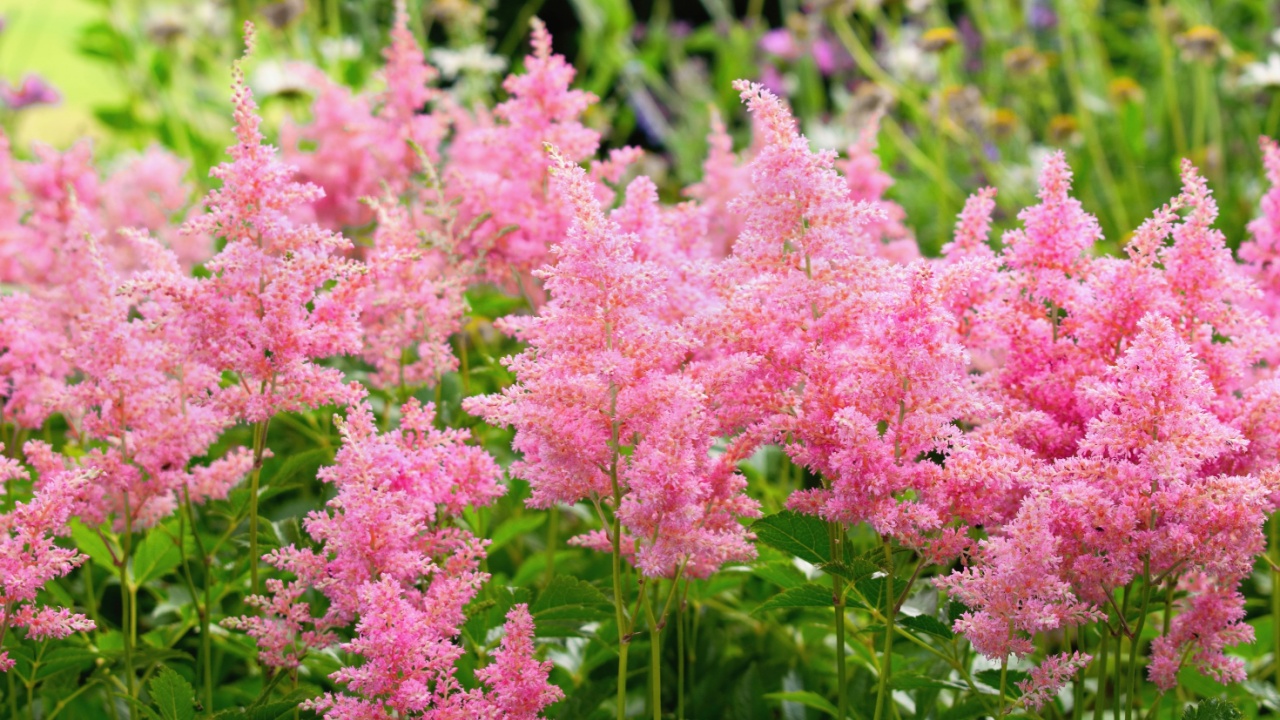
These shade-loving perennials produce feathery plumes of flowers in spring and early summer, making them perfect for woodland gardens or shady borders. Fall planting allows root establishment in cooler conditions. Plant in partial to full shade with rich, consistently moist soil. Astilbe struggles in hot, dry conditions but thrives with adequate moisture and organic matter.
Care Tips: Mulch heavily to retain moisture and suppress weeds. Divide clumps every 3-4 years to maintain vigor. Leave seed heads for winter interest or cut back in late fall.
Next Steps: Combine with hostas, ferns, and other shade perennials for textural contrast and extended interest.
17. Sedum
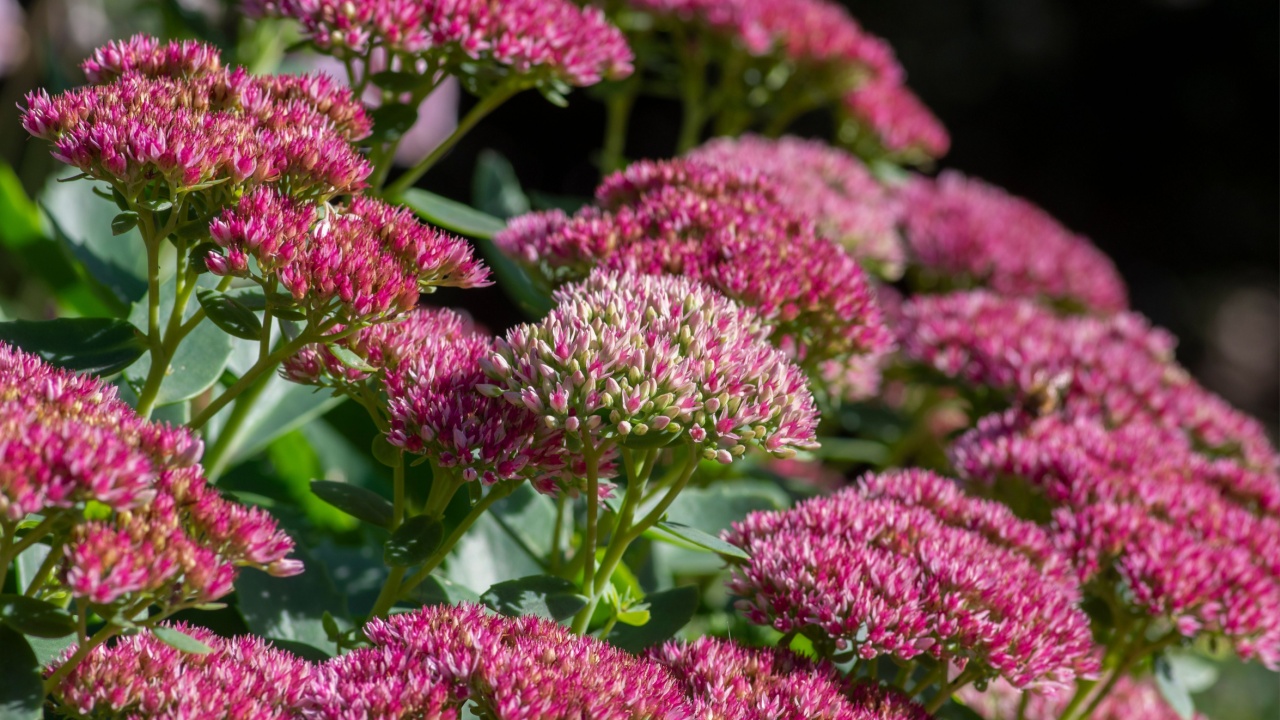
These succulent perennials offer late-season blooms and exceptional drought tolerance once established. Fall planting takes advantage of cooler weather and fall rains for root development. Plant in full sun with well-draining soil—sedums actually prefer poor to average soil and excel in rocky or sandy conditions. Avoid rich, moist soils that cause weak, floppy growth.
Care Tips: Cut back in late fall or early spring before new growth begins. Divide clumps every 3-4 years if they become too large. Pinch tall varieties in early summer to prevent flopping.
Next Steps: Choose from upright varieties like ‘Autumn Joy’ for borders or spreading types for groundcover applications.
Planning for Your Fall Garden
Plan your garden layout on paper before planting, considering mature sizes, bloom times, and color combinations. Group plants with similar water and light requirements together for easier maintenance.
Always keep detailed records of what you’ve planted, including varieties, planting dates, and locations. This information proves invaluable for future garden planning and helps you track which plants perform best in your specific conditions. With proper fall planting and care, your spring garden will burst with color and life, rewarding you with years of beautiful blooms and garden enjoyment. The small effort you invest this fall will pay dividends for seasons to come.