19 Red Birds That Will Bring Charm to the Garden
Red birds are a vibrant addition to any garden, bringing bursts of color and lively energy to outdoor spaces. From their striking plumage to their melodic songs, these birds are a delight for bird watchers and casual garden lovers alike.
The following list showcases 19 stunning red birds, where they can be found across the United States, and helpful tips to attract them to your garden.
Asking the Bird Experts
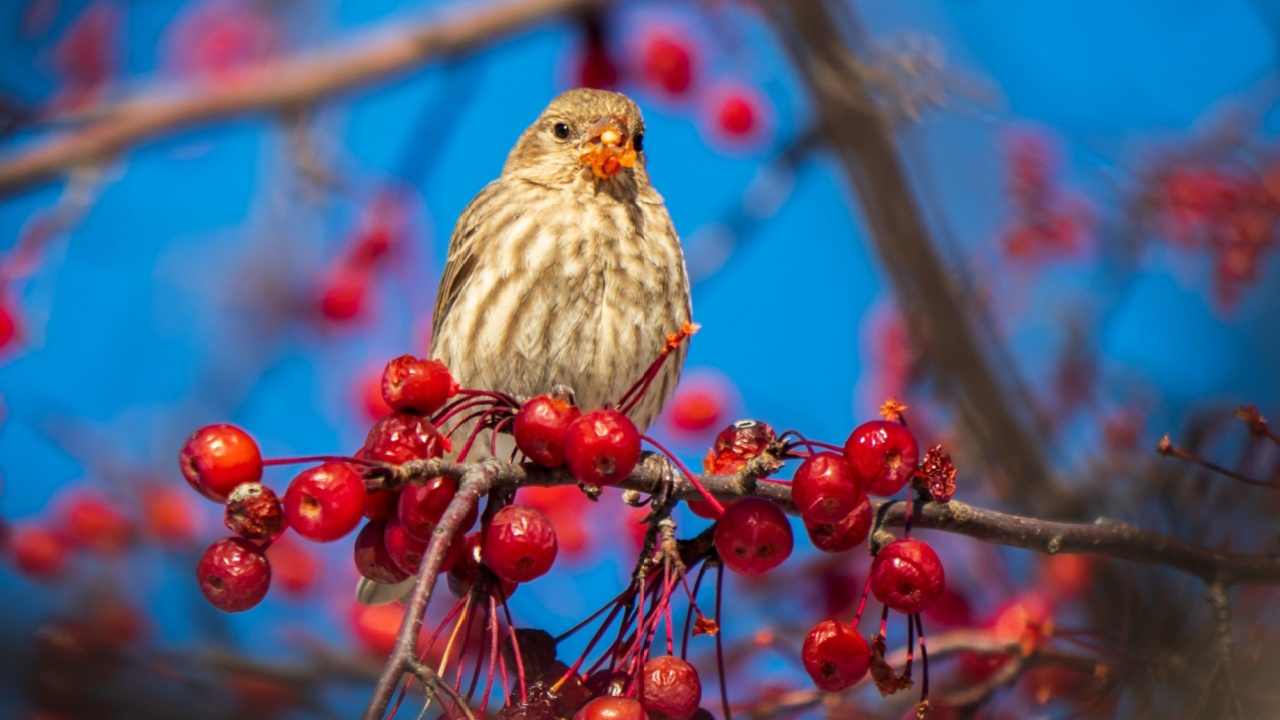
Our recommendations come directly from trusted authorities in bird behavior and wildlife gardening. The Cornell Lab of Ornithology consistently informs our understanding of species-specific behaviors, habitats, and diet preferences (e.g., Western Tanager habitat and diet insights).
For practical bird-feeding tips, we reference guidance from Wild Birds Unlimited and Audubon. Additionally, wildlife gardening experts emphasize the importance of native plants for creating an attractive habitat and food sources for all birds.
1. Northern Cardinal (Cardinalis cardinalis)
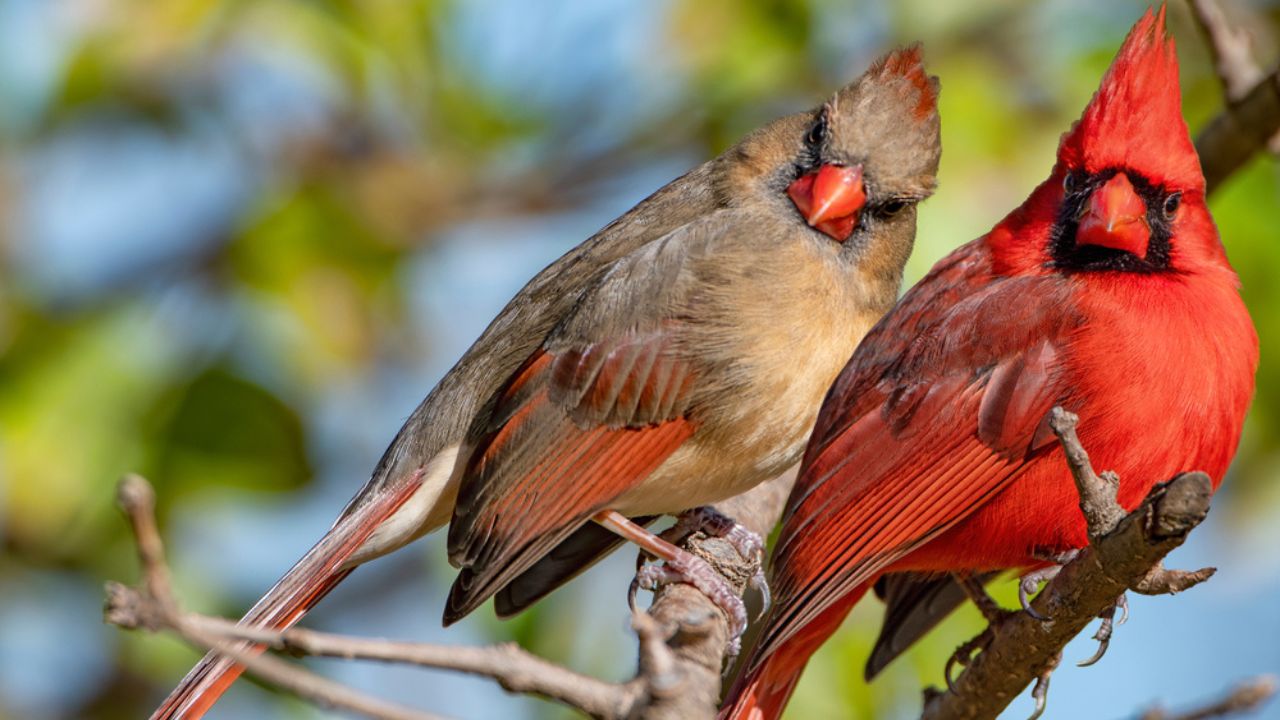
The Northern Cardinal, often referred to as “the redbird,” is one of the most recognizable birds in North America. Male cardinals are bright red with a bold crest, while females are softer in color, usually brown with red tinges.
Where It Lives: Found throughout the eastern and central U.S., from southern Canada to Texas and Florida.
How to Attract It: Cardinals are year-round residents that love sunflower seeds. Use a platform feeder or scatter seeds on the ground, and plant dense shrubs for nesting.
2. Scarlet Tanager (Piranga olivacea)
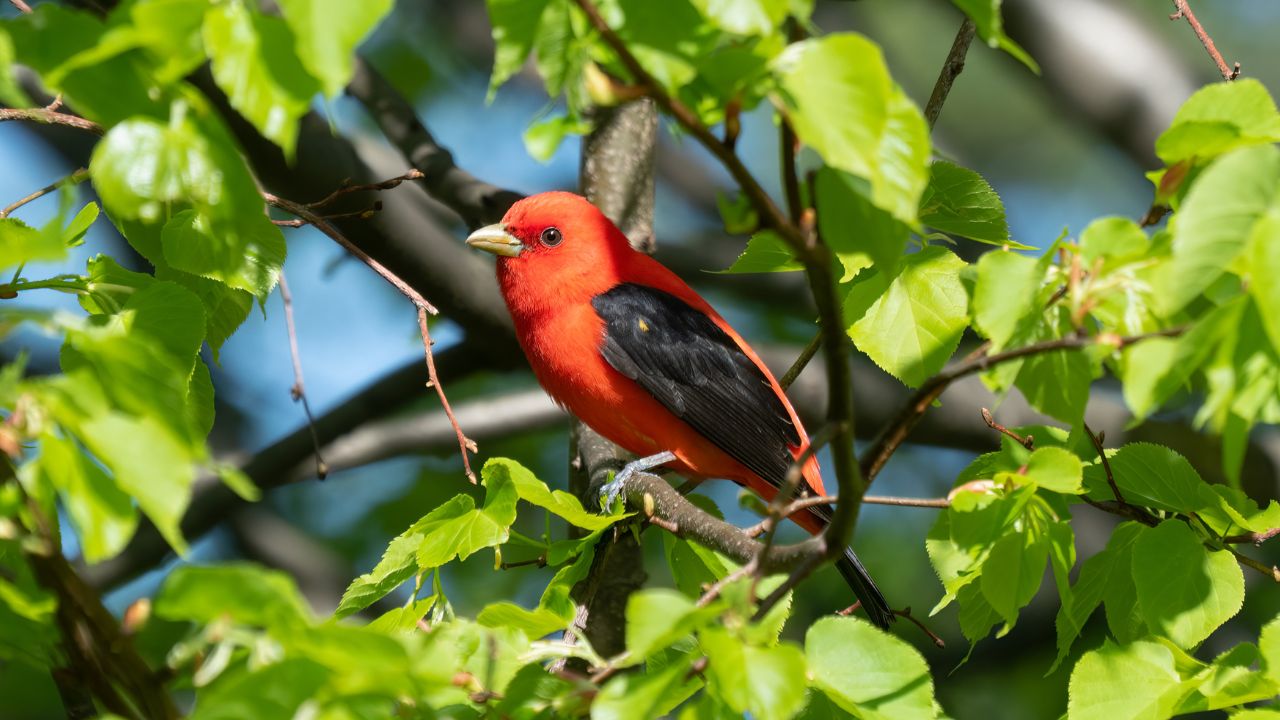
Male Scarlet Tanagers boast a vivid red body with jet-black wings, while females are olive-yellow. These shy birds prefer forested areas but occasionally visit gardens during migration.
Where It Lives: Breeds in eastern forests and migrates to South America for the winter.
How to Attract It: Plant fruiting trees and shrubs, provide water sources, and create a leafy, shaded environment to mimic their preferred habitat.
3. Vermilion Flycatcher (Pyrocephalus rubinus)
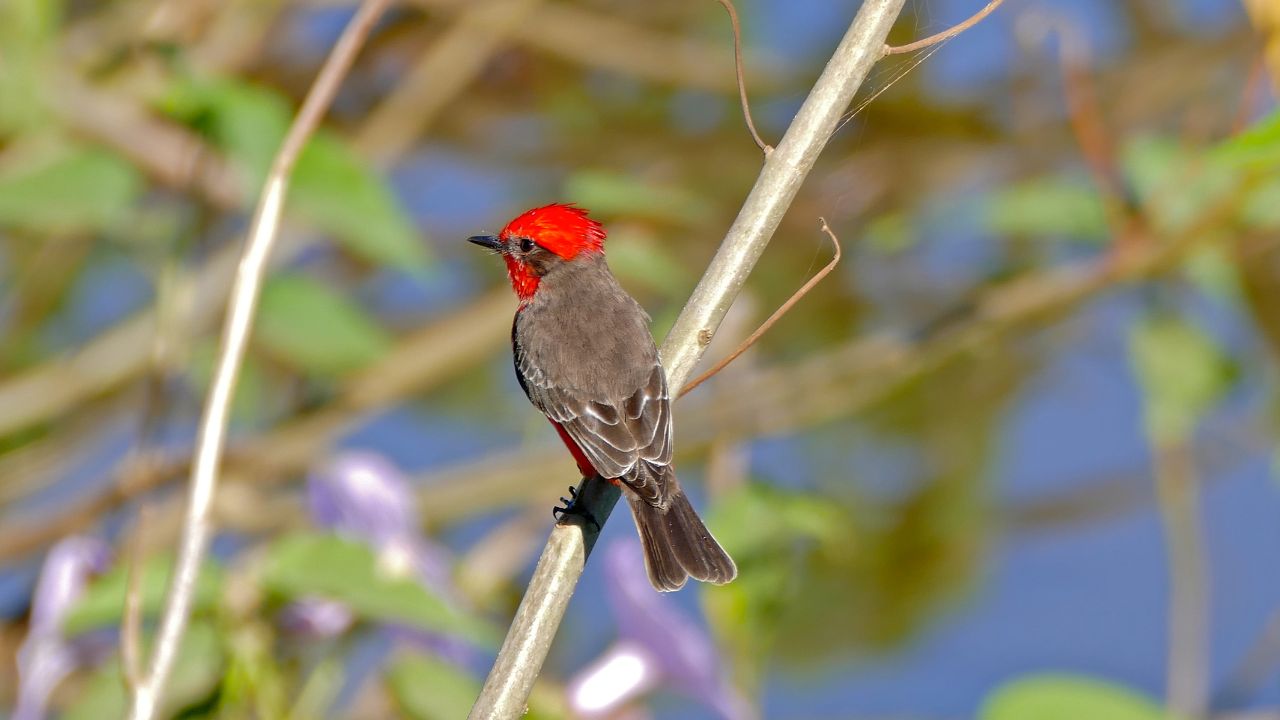
The Vermilion Flycatcher’s vibrant red plumage and small size make it a showstopper. Males are bright red with black backs, while females are subtler with gray and salmon-colored tones.
Where It Lives: Primarily found in the southwestern U.S., such as Texas, Arizona, and California.
How to Attract It: Offer open spaces with perching spots and abundant insects. Maintaining a pesticide-free garden can help attract this insect-loving bird.
4. Summer Tanager (Piranga rubra)
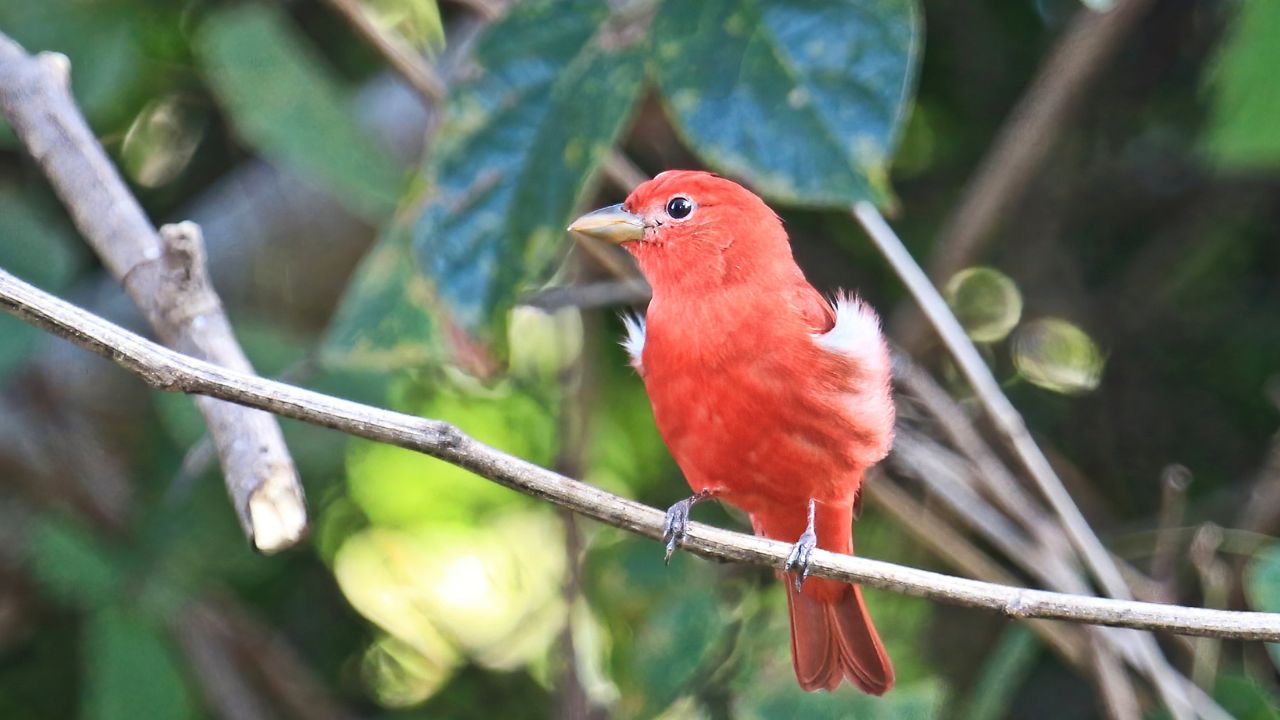
With its rich, reddish-orange color, the Summer Tanager is unmistakable. Females are yellow or golden, and both sexes enjoy warm climates and open woodlands.
Where It Lives: Found in the southeastern U.S. during summer and migrates to Central and South America in the fall.
How to Attract It: Hang fruit feeders with orange slices or bananas, and plant berry-producing shrubs like mulberries.
5. House Finch (Haemorhous mexicanus)
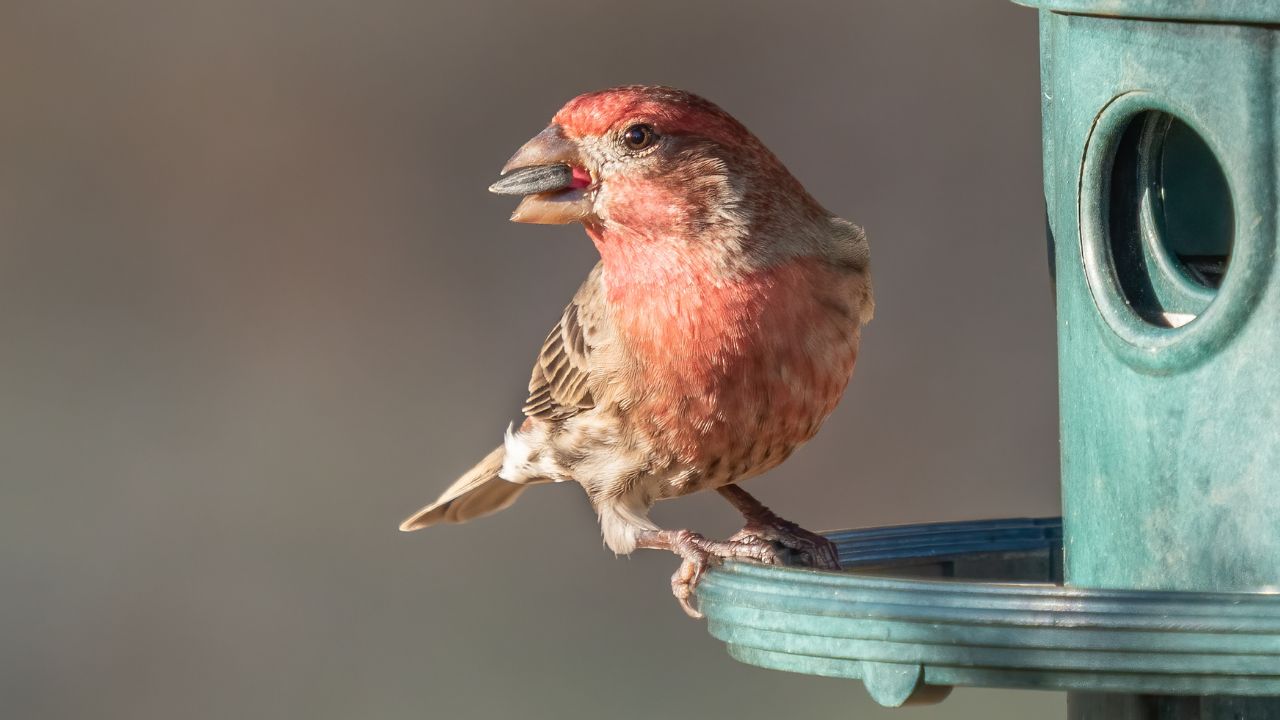
The House Finch displays reddish hues across its head and chest, with streaky brown bodies. The intensity of its color depends on diet, with brighter reds signaling healthier birds.
Where It Lives: Found across the U.S., especially in urban areas and suburban gardens.
How to Attract It: Use a tube feeder filled with sunflower or nyjer seeds, and place it near trees or shrubs for added cover.
6. Purple Finch (Haemorhous purpureus)
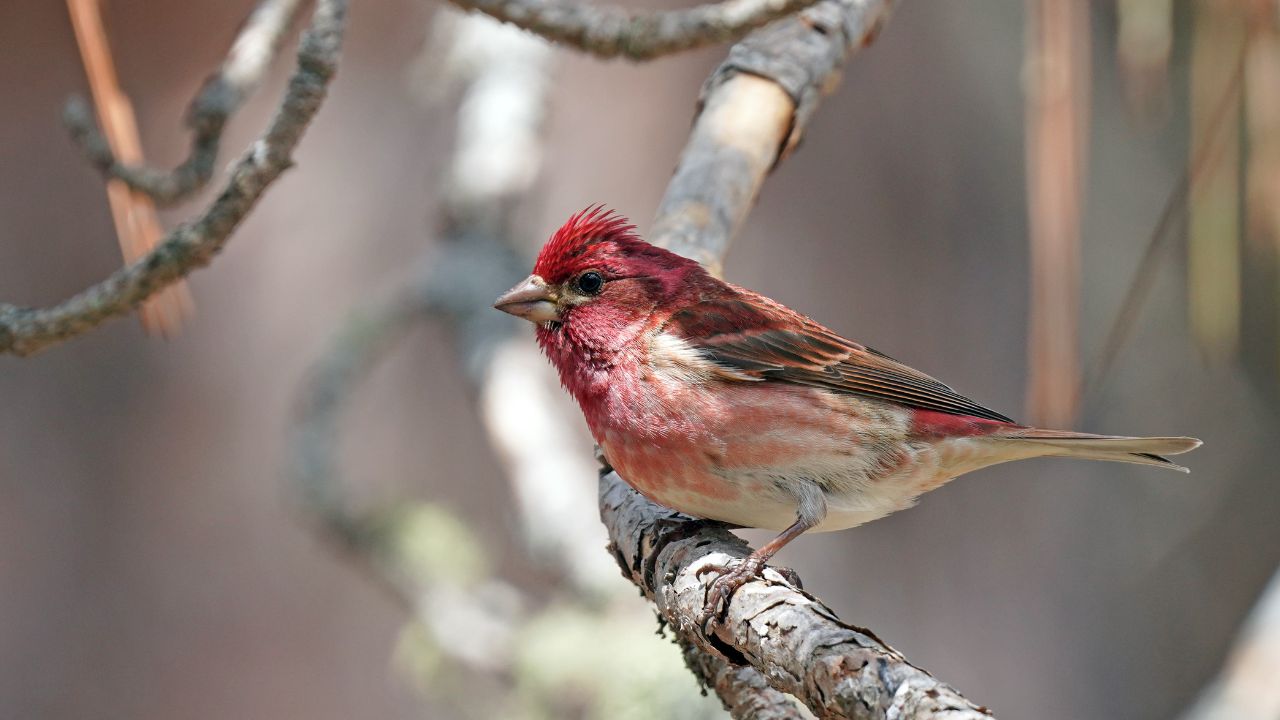
Though their name implies purple, the male Purple Finch has a rosy-red plumage, while females feature brown and white streaks.
Where It Lives: Breeds in the northern U.S. and Canada, migrating to the eastern U.S. during winter.
How to Attract It: Provide black oil sunflower seeds in feeders, and include coniferous plants in your garden to mimic their natural habitat.
7. Pine Grosbeak (Pinicola enucleator)
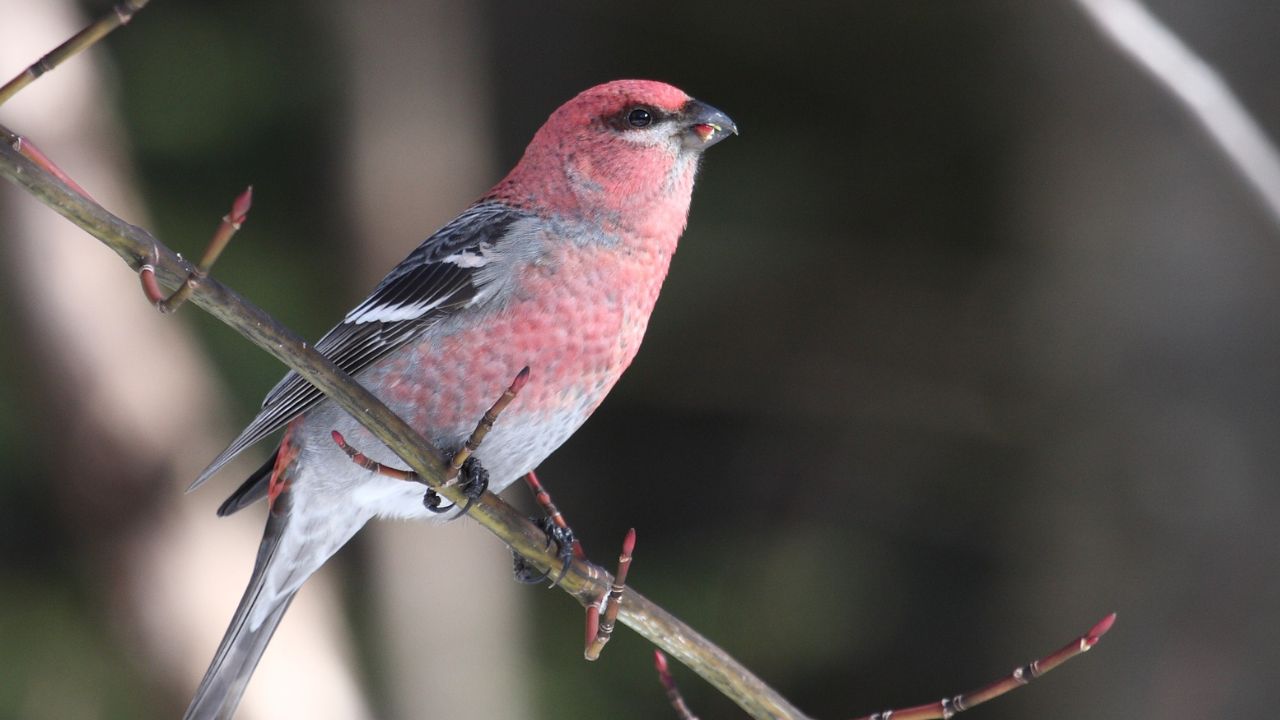
This plump bird sports a muted rosy-red color, with gray wings and tail. Females are gray overall, sometimes with a yellowish wash.
Where It Lives: Found in northern forests, especially in the Rocky Mountains and parts of Alaska.
How to Attract It: Grow fruiting shrubs like mountain ash and crabapples, as they are key food sources in winter.
8. Pyrrhuloxia (Cardinalis sinuatus)
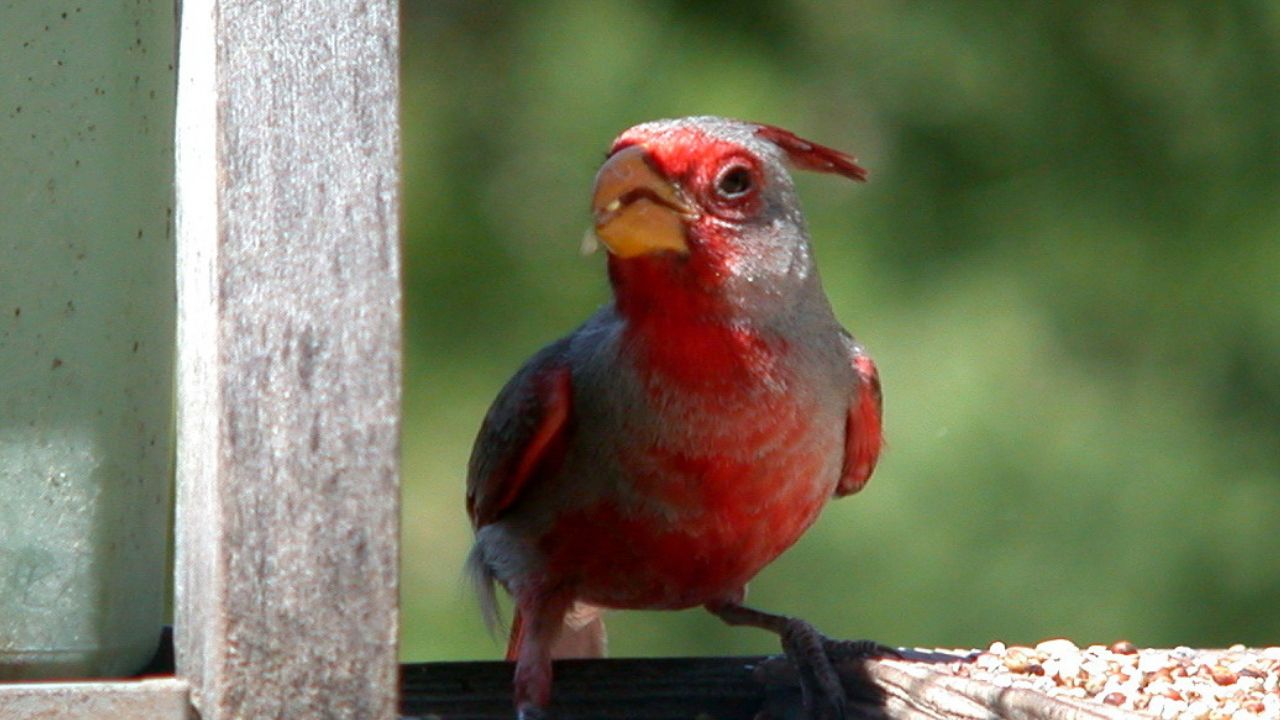
The Pyrrhuloxia resembles its cousin, the Northern Cardinal, but has silvery-gray feathers with red accents around its face, wings, and tail.
Where It Lives: Found in the desert regions of the southwestern U.S. and northern Mexico.
How to Attract It: Scatter millet or sunflower seeds and plant dense shrubs or cacti for nesting.
9. Red-headed Woodpecker (Melanerpes erythrocephalus)
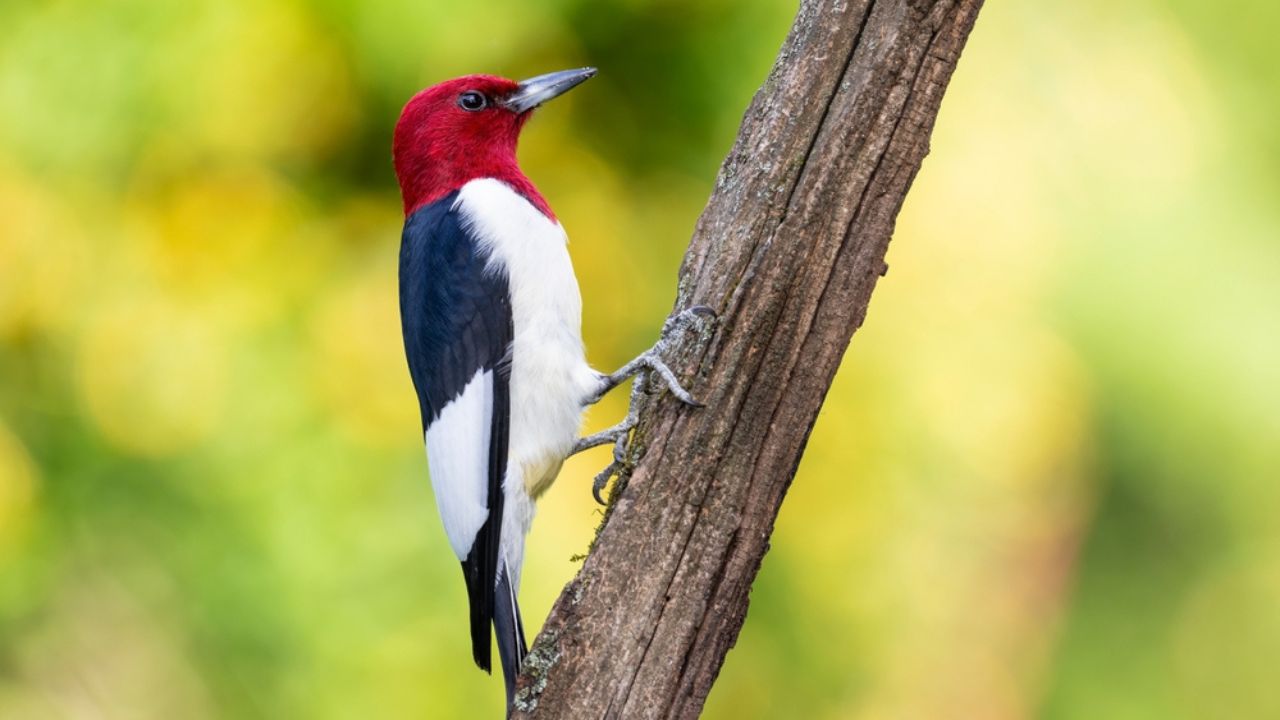
With a bright crimson-red head and black-and-white wings, the Red-headed Woodpecker is a striking sight in any yard.
Where It Lives: Common in the eastern and central U.S., especially in open woodlands and farmlands.
How to Attract It: Provide suet cakes, peanuts, or fruits, and leave standing dead trees for nesting.
10. Common Redpoll (Acanthis flammea)
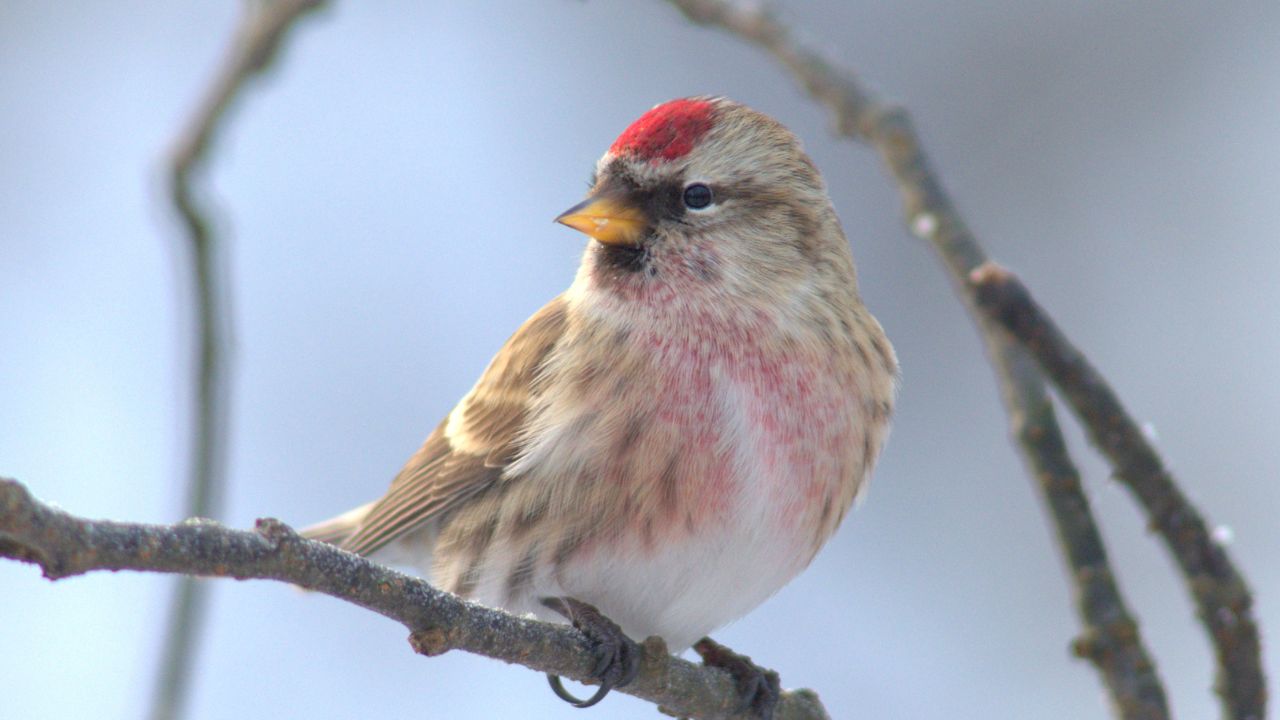
Known for their crimson forehead and pinkish chest, Common Redpolls are small, energetic birds that travel in flocks.
Where It Lives: Found in northern parts of the U.S. during winter, especially around birch and alder trees.
How to Attract It: Fill tube feeders with nyjer seeds or set out birch catkins to lure these migratory birds.
11. Cassin’s Finch (Haemorhous cassinii)
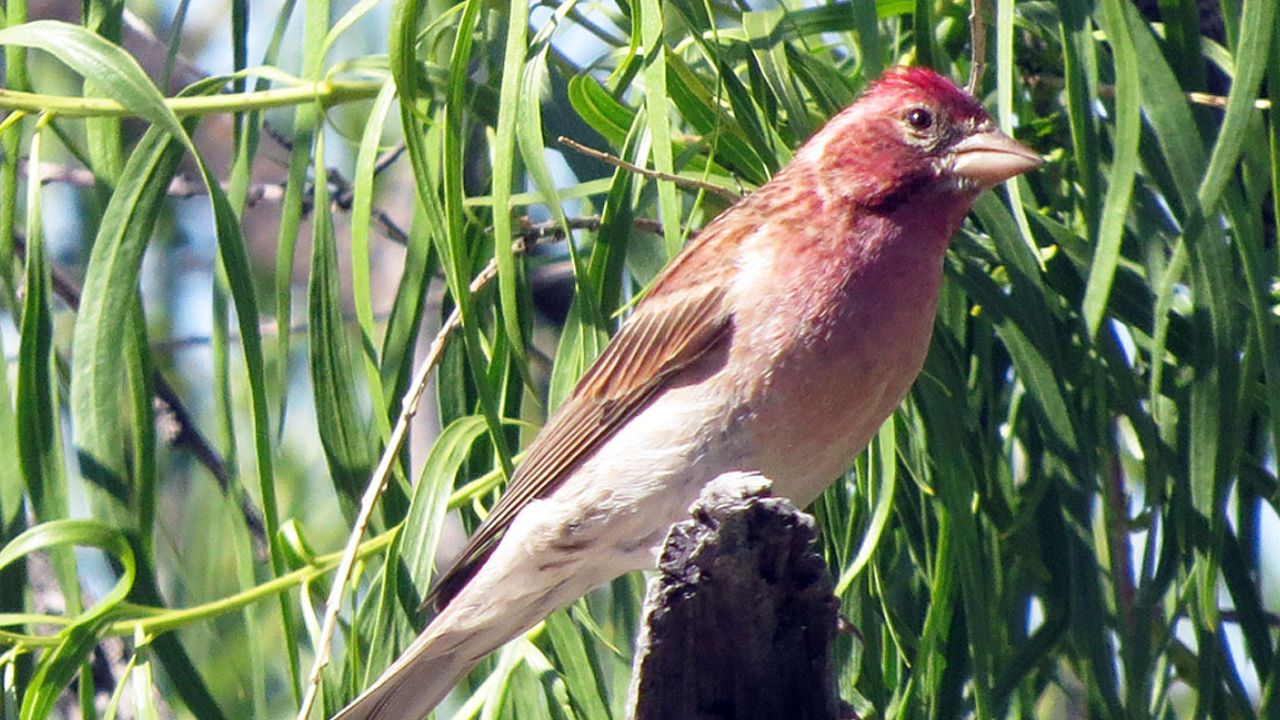
Cassin’s Finch has a delicate rosy-red head and chest, with subtle streaking along its body.
Where It Lives: Found in the western U.S., especially in mountain forests.
How to Attract It: Use platform feeders stocked with sunflower seeds and place them near coniferous trees.
12. Red-breasted Nuthatch (Sitta canadensis)
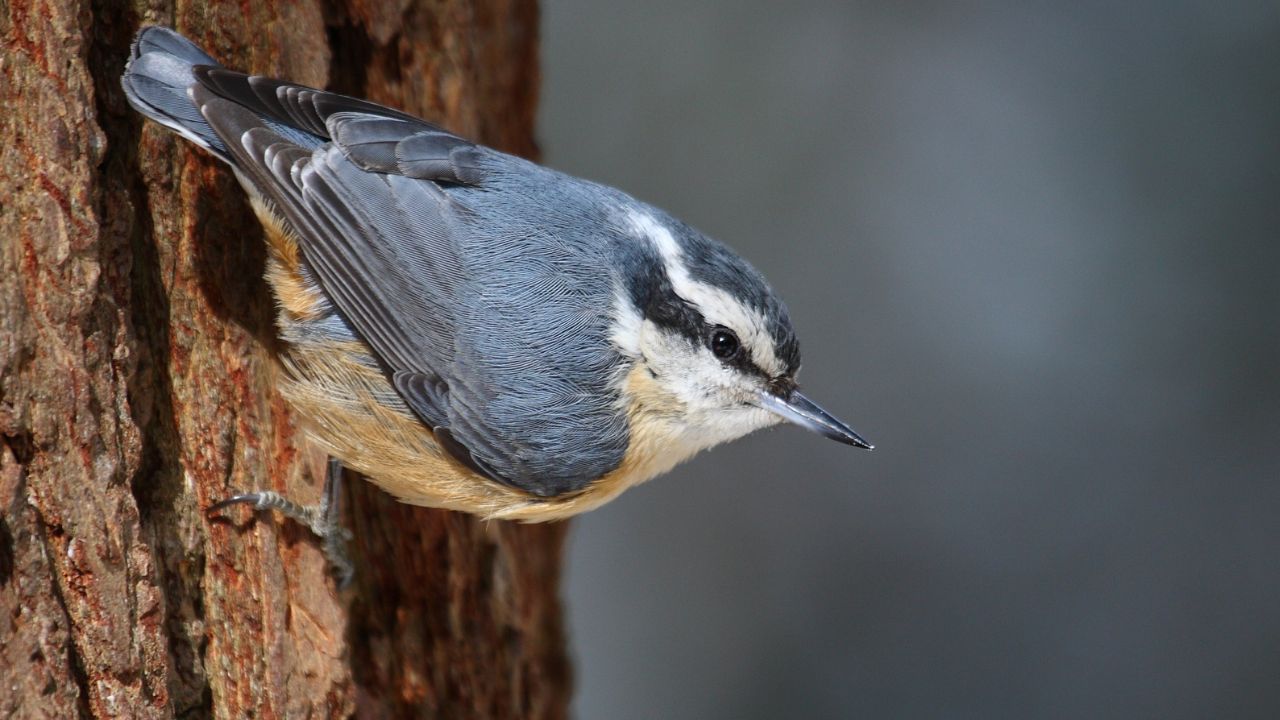
While not a “red” bird, the pop of red it carries is a welcome sight. This bird stands out with its rusty red-orange breast and belly, contrasting with its slate-blue back.
Where It Lives: Common in coniferous forests across the northern U.S. and into high-altitude ranges further south.
How to Attract It: Offer suet, peanuts, or sunflower seeds in a feeder near tall trees.
13. Crimson-collared Tanager (Ramphocelus sanguinolentus)
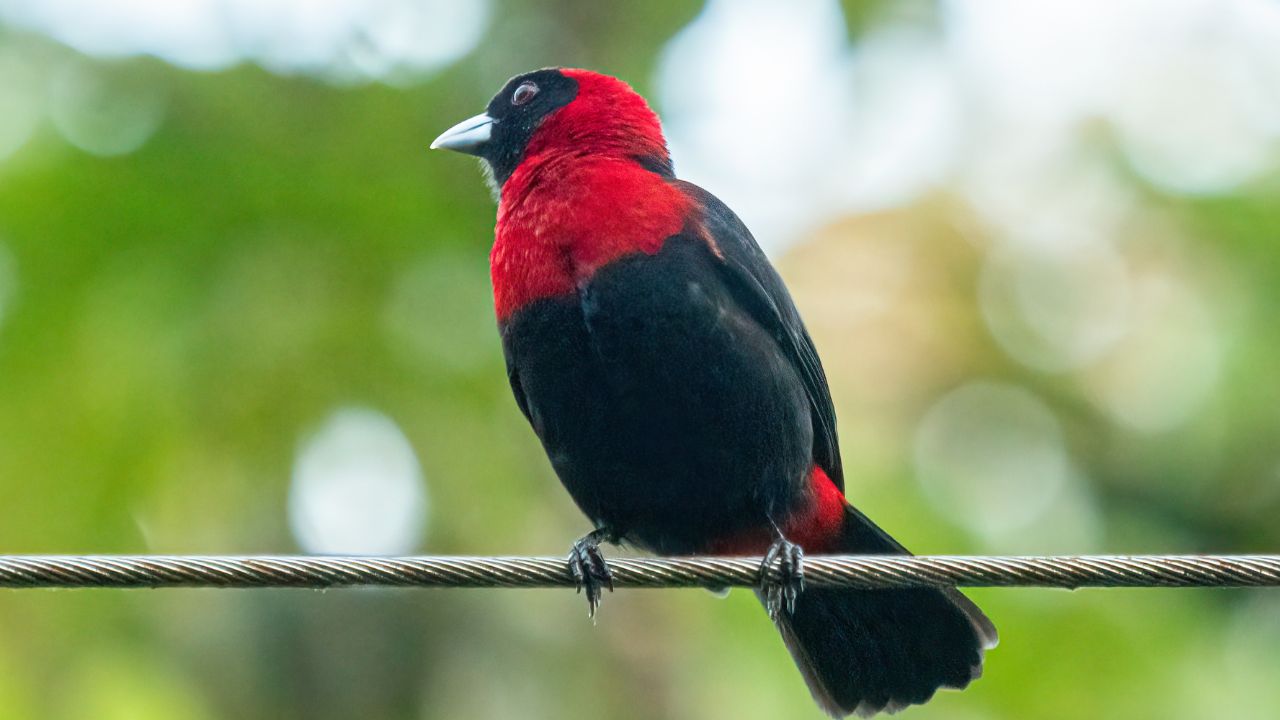
Native to southern areas, this bird features a deep crimson body paired with jet-black wings and tail.
Where It Lives: Found in southern Texas and parts of Central America.
How to Attract It: Use fruit feeders with bananas and papayas, and plant tropical shrubs as shelter.
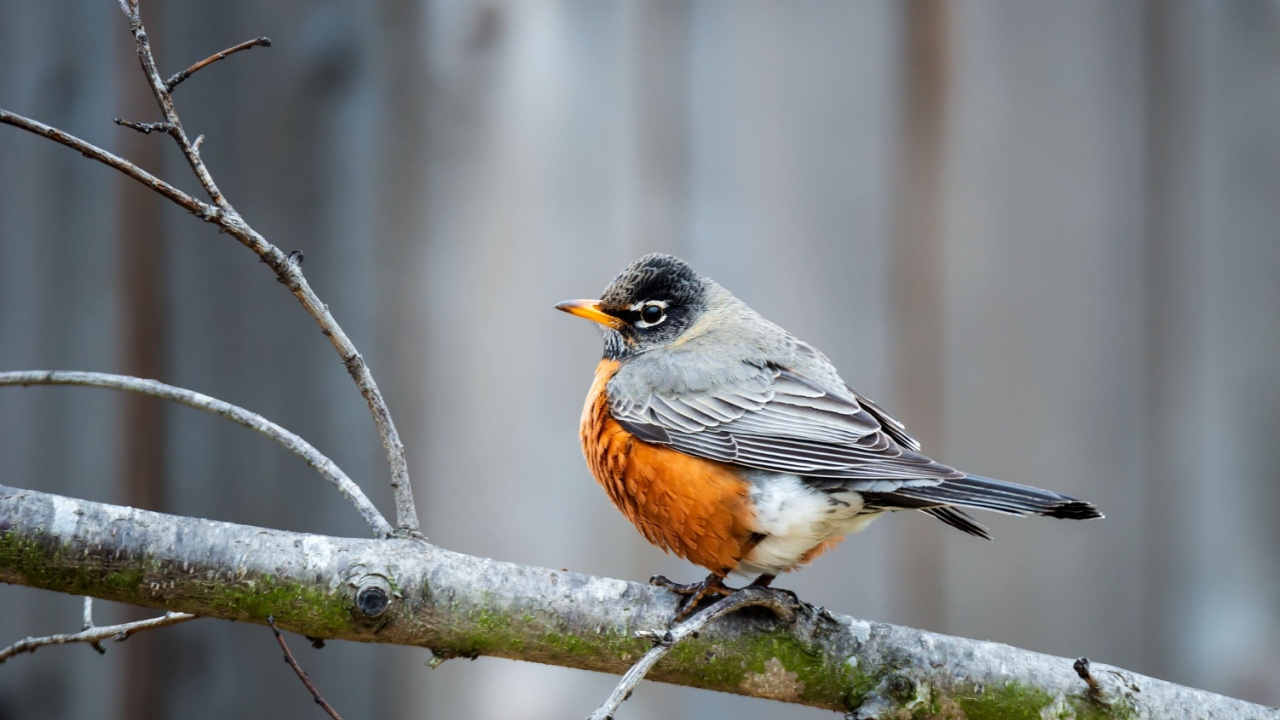
14. American Robin (Turdus migratorius)
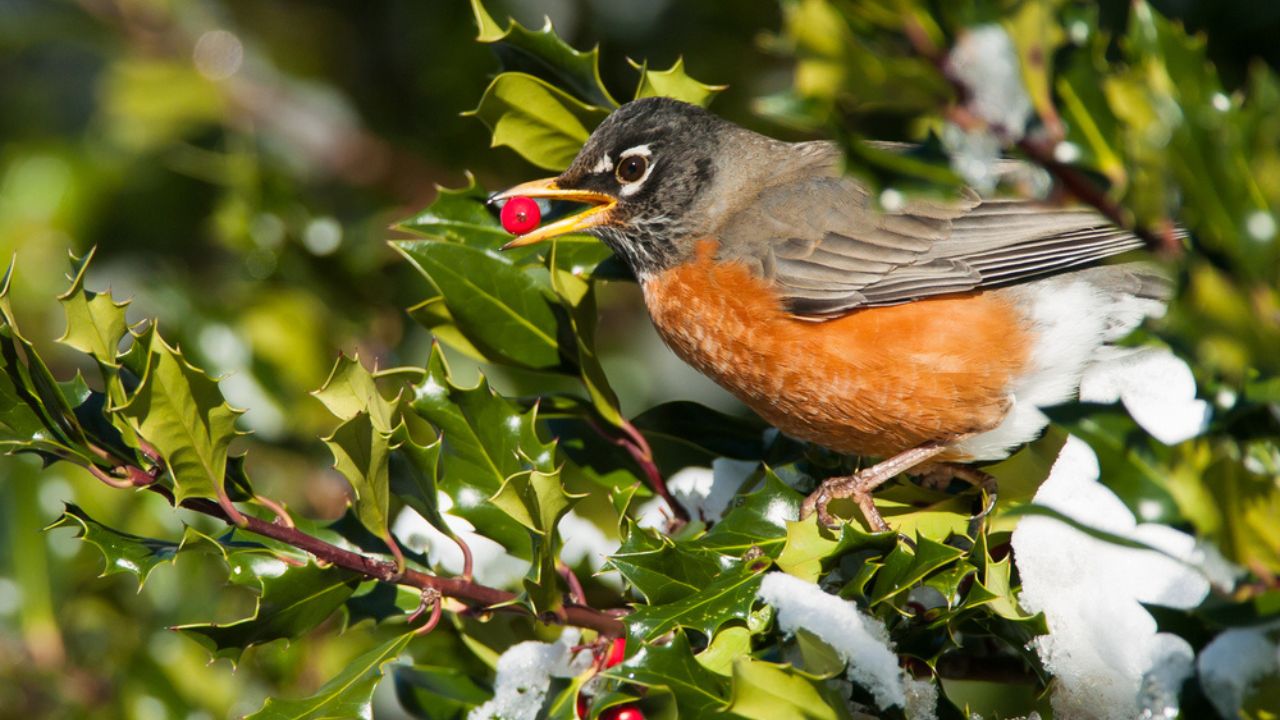
The American Robin is an everyday visitor, known for its red-orange chest and early appearances after winter.
Where It Lives: Found throughout North America, particularly in gardens and yards.
How to Attract It: Offer fruits like raisins or apple slices, and keep a shallow birdbath for bathing and drinking.
15. Hepatic Tanager (Piranga flava)
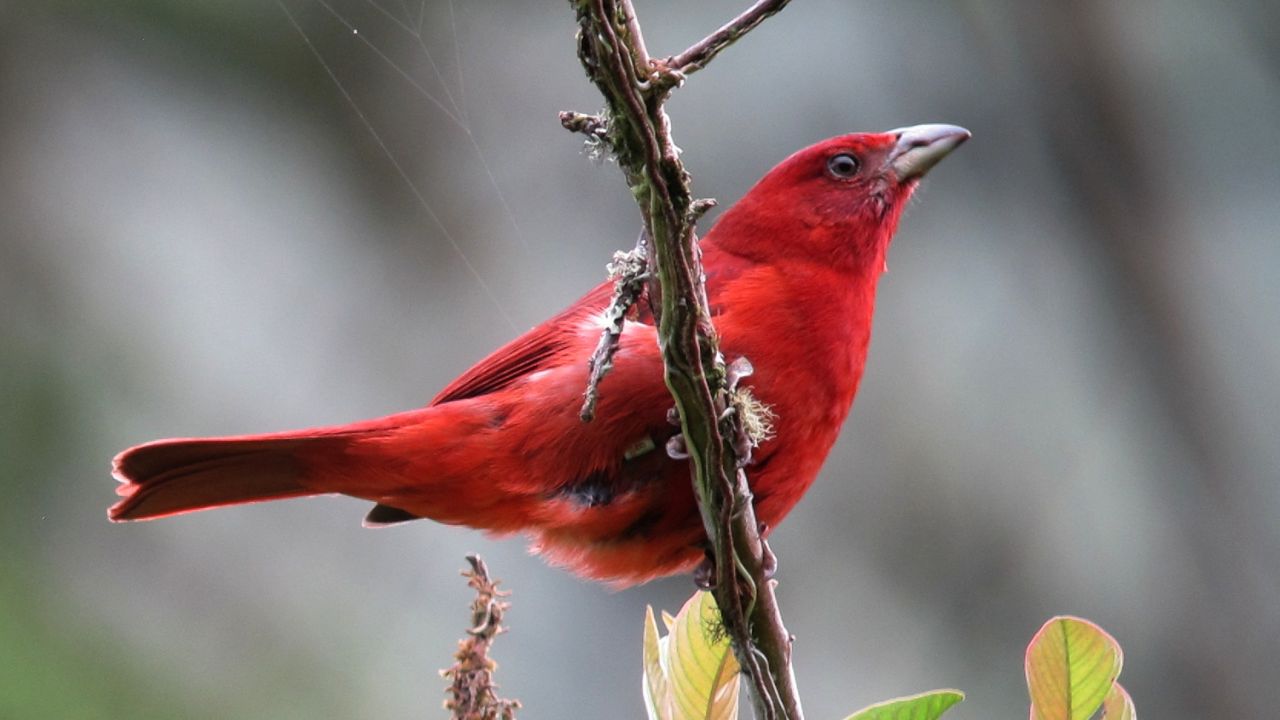
The Hepatic Tanager has a brick-red body with grayish wings, giving it a more muted but sophisticated look compared to other tanagers.
Where It Lives: Found in the southwestern U.S., favoring pine and oak woodlands.
How to Attract It: Plant native berry bushes such as elderberries or sumacs, and provide a water source for drinking and bathing.
16. Red-bellied Woodpecker (Melanerpes carolinus)
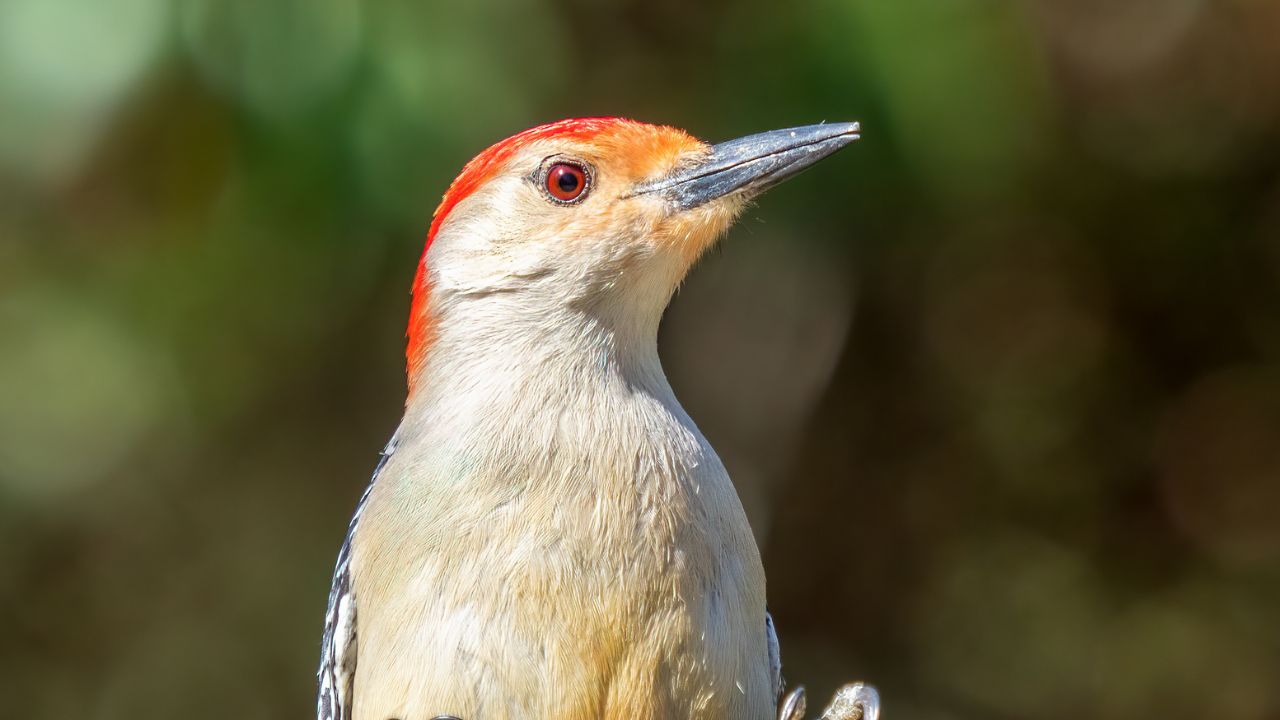
The Red-bellied Woodpecker is a medium-sized woodpecker with a striking mix of black, white, and red on its head and back. Despite its name, the red belly is often not visible.
Where It Lives: Found in eastern North America, favoring deciduous forests and woodlands. They are most abundant in the Southeast and Mid-Atlantic; range has been expanding northward.
How to Attract It: Hang suet feeders or provide dead trees for nesting cavities. They also enjoy peanuts and other nuts offered in specialized feeders.
17. Western Tanager (Piranga ludoviciana)
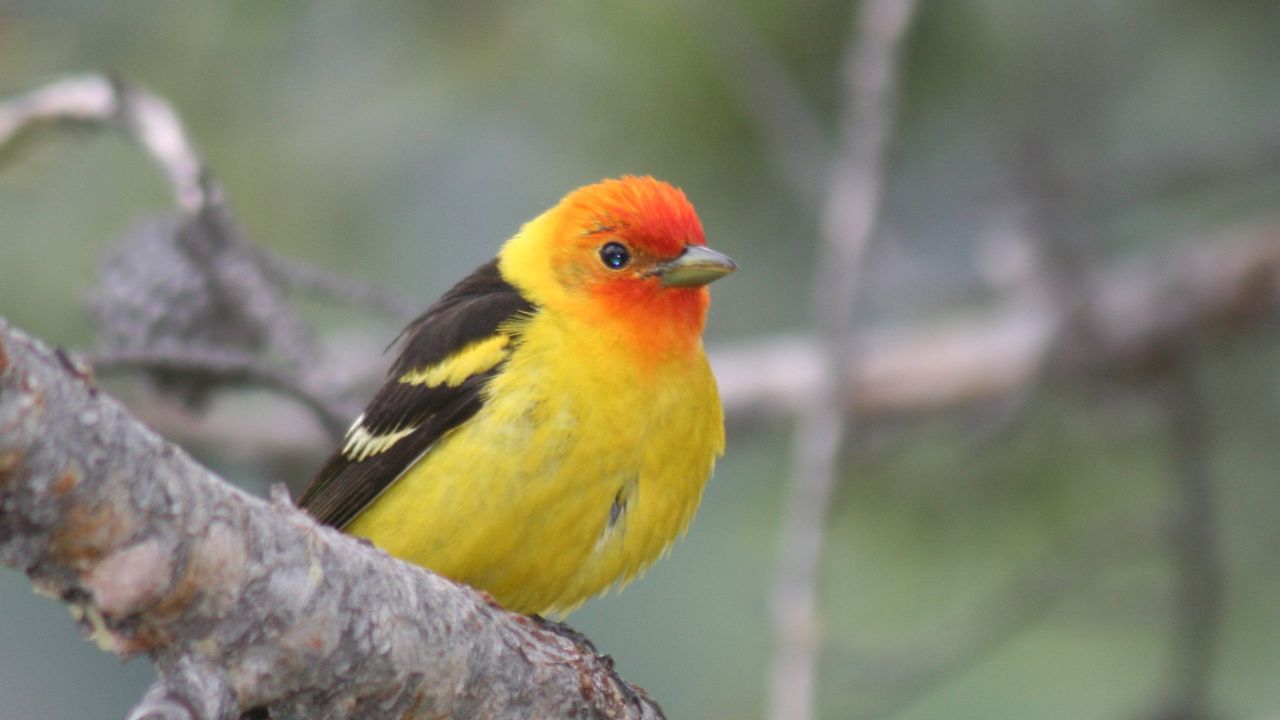
The Western Tanager is a medium-sized songbird with vibrant yellow and red plumage. It is often considered one of the most beautiful birds in North America. Fun fact: The red head coloration in males is due to diet-derived pigments (rhodoxanthin), and is most vivid during breeding.
Where It Lives: Found in western North America, favoring coniferous forests and woodlands. They migrate to Mexico in the winter.
How to Attract It: Plant fruiting trees and shrubs like serviceberry; offer orange halves during migration. Place multiple feeders around your yard with a variety of seeds, fruits, and insects to attract this diverse feeder. They also enjoy water sources such as bird baths or misting systems for bathing and drinking. Providing nesting materials such as hair or feathers can also entice them to stay in your yard.
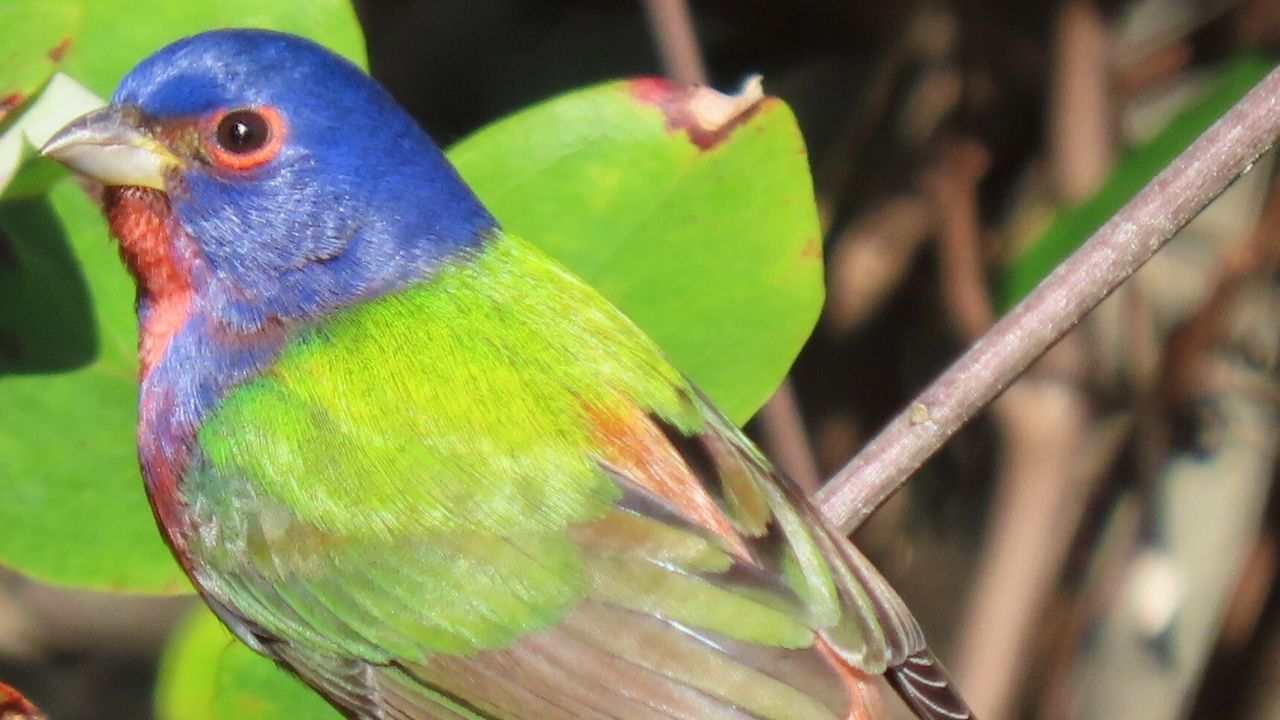
18. Painted Bunting (Passerina ciris)
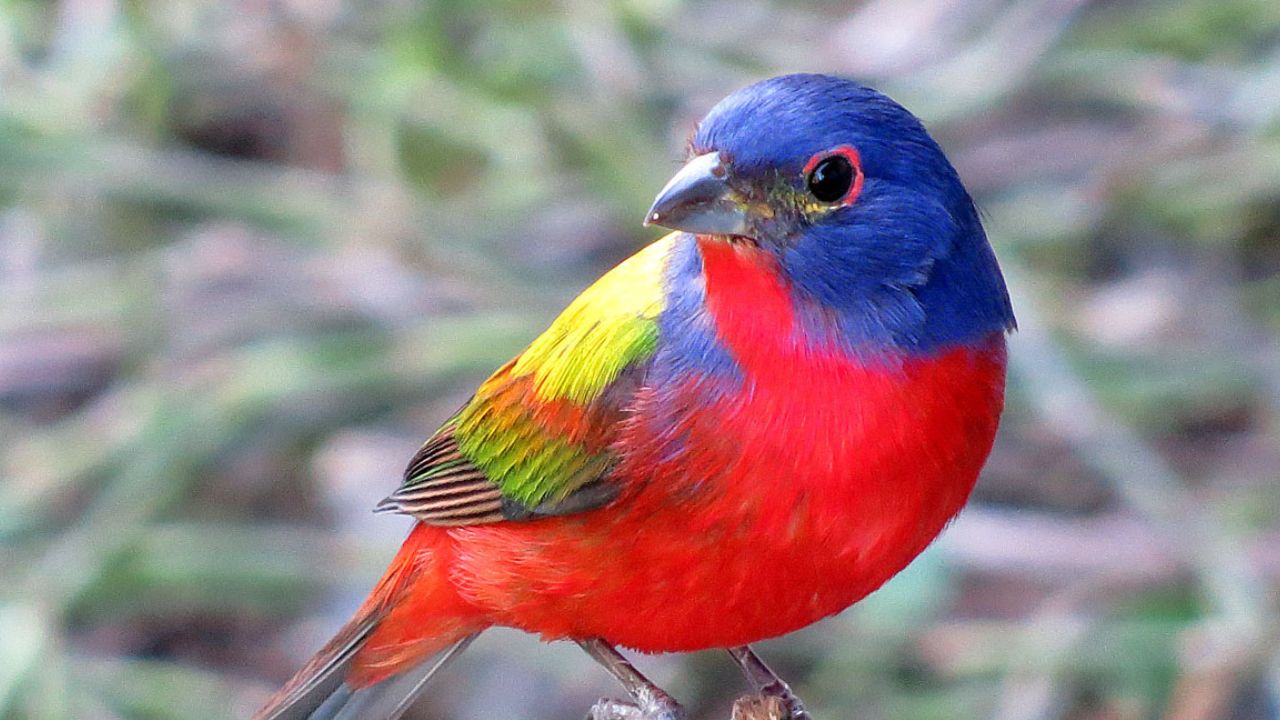
The Painted Bunting is one of the most colorful birds that can be found in North America with their greenish hues. Specifically, the male Painted Bunting boasts vibrant colors of red, blue, green, and yellow.
Where It Lives: The Painted Bunting can be found in the southern United States during breeding season, and it migrates to Mexico, Central America, and the Caribbean during winter. They prefer brushy areas with dense vegetation for nesting and foraging, such as hedgerows, shrubs, and thickets.
How to Attract It: To attract Painted Buntings to your backyard, you can provide a variety of food sources such as sunflower seeds, millet, and fruits. They also require dense vegetation for nesting, so planting native shrubs and trees can help create a suitable habitat.
19. Red Crossbill (Loxia curvirostra)
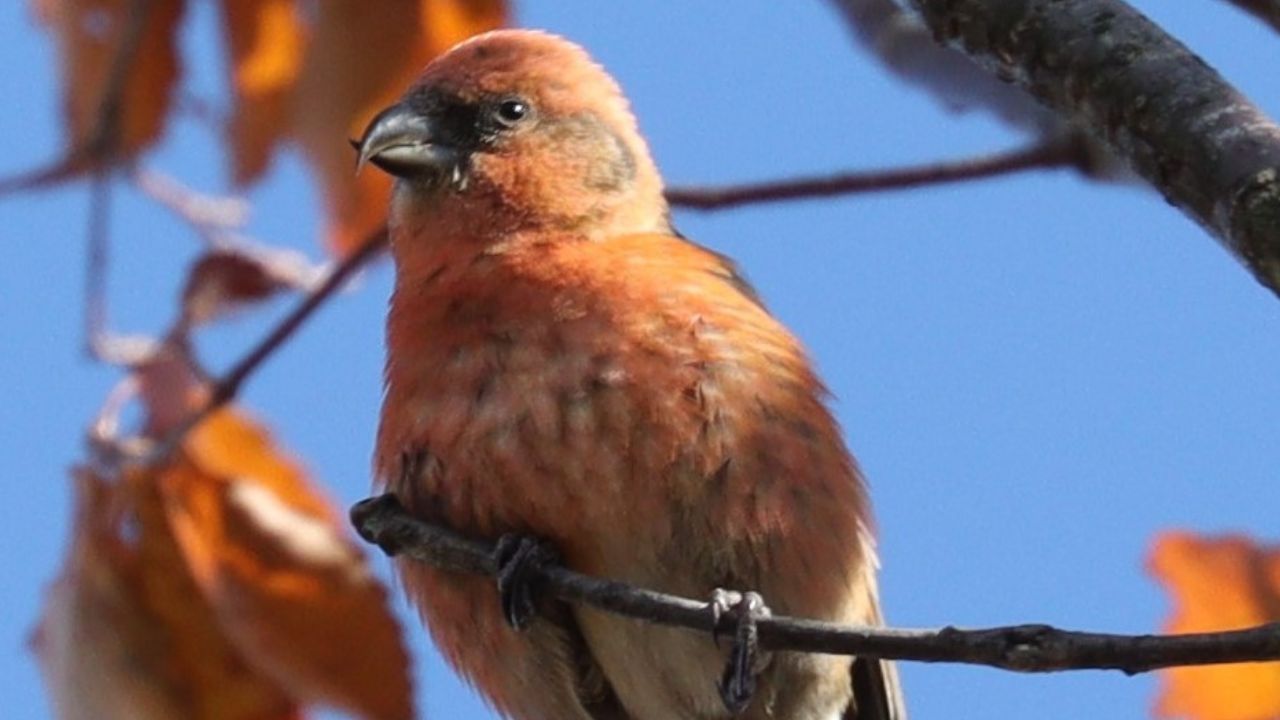
The Red Crossbill is a unique bird species that can be found in North America, Europe, and Asia. They are highly adaptable and can be found in a variety of habitats such as coniferous forests, deciduous forests, and even urban areas.
Where They Live: Found year-round in coniferous forests across the northern and western U.S. Their presence is highly erratic depending on cone availability.
How to Attract It: Plant evergreens or provide black-oil sunflower seeds; they’re nomadic, so visits may be seasonal.
Adding Living Color to Your Yard
Adding red birds to your garden doesn’t just bring color—it creates a lively, dynamic environment full of song and beauty. By incorporating the right plants, feeders, and water sources, you’ll attract a wide variety of these vibrant avian visitors.
Whether you’re an avid birdwatcher or simply want more life in your yard, these 16 dazzling birds are sure to captivate and delight.