12 Plants Commonly Grown That Are Illegal in Some States
Plants can bring beauty, shade, and biodiversity to your backyard, but not all plants are welcome. Some species are outright illegal to grow in parts of the United States due to their invasive nature, harm to local ecosystems, or direct danger to human and animal health. Many of these plants spread unintentionally through wind, water, or animals, making them difficult to manage. Others are attractive but come with heavy restrictions. Additionally, there are even more harmful plants you should be cautious of that aren’t on this list, such as poison hemlock and….
Before digging into the specifics, remember that cultivating plants illegally can result in fines or worse. Avoid planting these species and stay informed about local regulations to maintain an eco-friendly and lawful garden. Below, we’ll cover 12 plants you’ll want to avoid growing in your backyard and legitimate alternatives to consider instead.
Note: Not every plant is illegal on this list; some are more heavily regulated due to safety concerns and are still worth mentioning for building awareness.
1. Kudzu
“The Vine That Ate the South”
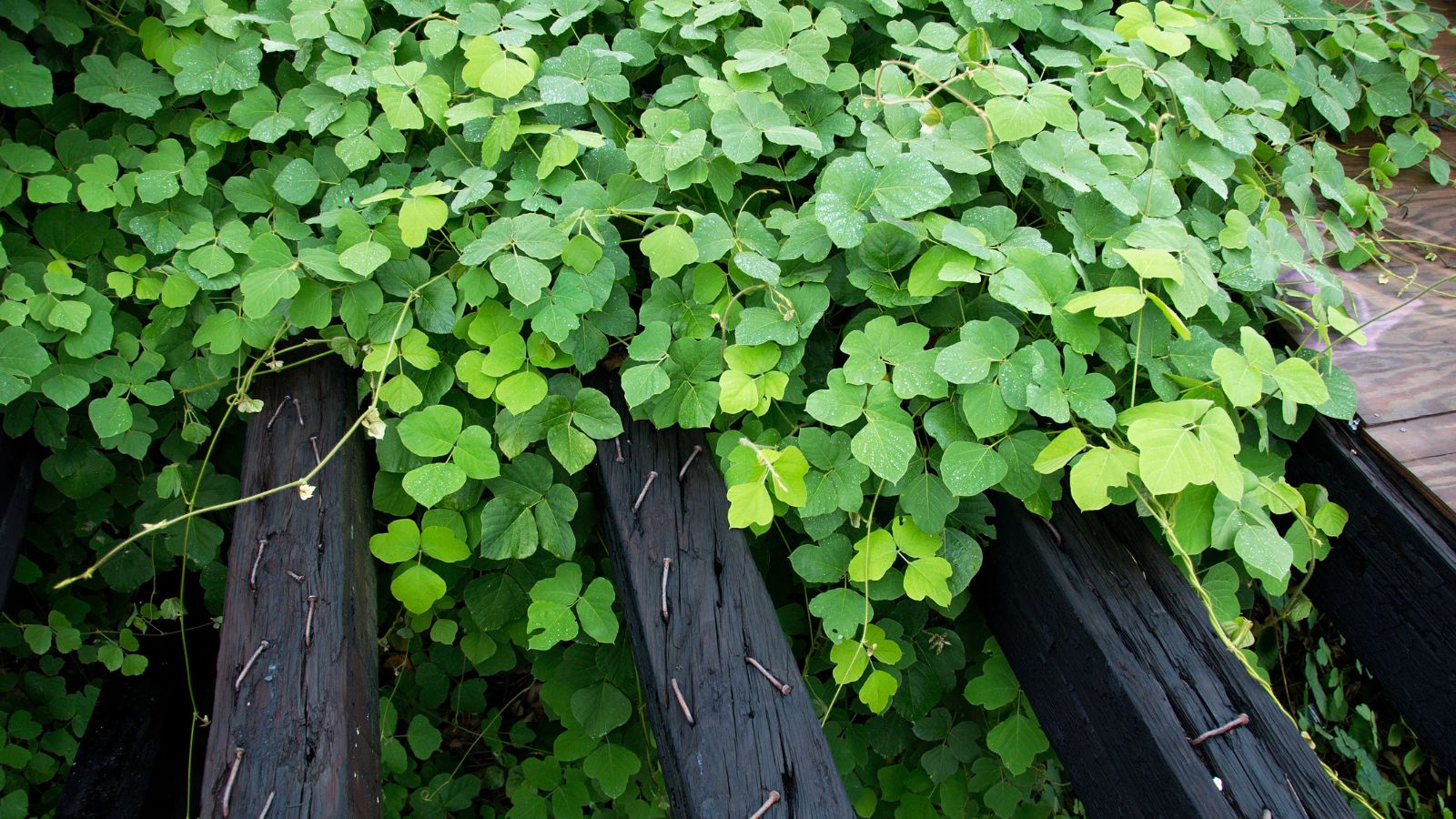
Kudzu (Pueraria montana) has become infamous for its ability to overtake entire landscapes. Originally introduced for erosion control, this fast-growing vine now smothers native plants and trees across multiple states in the Southeast, including Georgia and South Carolina. It’s illegal to plant kudzu in most Southern states due to its aggressive nature and potential to destabilize ecosystems.
What to Plant Instead
If you need dense ground cover, look for native alternatives like creeping phlox (Phlox stolonifera) or Virginia creeper (Parthenocissus quinquefolia). These species are better for local environments and don’t pose invasive risks.
2. Giant Hogweed
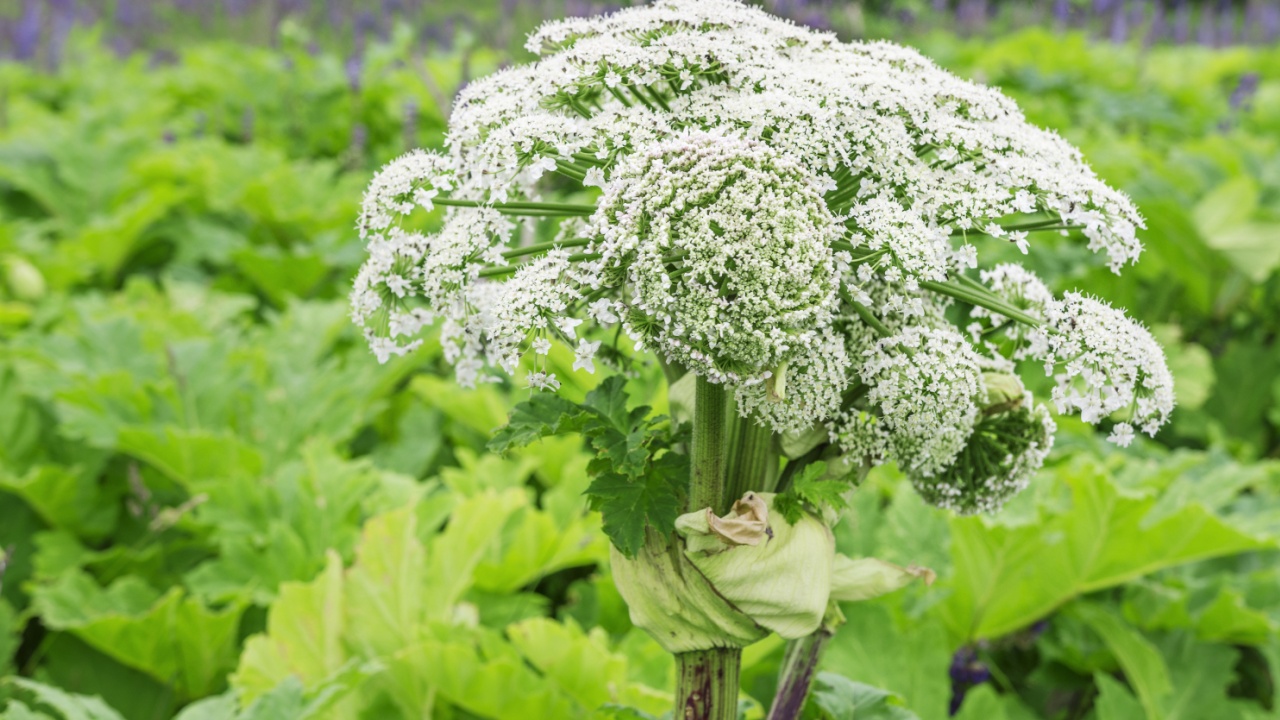
Dangerous Beauty That Can Harm Humans
Giant hogweed (Heracleum mantegazzianum) is visually stunning but poses a serious risk. The sap from this plant can cause severe burns, blisters, and long-term skin sensitivity when exposed to sunlight. Found in Eastern states like New York and parts of Washington, this plant is classified as a noxious weed and is illegal to grow intentionally.
Safer Alternatives
For gardeners drawn to its appearance, cow parsnip (Heracleum maximum) or angelica (Angelica archangelica) offer similar aesthetics without the health risks.
3. Japanese Barberry
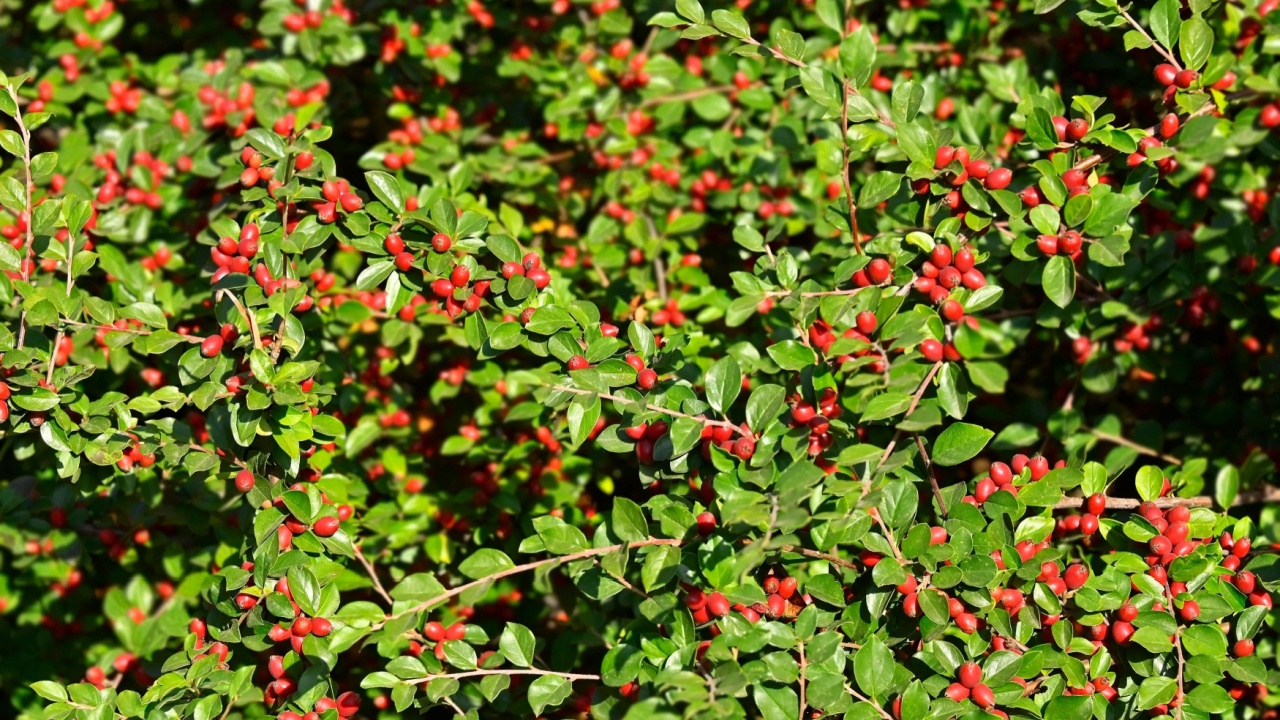
A Shrub With a Dark Side
Japanese barberry (Berberis thunbergii) may look harmless with its ornamental appeal, but it’s invasive in several states, including Massachusetts and New York. This shrub forms dense thickets, pushing out native plants and providing a haven for ticks, increasing the risk of Lyme disease transmission.
How to Replace It
If you’re looking for a vibrant shrub, consider native options like winterberry (Ilex verticillata) or ninebark (Physocarpus opulifolius). These species are eco-friendly and just as beautiful.
4. Mimosa Tree
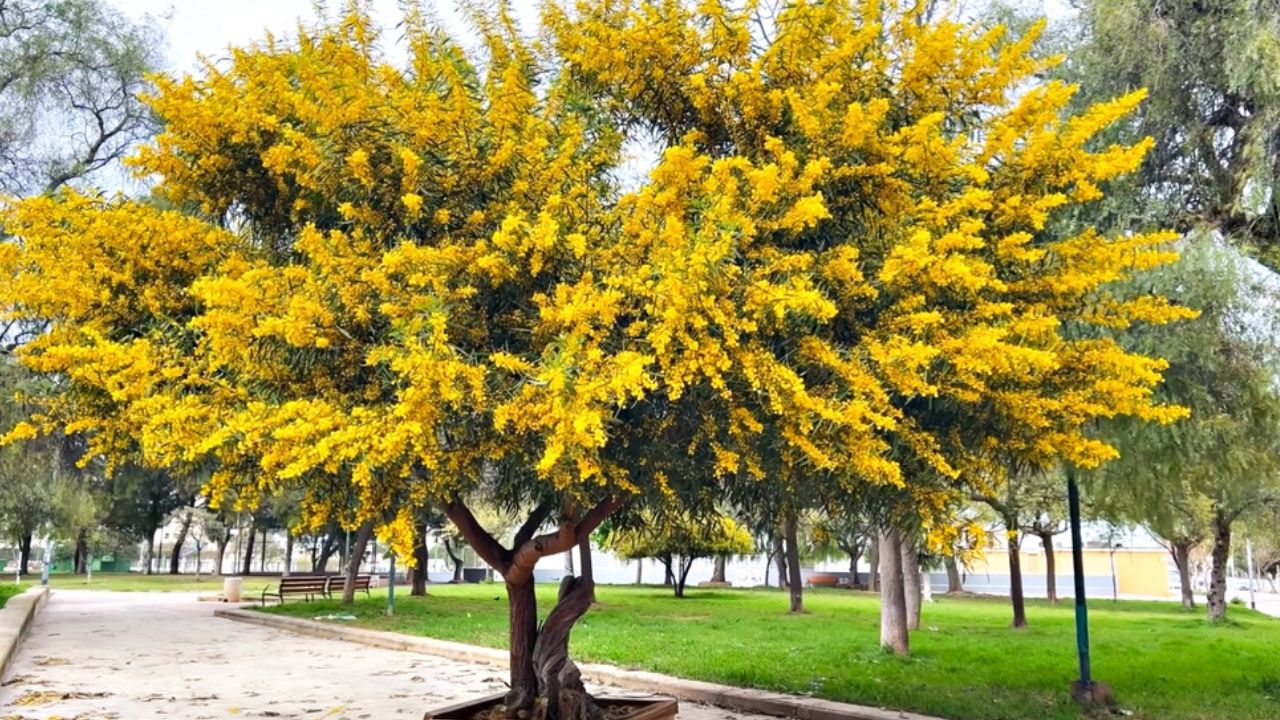
Pretty But Problematic
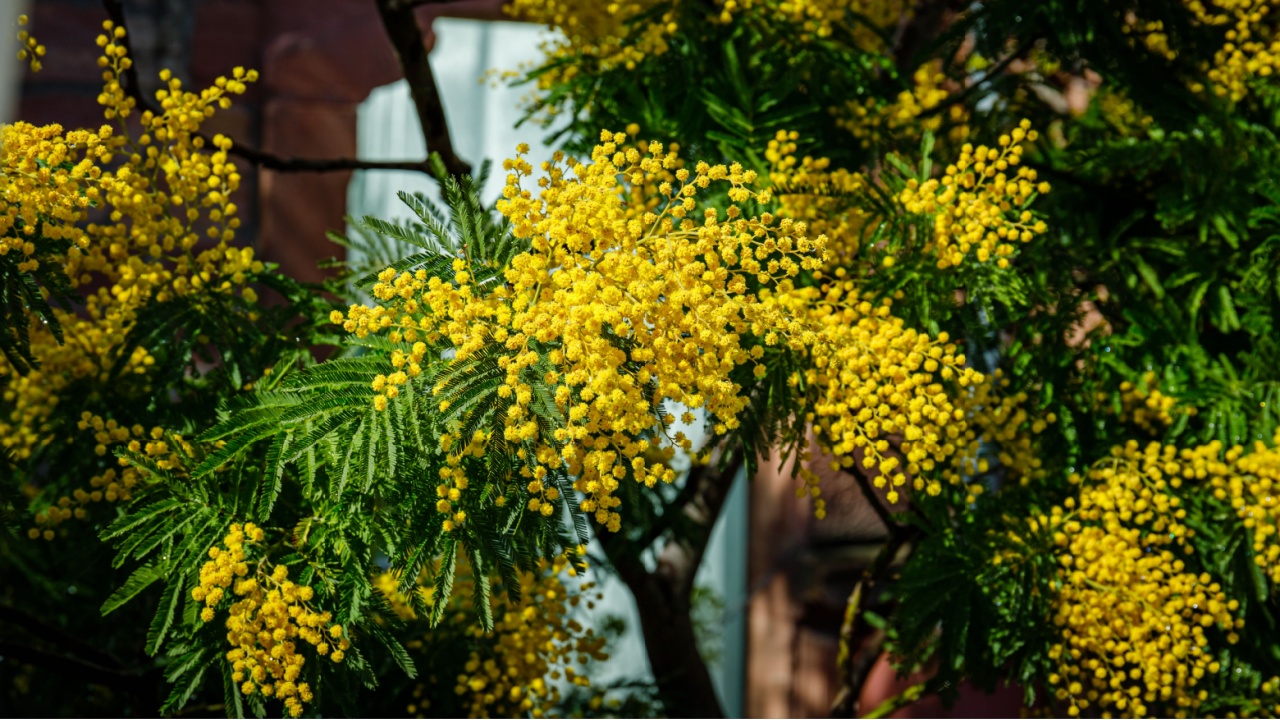
The mimosa tree (Albizia julibrissin) is loved for its soft pink flowers, but it is a significant invasive species in the Southeastern U.S., especially in Florida. It spreads aggressively and displaces native trees and plants, making it illegal to plant in some regions.
Eco-Friendly Alternatives
Instead of a mimosa tree, consider planting a dogwood (Cornus florida) or redbud (Cercis canadensis). Both are native options that provide stunning flowers and support local wildlife.
Clarification: While invasive in the Southeastern U.S., direct legal bans are less commonly documented. Many sources focus on control rather than outright statewide prohibition.
5. Purple Loosestrife
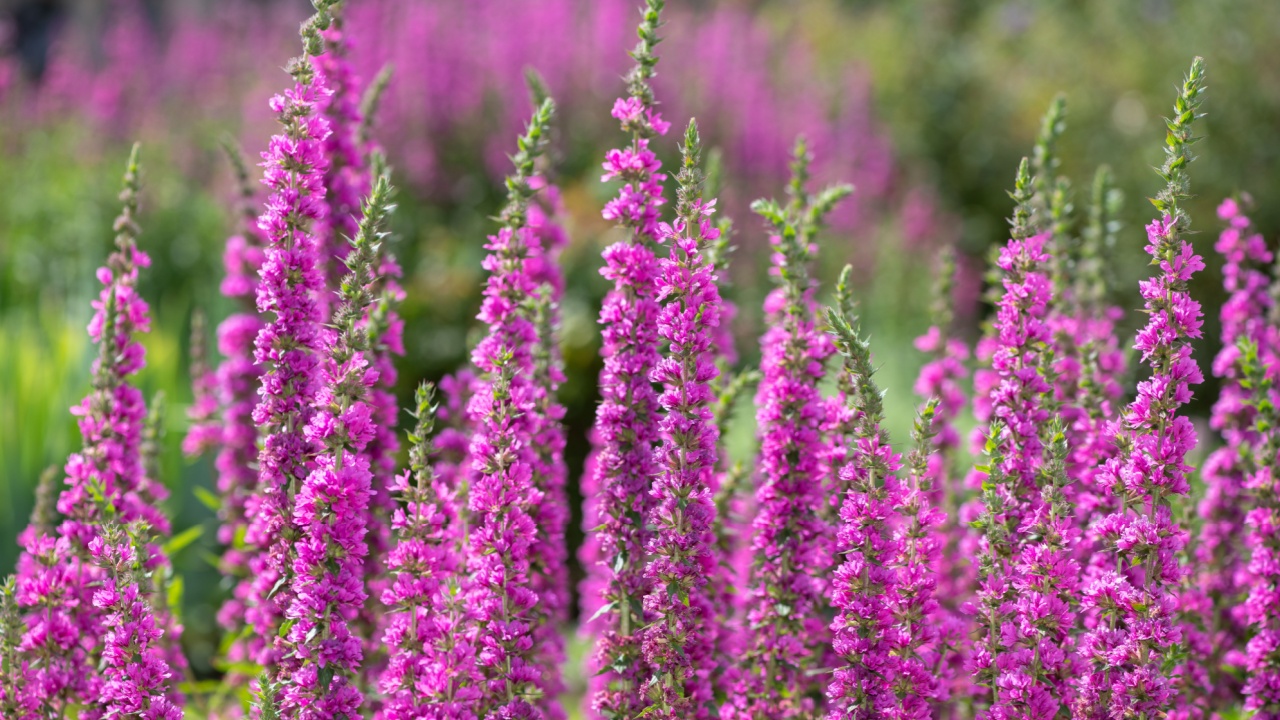
A Danger to Wetlands
Purple loosestrife (Lythrum salicaria) is as vibrant as it is destructive. This invasive plant has wreaked havoc in wetlands across the Midwest, especially in states like Minnesota and Illinois. Its dense growth displaces critical native plants and reduces habitat areas for wildlife.
A Safe Option
Substitute purple loosestrife with blazing star (Liatris spicata) or bee balm (Monarda), both of which are beneficial to pollinators and add similar color to your garden.
6. Water Hyacinth
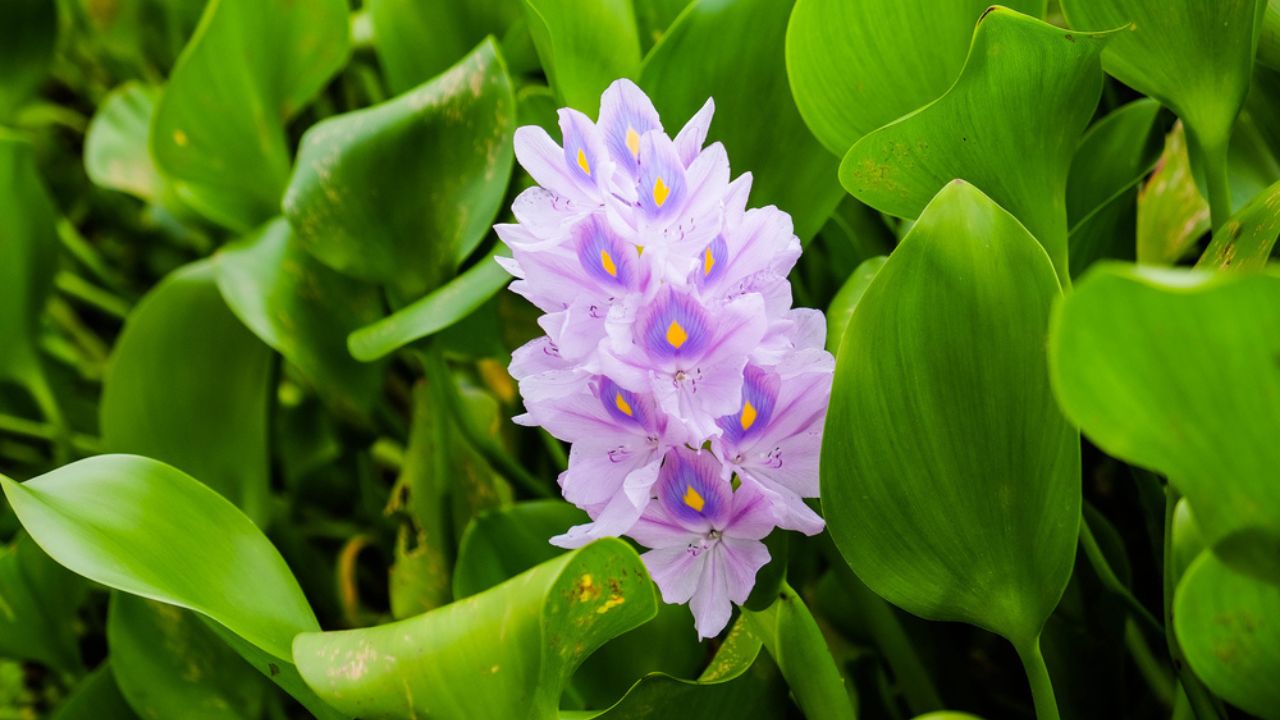
Beautiful But Destructive
Water hyacinth (Eichhornia crassipes) is a floating aquatic plant with striking lavender blooms. Unfortunately, it spreads rapidly, clogging waterways, harming aquatic life, and diminishing water quality. States like Florida and Texas strictly prohibit the cultivation of water hyacinth.
What to Grow in Your Pond
For backyard ponds, consider pickerelweed (Pontederia cordata) or water lilies (Nymphaea). These native aquatic plants enhance ecosystems without risking your local waterways.
7. Cannabis

Controlled for Good Reasons
This plant is on the list due to regulation, not invasiveness (like most options listed here). While some states have legalized cannabis (Cannabis sativa) for medicinal or recreational purposes, its cultivation often comes with strict regulations. Growing cannabis without proper authorization, even in states where it’s legal, can lead to fines or criminal charges.
Medicinal Herb Alternatives
Try cultivating plants like lavender (Lavandula), chamomile (Matricaria chamomilla), or echinacea (Echinacea purpurea) for easy-growing herbs with health benefits.
Clarification: Its cultivation is regulated, not uniformly illegal: legality depends heavily on state law and licensing.
8. Belladonna
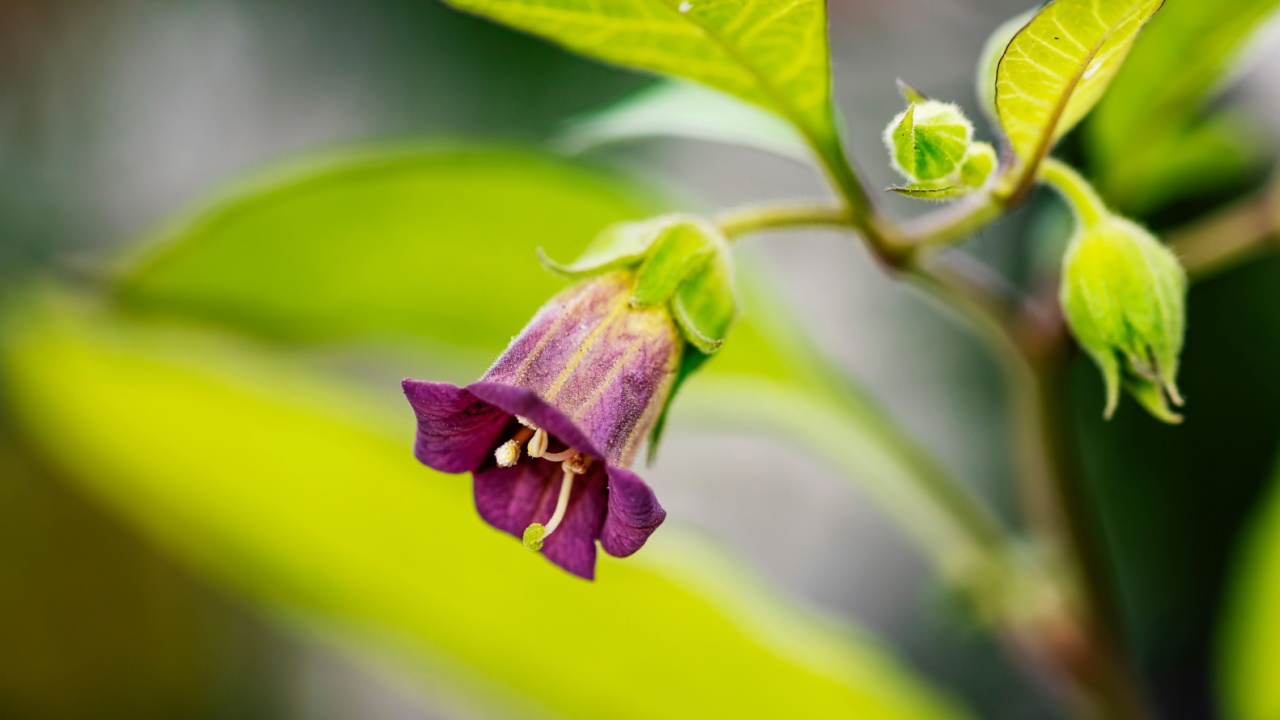
Deadly Nightshade’s Dangerous Reputation
Known as deadly nightshade, belladonna (Atropa belladonna) is toxic to humans and animals. Just a small amount of its berries or foliage can be fatal. Many states restrict their planting due to its extreme toxicity (although it’s not technically illegal, it’s worth a mention for safety reasons).
Toxic-Free Options
For gardeners seeking dramatic dark foliage, try black-eyed Susans (Rudbeckia hirta) or purple coneflowers (Echinacea purpurea) instead.
9. Poison Hemlock
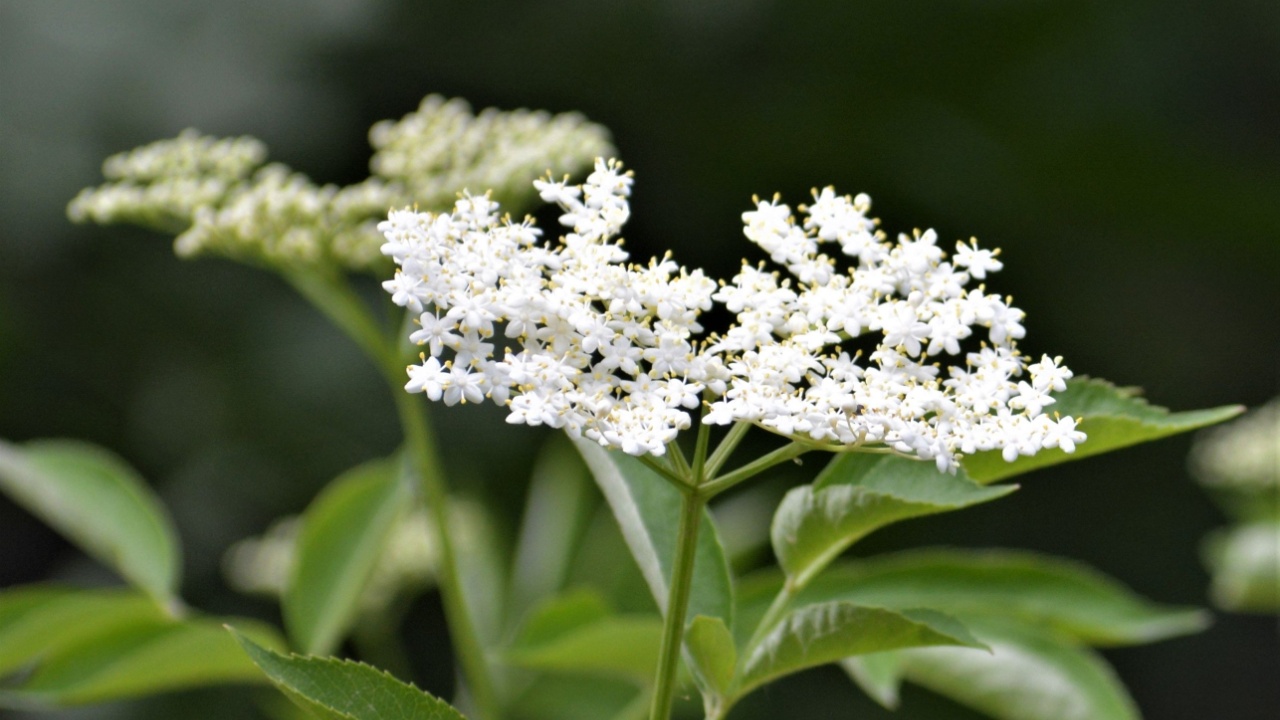
A Historic Poison
Poison hemlock (Conium maculatum) is infamous for its lethal properties and is tightly regulated across the U.S. Resembling Queen Anne’s lace, this plant poses risks of accidental ingestion for humans and livestock. Its spread has increased unintentionally via waterways and wind.
Safe Substitutes
Replace with harmless, lacy-looking plants like false carrot (Ammi majus) or yarrow (Achillea millefolium).
Clarification: Highly toxic and a regulated noxious weed in some areas (e.g., Utah’s noxious weed list), but not consistently illegal to grow nationwide under horticultural laws.
10. Multiflora Rose

A Thorny Problem
Once planted to prevent soil erosion, multiflora rose (Rosa multiflora) is now considered invasive in many states, including Pennsylvania and Virginia. This fast-spreading plant forms dense thickets that suppress native species.
Native Roses Are Better
Choose native roses like Carolina rose (Rosa carolina), which support local pollinators without harming the ecological balance.
11. Castor Bean
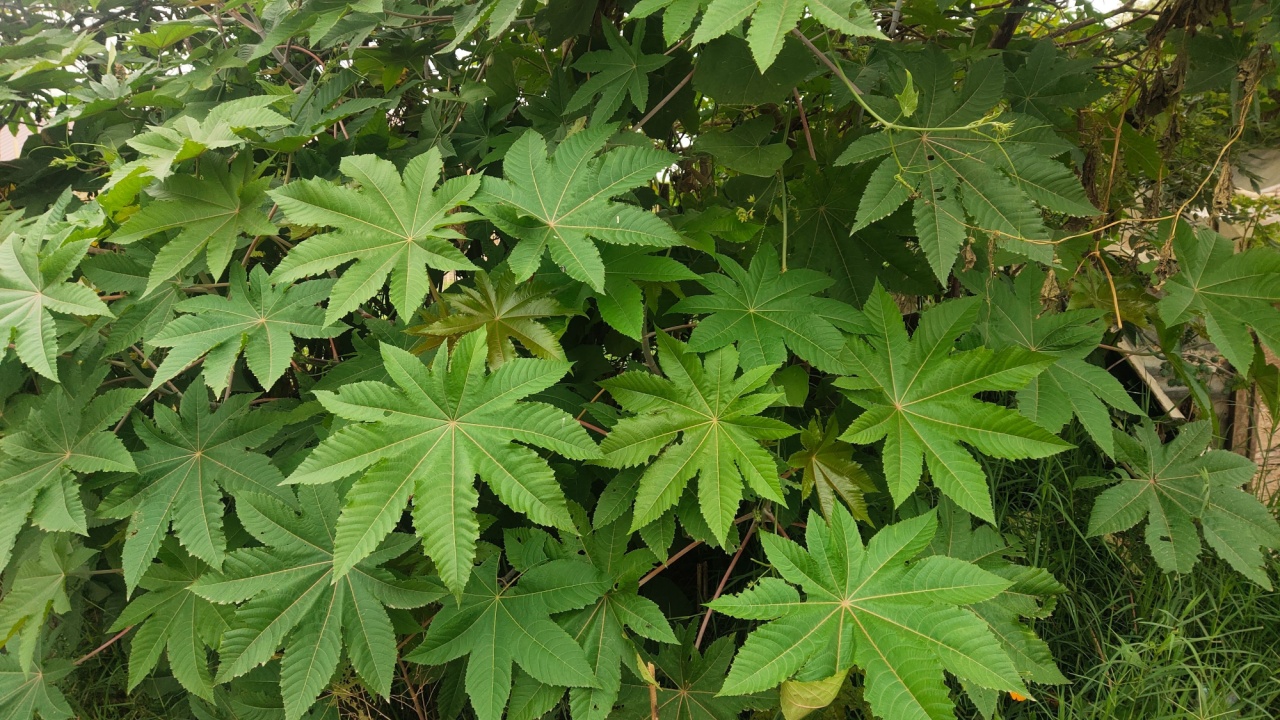
Toxic and Troublesome
Though popular in ornamental gardens, castor bean (Ricinus communis) is highly toxic, with seeds containing ricin. Many areas discourage its cultivation due to the dangers it poses to pets, livestock, and humans.
Similar Aesthetics Without the Risk
For dramatic height and bold foliage, consider growing elephant ear (Colocasia) or canna lily (Canna).
Clarification: Extremely toxic seeds (ricin) justify caution, yet it does not appear on federal or state prohibited-plant lists widely—its restriction is more advisory than legal.
12. Garlic Mustard
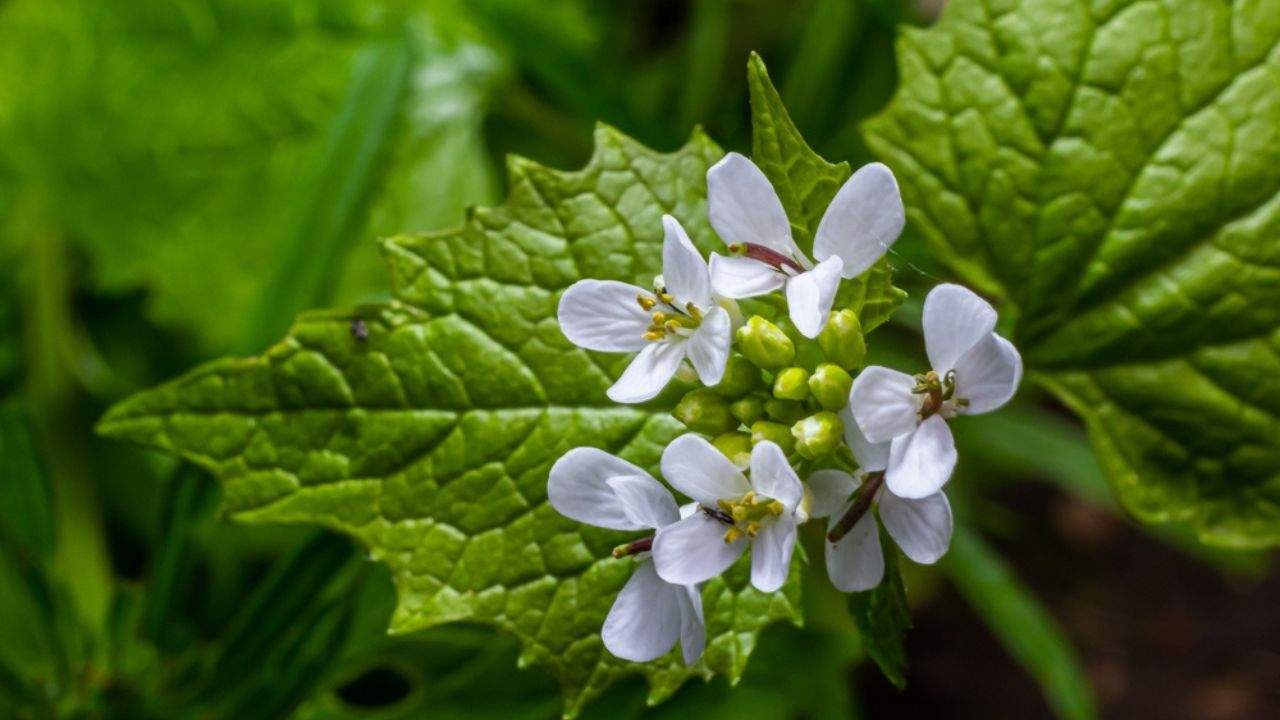
A Small Plant With a Big Problem
Garlic mustard (Alliaria petiolata) crowds out native woodland wildflowers and grasses. It spreads rapidly and is regulated in states like Wisconsin and Michigan.
Consider Native Herbs
If you’re after an edible plant, try indigenous herbs such as golden alexanders (Zizia aurea). These support ecosystems while adding a culinary benefit.
Other Plants Worth Mentioning
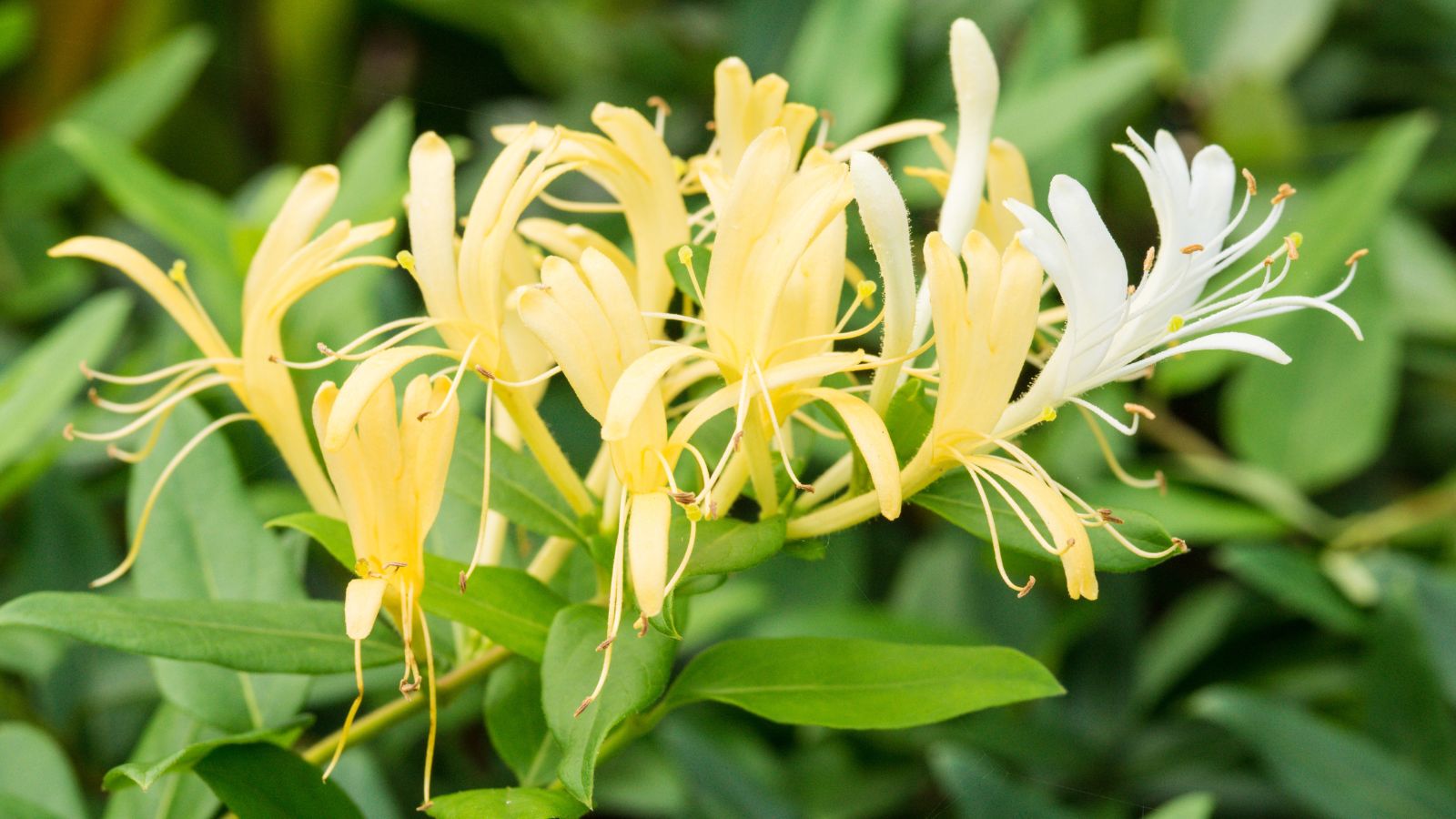
Here are a few other plants with state regulations worth mentioning.
- Japanese Honeysuckle (Lonicera japonica): Banned or prohibited in states including Connecticut, Massachusetts, Vermont, Indiana, New Hampshire, Wisconsin and Ohio
- Scotch Broom (Cytisus scoparius): Prohibited in places like California and Oregon due to high invasiveness and fire risk
- Cogongrass, Russian Olive, Yellow Iris, and others appear on many states’ prohibited lists—especially in Ohio, California, Alaska, and the Midwest
- Euphorbia myrsinites (Myrtle spurge): Illegal in Colorado, Oregon, and Salt Lake County, Utah, classified as a noxious weed
Not Worth the Risk
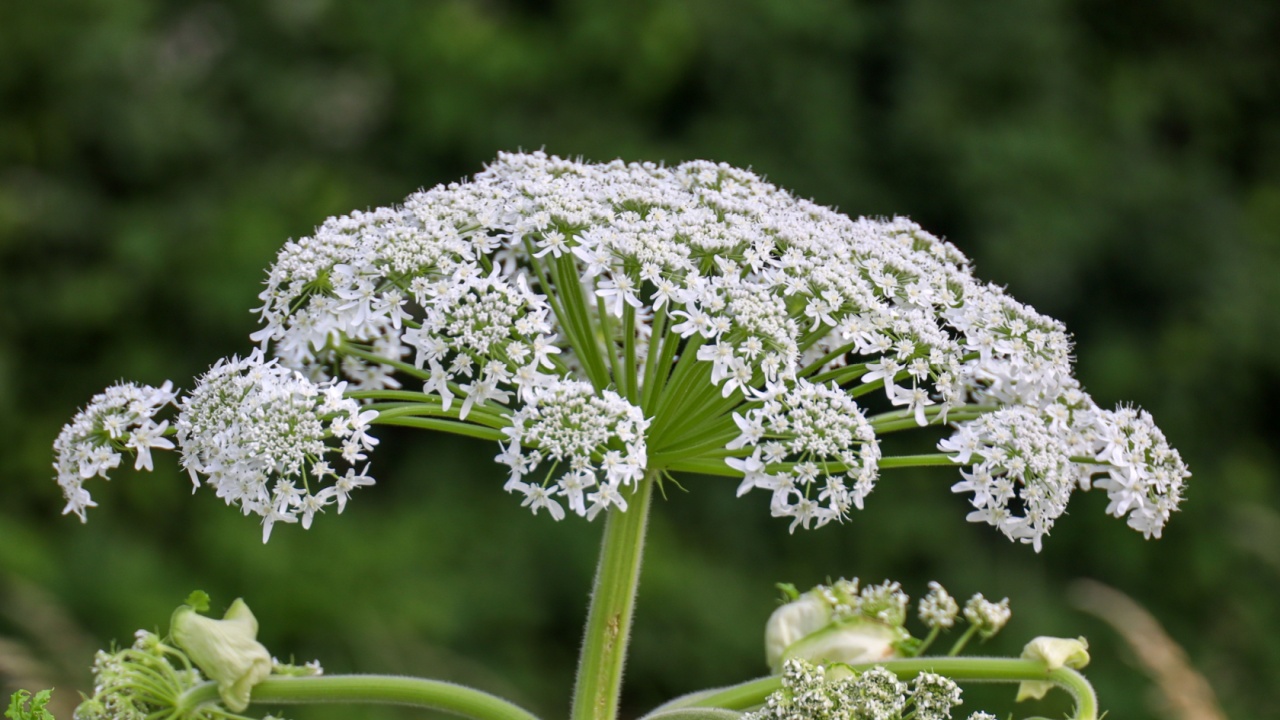
While some plants may look enticing, the ecological impact and legal risks make them poor choices for your garden. It’s vital to research local regulations and prioritize native or non-invasive species that work harmoniously with your environment. By doing so, you not only protect your garden but also contribute to the health of surrounding ecosystems. Make sustainable choices, and your garden will thrive for years to come.
Read more:
15 Plants That Are Illegal to Have in the U.S.
Experts Warn to Avoid These 9 Problem Plants in the Garden, Especially If You’re a Beginner