17 Plants That Help Keep Nibbling Rabbits Out of Your Garden
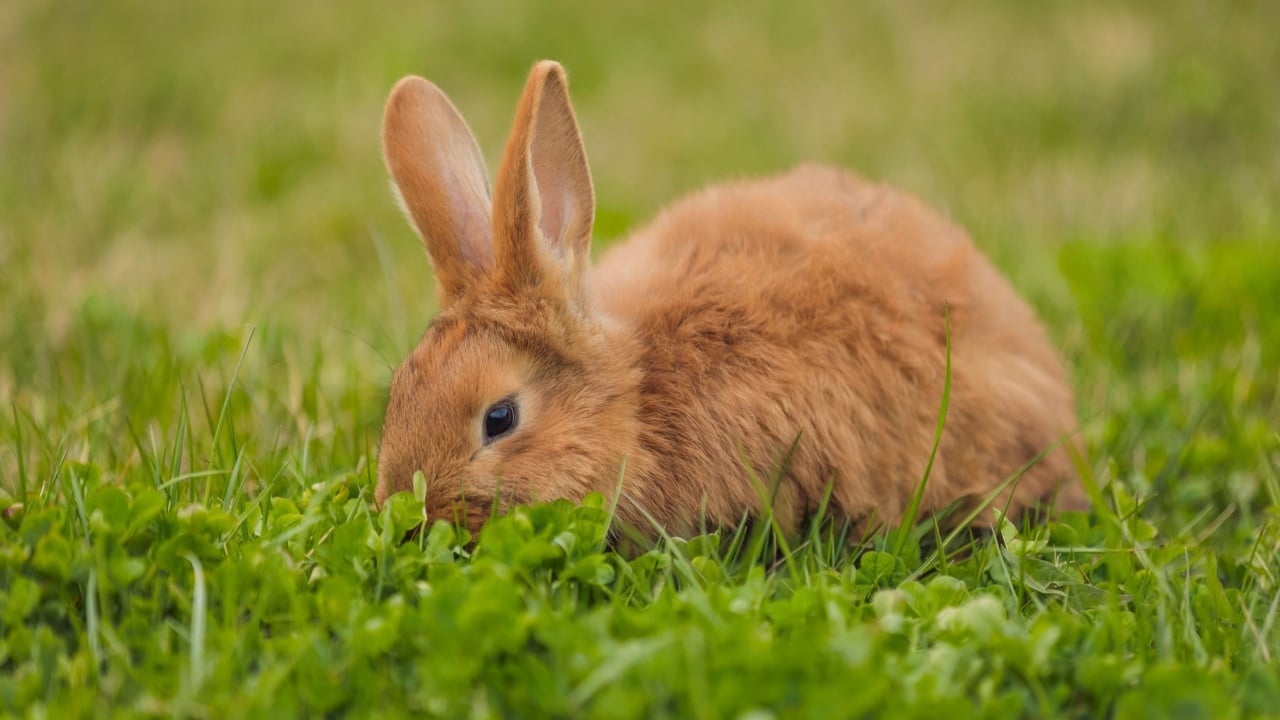
Rabbits may be adorable, but they can wreak havoc on a garden. These furry critters have a voracious appetite for tender greens, flowers, and even the bark on trees. Fortunately, gardeners have an arsenal of plants that rabbits naturally avoid due to strong scents, tough textures, or unappealing tastes. Including these plants in your garden can help deter rabbits and keep your flowers and vegetables safe (for the most part).
Here’s a list of 17rabbit-resistant plants, along with tips on how to care for them and insights into why they are effective at keeping bunnies at bay.
1. Lavender (Lavandula angustifolia)
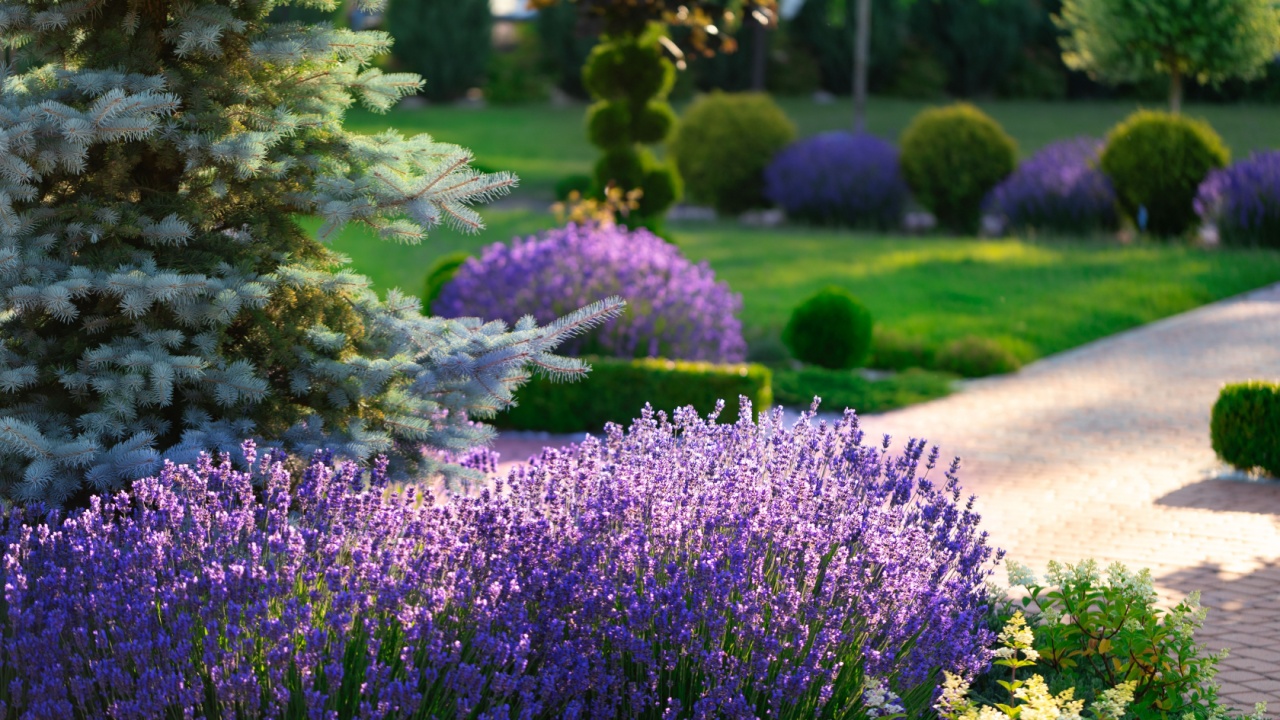
Lavender is a fragrant herb that’s unpleasant to rabbits but beloved by gardeners and pollinators. Its strong aroma deters rabbits from nibbling on its leaves and flowers, making it an excellent choice for lining flowerbeds.
Care Tips
- Sunlight: Requires full sun to thrive.
- Watering: Prefers well-drained soil and requires minimal watering once established.
- Pruning: Trim plants annually to maintain their shape and encourage new growth.
2. Mint (Mentha spp.)
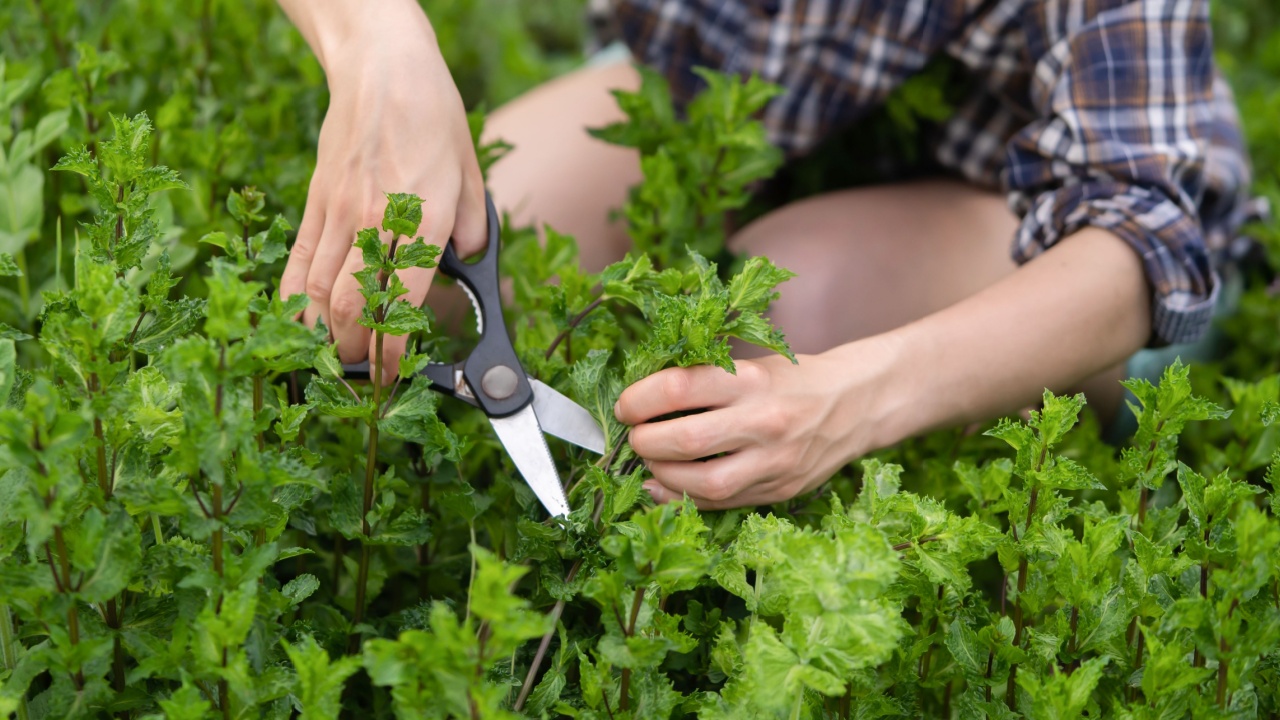
Mint’s strong, pungent scent is another turnoff for rabbits. Its vigorous growth also makes it a reliable ground cover, though gardeners should be mindful of its tendency to spread.
Care Tips
- Sunlight: Thrives in partial shade to full sun.
- Watering: Keep the soil consistently moist but well-drained.
- Spread Management: Plant in containers or bordered garden beds to control spreading.
3. Daffodils (Narcissus spp.)
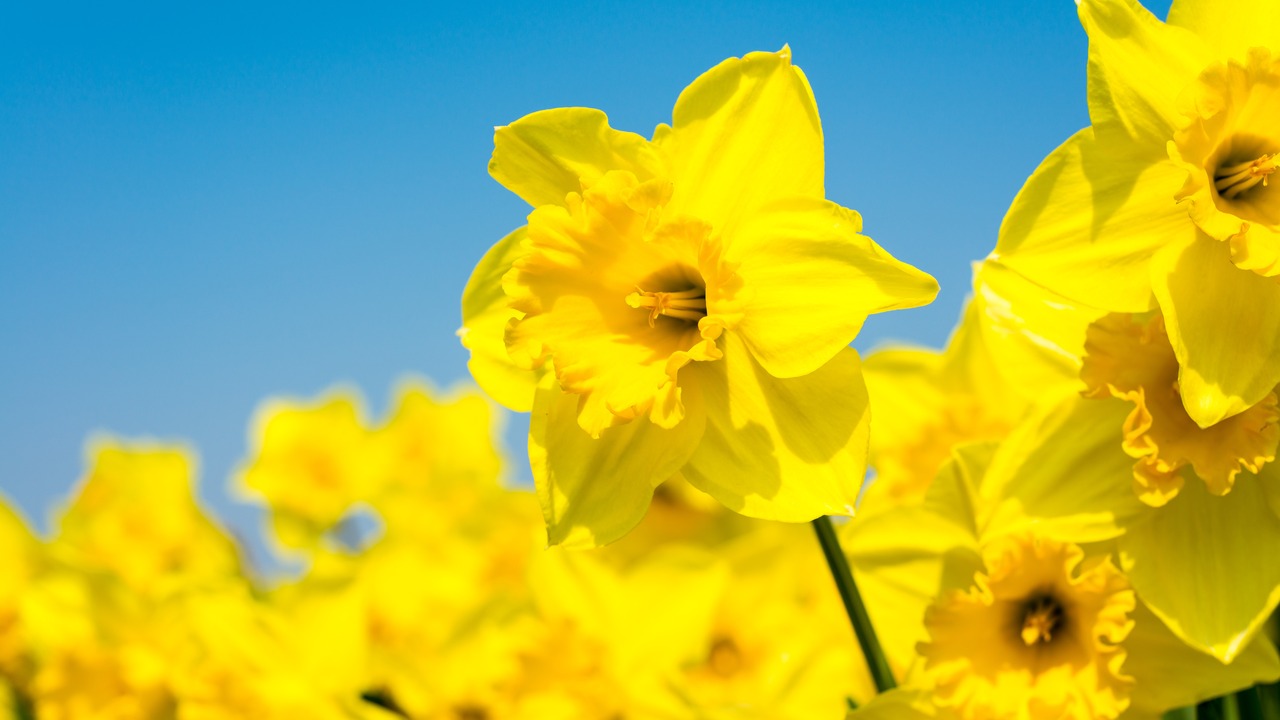
These cheerful flowers are one of the most rabbit-resistant bulbs. All parts of daffodils, including their leaves, flowers, and bulbs, are toxic to rabbits, so they tend to steer clear.
Care Tips
- Sunlight: Grow in full or partial sun.
- Watering: Ensure soil is well-drained and water sparingly to avoid bulb rot.
- Planting Time: Plant bulbs in the fall for spring blooms.
4. Sage (Salvia officinalis)
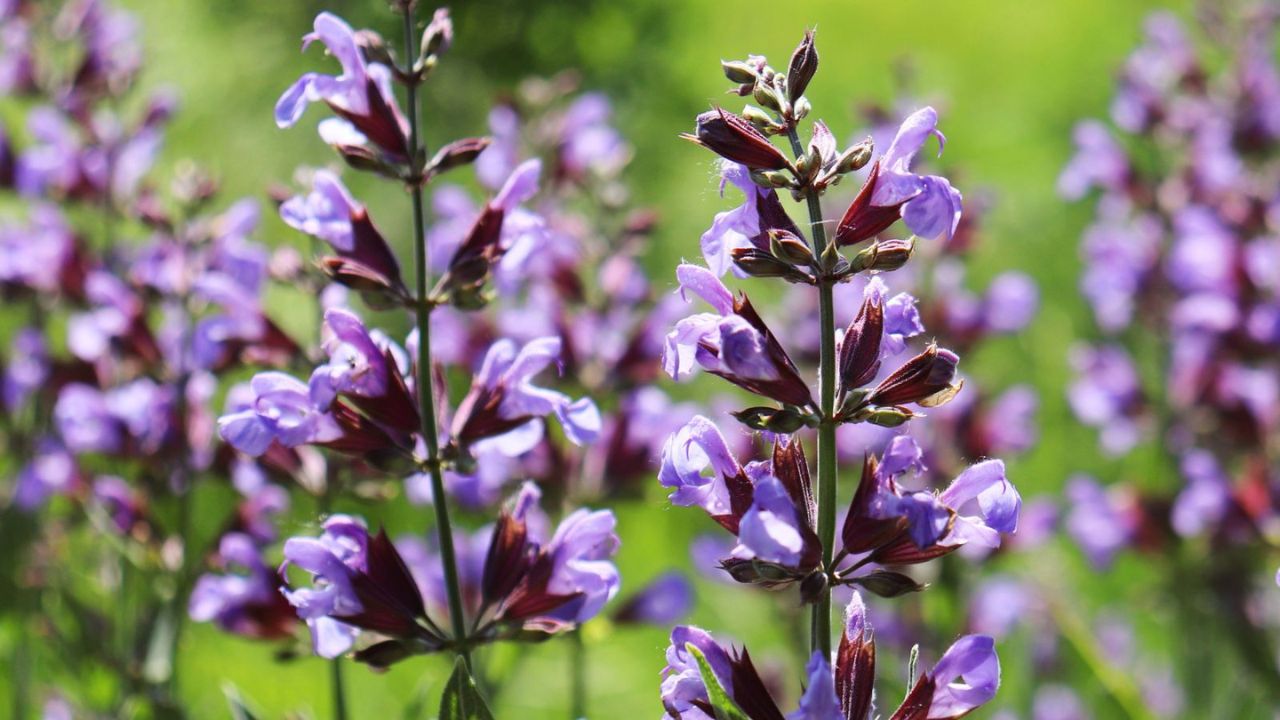
Sage’s leathery texture and earthy aroma are highly effective at keeping rabbits away. This herb also works beautifully as a border plant or in an herb garden.
Care Tips
- Sunlight: Thrives in full sun.
- Watering: Prefers well-drained soil and requires little water once established.
- Pruning: Remove woody stems to encourage fresh, aromatic growth.
5. Marigolds (Tagetes spp.)
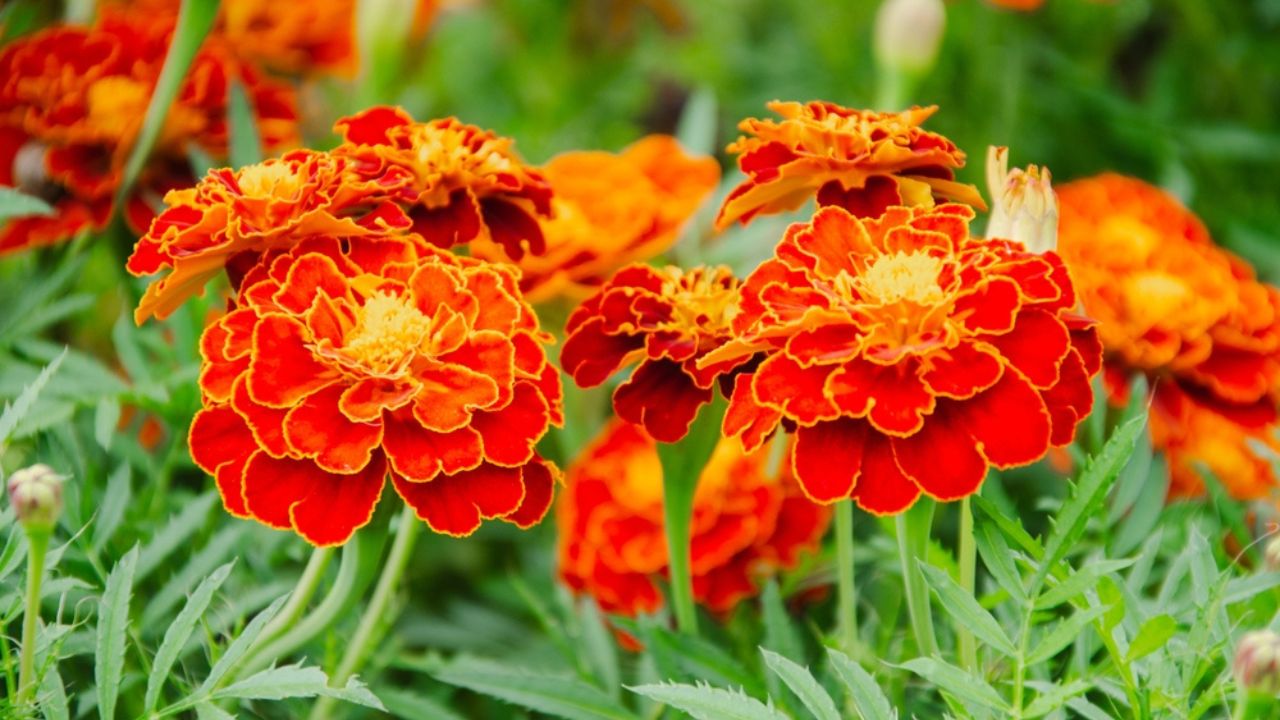
Marigolds are not only stunning with their vibrant yellow and orange hues but also unappetizing to rabbits. Their scent seems to repel more than just rabbits, making them a multi-purpose garden ally.
Care Tips
- Sunlight: Requires full sun.
- Watering: Allow the soil to dry between waterings.
- Companion Planting: Plant marigolds around vegetables to protect more vulnerable plants.
6. Oregano (Origanum vulgare)

Oregano is an aromatic herb that rabbits dislike due to its strong scent. It’s ideal as a ground cover or for use in herb gardens where you can easily harvest it for culinary purposes.
Care Tips
- Sunlight: Grows best in full sun.
- Watering: Thrives in dry, well-drained soil.
- Maintenance: Prune regularly to prevent the plant from becoming too woody.
7. Garlic (Allium sativum)

Garlic’s potent aroma acts as a natural rabbit repellent. This versatile plant can also protect other vegetables by masking their scent.
Care Tips
- Sunlight: Full sun is essential for healthy bulbs.
- Watering: Keep soil consistently moist, but reduce water as the bulbs mature.
- Planting Time: Plant cloves in the fall for summer harvesting.
8. Rhododendron (Rhododendron spp.)
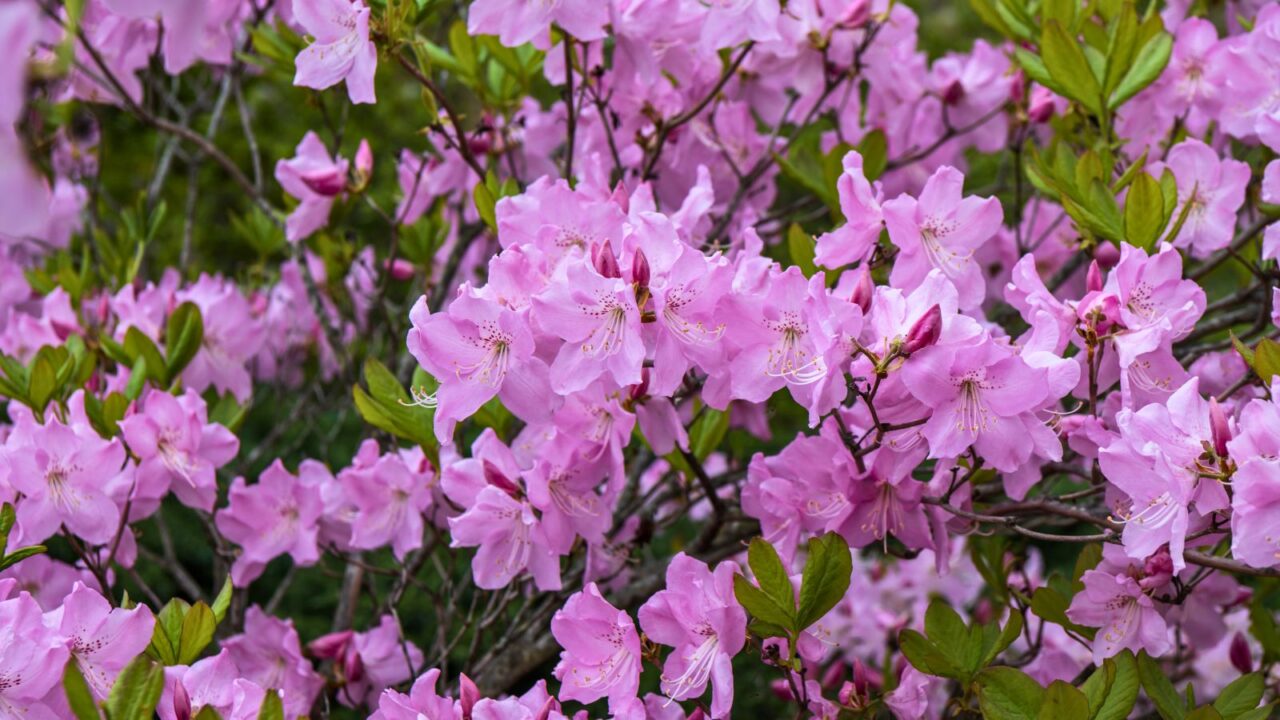
Rhododendrons are a vibrant addition to any garden, and their leathery, bitter leaves are unappealing to rabbits. These shrubs also add pops of color with their lush, bright blooms.
Care Tips
- Sunlight: Best in partial shade.
- Watering: Keep soil moist and mulch to retain water.
- Pruning: Prune after flowering to reshape or remove spent blooms.
9. Salvia (Salvia spp.)
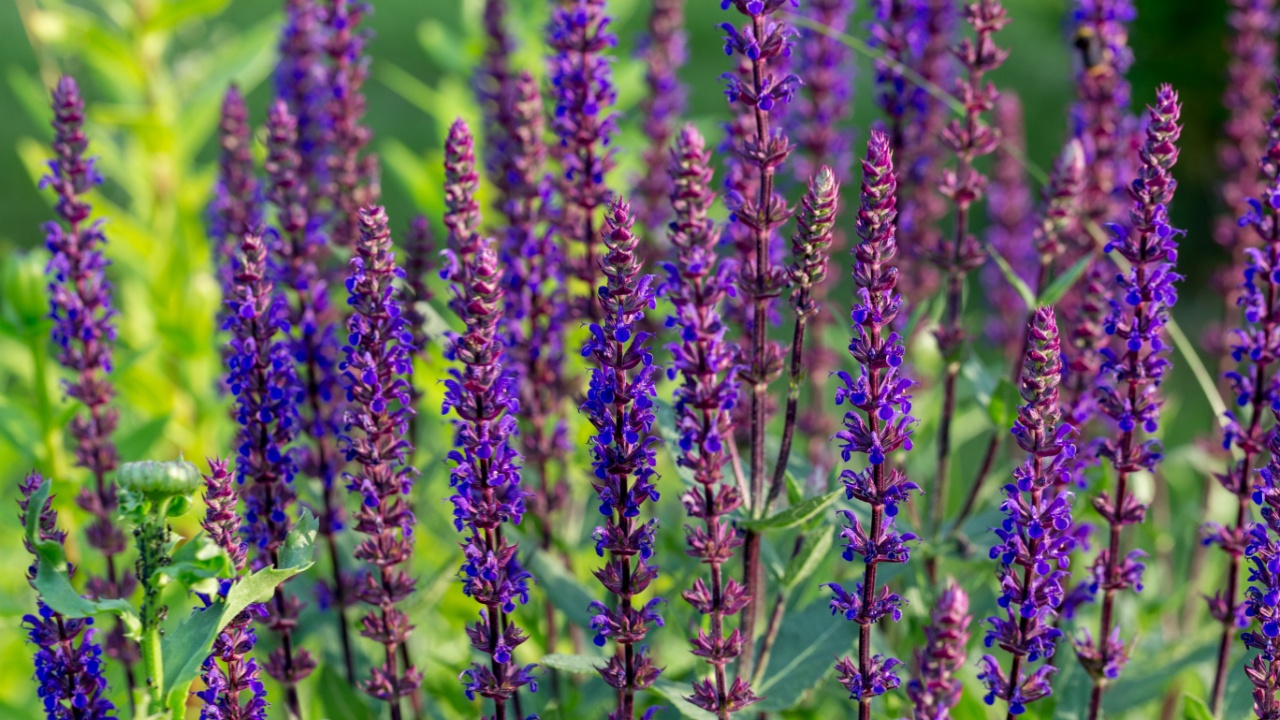
Beyond sage, ornamental varieties of salvia are equally effective at deterring rabbits. Their fragrant foliage and tall, spiky flowers create a colorful visual barrier.
Care Tips
- Sunlight: Requires full sun.
- Watering: Water sparingly; these plants tolerate dry conditions.
- Maintenance: Deadhead flowers for extended blooming.
10. Onions (Allium cepa)

Much like garlic, onions produce a strong aroma that rabbits want nothing to do with. They also double as a tasty crop for gardeners.
Care Tips
- Sunlight: Needs full sun for optimal growth.
- Watering: Water regularly; ensure soil drains well.
- Spacing: Plant bulbs or seeds with plenty of space to allow for bulb development.
11. Geranium (Pelargonium spp.)
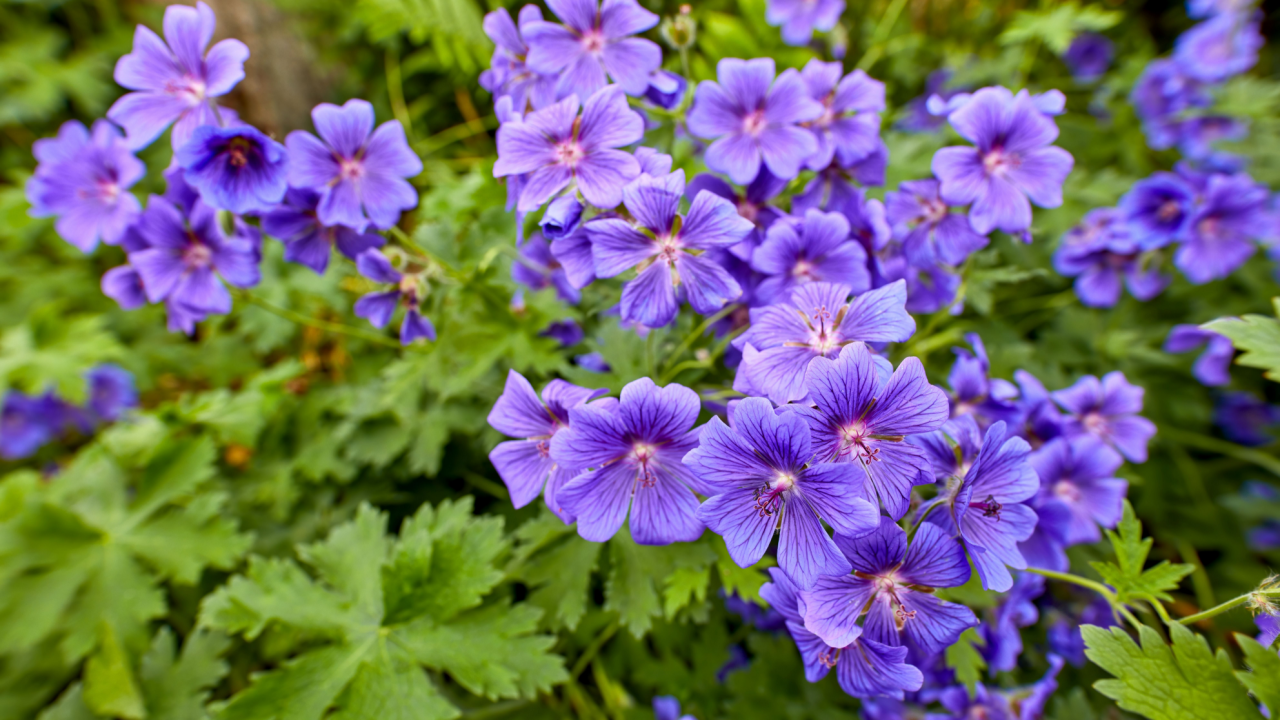
Geraniums are as functional as they are beautiful. Rabbits dislike their slightly bitter leaves, and their brightly colored blooms will add charm to your garden.
Care Tips
- Sunlight: Grows in full sun to partial shade.
- Watering: Allow soil to dry slightly between waterings.
- Placement: Ideal for borders, containers, and as ground covers.
12. English Ivy (Hedera helix)

This fast-growing ground cover is another great option for deterring rabbits. Its dense, tangled foliage creates an inhospitable environment for grazing critters. Note: This plant has been known to be nibbled when food is scarce.
Care Tips
- Sunlight: Thrives in full shade to partial sun.
- Watering: Prefers dry, well-drained soil.
- Maintenance: Prune aggressively to prevent ivy from overtaking other plants (check for invasiveness in your region).
13. Yarrow (Achillea millefolium)
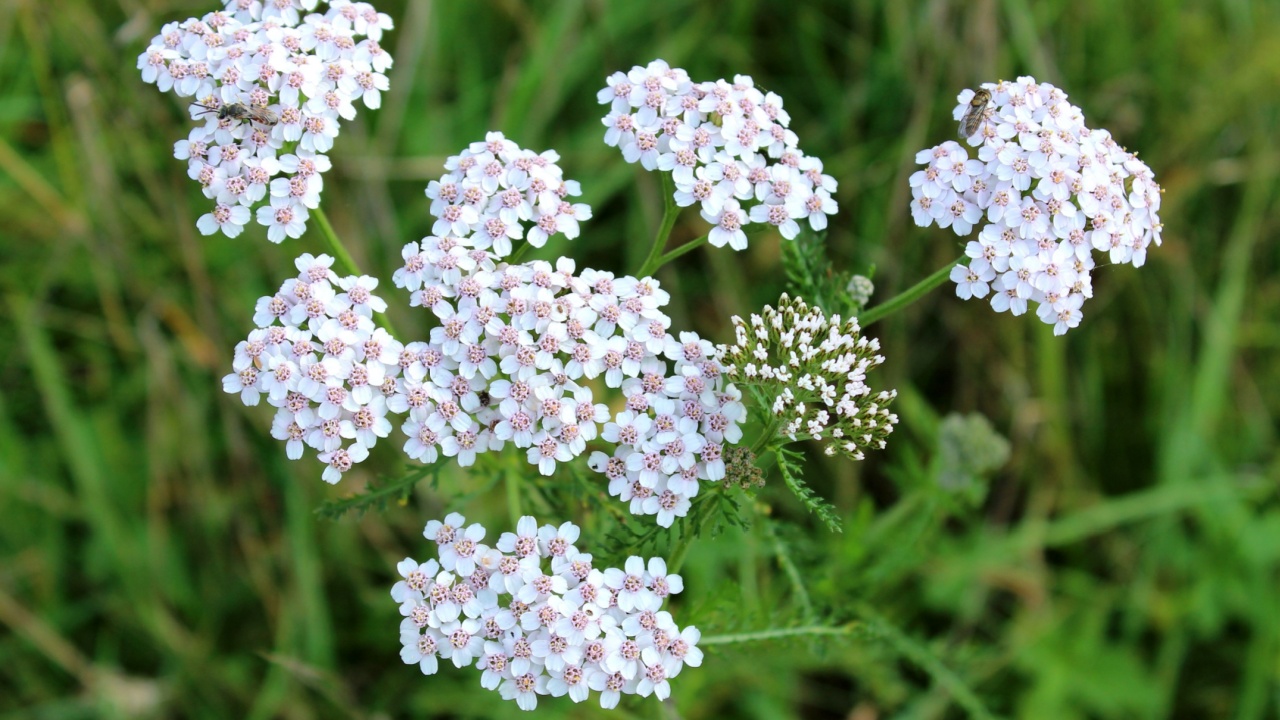
Yarrow’s feathery foliage and pungent aroma are generally unappealing to rabbits. Its long-lasting, flat-topped flowers are also great for attracting pollinators and adding texture to garden beds.
Care Tips
- Sunlight: Prefers full sun.
- Watering: Drought-tolerant once established; avoid overwatering.
- Maintenance: Deadhead regularly to encourage more blooms and prevent self-seeding.
14. Bee Balm (Monarda spp.)
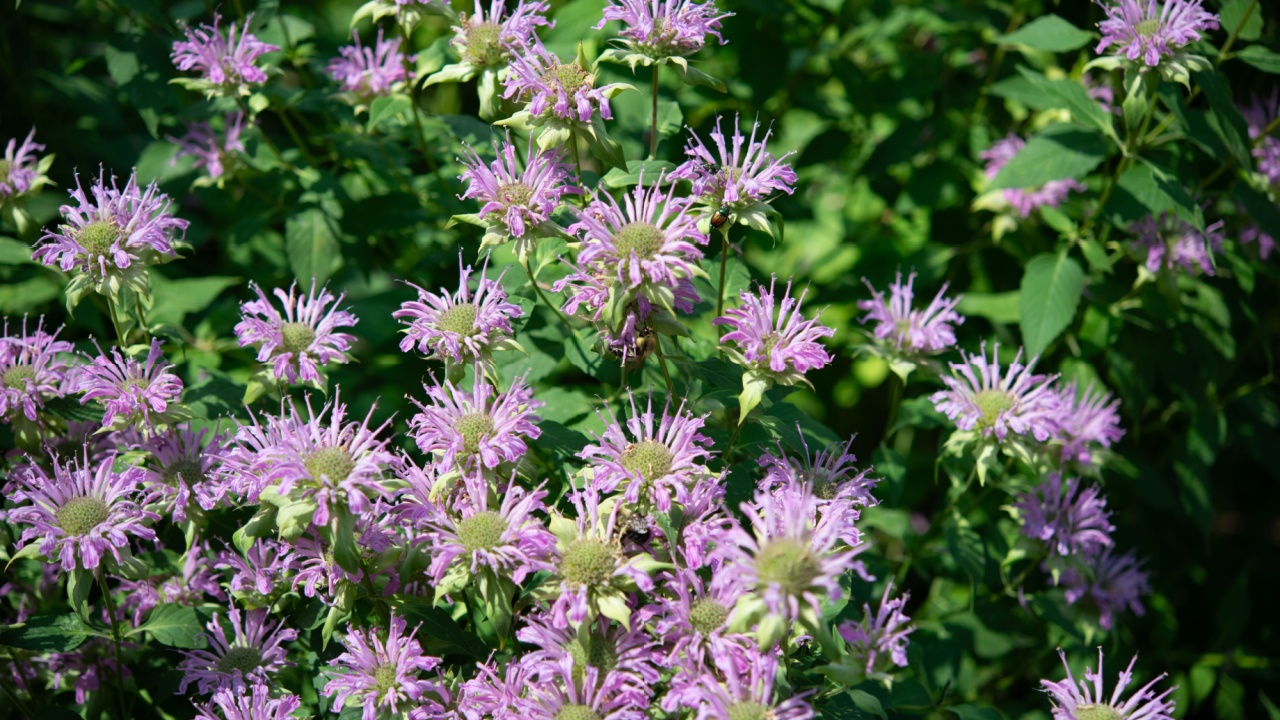
Also known as wild bergamot, bee balm is a favorite among bees and hummingbirds—but not rabbits. Its strong minty fragrance and somewhat coarse leaves act as a deterrent.
Care Tips
- Sunlight: Best in full sun but tolerates partial shade.
- Watering: Keep soil consistently moist.
- Spacing: Provide good air circulation to prevent powdery mildew.
15. Russian Sage (Perovskia atriplicifolia)
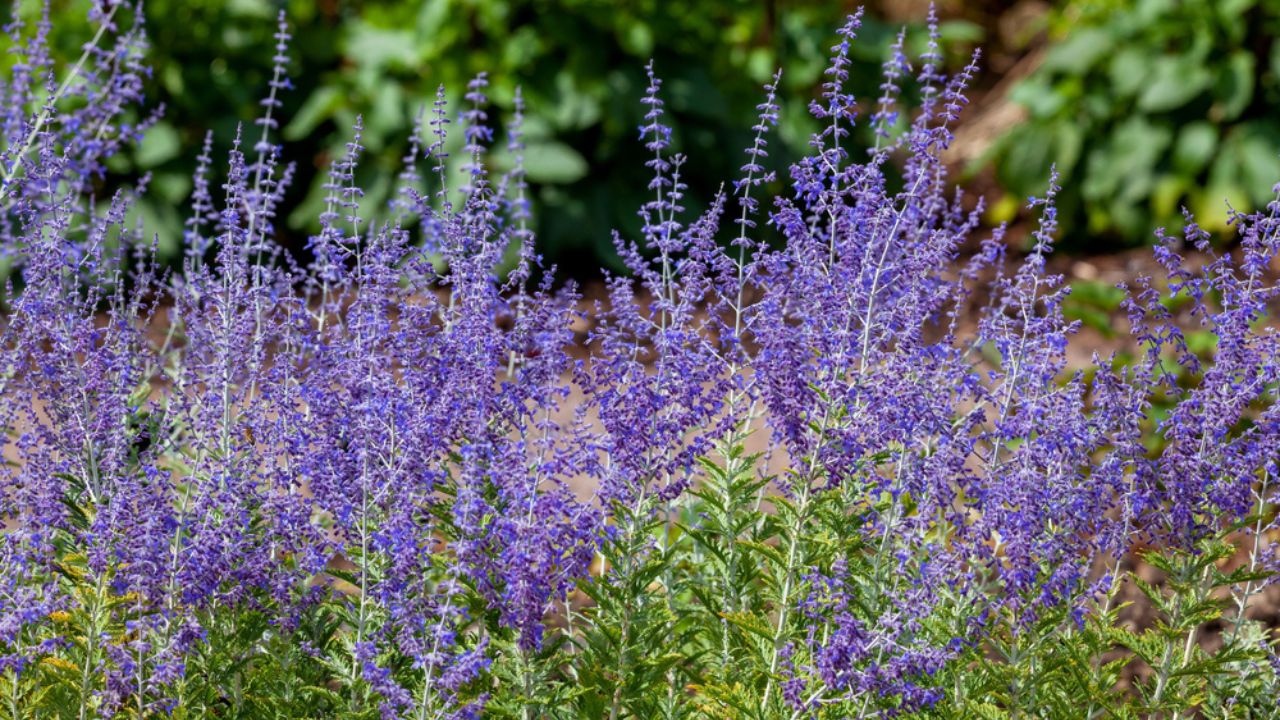
With silvery foliage and a pungent scent, Russian sage is not on the rabbit menu. Its tall, spiky blooms add vertical interest to sunny gardens.
Care Tips
- Sunlight: Requires full sun for best growth.
- Watering: Water sparingly once established; drought-tolerant.
- Pruning: Cut back in early spring to encourage fuller growth.
16. Lamb’s Ear (Stachys byzantina)
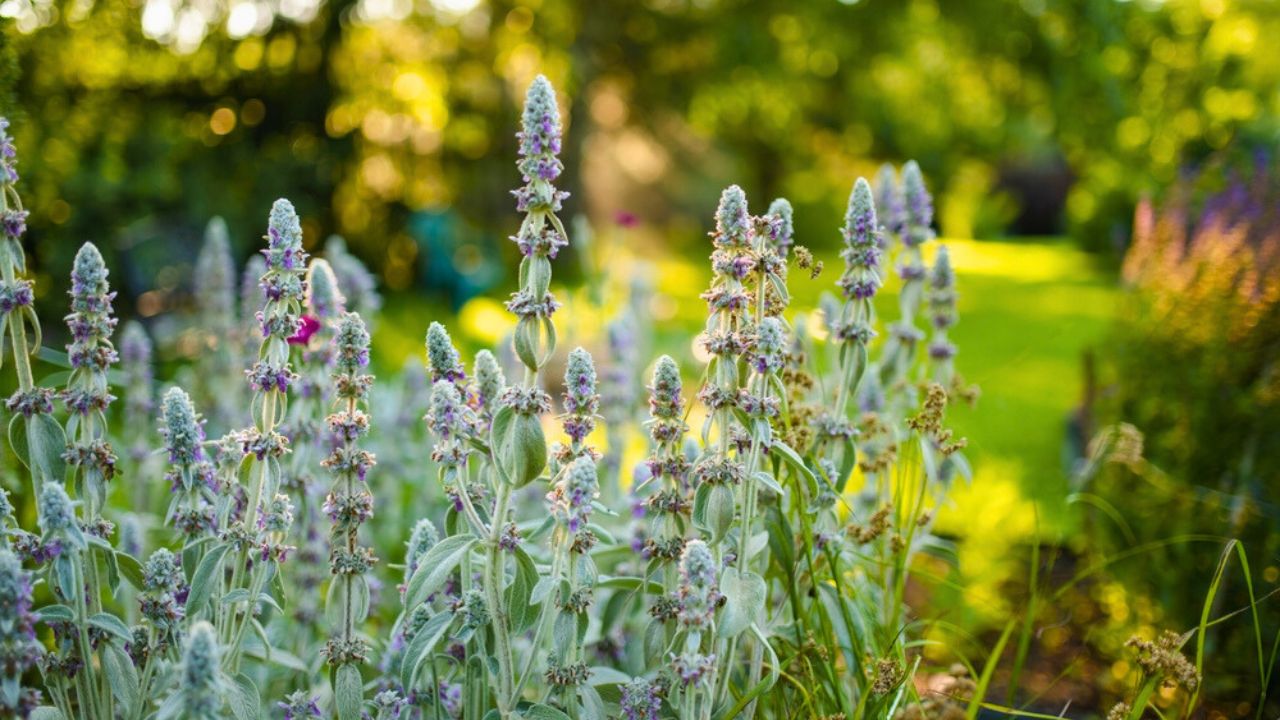
The fuzzy texture of lamb’s ear leaves is unappetizing to rabbits. This plant also adds a soft, silvery tone to garden borders.
Care Tips
- Sunlight: Thrives in full sun.
- Watering: Drought-tolerant; avoid overhead watering to prevent rot.
- Spacing: Allow air flow between plants to prevent mold.
17. Columbine (Aquilegia spp.)
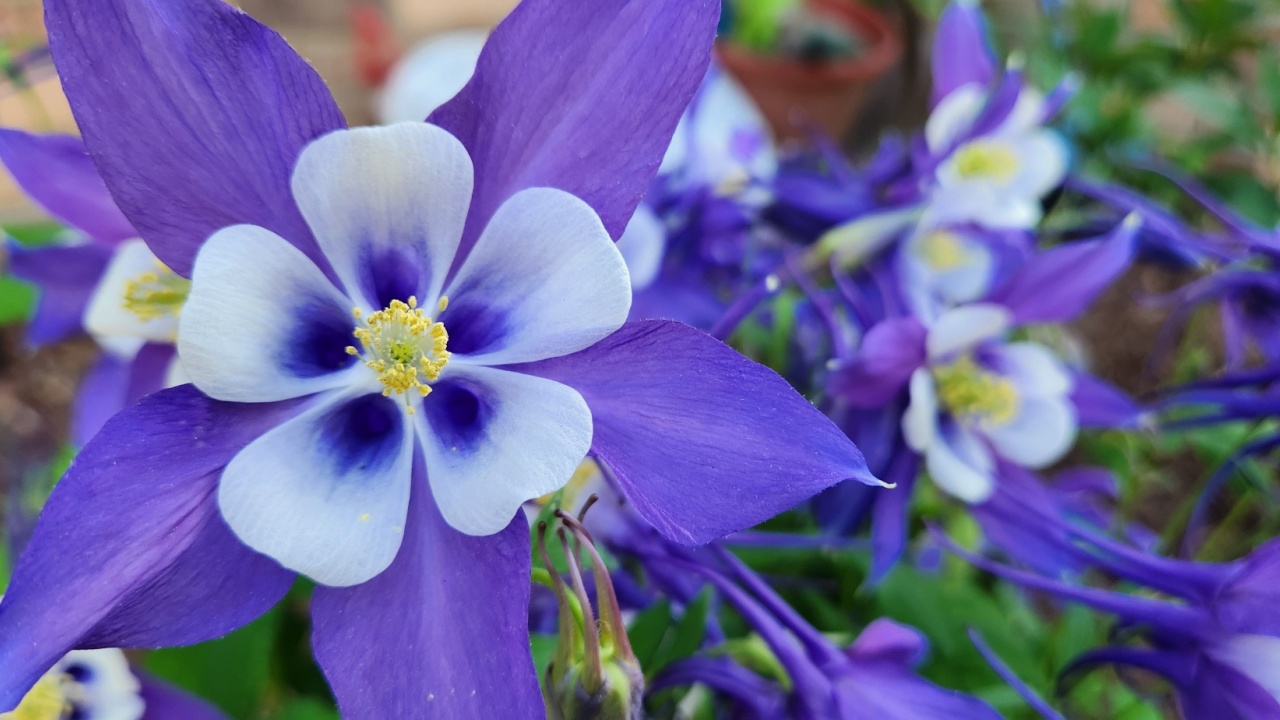
Columbine’s delicate, nodding flowers are lovely in the spring—and rarely touched by rabbits, likely due to their toxicity and unique foliage.
Care Tips
- Sunlight: Prefers partial shade but can tolerate sun in cooler climates.
- Watering: Moderate water needs; prefers well-drained soil.
- Self-Seeding: Let some flowers go to seed to encourage natural spreading.
Plants not enough to keep your rabbits out of the garden for a snack? You might need more rabbit repellent ideas.
Give Them a Try
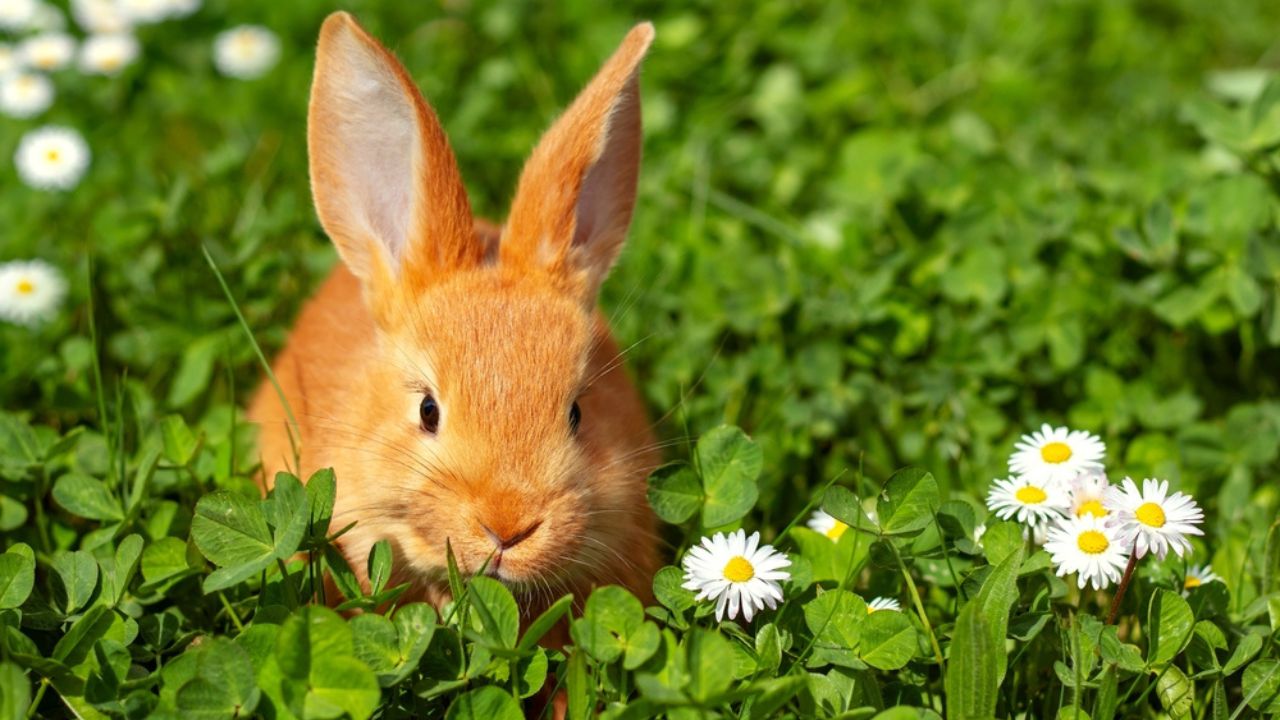
By incorporating rabbit-resistant plants like these into your garden, you can reduce the likelihood of finding your flowers and vegetables nibbled away. While no plant is completely failproof, creating a diverse garden with highly aromatic, bitter, or tough plants will help discourage rabbits and protect more tender crops from becoming a snack. Experiment with a mix of flowers and herbs to build the ultimate rabbit-resistant retreat!
Read more:
12 “Set It and Forget It” Perennials That Thrive on Neglect (And Reward You for It)
8 Ways to Keep Rabbits From Nesting in Your Garden