23 Wildflowers That Grow Themselves and Attract Pollinators
Adding wildflowers to your garden is one of the easiest ways to create a vibrant, low-maintenance, pollinator-friendly space. Wildflowers enhance biodiversity, provide critical nectar and pollen resources, and can thrive with minimal intervention.
Whether you’re a seasoned gardener or a beginner, these 23 wildflowers will grow effortlessly and attract an array of bees, butterflies, and hummingbirds.
1. Bee Balm (Monarda spp.)
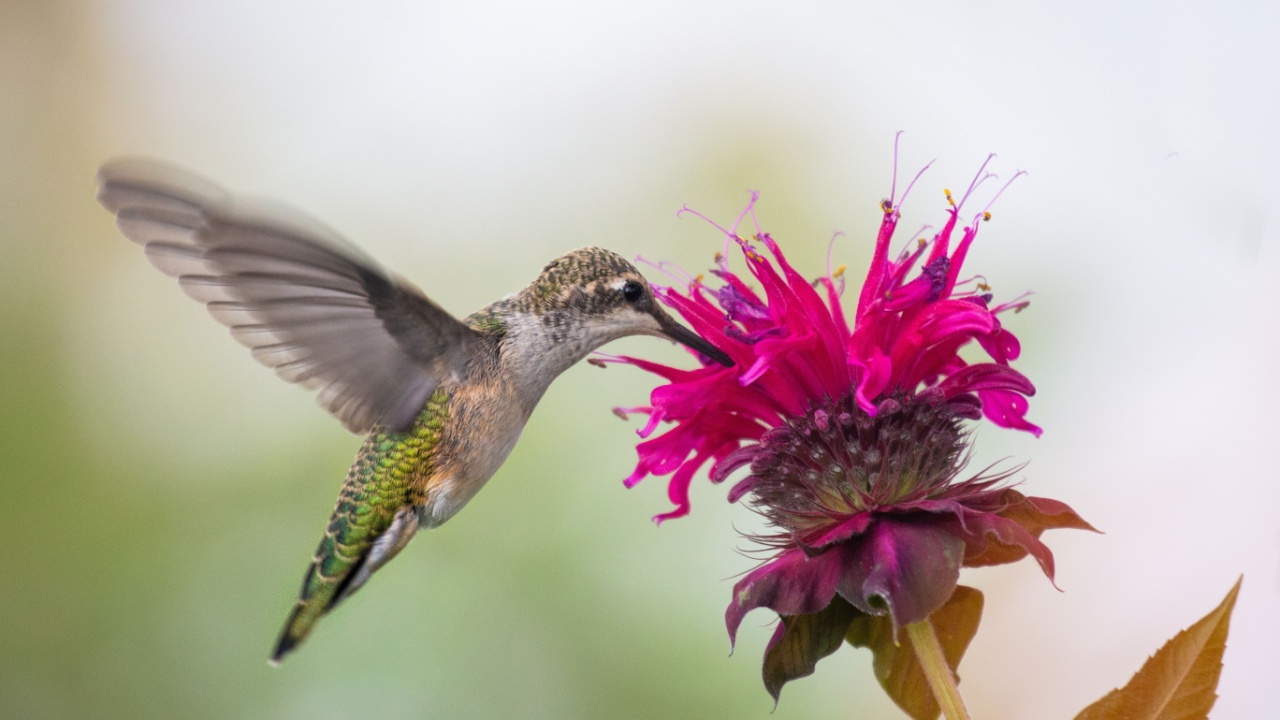
Bee balm is highly popular among bees, butterflies, and hummingbirds due to its aromatic flowers that bloom in shades of red, pink, purple, and white.
Care Tips
- Hardiness Zones: 3–9
- Sunlight: Full sun to partial shade
- Watering: Thrives in moist, well-drained soil; water regularly during dry spells.
- Maintenance: Space plants 18–24 inches apart to improve air circulation and prevent powdery mildew. Deadheading fading blooms encourages extended flowering.
Pollinators Attracted: Honeybees, bumblebees, butterflies, and hummingbirds.
2. Black-Eyed Susan (Rudbeckia hirta)
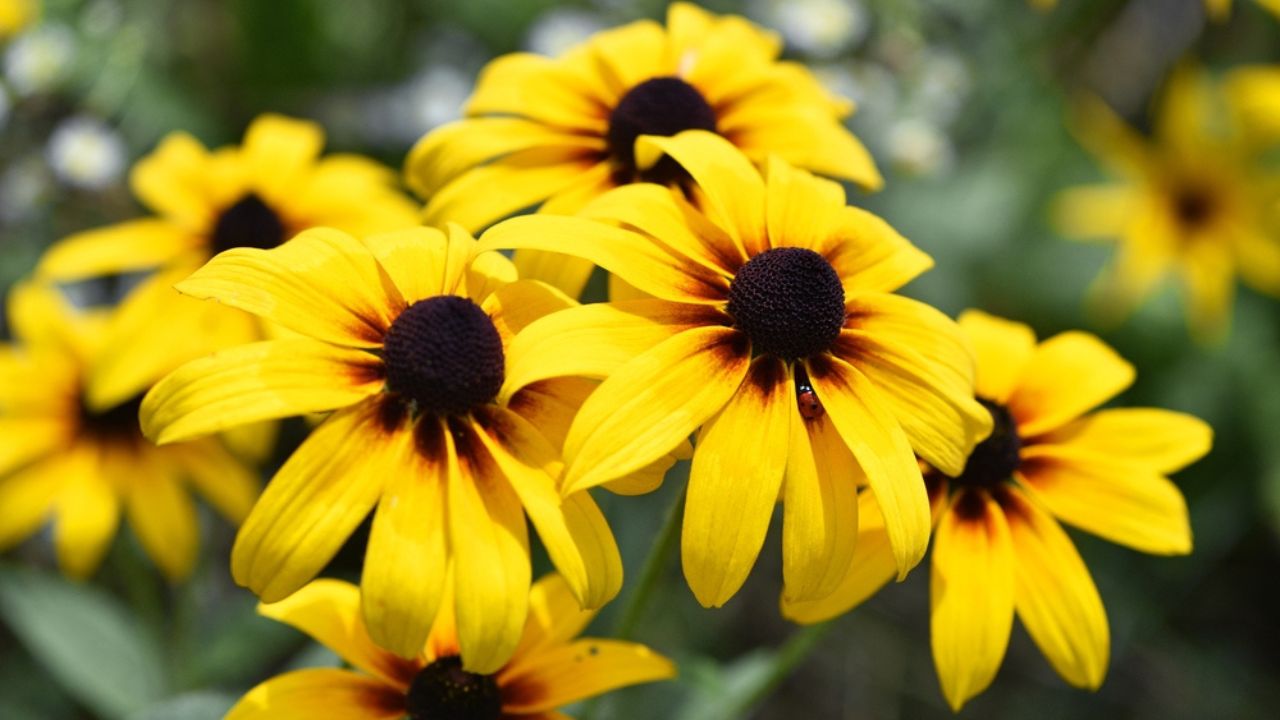
With its bright yellow, daisy-like petals, Black-Eyed Susan is a cheery addition to gardens while offering sustenance to butterflies and bees.
Care Tips
- Hardiness Zones: 3–9
- Sunlight: Full sun
- Watering: Requires moderate watering and adapts to most soil types.
- Maintenance: Remove spent flowers to promote continuous blooms through late summer.
Pollinators Attracted: Bees, butterflies, and native wasps.
3. Purple Coneflower (Echinacea purpurea)
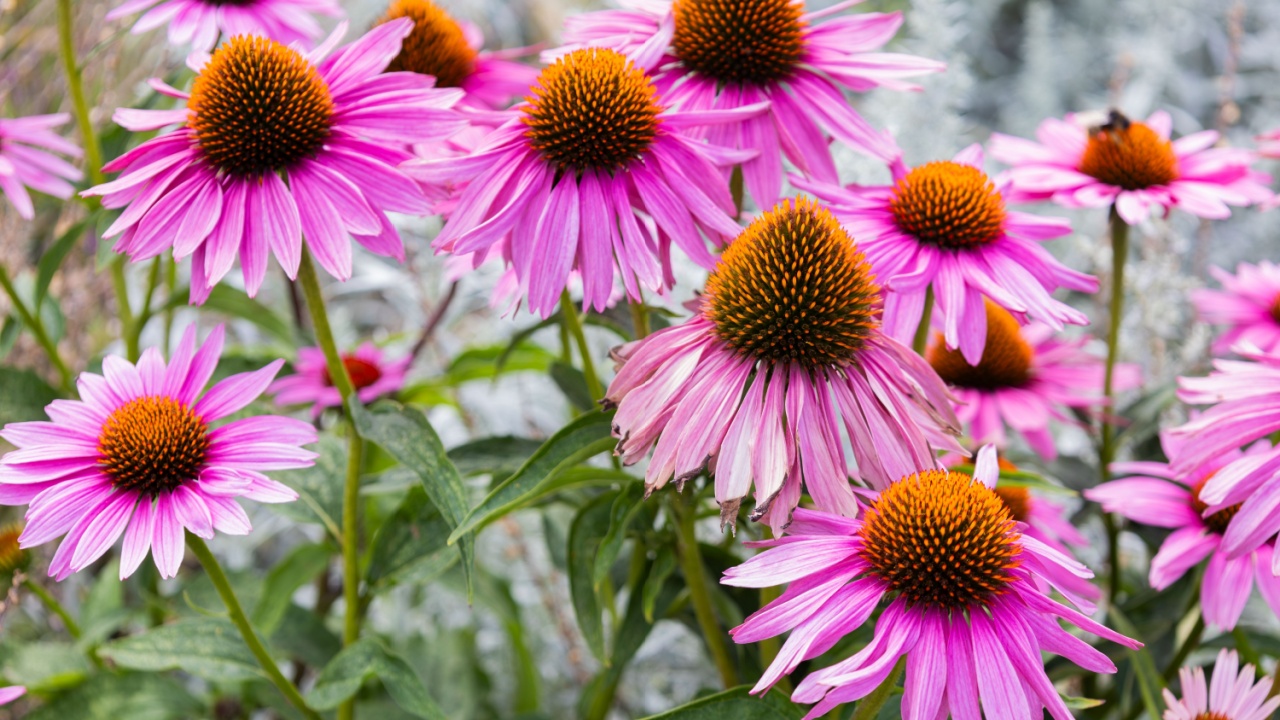
Purple coneflower is a standout in pollinator gardens thanks to its nectar-rich blooms and resistance to drought conditions.
Care Tips
- Hardiness Zones: 3–8
- Sunlight: Full sun to light shade
- Watering: Tolerates dry soil but should be watered during prolonged droughts.
- Maintenance: Deadhead regularly to extend the blooming period, and divide clumps every 3–4 years to maintain plant vigor.
Pollinators Attracted: Butterflies, bees, and goldfinches, which feed on the seeds.
4. Goldenrod (Solidago spp.)
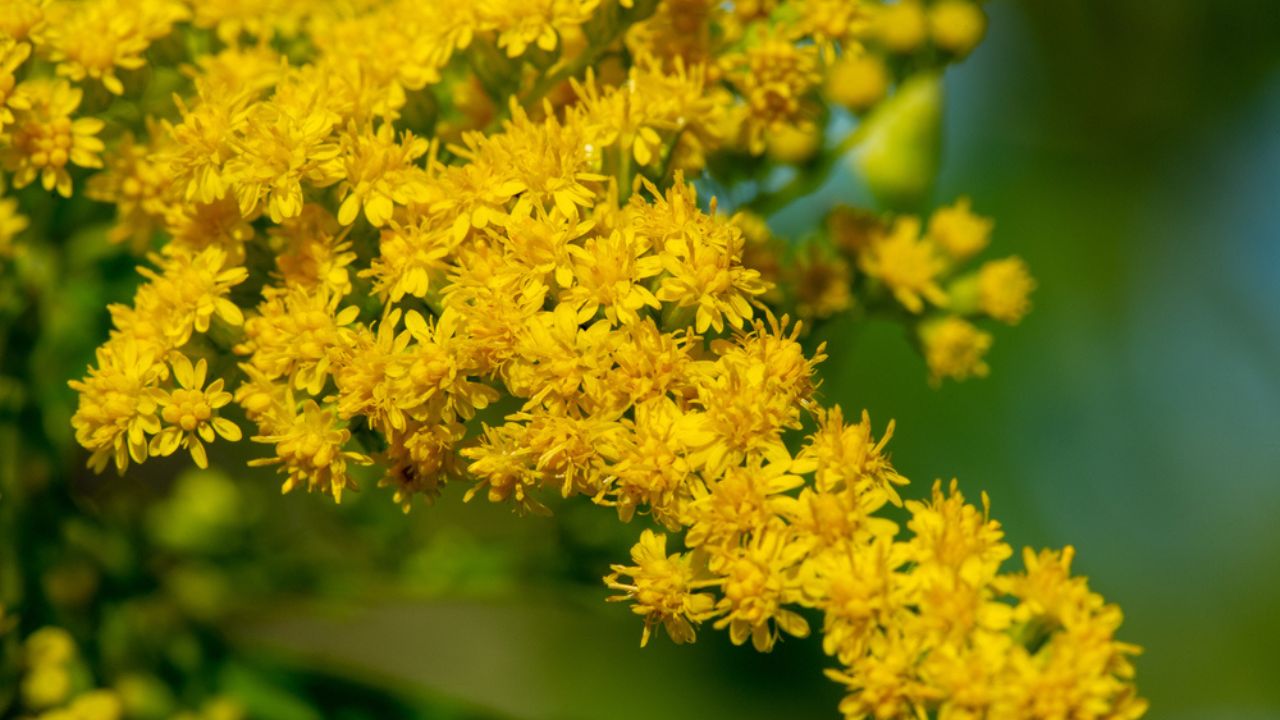
This late-blooming wildflower brightens the garden with its golden clusters and supports a diverse range of pollinators. Check with your local extension office to ensure this plant isn’t too aggressive in your region.
Care Tips
- Hardiness Zones: 3–9
- Sunlight: Full sun
- Watering: Prefers well-drained soil and tolerates dry conditions.
- Maintenance: Cut down stems after flowering to control spreading.
Pollinators Attracted: Butterflies, native bees, and hummingbirds.
5. Blanket Flower (Gaillardia spp.)
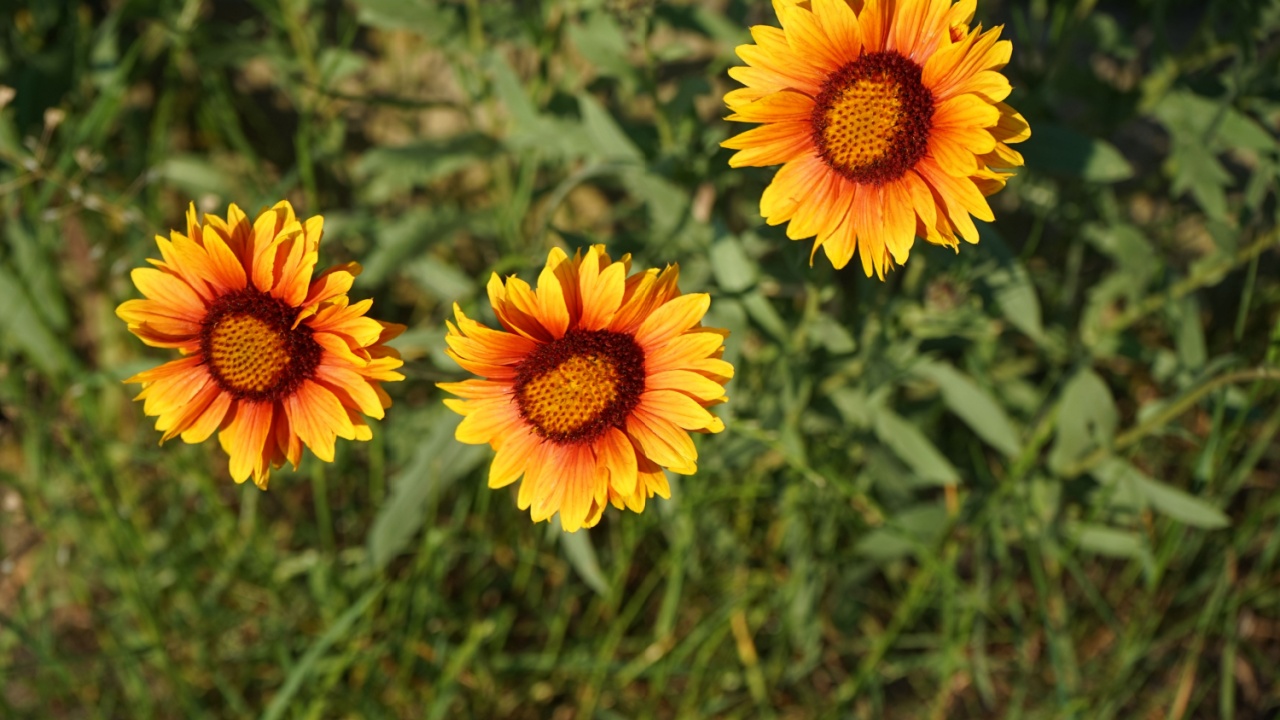
With its fiery red and yellow blooms, blanket flower is a heat-resistant, long-blooming perennial. For this flower too, check with your local extension office to ensure this plant isn’t too aggressive in you’re region.
Care Tips
- Hardiness Zones: 3–10
- Sunlight: Full sun
- Watering: Requires minimal watering after establishment.
- Maintenance: Deadhead to extend the flowering season, and cut back to the ground in late fall.
Pollinators Attracted: Butterflies, native bees, and moths.
6. Milkweed (Asclepias spp.)

Essential for monarch butterflies, milkweed serves as a larval host plant and an abundant nectar source for adult butterflies.
Care Tips
- Hardiness Zones: 3–11 (varies by species)
- Sunlight: Full sun
- Watering: Needs well-drained soil and is drought-tolerant once established.
- Maintenance: Avoid removing milkweed stems, as they often house overwintering monarch chrysalises.
Pollinators Attracted: Monarch butterflies, honeybees, and hummingbirds.
7. Lupine (Lupinus spp.)
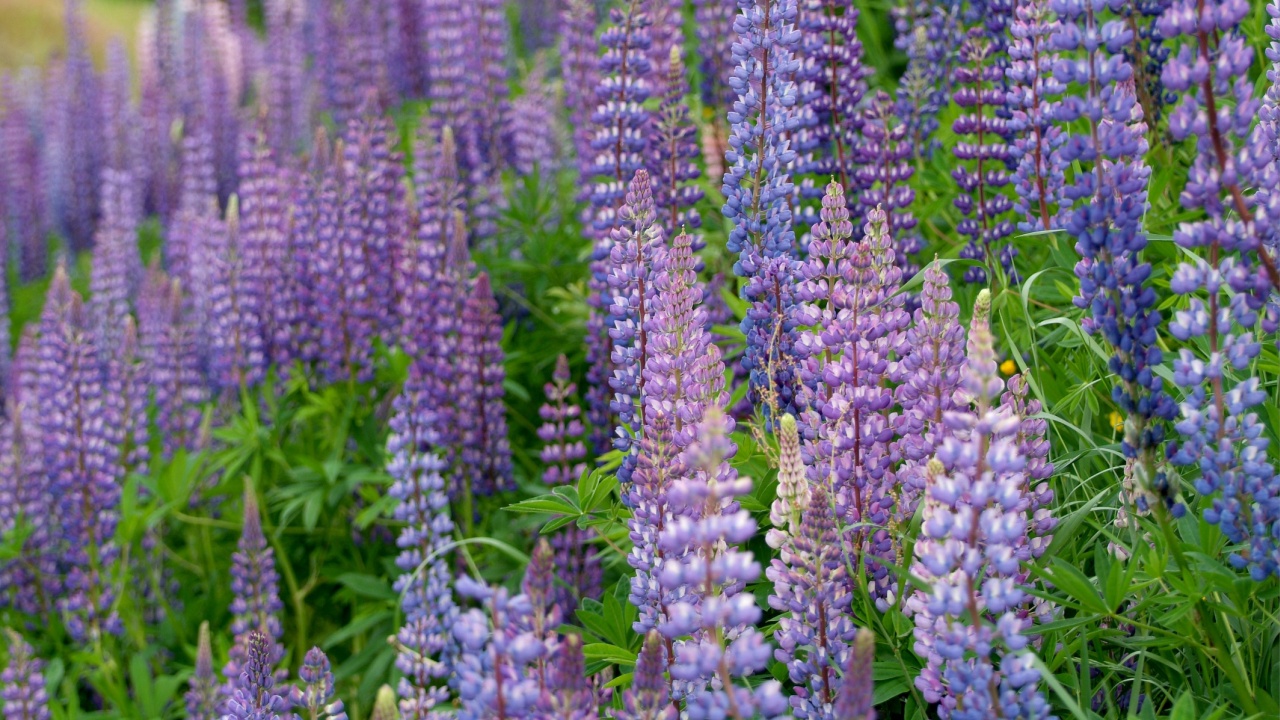
Lupines produce tall spikes of pea-shaped flowers in vibrant shades of blue, purple, and pink, providing food and shelter for pollinators.
Care Tips
- Hardiness Zones: 4–8
- Sunlight: Full sun to partial shade
- Watering: Prefers slightly acidic, sandy soil; keep moist but not waterlogged.
- Maintenance: Cut back stalks once seeds develop to encourage more blooms.
Pollinators Attracted: Bumblebees and butterflies.
8. Foxglove (Digitalis purpurea)
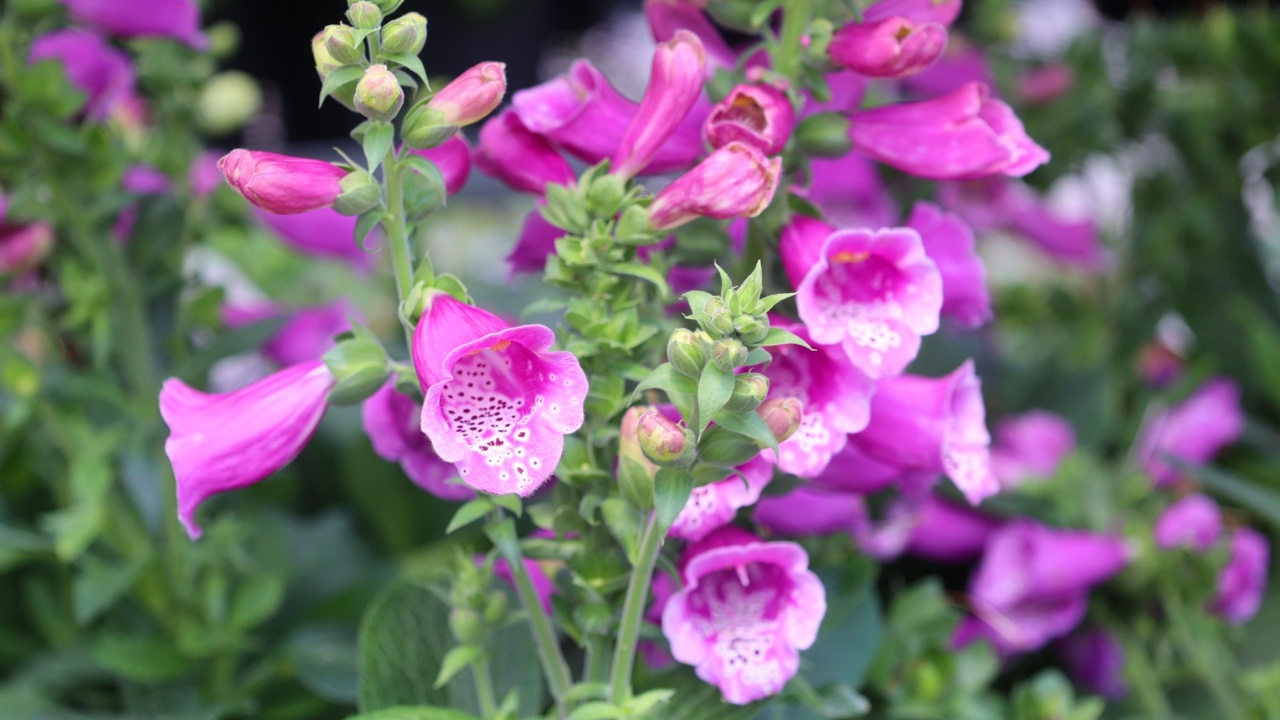
This striking biennial with tubular blooms is beloved by pollinators for its nectar-rich flowers. Warning: this flower is toxic to humans and pets.
Care Tips:
- Hardiness Zones: 4–10
- Sunlight: Full sun to partial shade
- Watering: Thrives in evenly moist, well-drained soil.
- Maintenance: Allow seedheads to form to ensure self-seeding.
Pollinators Attracted: Bumblebees and hummingbirds.
9. Coreopsis (Coreopsis spp.)
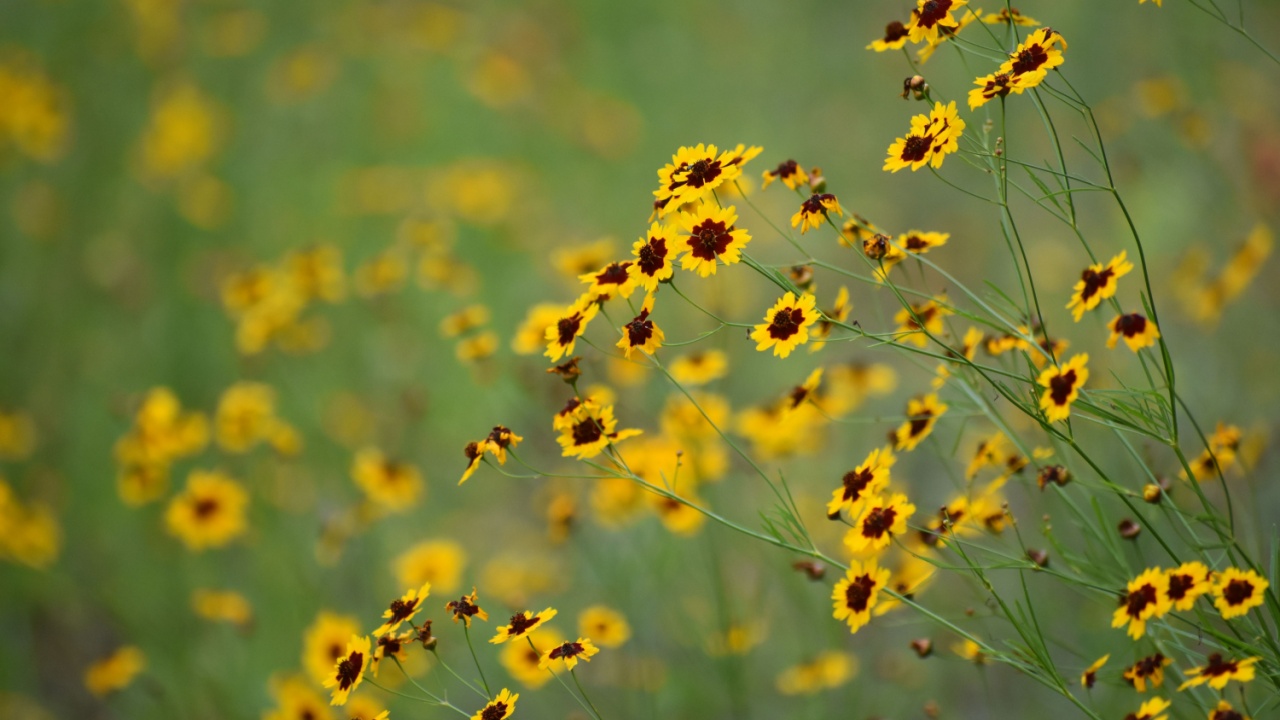
Coreopsis offers vibrant yellow, orange, or pink blooms that attract pollinators while resisting drought conditions.
Care Tips
- Hardiness Zones: 4–9
- Sunlight: Full sun
- Watering: Requires little water once established.
- Maintenance: Deadhead faded flowers regularly, and cut plants back in late summer to promote additional blooms.
Pollinators Attracted: Bees, butterflies, and moths.
10. Asters (Aster spp.)
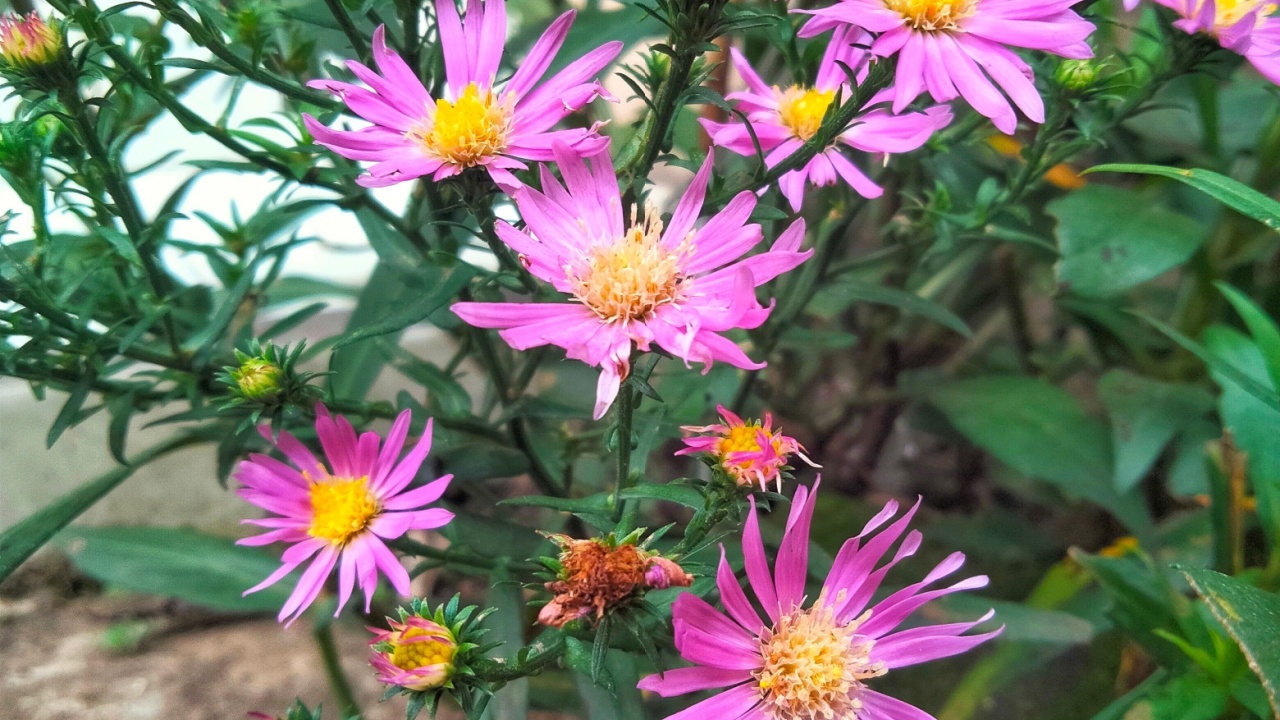
Asters add late-season color to the garden while providing nectar for pollinators preparing for colder months.
Care Tips
- Hardiness Zones: 3–8
- Sunlight: Full sun
- Watering: Keep soil consistently moist; mulch to retain water.
- Maintenance: Divide every 2–3 years to maintain healthy growth.
Pollinators Attracted: Butterflies, honeybees, and hoverflies.
11. California Poppy (Eschscholzia californica)
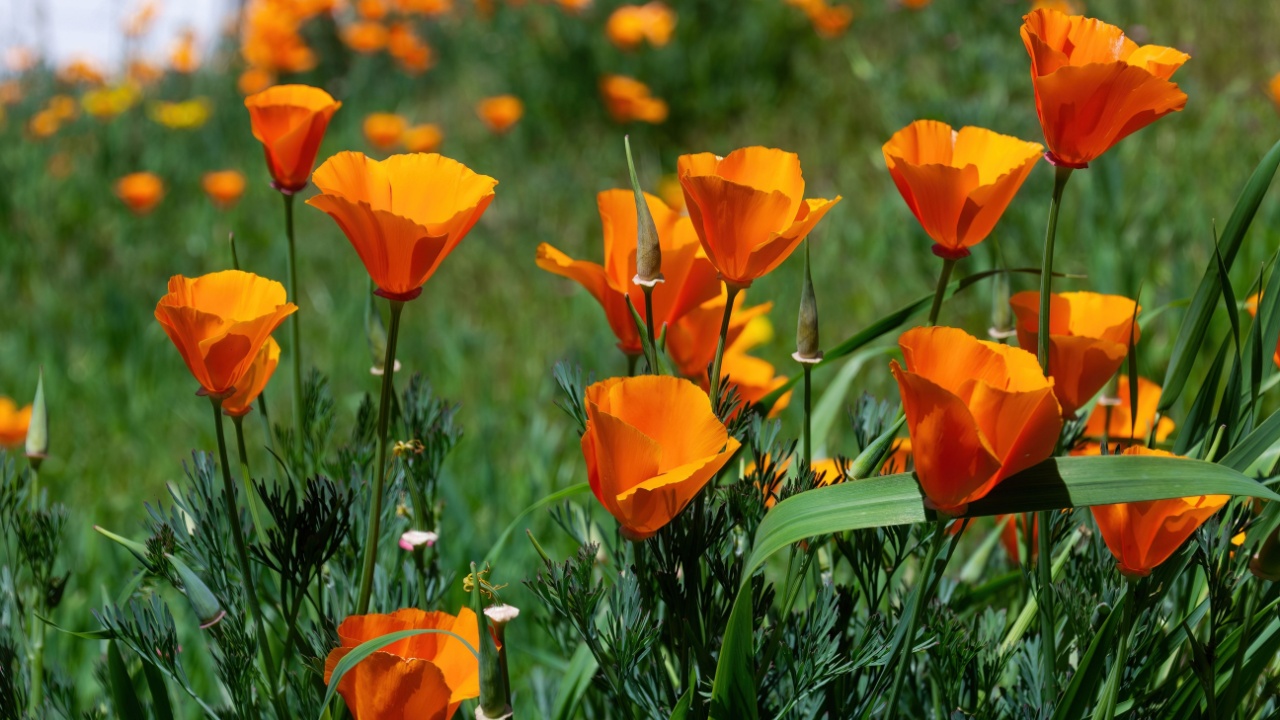
This vibrant annual boasts delicate orange and yellow blooms that brighten any garden.
Care Tips
- Hardiness Zones: 6–11
- Sunlight: Full sun
- Watering: Thrives in well-drained, sandy soil; requires little irrigation.
- Maintenance: Deadhead spent blooms to encourage continuous flowering.
Pollinators Attracted: Bees and hoverflies.
12. Yarrow (Achillea millefolium)
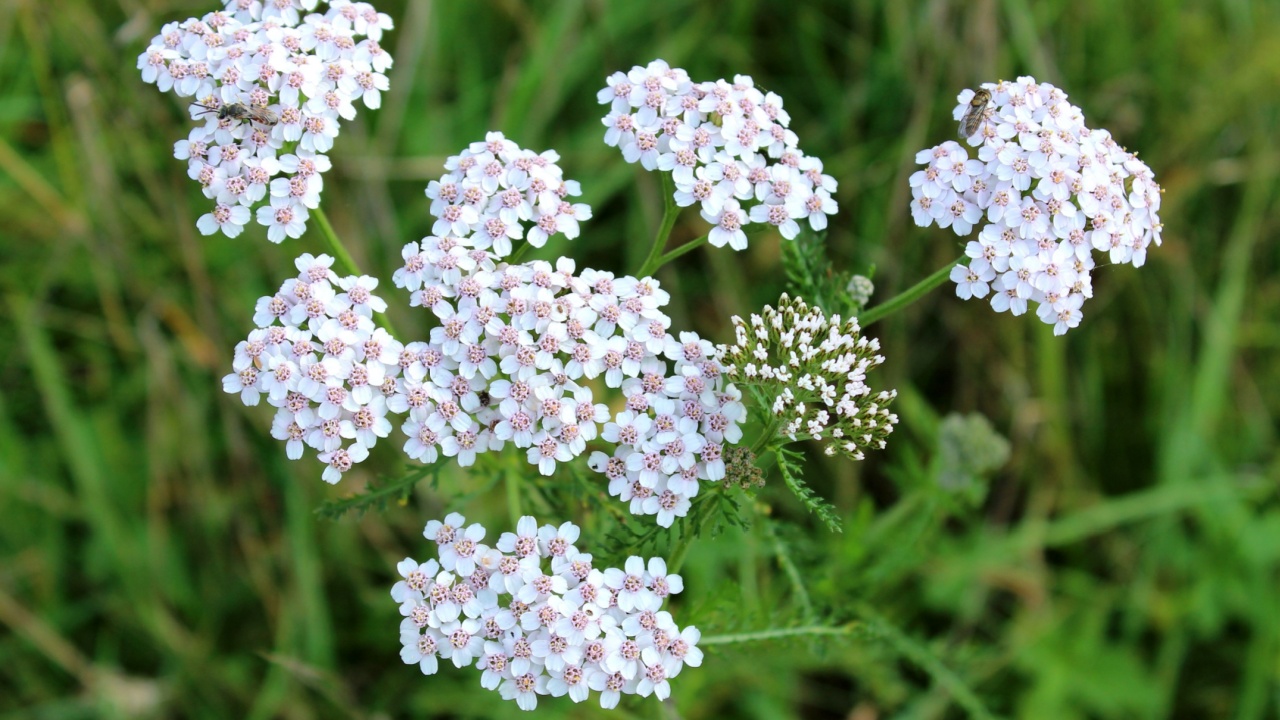
Yarrow thrives in various conditions, producing umbrella-like blooms that attract pollinators throughout summer and fall.
Care Tips
- Hardiness Zones: 3–9
- Sunlight: Full sun
- Watering: Drought-tolerant; requires minimal watering.
- Maintenance: Cut back stems after flowering to promote a second bloom cycle.
Pollinators Attracted: Butterflies, bees, and beetles.
13. Sweet Alyssum (Lobularia maritima)
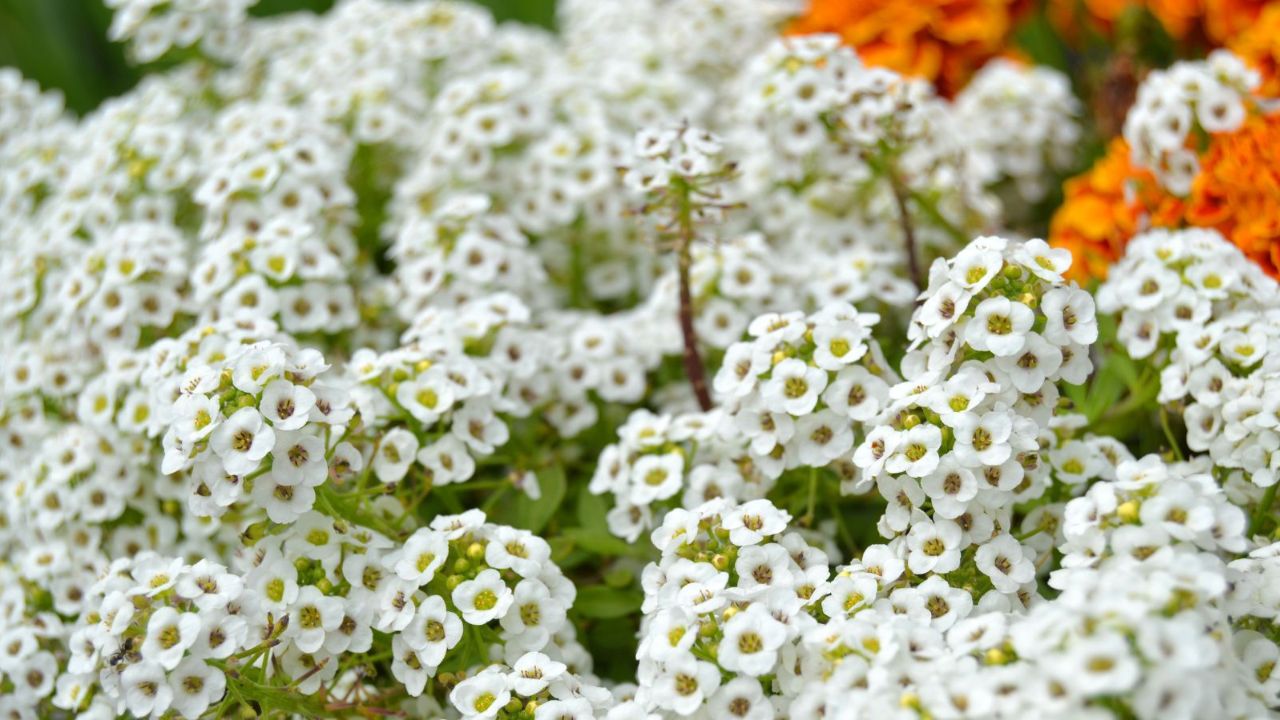
Sweet alyssum creates dense clusters of fragrant blooms that attract small pollinators like hoverflies and bees.
Care Tips
- Hardiness Zones: 5–9
- Sunlight: Full sun to partial shade
- Watering: Tolerates dry soil but thrives with consistent watering.
- Maintenance: Deadhead regularly to prolong blooming and maintain neat edges.
Pollinators Attracted: Hoverflies and honeybees.
14. Wild Bergamot (Monarda fistulosa)
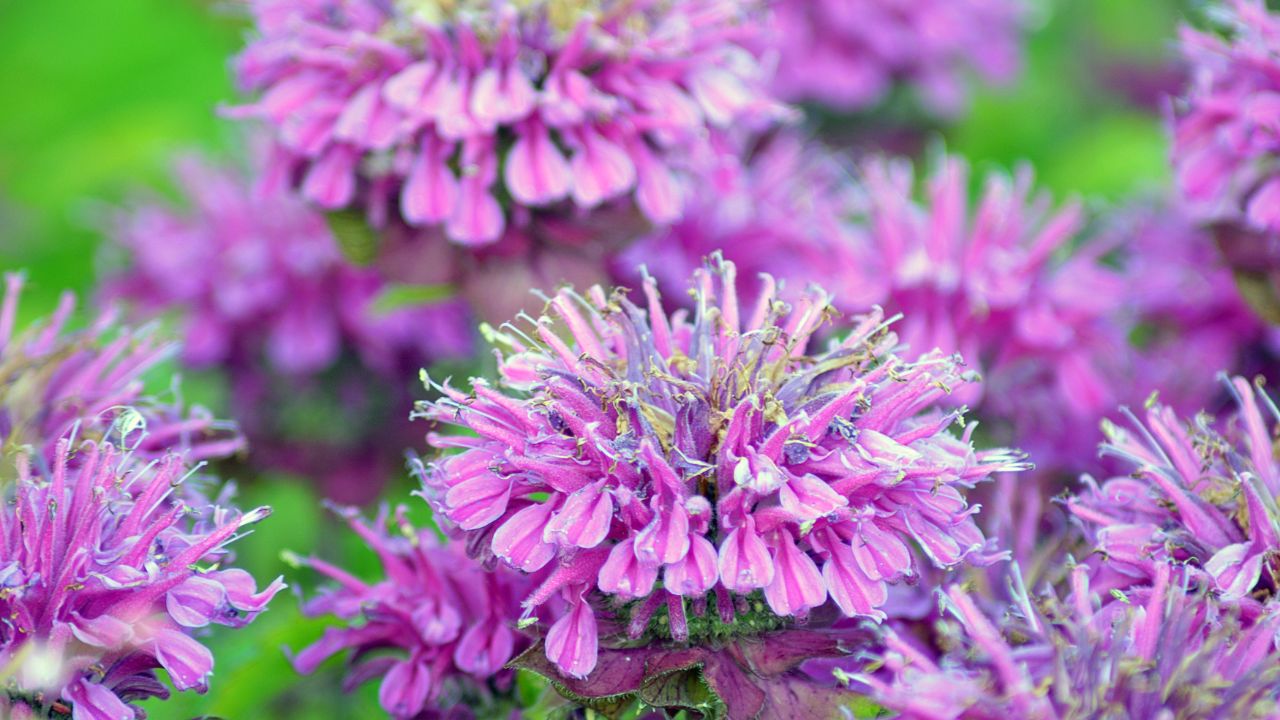
This native wildflower is highly aromatic and produces lavender-pink blooms that are magnets for pollinators.
Care Tips
- Hardiness Zones: 3–9
- Sunlight: Full sun to partial shade
- Watering: Prefers well-drained, loamy soil; water during prolonged dry periods.
- Maintenance: Prune spent flowers to keep plants looking fresh.
Pollinators Attracted: Bees, butterflies, and hummingbirds.
15. Heliotrope (Heliotropium arborescens)
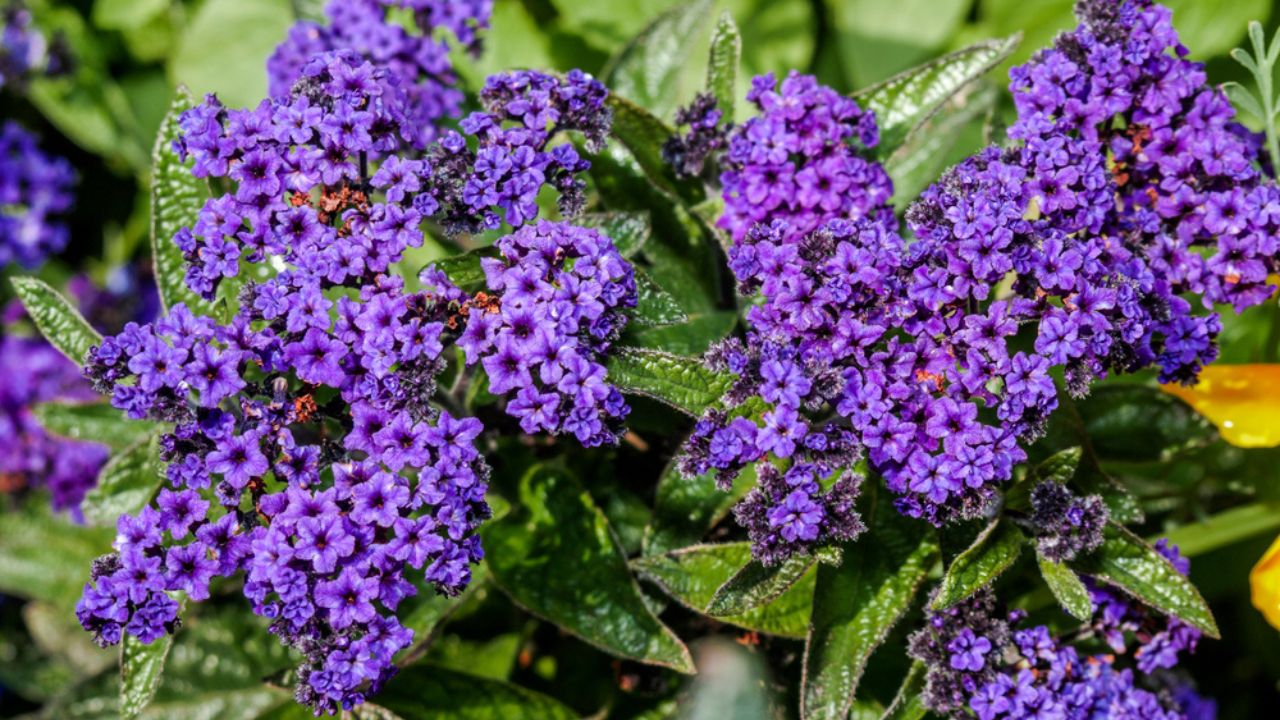
Known for its sweet vanilla-like fragrance, heliotrope produces clusters of deep purple flowers.
Care Tips
- Hardiness Zones: 9–11
- Sunlight: Full sun to partial shade
- Watering: Prefers consistently moist soil; avoid letting it dry out.
- Maintenance: Pinch off spent blooms to encourage continuous flowering.
Pollinators Attracted: Butterflies and bees.
16. Candytuft (Iberis sempervirens)
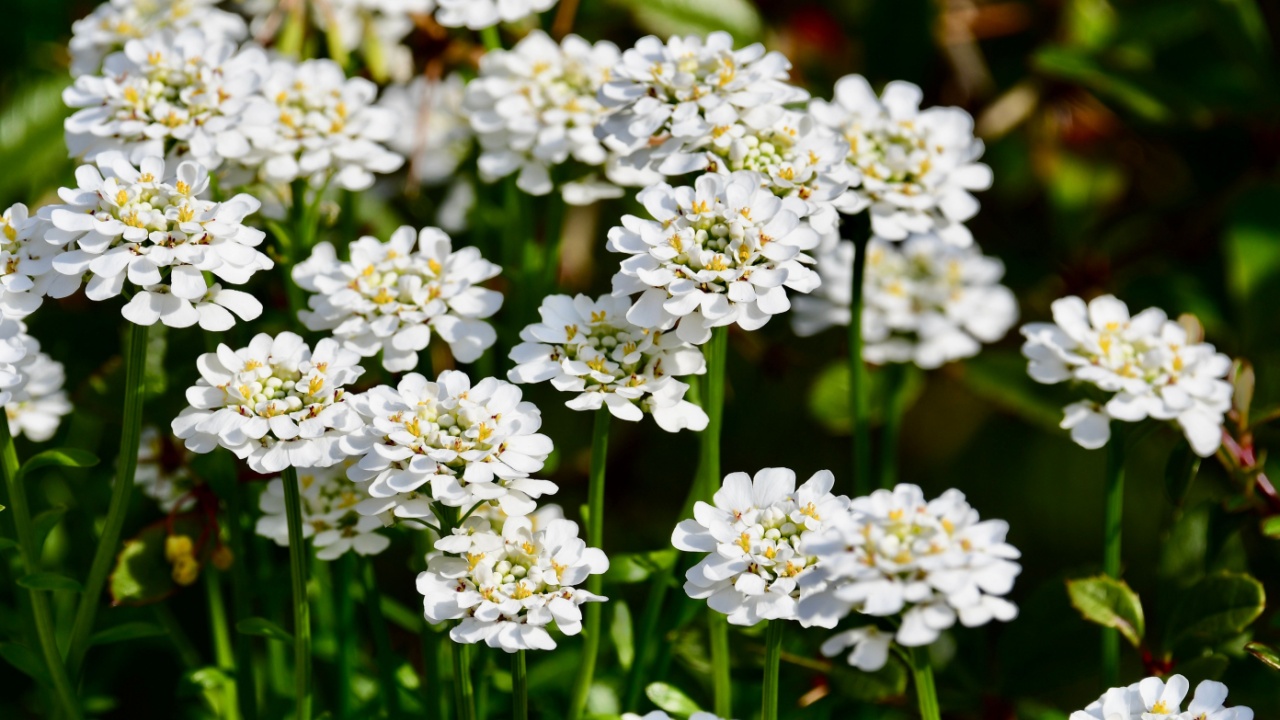
This evergreen perennial creates carpets of white flowers in spring, perfect for attracting early-season pollinators.
Care Tips
- Hardiness Zones: 4–8
- Sunlight: Full sun
- Watering: Tolerates drought but benefits from occasional supplemental watering.
- Maintenance: Prune after flowering to encourage compact growth.
Pollinators Attracted: Bees and butterflies.
17. Blazing Star (Liatris spicata)
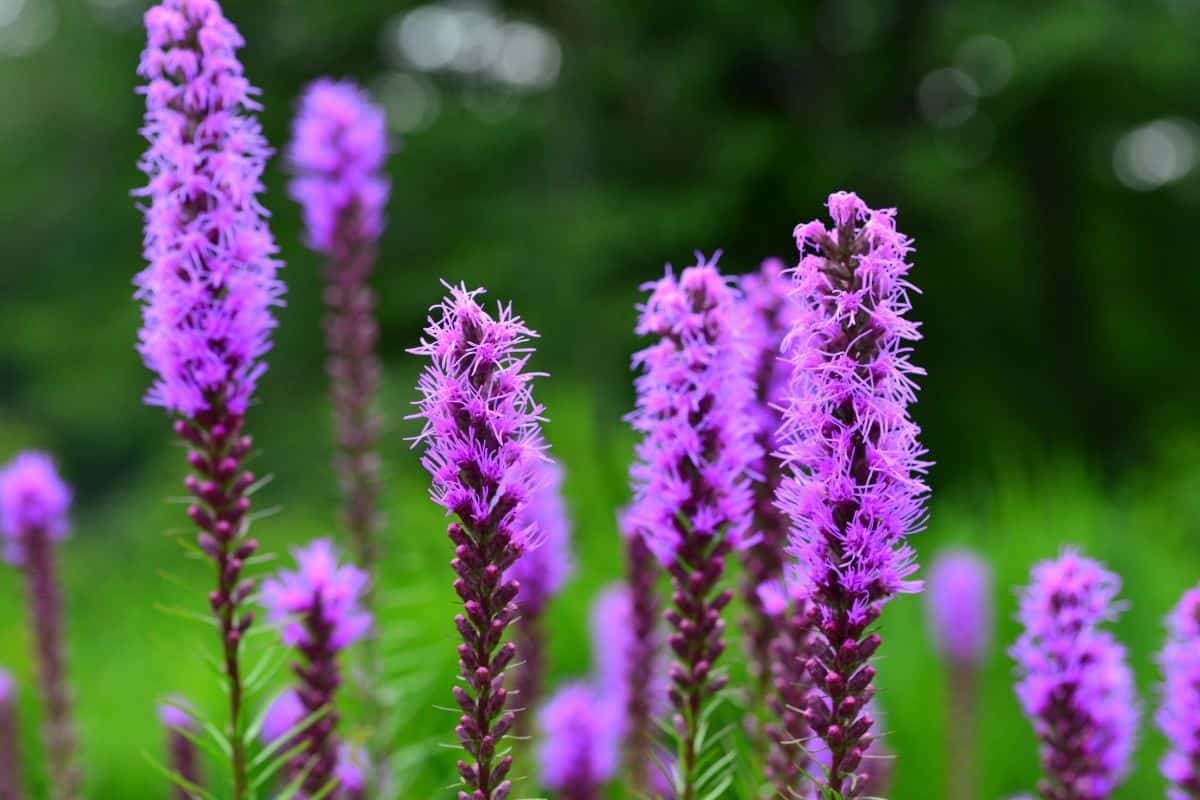
The tall, spiky blooms of blazing star add dramatic flair to the garden and lure an array of pollinators.
Care Tips
- Hardiness Zones: 3–8
- Sunlight: Full sun
- Watering: Requires well-drained soil; water moderately.
- Maintenance: Mulch around plants to retain moisture during hot weather.
Pollinators Attracted: Butterflies, bees, and hummingbirds.
18. Snapdragon (Antirrhinum majus)
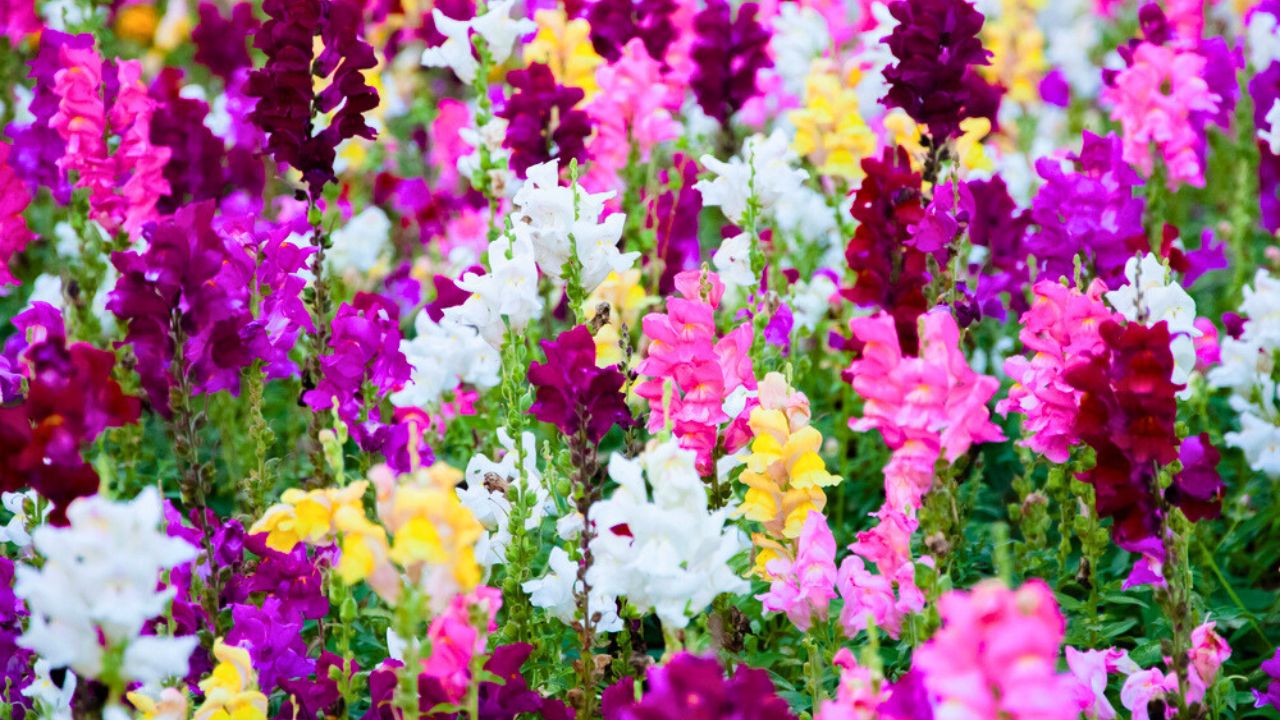
Snapdragons offer bright, tubular blossoms that provide nectar for long-tongued pollinators.
Care Tips
- Hardiness Zones: 7–10
- Sunlight: Full sun
- Watering: Prefers evenly moist, nutrient-rich soil.
- Maintenance: Remove faded flowers to encourage continuous blooming.
Pollinators Attracted: Bees and hummingbirds.
19. Columbine (Aquilegia spp.)
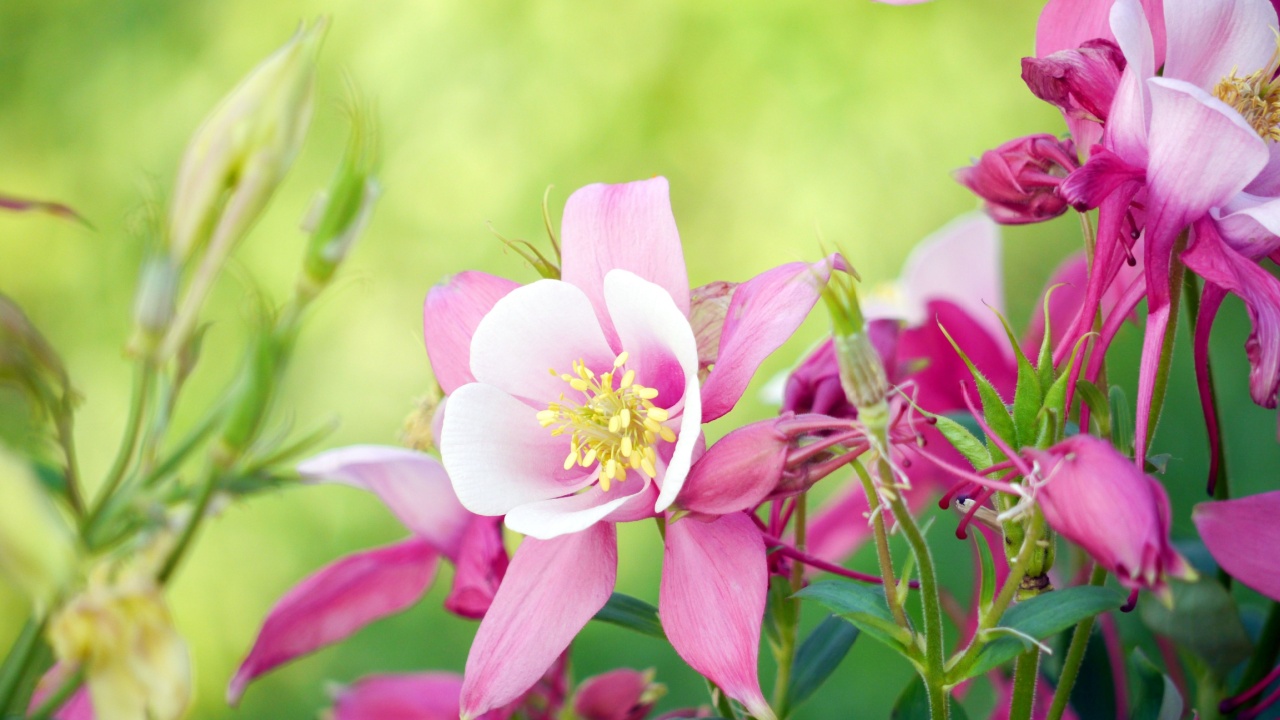
Columbine’s delicate blooms attract nectar-seeking pollinators and add whimsy to your garden.
Care Tips
- Hardiness Zones: 3–9
- Sunlight: Partial shade to full sun
- Watering: Keep soil evenly moist; benefits from a layer of mulch in dry climates.
- Maintenance: Allow natural reseeding for a self-perpetuating display.
Pollinators Attracted: Hummingbirds and butterflies.
20. Poppies (Papaver spp.)
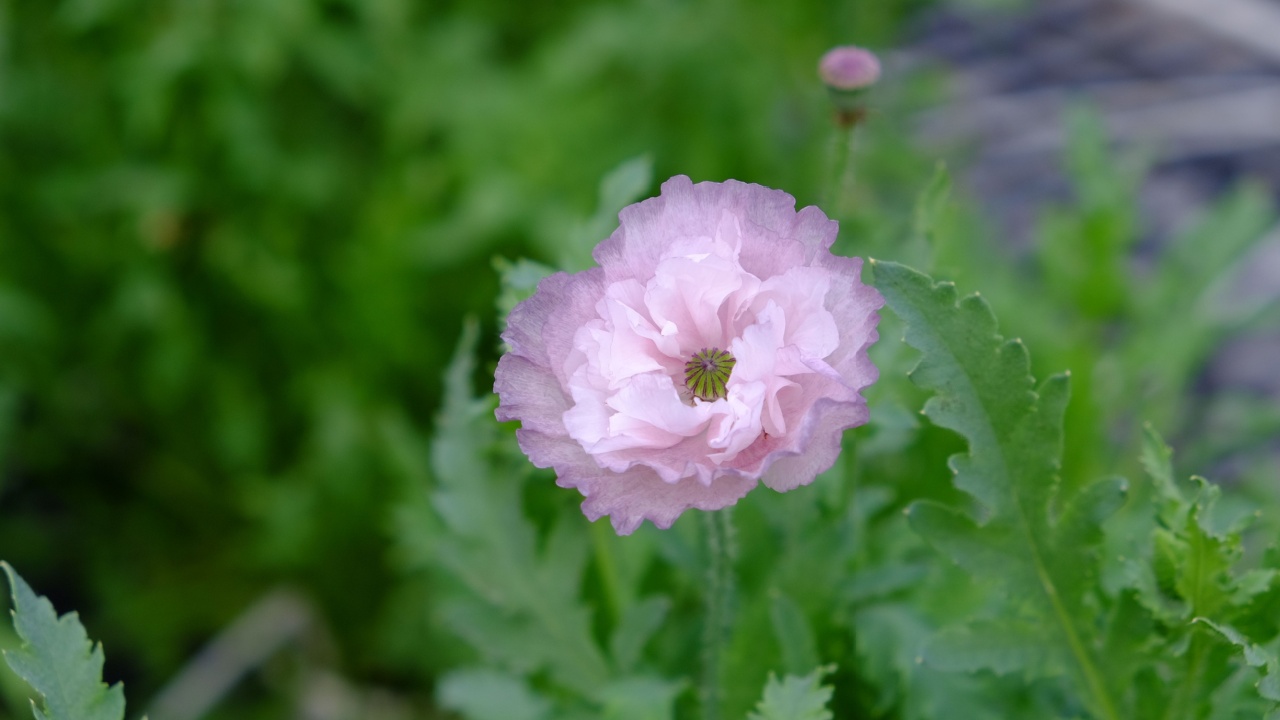
Poppies make a bold statement with their large, colorful petals and provide food for many types of pollinators.
Care Tips
- Hardiness Zones: 4–9
- Sunlight: Full sun
- Watering: Requires well-drained soil with moderate watering.
- Maintenance: Deadhead regularly to promote additional bloom cycles.
Pollinators Attracted: Bees and hoverflies.
21. Cosmos (Cosmos bipinnatus)
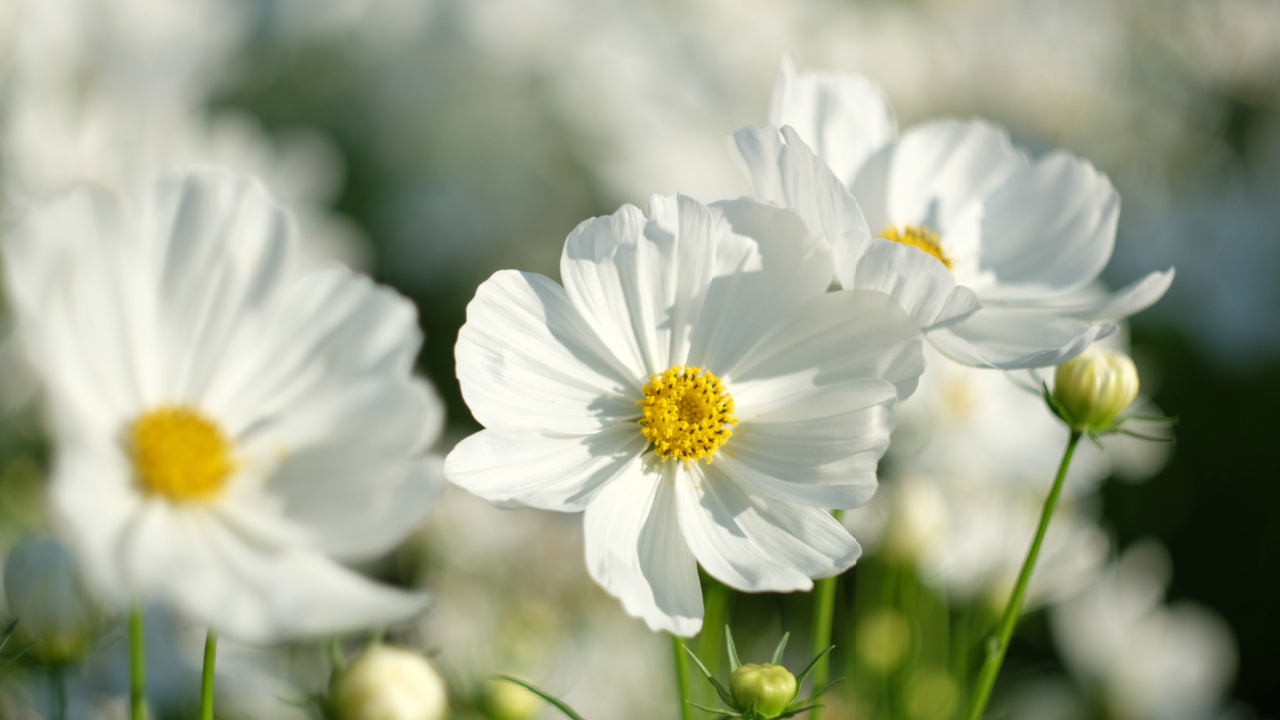
Cosmos brings bright, feathery blooms to your garden and is ideal for pollinators in midsummer.
Care Tips
- Hardiness Zones: Annual
- Sunlight: Full sun
- Watering: Thrives in poor, well-drained soil with minimal watering once established.
- Maintenance: Sow seeds after the last frost; deadhead flowers for prolonged blooming.
Pollinators Attracted: Bees, butterflies, and hoverflies.
22. Shasta Daisy (Leucanthemum × superbum)
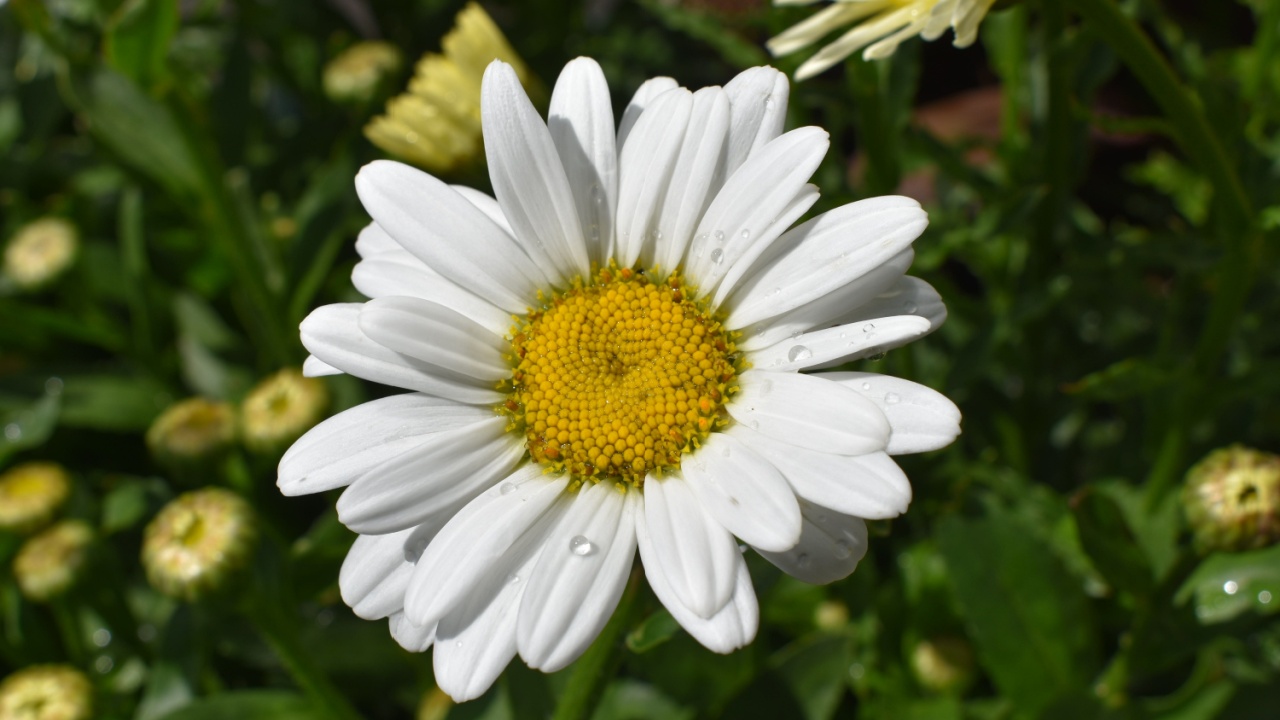
Shasta daisies provide cheerful white flowers that serve as landing pads for pollinators.
Care Tips
- Hardiness Zones: 4–9
- Sunlight: Full sun
- Watering: Needs well-drained soil; water during dry spells.
- Maintenance: Divide clumps every 2–3 years to maintain healthy growth.
Pollinators Attracted: Butterflies and bees.
23. Wild Indigo (Baptisia australis)
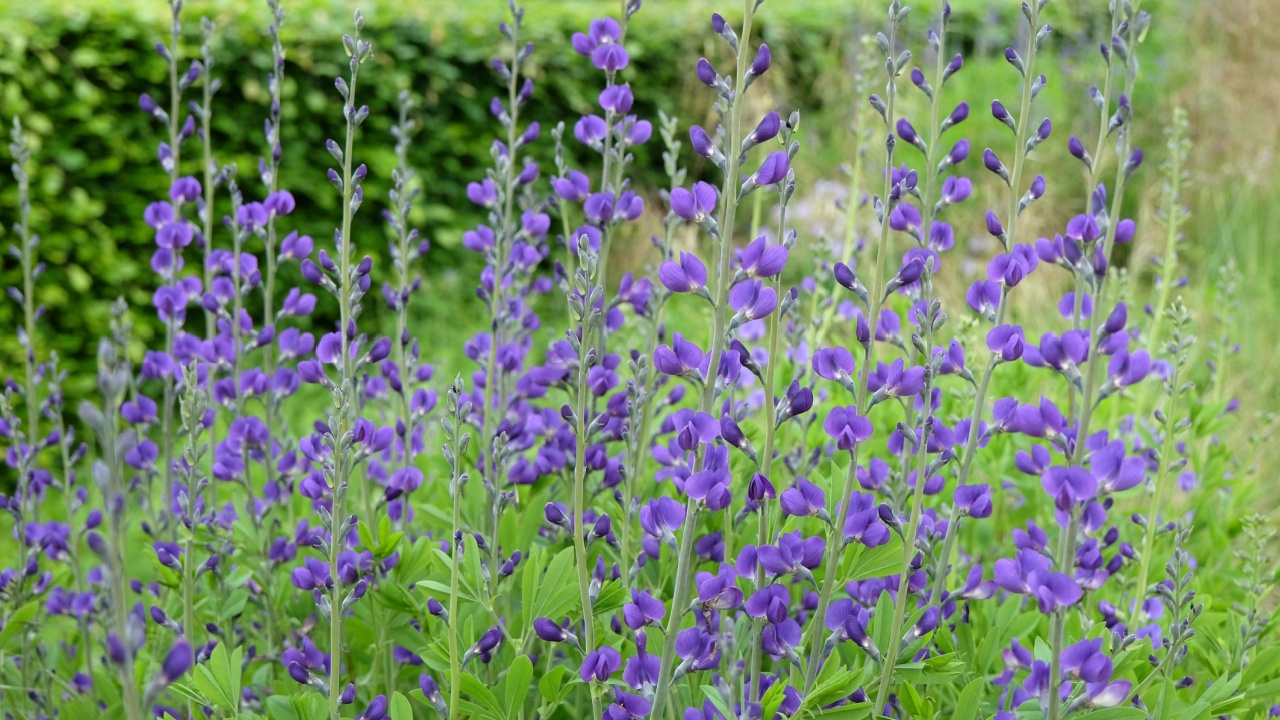
This native perennial produces striking blue flowers in spring and sustains itself in poor soils.
Care Tips
- Hardiness Zones: 3–9
- Sunlight: Full sun
- Watering: Drought-tolerant once established; water during dry periods.
- Maintenance: No deadheading required; cut back in late fall.
Pollinators Attracted: Bumblebees and butterflies.
Support Local Pollinators
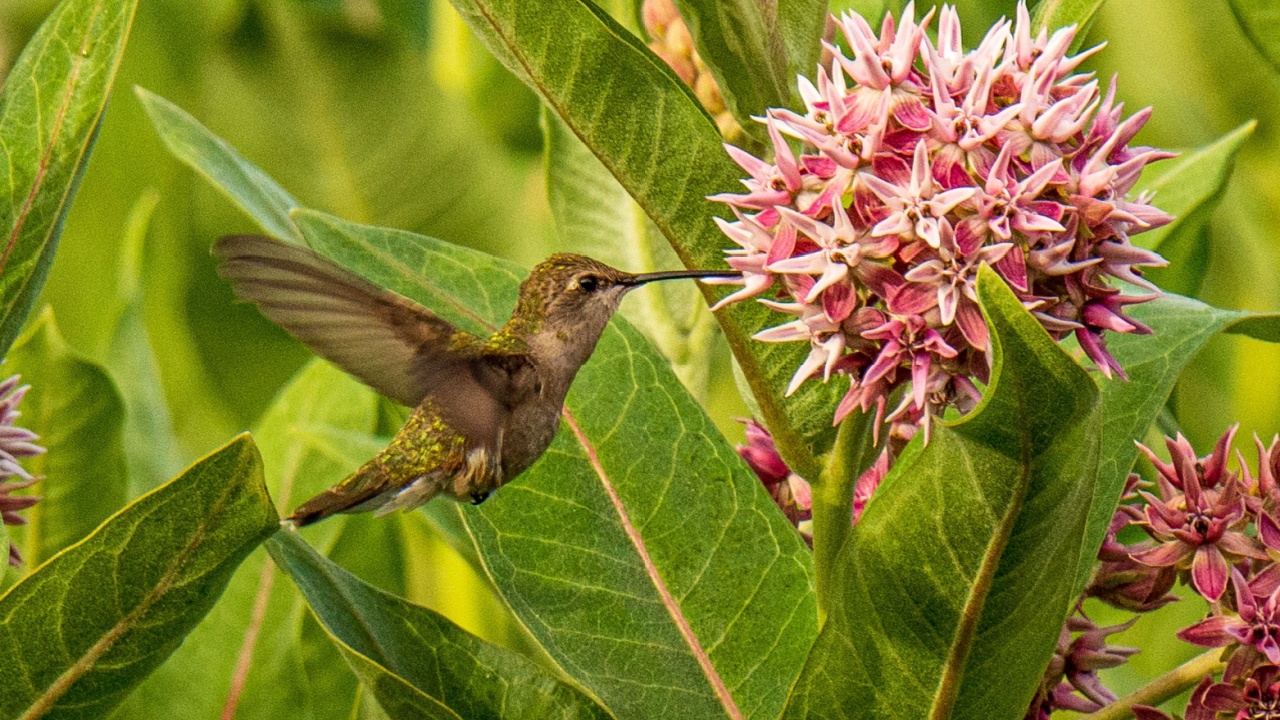
Wildflowers are a powerful addition to any garden, bringing beauty, sustainability, and ecological benefits. By incorporating these 23 low-maintenance species and following simple care guidelines, you’ll create a thriving pollinator-friendly haven that requires minimal effort.