12 Plants That Don’t Thrive in Hanging Basket (And What to Try Instead)
Hanging baskets can add stunning visual appeal to any outdoor space, with cascading blooms and vibrant greenery catching the eye. However, not all plants are cut out for the unique challenges of a hanging basket.
Choosing the wrong plants often leads to drooping blooms, dried-out roots, and overall frustration. To help you achieve beautiful, thriving displays, here’s a guide to 12 plants you should avoid using in hanging baskets and what to try instead.
What’s Your Green Thumb Level?
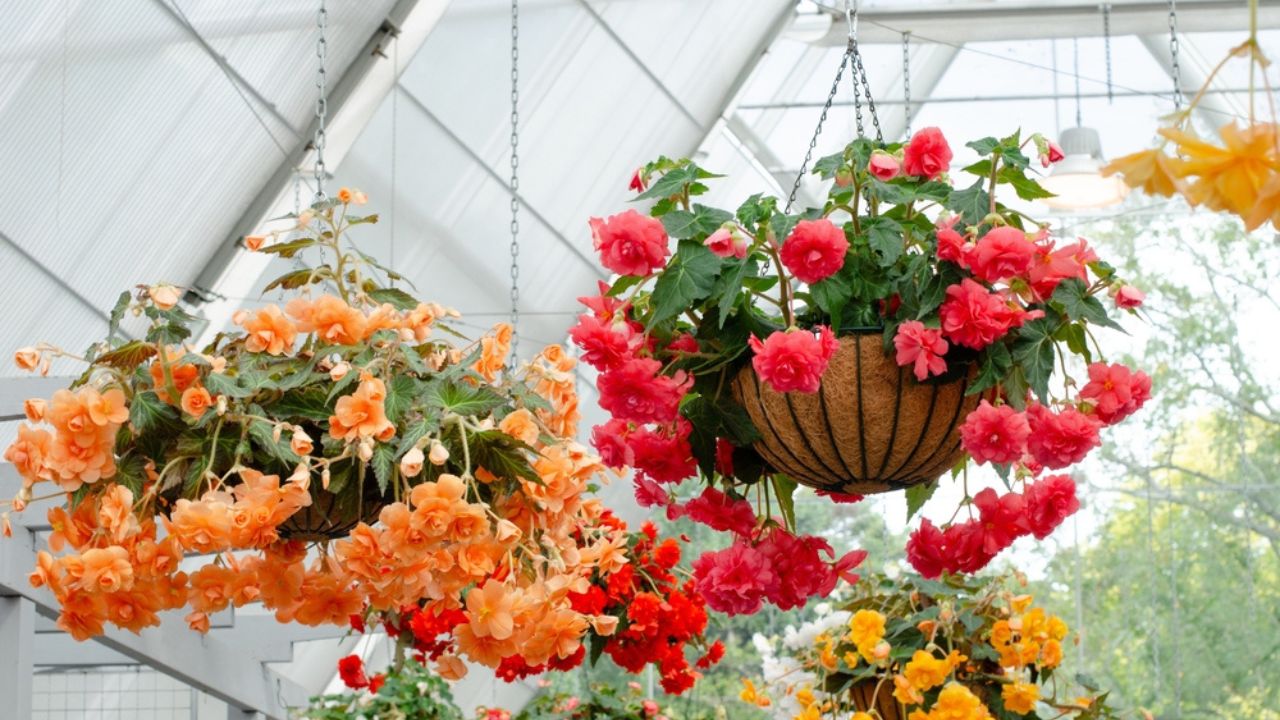
To be clear, in the end, you can plant whatever you would like in a hanging basket. The ones we’re about to list take a little more finesse (aka time and attention- and likely water) to thrive in a basket. Does that mean you should never plant them? No, it all depends on what kind of challenge you’re up for.
Why Some Plants/Flowers Do Better in Hanging Baskets Than Others
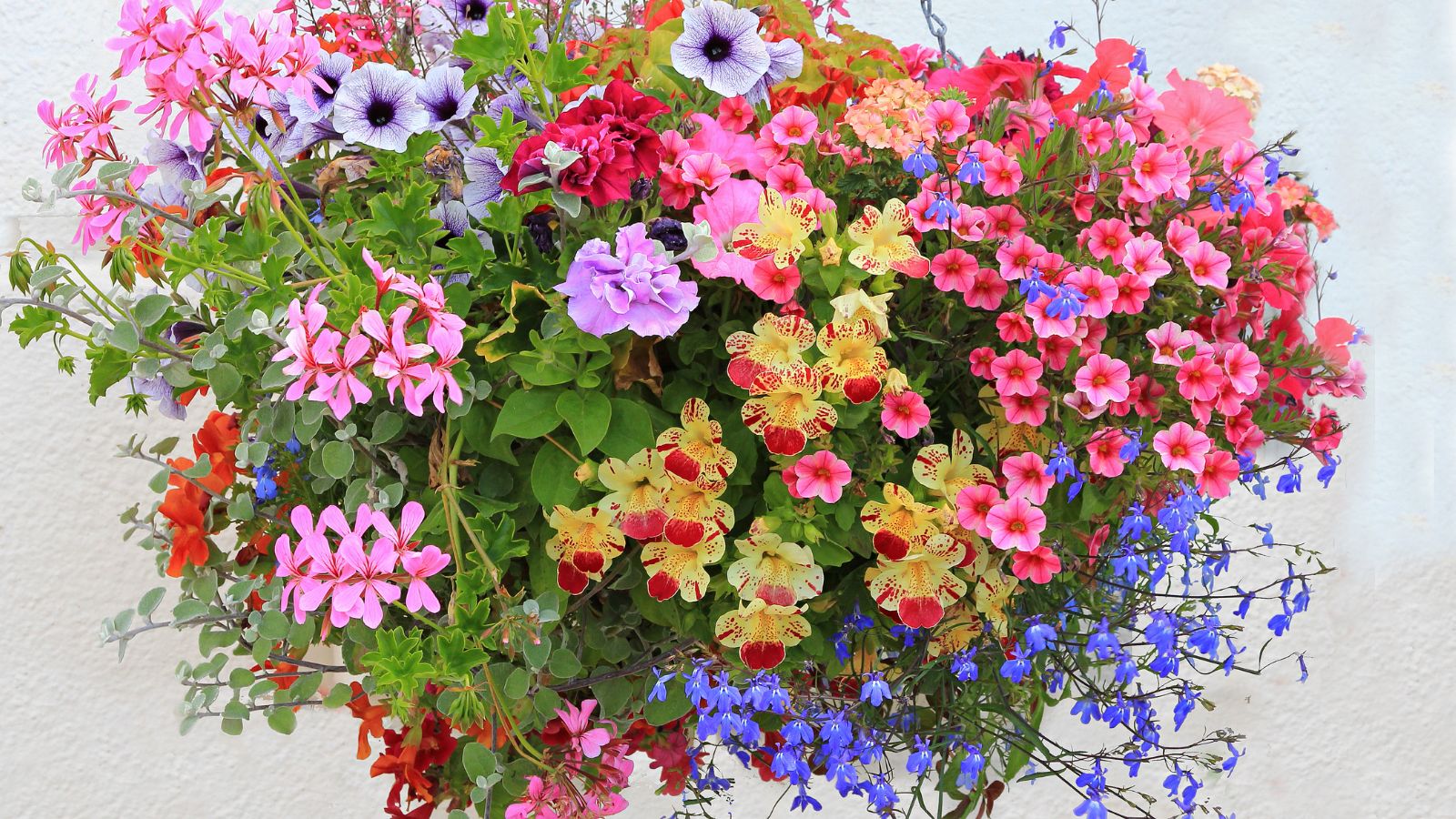
We used the following criteria to decide if a flower or plant is worth putting in a hanging basket versus putting in the ground (or a pot). Here are the most common reasons plants fail in a hanging basket:
- Limited Root Space: Hanging baskets provide confined space for roots, which can restrict growth and nutrient uptake.
- Moisture Challenges: Soil in hanging baskets dries out quickly due to exposure to wind and sun, making it hard to maintain consistent moisture levels.
- Exposure to Elements: Hanging baskets are more exposed to wind, sun, and temperature fluctuations, which can stress sensitive plants.
- Nutrient Deficiency: The small amount of soil in baskets can deplete nutrients quickly, requiring frequent fertilization.
- Overcrowding: Some plants grow bushy or have large root systems that can overcrowd the limited space, leading to poor air circulation and stress.
- Humidity Needs: Plants that require high humidity may struggle in the airy, exposed environment of a hanging basket.
- Weight of Blooms: Heavy flowers or stems can cause plants to droop or break under their own weight in a hanging basket.
- Maintenance Requirements: Plants that need frequent deadheading, pruning, or specific care may be harder to manage in a hanging basket.
1. Begonias
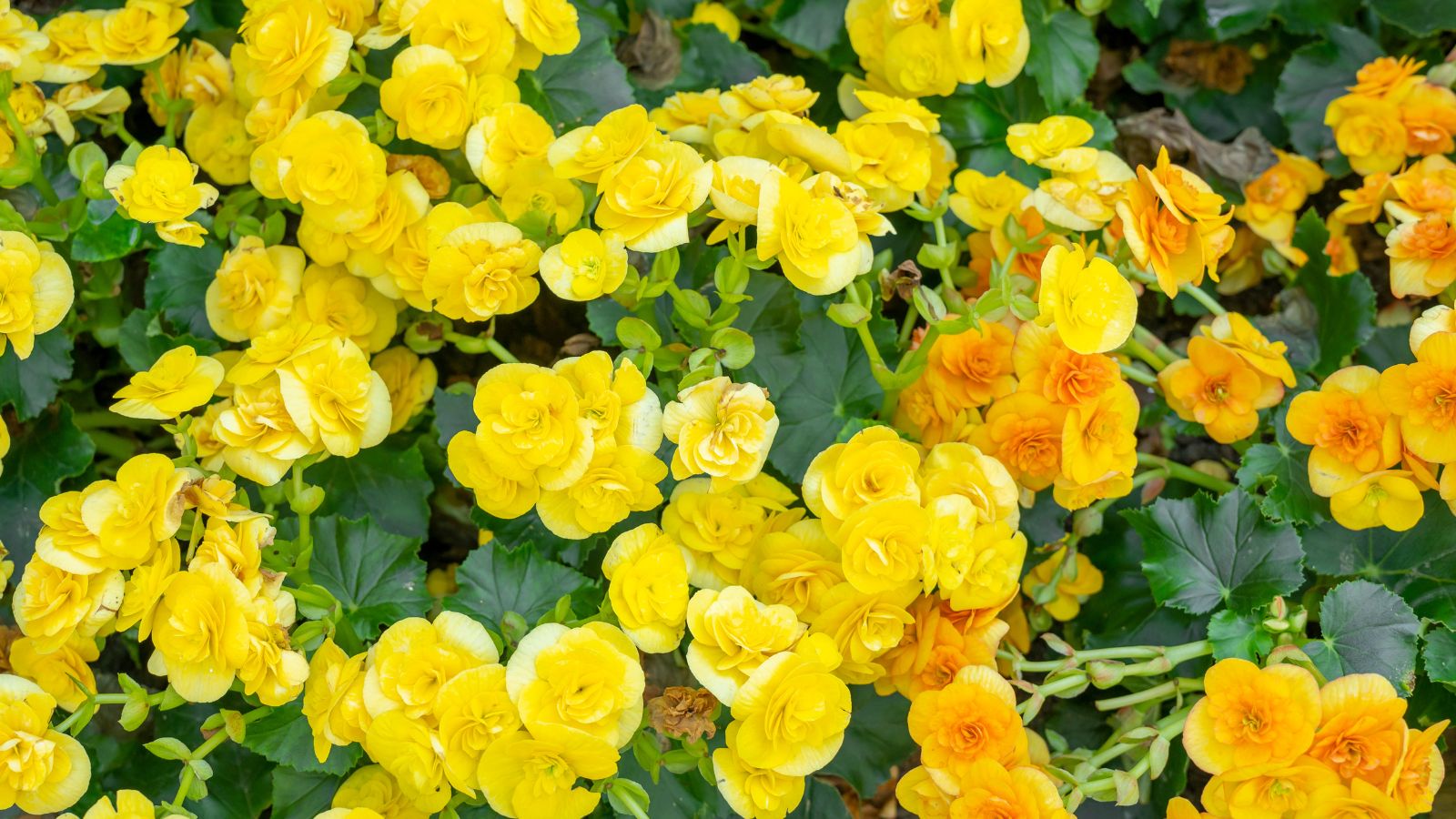
Begonias bring waxy, colorful foliage and flowers, but they struggle in hanging baskets. The limited airflow and confined root space increase their likelihood of developing fungal diseases. Additionally, begonias are quite sensitive to inconsistent watering, often leading to root rot in these conditions.
What to Use Instead: Trailing Petunias
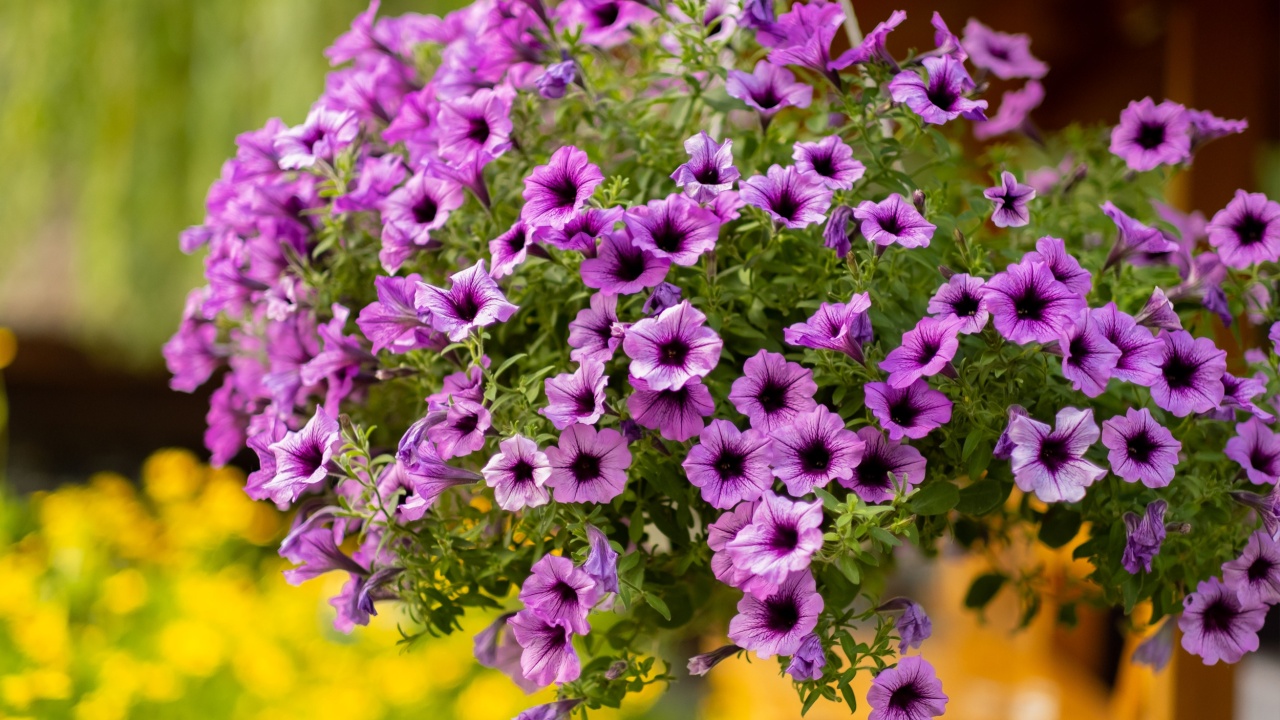
Trailing Petunias are a much better choice for hanging baskets. They cascade beautifully over the basket edge, adding vibrant blooms with minimal care. Petunias are hardy and can better withstand the challenges of a suspended environment.
2. Geraniums
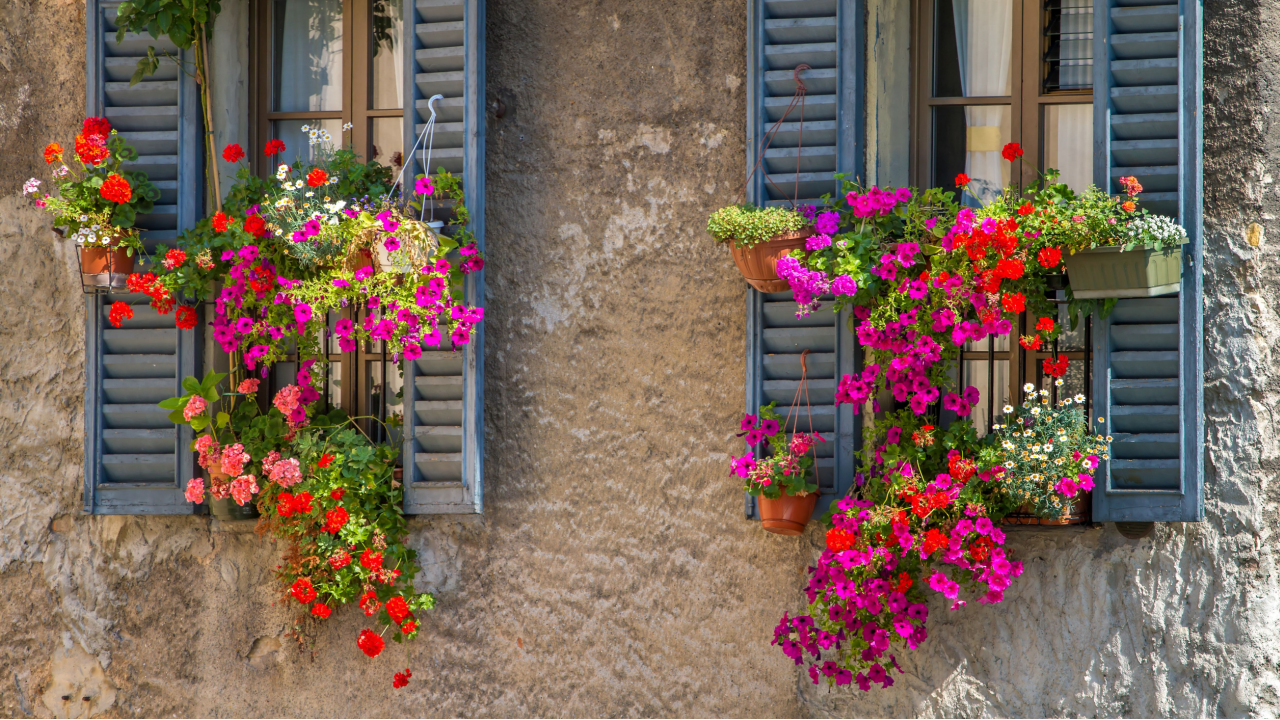
While geraniums are a popular garden plant, they are less successful in hanging baskets. Their upright growth habit and stiff stems don’t lend themselves to the cascading effect most people desire in baskets. Additionally, their fleshy roots are prone to waterlogging, which can lead to rot.
What to Use Instead: Ivy Geraniums
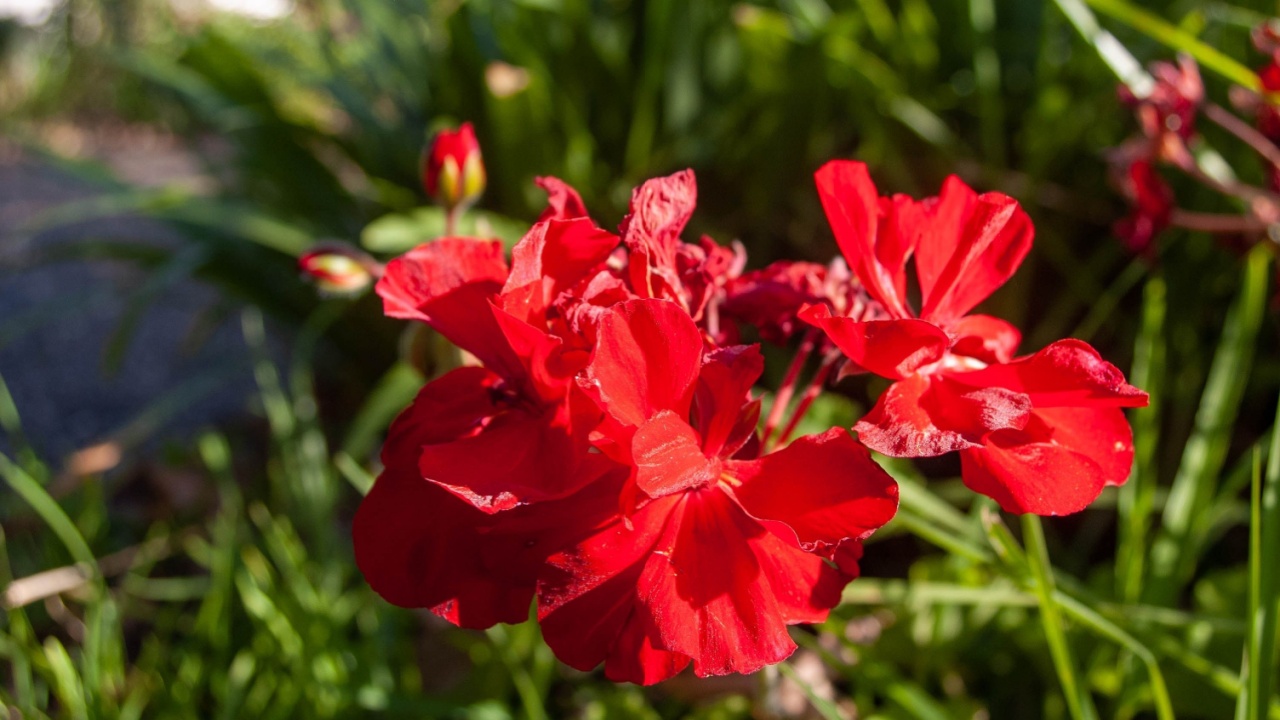
Opt for Ivy Geraniums. With their trailing growth habit and delicate blooms, they are perfectly suited to hanging planters. They add elegance and are more adaptable to airy conditions.
3. Impatiens
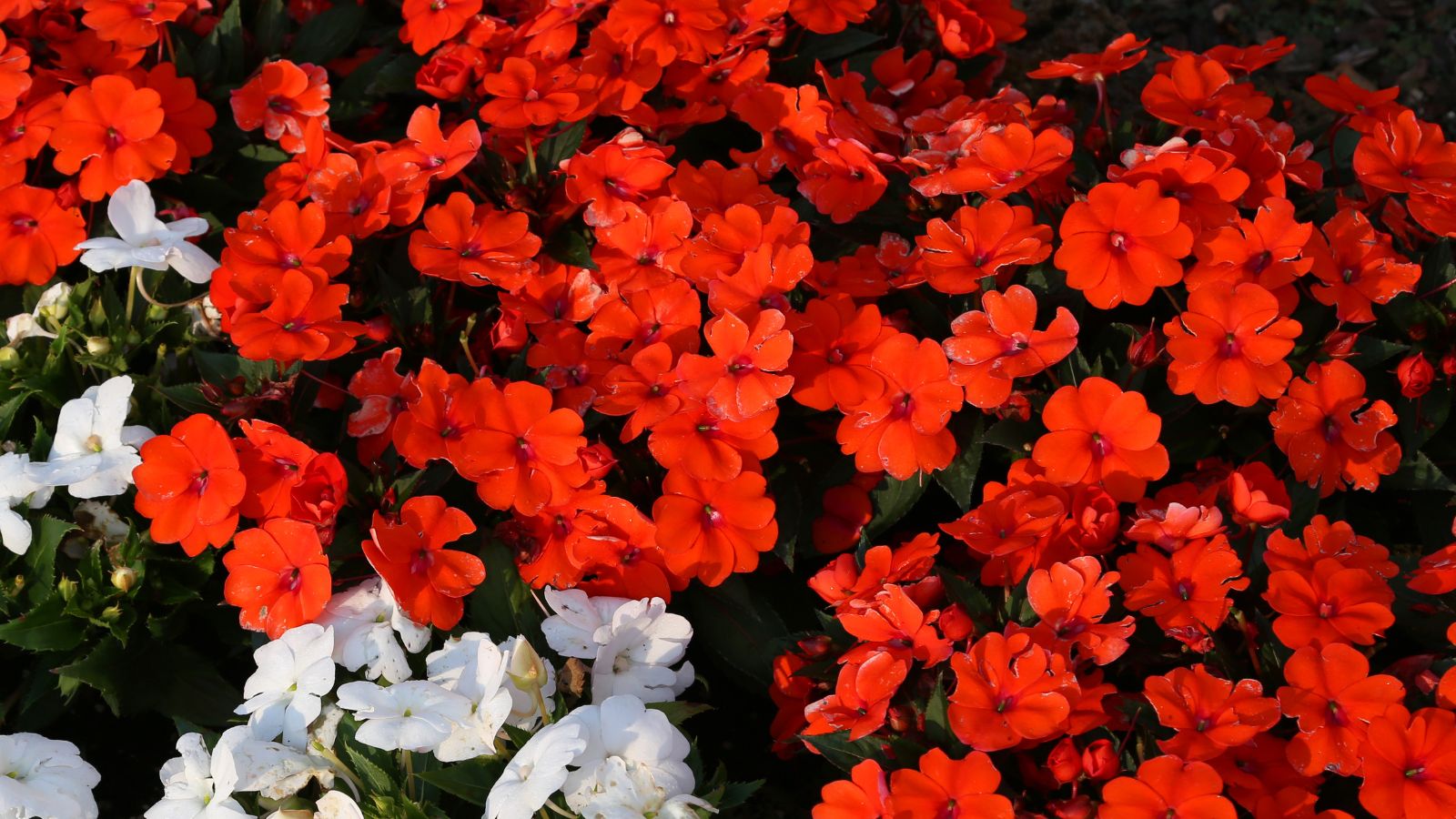
Impatiens are loved for their vibrant blooms, but they are highly moisture-dependent. Hanging baskets don’t retain enough water to keep them hydrated, especially in hot, windy conditions. They’re also very prone to downy mildew, which thrives in humid environments.
What to Use Instead: Trailing Sweet Peas
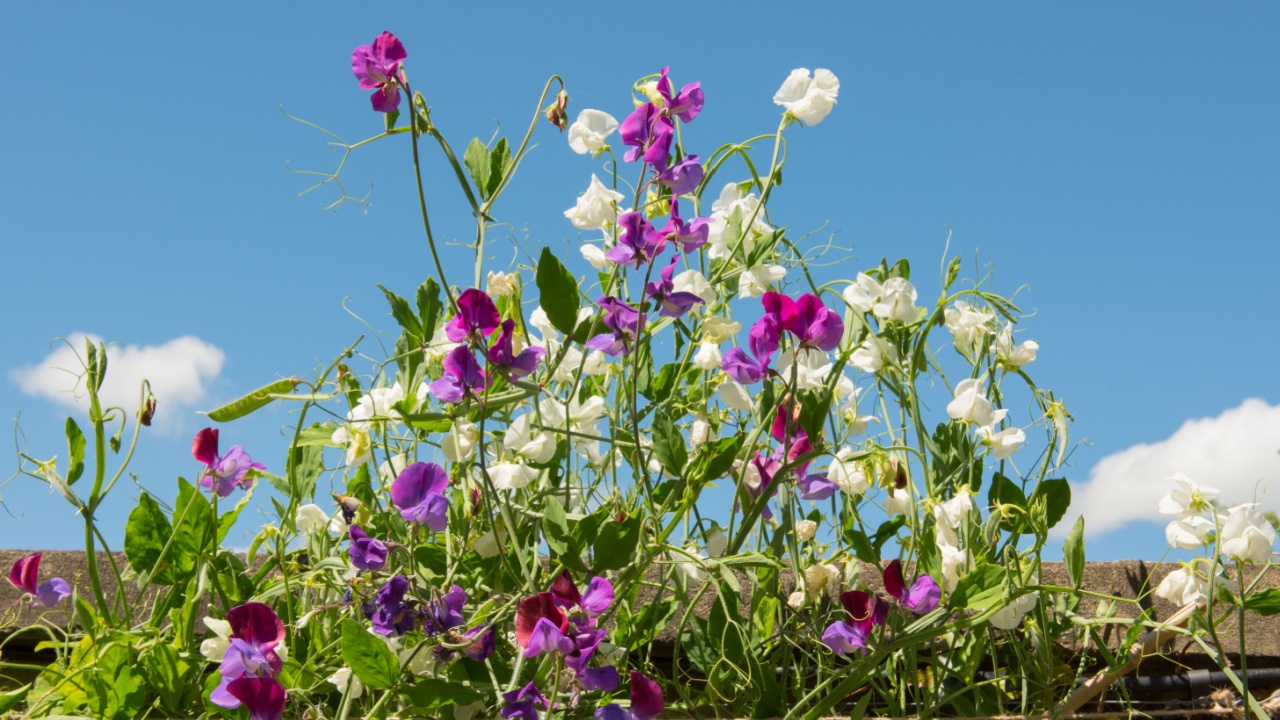
Use Trailing Sweet Peas for a similar cascading effect. Sweet peas not only provide beautiful flowers but also a delightful fragrance.
4. Marigolds
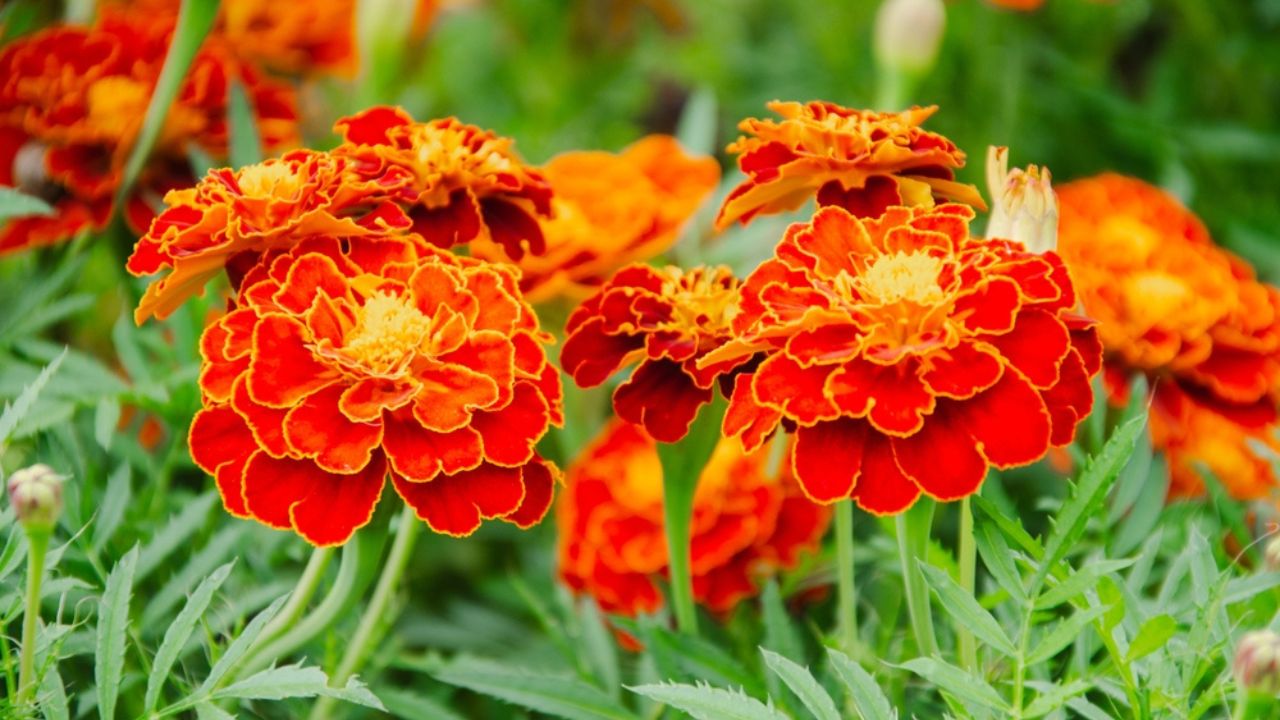
Marigolds flourish in garden beds, but they fall short in hanging baskets. Their root systems struggle with the limited space, often leading to stunted growth and lackluster blooms. Without ample room to spread, marigolds lose their vigor.
What to Use Instead: Nasturtiums

Use Nasturtiums in your hanging baskets instead. These trailing flowers produce bright blooms and lush foliage that cascade beautifully. They’re hardy and perform well in the airy confines of a basket.
5. Pansies
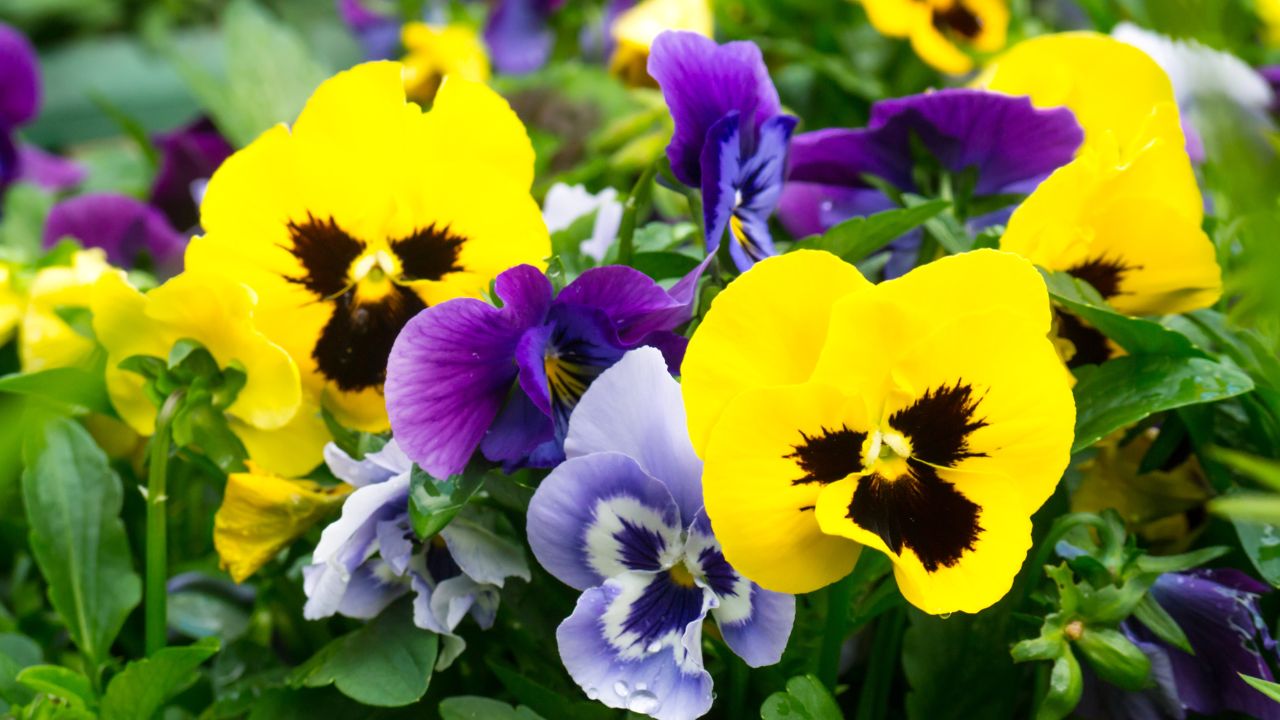
Pansies are a cool-weather favorite, but they aren’t well-suited for hanging baskets. Their shallow root systems dry out quickly, and they are especially sensitive to heat. This often leads to drooping flowers and faded foliage by midseason.
What to Use Instead: Trailing Verbana

Plant Trailing Verbena, which thrives in baskets and provides consistent blooms. Verbena can handle both warm and dry conditions—ideal for summer displays.
6. Petunias

Despite their popularity, upright petunias often become leggy and sparse in hanging baskets. Without regular deadheading and feeding, their blooms quickly diminish, leaving a stringy, untidy appearance.
What to Use Instead: Million Bells
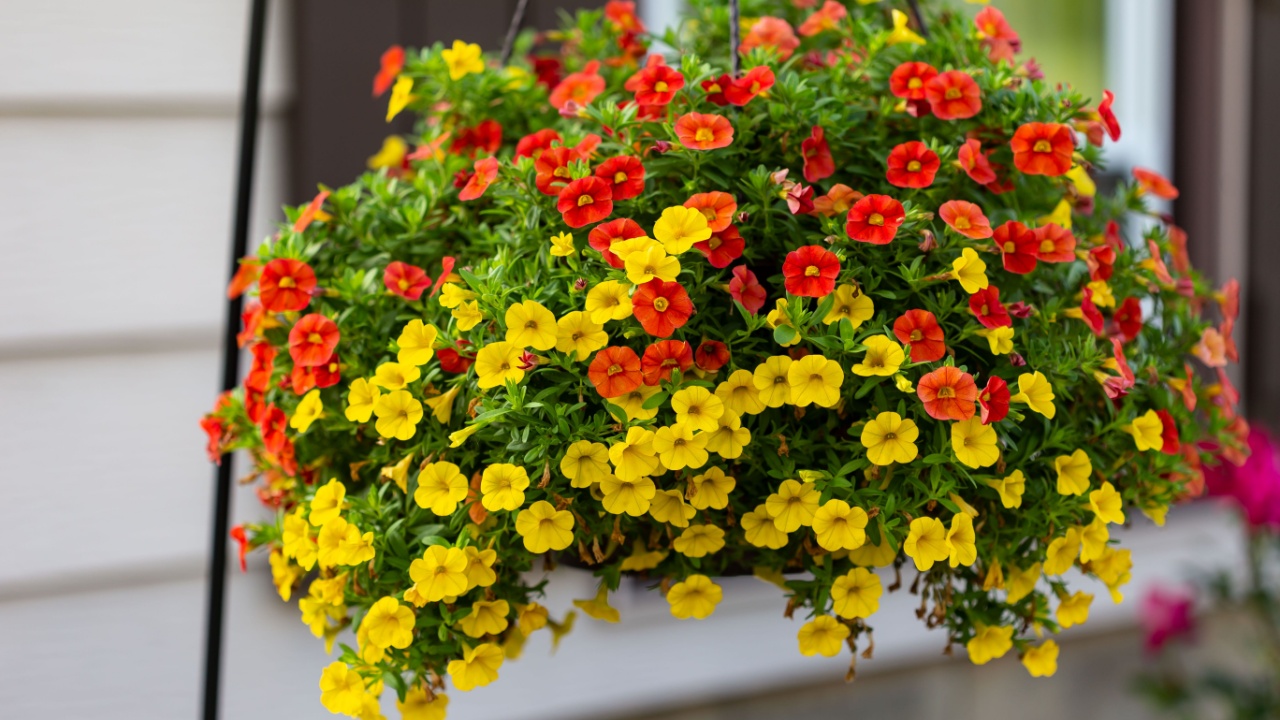
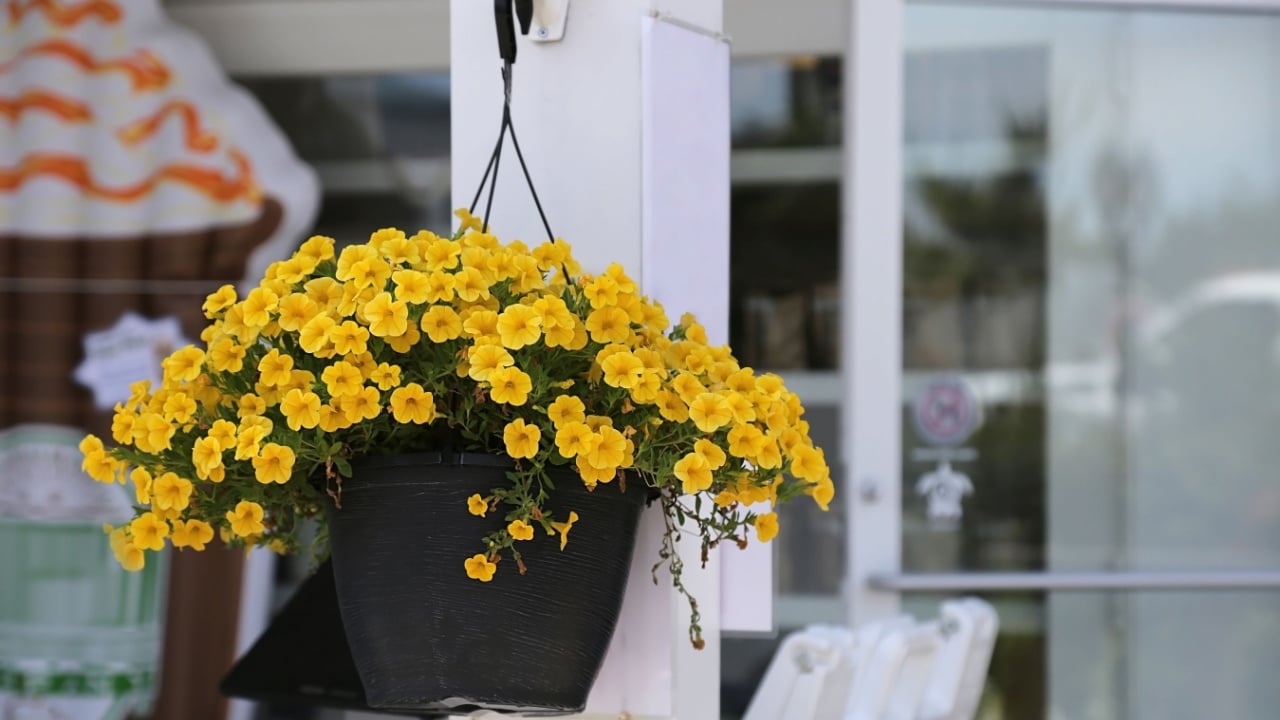
Replace upright petunias with Million Bells (or trailing petunia as we discussed already). These small but plentiful blooms resemble petunias and produce a constant display of vibrant colors. They’re low-maintenance and thrive in baskets.
7. Coleus
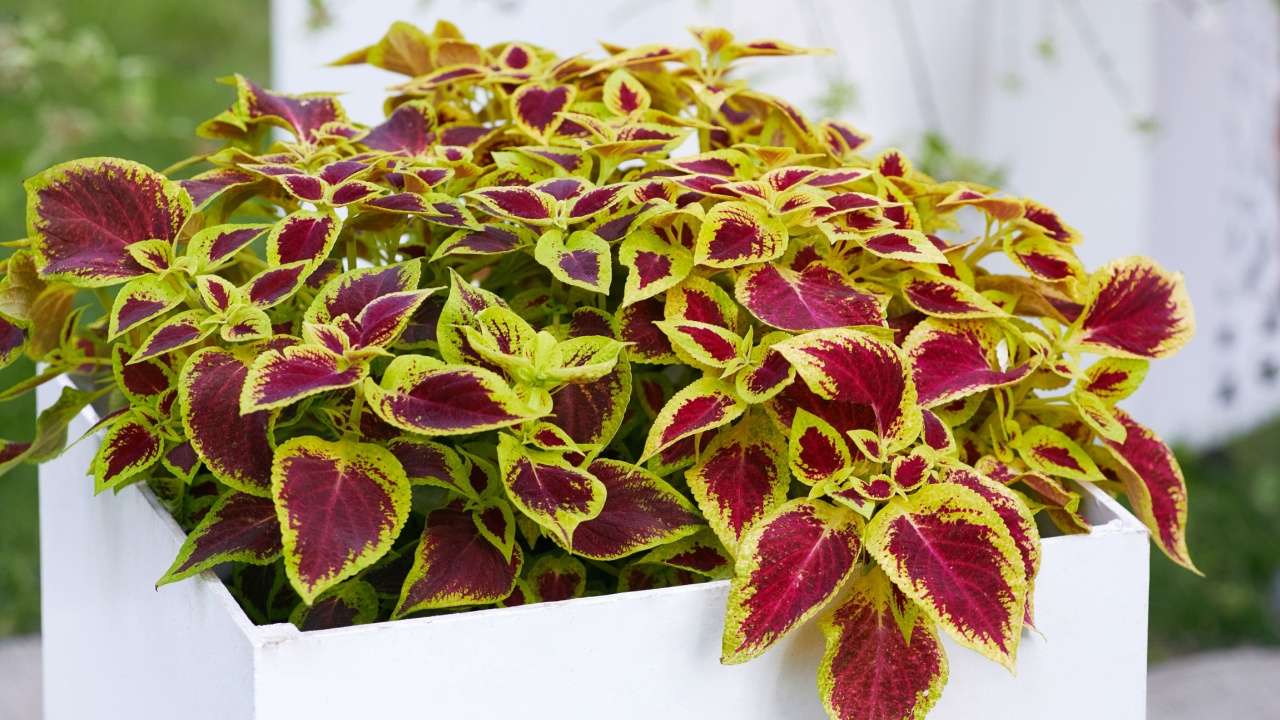
Coleus is renowned for its colorful foliage, but it struggles to maintain its vibrancy in hanging baskets. The plant’s bushy growth habit clashes with the confined space, leading to overcrowding and faded leaves. Additionally, Coleus requires consistent moisture, making hanging baskets a challenging environment.
What to Use Instead: Sweet Potato Vine
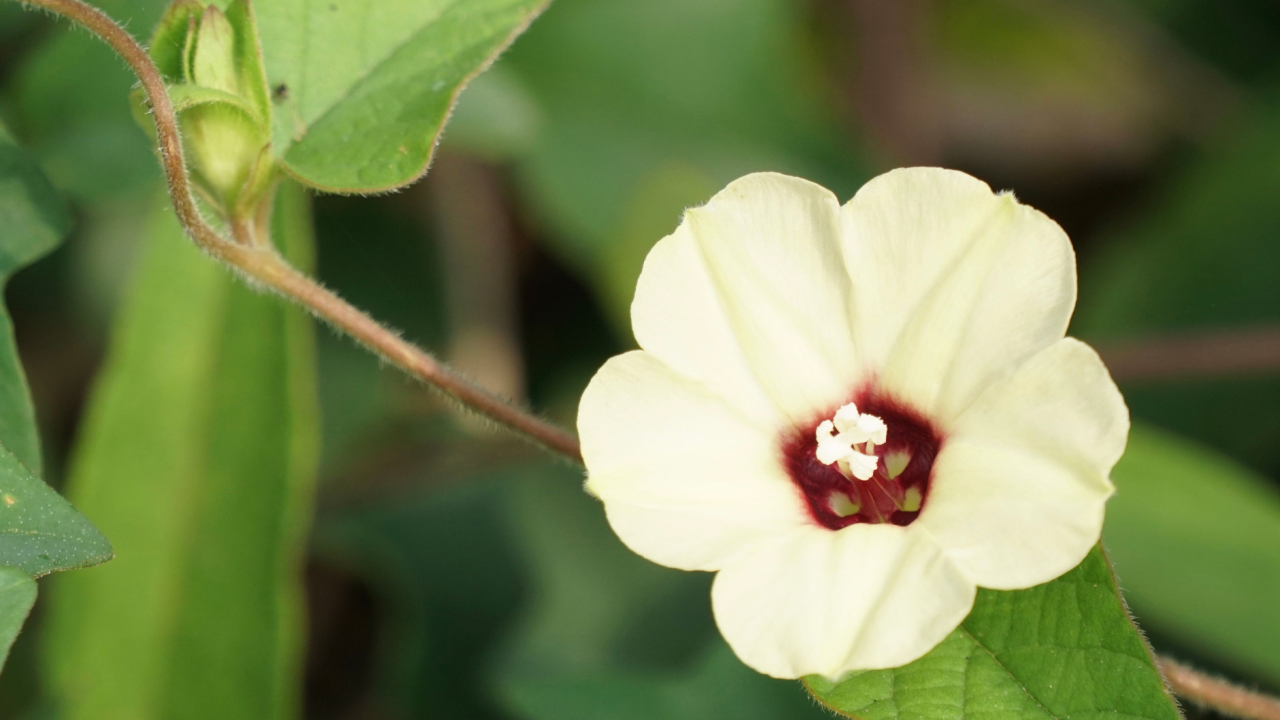
Sweet Potato Vine offers bold, colorful foliage in shades of lime green, deep purple, or variegated patterns, closely resembling the striking look of Coleus. It is more tolerant of varying moisture levels and can thrive in the airy, exposed conditions of a hanging basket.
8. Fuchsia
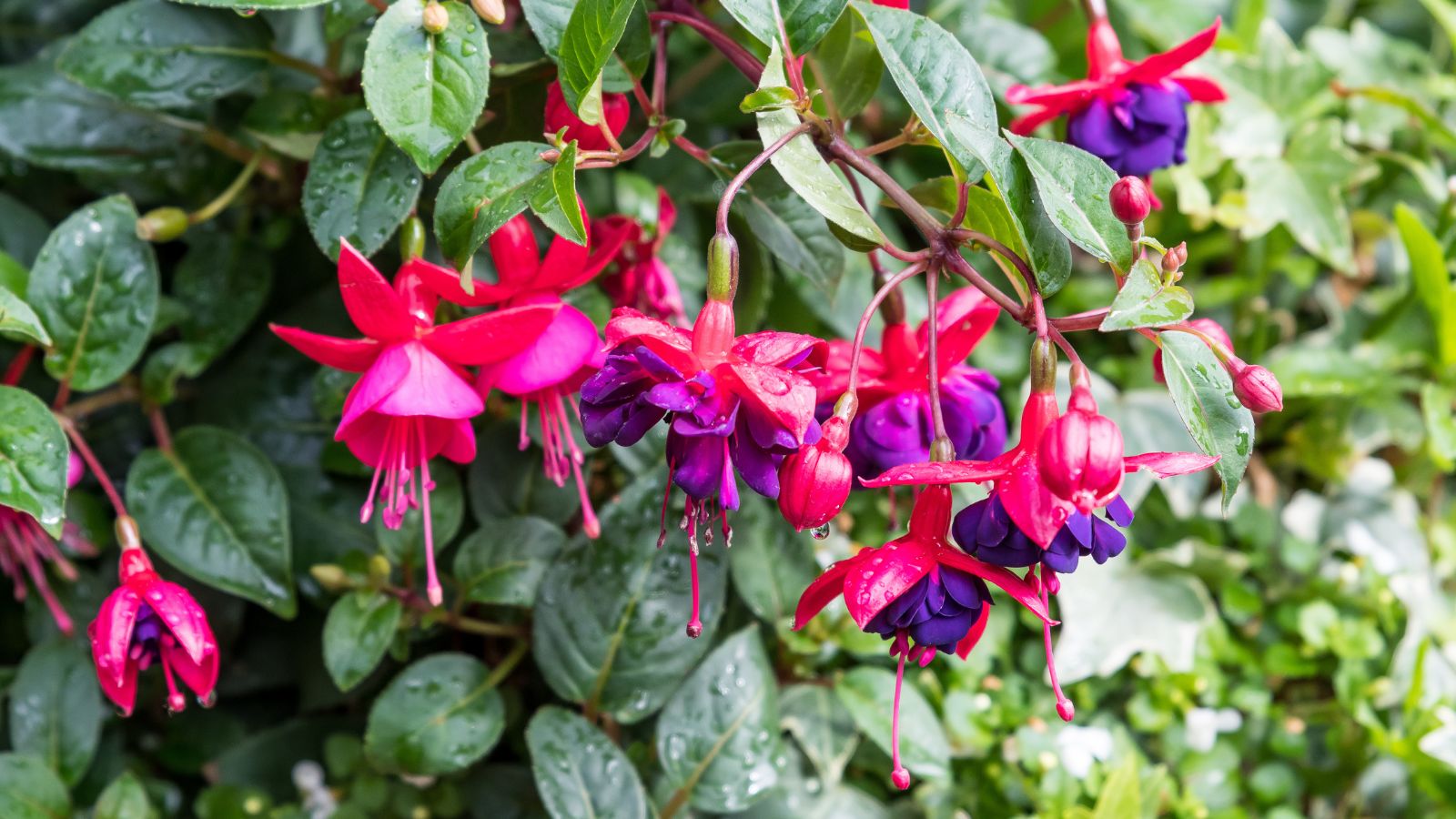
There are over 100 species of Fuchsia. Fuchsias are striking, with their pendulous blooms, but they can be finicky when placed in hanging baskets. They require consistent moisture and cool conditions, both of which are difficult to maintain in a hanging environment exposed to wind and sun.
What to Use Instead: Trailing Fuchsia
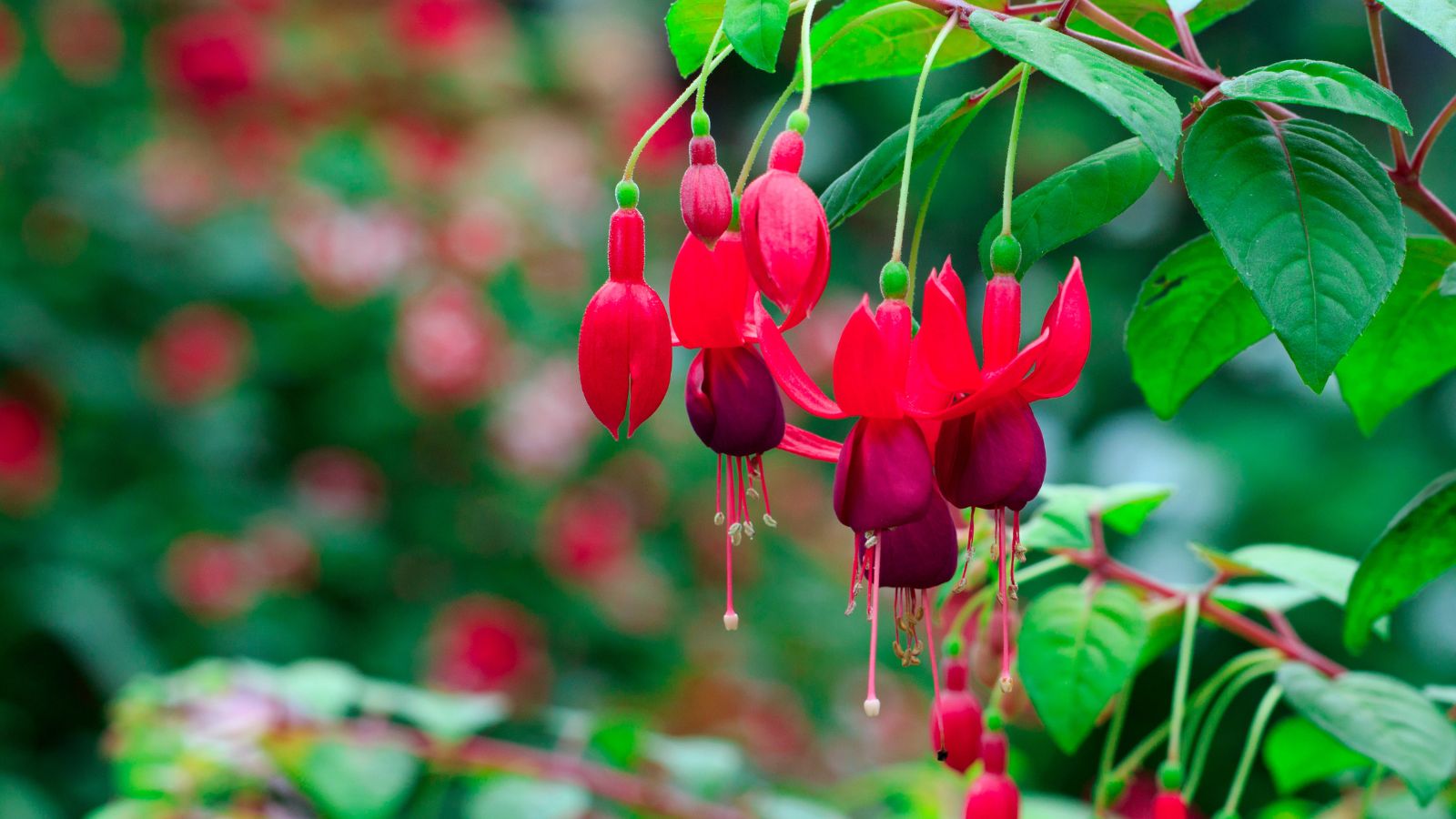
Try Trailing Fuchsia instead. These plants bring elegance with cascading blooms and thrive in the partial shade that many gardens provide. It’s important to note that they’ll still be more finicky than some plants, but the trialing versions tend to do a bit better (and look lovely).
9. Upright Lobelia
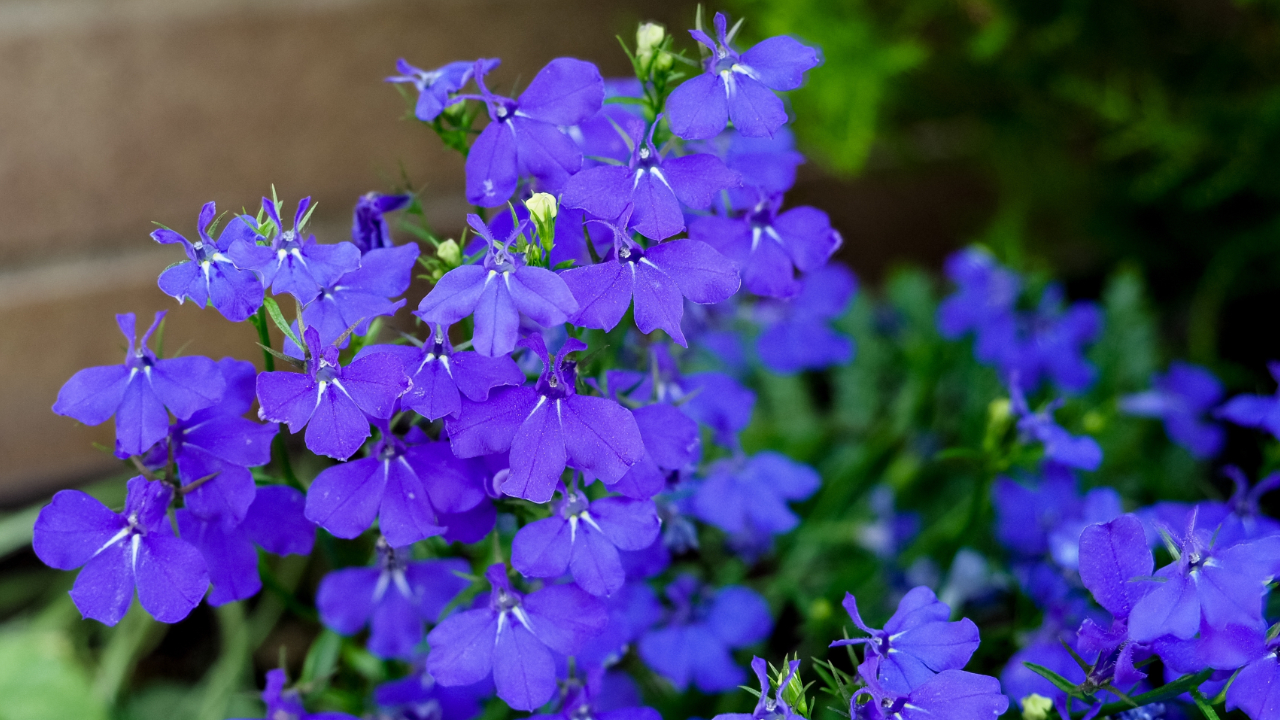
Upright varieties of lobelia struggle to retain their shape and fullness in hanging baskets. They tend to grow leggy and don’t adapt well to the swinging, airy environment.
What to Use Instead: Trailing Lobelia
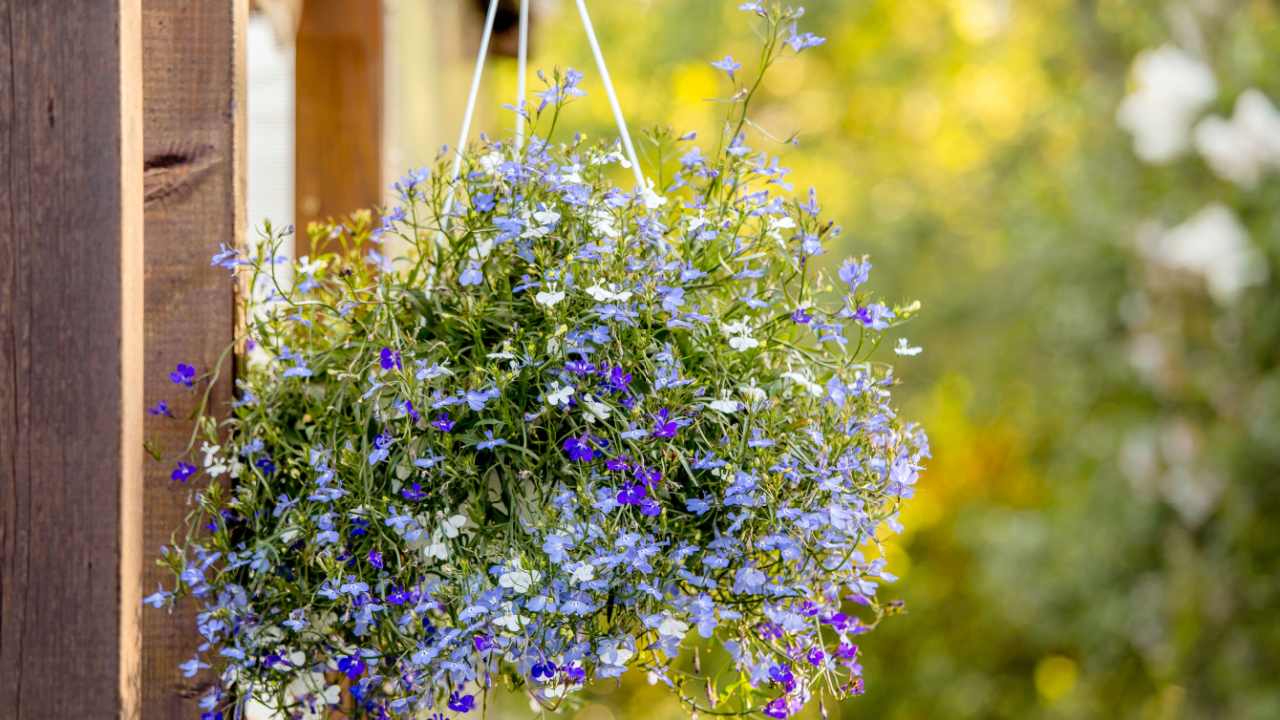
Replace impatiens with Trailing Lobelia. This plant cascades over the sides of baskets, providing a stunning waterfall of blue and purple flowers. It thrives in hanging baskets and can handle slightly drier conditions.
10. Caladium
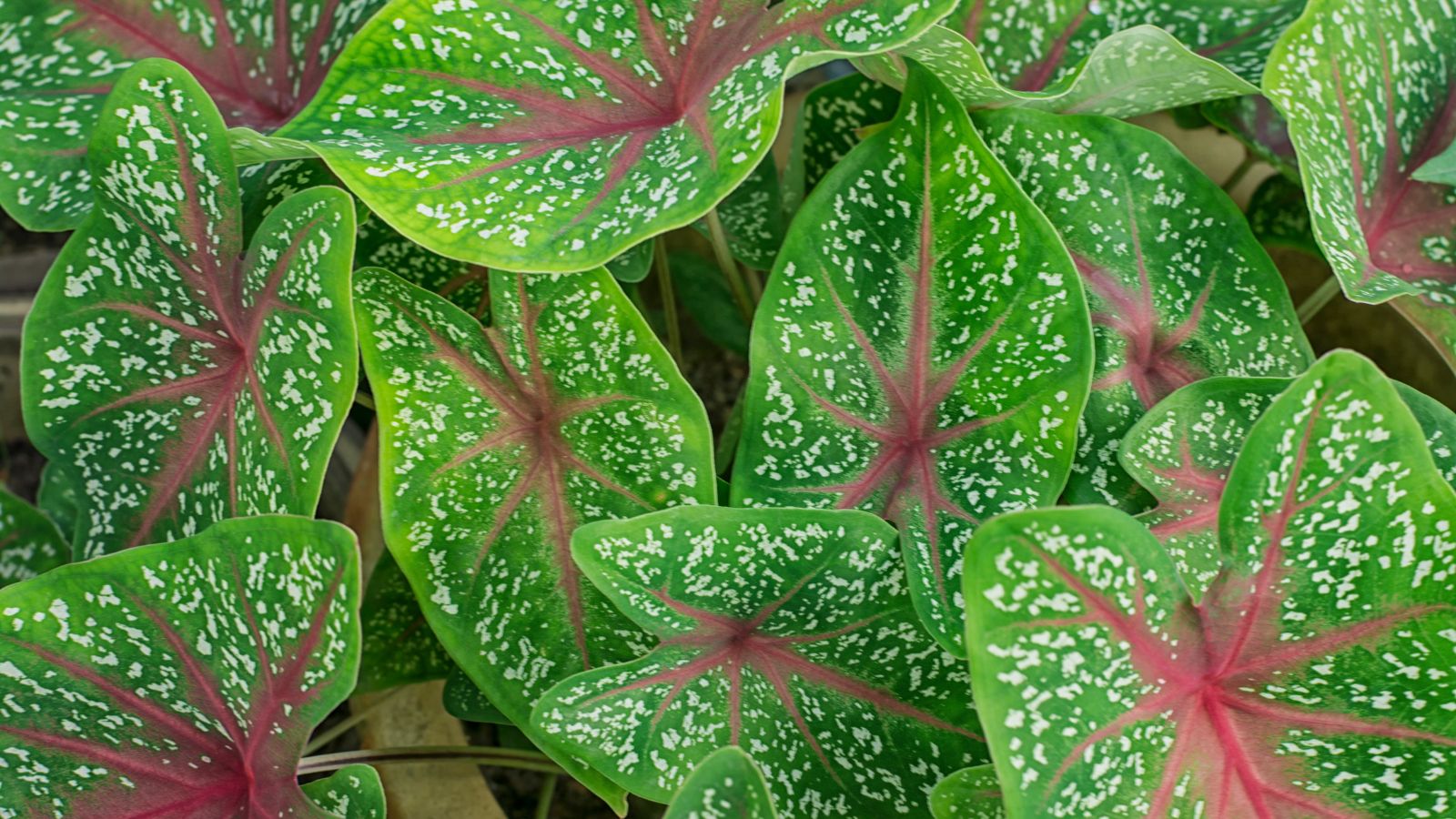
Caladium is appreciated for its colorful, heart-shaped leaves, but it requires substantial humidity and shade to thrive, challenging conditions for a hanging basket. Without enough water retention in the basket, the plant wilts and loses its vibrant color quickly.
What to Use Instead: Bacopa
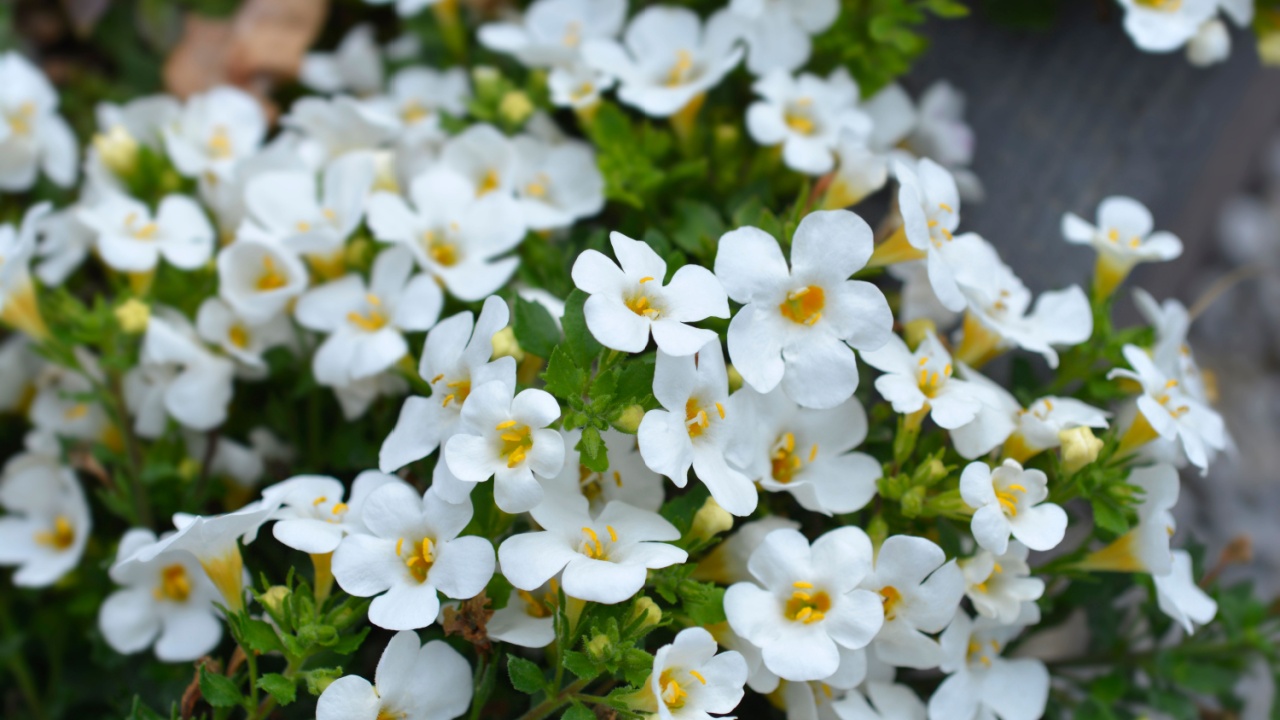
Use Bacopa instead. With its white, pink, or blue flowers, Bacopa is ideal for hanging baskets and requires minimal care beyond regular watering.
11. Lavender
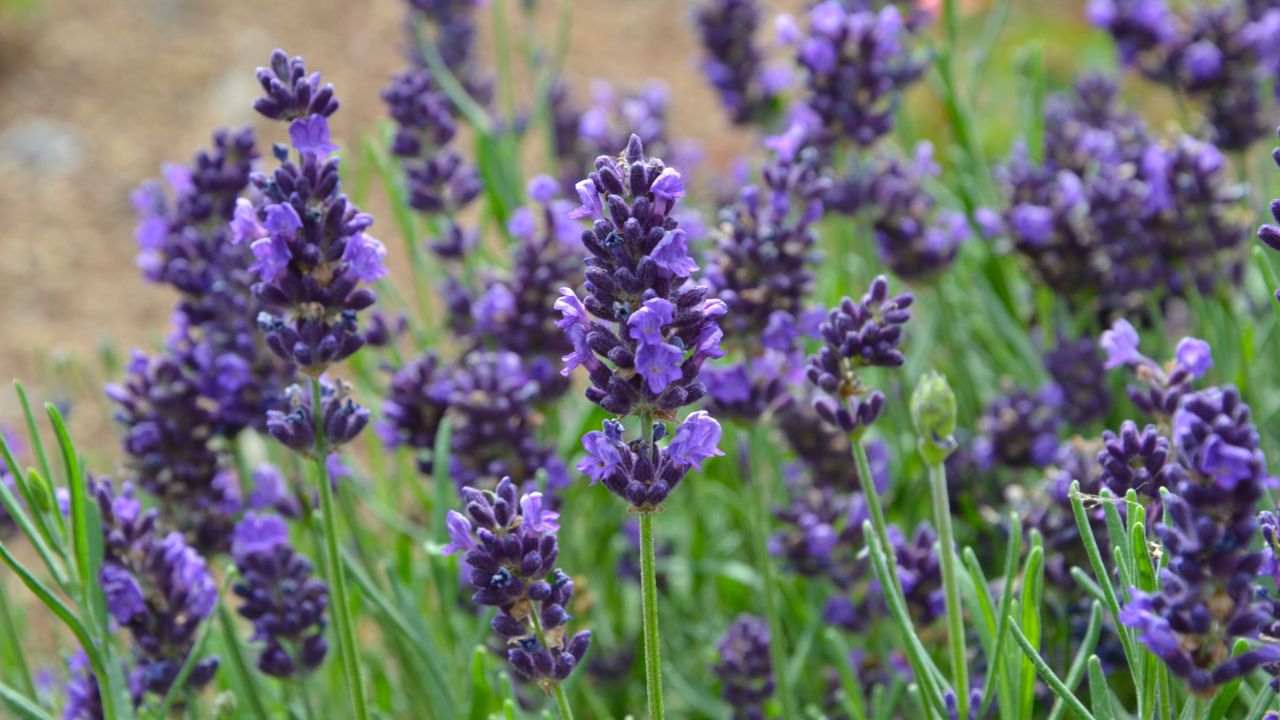
Lavender thrives in well-drained soil with little water, which makes it an odd fit (on the other side of the watering spectrum) for hanging baskets that often require frequent watering. Overwatering can quickly lead to root rot in lavender.
Once again, Trailing Verbena is an excellent alternative. With its drought-resistant nature and vibrant blooms, verbena is more suited to the challenges of hanging planters.
12. Sunflowers

Sunflowers are heavy feeders and need large, stable root systems to anchor their tall growth. Hanging baskets are simply too unstable and narrow to meet their needs, often leading to toppled baskets and stunted growth.
As mentioned above, trailing Nasturtiums bring a similar sunny appeal to your display without the challenges. Their bright, cheerful flowers cascade elegantly, making them a perfect fit for hanging baskets.
Find the Right Flowers

Choosing the right plants for your hanging baskets can make all the difference between frustration and a stunning display. By avoiding plants that struggle in this environment and opting for trailing, low-maintenance alternatives, you’ll have vibrant, eye-catching baskets to admire all season long. Consider these swaps and enjoy gardening success in your hanging displays!