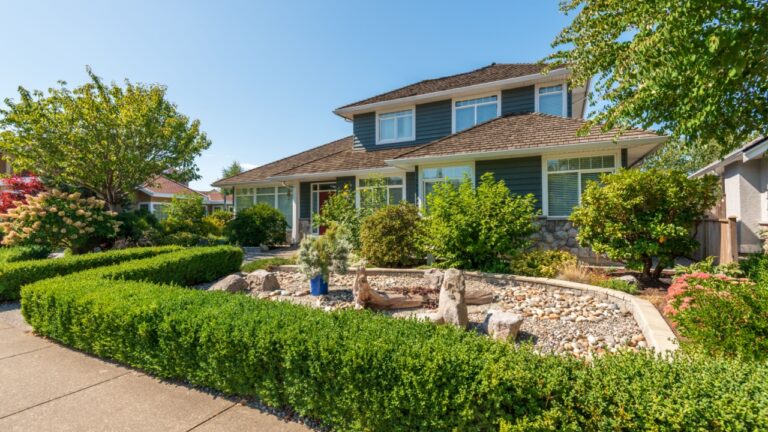
20 Perennials for a Sunning Driveway Border
Transforming your driveway into a welcoming, vibrant pathway can dramatically enhance your home’s curb appeal. One of the best ways to achieve this is by lining your driveway borders with colorful, low-maintenance perennials. Unlike annuals that need to be replanted seasonally, perennials come back year after year, providing long-term beauty and structure to your landscape.
This guide highlights 20 eye-catching perennials, detailing their unique characteristics and why they’re perfect for driveway borders. Whether you have a long, winding driveway or a short and straight one, these plants will add charm, color, and depth to your outdoor space.
1. English Lavender (Lavandula angustifolia)
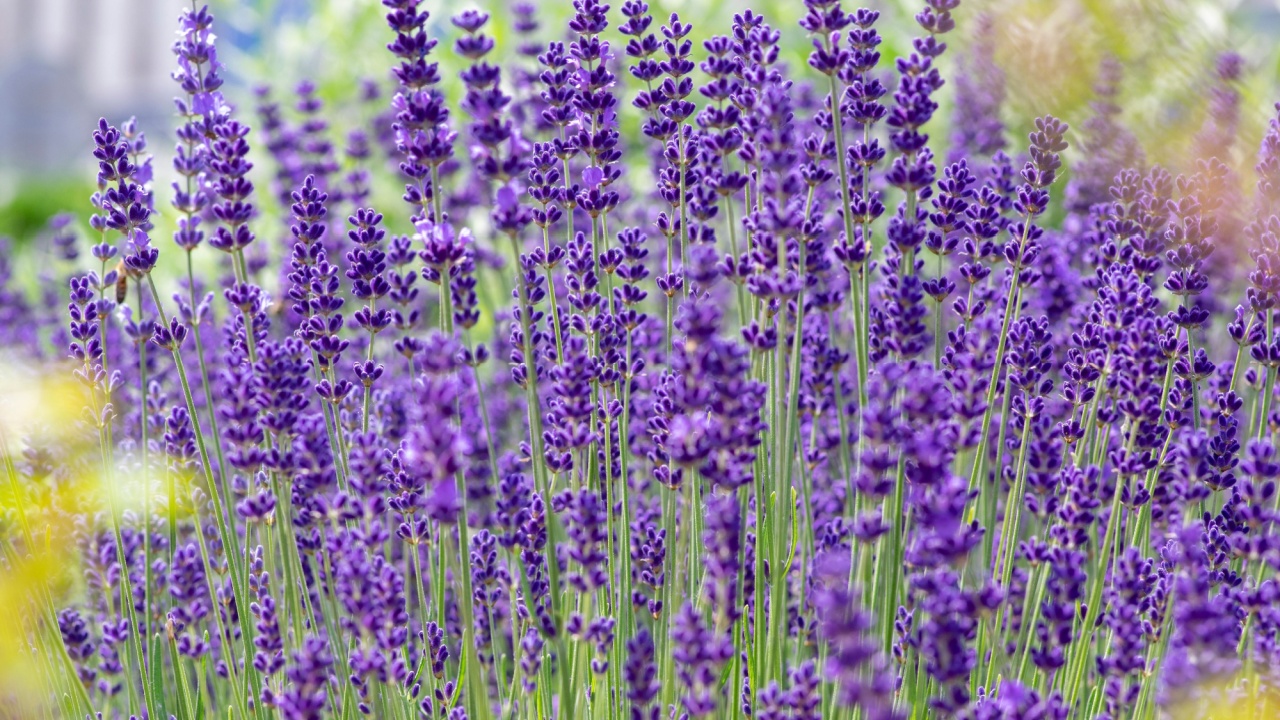
This perennial features delicate purple flowers and silvery-green foliage, releasing an aromatic fragrance that’s adored by pollinators. Thriving in USDA zones 5 through 8, English lavender is drought-tolerant and thrives in hot, dry conditions.
Why It’s a Great Choice: English lavender’s tidy structure makes it ideal for lining driveway borders. Even when not in bloom, its foliage adds texture and contrast, creating a cohesive and stylish landscape with lavender.
2. Rose Mock Vervain (Glandularia canadensis)

Rose mock vervain produces clusters of vibrant pink blooms with finely textured foliage. This perennial thrives in well-drained soil across zones 5 to 9 and attracts an array of butterflies.
Why It’s a Great Choice: Its low-maintenance needs make rose mock vervain versatile. The lush, flowing foliage softens harsh driveway edges, perfectly balancing hardscapes with natural beauty. It’s worth noting to be cautious of its possible spreading behavior.
3. Creeping Phlox (Phlox stolonifera)
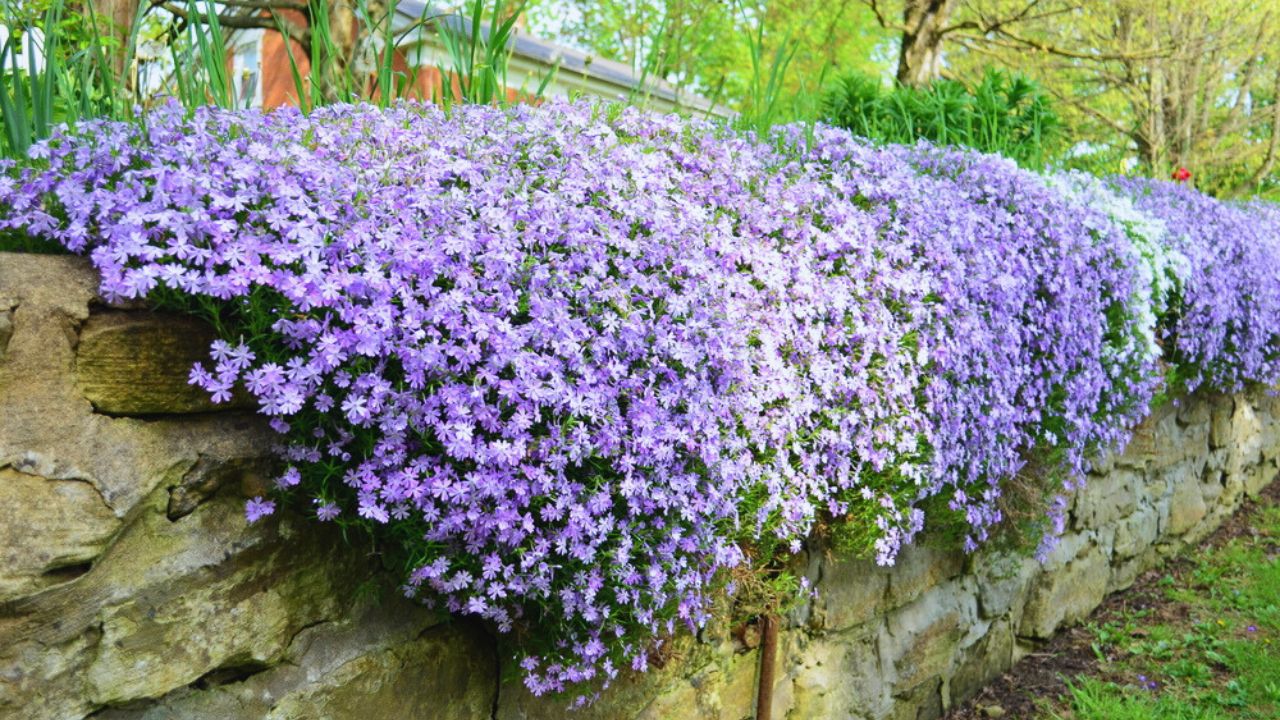
Creeping phlox forms a colorful carpet of pink, blue, purple, or white flowers in early spring. This hardy perennial thrives in zones 3 through 9 and spreads up to 3 feet wide, covering ground with vibrant blooms.
Why It’s a Great Choice: Ideal for filling gaps along driveway borders, creeping phlox prevents weeds while adding charm. Its low-growing habit creates a seamless blend with pavers or stones.
4. Japanese Thimbleweed (Anemone hupehensis)
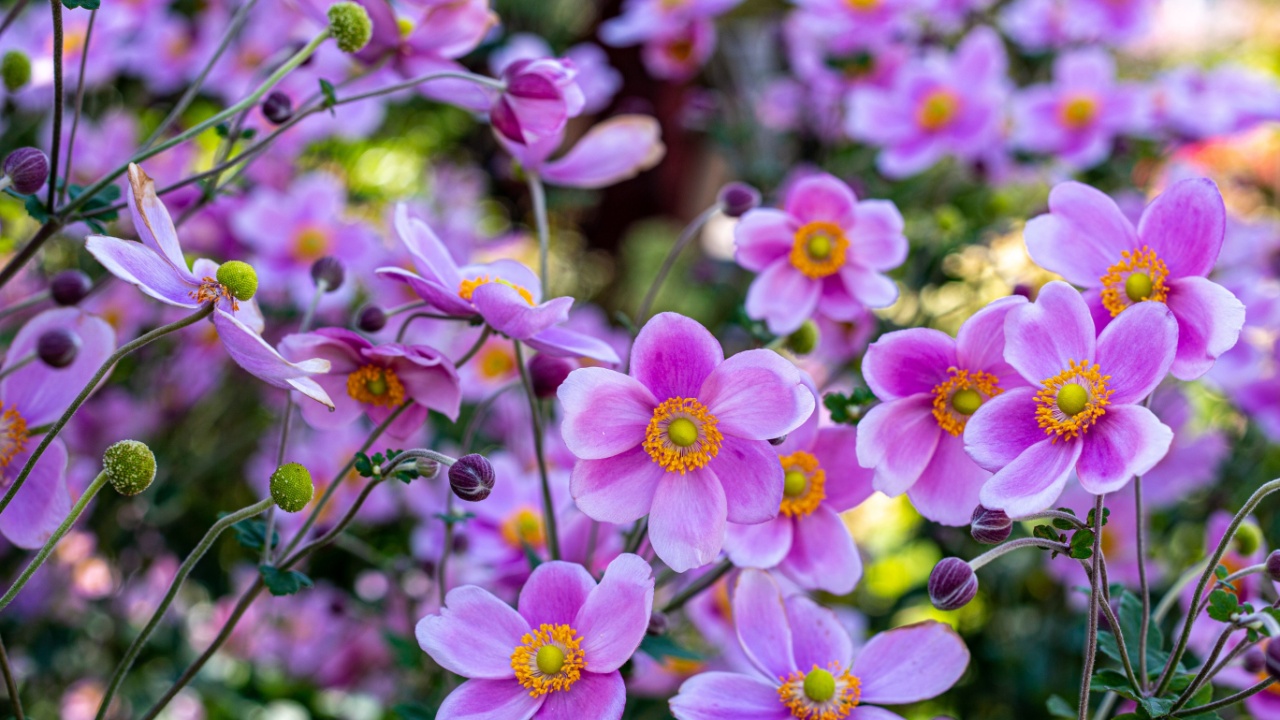
Japanese thimbleweed is a graceful addition to gardens, blooming late into the season with soft pink or white, cup-shaped flowers. It thrives in zones 4 through 8 and prefers partial shade.
Why It’s a Great Choice: These delicate flowers sway in the breeze, adding elegance and movement to driveway borders. Their late blooms provide color long after other flowers have faded.
5. Lupines (Lupinus)
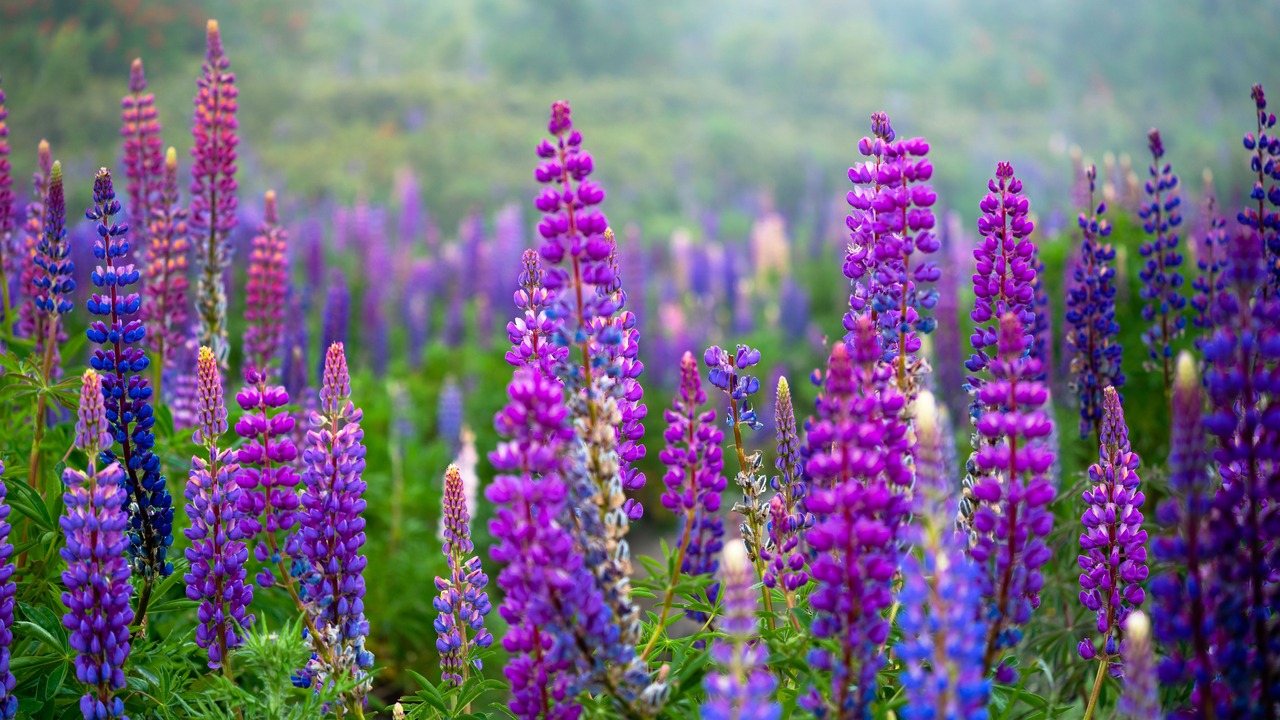
Known for their tall spires of pea-like blooms, lupines create a dramatic vertical element. They come in shades of blue, white, pink, and yellow and flourish in zones 4 through 8. They prefer being seeded in cooler seasons, so plant them in the spring when possible.
Why It’s a Great Choice: Lupines’ upright structure adds vertical interest to driveway borders, while their vibrant colors make a stunning statement. They’re also pollinator magnets, bringing hummingbirds and bees to your garden.
6. Oriental Poppy (Papaver orientale)
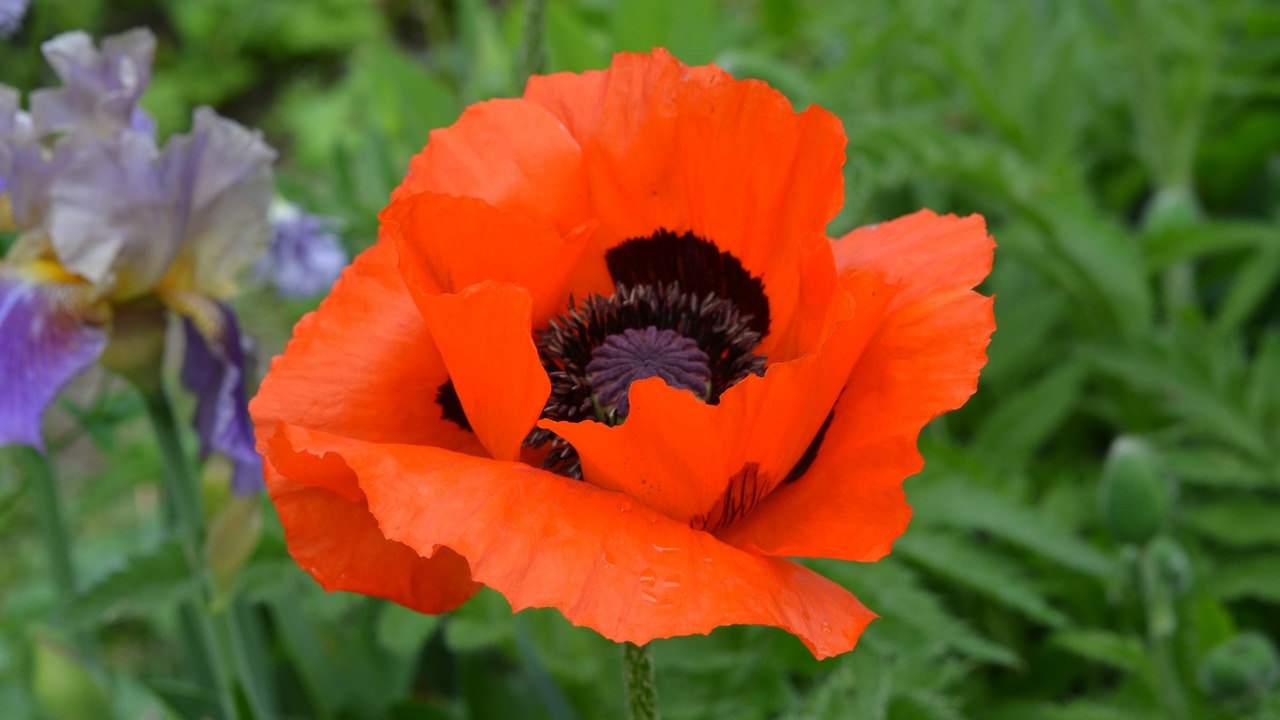
Oriental poppies are show-stoppers with their large, crinkled petals and dark centers. These bold flowers thrive in zones 3 through 7 and bloom in vivid shades like red, orange, or pink.
Why It’s a Great Choice: Perfect for driveway borders, their oversized blooms create an immediate focal point. Poppies thrive in well-drained soil and tolerate full sun, making them low-maintenance yet striking.
7. False Goat’s Beard (Astilbe biternata)

False goat’s beard features feathery, plume-like flower clusters in shades of pink, cream, or purple. Flourishing in dappled shade and consistently moist soil, this perennial grows best in zones 5 to 8.
Why It’s a Great Choice: With its compact growth and vibrant hues, false goat’s beard adds texture to shaded driveway borders while being resistant to deer and rabbits.
8. Peony (Paeonia)
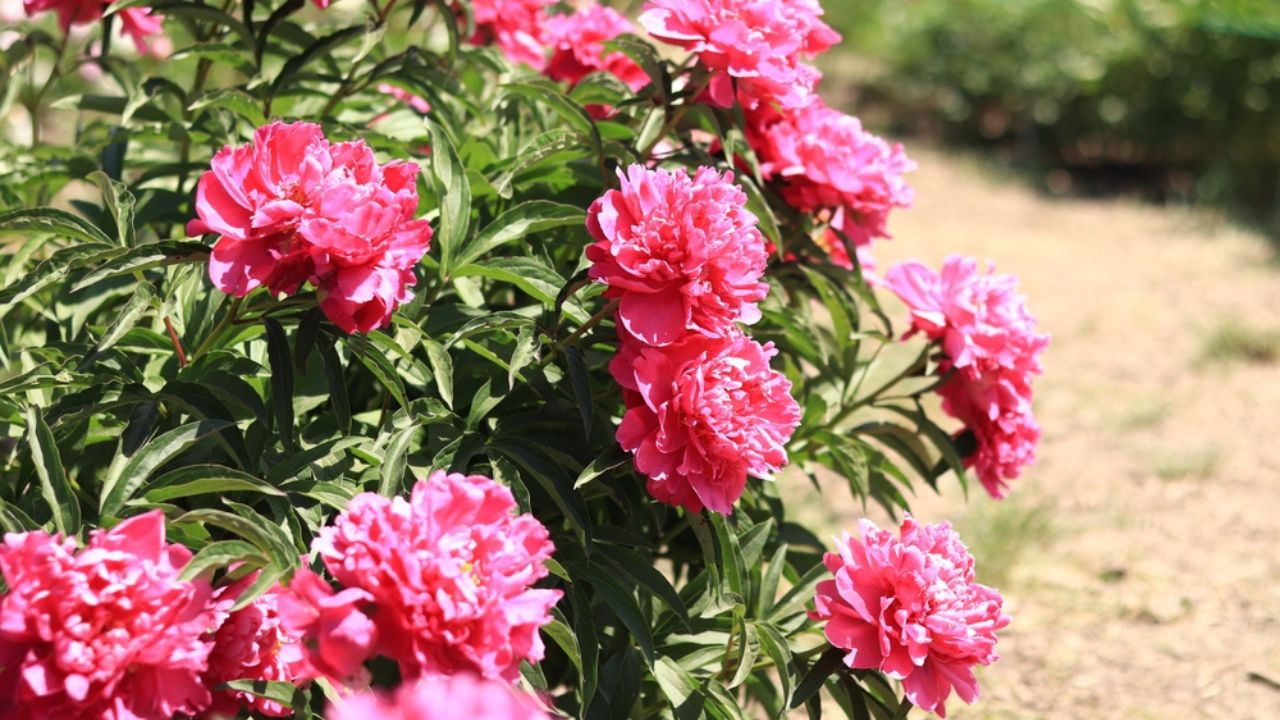
Peonies are known for their lush, ruffled blooms and intoxicating fragrance. These perennials are hardy in zones 3 through 8 and make a dramatic late spring to early summer display.
Why It’s a Great Choice: Perfect for adding sophistication, peonies’ large blooms create a showy contrast to neat, tidy driveways. Their longevity allows them to flourish for decades with little maintenance.
9. Yarrow (Achillea millefolium)
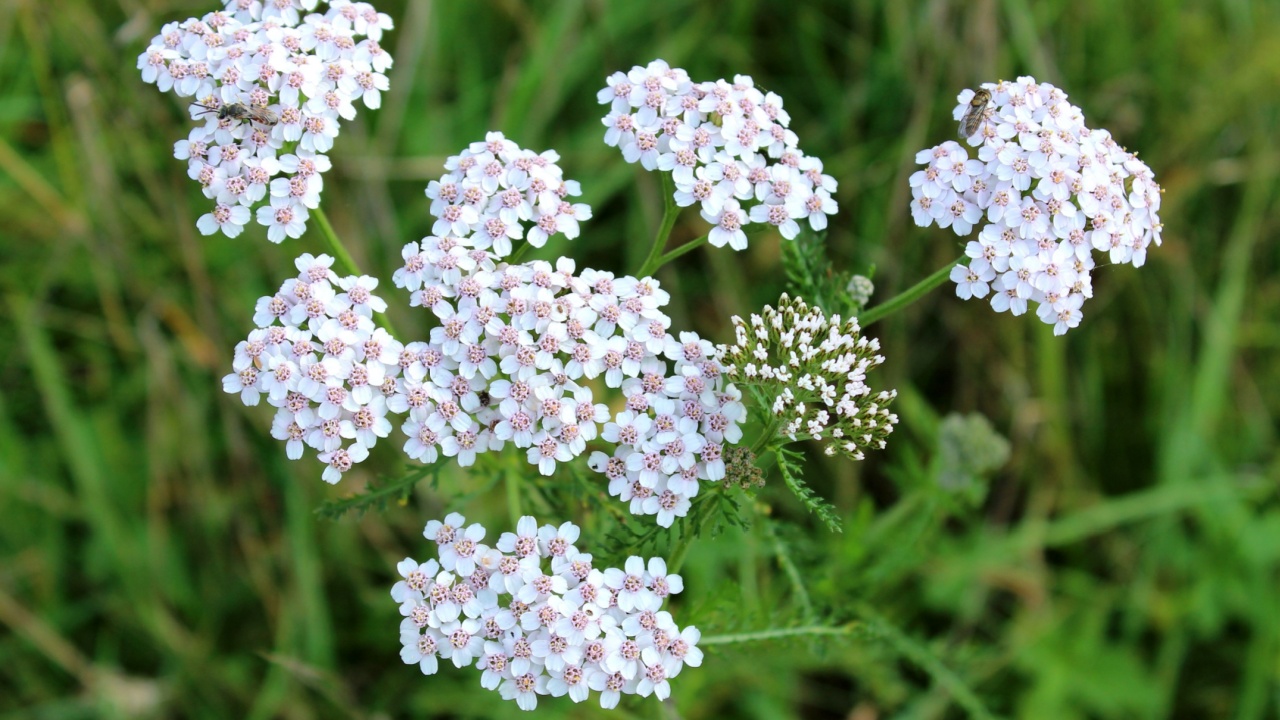
Yarrow produces flat-topped flower clusters in hues ranging from yellow to pink, coral, and red. Hardy in zones 3 through 9, it thrives in full sun and poor soil conditions.
Why It’s a Great Choice: Yarrow’s feathery foliage and long-lasting blooms create visual interest and texture, while its drought tolerance is perfect for low-maintenance driveway borders.
10. Catmint (Nepeta grandiflora)
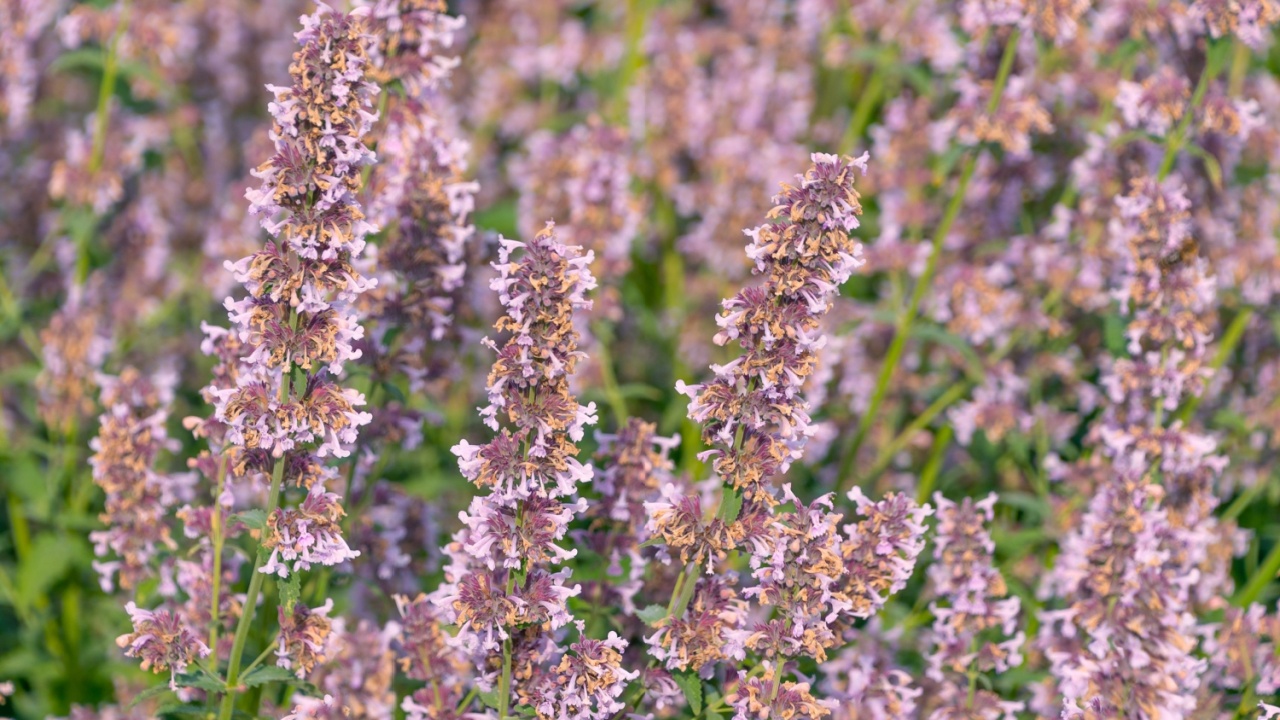
Catmint is a lavender look-alike with soft, silvery foliage and lavender-blue flower spikes. It blooms throughout summer and thrives in zones 3 through 8, tolerating dry, hot conditions.
Why It’s a Great Choice: The fragrant flowers and foliage add sensory appeal to driveways. Its cascading habit balances hardscapes beautifully, softening any harsh edges.
11. Bee Balm (Monarda)
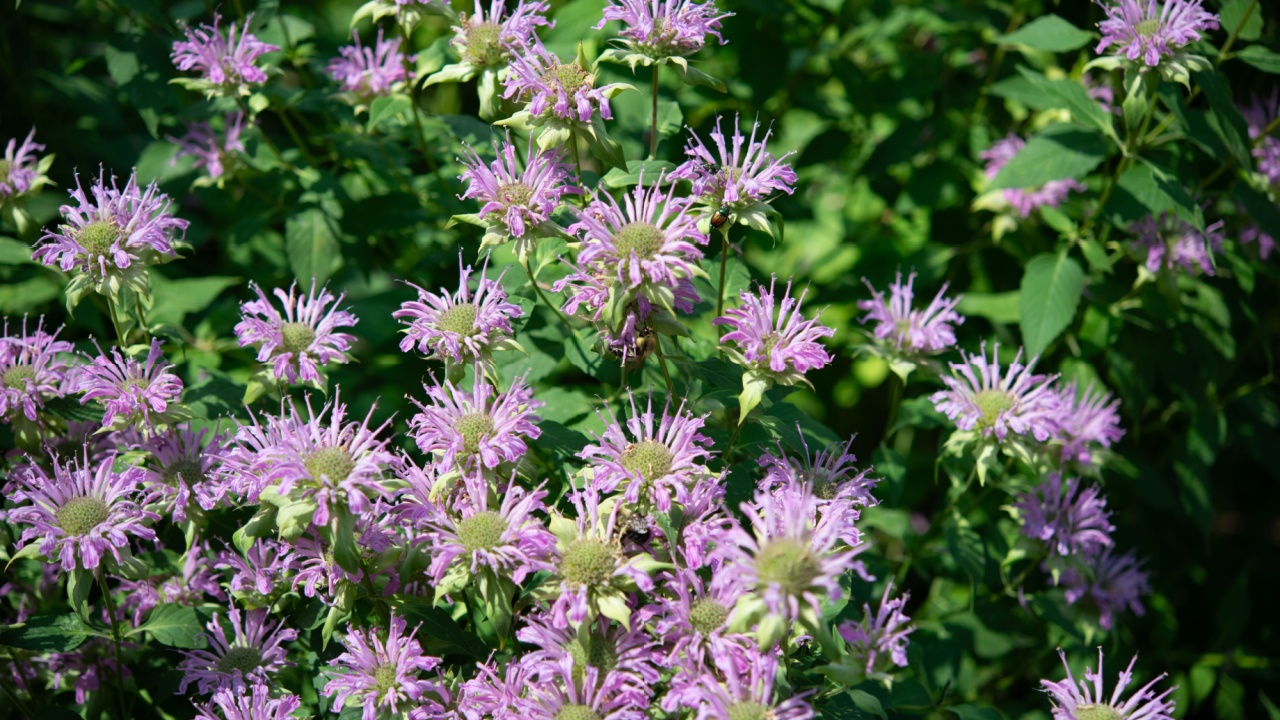
Bee balm features bold, whorled blossoms in shades of red, pink, and purple. This perennial grows well in zones 4 to 9 and is a favorite among butterflies and hummingbirds.
Why It’s a Great Choice: Perfect for bold, vibrant driveway borders, bee balm adds height and attracts important pollinators. Its fragrance is another delightful bonus.
12. Queen of the Prairie (Filipendula rubra)
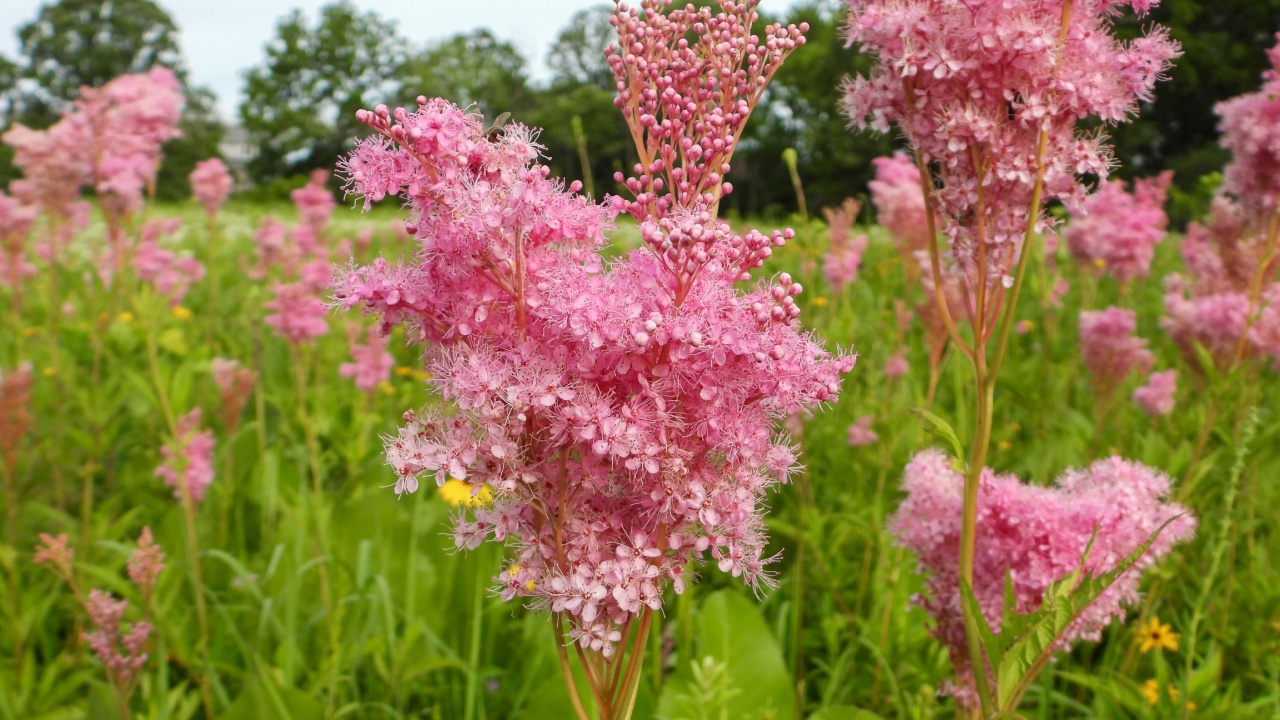
Queen of the Prairie is known for cloud-like clusters of pink flowers on long stalks. Thriving in zones 3 through 8, this perennial prefers damp soil. It spreads by rhizomes and occasionally needs containment.
Why It’s a Great Choice: Its unique, candyfloss-like blooms add whimsy and vertical interest, brightening even the simplest of driveway designs.
13. Creeping Jenny (Lysimachia nummularia)

Creeping Jenny is a fast-growing ground cover with small, golden-yellow leaves and cheerful flowers. It thrives in zones 3 to 9.
Why It’s a Great Choice: Its trailing habit softens the edges of driveway borders. Creeping Jenny’s vibrant green and gold hues add brightness and texture. Caution: It has invasive potential, making close monitoring recommended (or check with your local extension).
14. Shasta Daisy (Leucanthemum × superbum)
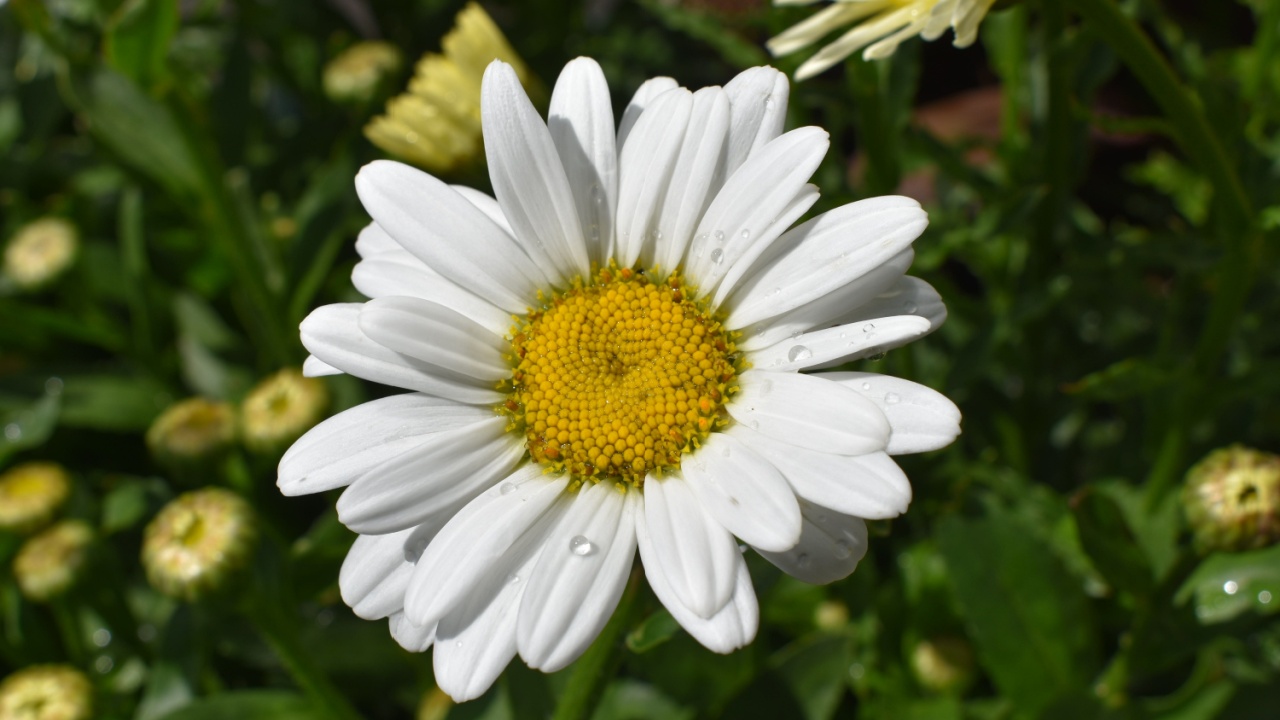
About the Flower: Shasta daisies bloom with classic white petals and sunny yellow centers. Hardy in zones 4 to 9, this perennial is a summer garden favorite.
Why It’s a Great Choice: Ideal for driveway borders, Shasta daisies create a cheerful, clean look. Their tall height pairs well with lower-growing plants for layered appeal.
15. Black-eyed Susan (Rudbeckia hirta)
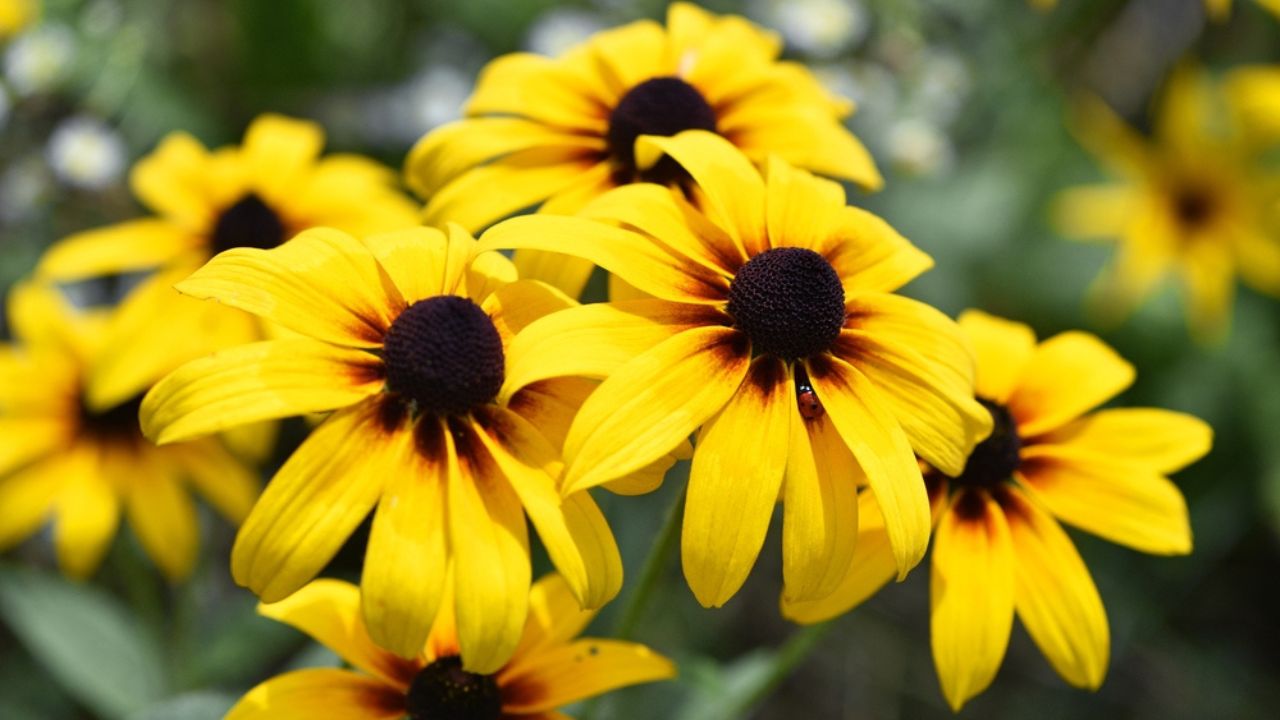
Black-eyed Susans feature sunny yellow petals surrounding dark centers. They thrive in zones 3 through 9 and bloom profusely from summer through fall.
Why It’s a Great Choice: Their vibrant color and extended bloom time make them a cheerful driveway addition. They’re drought-tolerant and attract butterflies, adding biodiversity to your yard.
16. Foxglove (Digitalis purpurea)
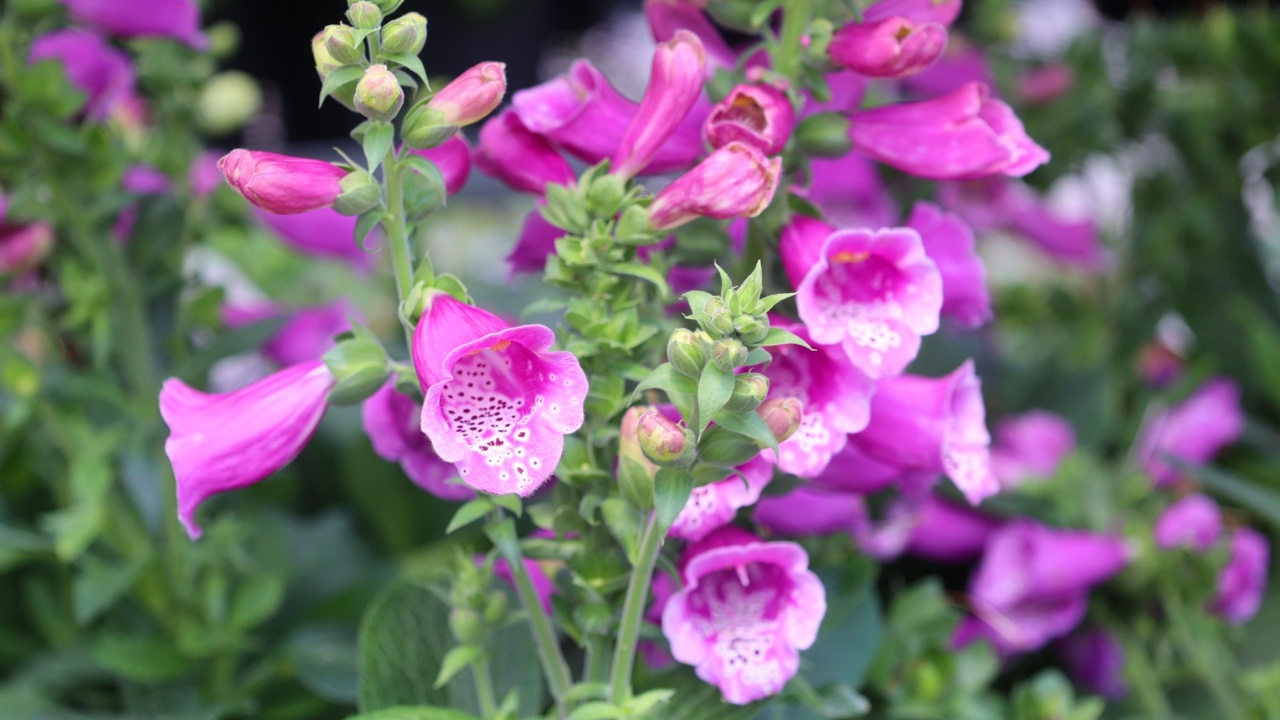
Foxglove produces tall spires covered in tubular blooms in shades of white, pink, and purple. Hardy in zones 4 to 10, these flowers add stunning vertical appeal.
Why It’s a Great Choice: Foxgloves’ statuesque beauty brings dimension and elegance to driveway designs, especially when planted in clusters. Be cautious with toxicity if you have pets or kids.
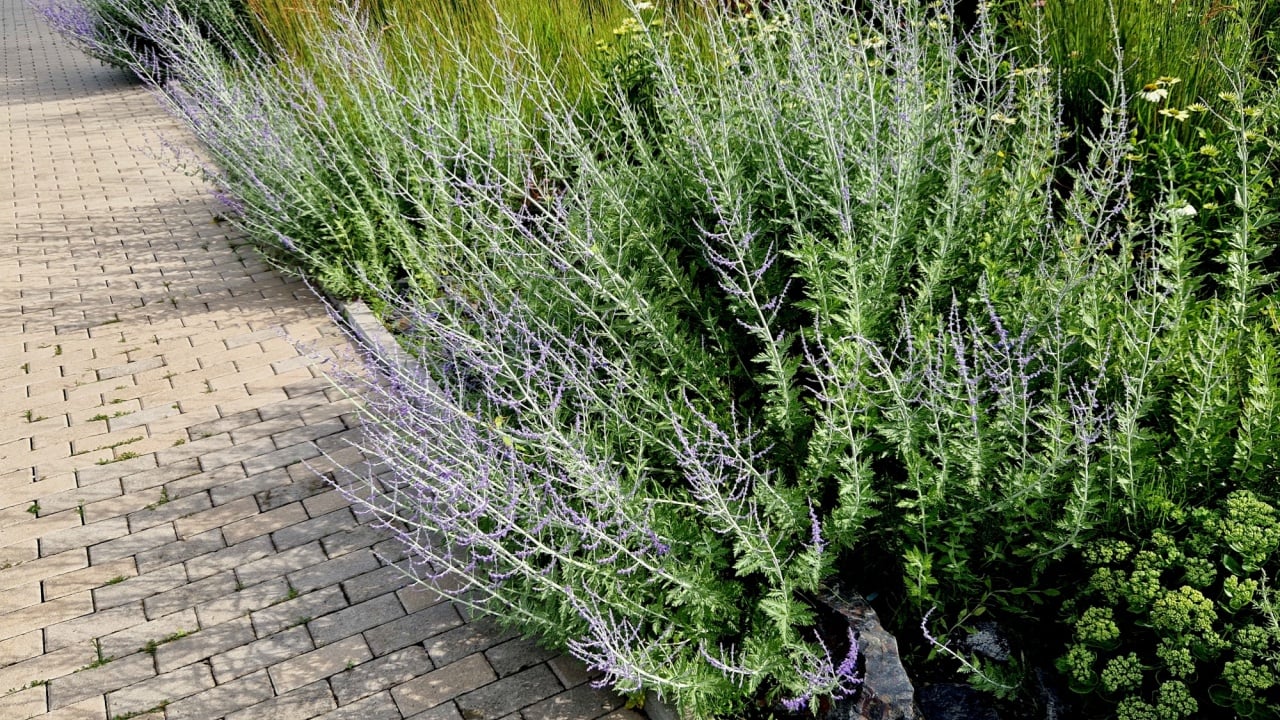
17. Russian Sage (Perovskia atriplicifolia)
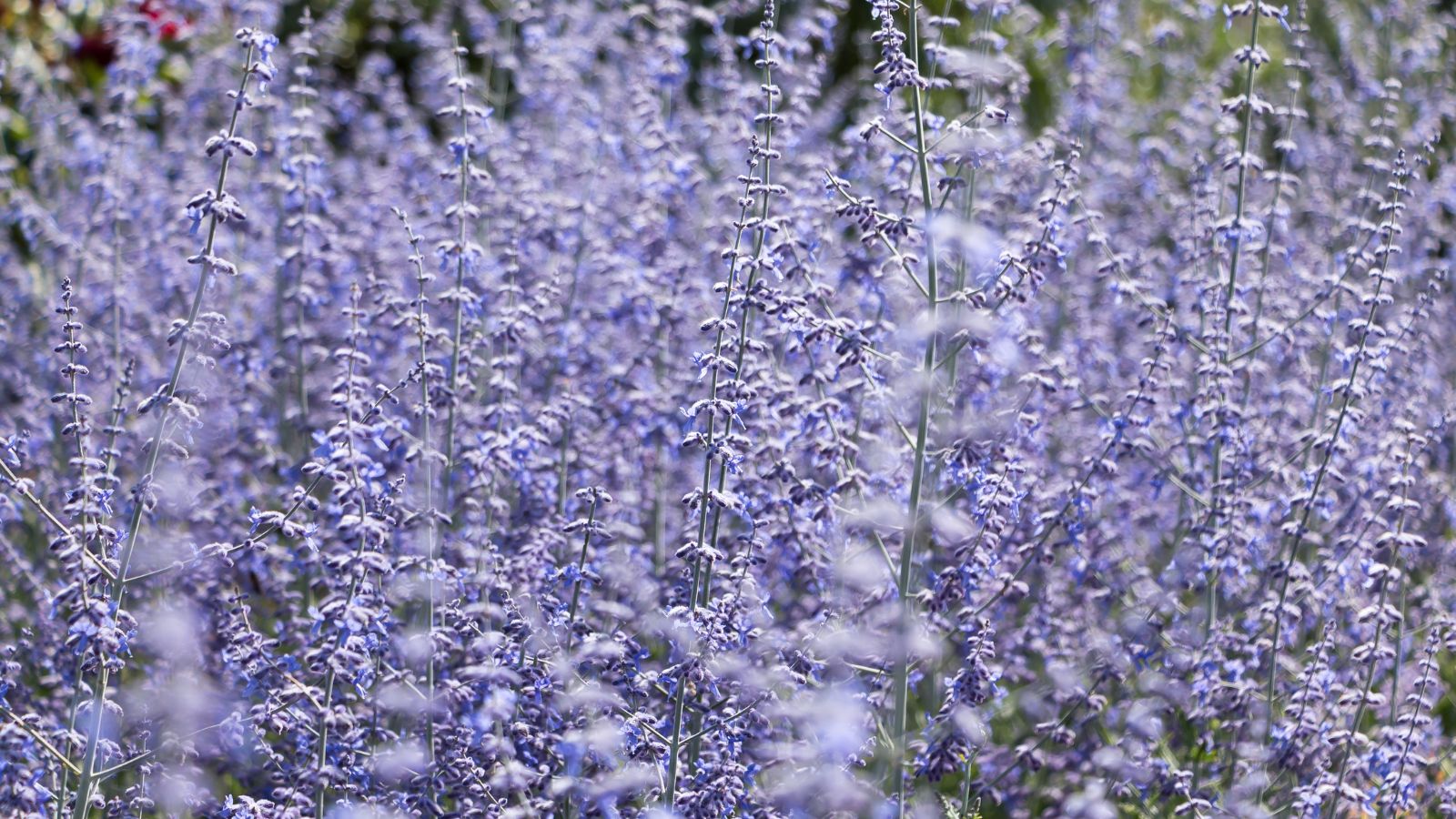
Russian sage produces delicate lavender-blue blooms atop silvery stems. Hardy in zones 4 through 9, it thrives in full sun and poor soil.
Why It’s a Great Choice: Its long-lasting blooms and drought tolerance make Russian sage ideal for sunny driveway borders, where consistent color is key.
18. Coral Bells (Heuchera)
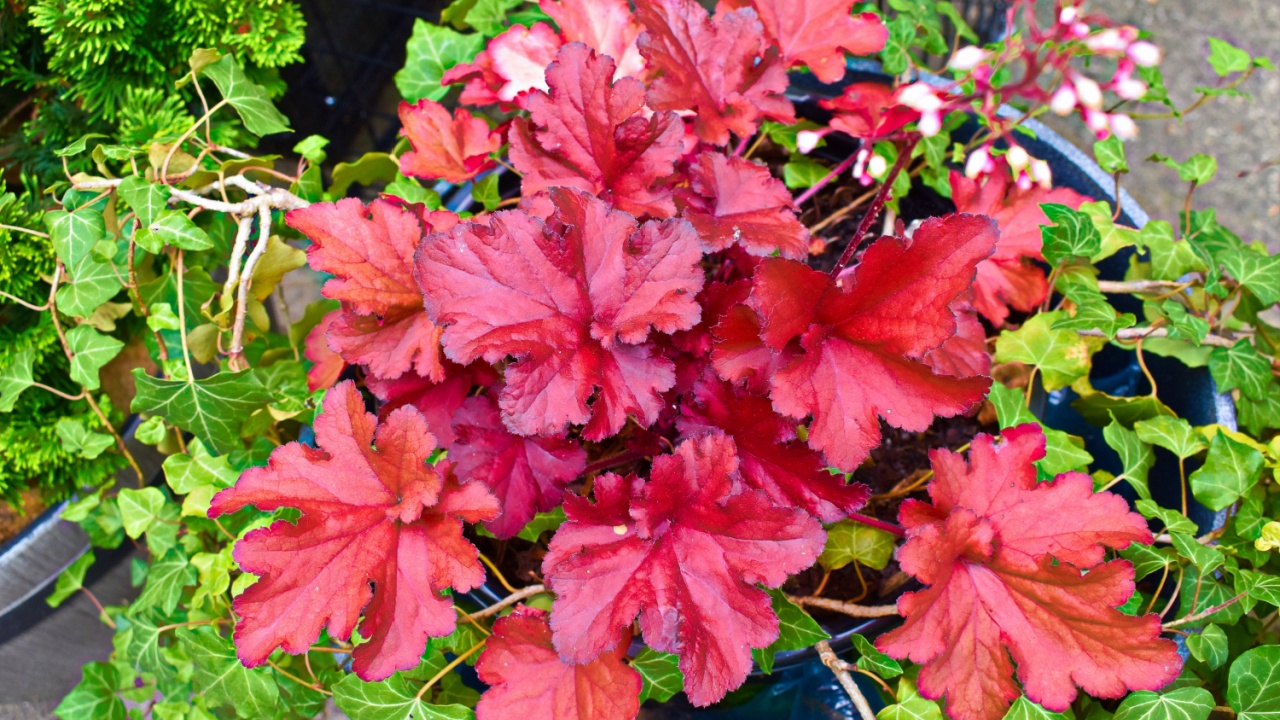
Coral bells’ foliage steals the show, coming in shades of burgundy, lime green, and bronze. Hardy in zones 4 through 9, they also produce delicate blooms.
Why It’s a Great Choice: Perfect for driveway borders, their vibrant foliage provides year-round interest and pairs well with taller plants.
19. Coreopsis (Coreopsis grandiflora)
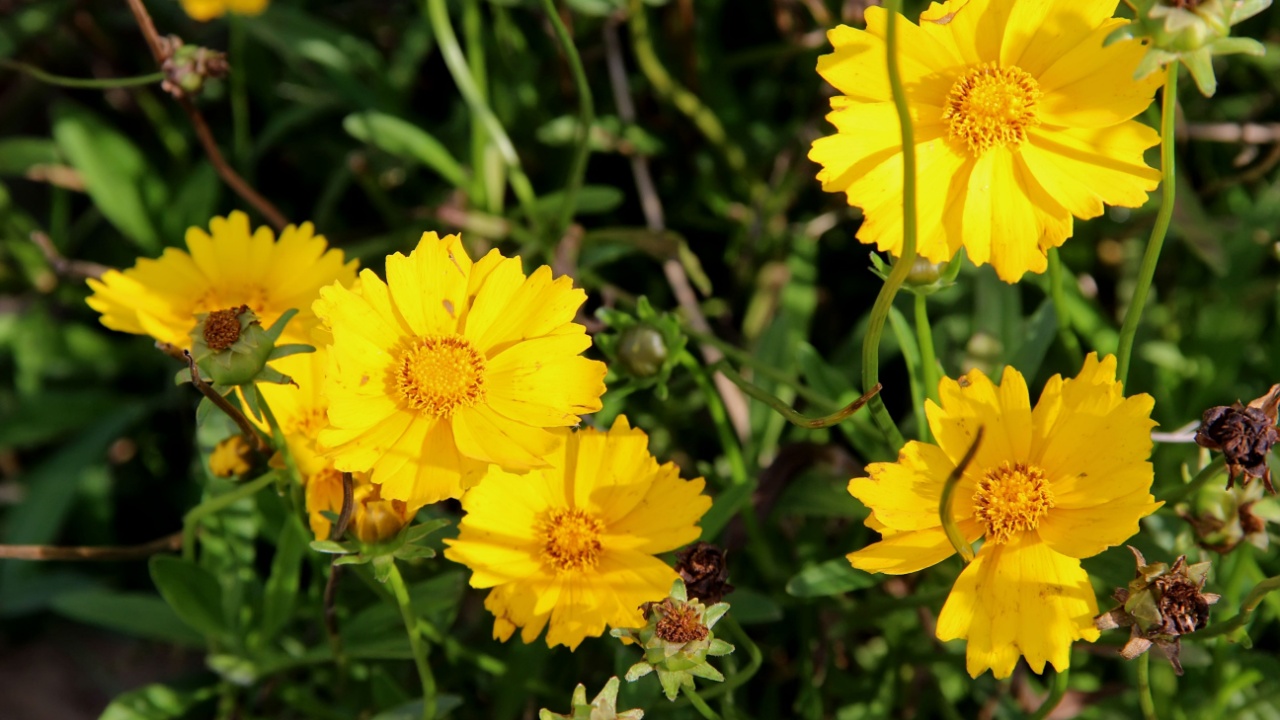
Coreopsis, or tickseed, produces daisy-like blooms in cheerful yellows and deep reds. Thriving in zones 4 to 10, it offers non-stop blooms all summer.
Why It’s a Great Choice: Coreopsis grows well in tough conditions, making it an easy, colorful option for carefree driveway borders.
20. Lamb’s Ear (Stachys byzantina)
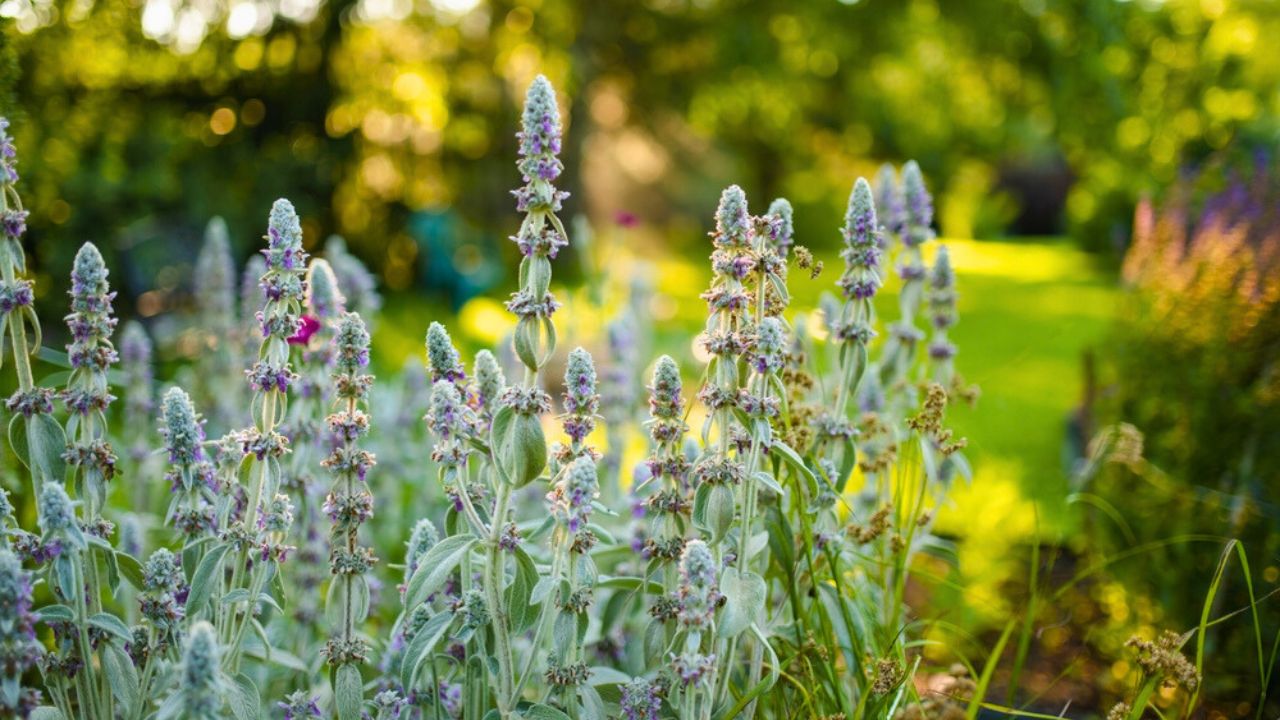
Known for its soft, silvery foliage, lamb’s ear is a low-growing perennial that thrives in zones 4 through 7.
Why It’s a Great Choice: Its unique texture and low-maintenance needs make lamb’s ear perfect for layering with flowering plants along driveways.
Next Steps for a Vibrant Driveway Border
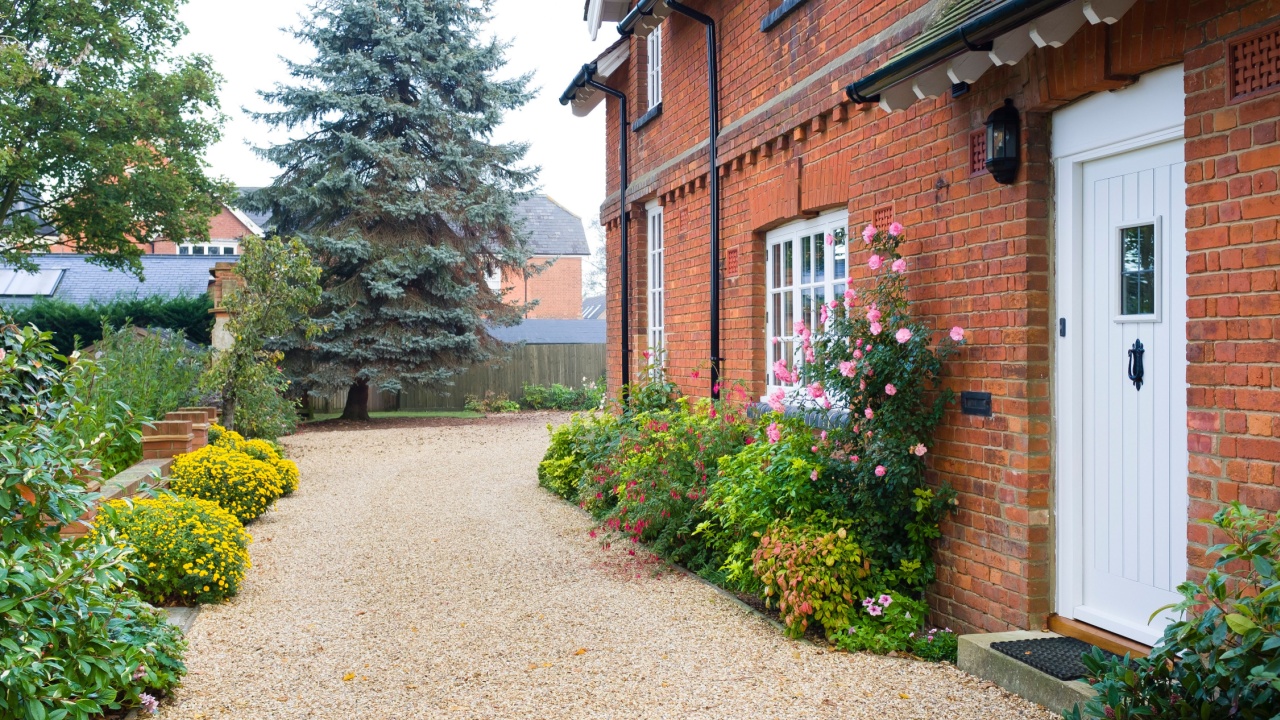
Choosing the right perennials for your driveway border is just the beginning. To maximize their impact, focus on placement, layering heights, and pairing colors for a cohesive design. Regular maintenance, including watering, weeding, and occasional pruning, will keep your plants healthy and flourishing.
For an even greater visual effect, consider adding mulch or edging for a polished look. The right combination of plants and care will transform your driveway into a welcoming masterpiece, boosting your home’s curb appeal for years to come.
Read more
18 Driveway Landscaping Ideas for Every Home
10 Easy Ways to Get Rid of Weeds in Your Driveway Cracks