How to Grow Lavender From Cuttings In 6 Easy Steps
Growing lavender is a must for every home garden. The plant is hardy, smells wonderful, and invites pollinators to support your other garden plants. Plus, lavender is incredibly easy to propagate once to know how to grow lavender from cuttings. All it takes is a healthy lavender plant, a little rooting hormone, and some time to have all the new lavender plants you want!
Why Grow Lavender?
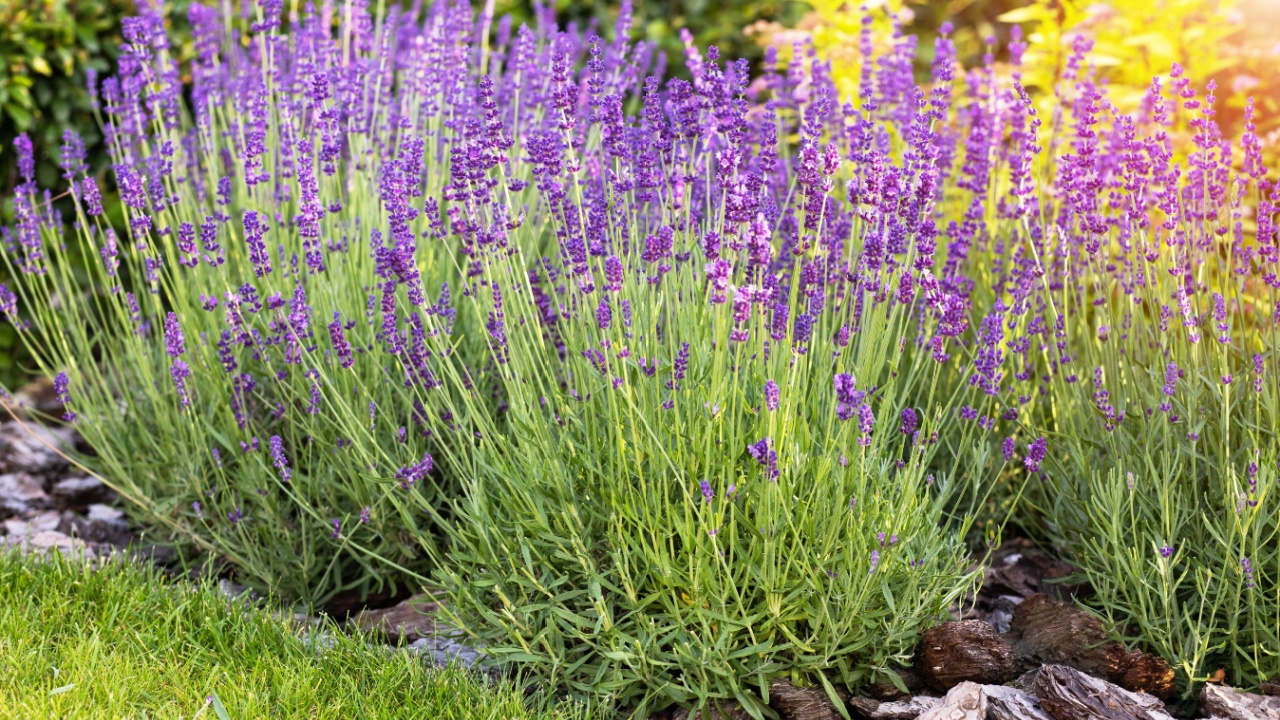
Lavender is an amazing perennial plant to include in your backyard garden. It’s tall, colorful, and produces a lovely scent. Despite its origins in the Mediterranean, it does well in almost every growing zone.
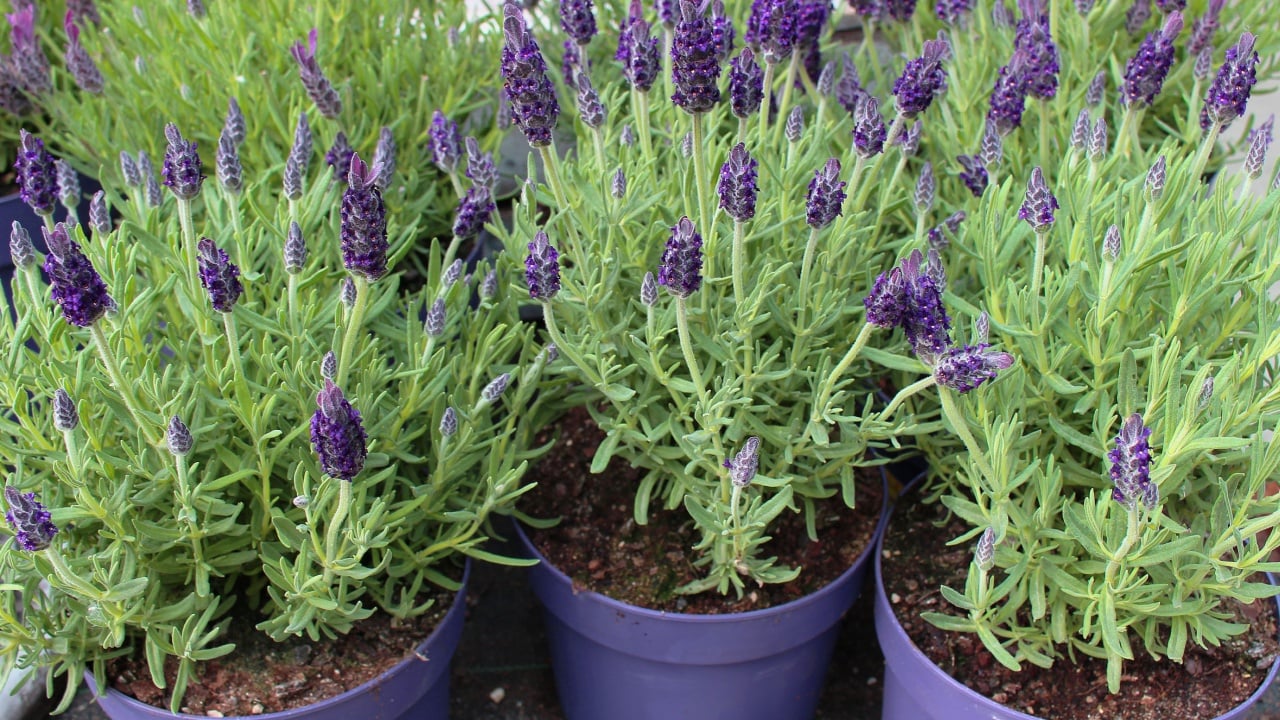
There are several different types of lavender, including the more common English lavender (Lavandula angustifolia) which has been traditionally used for drying, eating, and even medicinal purposes. Other types of lavender, like French lavender, spike lavender, lavandin, and Spanish lavender, are typically grown to enjoy in the garden.
Although lavender seeds are slow to grow and inconsistent, lavender is very easy to grow from cuttings. It’s easy to learn how to grow lavender from cuttings, and it’s a surefire method to ensure you’ll never have to buy more lavender plants again!
Can All Lavender Plants Be Propagated?
Yes and no. Although physically, all lavender plants can be propagated, that’s not always true legally.
There are patented lavender plants that may only be propagated by licensed cutting producers who pay royalties. If you have a patented lavender plant at home, you can dry the flowers and enjoy the plant, but you may not propagate them for personal or business use.
If you want to propagate patented varieties of lavender, you’ll need to get a cutting license and pay royalties to the lavender company.
Some varieties may never be propagated and must always be grown from new cuttings direct from the patent holder.
How to Grow Lavender From Cuttings: Step-by-Step
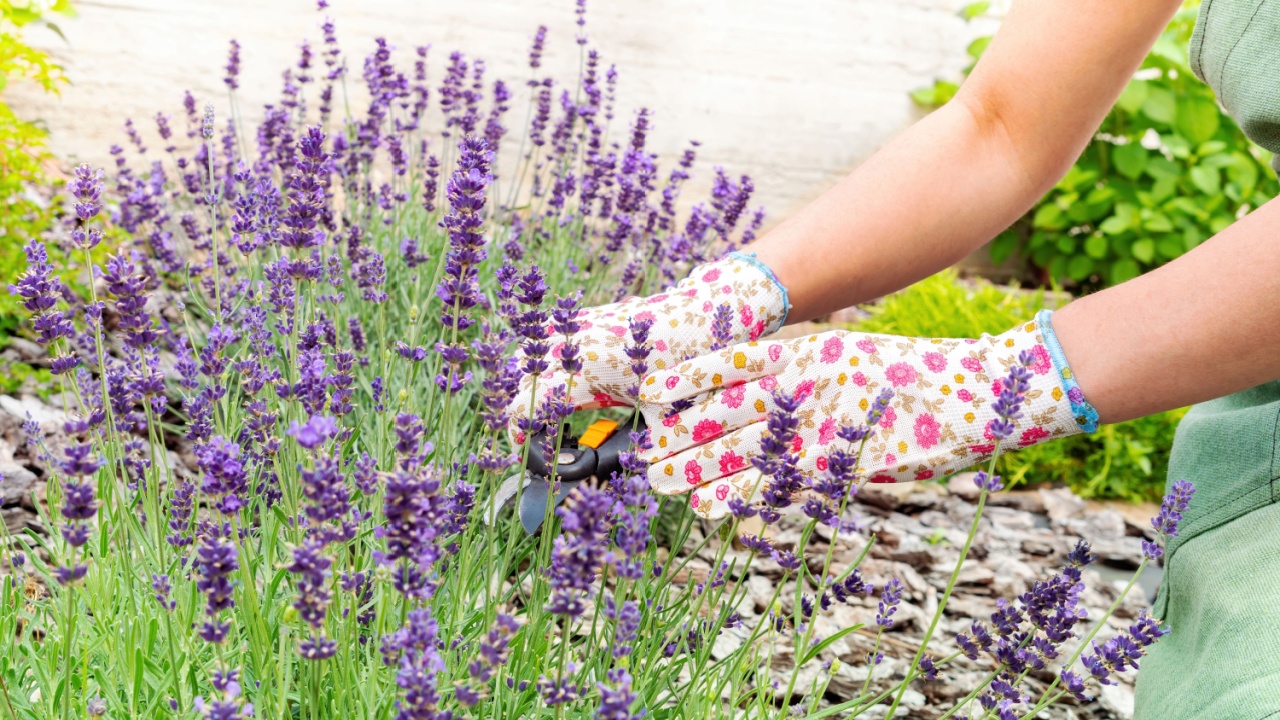
You will need:
- A sharp knife or clean shears
- A small pot
- Lavender potting soil
- Rooting hormone
- Water
Once you’ve chosen a healthy plant, follow the few easy steps below to grow your own lavender from cuttings.
1. Sanitize your tools
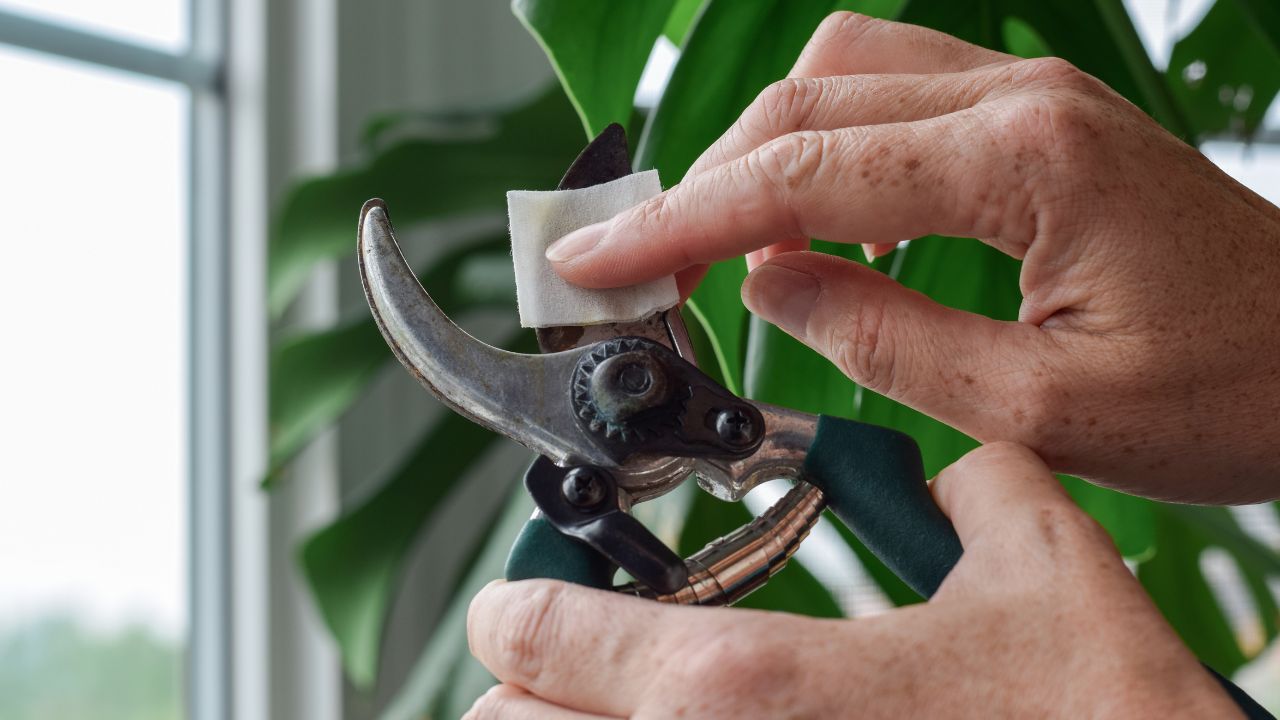
It’s so important to work with clean tools. Dirty tools can spread diseases or bacteria that will cause your cuttings to fail.
Make sure to clean your knife, shears, and the container you want to plant in.
2. Prepare your pots

Lavender prefers well-draining sandy soil. Some people make their own potting soil for lavender to minimize exposure to diseases or pathogens.
Add equal parts of peat moss or coconut coir and sand to make your potting mix.
Fill your pots to get ready for your cuttings.
3. Choose the type of lavender for cutting
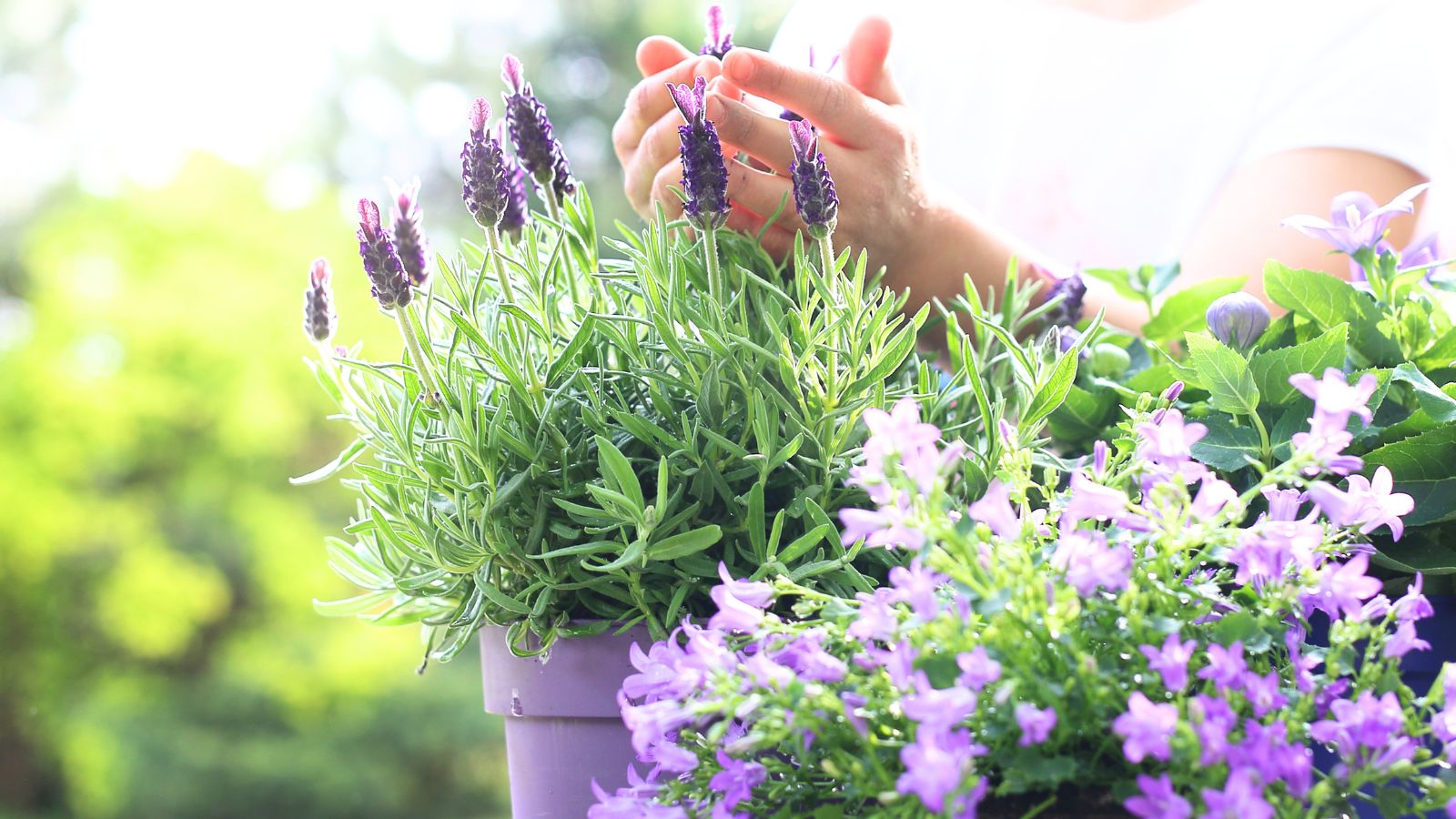
There are two main approaches to propagating lavender, depending on the time of year. The best time is either before or after the flowering season. When the plants flower, they are too busy directing energy to the flower buds and newer growth.
There are two main ways to propagate lavender, depending on the time of the year and the health of the plant:
- propagating from softwood cuttings
- propagating from hardwood cuttings
How to take softwood cuttings of lavender
If it’s still early in the growing season (late spring) and your plant hasn’t flowered yet, you can take softwood cuttings from the new growth of your parent plant.
To do this, look for a section of your plant with new soft growth that is very healthy with no signs of mildew, pests, or flower buds. Choose the healthiest, straightest segment of your stem. Strip off all the leaves except the leaves at the top node. Your section should be at least 3-6 inches long.
How to take hardwood cuttings of lavender
Take cuttings from hardwood stems in the spring or late summer. Unlike softwood cuttings, these must be taken from mature sections of an established lavender plant with a hard stem.
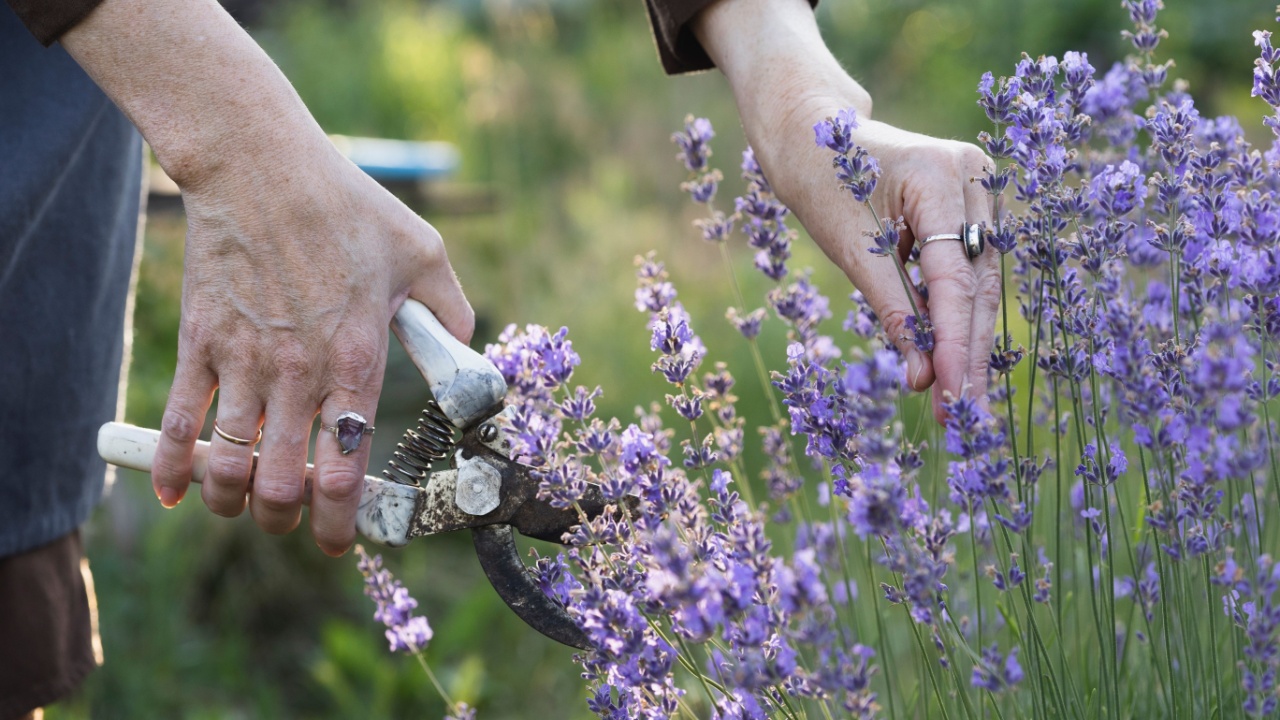
Choose a section of lavender with healthy green leaves and a thick stem. From the top of the plant, count down 3-5 nodes or leaf clusters. Strip away the lower leaves of the stem except for the top couple of inches. Cut directly below one of the leaf node bumps. Your trimmed cutting should be at least 3 inches long.
4. Dip your cuttings in rooting hormone
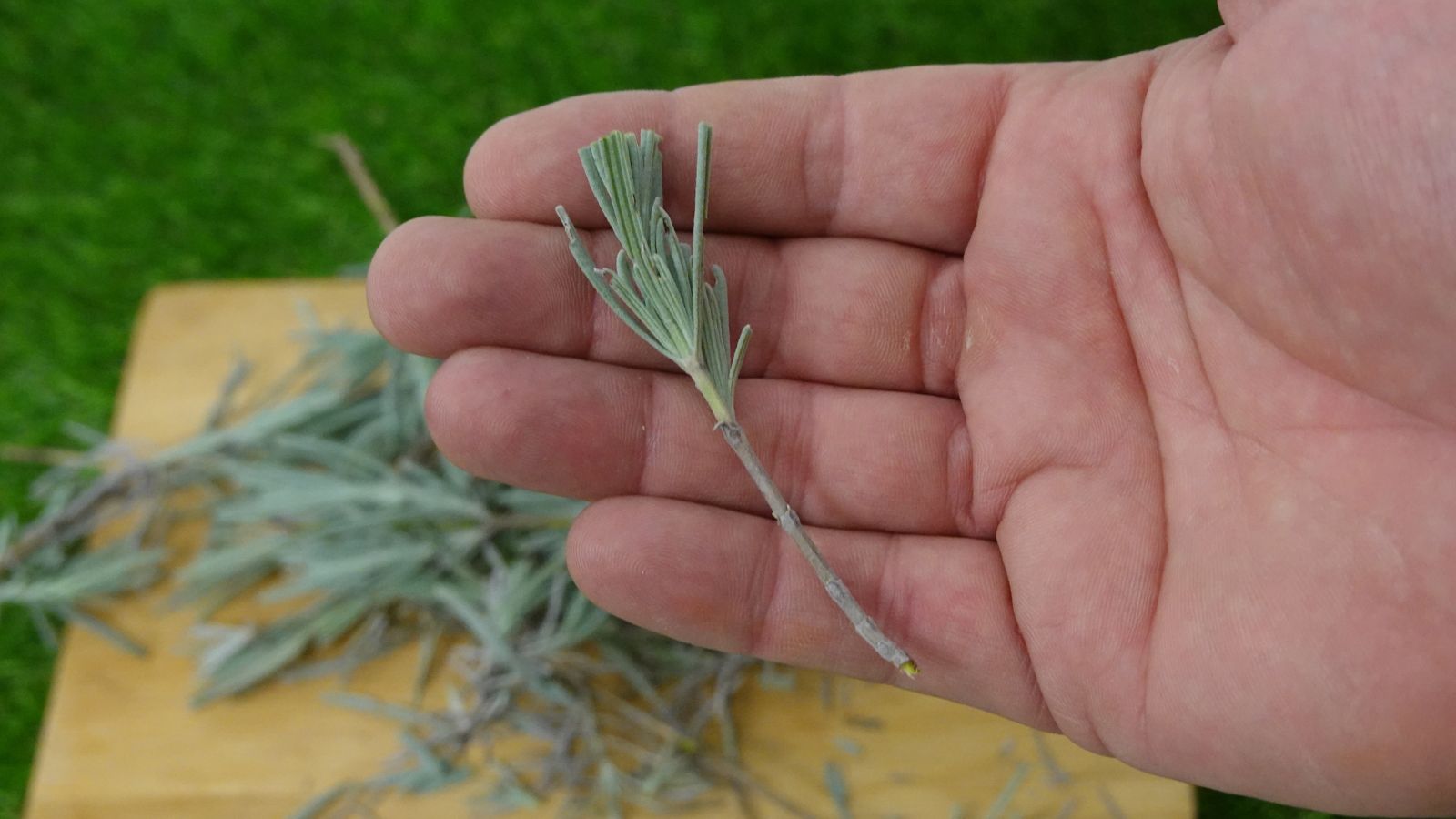
Take the stripped cutting tip and dip it in the rooting hormone. Although lavender can be propagated without rooting hormone, this extra step supports faster and healthier root formation.
5. Plant your cuttings
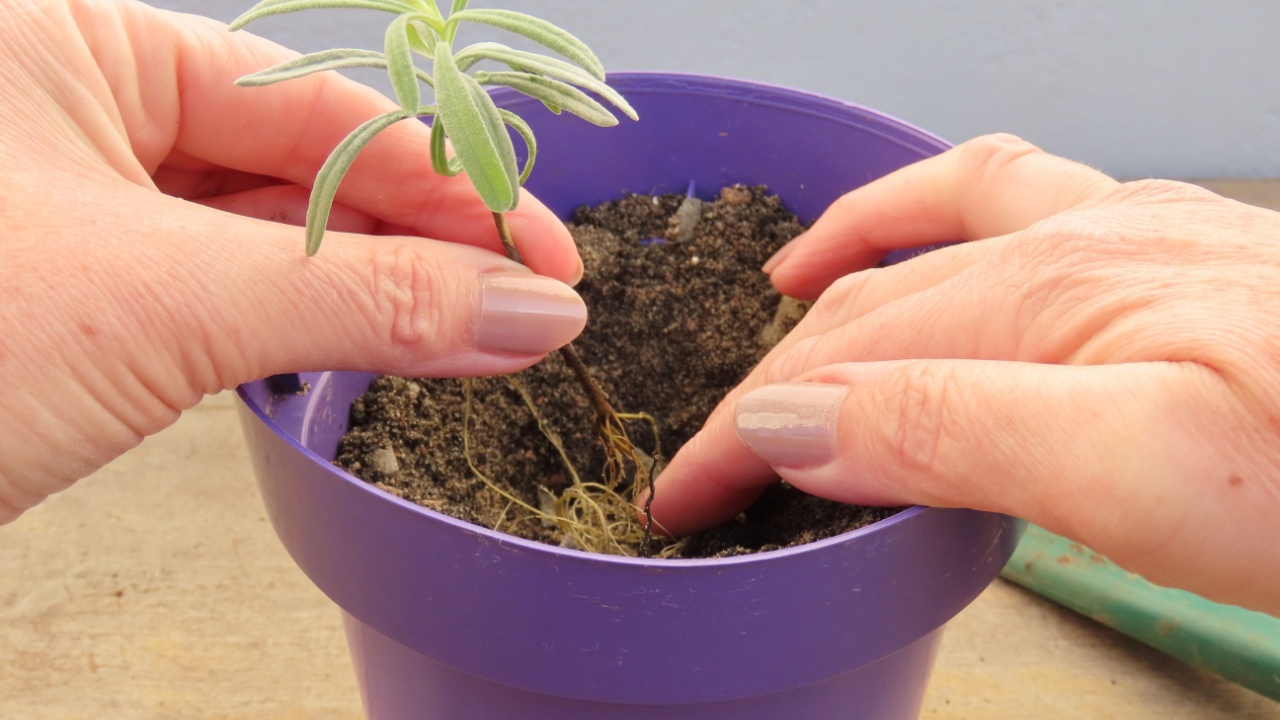
The easiest way to propagate your own lavender plants is to plant the cuttings in soil. Place your cutting into the pot already prepared with an appropriate soil mix. The mixture must have good drainage to minimize root rot.
6. Choose the right spot

Lavender is from the warm, humid climate of the Mediterranean. The more you recreate this environment, the healthier the plants will be.
Place your transplants in a warm, humid environment like a mini greenhouse or cold frame. Choose a sunny location, but avoid direct sunlight.
Water your stem cuttings initially, then spray them regularly. Avoid soaking, which can lead to disease and mildew.
Learn More About Growing Lavender
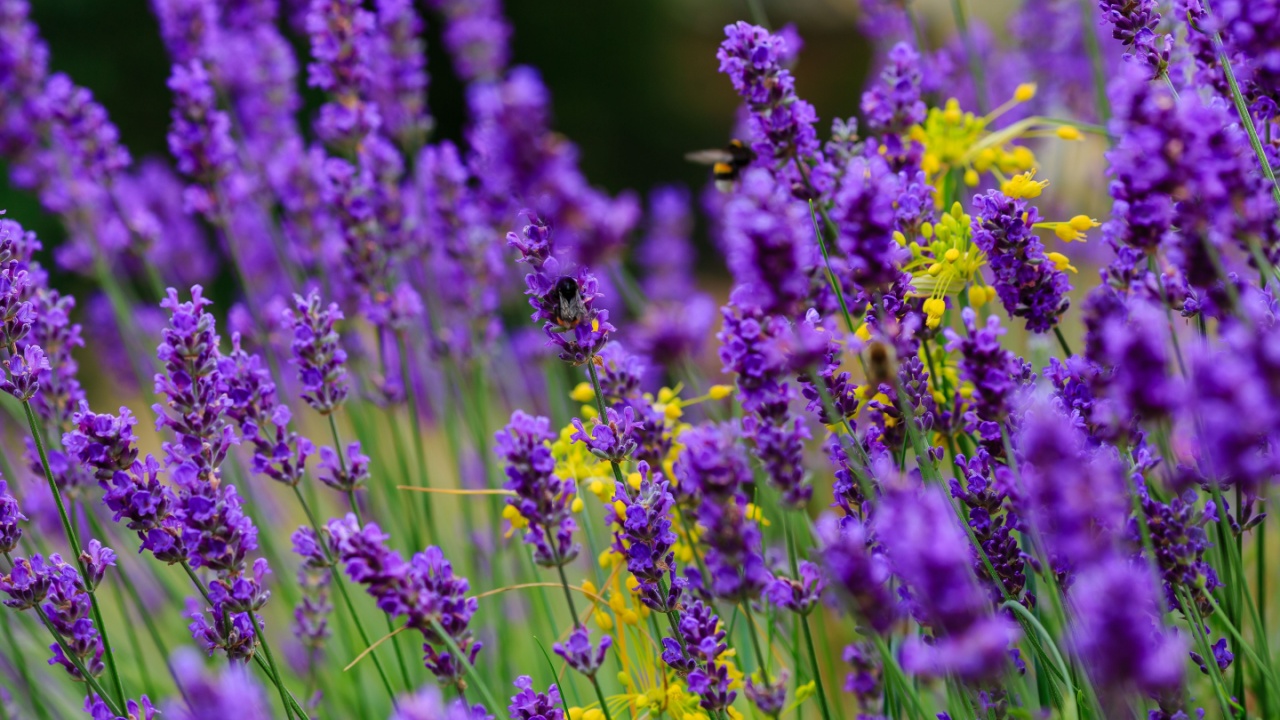
Growing lavender has its ups and downs like any plant. Understanding which mulch is best, which soil it thrives in, and what diseases to watch out for are a good starting point for a beautiful, fragrant garden.
Other considerations to make your garden pop include considering companion plants, how to prune your lavender each season, and how to dry lavender to enjoy all year long. It’s all worth it!
FAQs for Lavender Propagation
How long does it take lavender to root from cuttings?
Spring transplants may grow faster in the summer months thanks to the extra sunlight and warmth. Cuttings taken in the fall will likely grow more slowly and may not be ready until the next spring.
Can you root lavender cuttings in water?
Once your plants have strong roots, transplant them in soil. Be sure to allow these semi-ripe cuttings time to root and harden them off before placing them outdoors.
What month do you take lavender cuttings?
Is lavender easy to grow from cuttings?
Now that you know how to grow lavender from cuttings, what are you waiting for? Grab those shears and give it a try. You’ll have baby lavender plants before you know it!