
How to Plant, Grow, and Harvest Tasty Garlic
Here’s a fun truth: Growing garlic couldn’t be easier. It doesn’t require much, and once you eat homegrown garlic, you’ll want to grow your own all the time.
Many think of garlic as a Mediterranean plant that cannot be grown in cooler climates. But modern varieties that have been specifically bred for cooler growing conditions offer a good range of hard-neck and soft-neck varieties.
How to Grow Garlic From a Clove
There are two types of garlic:
- Hard-neck garlic, which is easier to grow, is hardier but does not store so well
- Soft-neck garlic, which offers better and longer storage
Garlic prefers a longer growing season, so planting in October or November is best, although you can still have reasonable success from an early spring sowing. They need a sunny position and well-drained soil.
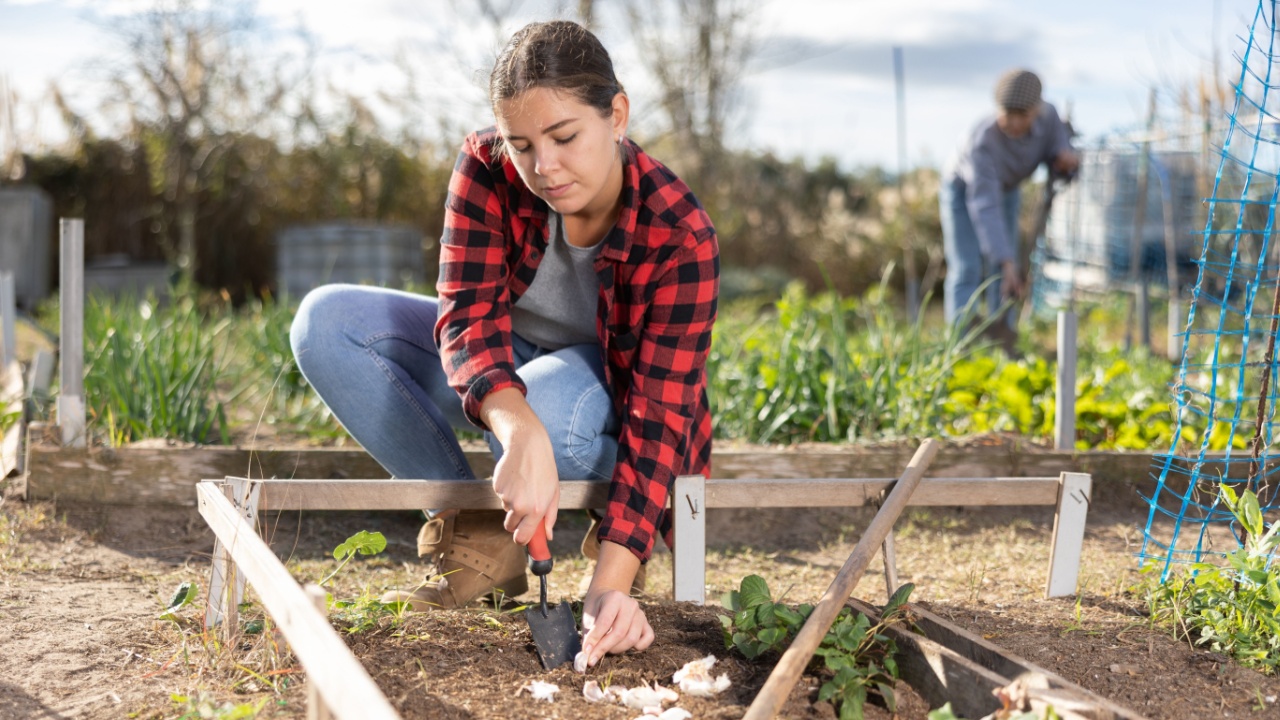
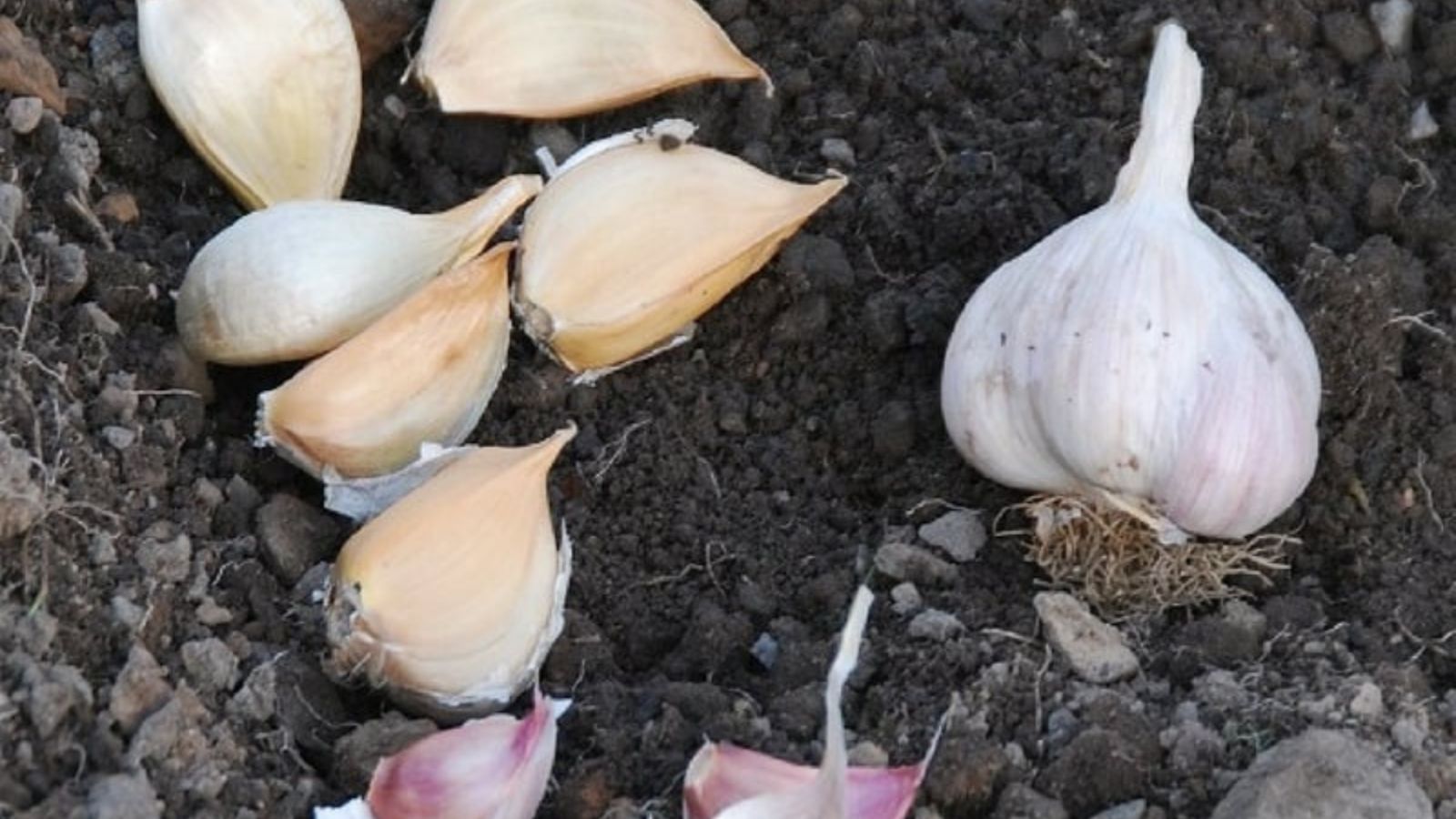
To sow garlic, buy a garlic bulb, split off the cloves and plant them, root side down, in a 3″ deep hole at 8 inches apart.
Supermarket garlic is from warmer-weather varieties, so stick to varieties that have been bred to grow well in a cooler summer. But, if you’d like to use spring/green garlic in salads and cooking, supermarket garlic works well. We buy our garlic at COSTCO and in the spring plant a whole bag of it for salads: best garlic ever!!!
You can also sow garlic in the spring, but it might not do as well.
If your soil is prone to waterlogging, it is well worth dibbing a deeper hole and dropping some sharp sand in before the garlic clove, or you could sow in the greenhouse and plant out in the spring.
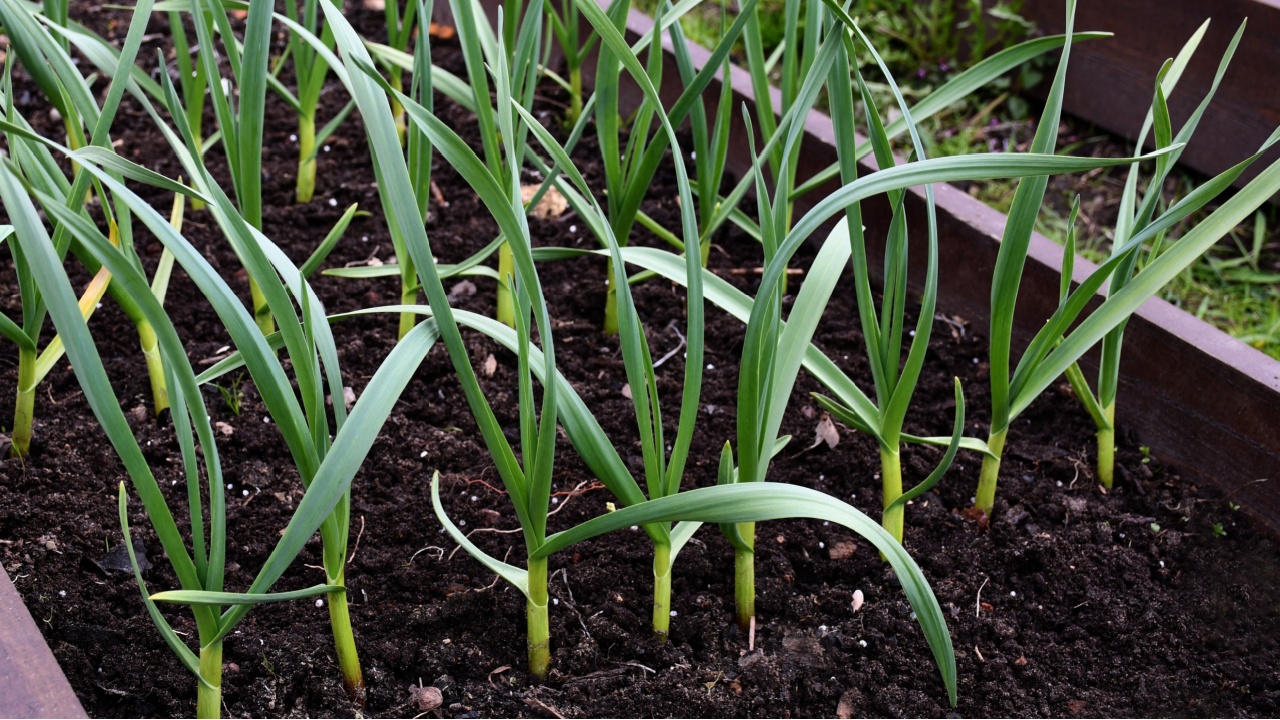
There is very little more to growing garlic; just keep it weed-free and water it in a dry spell, and you should have plenty of bulbs in the summer.
Plant a few of these garlic companion plants.
What’s The Best Soil for Garlic

Garlic likes loamy, sandy soil, but does not do well in waterlogged soil, so it is worth adding sand or grit to the whole bed or under the dibbed holes you plant the garlic in to help keep cloves in free-draining soil.
If your soil is particularly wet over the winter, it may be worth planting cloves in 3″ pots in the greenhouse and planting it out during the spring.
Like all members of the allium family, garlic likes an application of some wood ashes.
Garlic Pests And Diseases
Garlic is pretty trouble-free as long as the temperatures and weather stay steady.If the temperatures are a bit haphazard or extremely wet, there are a few things to watch out for.
Fluctuating temperatures could do several things:
-
- Send your garlic into flower
- Cause the bulb to split into cloves and regrow
- Get bulbs growing above the ground along the stem
How to Harvest Garlic

Harvest garlic in mid-summer when the leaves start to turn yellow.
Although bulbs can be used straight away and wet garlic is often sought after by chefs, you will need to store most of your garlic harvest. To store, let the bulbs dry for a week. Once dried, strip off the dirty skin, cut off excess roots, then braid (plait) and hang.
Storing garlic in a dry, warm place, not in the refrigerator, will prevent it from sprouting too soon. You’ll have fresh garlic for months, all the way through winter.
How to Braid Garlic
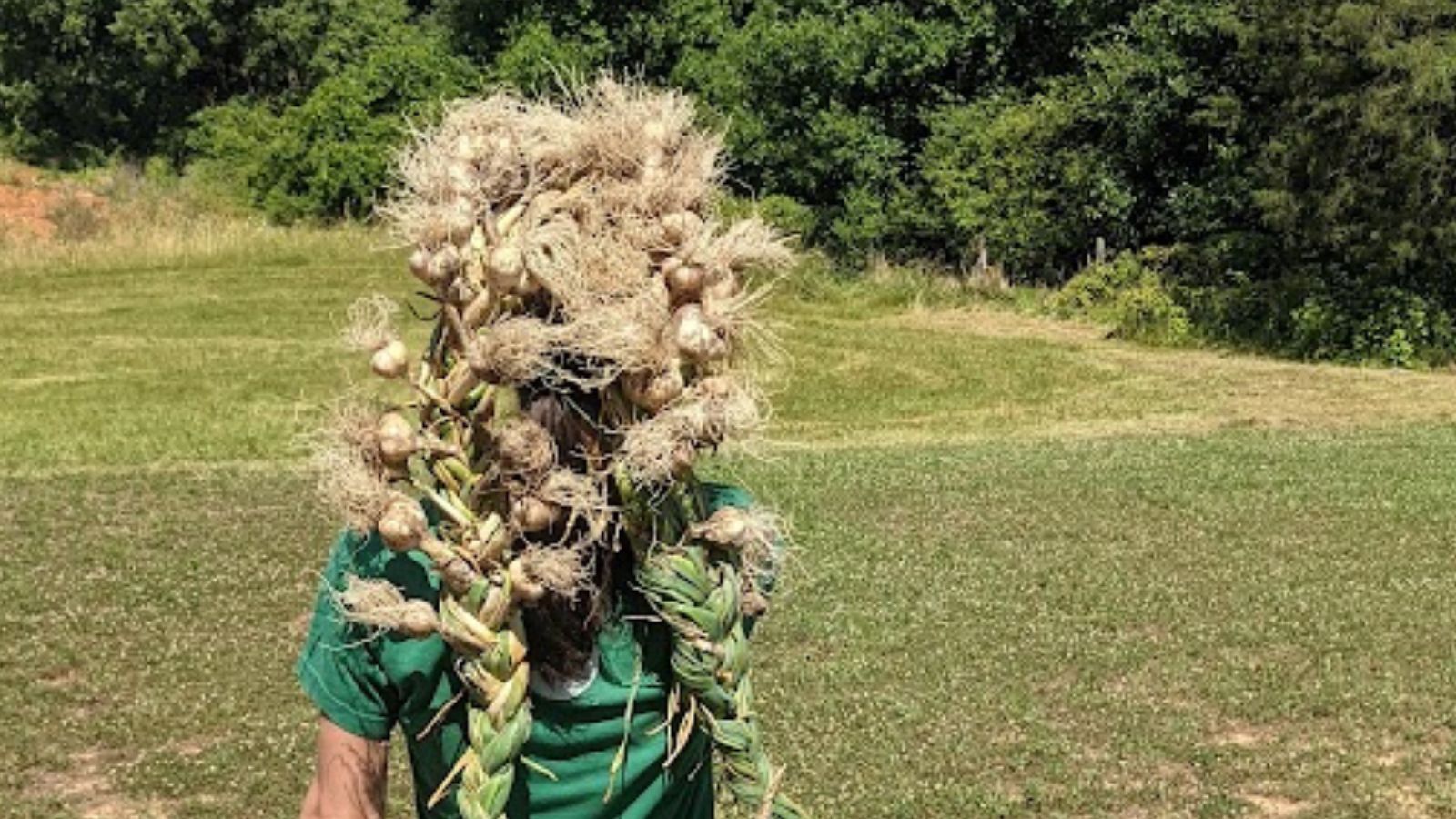
Braiding garlic is both a practical and beautiful way to store your harvest.
Once your garlic bulbs have been properly cured—typically for two to three weeks in a warm, dry, and well-ventilated area—you can begin the braiding process. Start by gently cleaning off any dirt and trimming the roots to about ¼ inch. To make the stems more pliable (if needed), soak them in lukewarm water for 15–30 minutes or wrap them in damp towels. Select three large bulbs and cross their stems over one another to begin the braid. Add one bulb at a time, weaving its stem into the braid as you go.
Once you’ve added about 12 bulbs, secure the top with twine and hang the braid in a cool, dry place with good airflow. This method not only keeps garlic fresh for up to six months but also adds rustic charm to your kitchen or pantry.
Different Garlic Varieties to Consider

As mentioned before, there are two types of garlic: the soft-neck and the hard-neck.
Soft-neck garlic is not very hardy, but it stores better. Choose either Chesnok Wight for a strong flavor or Red Sicilian for a good roasting bulb.
Hard-neck garlic tends to be hardier, but it doesn’t store so well. Solent Wight is probably the best known and most popular of the hard-neck types.
Elephant garlic is a giant bulb that is becoming more and more popular. It’s great for roasting whole and has a good, sweet flavor. But contrary to its name, Elephant Garlic is not really garlic; it’s actually more closely related to leeks.
Now that you know how to grow garlic from a clove, you’ll never need (or want) to buy garlic again!
Cooking with Garlic
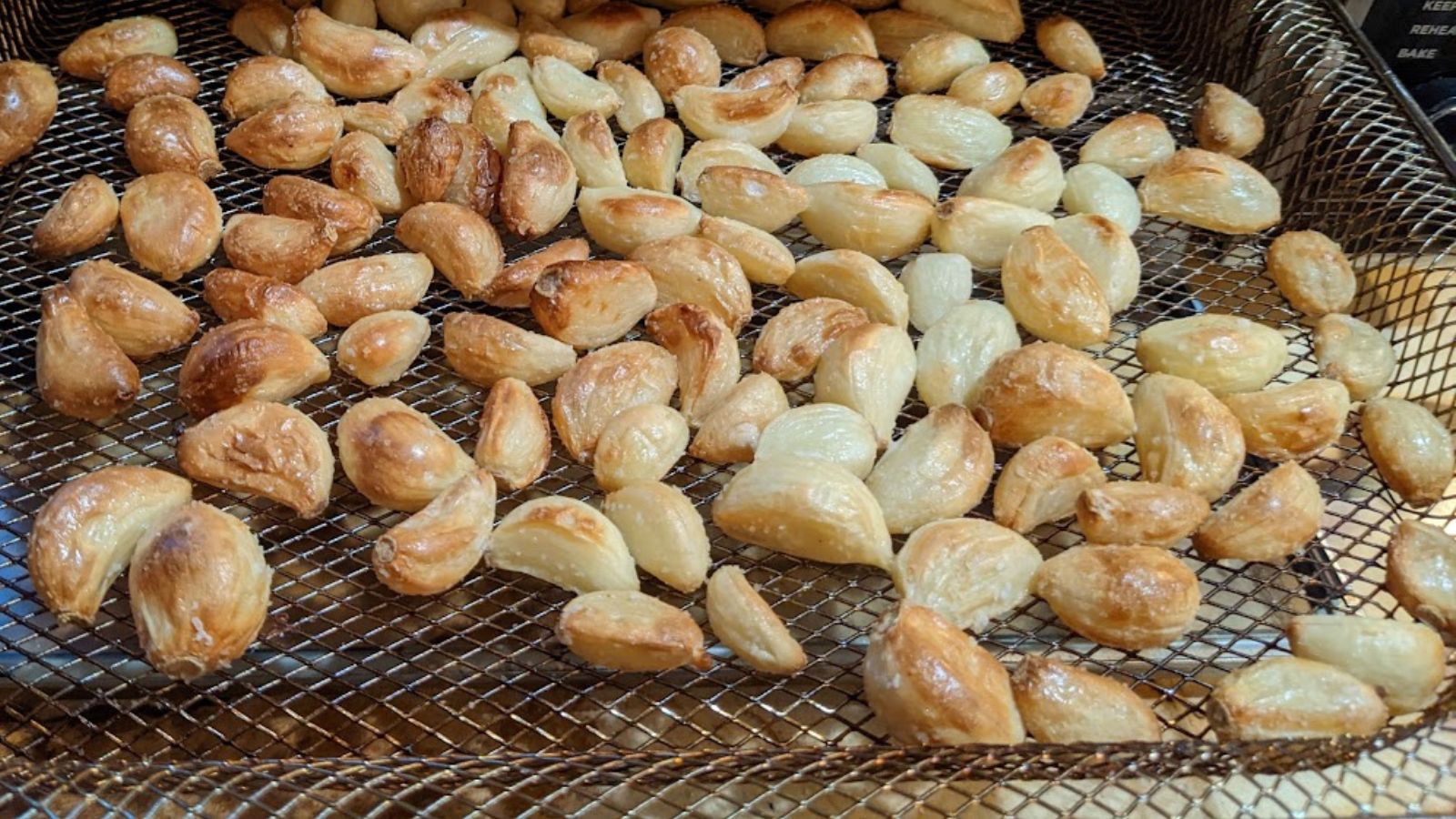
Adding garlic to your meals is not only healthy but absolutely delicious! We add it to our summer salads (the fresh, green garlic is sooo good!), roast it, make garlic mayo that we add to home fries and baked fish, and, of course, we add it to everyday cooking (like this butternut soup).
Read more:
27 Tasty Garlic Recipes for Showcasing Your Harvest
The Top Garlic Companion Plants (Plus the One You Shouldn’t Plant Nearby)





I might add that it will really help a great deal to fill the bottom of the hole with organic bone meal when you plant your garlic
My Dad would always put garlic through a false winter, put it in the freezer overnight, then to a refrigerator and then watch it sprout like crazy ready for planting
Interesting. Wouldn’t freezing them overnight kill them?
I’m confused. In the begging of the article you say hard neck doesn’t store well, then at the end you said soft neck doesn’t store well. Which is it?
Thanks for catching that Craig. Yes, the hard neck doesn’t store as well as the soft neck. At the end I meant to say that the soft neck is not very hardy. All fixed now.
Will it die over winter, below freezing?
If you plant it early enough before the first deep freeze, they’ll form roots and will be fine. They’ll resume growth on the spring.
I live in South Florida. When would be the best time for me to plant?
You can probably plant it now.
Good evening:is it too late to plant garlic cloves now. I live in Yonkers , NY (zone 7) . I managed to get some nice , robust sized cloves and fear they may dwindle into nothing if I wait till October or November to plant. Any advice on storing them, or can I plant them now? Thank you, ralph
I would definitely plant them. They won’t last till October.
can garlic be grown indoors??
Yes, as long as you have good conditions , especially the proper lighting.
When replanting, do you take each individual clove and replant in a separate area? Or more than one?
Yes, each clove is a seed to grow another garlic head.
its mid april on vancouver island, is it too late to plant some cloves for a fall harvest?
I think you can still plant them for fall harvest if you hurry.
Garlic bulb did not get very big. What did we do wrong? leaves are turning brown.
Leaves turning brown mean you can harvest it. As far as the bulb not getting big, there are a few things that could have happened: you started out with a small clove, maybe planted them too close, or lack of nutrients.
I planted my garlic in the last spring. I live in Ontario and the garlic has flowered. should I cut them off and when can I harvest? As late as October ?
Thank you for the informative article. Roses love garlic. Since companion planting them I have no ants. Making a braid would be useful. Happy gardening.
It’s summer can I plant garlic now?
It’s too hot. Wait for October.