9 Spring Garden Mistakes That Are Too Late to Fix After April
If your garden looks fine right now, that doesn’t mean spring went well.
Some of the most damaging gardening mistakes of the year look, in the moment, exactly like productive weekend work: a tidy pruning session, an early mulch laydown, seedlings moved outside on a warm Friday afternoon. The problem is that by the time the damage shows up in July, it’s too late to do anything about it this season.
That’s what makes late April the cruelest moment in the gardening calendar. The window for several irreversible mistakes has already closed, whether you made them or not. The gardeners who are most frustrated each summer aren’t the ones who did nothing; they’re the ones who worked hard in March and April and still watched things go sideways, not realizing that the problem was when they acted, not whether they did.
These mistakes cost real money. A single nursery visit for incompatible or poorly timed plants can run $150 to $200 before you leave the parking lot. Wasted soil amendments, replacement plants, and do-over weekends add up fast. The Old Farmer’s Almanac has tracked planting windows for over two centuries for exactly this reason: timing, not effort, is the engine of a successful garden.
If any of the nine mistakes below apply to your spring, some of the damage is done. But knowing which windows are real, and which ones you still have, is worth every minute it takes to read this.
1. You Already Pruned Your Lilacs, Forsythia, or Azaleas
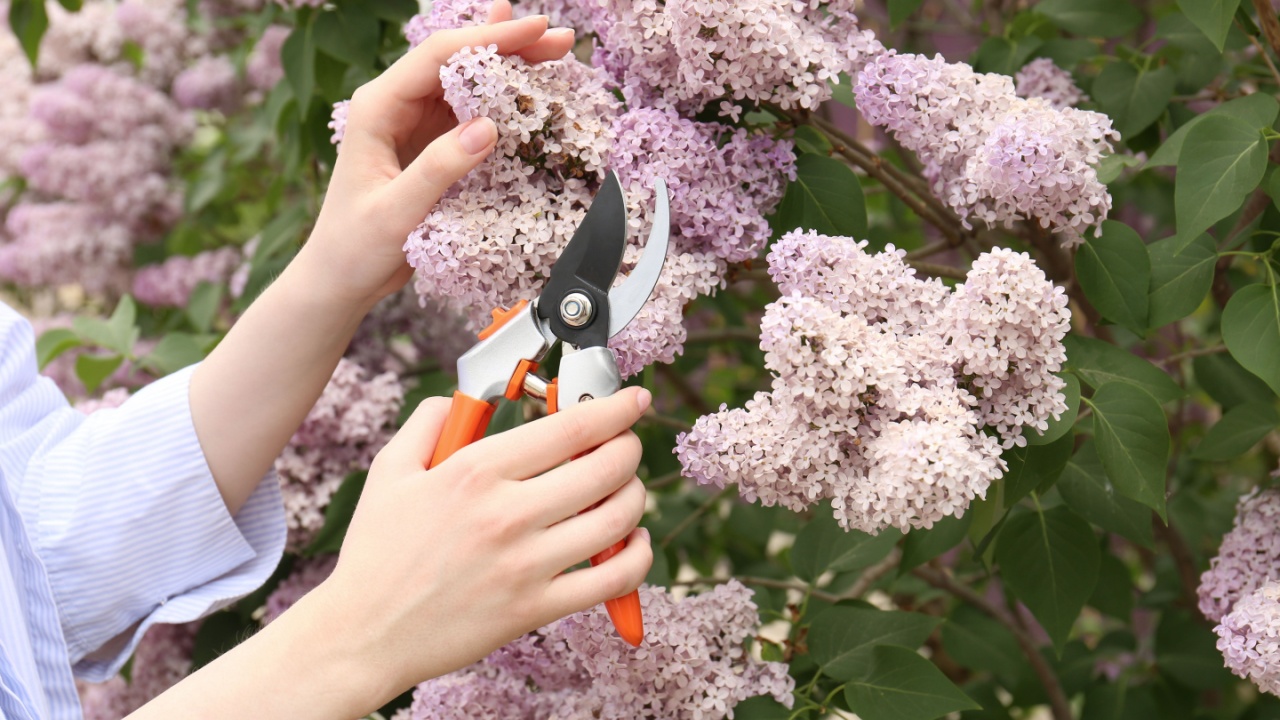
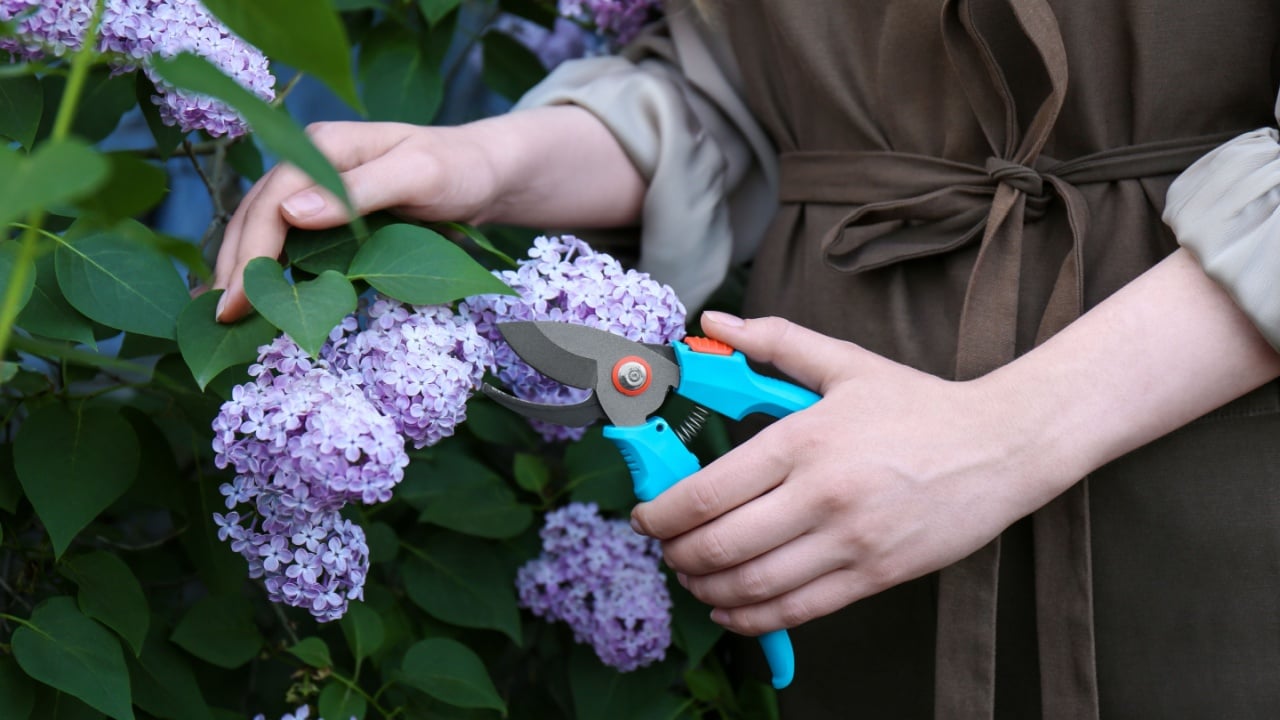
This is the spring mistake that breaks hearts the most, because it looks like exactly the right thing to do. Lilacs, forsythia, azaleas, and rhododendrons produce their flower buds on the previous year’s wood, set back in late summer.
When you prune them in March or April, the plant itself is perfectly fine, but you’ve cut off every bloom it has already built for this year, according to horticulturists at Garden Beautiful STL. There is no workaround, no fertilizer fix, no recovery move. You simply wait until next year for the show.
The correct window for pruning is immediately after the blooms fade, before the shrub begins building next year’s buds. Wait for the bloom to finish, then act quickly.
2. You Applied Pre-Emergent Too Late, or Alongside New Grass Seed
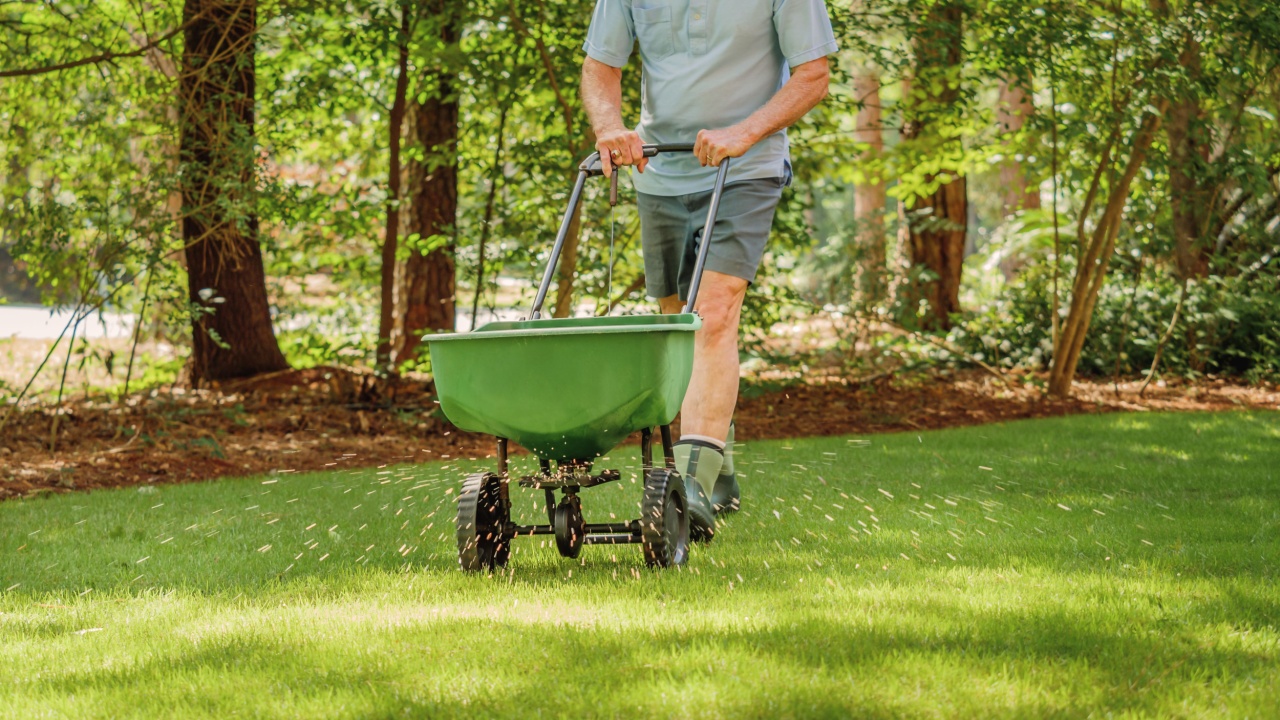
Crabgrass seeds germinate as soon as the soil hits 55 degrees Fahrenheit. If you wait until you see the weed, it’s already too late to apply pre-emergent. That window, when soil sits between 50 and 55 degrees, is the only time pre-emergent works. Once it’s gone, it’s gone for the season.
Here’s what catches experienced gardeners off guard: standard pre-emergent herbicides do not distinguish between weed seeds and grass seeds. They block both. If you plan to overseed thin areas this spring, you have to choose one or the other, or wait roughly ninety days between applications.
Many gardeners spend $40 or more on grass seed that simply never comes up, blame the seed quality, and never connect the cause.
3. You Waited Too Long to Plant Cool-Season Crops
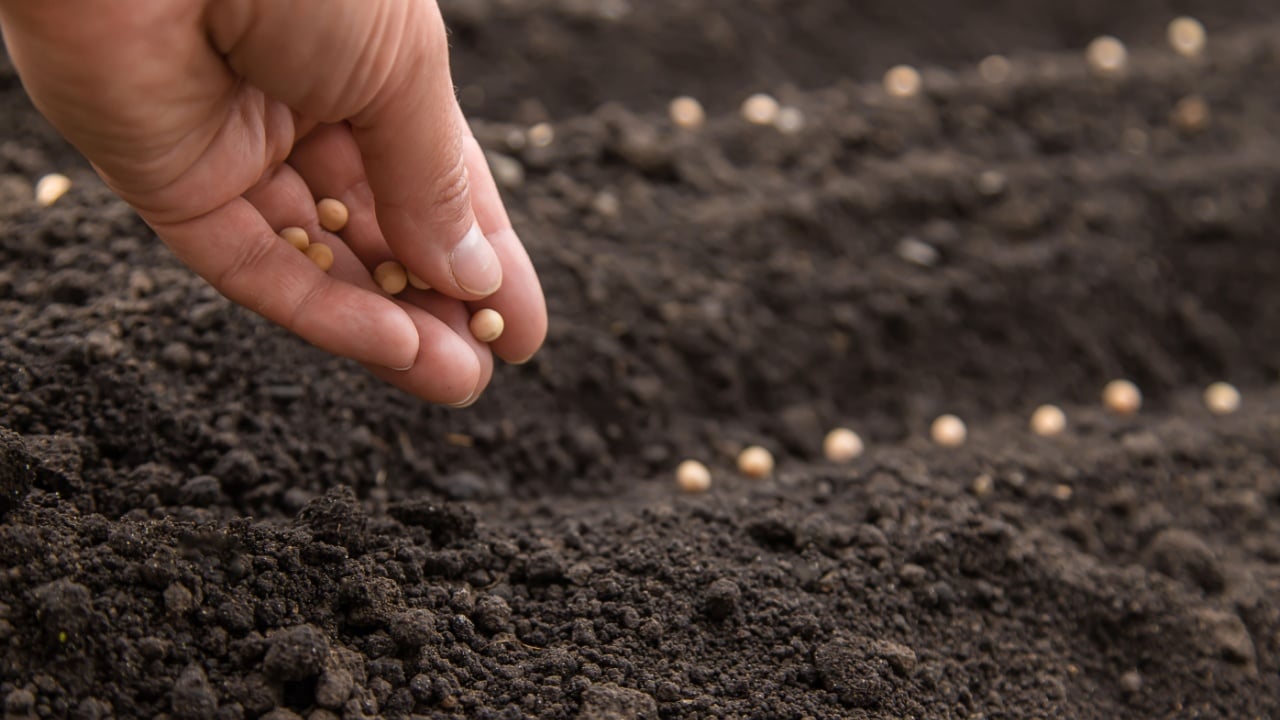
Most gardeners know the frustration of watching a brief planting window evaporate.
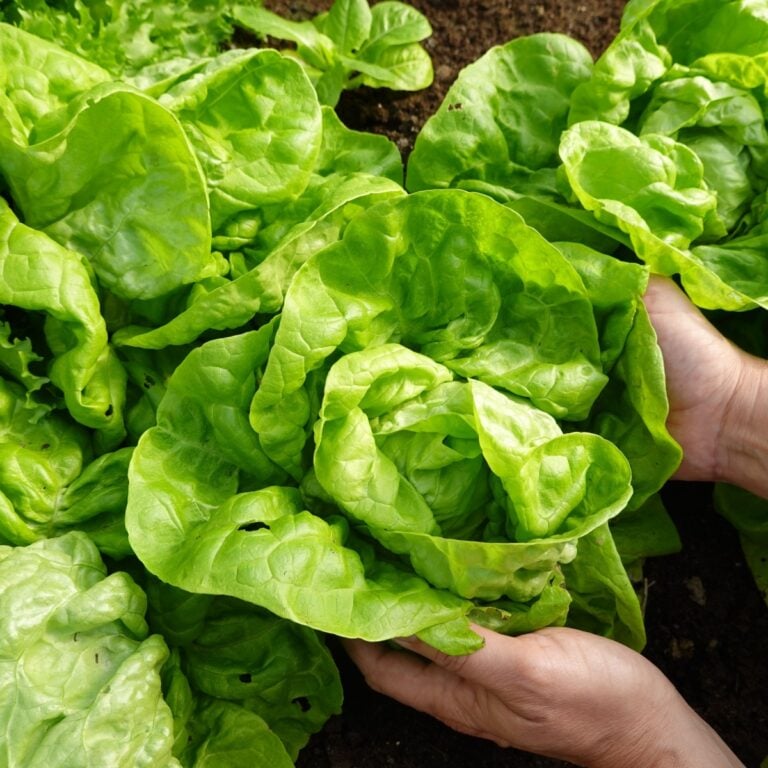
Peas, lettuce, broccoli, and spinach thrive in temperatures between 40 and 70 degrees. Push them into warm soil, and they bolt before producing; the seeds sprout, but the harvest never comes.
If your cool-season planting kept getting delayed by a busy schedule, this season’s window for those crops may already be closing. The time to salvage it is right now, not next week.
4. You Mulched Too Early, or Piled It Against Your Trees
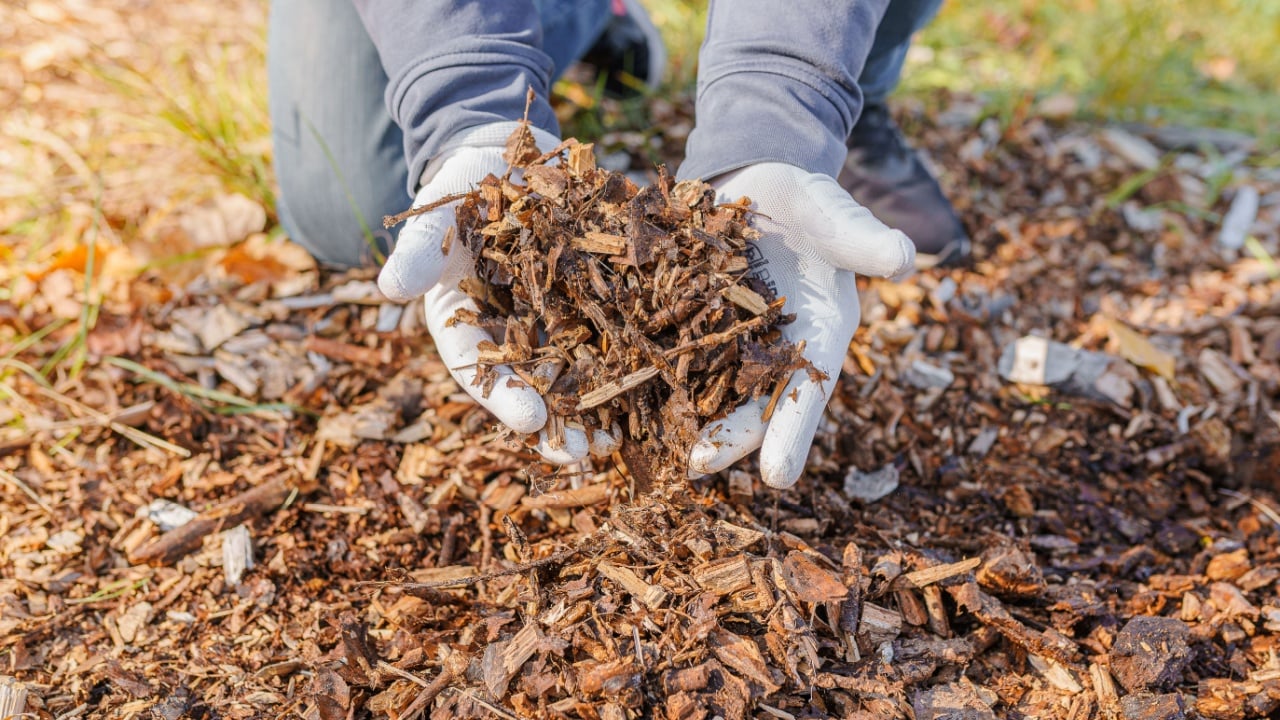
Mulch is one of the best tools in a gardener’s kit, but applying it too early in spring traps cold in the soil and slows the warming process your plants need. If you mulch before the ground has reached at least 55 degrees, you are essentially insulating the cold in place.
Early mulch can also smother perennial shoots that are trying to push through the soil surface.
Equally damaging, and far more permanent, is volcano mulching: piling mulch in a thick cone against tree trunks. This shape traps moisture against the bark, encouraging fungal growth, rot, and pest infestations. Many gardeners have lost mature, established trees to this practice and never connected the cause. Pull mulch back so it sits a couple of inches away from the trunk in a flat ring, like a donut, not a volcano.
5. You Planted Based on April Light, and July Will Prove You Wrong
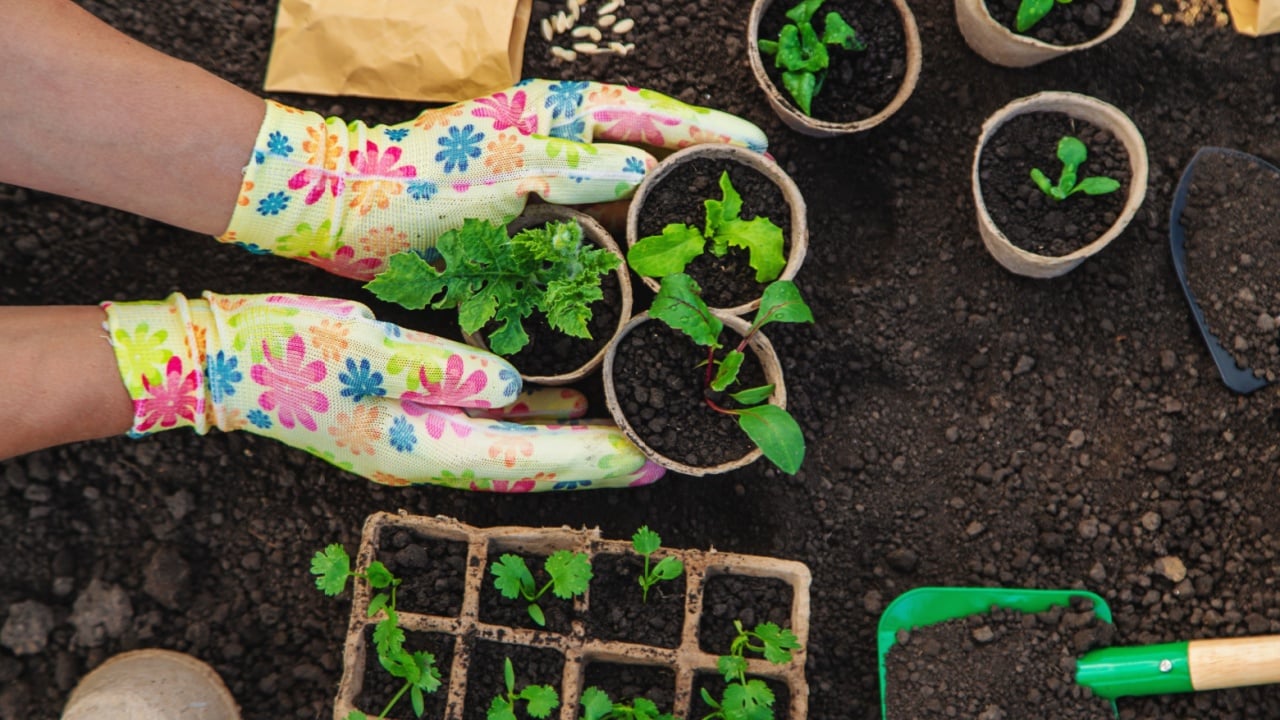
A spot that gets six hours of sun in April might only receive two by July, once the surrounding trees leaf out fully, and sun-loving vegetables planted in that spot are already set up to fail. This is the surprise that unravels so many summer vegetable gardens, and it almost always originates in a well-intentioned April planting session.
If your tomatoes, peppers, or squash are in a spot that looked sunny when you planted them, take a look at that same spot on a July afternoon before you decide the plant is the problem.
6. You Put Warm-Season Seedlings Into Cold Soil
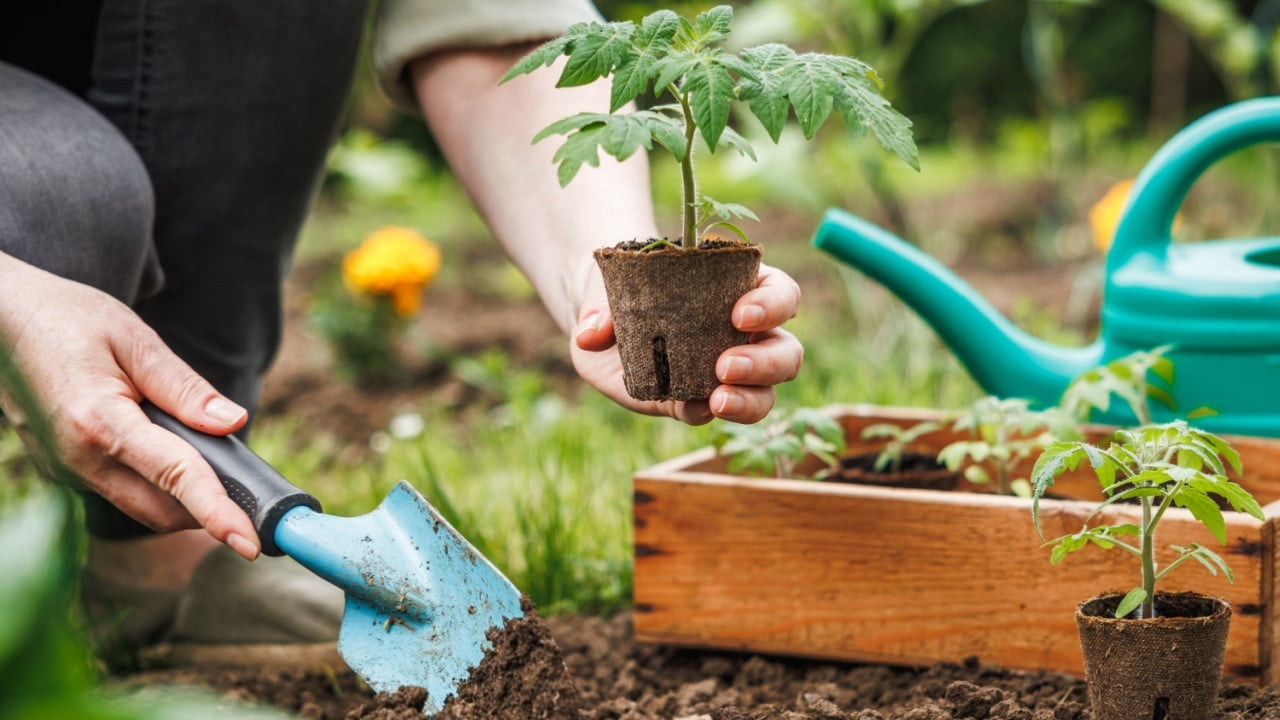
The first warm weekend of April is a trap, and it catches even experienced gardeners. Seeds and tender starts respond to soil temperature, not to how nice the afternoon felt. Tomatoes want soil around 60 degrees Fahrenheit before their roots do much of anything.
Planting warm-season crops into soil that’s still sitting at 50 degrees doesn’t kill them immediately; it just stalls them for weeks while they wait for conditions that should have been there on day one. That delay compounds into a shortened harvest window by late summer.
A $10 soil thermometer removes all the guesswork. Plant when the reading hits 60 degrees, not when the air feels warm enough.
7. You Skipped Hardening Off
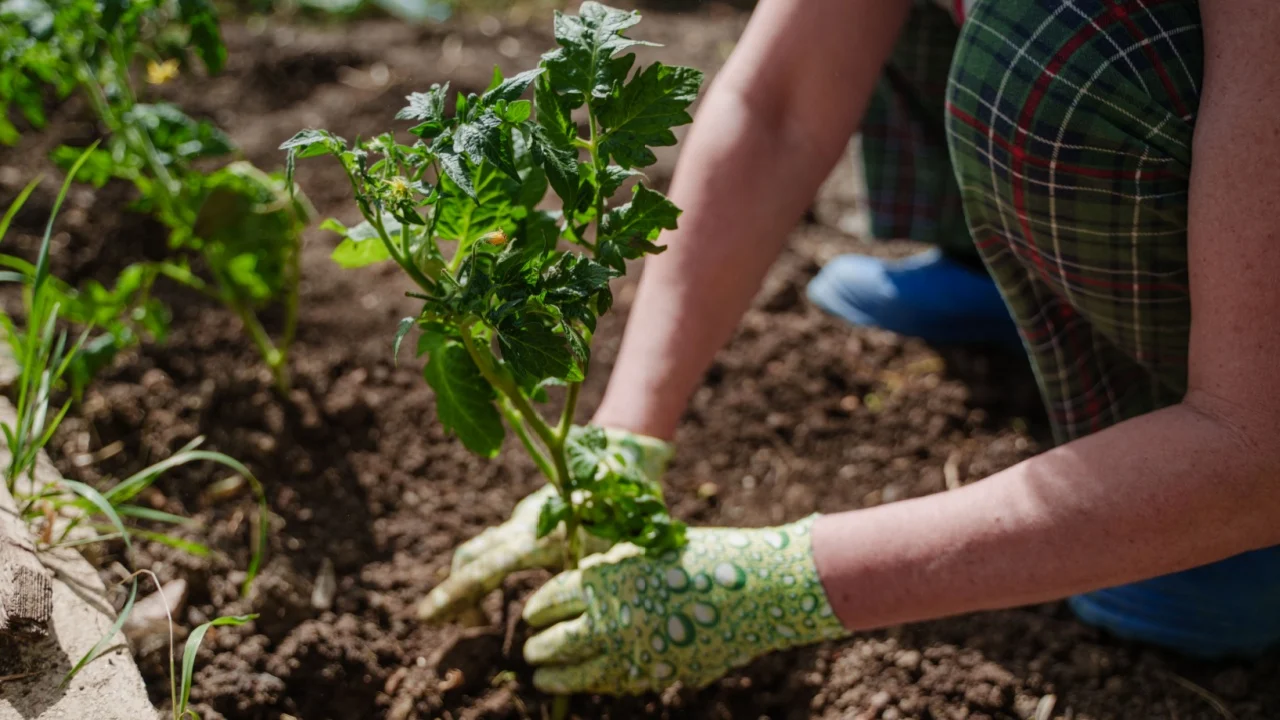
If you started seeds indoors and moved them outside without a gradual transition, the plants you’re growing right now may be struggling without showing obvious signs yet. Indoor seedlings have never felt wind, direct sunlight, or temperature swings.
Moving them straight from your kitchen windowsill to the garden bed is a shock that can set growth back by a week or more. Sunburned leaves, wilting, and even plant death are common outcomes.
The hardening process takes about two weeks of progressive outdoor exposure, an investment that protects weeks of seed-starting work. Nursery professionals almost never skip it; most home gardeners don’t realize it’s required.
8. You Applied Compost and Organic Fertilizer in Spring, Expecting Results This Season
This one is counterintuitive, and it costs gardeners money every single year.
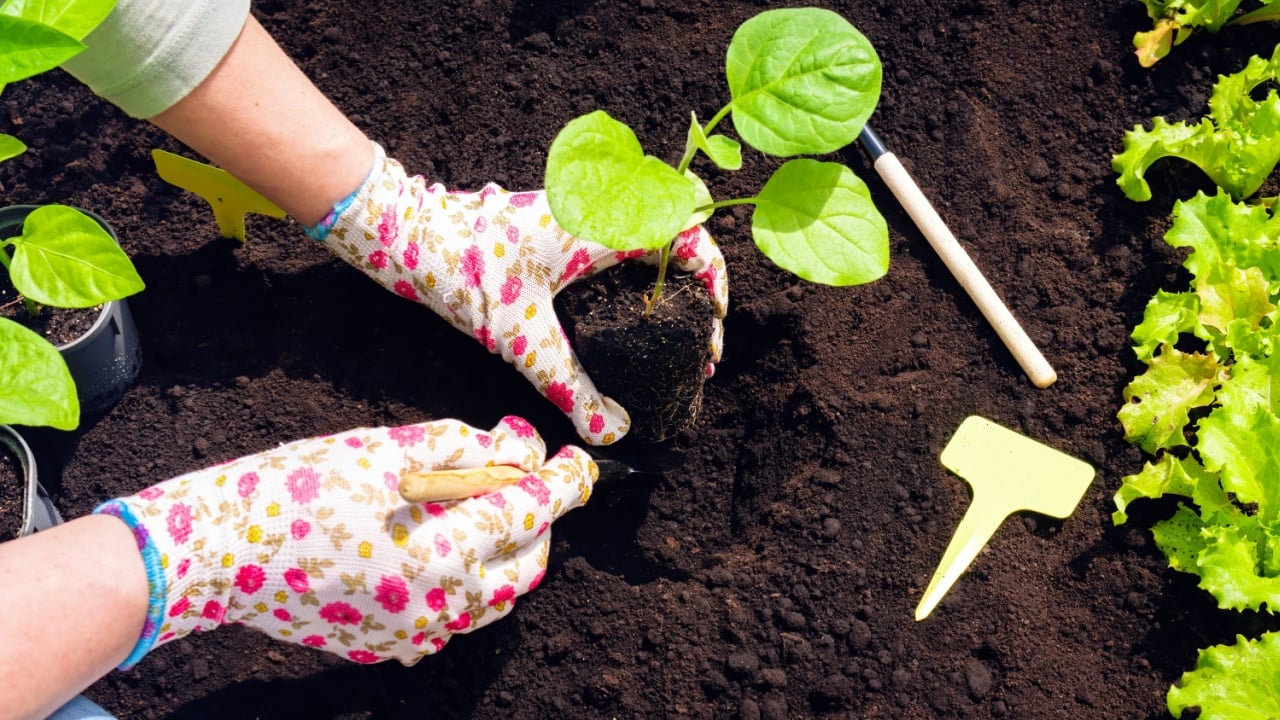
Spring planting gets all the attention, but fall is when soil amendments actually work. Compost, leaf mold, and slow-release organic fertilizers need months for microbes to break them down into plant-available nutrients. Spread them in September or October, and the bed is ready to go by April. Add the same materials in April, and you are still waiting on biology when your tomatoes want to push their first leaves.
Your April compost application isn’t wasted; it will benefit next spring’s garden. But if you were counting on it to power this season’s harvest, you’ll want to supplement with a fast-release option now.
9. You Still Haven’t Tested Your Soil pH
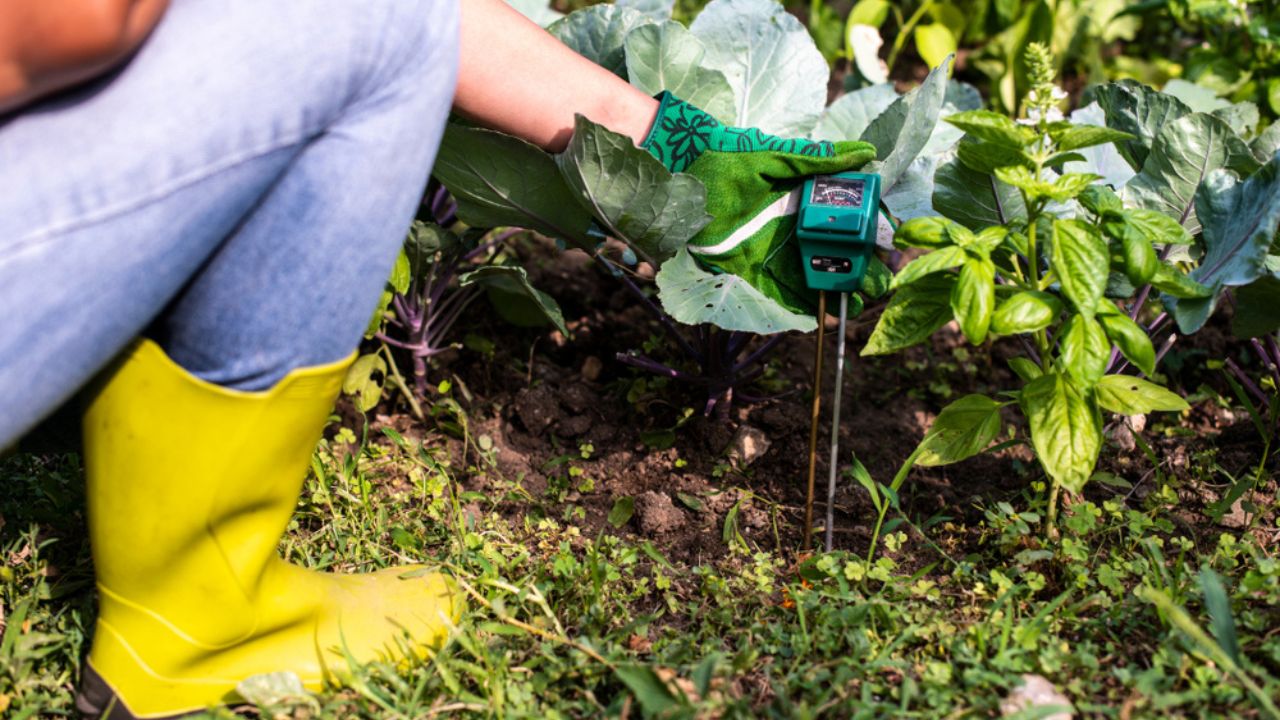
If you’ve been growing vegetables or struggling with yellowing leaves for more than one season without testing your soil, you may be fertilizing a chemistry problem you can’t fertilize your way out of.
If the soil pH sits outside the 5.5 to 7.0 range most vegetables prefer, nutrients can be present in the soil and still completely unavailable to the plant. A basic extension lab test typically runs under $20. Without it, every bag of fertilizer you buy this season is a partial gamble.
Your local cooperative extension service is the most reliable and affordable source for soil testing. Many offices process samples for $15 to $20 and return results with specific amendment recommendations rather than guesses.
It’s Not Too Late for Everything

A few of these windows are already closed for 2026.
You won’t get those lilac blooms back, and the pre-emergent timing is what it is. But several things are still very much within reach right now in April. Warm-season transplants can go in the moment soil thermometers hit 60 degrees, which in most zones is this week or next. Post-bloom pruning for spring shrubs begins the moment flowers fade. And fall, which is closer than it feels, is when the real soil work happens.
The gardeners who have the best summers are rarely the ones who did the most in spring. They’re the ones who knew which moments were real, which windows were narrow, and which mistakes to stop making before the calendar closed on them.
Read more:
Why wildlife experts are telling people to take down their bird feeders
Plant these 10 companion plants with your tomatoes — and stop planting these 4