Sewing Is Making a Comeback — And the Economy Has Something to Do With It
When the economy tightens, consumer behavior tends to shift in ways that are both practical and, at times, unexpected. One of the more notable changes right now is the resurgence of sewing, a skill that had largely faded from everyday use but is now gaining traction with a new generation.
Once associated with home economics classes or passed down through family traditions, sewing is reemerging as both a functional skill and a form of personal expression. More Americans are learning to sew, not just to repair clothing, but to rethink how they shop, what they wear, and how they manage spending. Economic pressure is a clear factor, but it is not the only one.
A Craft That’s Quietly Growing
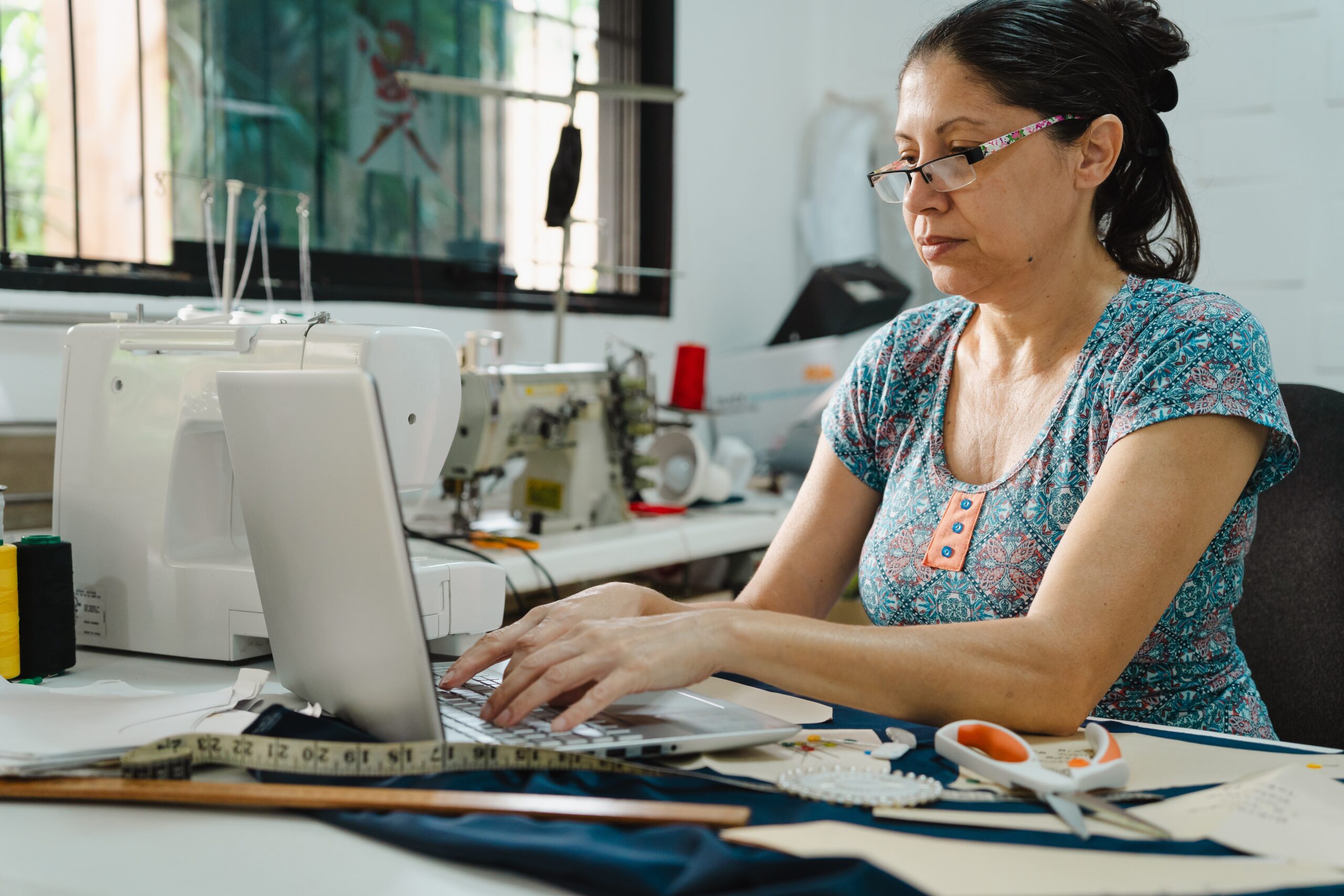
Millions of Americans sew regularly, whether as a hobby, a side business, or a practical necessity. Social media has accelerated that growth, with tutorials, thrift flips, and clothing transformations attracting millions of views. What was once considered outdated now carries a sense of creativity and individuality.
The New York Times recently reported that younger generations are particularly drawn to sewing because it gives them greater control over their wardrobes and reduces impulse purchases. The act of making clothing changes how people value what they own, shifting the focus from disposable fashion to intentional consumption.
Rising Costs Are Changing How People Spend
Clothing is often one of the first areas where consumers cut back when prices rise. Unlike housing, groceries, or healthcare, apparel purchases are discretionary, making them easier to scale back or delay.
Sewing offers a practical alternative. It allows people to extend the life of existing clothing, whether by repairing damage, tailoring ill-fitting items, or repurposing secondhand pieces. Some are going further, using reclaimed materials to create entirely new garments, drawing on resources like free sewing patterns. The result is both cost savings and a shift toward more sustainable consumption.
Gen Z Is Leading the Charge
A key difference in this revival is who is driving it. Younger consumers, particularly Gen Z, are embracing sewing alongside other traditional crafts.
According to The Butler Collegian, sewing has gained popularity as part of a broader return to so-called “grandma hobbies,” including knitting and embroidery. For some, the appeal is nostalgic. For others, it offers a break from screen-heavy routines and a way to engage in something tangible and rewarding.
There is also a strong sustainability component. Many younger consumers are pushing back against fast fashion, opting instead to thrift and modify clothing. Repairing or creating garments is viewed as a small but meaningful way to reduce waste and challenge disposable consumer habits.
Sewing Fits the Sustainability Shift
The renewed interest in sewing aligns with a broader cultural focus on sustainability and reuse. More people are returning to sewing machines as a way to repair and extend the life of their clothing, keeping items out of landfills and reducing the need for new purchases.
Global resale and reuse markets have expanded steadily over the past decade, reflecting a long-term shift that goes beyond short-term economic pressures. Educators are also noticing the change. One high school teacher noted that students now regularly discuss thrifted clothing and alterations, something rarely seen just a few years ago.
Beyond practicality, sewing offers additional benefits. It is often described as calming and meditative, while also providing a sense of accomplishment. Community aspects have also grown, with sewing groups, classes, and online communities creating new social connections around the craft.
Southern Living has noted that this resurgence reflects a broader shift toward slower, more intentional living, with activities like baking, gardening, and crafting gaining renewed interest.
Looking Ahead
Sewing is unlikely to return to its former status as a mainstream necessity, but current trends suggest it is more than a passing phase. While economic conditions may have accelerated interest, the underlying drivers—sustainability, creativity, and a desire for more intentional consumption—remain in place.
As those factors continue to shape consumer behavior, sewing appears positioned to remain a relevant, if niche, part of how people approach clothing and personal style.