9 Garden Plants That Are Actually Illegal to Grow in Your State (And Most People Have No Idea)
That plant someone handed you over the fence last spring — the pretty one you tucked into the corner of your flower bed without a second thought — might be quietly illegal in your state right now.
Not “frowned upon” or “discouraged.” Illegal.
The first time many homeowners find out is when a county notice arrives, a neighbor files a complaint, or a routine HOA inspection turns up something they’ve been cultivating for years.
The rules around prohibited plants exist at the state and county level, are updated regularly, and carry real consequences in the form of fines, removal orders, and, in some cases, civil liability if a banned plant spreads from your yard to your neighbor’s property. The laws do not require that you know that the plant was banned.
Beyond the legal exposure, several of these plants pose genuine physical dangers to people, pets, and children playing in the yard. One produces sap that causes chemical burns severe enough to require emergency care. Another has been linked to the spread of Lyme disease. A third contains one of the most toxic substances found in nature. These are not hypothetical risks buried in a botanical reference guide; they are plants that are actively growing in American backyards right now.
Below are nine plants that are banned in at least one U.S. state, and in most cases, several, that gardeners are planting every single spring without realizing it. Before you put anything new in the ground this spring, make sure none of these are on your list.
1. Kudzu: The Vine That Can Swallow a Yard Whole
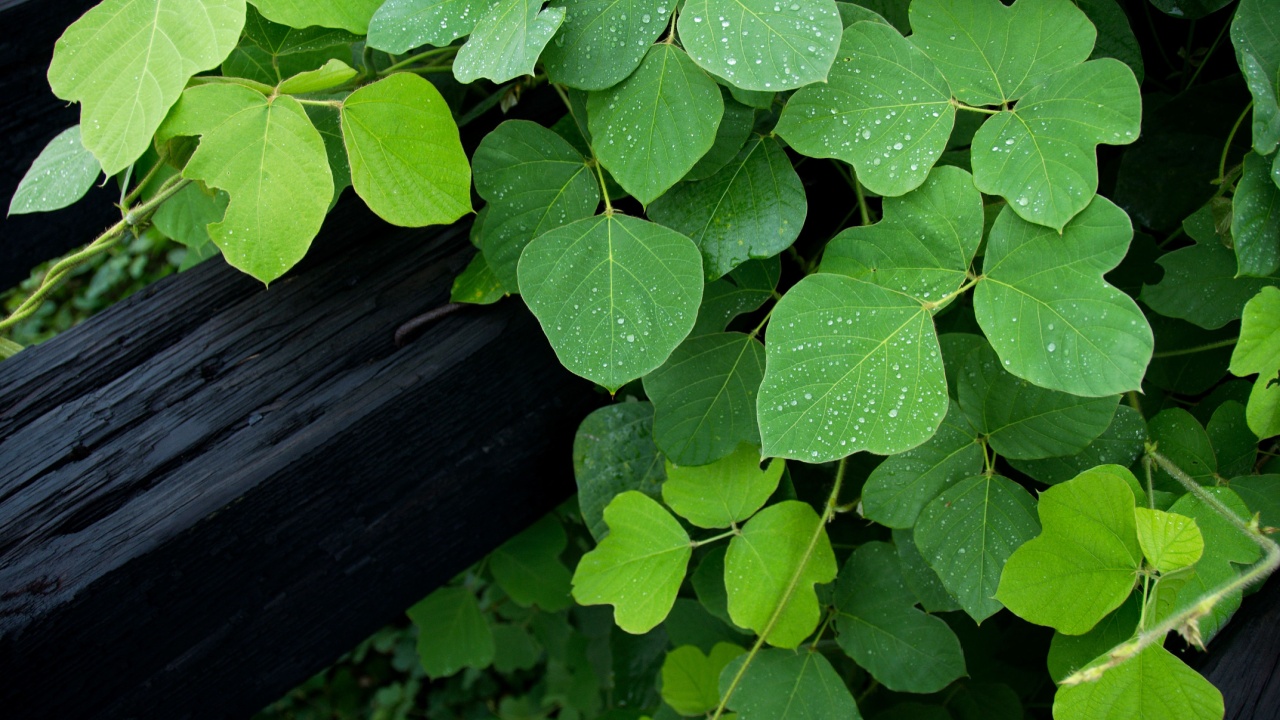
Kudzu (Pueraria montana) is the most dramatic example of a plant that seemed like a reasonable idea right up until it wasn’t. Introduced to the United States in the late 1800s for erosion control and livestock feed, it is now federally listed as a noxious weed and illegal to plant in most Southern states, including Georgia, South Carolina, and Tennessee. According to the USDA Forest Service’s Southern Research Station, kudzu grows at roughly a foot per day during peak season, with mature vines reaching up to 100 feet in length.
The vine doesn’t just spread; it smothers. Trees, fences, abandoned cars, entire building facades — kudzu envelops whatever it touches and blocks out the sunlight that native plants need to survive. If you are anywhere in the Southeast and have seen what looks like a rolling green blanket draped over a treeline, that’s kudzu at work. As Gardening Know How notes, eradicating it from an established area requires years of consistent chemical treatment or controlled grazing, and that’s before you factor in any legal remediation costs.
2. Giant Hogweed: The Beautiful Plant That Can Send You to the ER
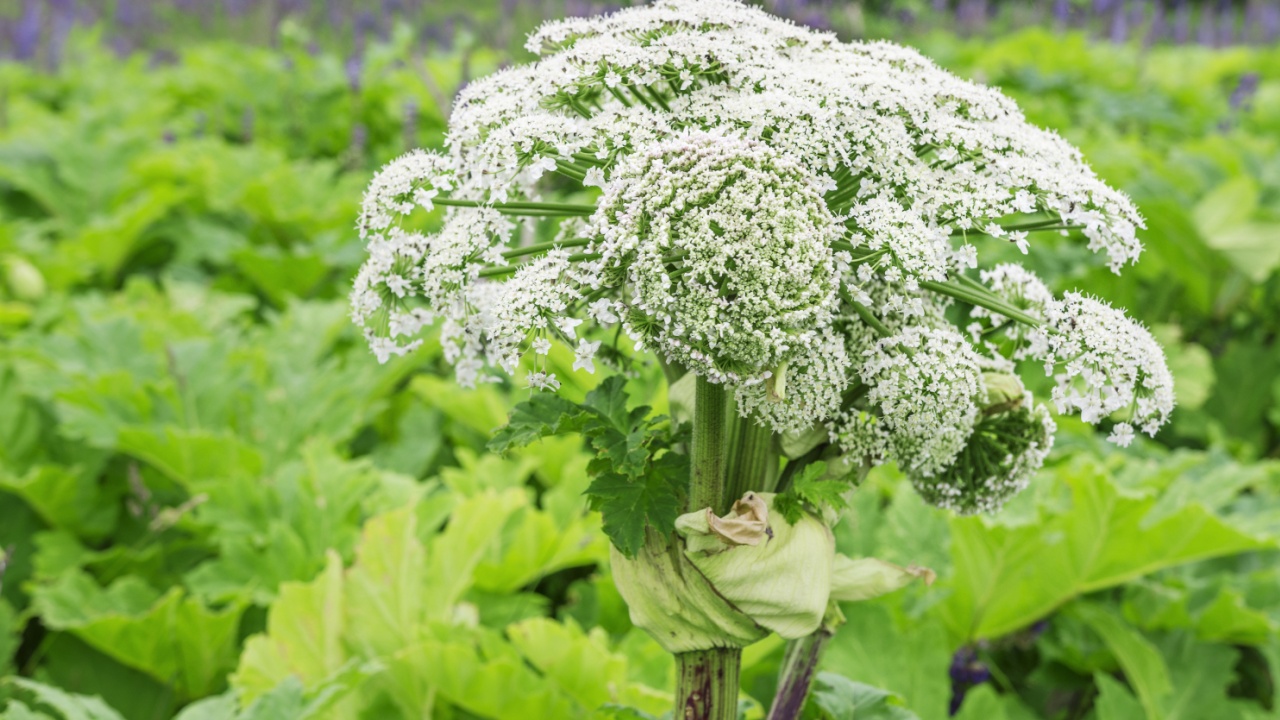
This one looks like an oversized Queen Anne’s lace, and it belongs nowhere near a home garden.
Giant hogweed (Heracleum mantegazzianum) produces a clear sap that causes severe phototoxic burns like blisters, scarring, and, in cases of eye exposure, permanent blindness when skin or eyes make contact and are then exposed to sunlight. The New York State Department of Environmental Conservation classifies it as a prohibited invasive species, and it is illegal to grow intentionally in New York, Washington, and several other Eastern states.
What makes this plant particularly dangerous for families is how ordinary it looks. Children who touch it while playing outdoors show symptoms hours later, often before anyone has connected the cause. Safer visual alternatives like cow parsnip (Heracleum maximum) or angelica offer similar dramatic foliage without the ER visit attached.
3. Japanese Barberry: The Shrub That’s Quietly Fueling a Lyme Disease Crisis
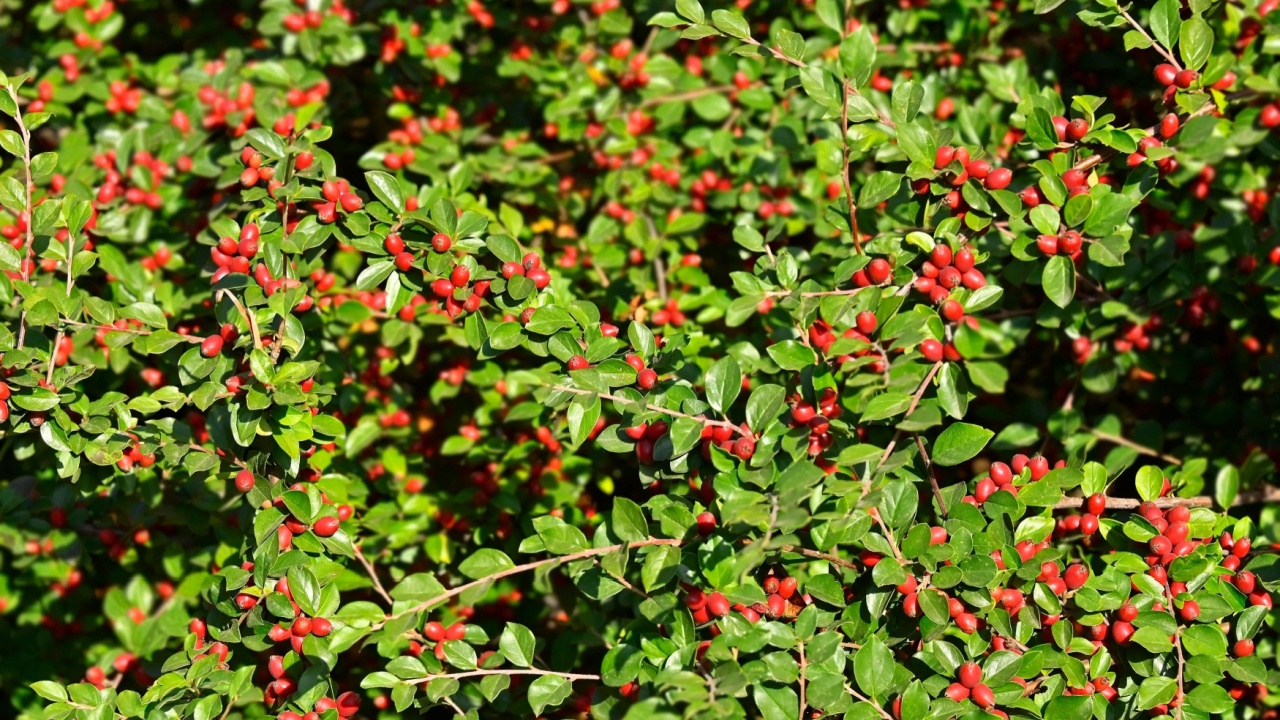
Research from the Connecticut Agricultural Experiment Station found that Japanese barberry (Berberis thunbergii) creates a humid microclimate inside its dense, thorny thickets that is perfectly hospitable for the black-legged ticks that transmit Lyme disease. The same research found that barberry-infested areas had dramatically higher tick densities than adjacent open land. This is not a theoretical ecological concern; it is a measurable public health risk growing in residential yards.
Japanese barberry is banned or restricted in Massachusetts, New York, Wisconsin, and several other states specifically because of this documented connection. It is a commonly sold ornamental shrub, available at major garden centers for years before many states added it to their prohibited lists. If you have a barberry hedge and live in one of these states, it is worth confirming whether your specific cultivar is restricted. Some states have exempted certain sterile varieties while banning seed-producing ones.
4. Purple Loosestrife: The “Wildflower” That’s Actually a Federal Noxious Weed
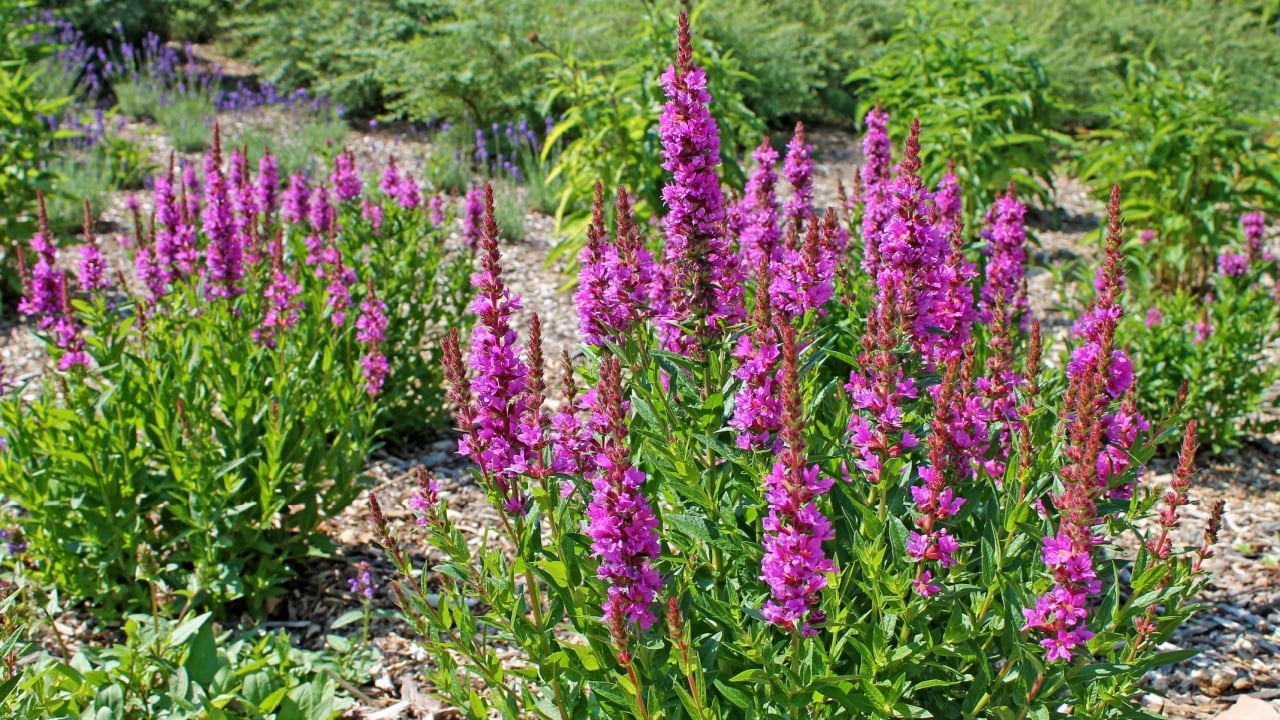
Purple loosestrife (Lythrum salicaria) is one of the most reliably misidentified plants in the country. Every summer, gardeners spot it growing in ditches and along pond edges and assume it must be a native wildflower. It is not native, and it is not welcome.
The USDA PLANTS Database lists purple loosestrife as a federal noxious weed, and California, Minnesota, Illinois, and more than two dozen other states prohibit buying, selling, or distributing it.
A single mature plant can produce up to 2.7 million seeds per year, according to the USDA. Once established in a wetland, it forms dense stands that eliminate the native vegetation that birds, frogs, and pollinators depend on. If you have purple loosestrife growing on your property near a waterway, contact your local cooperative extension office before attempting removal; improper cutting can help scatter seeds and worsen the infestation.
5. Tree of Heaven: The Fastest-Growing Illegal Tree in America
The name is ironic.
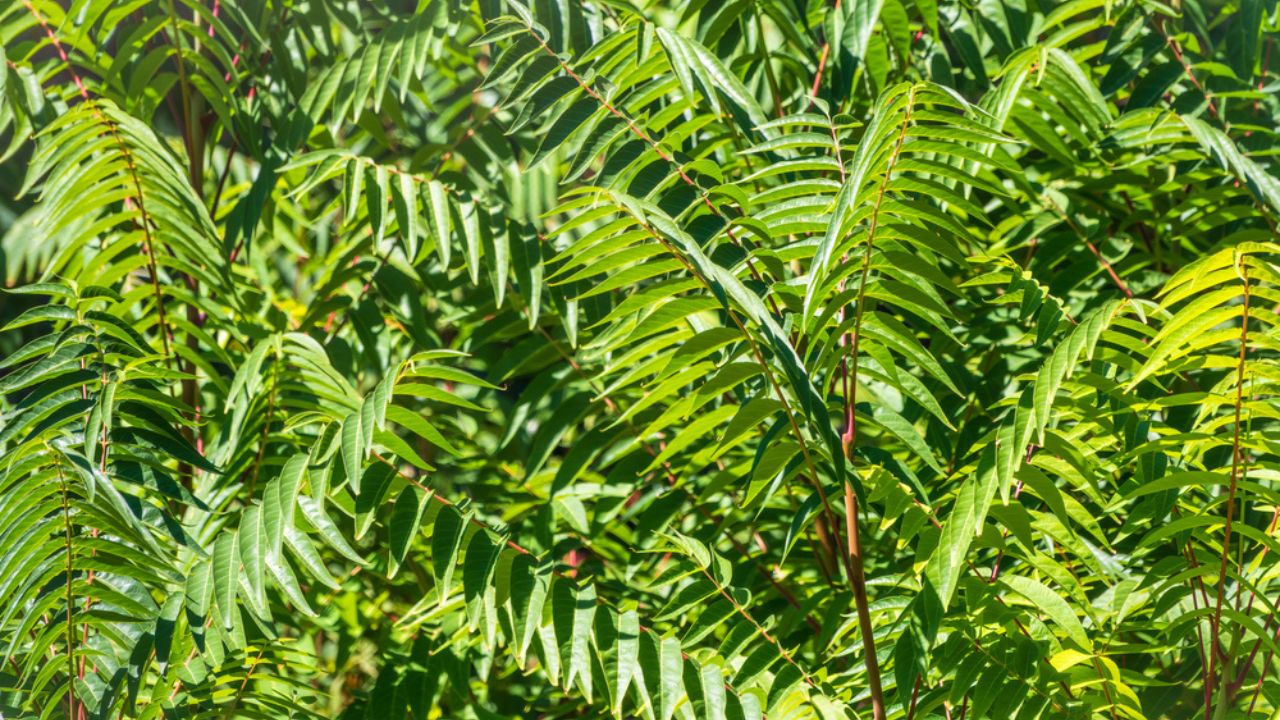
Tree of Heaven (Ailanthus altissima) is considered one of the most aggressive invasive trees in North America, growing as much as 10 to 15 feet per year, according to Kevin Lenhart, Design Director for California-based landscape firm Yardzen, in Homes and Gardens. It is illegal to buy or plant in California, Arizona, and Minnesota, and it appears on noxious weed lists across the country.
What makes Tree of Heaven particularly insidious is the chemical warfare it wages on neighboring plants: it secretes allelopathic compounds into the soil that suppress the growth of nearby native species, essentially poisoning the ground around it.
Unfortunately, cutting Tree of Heaven to the ground does not kill it. The severed trunk triggers aggressive root suckering, and new shoots can emerge from the root system many feet from the original tree. Lenhart recommends consistent removal of seedlings at the base before taproots develop, combined with professional help for established specimens. Native serviceberries and dogwoods are strong alternatives that provide comparable shade without the legal or ecological baggage.
6. Japanese Knotweed: The Plant That Cracks Foundations and Voids Home Insurance
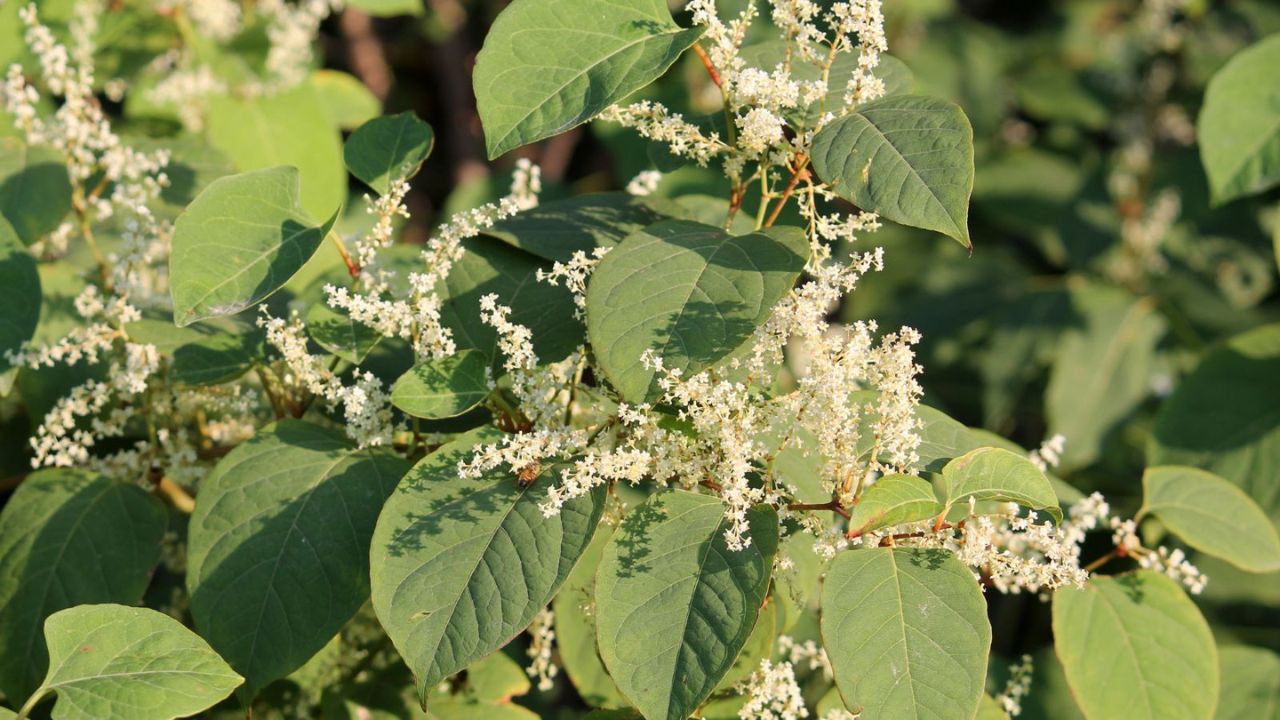
Japanese knotweed (Reynoutria japonica) is a rare invasive plant that has crossed from an ecological problem into a property values crisis. Its roots penetrate concrete, crack foundations, and push through basement walls with enough force to cause structural damage to buildings.
In the United Kingdom, mortgage lenders have refused loans on properties where knotweed is present on or near the land, a reality that American homeowners are beginning to encounter as the plant spreads. The USDA APHIS lists it as a federally regulated pest, and it is heavily restricted or banned in multiple U.S. jurisdictions.
If you suspect knotweed on your property, do not attempt to mow or cut it. Fragments as small as half an inch can root and establish a new colony. Professional treatment using approved herbicides over multiple growing seasons is the only reliably effective approach, according to USDA APHIS guidance.
7. Water Hyacinth: Still Sold at Garden Centers, Still Illegal in Florida and Texas
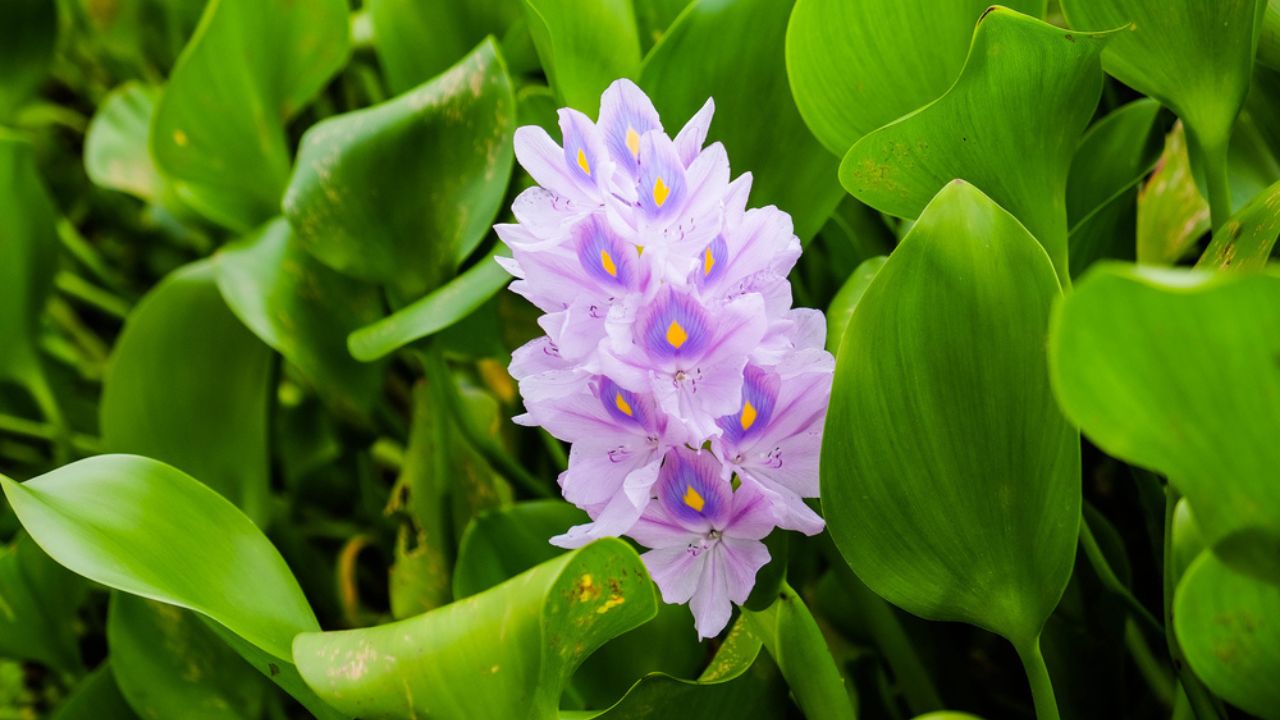
Water hyacinth (Eichhornia crassipes) has beautiful lavender blooms and the kind of lush, floating appearance that makes any backyard pond look like a resort. It is also strictly prohibited in Florida and Texas, and regulated in several other states.
The reason for the prohibition is that water hyacinth doubles its population every two weeks under warm conditions, according to the Florida Fish and Wildlife Conservation Commission. A pond plant that looks charming in May can render a small water feature completely inaccessible by August.
The danger extends beyond the ornamental pond. Water hyacinth introduced to natural waterways depletes oxygen levels and blocks sunlight, causing fish kills and eliminating aquatic habitat. If you’re in Florida or Texas and have it in a pond, it is worth verifying whether your situation requires action.
Pickerelweed (Pontederia cordata) is a native aquatic alternative that offers similar visual appeal with none of the legal risk.
8. Myrtle Spurge: The One Colorado Gardeners Already Have

Myrtle spurge (Euphorbia myrsinites) was widely sold as a drought-tolerant ornamental groundcover throughout Colorado and the West before the state quietly moved it to the Class B Noxious Weed list. The Colorado Department of Agriculture classifies it as illegal to grow, sell, or transport. It is also prohibited in Oregon and Salt Lake County, Utah.
Because myrtle spurge was so aggressively marketed before the ban, it appears in many established Front Range gardens whose owners have no idea they’re growing something regulated.
Myrtle spurge produces a milky sap that causes skin irritation and is toxic if ingested, which is a meaningful concern for households with dogs or small children who spend time in the yard. If you’re not sure whether you have it, look for a low-growing, blue-green succulent groundcover with small yellow flowers in early spring. If that description sounds familiar, contact the Colorado Department of Agriculture or your local extension office for guidance on lawful removal.
9. Opium Poppy: The Common Garden Flower That Exists in a Legal Gray Zone
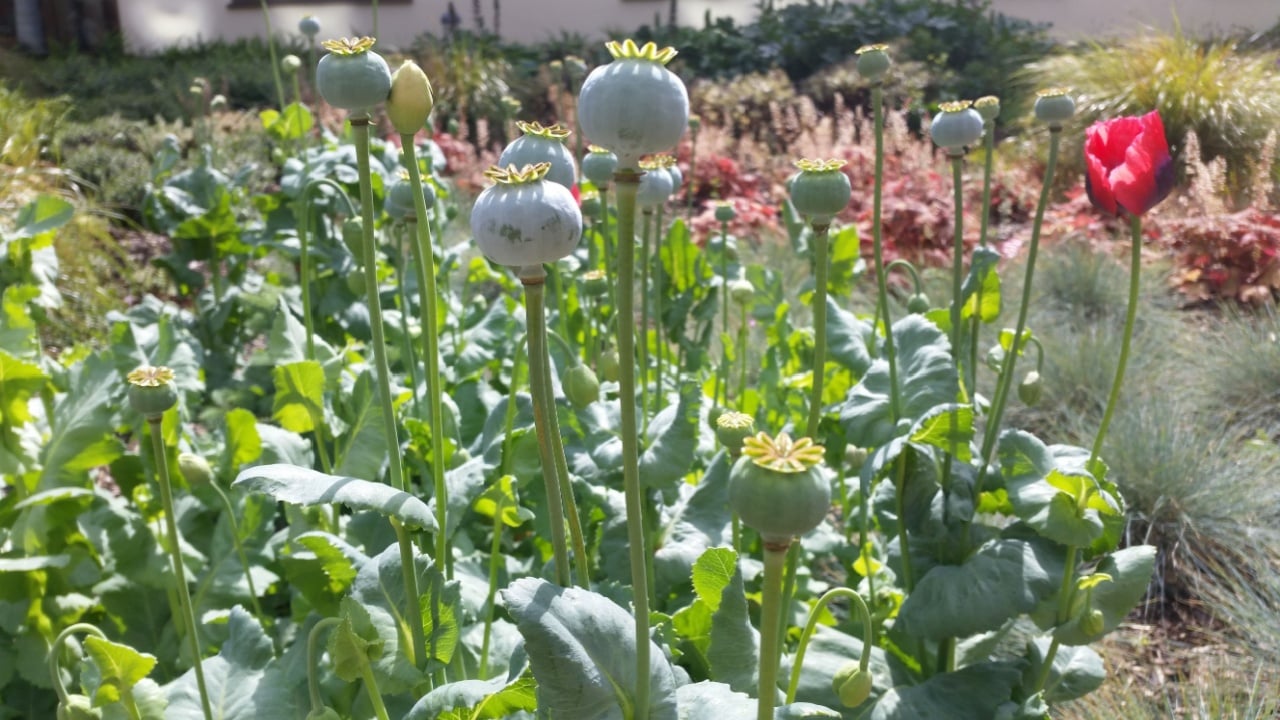
Papaver somniferum, the opium poppy, is sold under countless ornamental names at garden centers and seed catalogs across the country. The seeds themselves are legal to purchase. The plant is beautiful, easy to grow, and appears in cottage gardens everywhere.
However, it is also the plant from which opium is derived, and the Drug Enforcement Administration prohibits its cultivation for narcotic purposes. Growing it in quantities or in ways suggesting intent to harvest the plant’s latex places a gardener in a federal legal gray zone that most people planting “peony poppies” are completely unaware of.
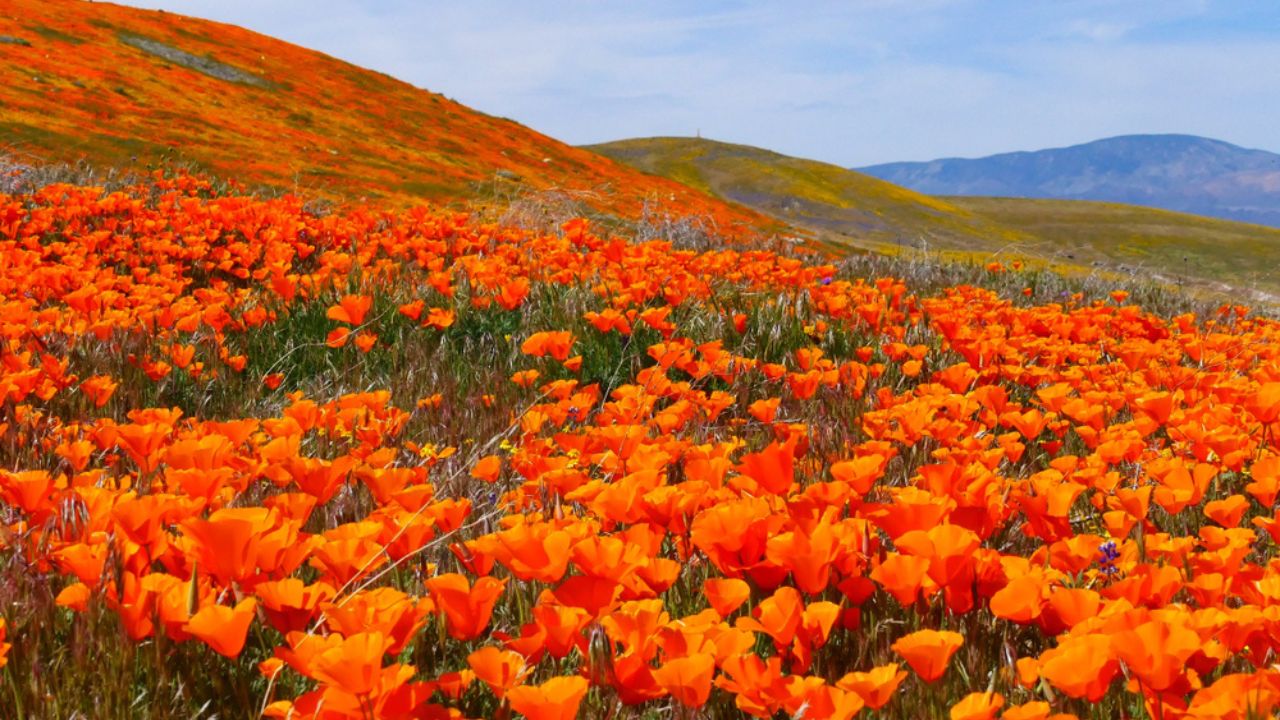
For purely ornamental purposes in small numbers, enforcement has historically been minimal. But as the DEA notes in its scheduling guidelines, the plant itself is controlled, not just the extracted compound. California poppy (Eschscholzia californica) is a vivid, drought-tolerant alternative that carries no legal complications whatsoever.
What to Do If You Already Have One of These Plants
The first step is verification, not panic. The USDA PLANTS Database (plants.usda.gov) maintains up-to-date noxious weed listings by state and is the most reliable first source. Your state’s Department of Agriculture website will have a current prohibited and noxious weed list specific to your county.
If you confirm a prohibited plant on your property, resist the instinct to immediately cut it down. For species like Tree of Heaven, Japanese knotweed, and kudzu, cutting without a proper removal plan can trigger more aggressive spreading. Contact your local cooperative extension office; they provide free guidance on legal, effective removal strategies for your specific region. In most cases, first-time violations result in a warning and a removal order rather than immediate fines, but repeated non-compliance is treated differently.
The good news is that there is no shortage of beautiful, well-behaved plants that will not put you in legal jeopardy or cost you a relationship with your neighbors. Native serviceberry and redbud offer the flowering drama of banned mimosa and Tree of Heaven. Blazing star (Liatris spicata) delivers the tall purple spikes of purple loosestrife with a fraction of the attitude. Virginia creeper and native wisteria (Wisteria frutescens) handle the groundcover and climbing roles that kudzu was originally brought in to fill, but without the criminal record.
Before you plant anything new this spring, spend five minutes on your state’s Department of Agriculture website. The list has likely been updated since the last time anyone checked. Your garden will look just as good with plants that are working with your local ecosystem rather than against it, and you will sleep a great deal better knowing a county inspector is not about to change your afternoon plans.
Read more:
Direct Sow These 9 Seeds in June Before the Window Closes for Good
June Is National Pollinator Month. Are You Accidentally Harming the Bees You Want to Help?