8 Slow-Growing Flowers to Start From Seed Early for Stunning Summer Blooms
February can feel far too early to think about summer flowers. But many of the most breathtaking blooms simply won’t perform if you wait until spring warmth arrives to start them from seed.
“If you miscalculate the lead time for certain slow-growing plants, they might not even be budding by the time the first killing frosts of fall arrive,” says Teo Spengler of Gardening Know How.
Starting seeds indoors now gives these slow-burners the time they need to establish strong roots and steady growth. It’s not about rushing them; it’s about giving them enough runway.
In colder zones, especially, that head start is the difference between sparse blooms and a garden that carries color deep into summer.
So consider starting these 8 flowers now to enjoy beautiful blooms all summer.
1. Lisianthus

Lisianthus is a famously slow grower, but worth every week of waiting. These rose-like blooms can take up to five months from germination to flower.
Seeds are tiny and need light to germinate, so press them gently onto the soil surface rather than covering them. You’ll want to start lisianthus seeds 10–12 weeks before your last frost date.
Once lisianthus matures, you’ll have elegant, florist-quality stems that look far more expensive than they are.
2. Heliotrope
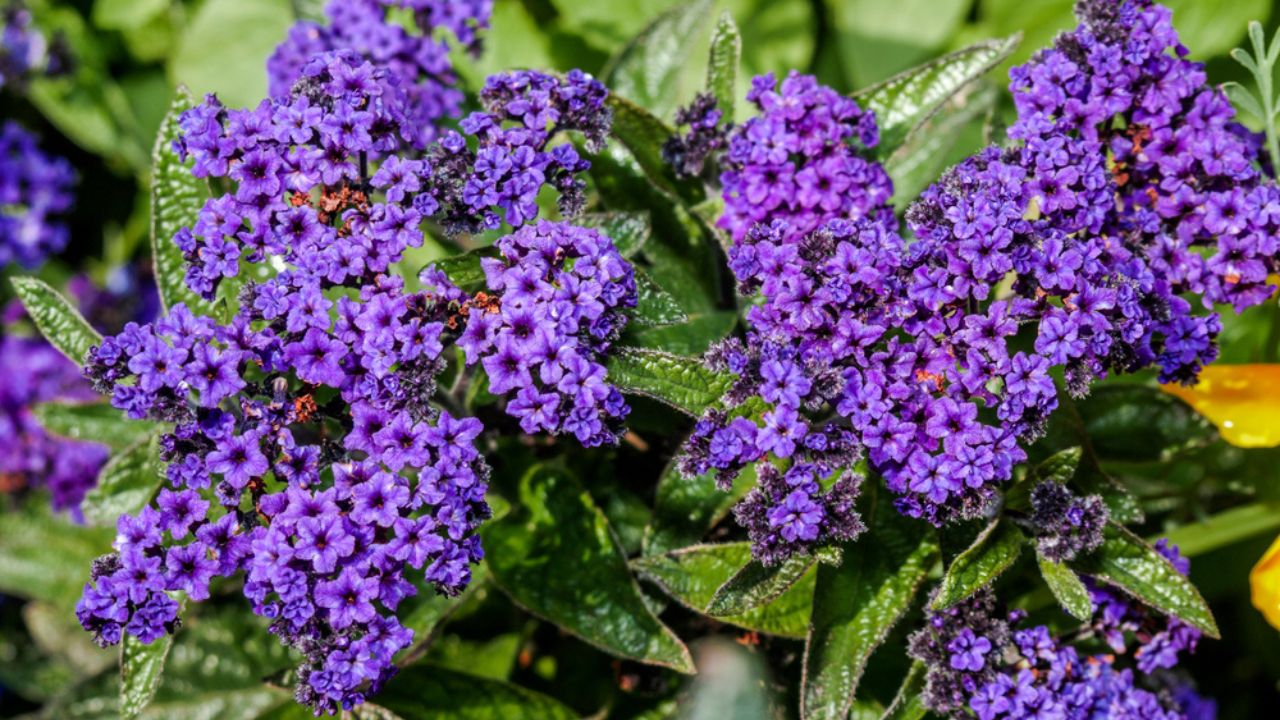
If floral fragrance in your garden matters to you, heliotrope deserves a February sowing. Known as the “cherry pie plant,” it’s adored for its vanilla-sweet scent and deep purple blooms.
Heliotrope seeds should be started 10–12 weeks before the last frost and kept warm, around 70–75°F.
It’s a slow developer, but once summer heat settles in, heliotrope becomes a pollinator magnet in containers and borders alike.
3. Tuberous Begonias
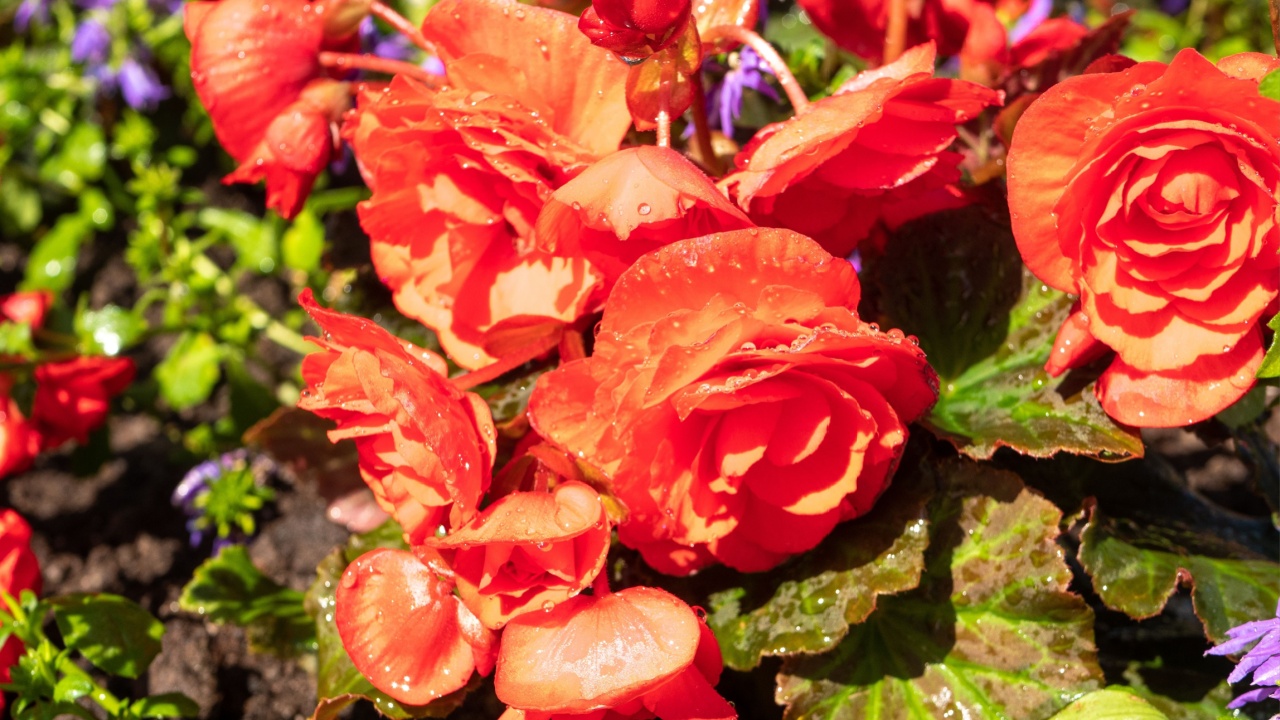
If you garden in shade, tuberous begonias are one of the best slow-growing flowers to start from seed early.
They require a long indoor window of approximately 14–16 weeks before your last frost date.
Tuberous begonia seeds are dust-fine and should be pressed into a moist seed-starting mix without covering. You’ll want to maintain warmth and humidity while they germinate and establish.
By early summer, you’ll have lush, oversized blooms that thrive on porches and shaded patios where many other flowers struggle.
4. Snapdragons
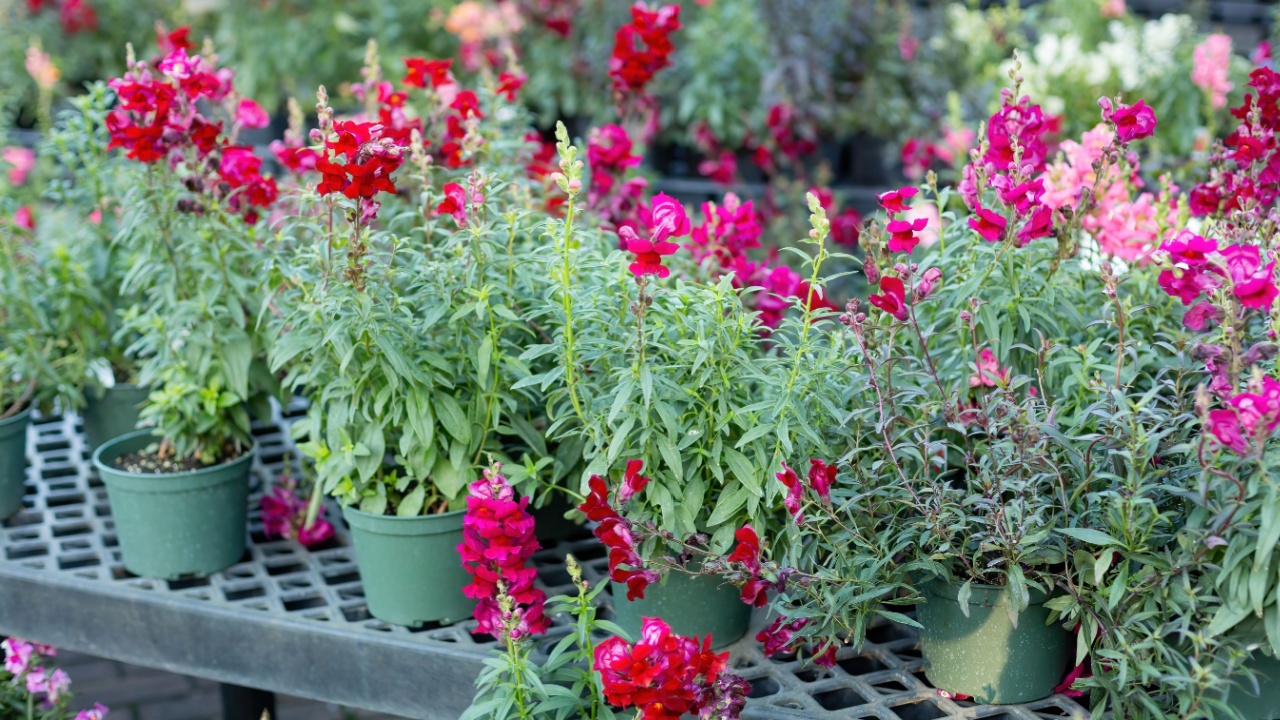
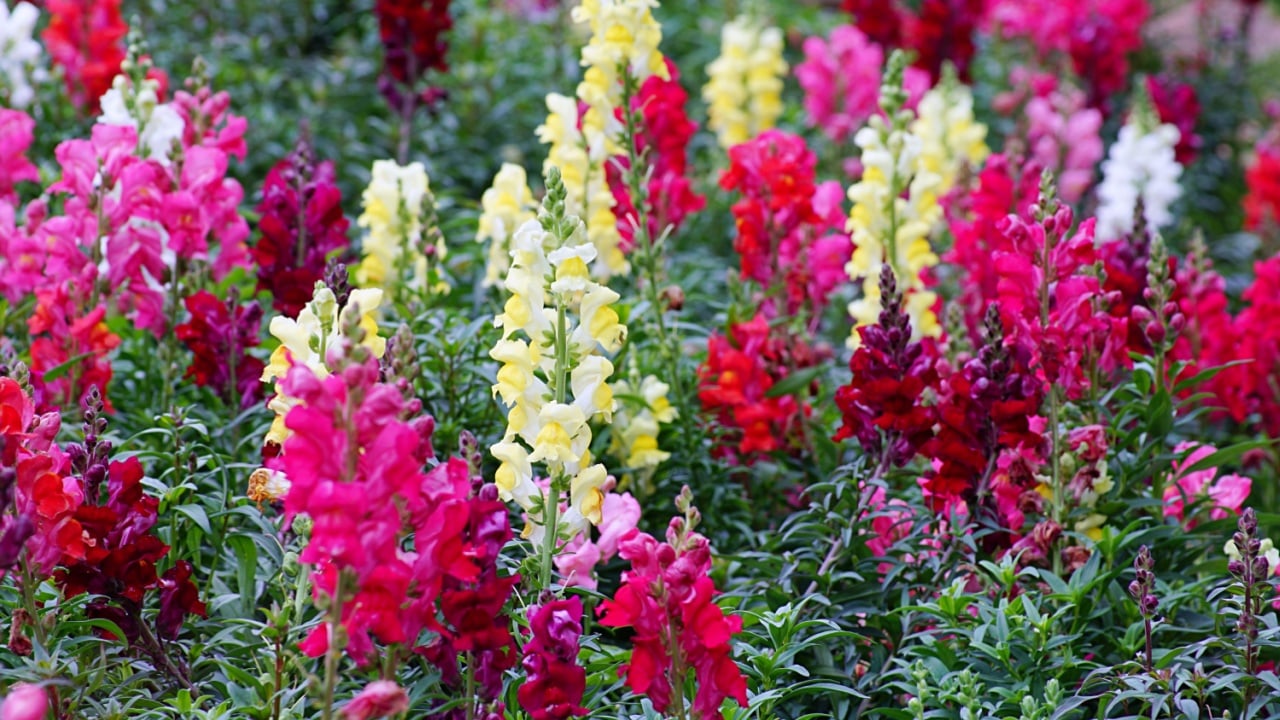
Snapdragons may look cheerful and effortless, but they’re surprisingly slow to get going. Seeds should be started 6–12 weeks before your last frost date.
Snapdragons are also light-seekers. Leggy seedlings are a common issue when starting from seed without supplemental lighting.
The reward for your patience is tall, elegant spires in nearly every color that are perfect for cutting. Pinch them once they reach a few inches tall to encourage branching and more flower spikes later.
5. Petunias
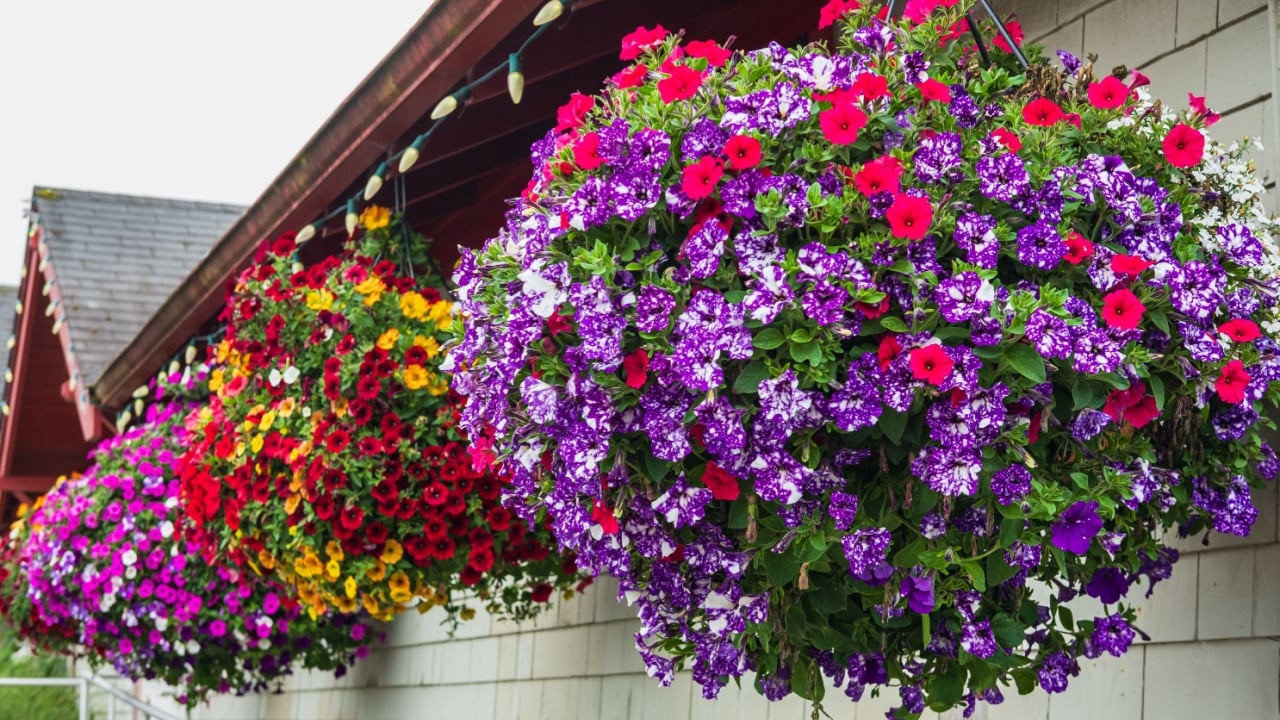
Petunias feel like a common flower, but growing them from seed opens up a world of unusual colors and patterns.
They need to be started 10–12 weeks before your last frost and require light to germinate.
One thing many gardeners overlook is that petunias are heavy feeders. Once they develop a few sets of true leaves, they benefit from gentle, diluted fertilizer to sustain their long indoor growth period.
By June, they’ll spill beautifully from containers and window boxes.
6. Cup and Saucer Vine

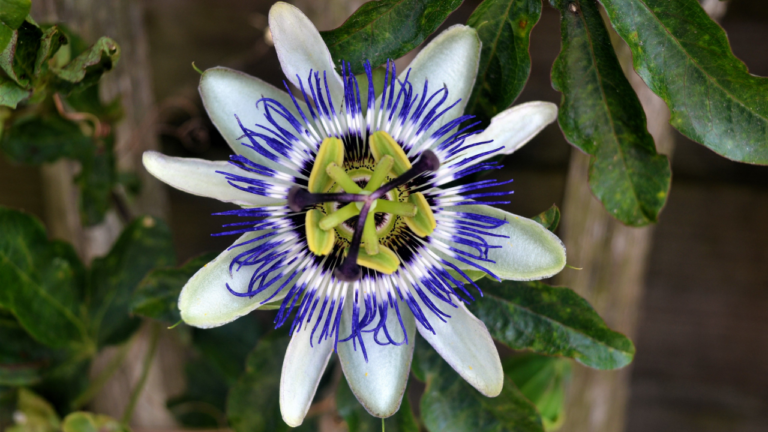
This dramatic climber needs a long lead time to ensure blooms by summer. Start seeds 6–8 weeks before your last frost, planting them upright on their edge to prevent rot.
Germination can be slow, and flowering may take up to 12 weeks after that. But once flowering begins, the vine grows quickly and produces large, bell-shaped blooms that mature from green to rich purple.
Perfect for trellises and garden arches.
7. Lupines
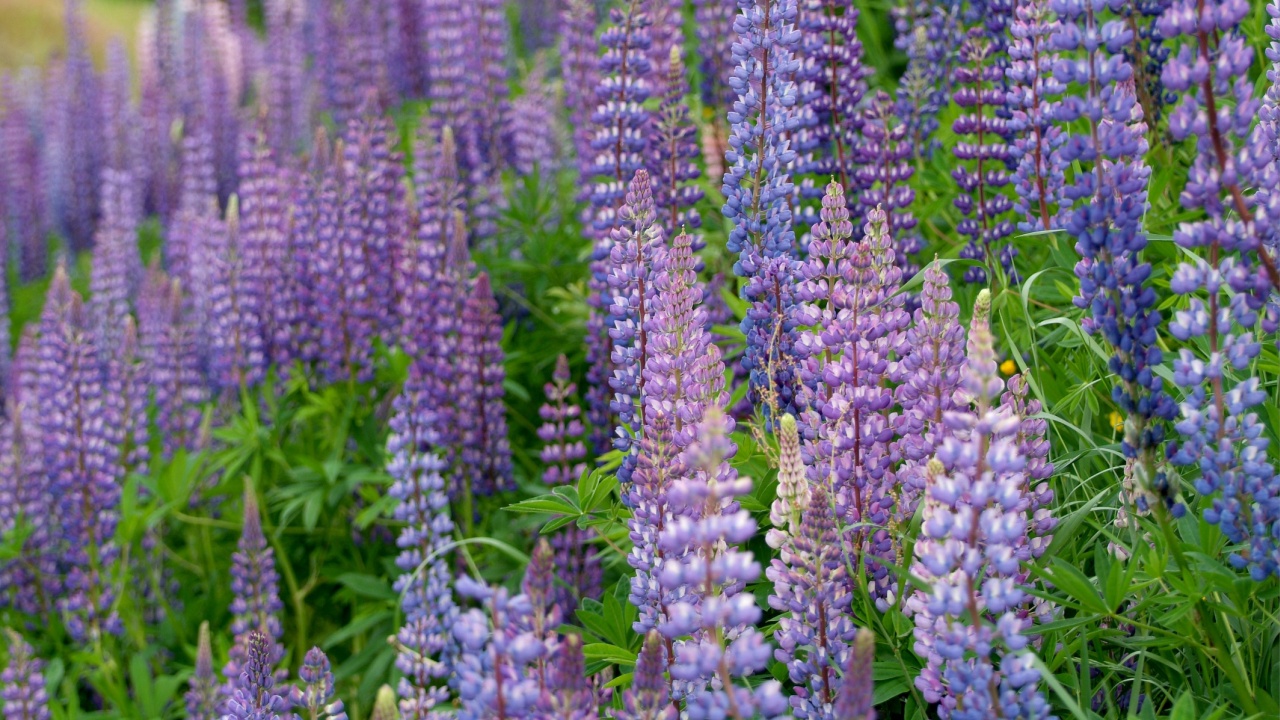
While many lupines bloom in their second year, miniature varieties can flower in their first year if started early.
Seeds benefit from soaking overnight before sowing to soften their outer coating. They germinate in 14–28 days and prefer minimal root disturbance.
Starting lupines indoors in late winter increases your odds of enjoying their cottage-garden charm by midsummer.
8. Pansies and Violas

Technically cool-season bloomers, pansies need a long indoor lead time of about 10–12 weeks before your last frost.
They tolerate temperature swings better than many flowers and can move outside earlier in spring. By starting them in February, you’ll have sturdy transplants ready to bridge the gap between spring and summer gardens.
How to Help Slow Growers Thrive Indoors

Slow seedlings sit in pots for months, which increases risks like damping off and root binding.
Use sterile seed-starting mix, provide consistent warmth, and ensure strong light from either a bright south-facing window or a grow light. Bottom watering helps keep delicate stems dry and roots strong.
Starting slow-growing flowers from seed early isn’t about filling time in February. It’s about investing in summer.
When July arrives, and your beds are full of blooms while others are still waiting, you’ll be glad you began when it still felt like winter.