
15 States Falling Behind in Education
It’s no secret that education and opportunity go hand-in-hand. States with lower educational attainment often grapple with higher unemployment, sluggish economic growth, and fewer chances for people to climb the ladder. So, which states are at the back of the class?
To figure this out, we’re diving into WalletHub’s latest report card. They crunched the numbers on all 50 states, using 18 different metrics, from high school diplomas and bachelor’s degrees to school quality and university rankings. Each state got a score out of 100. The lower the score, the more that state might need to hit the books.
Here are the 15 states that scored the lowest in 2026, starting with the one that might need a tutor the most.
1. West Virginia
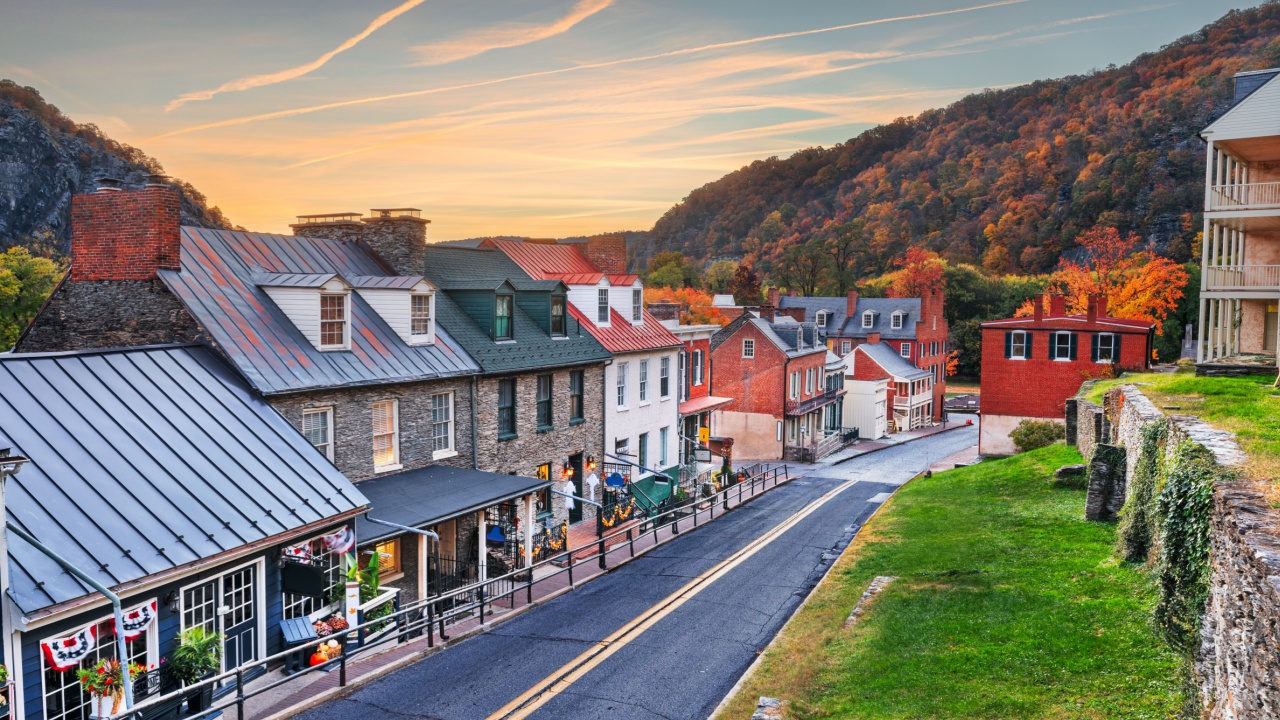
With an overall score of just 24.29, West Virginia comes in as the least educated state in the nation. It’s the only state to rank dead last (50th) in both Educational Attainment and Quality of Education.
A mere 20.6% of adults in West Virginia have a bachelor’s degree, compared to the national average of 34%. The state also has the smallest percentage of residents with associate degrees or some college experience.
These numbers point to long-term economic challenges, as the state has historically depended on industries like coal mining that didn’t always require a college degree. To top it off, West Virginia’s universities have the fourth-lowest average quality, which can make it tough for residents seeking higher education without leaving the state.
2. Louisiana

Louisiana scores 28.64 overall, ranking 48th in both Educational Attainment and Quality of Education. The state faces a lot of challenges across all degree levels.
It has the fourth-lowest share of high school diploma holders and bachelor’s degree holders in the U.S., plus the second-lowest for associate degrees and fourth-lowest for graduate degrees.
These gaps add up, often leading to fewer well-paying jobs and limited opportunities. The struggles with education quality and attainment tie back to bigger issues like poverty and underfunded schools, which impact students from a young age.
3. Arkansas
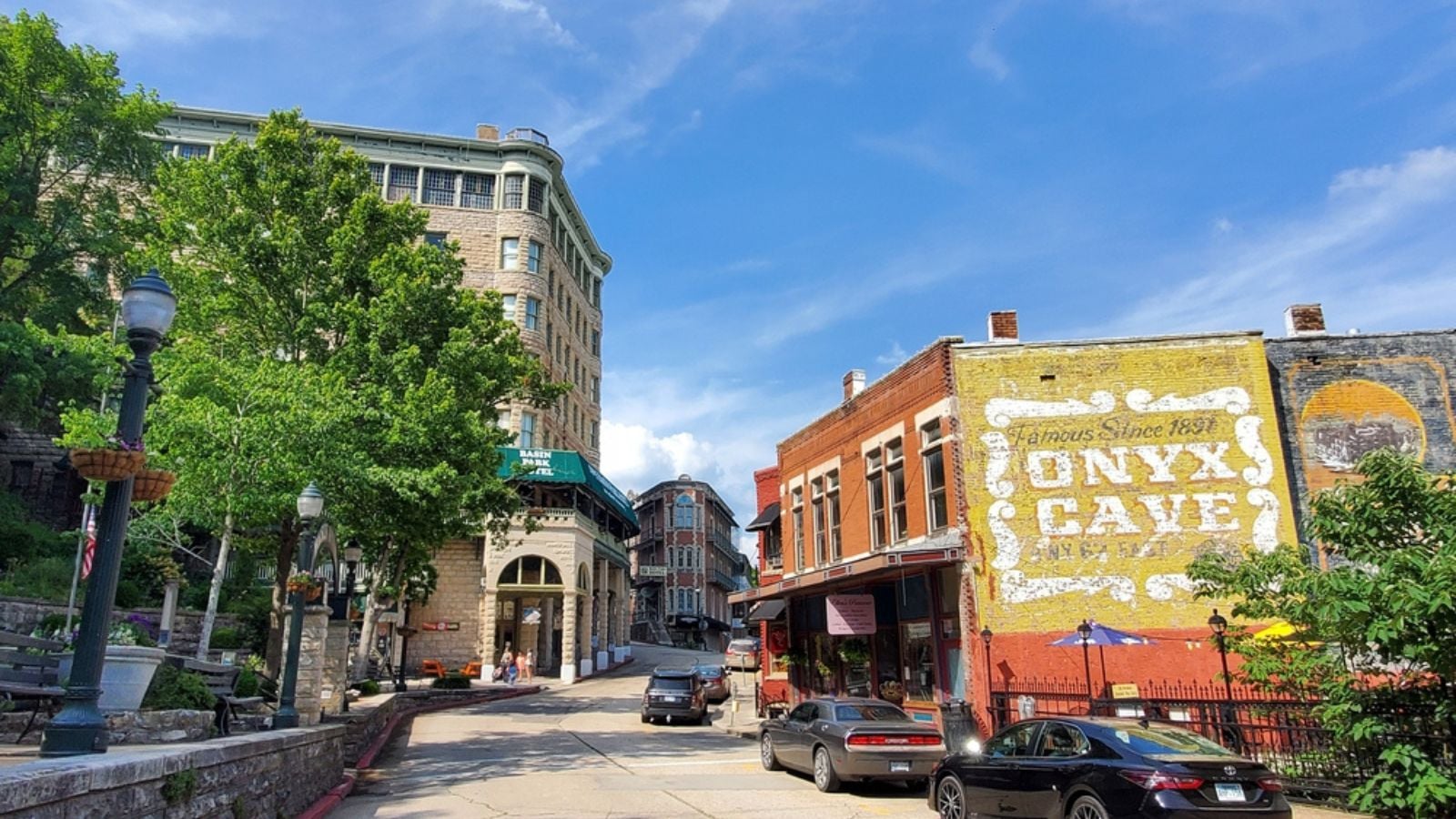
Arkansas scores 30.25, putting it at 47th for both Educational Attainment and Quality of Education. The state has some of the lowest rates of higher education completion in the country.
Specifically, Arkansas has the third-lowest percentage of residents with associate’s, bachelor’s, and graduate degrees. While the state has been making efforts to boost college enrollment and graduation, it still faces some big hurdles. Many people live in rural areas with limited access to four-year colleges, and economic issues can make it tough for residents to go to college.
4. Oklahoma
Oklahoma’s overall education score is 32.55, placing it 43rd in Educational Attainment and 46th overall. The state faces particular challenges in education quality compared to its attainment rates.
While Oklahoma’s educational attainment ranks slightly higher than some other states on this list, its Quality of Education ranking pulls its overall position down. This suggests that even when Oklahoma residents do pursue education, they may not be receiving the same quality of instruction or resources available in other states.
Factors contributing to this include teacher shortages, funding challenges, and disparities between urban and rural school districts that affect student outcomes statewide.
5. Nevada

With an overall score of 34.60, Nevada lands at 46th place for both Educational Attainment and Quality of Education. The state’s educational struggles are partly due to its rapid population growth and a workforce that’s often on the move.
Traditionally, Nevada’s economy has been all about hospitality and gaming, industries where a four-year degree wasn’t always a must-have for a job. This has shaped how people approach education, with many jumping into the workforce instead of heading to college.
On top of that, the K-12 system has its own hurdles, like large class sizes and funding that falls short compared to other states. All of this can affect how well residents do in their education long-term.
6. Kentucky
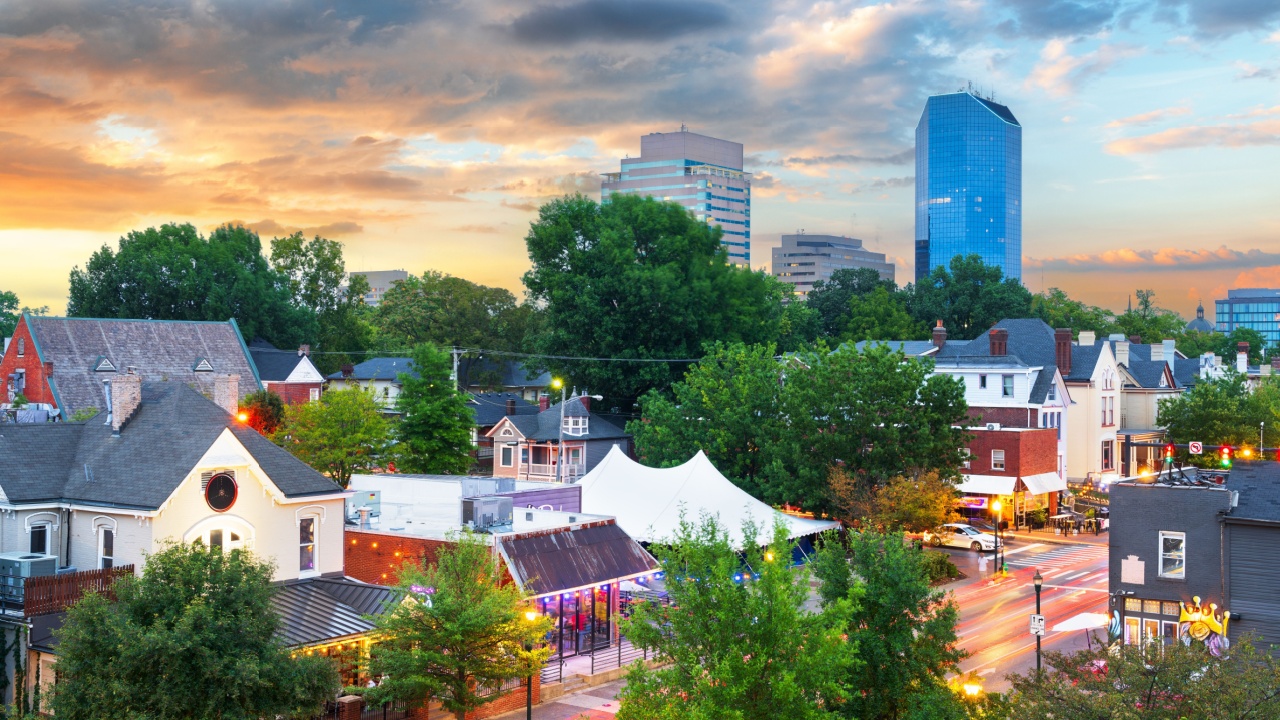
Kentucky ranks 45th in education with an overall score of 35.76, leaving plenty of room for improvement. About 25% of adults in the state have a bachelor’s degree or higher, which is slightly below the national average.
There’s also a noticeable gap between rural and urban areas when it comes to access and quality of education. Many rural counties don’t have nearby four-year colleges, making it harder for residents to pursue higher education unless they can move.
The state has been working on initiatives to boost college readiness and graduation rates, but progress has been slow so far.
7. Alabama
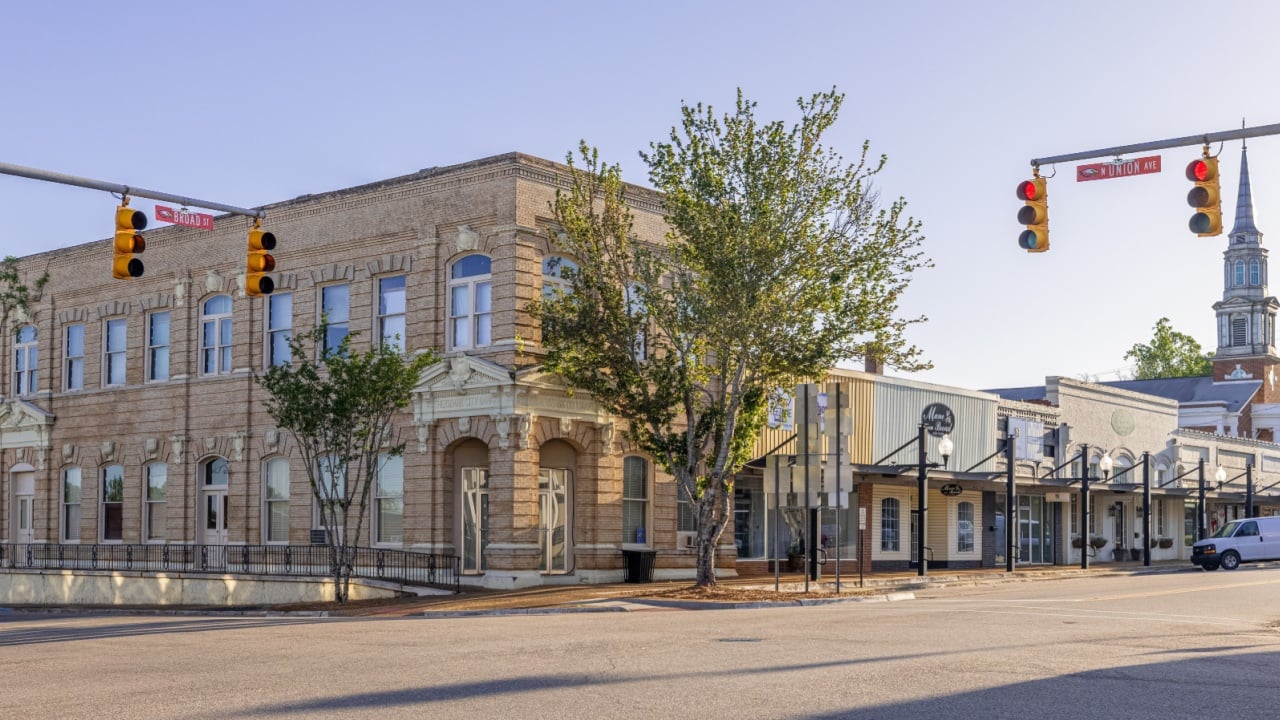
Alabama is the seventh-least educated state, scoring 36.48 overall. It ranks 44th in Educational Attainment and 43rd in Education Quality. Only about 22% of adults in the state have a bachelor’s degree or higher, which is below the national average. That said, the gap has been shrinking as Alabama invests in education and attracts industries that need more highly educated workers.
Still, the state struggles with funding gaps between school districts, where wealthier areas often have better resources than less affluent ones. These inequalities can make it harder to break the cycle of limited education from one generation to the next.
8. New Mexico
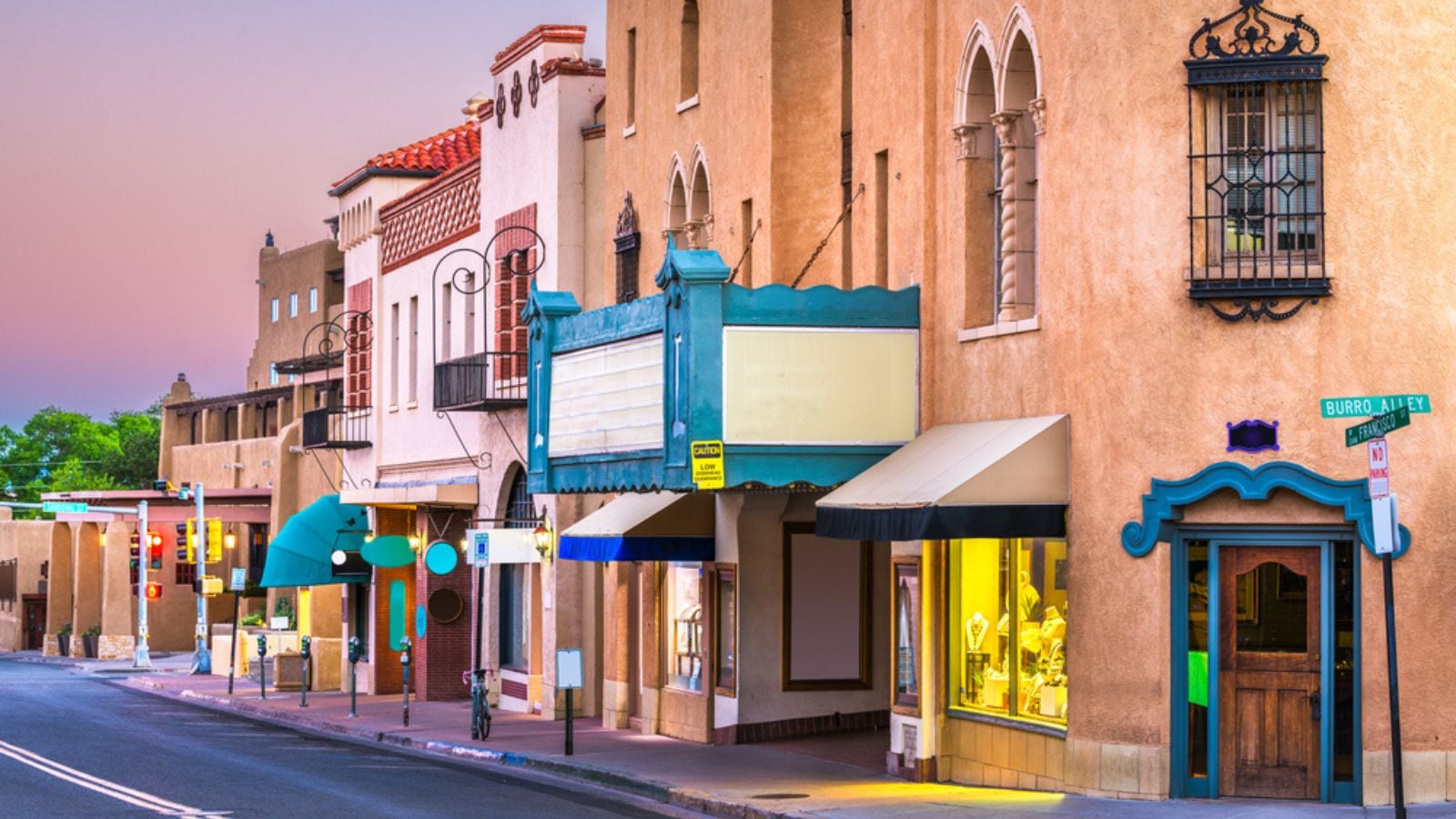
New Mexico scores 37.81 overall, placing it 39th for both Educational Attainment and Quality of Education. The state’s educational struggles are complex.
With one of the highest poverty rates in the country, many students face challenges like food insecurity and unstable housing, which directly impact their ability to learn.
New Mexico is also home to a diverse population, including large Native American and Hispanic communities. Sometimes, these students run into language barriers or feel disconnected from the traditional school system. To improve, the state needs solutions that are tailored to the unique needs of all its students.
9. Texas
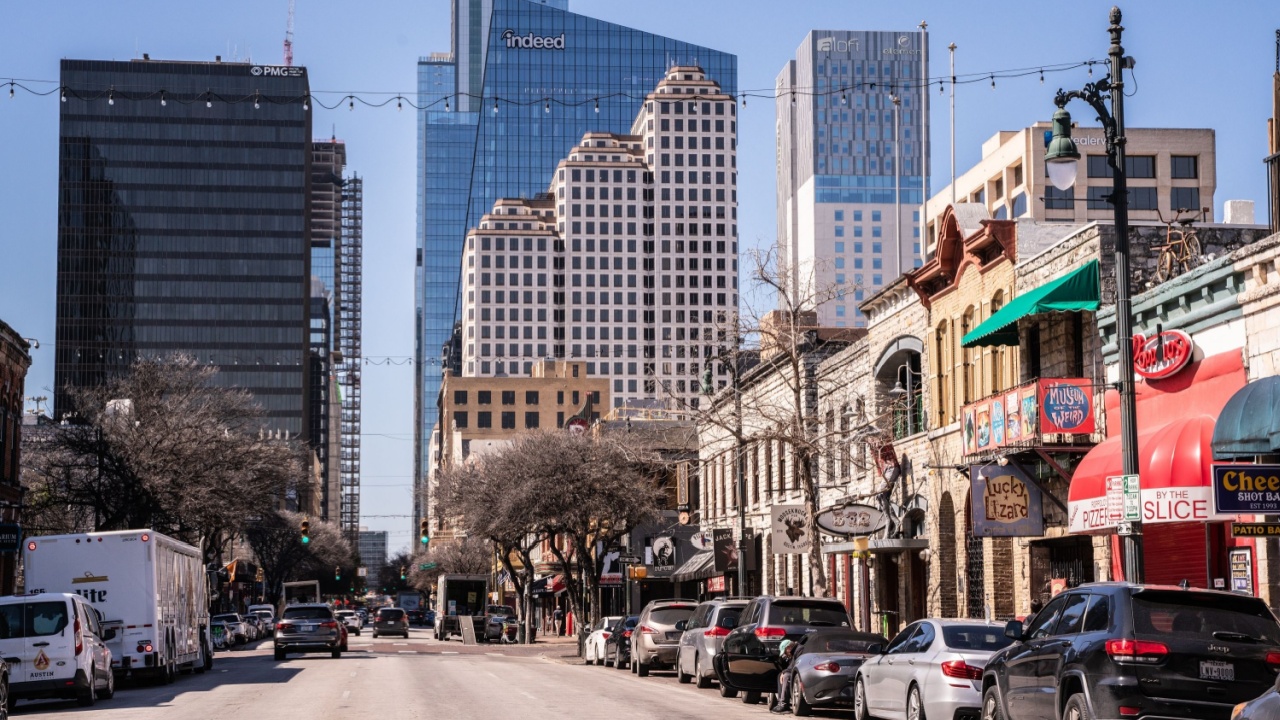
Texas may be the second-largest state in both population and economy, but it ranks 41st overall with an education score of 40.22. The state comes in at 42nd for both Educational Attainment and Quality of Education.
One of the biggest issues in Texas is the educational gap between different areas. While cities like Austin and Dallas have strong schools and high numbers of college graduates, rural regions and the Rio Grande Valley struggle with lower graduation rates and fewer opportunities for higher education.
The state’s massive size also makes it tough to provide equal education everywhere. On top of that, Texas has one of the highest rates of uninsured children in the country. When kids have health problems, it can lead to more absences and make it harder for them to concentrate in school.
10. Indiana
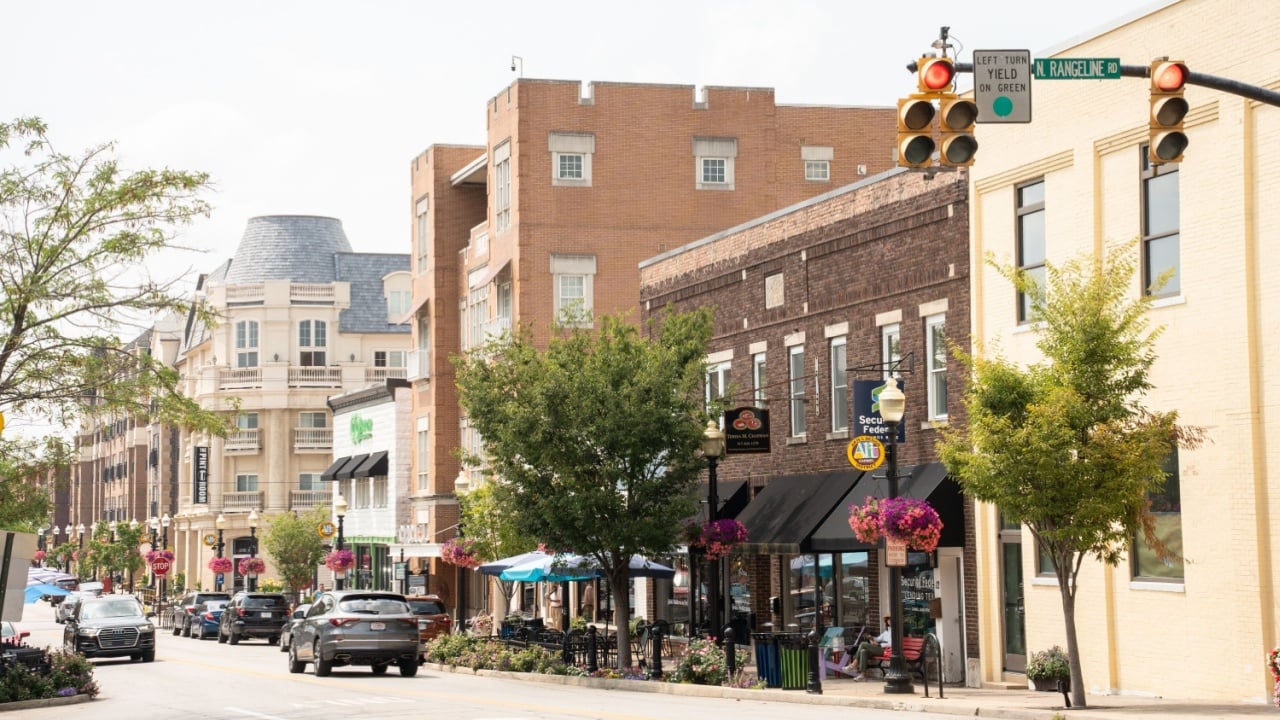
Indiana scores 42.98 in education, ranking 41st in Educational Attainment and 40th overall. While it performs better than the lowest-ranking states, there’s still work to do
The state’s manufacturing roots have long provided solid middle-class jobs without needing a four-year degree. But with manufacturing now requiring more technical skills and automation reducing jobs, there’s a gap between the workforce’s education levels and the skills needed for today’s jobs.
Indiana is working to close this gap by boosting vocational training and community college enrollment, aiming to better align education with the modern job market.
11. Tennessee
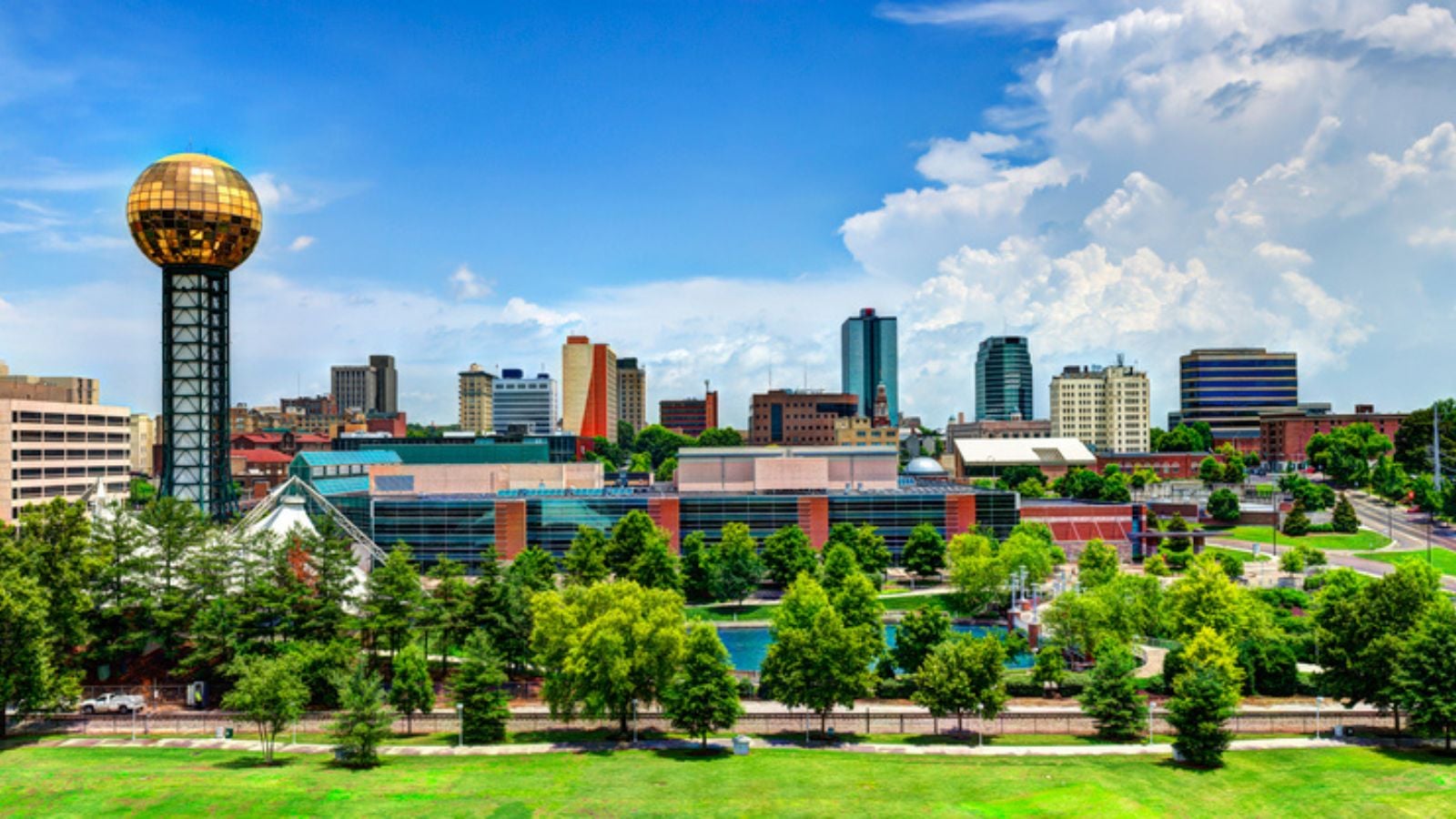
Tennessee comes in with an overall score of 43.23, ranking 40th for both Educational Attainment and Quality of Education. The state has rolled out some interesting programs to tackle its education challenges.
A major effort is the Tennessee Promise program, which offers tuition-free community college to high school grads. Early signs show it’s boosting college enrollment, especially for students from lower-income families.
Still, the state has hurdles to clear with K-12 education quality, especially in rural areas. Plus, completion rates for four-year degrees are still under the national average. They’re continuing to work on improving early childhood education and helping students make it all the way to graduation.
12. Idaho

Idaho lands at 29th for Educational Attainment, but takes a tumble to 37th overall when you factor in Quality of Education, pointing to some real challenges.
Lately, Idaho’s population has exploded, and the education system is feeling the strain. School districts are struggling to keep up with all the new students, leading to packed classrooms and teacher shortages, especially in booming towns.
The state’s rural landscape adds another hurdle. Some kids have to travel long distances just to get to school, which can make it tough to join in on after-school activities or take advanced classes. Idaho also doesn’t spend a lot on education per student, which adds to these quality issues.
13. Arizona
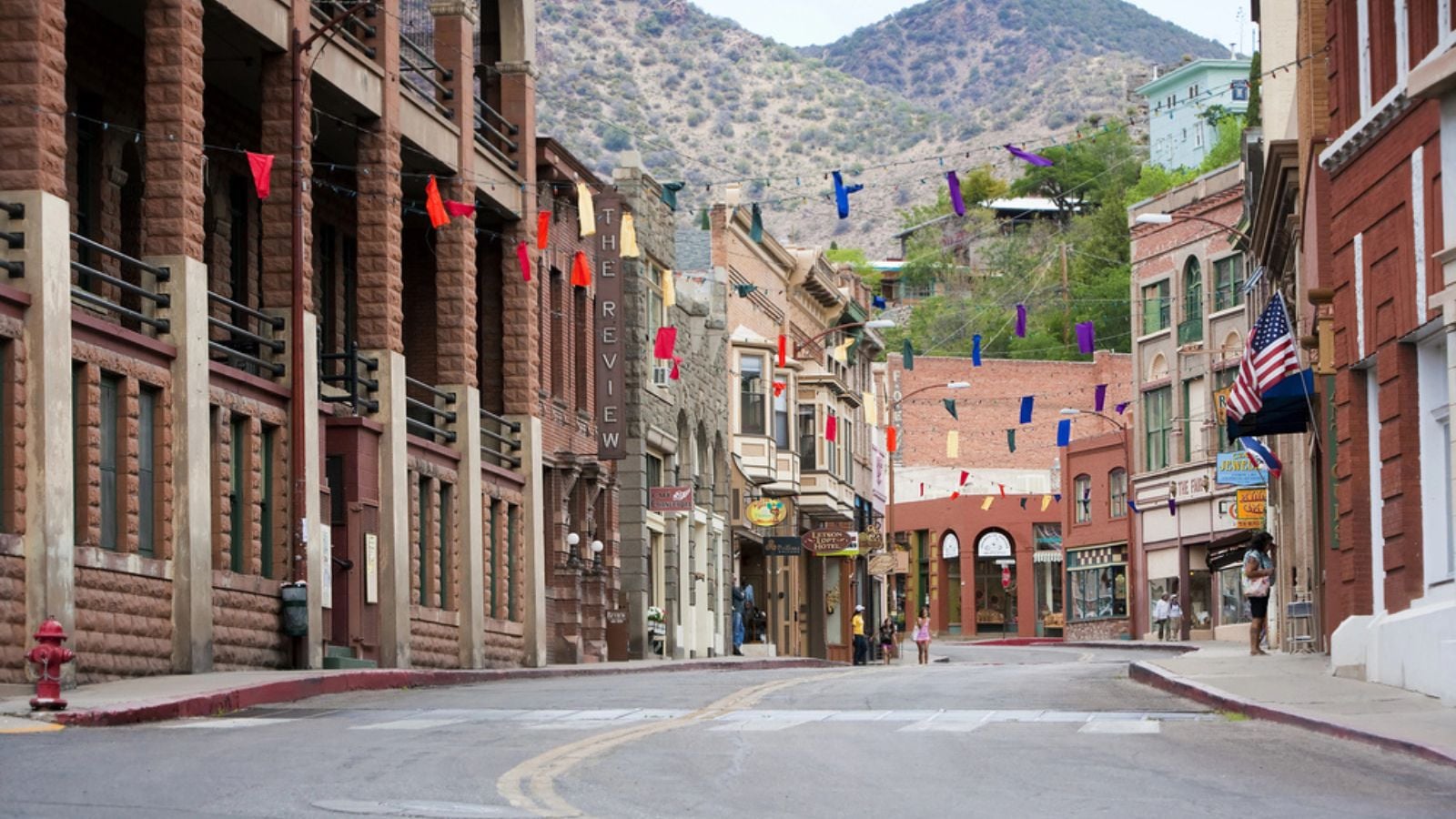
Arizona ranks 36th overall with a score of 45.89, placing 31st for Educational Attainment and 36th for Quality of Education. The state faces particular challenges with education funding.
Arizona has one of the lowest levels of per-pupil spending in the nation, which impacts everything from teacher salaries to classroom resources. This funding challenge has led to teacher shortages, particularly in rural areas and high-need subjects like special education and STEM fields.
Arizona has also experienced controversy over education policy in recent years, with debates over curriculum standards and school choice programs. These policy uncertainties can make it difficult for schools to implement long-term improvements.
14. Alaska
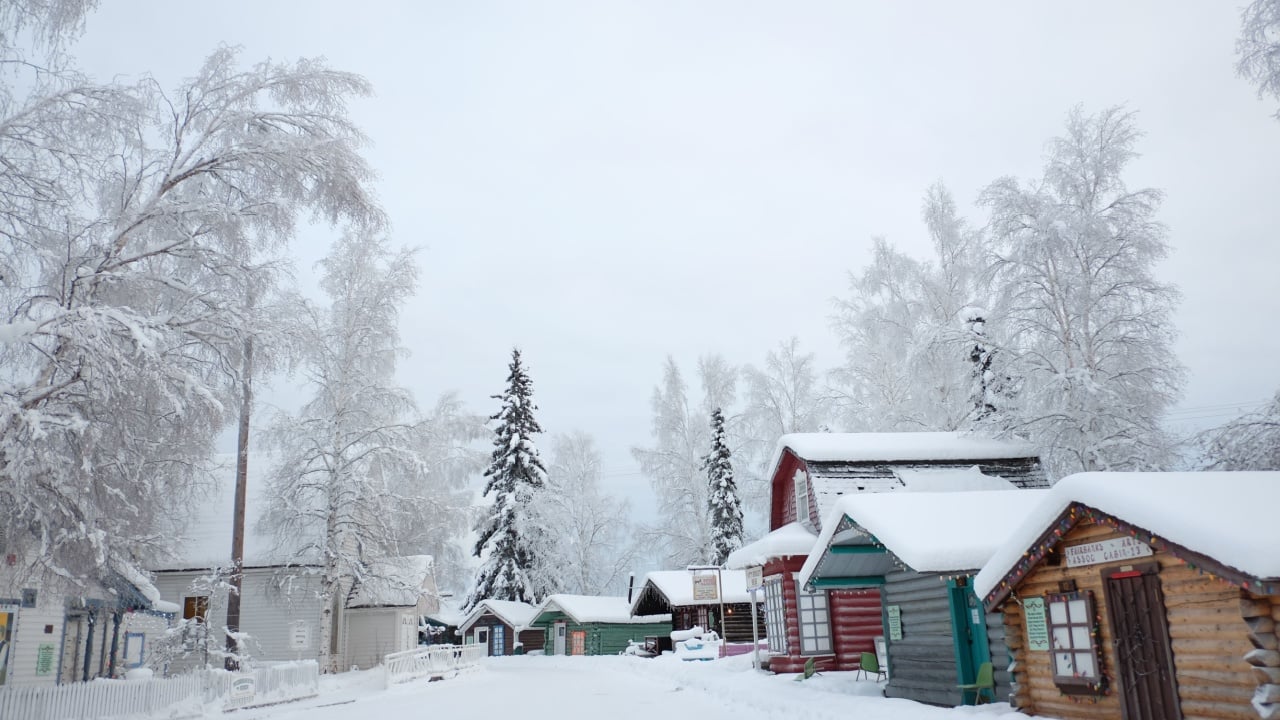
Alaska scores 47.31 overall, ranking 24th in Educational Attainment but 35th overall. The state’s unique geography brings some serious education challenges.
With Alaska’s massive size and remote communities, many of which are only reachable by plane or boat, it’s tough and expensive to ensure equal education opportunities everywhere. Rural villages often have a hard time finding and keeping qualified teachers, and students in these areas often miss out on advanced courses, extracurriculars, and college prep resources.
Even though Alaska spends more per student than a lot of other states, these geographic hurdles mean educational outcomes are still below the national average.
15. South Carolina
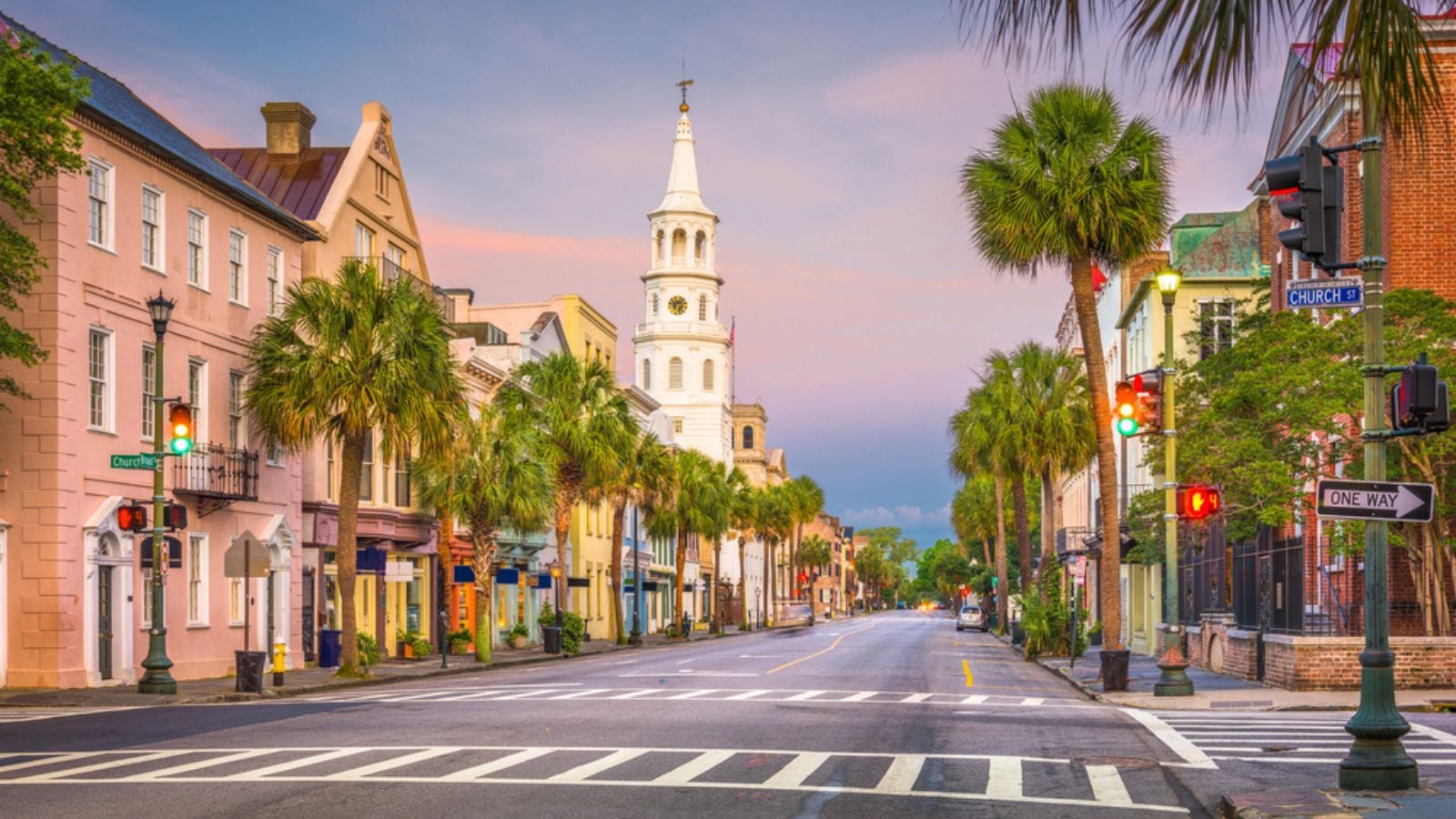
South Carolina has an overall score of 47.49, ranking 34th for Educational Attainment and 38th overall. While there are challenges, the state has also made some progress in education.
Graduation rates are improving, and more students are tackling advanced coursework in K-12 schools. That said, there are still big gaps in achievement between different demographic groups and between wealthier and poorer school districts.
Teacher retention is another issue, with many leaving for better-paying jobs in neighboring states. Fixing these problems will take consistent investment in school funding and better support for teachers.
Pushing for a Brighter Future

Knowing which states are facing the biggest educational hurdles shows us where resources and policy changes are needed most. After all, education is still one of the best ways to achieve economic stability and a better quality of life.
If you live in one of these states, pushing through these challenges to get an education can open up a world of opportunities. For policymakers, these rankings are a clear sign that it’s time to invest in schools, support teachers, and create programs that tackle the unique barriers students face.