8 Childhood Keepsakes Always Worth Keeping
Two of the dearest things I own are a handwritten letter from my mom when I was 10 and a black-and-white photo of my dad at 30. One is tucked inside the same dictionary I used throughout high school, the other in my wallet. We lost Dad a few years ago, and Mom has Alzheimer’s now, so those two are worth a lot in sentimental value.
Some childhood items are worth keeping. Sometimes, it is a bent photo, a marked-up cookbook, or a worn toy that carries family history in a way few new things ever do.
Many keepsakes matter for more than sentiment. They can tell you where your family came from, show how people lived, and hold stories that never made it into any formal record.
If you’re like me, it’s time to sort through your childhood belongings with care. A few items deserve space in your home because they offer emotional value, practical use, or a link to the people who shaped your life. Here is a list of childhood keepsakes that are usually worth holding on to.
1. Photo Albums
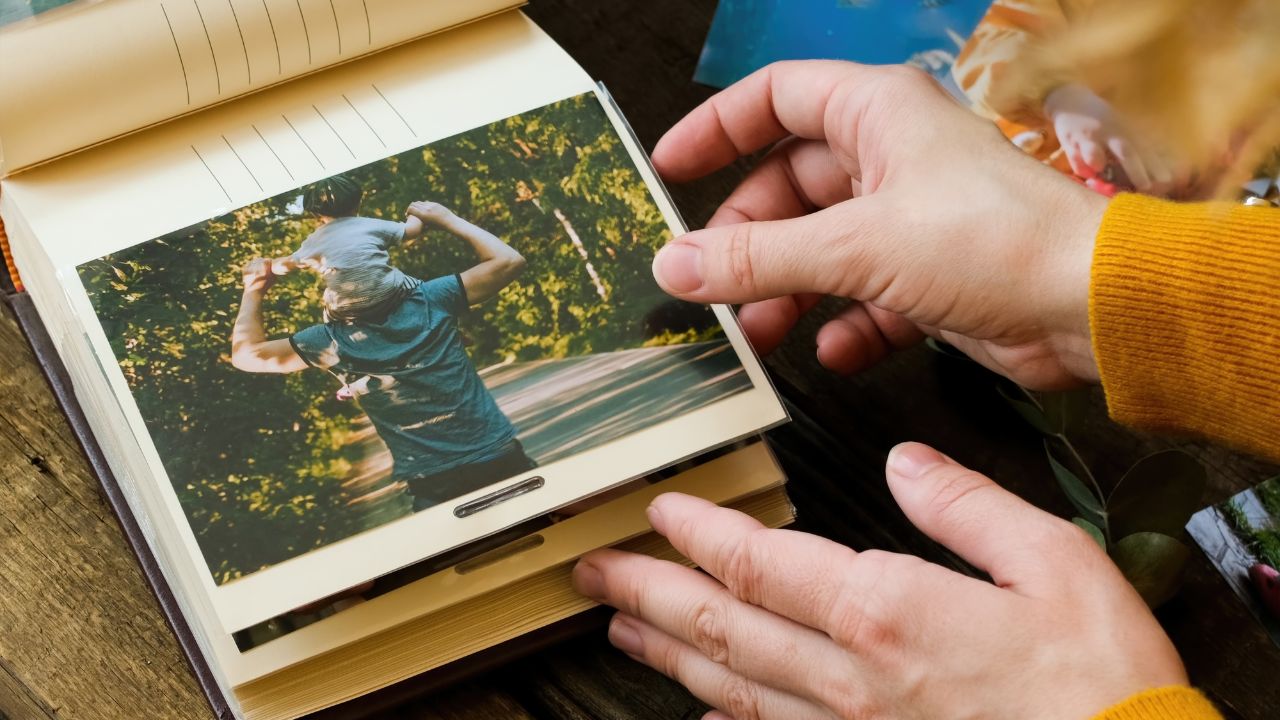
Photo albums are often the clearest record of family life. They show faces, homes, clothing, holidays, and small daily scenes that memory alone cannot always hold.
Old albums can fill gaps in family history and help younger relatives put names to people they have only heard mentioned. Even blurry snapshots can matter when they capture a person, place, or moment that would otherwise be lost.
If you keep photo albums, store them in a cool, dry place away from direct sunlight. It also helps to scan the images so you have a backup if the originals fade or get damaged.
Leave notes on the backs of loose photos or in a separate file with dates, names, and locations. Those small details often become the most useful part of the collection years later.
2. Handwritten Letters
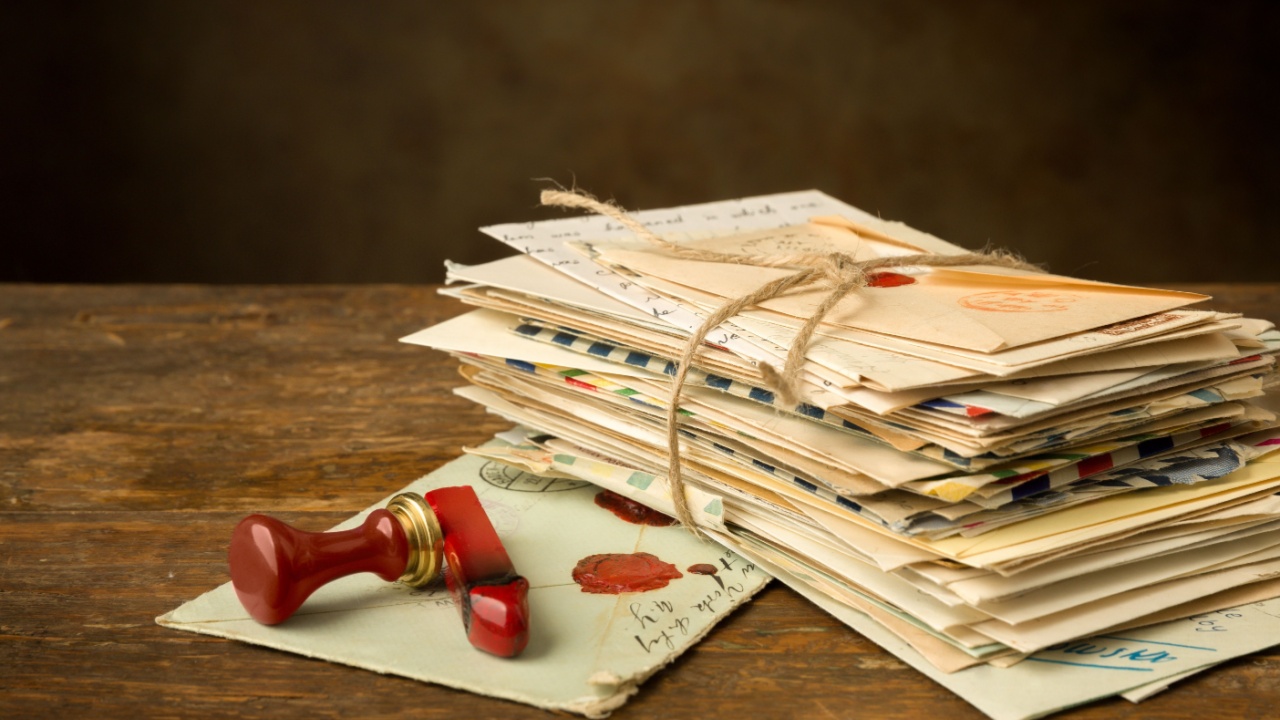
Handwritten letters preserve a person’s voice in a deeply personal form. Unlike texts or emails, they often include longer thoughts, daily routines, family news, and private reflections that reveal how someone felt at a certain time.
A letter from a parent, grandparent, sibling, or childhood friend can become one of the few lasting records of that relationship. It can also offer clues for family history research that official documents never show.
Keep letters in acid-free folders or boxes so the paper does not break down as quickly. If the writing is fading, scan each page and save digital copies in multiple locations.
You may also want to type out hard-to-read letters while the words are still clear enough to read. That extra effort can preserve stories, names, and family details that might otherwise disappear.
3. Solid Wood Furniture
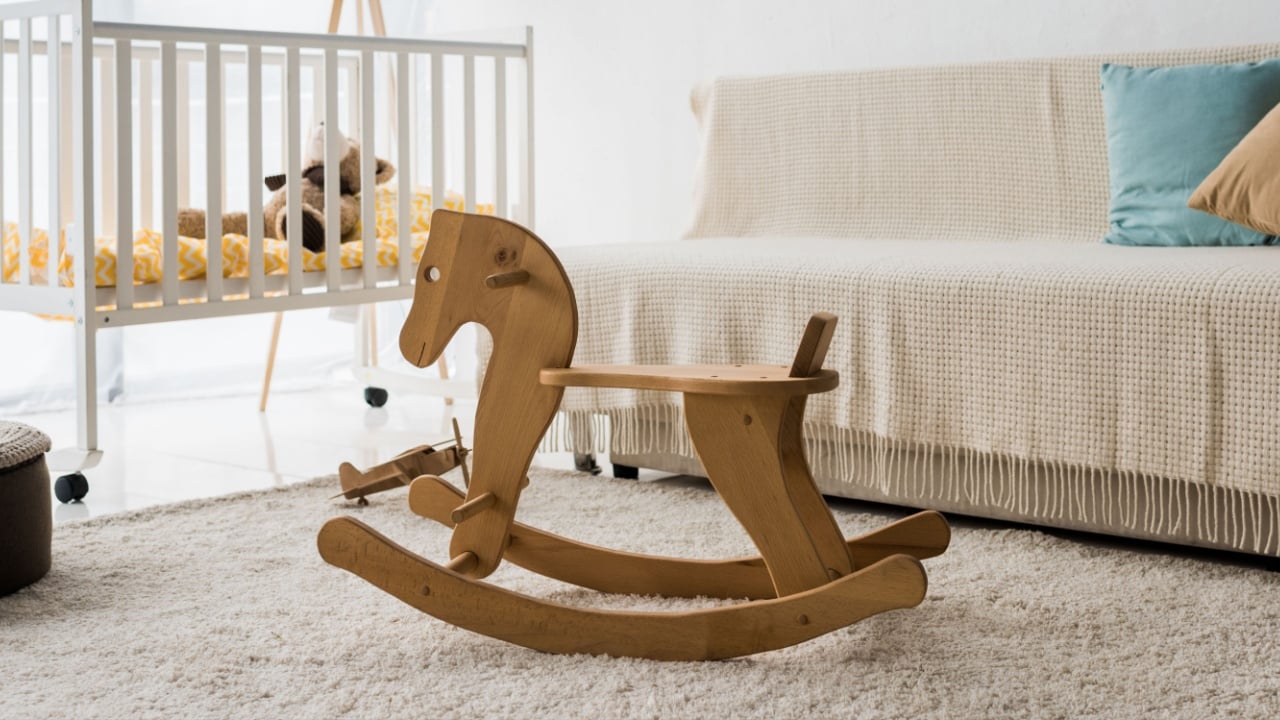
Solid wood furniture from childhood homes is often worth saving because it was made to last. Dressers, desks, rocking chairs, and side tables built decades ago are usually sturdier than many newer pieces sold today.
These items can carry family memory, yet they also serve a real purpose in a home. A well-made chair or cabinet can move from one generation to the next with very little loss in quality.
Before getting rid of old furniture, check how it was built and what shape it is in. Scratches, loose joints, or worn finishes can often be repaired far more easily than people expect.
If the item does not fit your current style, paint is not the only answer. A careful cleaning and small repair job may keep its character intact while making it useful again.
4. Collections and Memorabilia
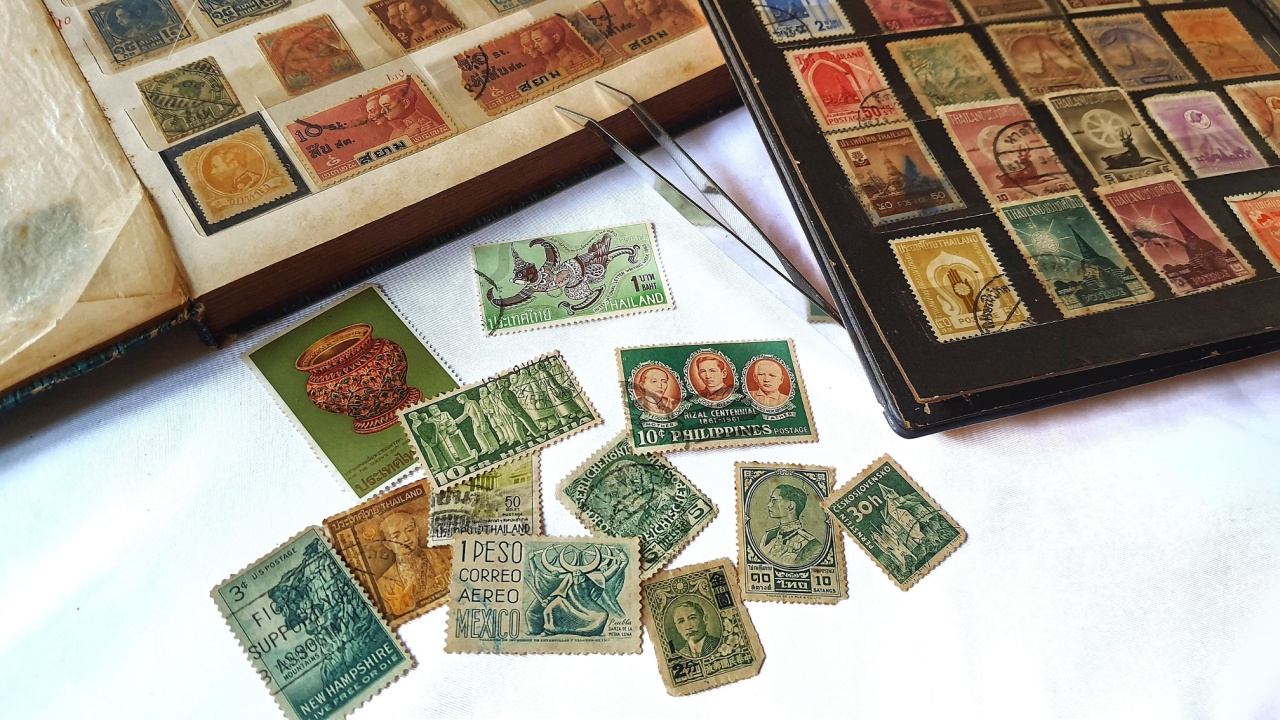
Collections from childhood can hold either financial value, emotional value, or both. Baseball cards, coins, stamps, medals, dolls, model cars, and vintage toys may seem common until you learn how rare some pieces are.
Even when an item is not worth much money, it can still tell a story of what mattered to your family or what shaped your early interests. That kind of meaning is hard to replace once the item is gone.
Sort collections carefully before you donate or toss anything. Keep original boxes, certificates, and notes if you still have them, since those can affect value and context.
If you suspect an item may be rare, have it reviewed by a reputable appraiser or collector group before making any decision. A little research can save you from losing valuable treasures.
5. Quality Stereo Equipment
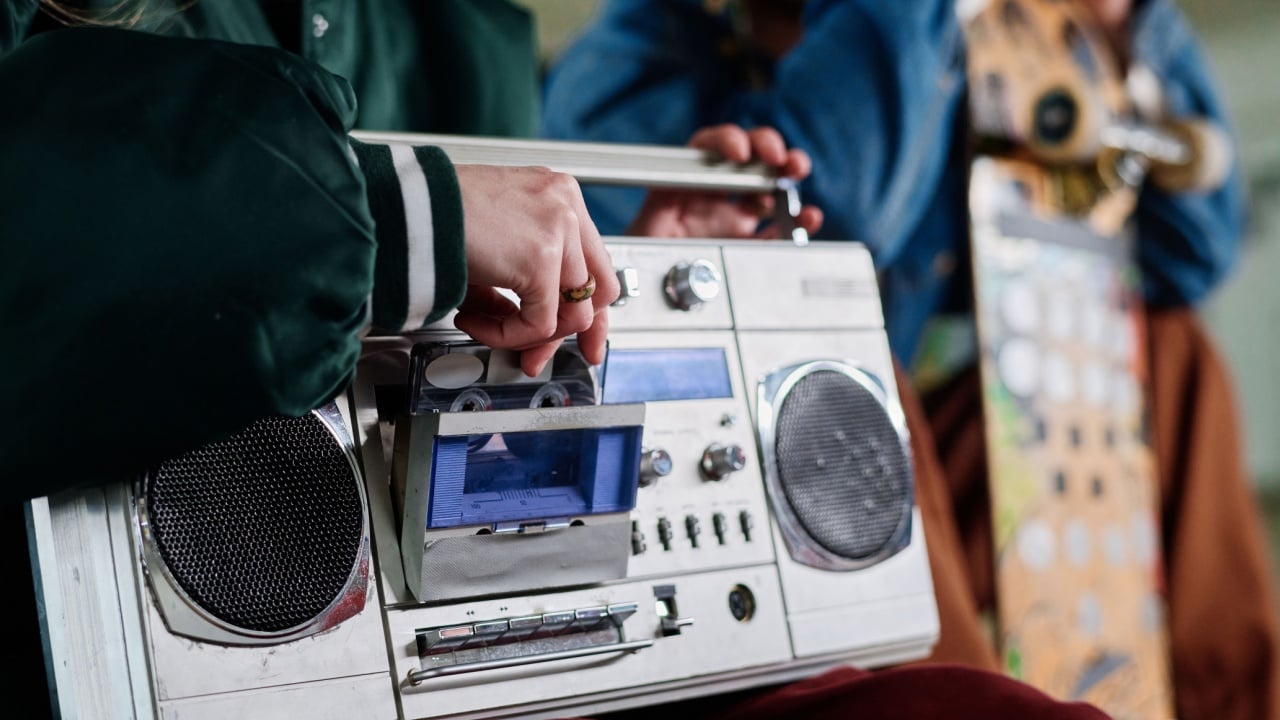
Older stereo equipment is one childhood item many people regret discarding too quickly. Turntables, speakers, receivers, and cassette decks from past decades were often built with strong materials and repairable parts.
Many still produce rich sound, and some models are sought after by collectors and music fans. If your family saved records, tapes, or CDs, this equipment can be used to build a timeless vintage audio system.
Test the equipment before deciding it is junk. Dust, old wires, or worn belts can make a unit seem dead when it simply needs a minor repair. If it works, you may be able to use it again or pass it to a relative who enjoys older audio formats.
If it does not fit your home, it could still have resale value due to growing interest in vintage sound systems.
6. Old Tools
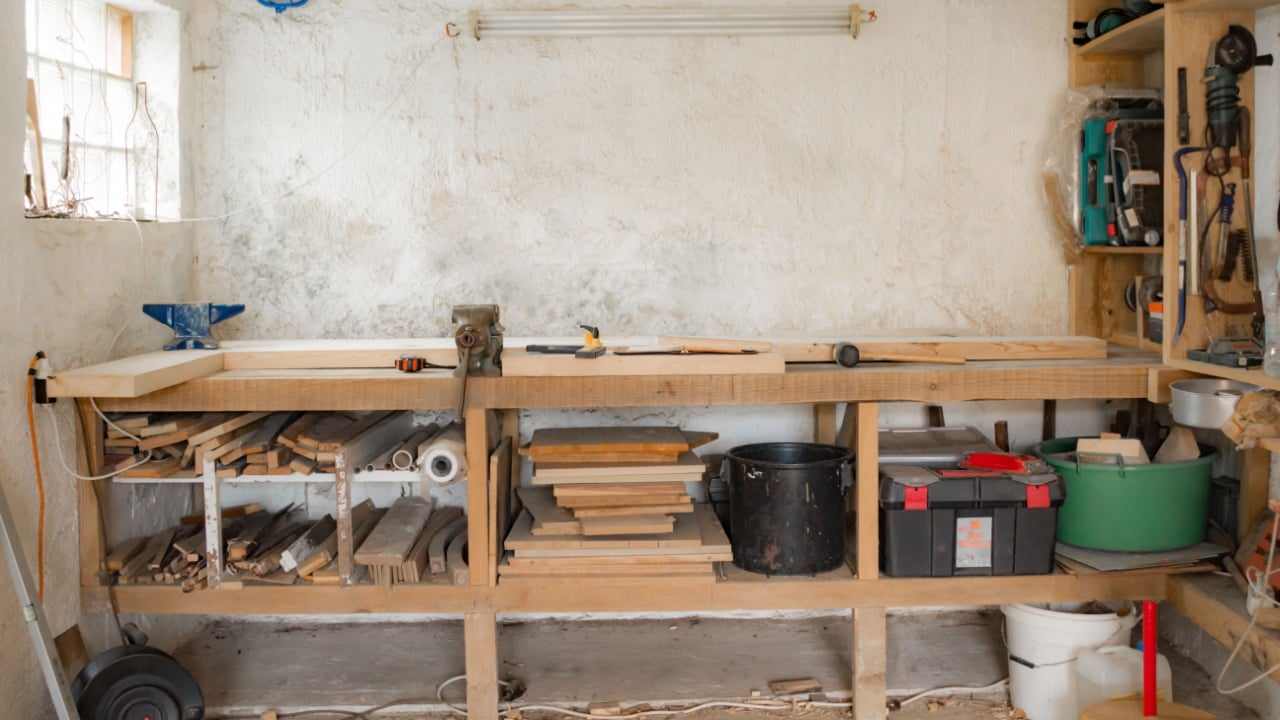
Old tools from a childhood home often last longer than expected, especially hand tools made from solid wood and steel. Hammers, hand saws, levels, wrenches, and garden tools may show wear, yet many remain fully usable after basic cleaning.
Some carry family memory because they were used by a parent or grandparent for years. Others are simply better made than many cheap replacements now on store shelves.
Check for rust, loose handles, or damaged edges before storing or using older tools. Many can be restored with light sanding, oil, or a handle replacement. If you do not need them all, keep a few with the strongest history or best build quality and pass the rest to family members who will use them. That keeps useful items in circulation instead of sending them to waste.
7. Hardback Books
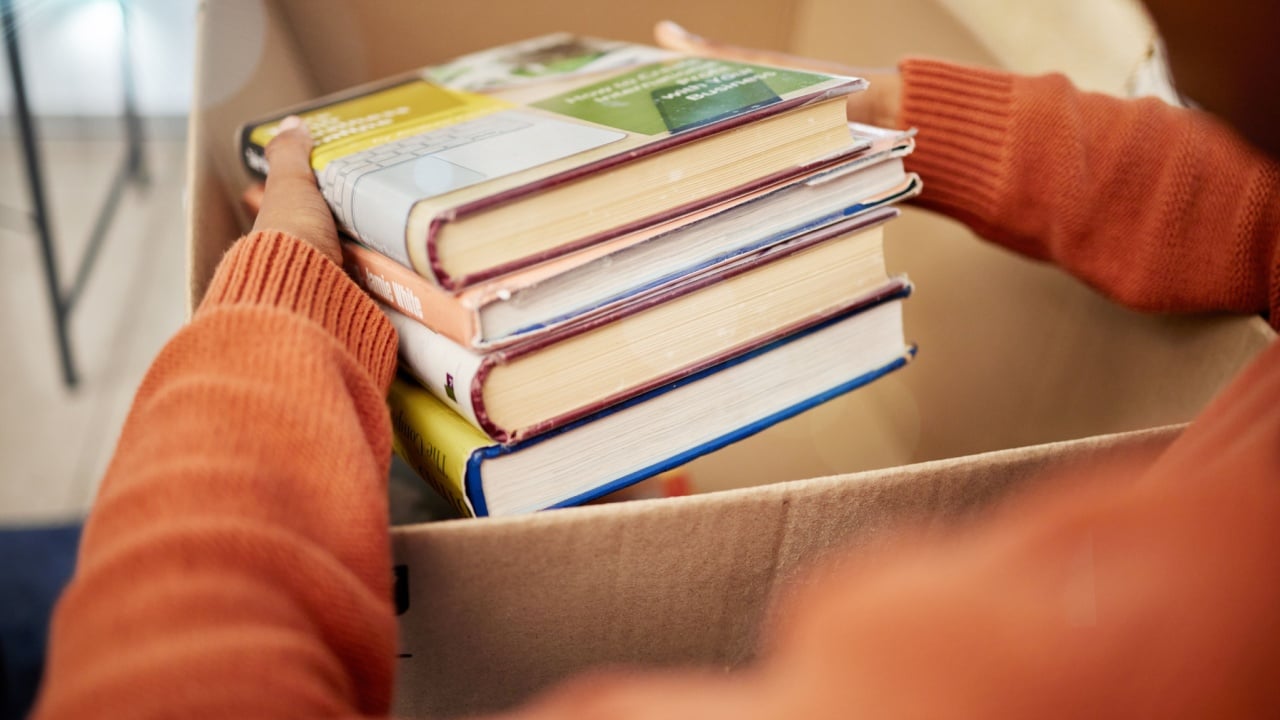
Hardback books from childhood deserve a close look before they leave your shelves. Family copies may include handwritten notes, birthday messages, old bookmarks, or even a parent’s signature from years ago.
Children’s classics, school prize books, and beautifully bound editions can hold sentimental and collector value at the same time. A book can be both a story and a record of the people who read it before you.
Go through old books page by page instead of judging them by the cover. Check for inscriptions, pressed flowers, newspaper clippings, or family notes tucked inside.
Store special books upright in a dry room and keep them away from basements or attics, where moisture can cause damage. If you want to share them with younger relatives, include a note explaining why each one mattered.
8. Family Recipes
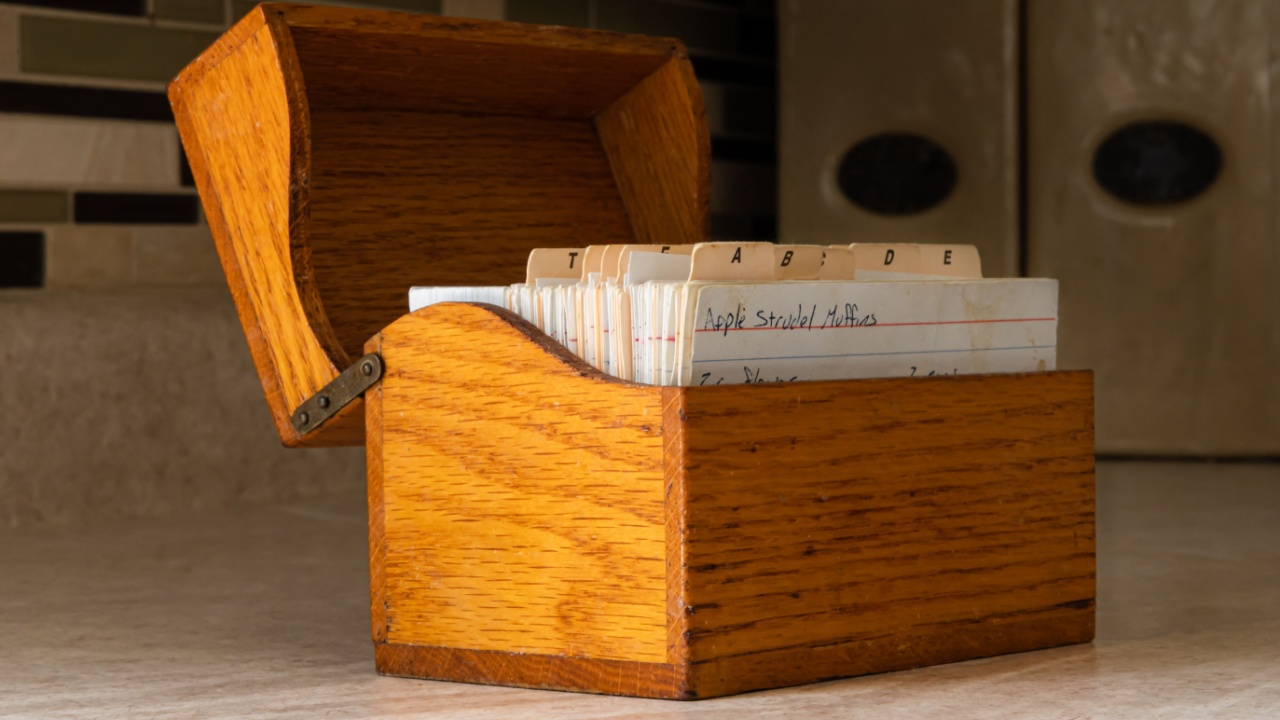
Family recipes are among the richest keepsakes because they preserve memory through taste, routine, and tradition. A stained recipe card or handwritten note in a cookbook can show exactly how someone cooked, adjusted, and served a favorite dish.
These details often say more than a typed recipe ever could. They reveal habits, family gatherings, and food traditions that shaped childhood in quiet but lasting ways.
Save original recipe cards, notebooks, and marked cookbooks, even if you digitize them for daily use. Scan each page, then add names, dates, and any stories tied to the dishes, while older relatives can still help fill in the blanks.
You can also cook a few of those recipes with children or grandchildren, so the knowledge stays active instead of sitting in a box. That turns a keepsake into a living family record.
Worth Saving

Childhood keepsakes earn their place when they carry history, use, or a strong personal link to the past. Photo albums, letters, furniture, collections, stereo gear, tools, books, and recipes all do that in different ways.
Some belong in storage, some belong on display, and some should stay in active use. Before you clear out a closet or empty a family home, pause and look closer at what is there.
The best keepsakes are often the ones that connect story, memory, and daily life in a form you can still hold. Once they are gone, their meaning can be much harder to recover.
Read More:
13 Collectibles Aren’t Actually Worth Much
Don’t Donate or Toss These— 15 Household Items Always Worth Selling