8 Best Natural Stones for a Beautiful Retaining Wall
A retaining wall does more than hold soil in place. It shapes your yard, adds texture, and can turn a plain slope into one of the best-looking parts of your outdoor space.
Natural stone stands out because it blends strength with a timeless look. Each type brings its own color, texture, and feel, so the right choice can change the whole look of your wall.
Some stones are better for tall walls, while others shine in low garden borders or dry-stack designs. Drainage, climate, cost, and how much cutting a stone needs all matter just as much as color.
These are eight of the best natural stones for a beautiful retaining wall, along with what makes each one worth a close look.
1. Granite
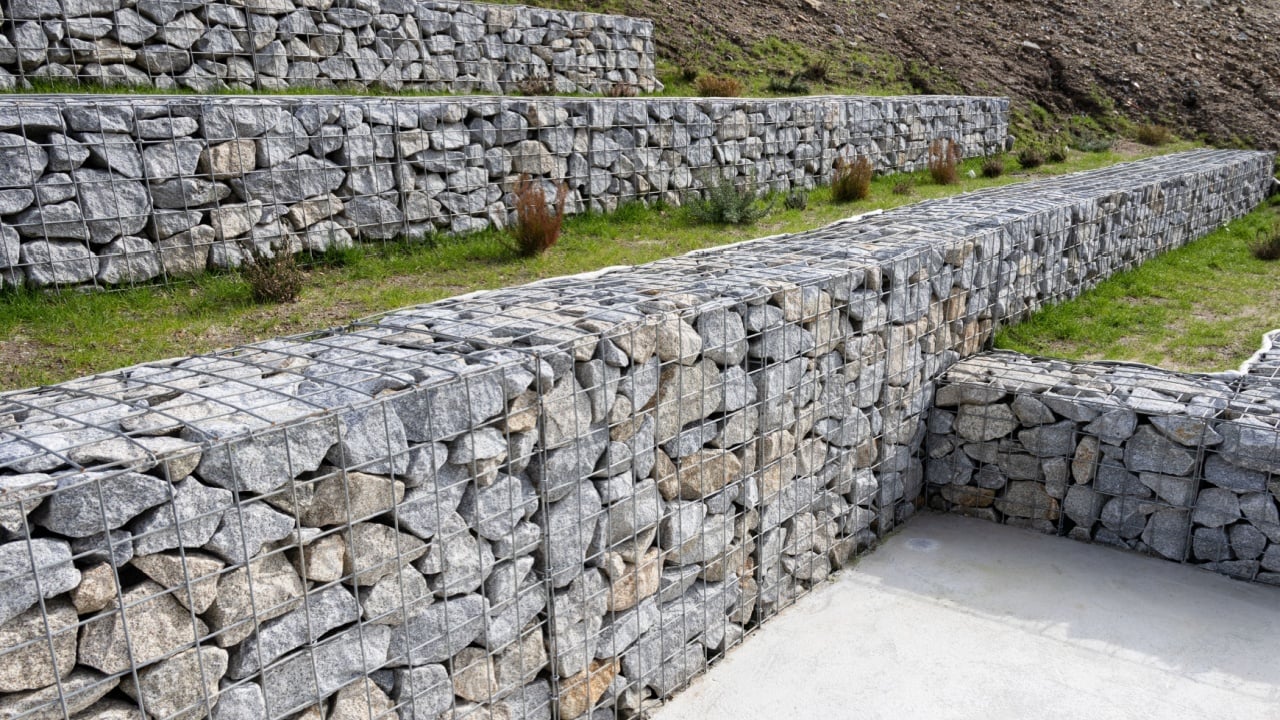
Granite is one of the toughest natural stones you can choose for a retaining wall (as blocks or in a wire mesh frame). It handles heavy loads, resists harsh weather, and stands up well to freeze and thaw cycles.
Its dense structure makes it a smart pick for taller walls or spots where long-term strength matters most. It also comes in many shades, from pale gray to speckled pink and charcoal.
Granite often costs more than softer stone, though many homeowners see that as a fair trade for its long life. If you want a clean and solid look, cut granite blocks give a neat finish.
For a more natural style, rough-faced pieces create texture without losing strength. Professional installation is often worth it here since granite is heavy and hard to shape on-site.
2. Limestone
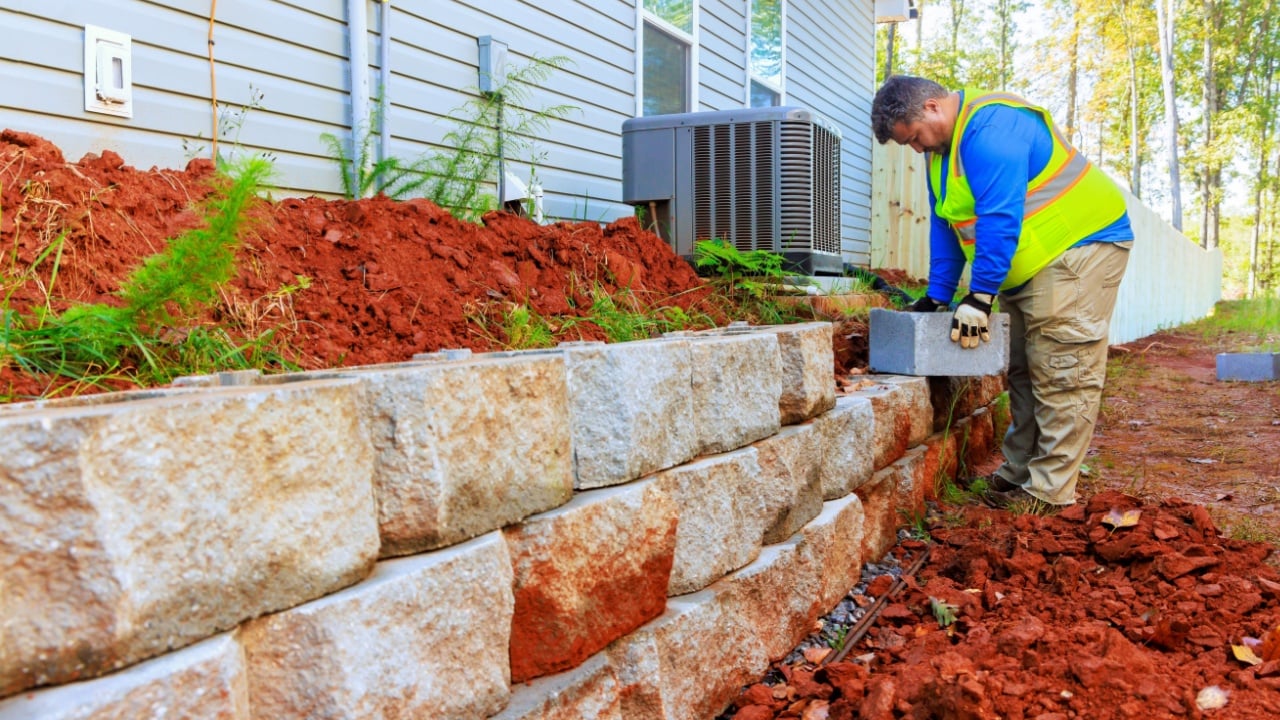
Limestone gives retaining walls a softer and lighter look than granite. It usually comes in shades of cream, tan, gray, and muted gold, which makes it easy to fit into many yard designs.
This stone is known for handling temperature swings well, and many types resist cracking better than people expect. Its smooth-to-lightly textured surface works well for both formal and relaxed landscapes.
Because limestone is softer than granite, it is easier to cut and stack into uniform shapes. That can help lower labor time and make design details simpler to achieve.
Limestone works especially well for medium-height walls where appearance matters just as much as strength. If you live in a very wet area, good drainage behind the wall is very important, since standing water can shorten the lifespan of softer stone.
3. Fieldstone
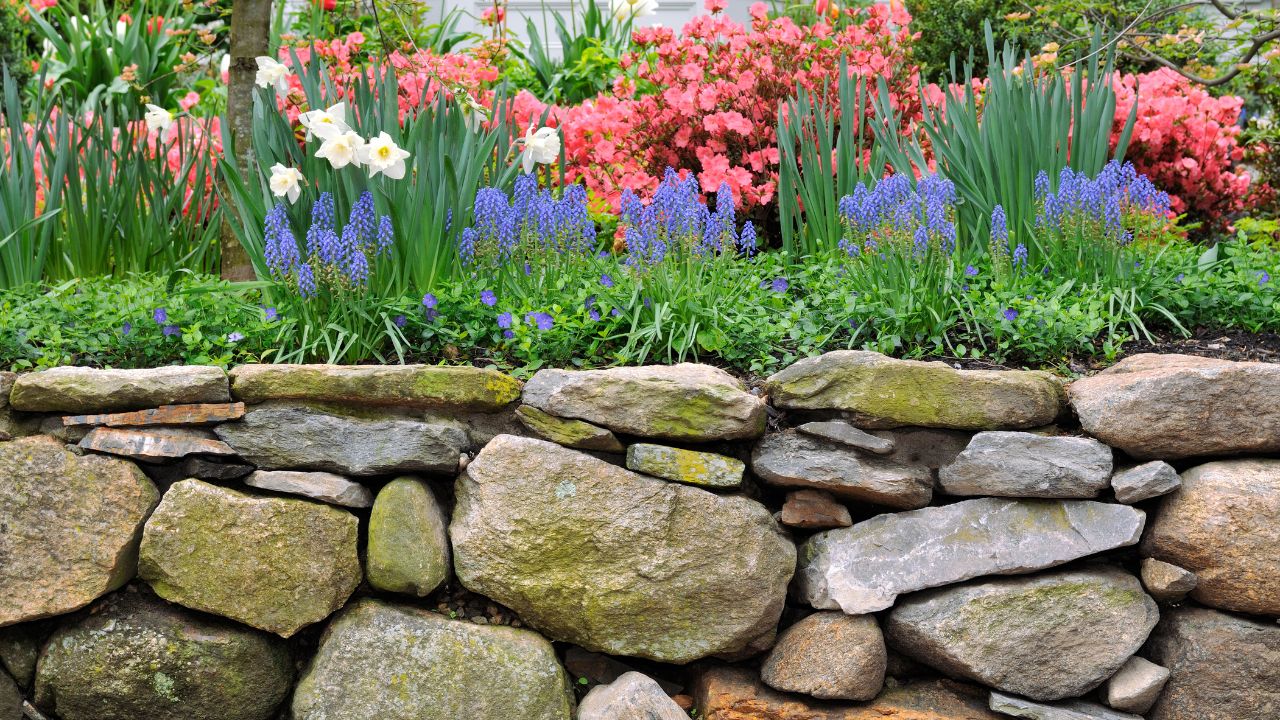
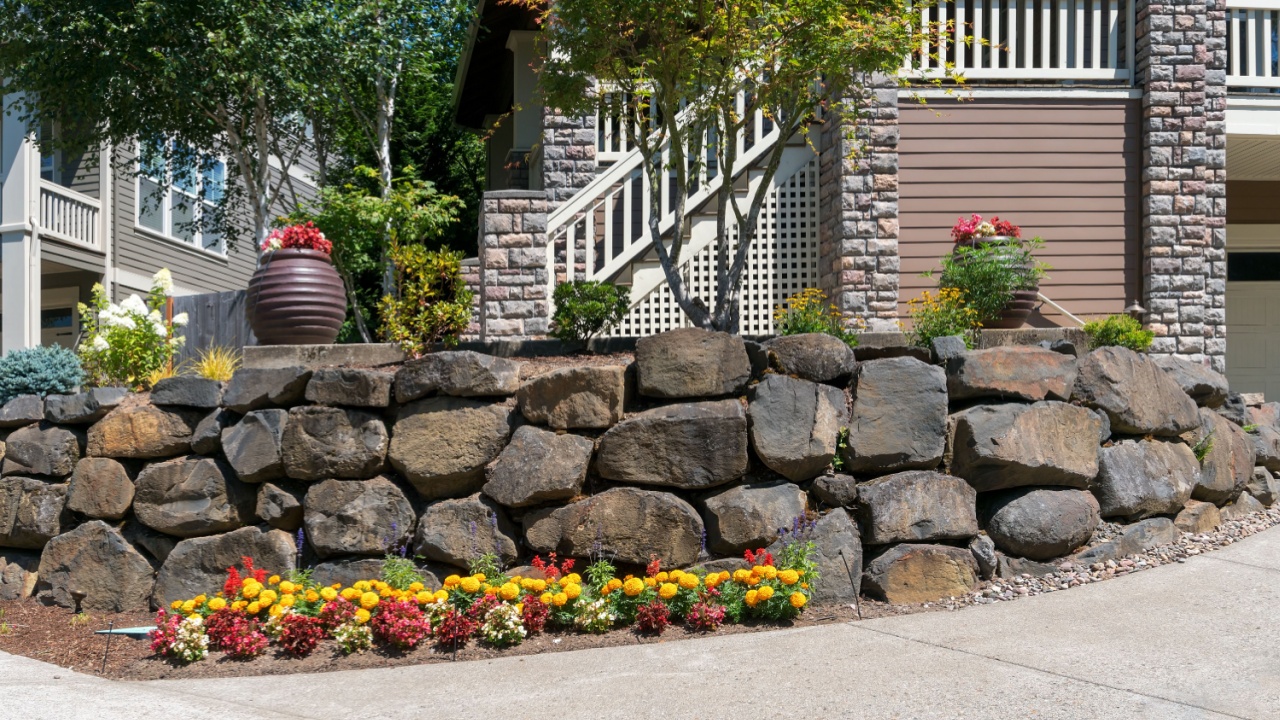
Fieldstone gives a retaining wall a natural, lived-in look that feels settled into the landscape. These stones are usually gathered from the ground surface, so they come in mixed shapes, sizes, and colors.
That uneven look is part of the appeal, especially in cottage gardens, woodland yards, and rustic settings. A fieldstone wall often looks like it has been there for many years, even when newly built.
Because the stones vary so much, fieldstone walls take patience and skill to assemble well. Builders usually fit each stone by hand, which can raise labor costs even if the material itself is locally available.
The rough shapes can leave gaps, so careful placement and backfill matter for stability and drainage. If you want a wall with strong visual character, fieldstone is hard to beat.
4. Sandstone
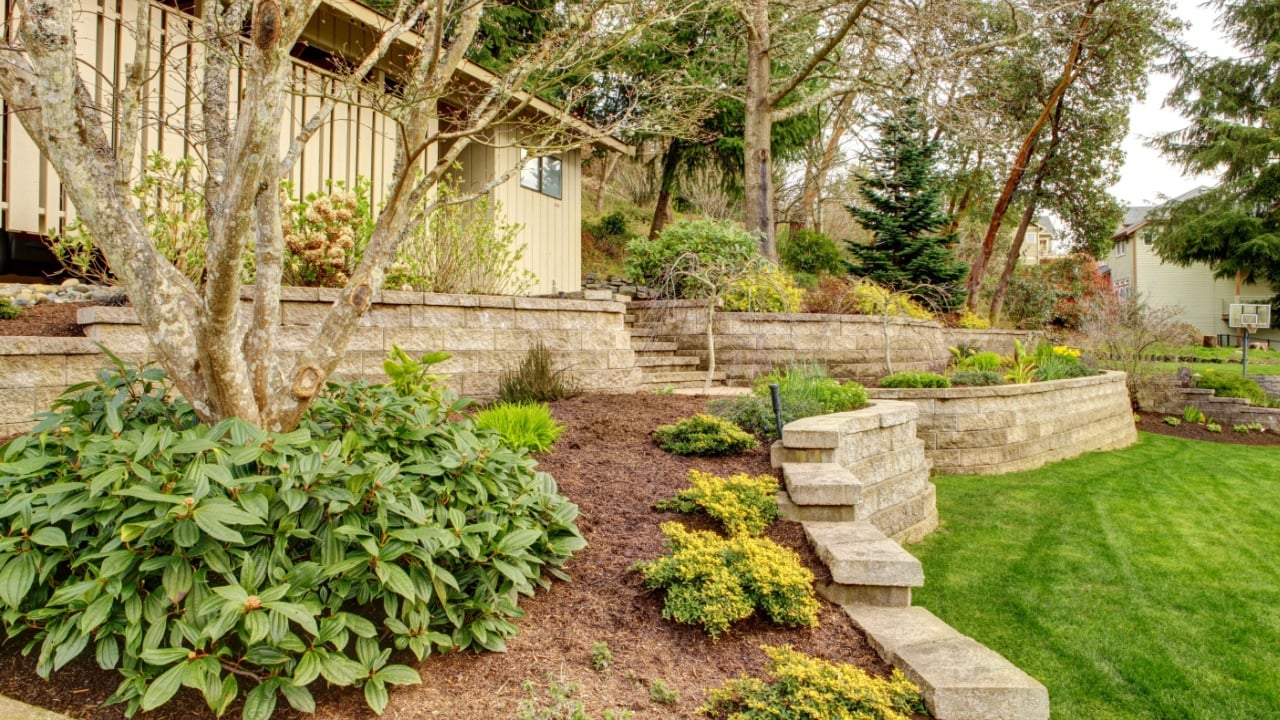
Sandstone is a popular choice for retaining walls because it offers warm color and a softer, earthy appearance. It often comes in shades of tan, rust, brown, buff, and muted red, which suit many outdoor spaces.
Many sandstone types are easy to shape, making them useful for walls with curves or custom sizing. It can also allow some water movement, which may help in walls where drainage matters.
The quality of sandstone can vary a lot by source, so it pays to buy from a trusted supplier. Dense sandstone tends to last longer than very soft grades, especially in wet or freezing climates.
This stone is a good fit for low to medium-sized retaining walls where appearance is a big part of the plan. If you like warm tones and a relaxed, natural look, sandstone is a strong contender.
5. Slate
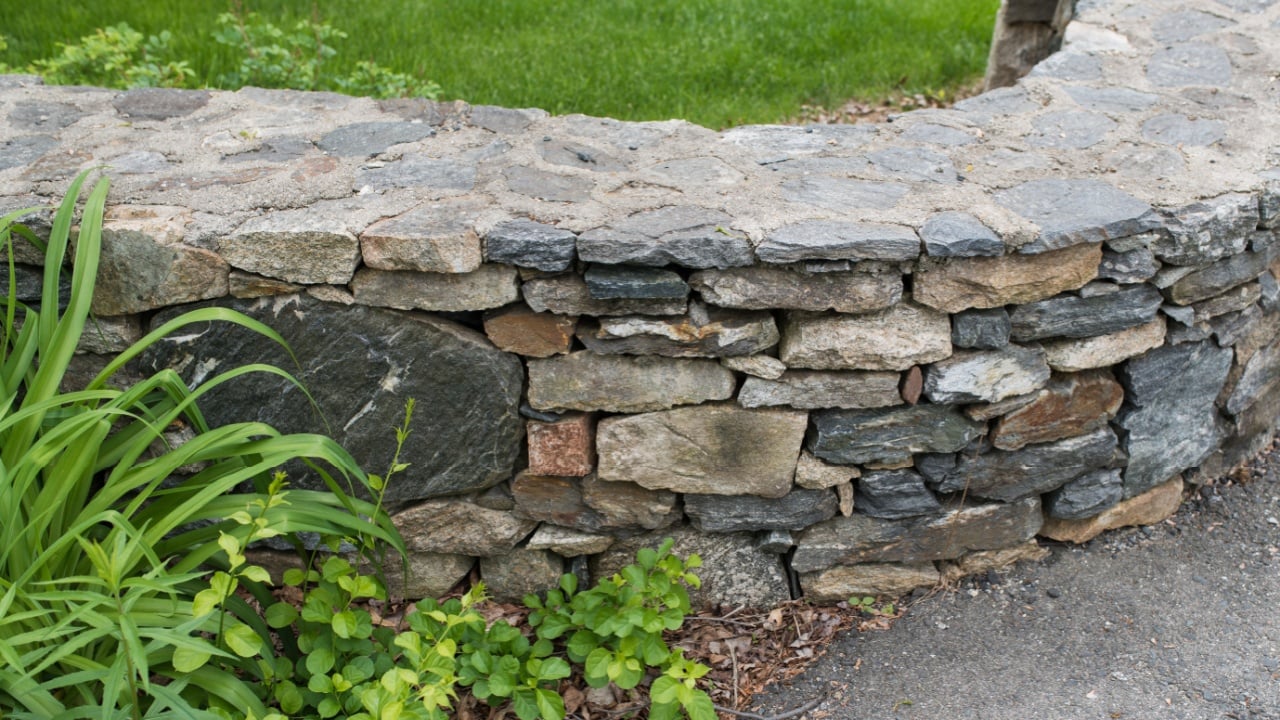
Slate brings a refined, layered texture to a retaining wall. It is a metamorphic stone that often comes in gray, charcoal, green, purple, or rusty shades, and those color shifts can add depth without looking busy.
Thin slate pieces are often used in dry-stack walls, where the flat surfaces make a tidy layered pattern. This stone works well when you want a wall that feels elegant but still grounded in nature.
Slate does best when the pieces are thick enough for the wall’s height and load. Thin pieces may chip or split if used in the wrong setting, so material selection matters a lot.
It is often best for shorter decorative retaining walls, raised beds, or accent sections rather than very tall structures. When used with care, slate can create one of the most distinctive wall styles on this list.
6. Bluestone
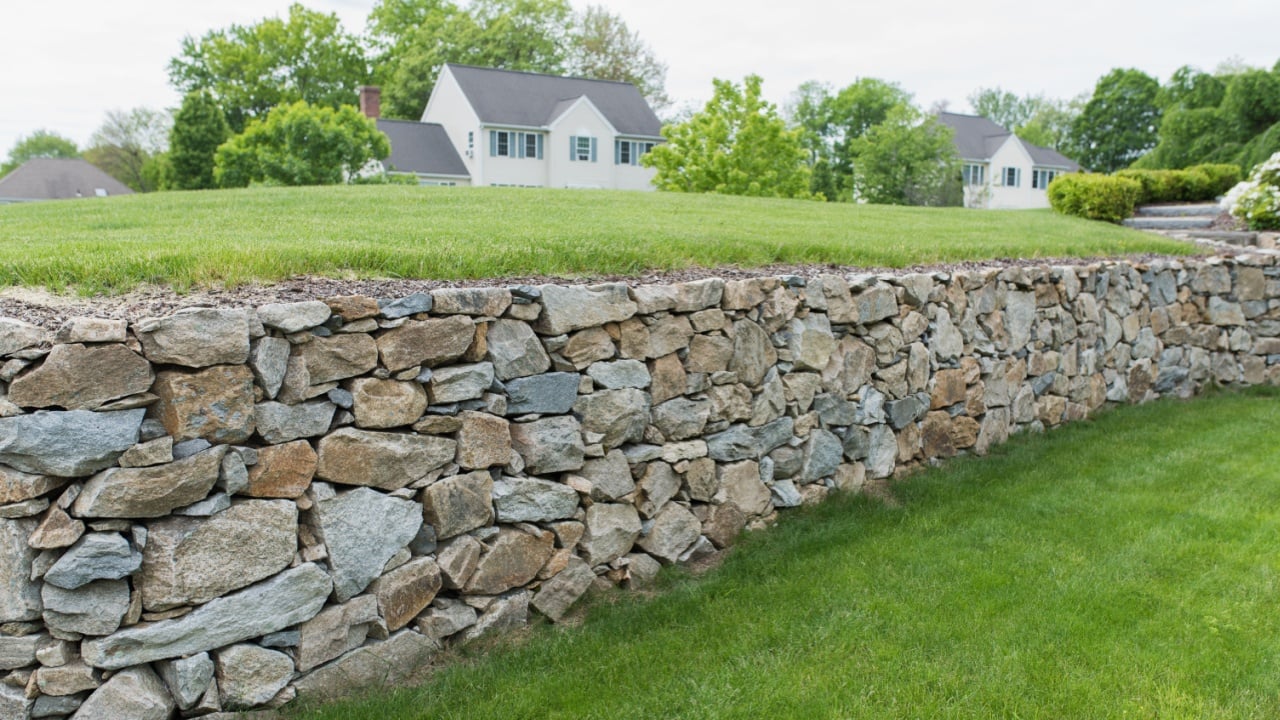
Bluestone is loved for its cool tones and broad color range. Despite the name, it can appear in blue-gray, brown, green, and even hints of lilac, depending on the quarry.
It gives a retaining wall a polished but natural look that fits modern yards and traditional landscapes alike. Many homeowners like it because it feels upscale without looking too formal.
Bluestone is often sold in cut pieces or natural cleft slabs, so you have some freedom in the final look. It is a solid choice for low retaining walls, terraced beds, and seating walls where appearance matters a lot.
The stone usually holds up well outdoors, though local climate and stone grade still matter. If you already have a bluestone patio or path, using it in a retaining wall can tie the whole yard together.
7. Basalt
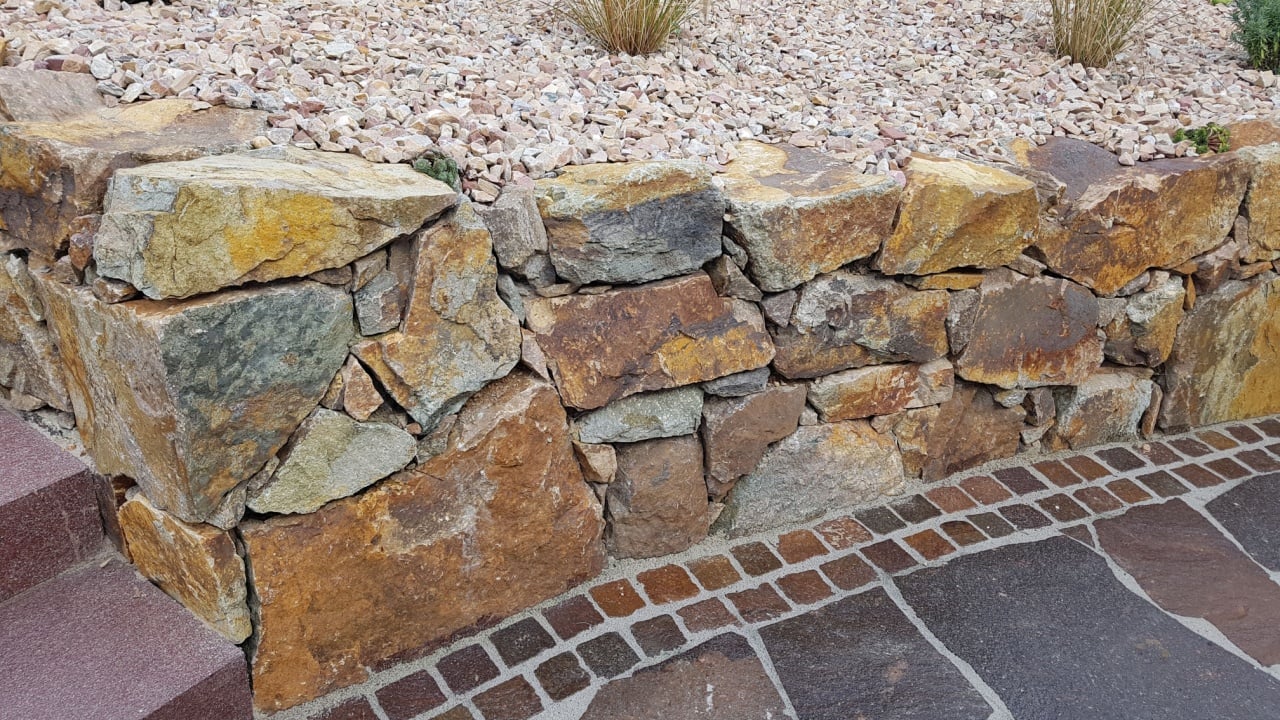
Basalt is a dense volcanic stone known for its dark color and serious durability. It usually comes in shades of deep gray or black, which can give a retaining wall a bold and modern look.
Because it is hard and weather-resistant, basalt handles heat, cold, and heavy use very well. It is a smart pick for homeowners who want a wall that feels strong and visually striking.
Its darker tones can make stains, dust, or mineral buildup more visible in some settings, so placement matters. Basalt tends to look best when paired with clean lines, gravel, concrete, or simple plantings rather than busy materials.
It can cost more in some regions due to limited local supply and shipping weight. If your yard design leans modern, basalt can give the wall a sharp and lasting presence.
8. Quartzite
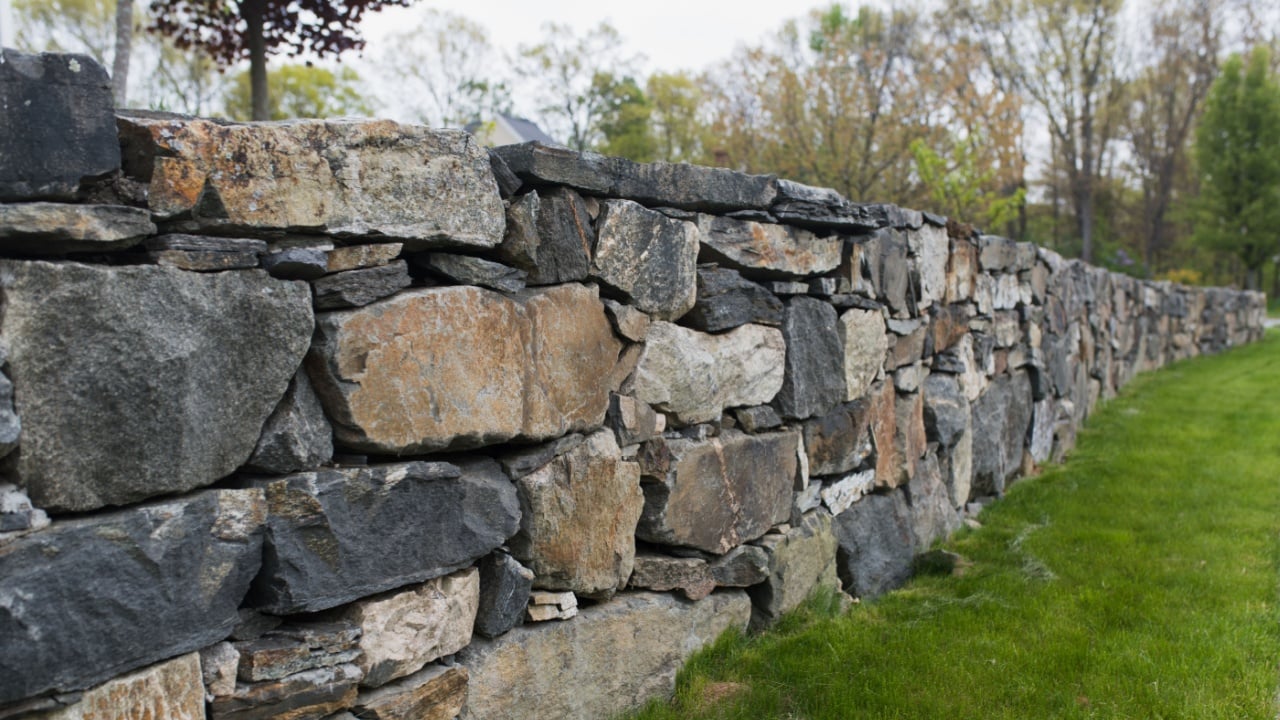
Quartzite is one of the hardest stones used in landscaping, and that strength makes it a strong option for retaining walls. It resists wear, stands up to weather, and often comes in attractive blends of gray, silver, white, rose, or gold.
Many pieces have a slight sparkle or color variation that subtly catches light. That gives the wall visual depth without making it look flashy.
This stone is often chosen by homeowners who want durability with more color movement than granite usually offers. Quartzite can work in both rustic walls and more refined builds, depending on how it is cut and stacked.
It is usually heavy and tough to shape, so labor costs can be higher than with softer stone. For long-term performance and a rich natural look, quartzite is a very appealing option.
A Stone That Fits Your Yard
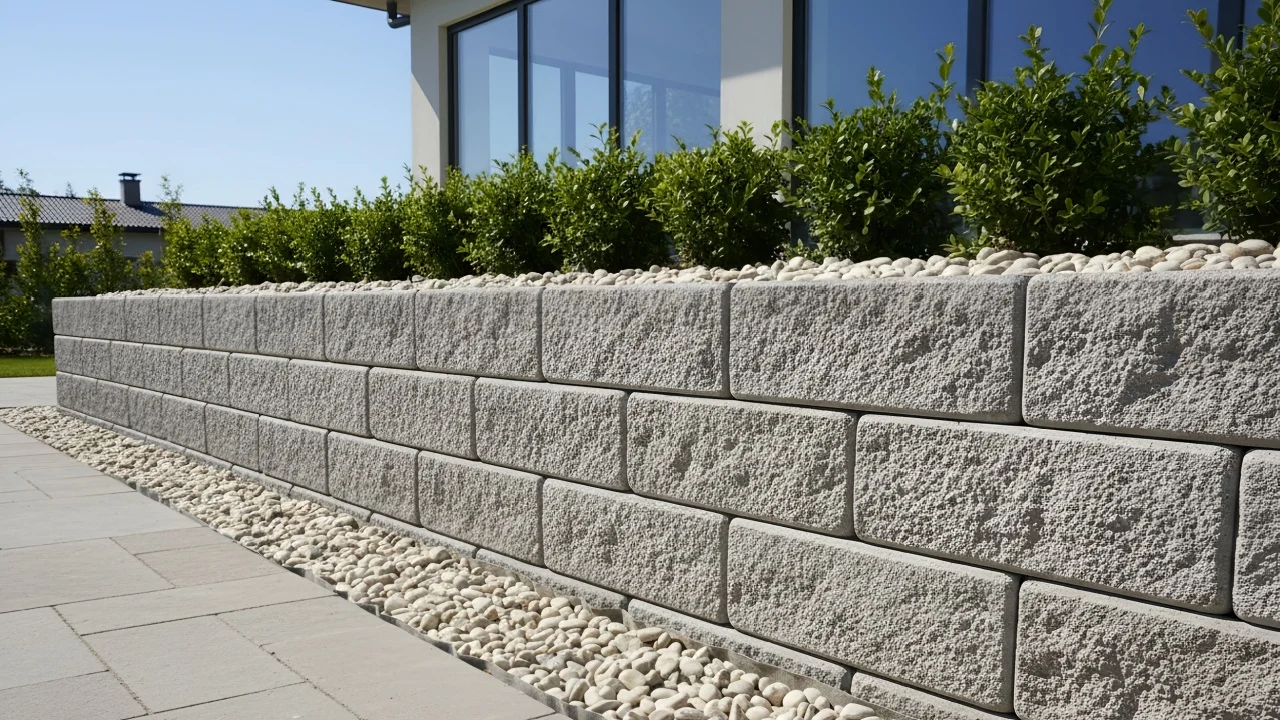
The best natural stone for a retaining wall depends on your yard, your budget, and the look you want to create. Granite and quartzite shine in walls where strength matters most, while limestone, sandstone, and fieldstone offer more warmth and a softer visual feel.
Slate, bluestone, and basalt each bring a distinct surface and color range that can shift the whole style of the space. Before you choose, look at drainage needs, wall height, climate, and the type of finish you want.
A beautiful wall should do its job well and still look right with the rest of your landscape. When the stone matches both the site and the design, the result feels natural, sturdy, and built to last.