7 Ways to Keep Birds from Eating Your Grass Seed
Planting a fresh lawn requires hard work and a lot of patience. You scatter tiny seeds across bare dirt and wait for green shoots to appear. Hungry birds often spot a free meal before any roots can take hold.
Flocks of flying birds look for easy food sources during migration and nesting seasons. Freshly sown soil stands out as a giant feeding zone from high up in the sky. Winged visitors can devour hundreds of seeds in a single afternoon if left entirely unprotected.
Protecting your newly planted yard saves you money and prevents frustrating bare patches. Many homeowners try yelling or clapping to scare away winged visitors. These temporary scare tactics fail the moment you walk back inside your house.
Here are practical, humane methods for blocking access, creating visual deterrents, and keeping birds from eating your grass seed.
1. Burlap Cover

Laying burlap directly over the soil creates an instant physical barrier against hungry wildlife. The woven fabric allows water and sunlight to pass through to the ground below.
Seeds can germinate safely beneath the material without being pecked at by flying creatures. You must monitor the ground closely as the tiny green shoots begin to emerge.
Remove the fabric cover promptly once the grass sprouts to prevent restricted growth. Leaving heavy material on top of new blades causes long-term damage to the delicate root system.
2. Reflective Tape
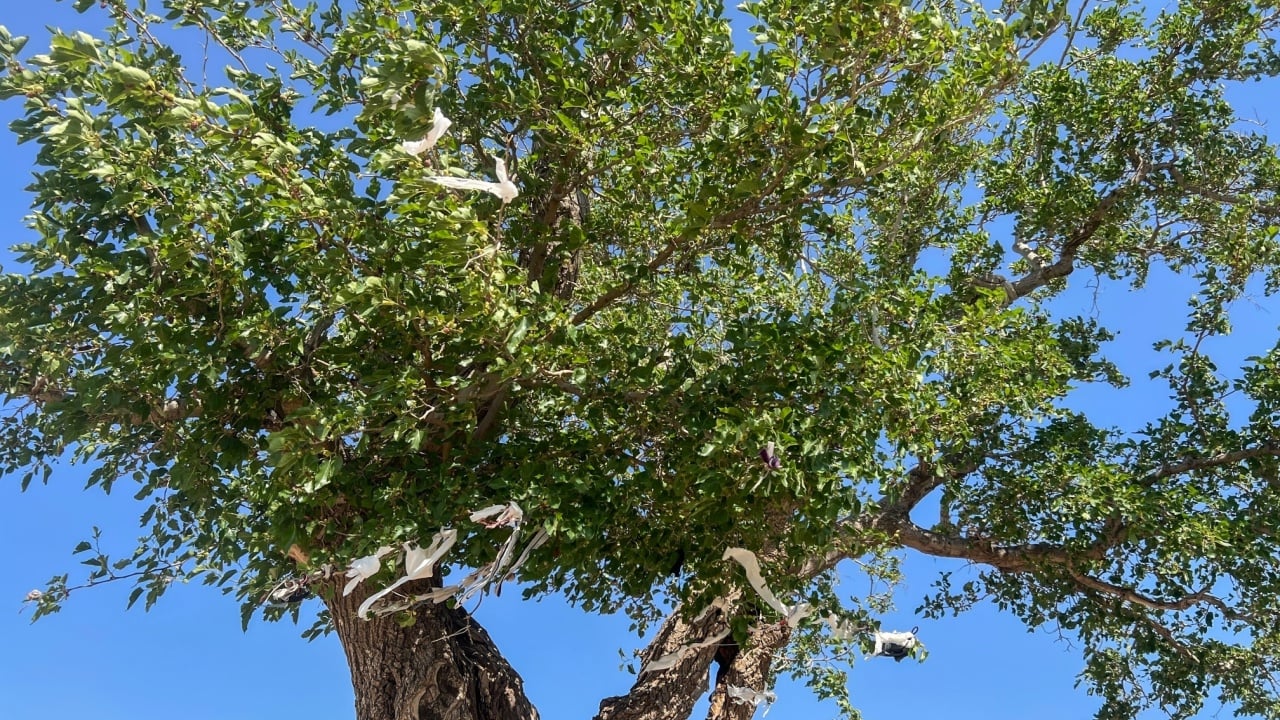
Shiny ribbons offer a bright visual deterrent that disorients flying animals. The metallic surface catches sunlight and creates flashing reflections across the yard.
Flocks prefer quiet and predictable feeding spots instead of moving flashes of light. Hang multiple strips on stakes or low tree branches near the seeded zones.
The tape performs best in areas that receive direct sunlight and light breezes. You might need an alternative method during heavily overcast weeks with very still weather.
3. Mulch or Straw Cover
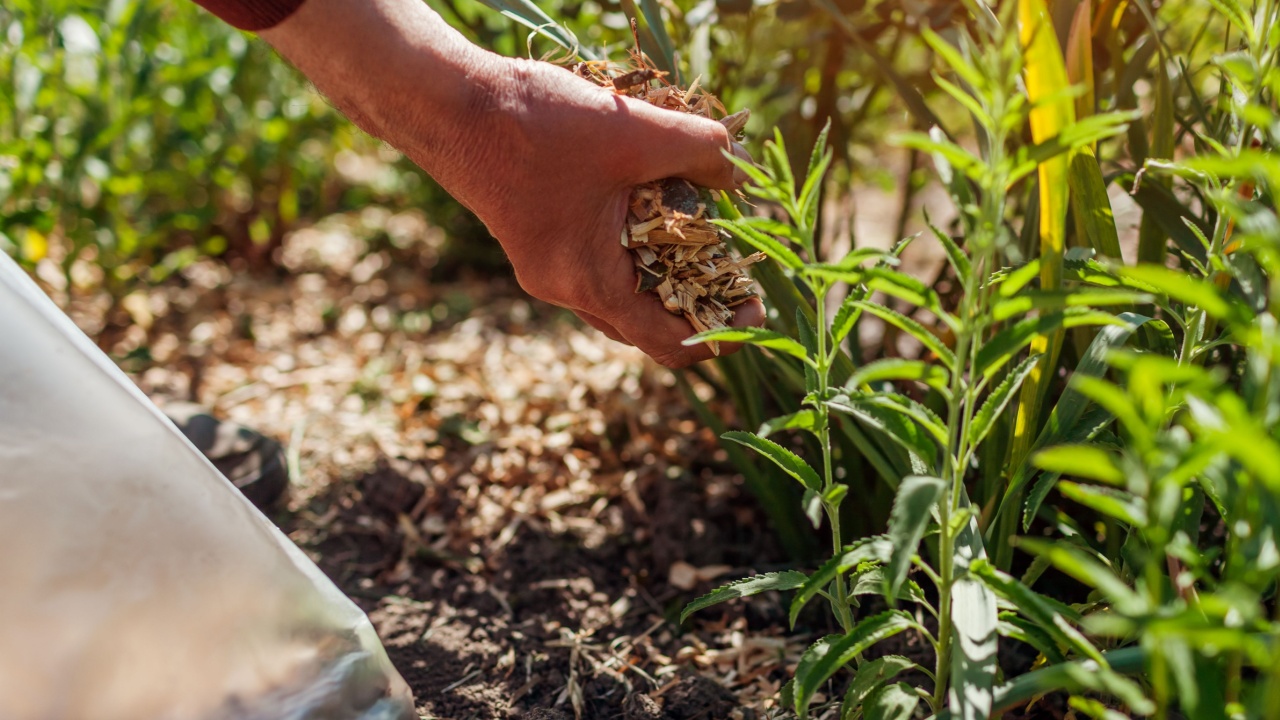
Spreading a thin layer of straw hides the fresh food supply from an aerial view. This natural covering traps moisture in the soil to speed up germination.
Birds struggle to dig through the messy layer to find the hidden meal beneath. Apply just enough straw to cover the bare patches without completely blocking out the sun.
Thick piles of wet mulch can cause rot and ruin the newly planted zones. Cleaning up excess straw requires extra effort once the lawn grows tall enough for a first mow.
4. Fake Owls or Hawks
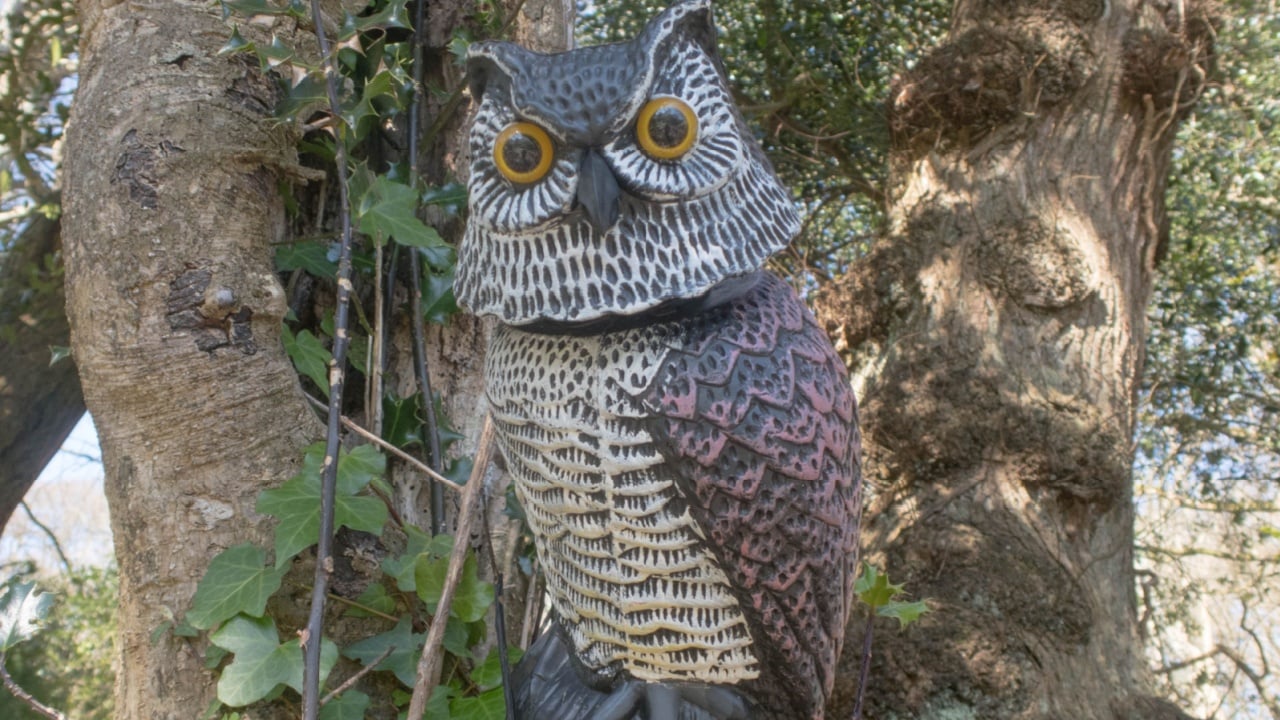
Setting up plastic predators tricks small birds into avoiding a specific area. Hawks and owls naturally hunt smaller flying creatures in suburban neighborhoods.
A realistic statue signals intense danger to any hungry flock looking for a quick snack. You must move the plastic figures to different spots every few days.
Smart wildlife quickly learns when a scary statue never actually changes location. Rotating the placement keeps the illusion alive during the vulnerable germination phase.
5. Motion-Activated Sprinklers

Advanced watering devices use motion sensors to detect movement in the yard. The sprinkler shoots a sudden burst of water when an animal steps into the zone.
The loud clicking noise and flying water instantly terrify unwanted visitors. Installing these machines requires a dedicated water source and some basic setup time.
The initial purchase price runs higher than traditional static deterrents. The investment pays off by protecting large open spaces without requiring your constant attention.
6. Shiny Spinners
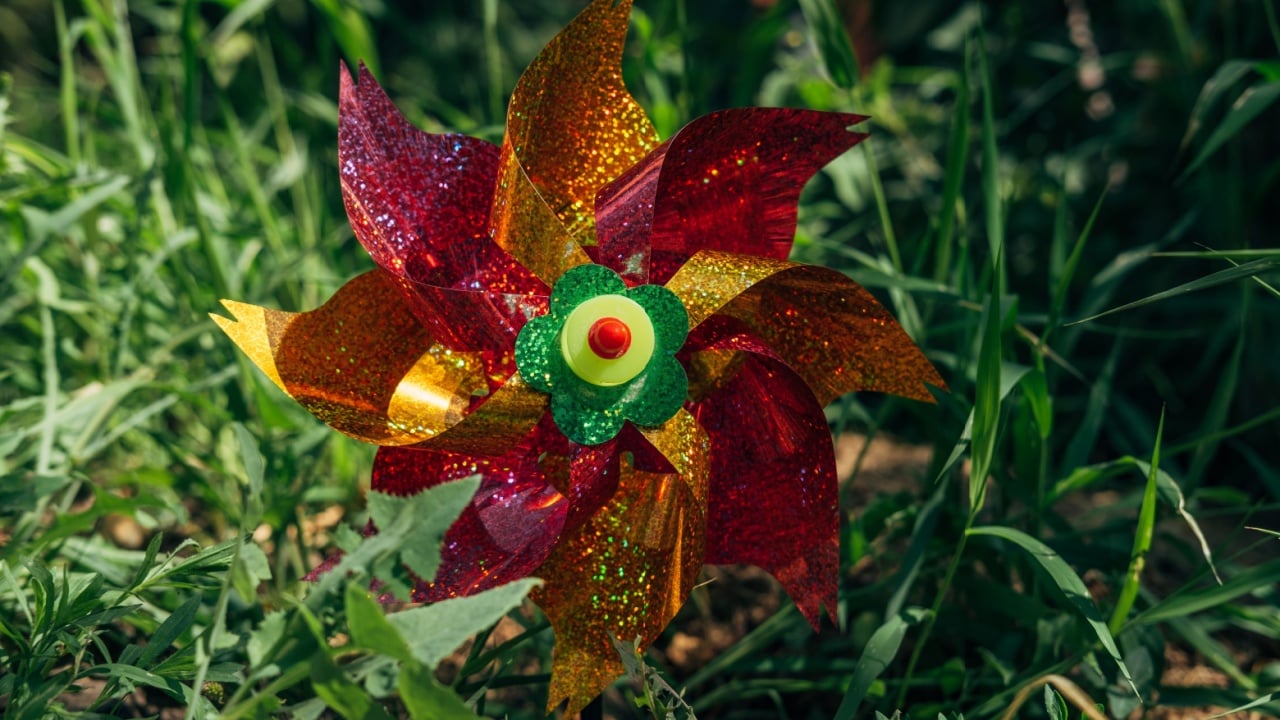
Decorative yard spinners combine bright colors and constant motion to deter hungry wildlife. The wind pushes the rotating blades to create flashes of reflected light.
The movement breaks the quiet environment and confuses animals searching for food. Stick several spinners deep into the dirt at the corners of your newly planted zone.
You can easily remove them and store them away once the lawn fully establishes itself. These devices add a fun decorative element while simultaneously protecting your landscaping investment.
7. Repellant Netting
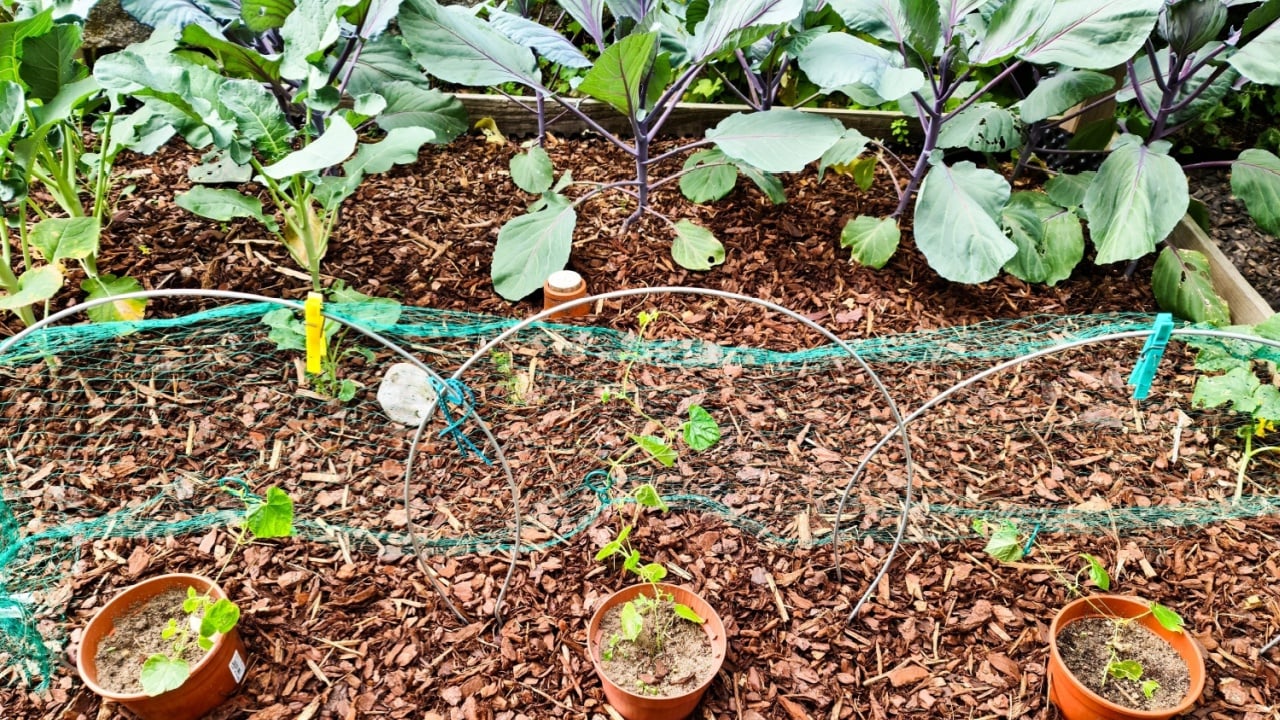
Stretching a specialized mesh net over the ground stops all physical access to the soil. The small holes permit rainfall and direct sunshine to reach the dirt easily.
Birds simply cannot reach through the tight grid to steal your freshly scattered seeds. Use metal stakes to pull the mesh tight across the designated planting zone.
Buying large amounts of netting gets expensive for enormous suburban properties. This method works perfectly for smaller patches and guarantees maximum protection until the roots mature.
Laying the Groundwork for Growth
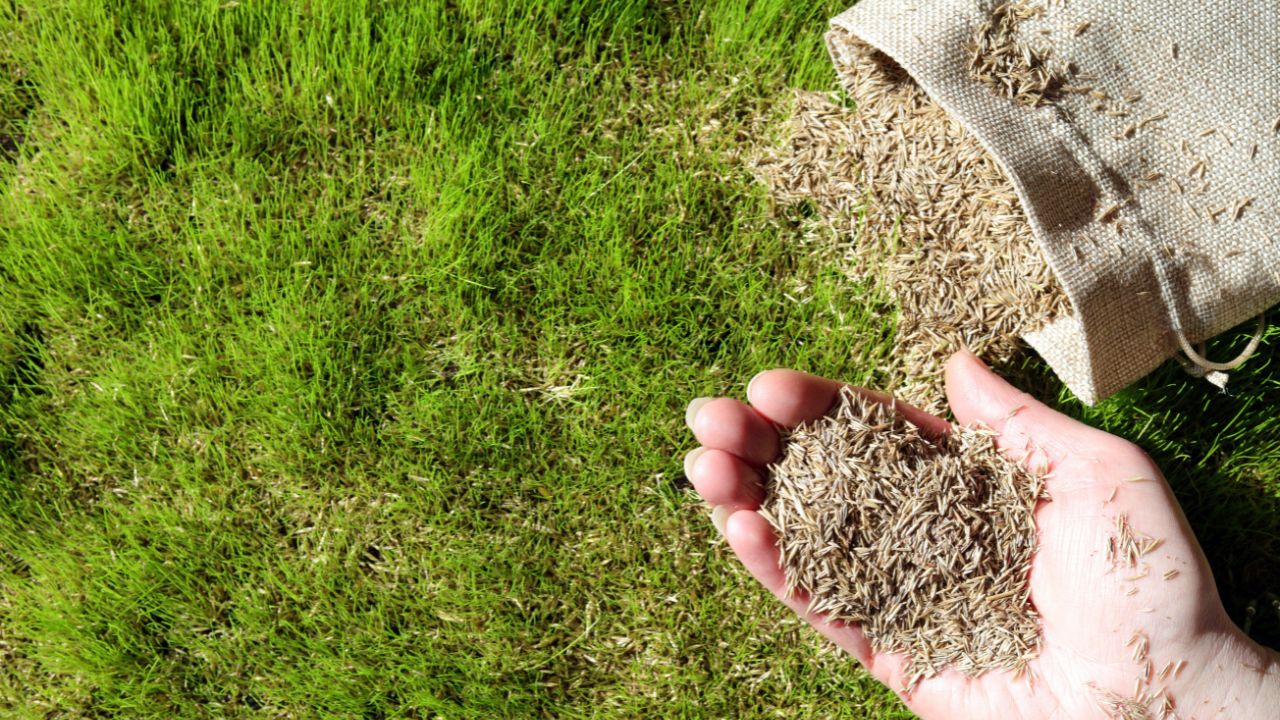
Growing a beautiful lawn demands protection from hungry neighborhood wildlife. Combining various visual and physical barriers helps protect your investment during the critical growth phase.
A little preparation prevents bare spots and saves you from replanting exactly the same area.
Try implementing a few of these methods before you scatter the very first seed. A proactive approach yields a thick, beautiful yard, completely free of damage. Your newly sprouted grass will grow strong and healthy with the right defenses in place.