
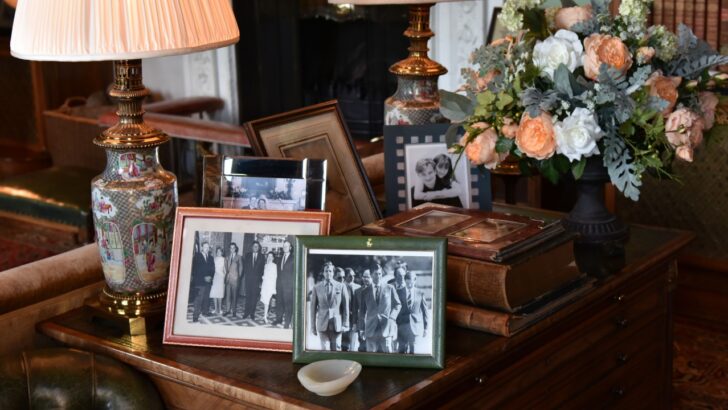
You spent all Saturday scrubbing the floors, dusting the shelves, and organizing the pantry. The house is technically clean, yet something feels off. It doesn’t look peaceful or polished. It feels chaotic. Often, the culprit is not actual dirt or grime but visual clutter. Styling choices or small daily habits can quietly trick the eye into seeing a mess where there isn’t one.
Visual noise creates a sense of disorder that even the deepest cleaning session cannot fix. Here are 7 common mistakes that might be sabotaging your efforts and how to fix them for a calmer, more organized space.
1. Using Countertops as Appliance Parking Lots
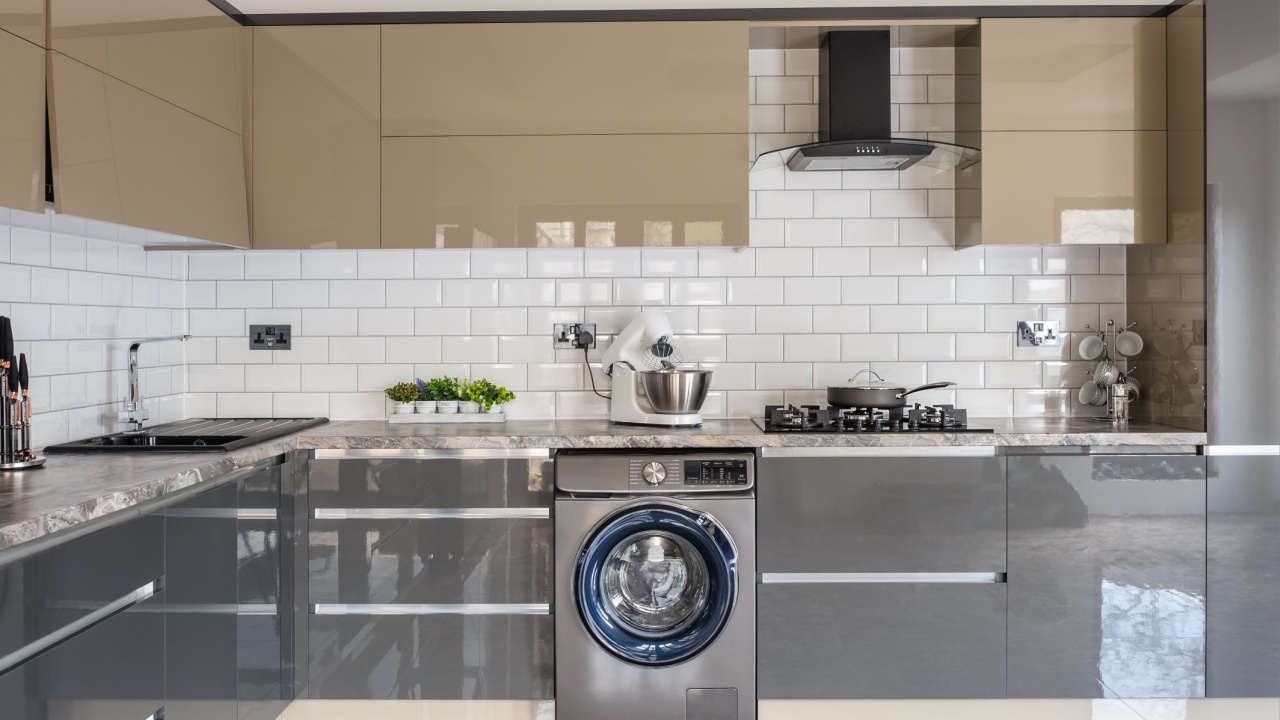
Image Credit: Shutterstock.
Kitchen counters are premium real estate. When you line up a toaster, blender, coffee maker, and air fryer against the backsplash, you create a “wall” of clutter. Even if the appliances are sparkling clean, their presence makes the room feel cramped and busy. It creates a visual heaviness that draws the eye immediately, making the kitchen feel smaller and more chaotic than it is.
Assess which gadgets you actually use daily. If you only use the waffle maker on Sundays, it belongs in a cabinet or pantry. Keep only the absolute essentials, like the coffee pot, on the counter. For the items you choose to display, consider grouping them on a tray to make them look like a cohesive unit rather than scattered items.
2. Letting Paper Accumulate on Flat Surfaces

Image Credit: Shutterstock.
Mail, school permission slips, and catalogs have a magnetic attraction to entry tables and kitchen islands. A small stack quickly morphs into a leaning tower of paper. This creates horizontal clutter, which is the enemy of a tidy-looking home.
It signals to your brain that there are pending tasks and unfinished business, which induces stress and ruins the aesthetic of an otherwise clean room.
Establish a “touch it once” rule for mail. As soon as you walk in the door, sort it over the recycling bin. Recycle the junk immediately. For the important documents, install a wall-mounted file organizer or a dedicated tray inside a cabinet.
3. The Spaghetti Junction of Cords and Cables

Image Credit: Shutterstock.
Nothing ruins the look of a sleek living room faster than a tangle of black and white wires snaking across the floor. Plugs, chargers, and power strips are visual noise. They interrupt the clean lines of your baseboards and furniture, making the space feel unfinished and haphazard. It is a subtle detail that registers as “mess” to the subconscious mind.
Use zip ties or velcro straps to bundle cords together behind media centers. Run wires along the back legs of furniture so they vanish from sight. For chargers that must remain accessible, consider a cable management box that hides the power strip and the excess wire length, leaving only the necessary connector visible.
4. Keeping Neglected or Leggy Houseplants

Image Credit: Shutterstock.
Plants bring life to a room, but they can also bring a sense of neglect if not maintained. A collection of half-dead succulents, drooping leaves, or plants that have grown leggy and wild can make a home look unkempt. Similarly, having too many small, mismatched pots scattered on every windowsill creates a cluttered, disjointed look rather than a lush, green oasis.
Prune dead leaves regularly and wipe dust off the foliage. If a plant is struggling, move it to a rehabilitation spot out of the main living area. Consolidate several smaller plants onto a single tray or plant stand to create a styled vignette.
5. The “Floating” Area Rug
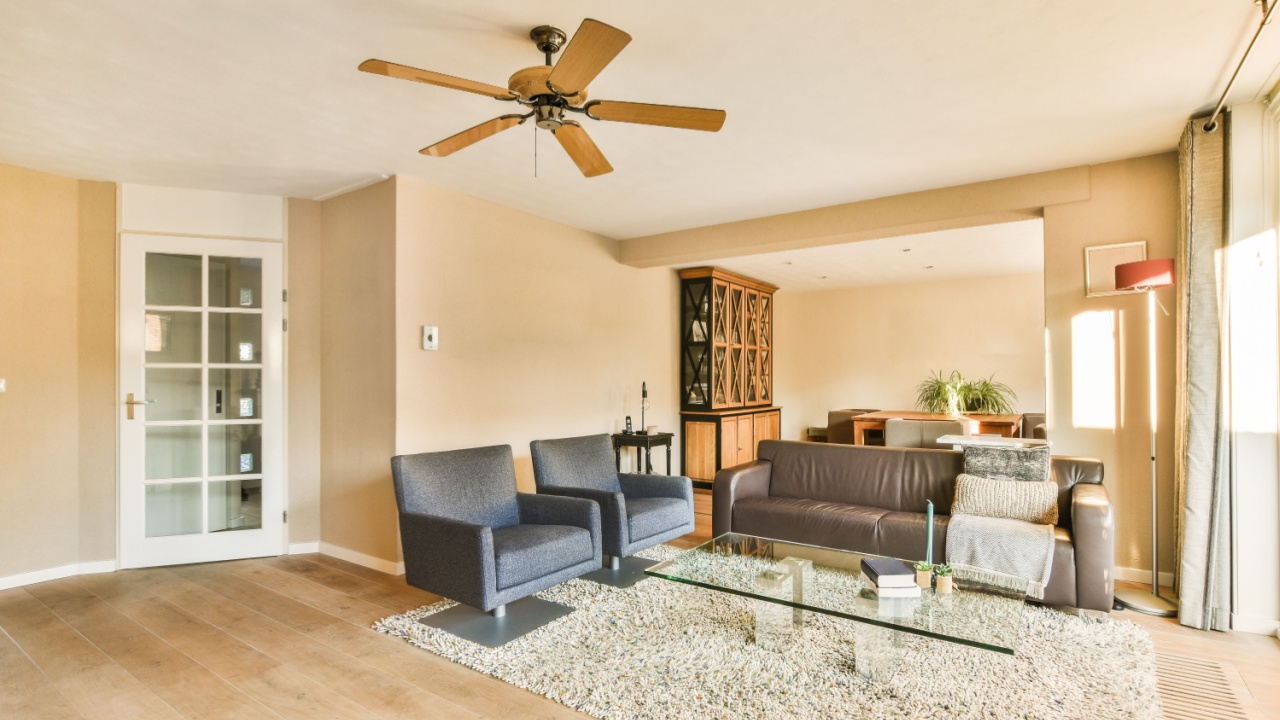
Image Credit: Shutterstock.
A common styling error involves choosing a rug that is too small for the space. When a rug floats in the middle of the room without touching the furniture, it makes the room feel disjointed and smaller. It chops up the floor plan visually. A busy, postage-stamp-sized rug creates the illusion of clutter on the floor, even if the carpet is freshly vacuumed.
Choose a rug large enough that at least the front legs of your sofa and chairs rest on it. This anchors the furniture and defines the zone, making the room feel expansive and cohesive. If you have a small rug you love, consider layering it over a larger, neutral jute or sisal rug to get the correct scale without losing the pattern.
6. Displaying Every Keepsake and Photo
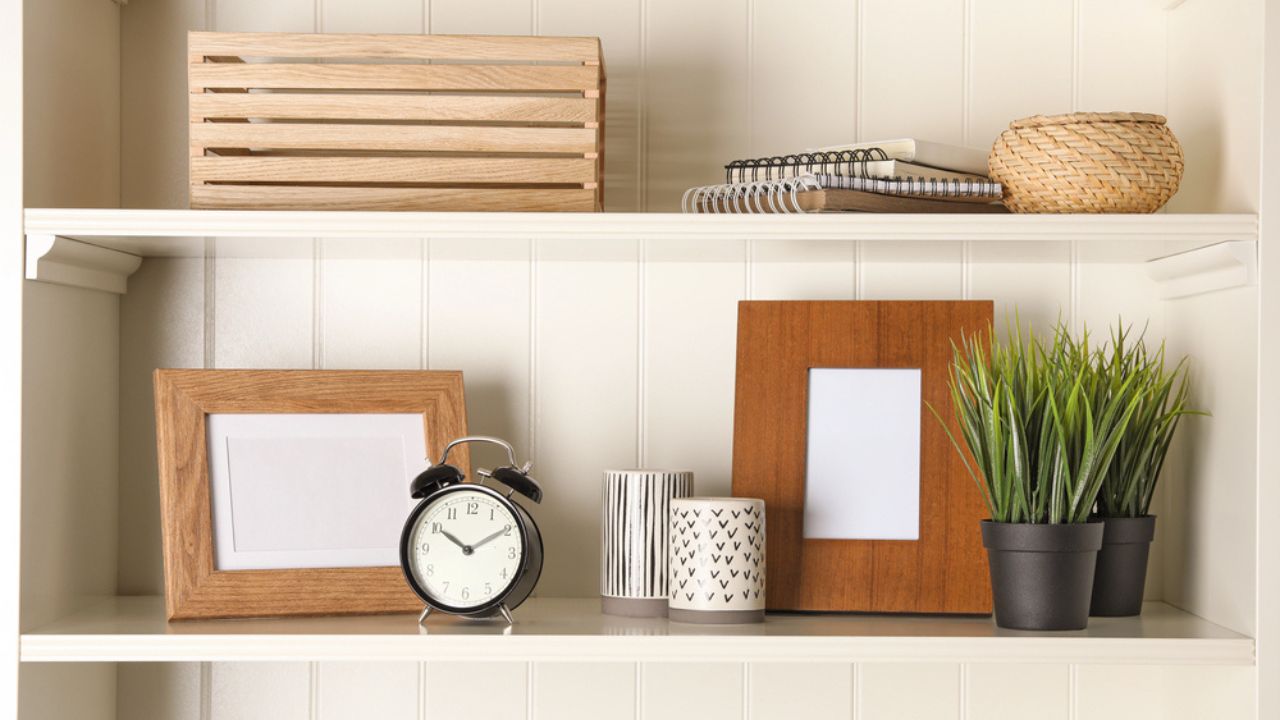
Image Credit: Deposit Photos.
Family photos and travel souvenirs are special, but covering every shelf and table with frames creates immense visual noise. When the eye has nowhere to rest, the brain interprets the abundance of items as clutter. A mantle packed with twenty frames looks messy, regardless of how neatly they are arranged.
Curate your collection. Rotate photos seasonally rather than displaying them all at once. Group small collections of items on a tray to give them a boundary.
7. Leaving Open Containers and Jars Visible

Image Credit: Shutterstock.
In the kitchen or bathroom, open boxes, half-empty bags of chips, or jars without lids create a sense of disorder. Packaging is designed to grab attention with bright colors and text, which clash with your home decor. Seeing the jagged edges of a torn cereal box or a jar with a missing lid signals unfinished tasks and carelessness.
Decant pantry staples into matching clear or opaque containers. This eliminates the visual noise of branding and packaging. If decanting is not your style, use baskets or bins to corral the bags and boxes so they are hidden from view. Always replace lids immediately after use to maintain a sense of order.
Reclaiming Your Space
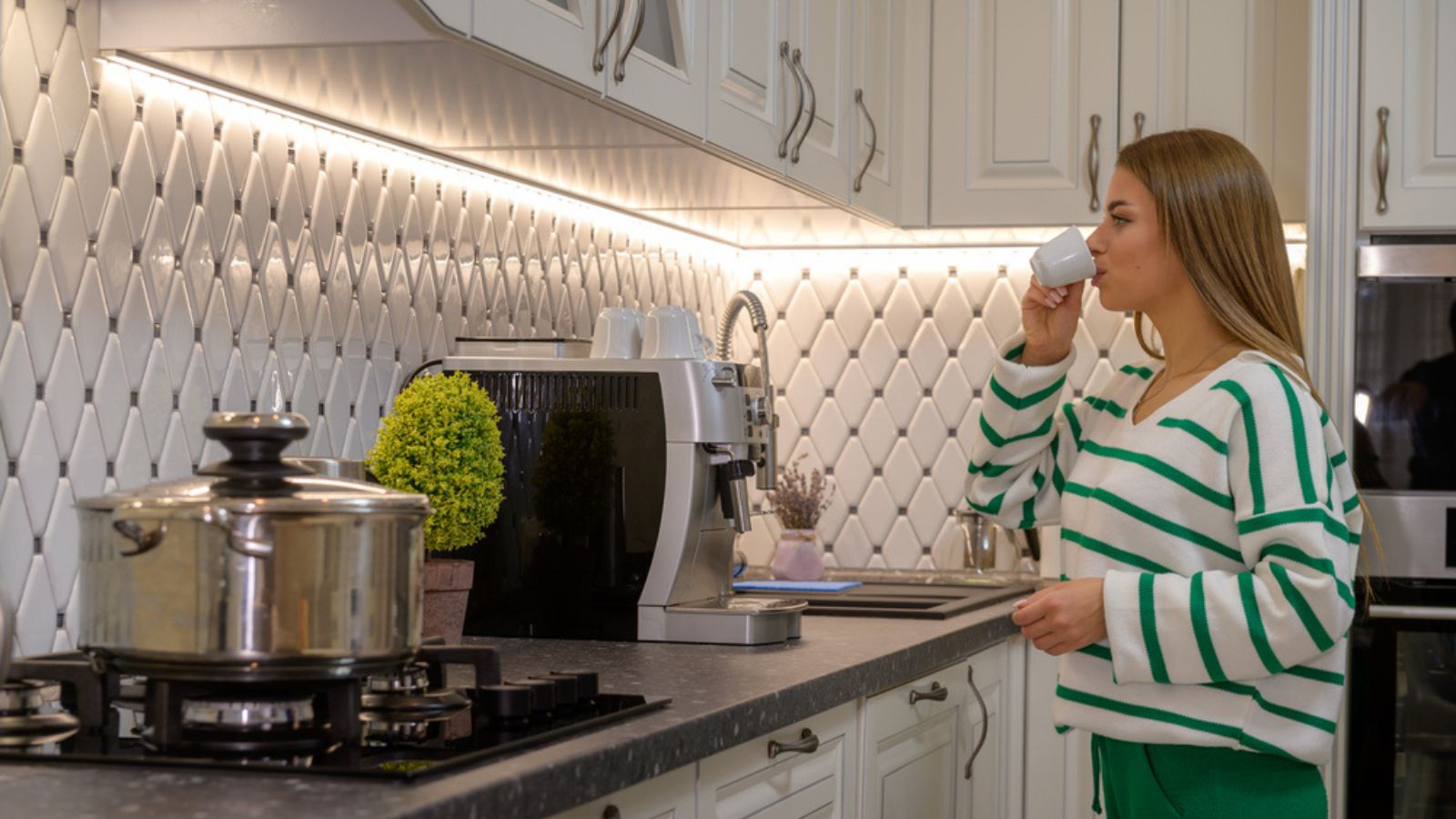
Image Credit: Deposit Photos.
A clean home should feel restful. By addressing these seven sources of visual noise, you can elevate the atmosphere of your home without buying new furniture or spending hours scrubbing. Start by choosing one area from this list to tackle today. You will be surprised at how much lighter the room feels.