7 Gardening Items That Beginners Wasted Their Money On, From Real Gardeners
Most beginner gardeners don’t fail because they didn’t try hard enough. They fail because nobody told them which products were worth buying and which ones would sit in a shed for six years before getting thrown away.
The gardening industry is full of products that look helpful on the shelf. Some are genuinely useful. Others are designed for situations that don’t match what most home gardeners actually deal with.
The best source of honest buying advice isn’t a catalog or a gardening influencer. It’s someone who already made the mistake, spent the money, and is now willing to tell you exactly what they’d skip next time.
These seven items came directly from real gardeners in a Reddit thread sharing what they wish they’d never purchased in their first season.
1. Too Many Seed Varieties
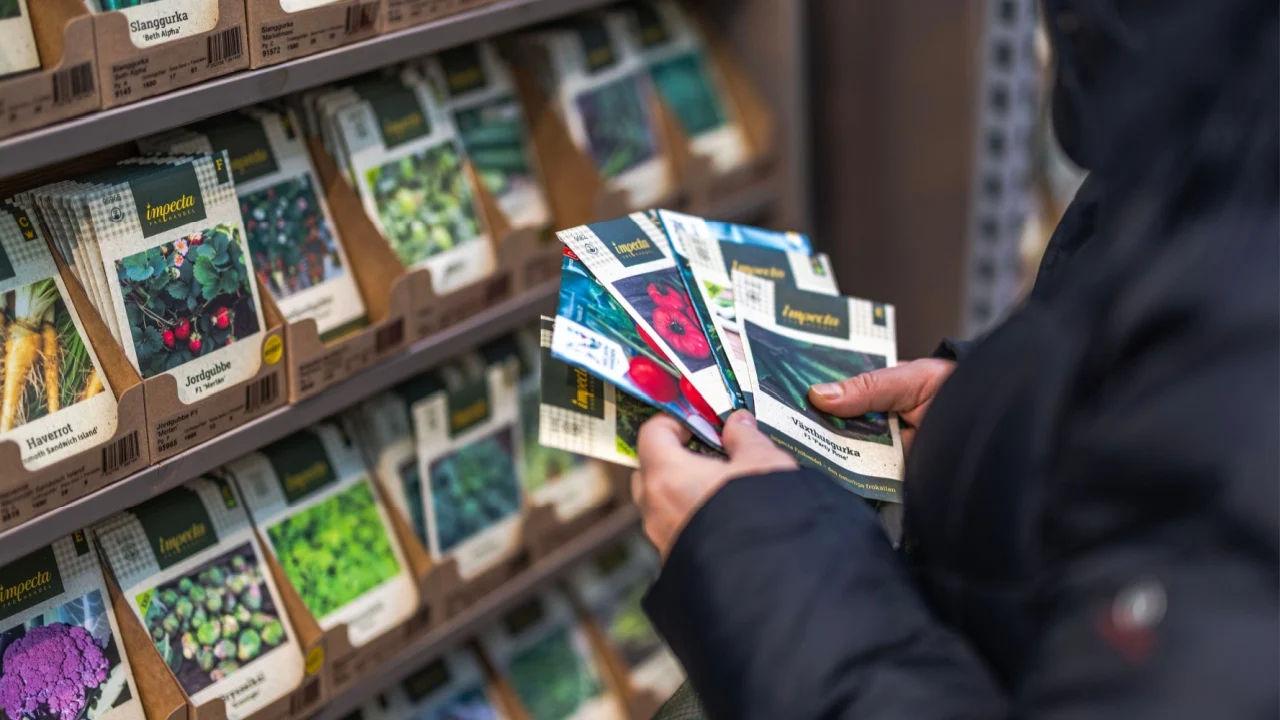
One gardener admitted to buying 50 varieties of heirloom tomatoes when they only had space for four plants. It sounds extreme, but seed packets are cheap and exciting, and that combination is dangerous for a beginner standing in a garden center with no plan.
The problem is that seeds still need to be started, thinned, labeled, and managed, and that workload scales fast when you’ve bought more varieties than your garden can realistically hold.
The smarter approach is to map out your actual planting space before buying a single packet. If you have room for four tomato plants, buy at most two or three varieties and get comfortable with those first.
2. All the Gear to Grow from Seed (When a Seedling Will Do)

Several beginners admitted they started with seeds because it felt like the right, frugal thing to do, only to watch most of their seedlings die after spending heavily on soil, grow lights, heat mats, and fertilizer.
Starting from seed makes financial sense once you have the setup already in place and know how to use it. For a first-year gardener with none of that infrastructure, buying healthy transplants from a local nursery removes a lot of risk.
You get a plant that’s already past the most fragile stage, and you can put that money toward learning the outdoor side of gardening before adding indoor seed starting into the mix.
3. Bulk Topsoil From an Unknown Vendor
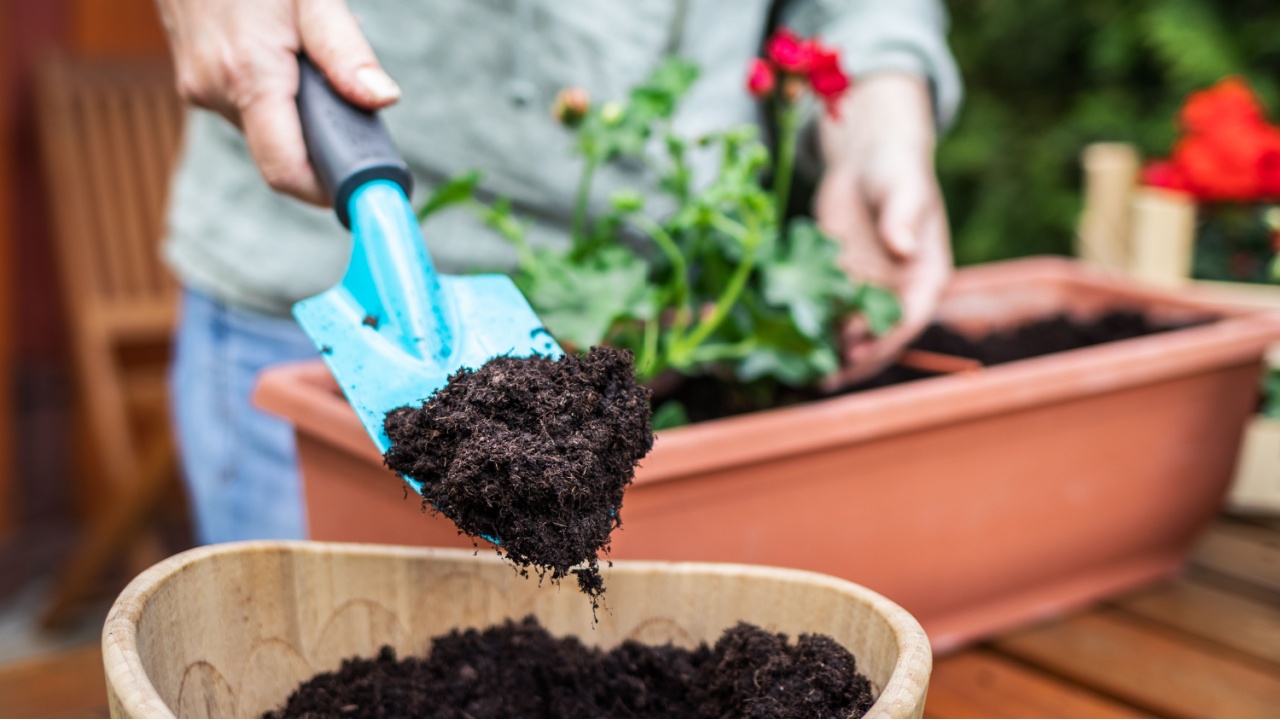
One experienced gardener shared a story that took five years to recover from. They ordered several cubic yards of topsoil from a vendor that appeared reputable, only to introduce aggressive, noxious weeds into their garden that persisted for years.
The soil also fell short nutritionally, meaning they paid a large amount for a product that caused more problems than it solved.
Buying soil in bulk is a reasonable move when you’re filling raised beds or amending a large area, but the source matters enormously. The safest option for beginners is bagged soil from a reputable brand where the contents are clearly listed.
If you do buy in bulk, ask the supplier for specifics on how the soil was processed and screened, and check local gardening groups for reviews before committing to a large order.
4. Peat Pots
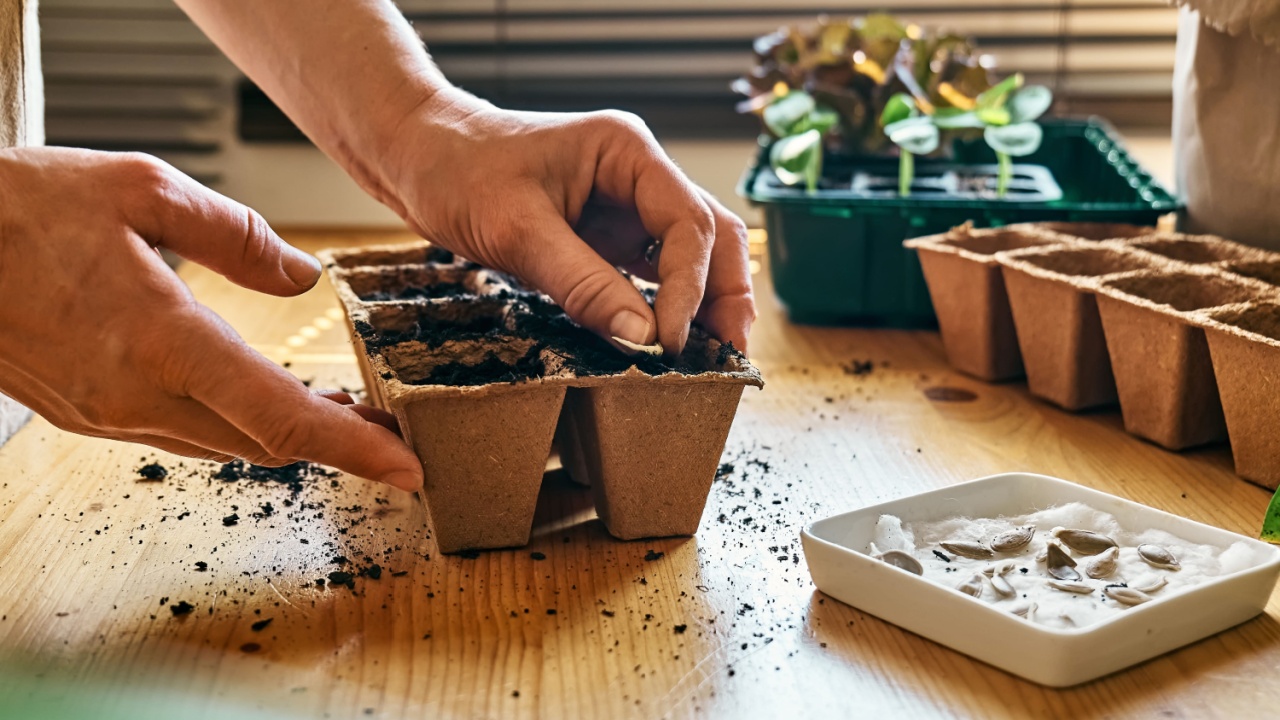
Peat pots seem like a brilliant idea on paper. You start seeds in them, then transplant the whole pot into the ground without disturbing the roots. In practice, many gardeners find that they don’t break down as promised, dry out unevenly, and that roots sometimes struggle to push through the walls.
One gardener bought 20 of them in their first year and still had 15 unused ones six years later.
The reusable alternatives are far more practical. Small plastic cell trays, silicone seedling molds, or soil blocks all make transplanting easier and don’t require you to buy new containers each season.
Peat pots have their advocates, but for most beginners, they add cost without adding enough benefit to justify the expense.
5. Budget Versions of Essential Gear
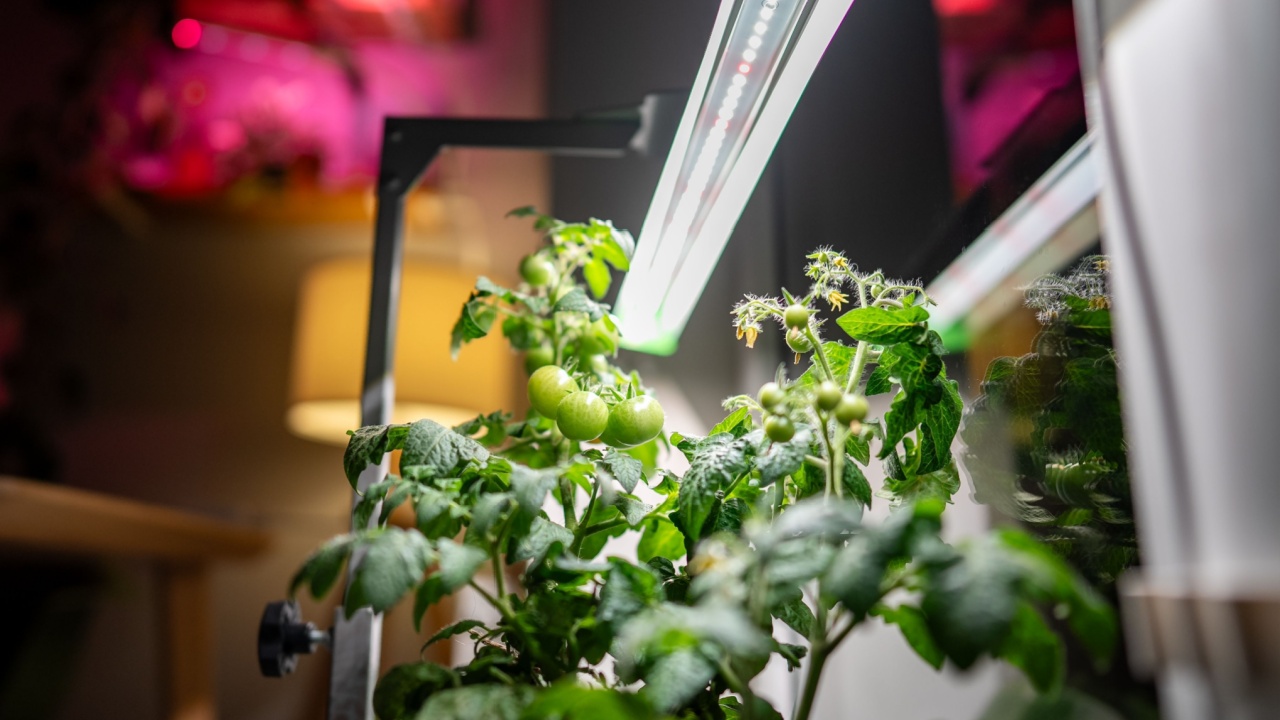
Multiple gardeners flagged this one, and it came up repeatedly in the thread. Cheap grow lights, flimsy heat mats, low-quality seed trays, and bargain drip irrigation lines tend to underperform in ways that lead to more costly repairs later.
In almost every case, the gardeners who went cheap ended up buying the better version anyway, meaning they paid twice.
This doesn’t mean you need to buy the most expensive option available. It means that for items you’ll use every season, mid-range quality is usually worth the upfront cost.
Grow lights, in particular, are worth researching carefully. A light that doesn’t deliver the right spectrum or intensity will produce weak, leggy seedlings regardless of how carefully you tend them.
6. Landscape Fabric
Landscape fabric is heavily marketed as a weed control solution, and it does suppress weeds initially. The problem arises when organic matter, such as mulch, compost, or fallen leaves, accumulates on top of it.
That layer breaks down into soil, and weeds begin growing in it just fine. Removing the fabric at that point is a significant and unpleasant job.
Several gardeners who used it expressed regret, not because it failed immediately, but because of the long-term complications it created.
A thick layer of wood chip mulch applied directly to bare soil does much of the same suppression work, breaks down to improve soil health, and doesn’t leave you wrestling with shredded plastic fabric two seasons later. It’s a case where the simpler solution outperforms the product sold to replace it.
7. Standard Tomato Cages for Indeterminate Varieties

The tomato cages sold in most garden centers are designed for small, determinate tomato varieties that grow to a fixed height and stop. Indeterminate tomatoes, which include most heirloom and widely popular varieties, keep growing all season and can easily reach five or six feet.
The standard cages collapse under that weight and provide almost no real support. One gardener was candid about this mistake, saying the failure was their own for not researching what type of tomatoes they were growing before buying support structures.
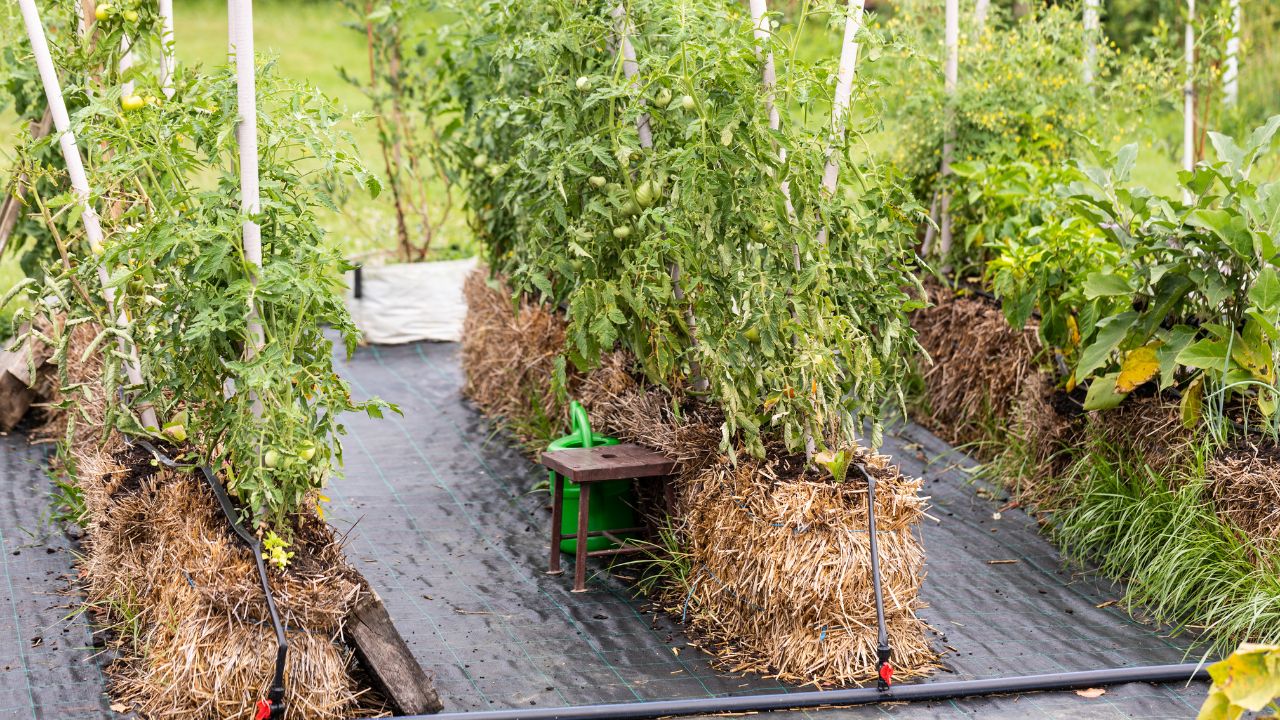
If you’re growing indeterminate varieties, the options that actually work are heavy-gauge wire cages you build yourself, sturdy wooden stakes, or the Florida weave method using posts and twine. Check the label on your tomato plant before buying any support structure.
Spend Less, Grow More
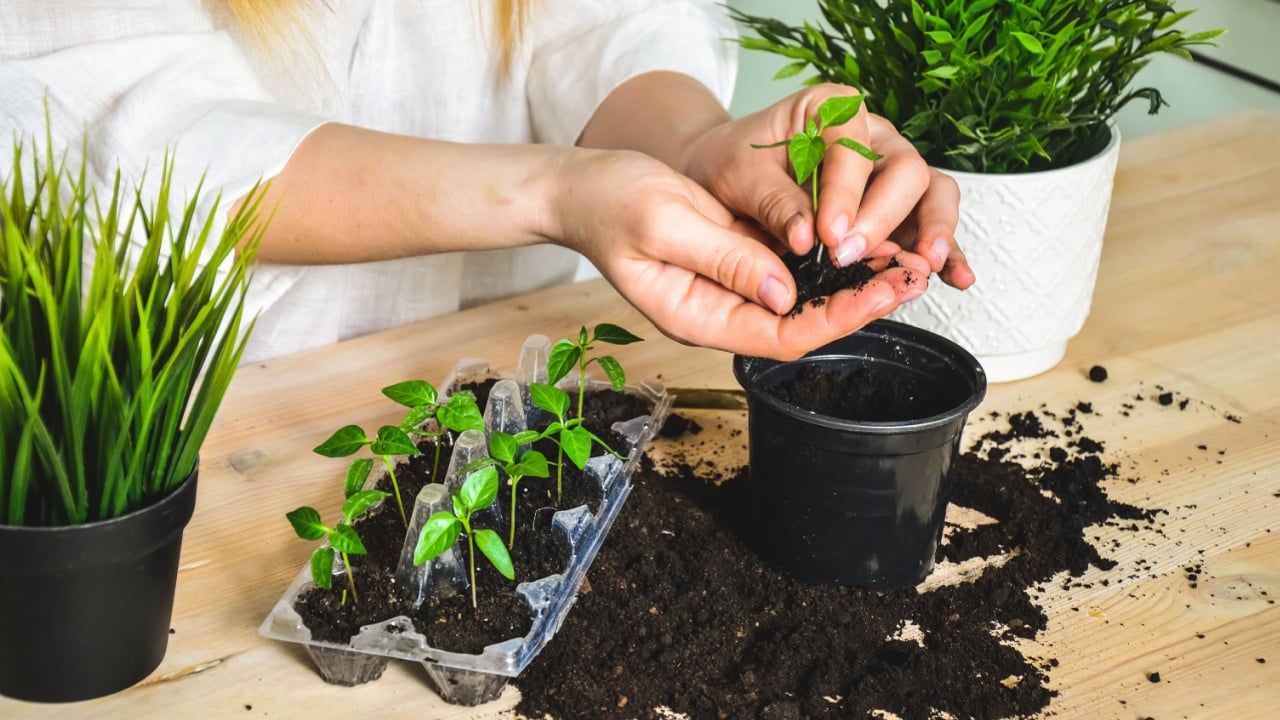
Every gardener on this list learned their lesson the hard way, but the common thread across all items is the same. The product that looks like a solution in the store doesn’t always behave like one in the garden.
The beginners who spend their first season wisely are usually the ones who ask someone who has already been through it before reaching for their wallet. Now you have seven places to start.
Read More:
Don’t Like Gardening But Do It Anyways? You’re Not Alone. Real People Share Why They Keep Going