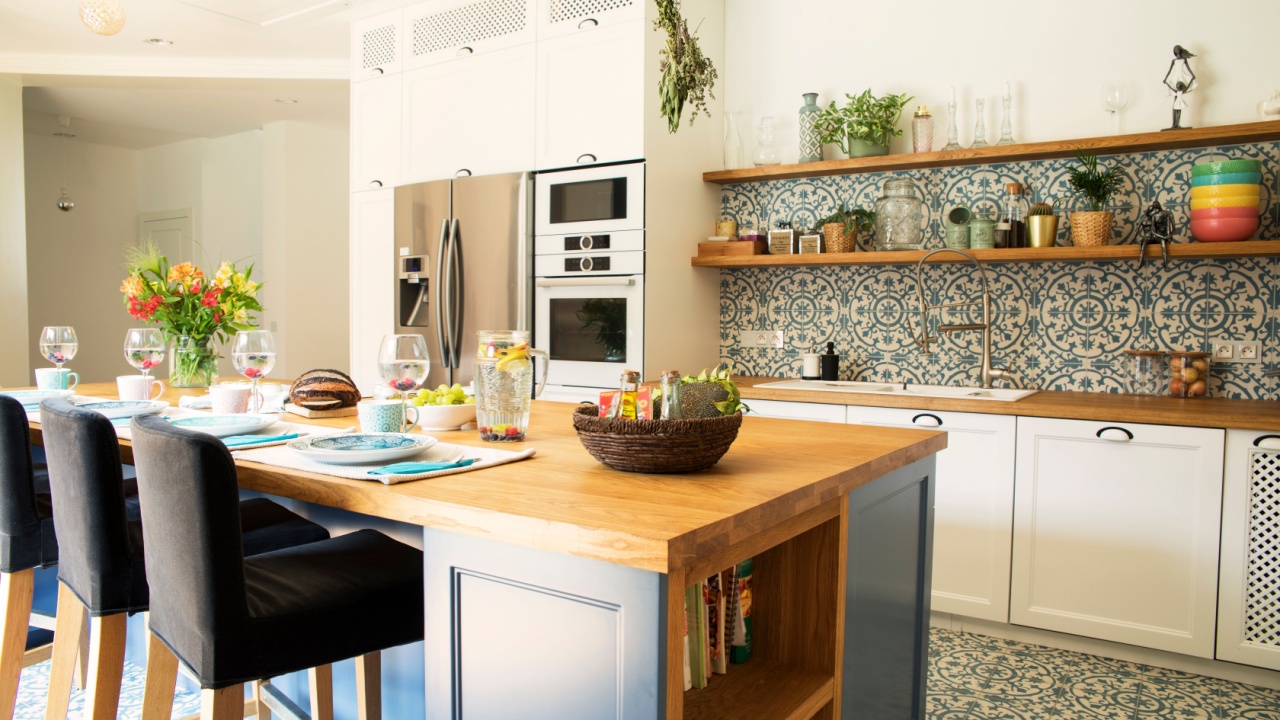
7 Kitchen Designs People Almost Always Regret
Designing a kitchen can feel like a balancing act. You want it to look great, but it still has to survive real life. Glossy magazines focus on style, yet day-to-day cooking and cleaning tell a different story. A kitchen that ignores how people actually move, cook, and clean can become a daily headache, no matter how aesthetically pleasing it looks.
These common design mistakes originate from homeowners and Reddit design threads, where people share what seemed perfect on paper but quickly fell apart once real life intervened.
1. Choosing Trendy Open Shelving
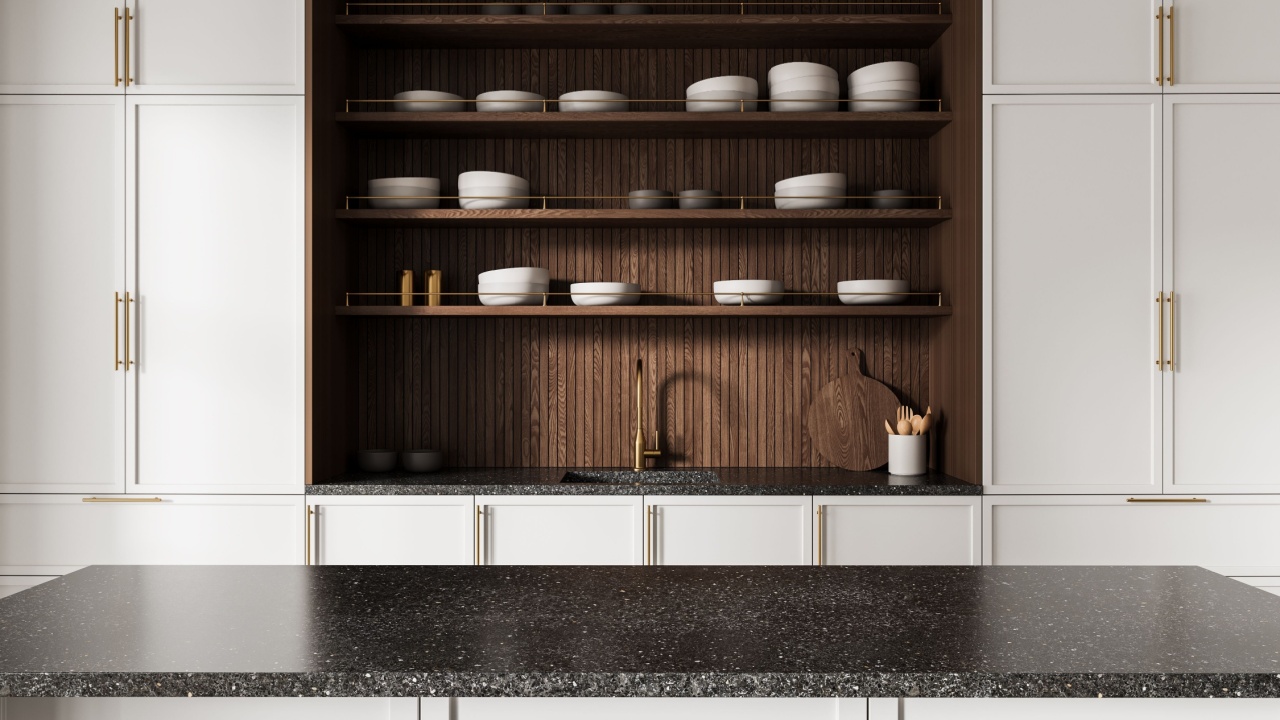
Open shelving remains a staple in modern design, but many homeowners regret trading upper cabinets for exposed planks. While it makes a small space feel larger, it requires constant maintenance. Dust and grease from cooking settle on every plate and glass, necessitating a wash before use.
Unless the kitchen serves as a minimalist showroom rather than a place for actual meal prep, the lack of hidden storage leads to cluttered counters. For those committed to this look, limit open shelves to areas far from the stove and use them for items in daily rotation to prevent dust buildup.
2. Installing High-Maintenance Countertops
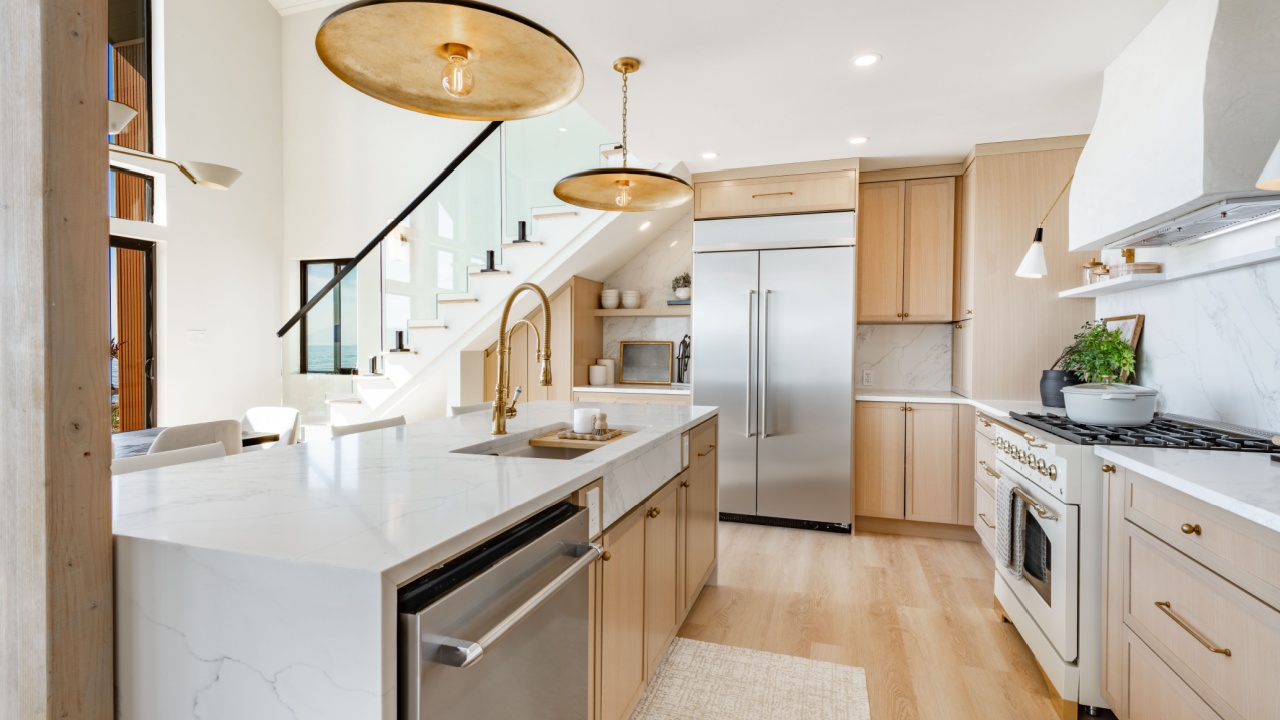
Natural marble and certain matte finishes are notorious for causing “buyer’s remorse.” Marble is porous, meaning a spilled glass of red wine or a drop of lemon juice can cause permanent staining or etching within minutes.
Many homeowners find themselves hovering over guests with coasters, which detracts from the enjoyment of the space. Consider quartz or high-quality porcelain instead. These materials provide the veining and beauty of natural stone without the requirement for annual sealing or the constant fear of spills.
3. Placing the Microwave Over the Range

The “OTR” microwave is a common space-saver that many people eventually come to dislike. It forces the microwave to act as the ventilation fan, which is rarely as powerful or quiet as a dedicated range hood.
Also, reaching over a hot stove to grab a heavy bowl of soup is a safety hazard, especially for shorter individuals or children. A better alternative is a microwave drawer in the lower cabinetry or a dedicated nook on a pantry shelf. This allows for a high-CFM vent hood that actually clears smoke and odors from the air.
4. Opting for All-White Everything

The stark white kitchen reached a peak of popularity that is now fading as owners realize the upkeep involved. Every crumb, pet hair, and coffee splash stands out against bright white floors and cabinets. Beyond the cleaning burden, an entirely white room can feel clinical and cold.
Integrating wood tones, textured backsplashes, or darker island cabinetry adds warmth and hides the inevitable wear of a busy household. If stuck with all-white, use colorful runners or rugs to catch debris and provide visual relief.
5. Overlooking Adequate Lighting
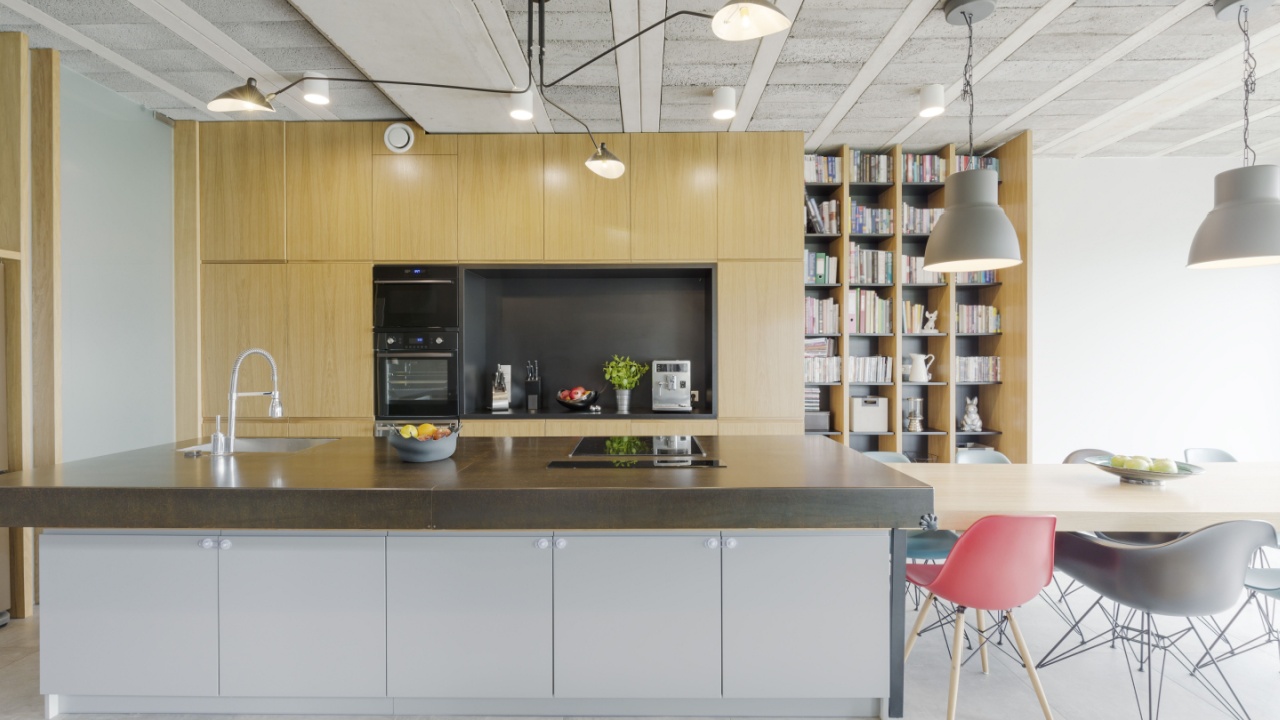
Relying solely on a few recessed ceiling lights is a recipe for a dim, shadow-filled workspace. Many regret not installing task lighting directly under the upper cabinets. Without it, the body casts a shadow over the countertop while chopping or reading recipes.
A successful kitchen requires a “layered” approach: ambient light for the room, task lighting for work surfaces, and accent lighting for style. Swapping standard switches for dimmers allows the room to transition from a bright workspace to a soft social environment.
6. Ignoring the “Work Triangle” Flow
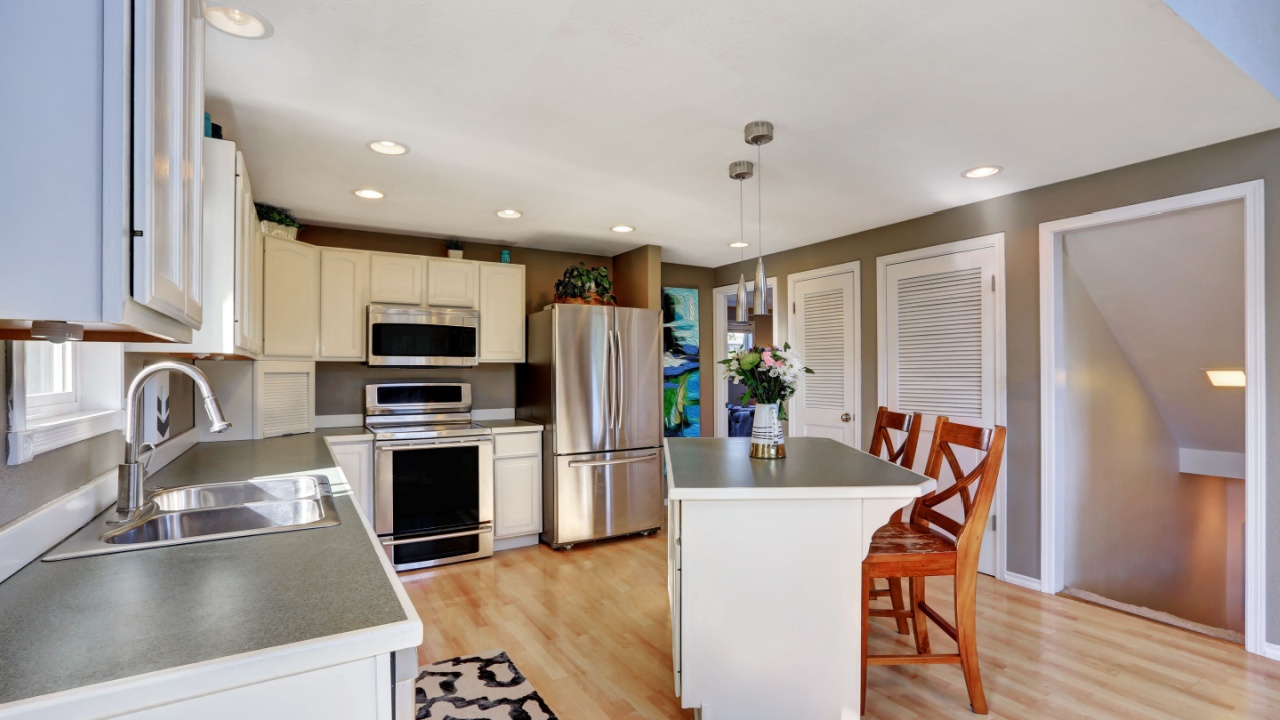
A common mistake in large kitchens is spreading the sink, stove, and refrigerator too far apart. If the path between these three points is blocked by a massive island or requires a long walk, the kitchen becomes exhausting to use.
Efficiency relies on a tight, unobstructed connection between these zones. Before finalizing a layout, physically walk through the motions of making a sandwich or boiling pasta to see if the movements feel natural. If the island is the obstacle, consider a smaller footprint or a “prep sink” to bridge the gap.
7. Selecting Deep Lower Cabinets Without Pull-Outs

Deep lower cabinets without pull-outs look fine until you have to use them every day. The back quickly turns into a dumping ground for forgotten pans and expired cans. Digging around on the floor to find a lid gets old fast. Many homeowners who chose doors over drawers end up regretting the loss of easy access.
If the cabinets are already in place, pulling out wire baskets or wooden sliders can fix most of the problem. For a new kitchen, large drawers for lower storage make life much easier since everything is visible at a glance.
Design for Real Life, Not the Showroom
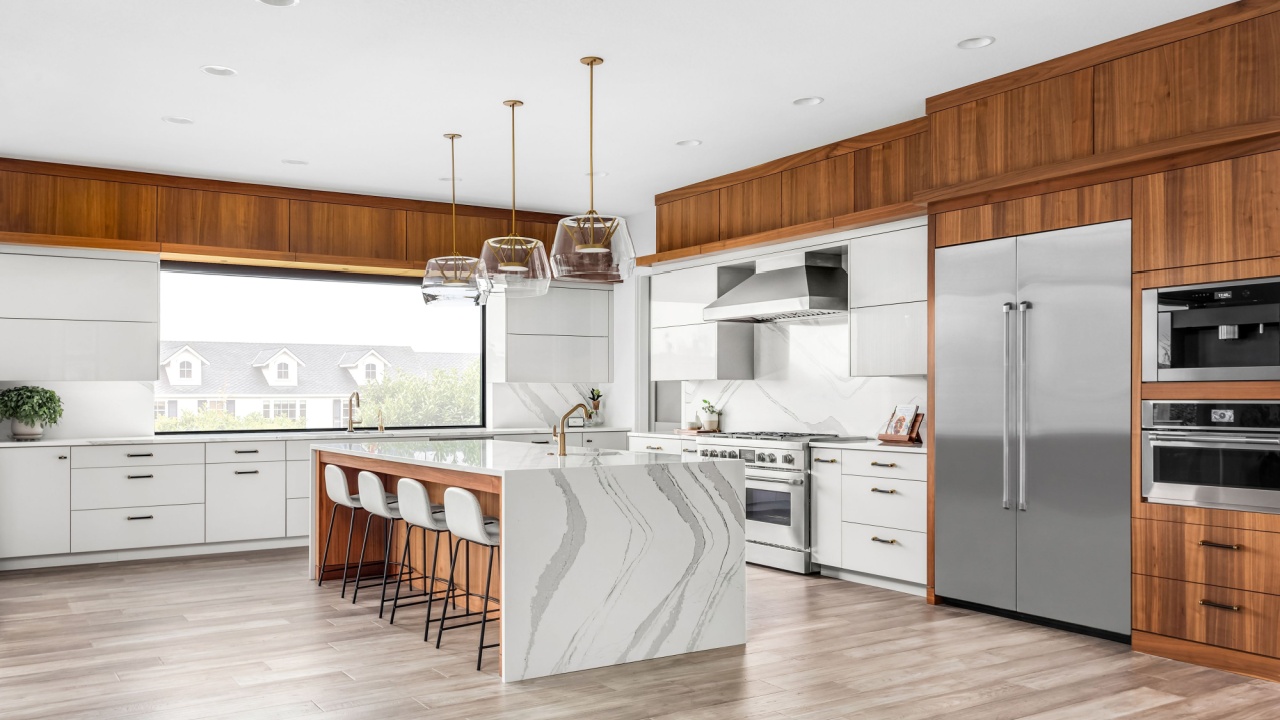
A successful kitchen comes from matching what you like with how you actually cook. Pay attention to what annoys you in your current setup. If you already dread hunting for pans, deep drawers should be a must in any update.
Before committing to finishes, bring home samples of flooring and counters and put them through real tests with oil and vinegar. Focus on the basics of the room first. Paint and hardware are easy to change later. Moving a sink or a gas line is not.