
62 Rare, Colorful Snakes Released Into the Wild in California Conservation First
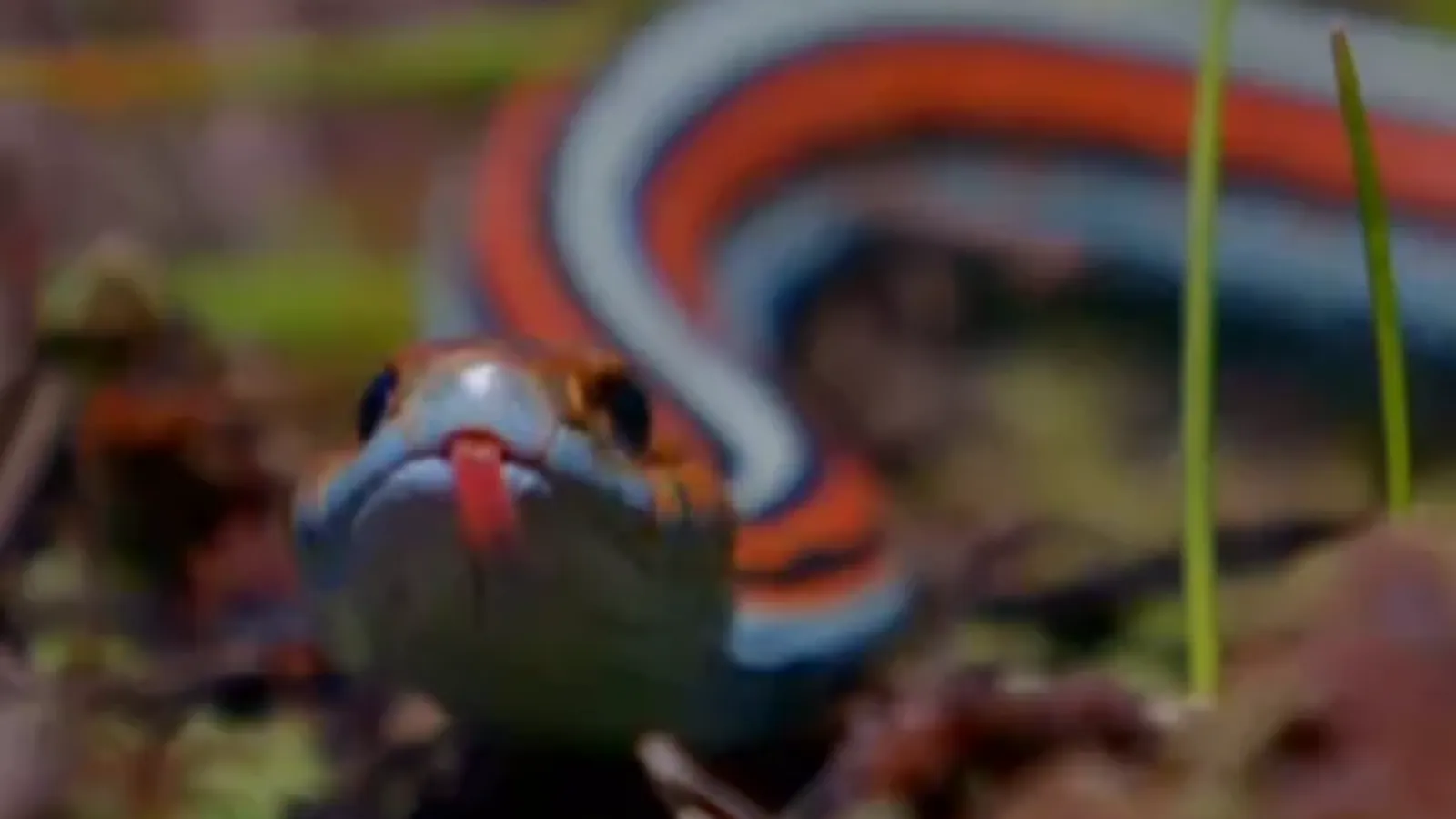
Boasting striking turquoise, red, and black markings, the San Francisco garter snake looks too colorful to be real. This remarkable reptile, however, is real and is also among America’s rarest—and its future has been uncertain for decades.
Now, 62 young snakes have been given a chance to thrive in the California wilderness after spending their earliest months growing up under the watchful eyes of conservationists at the San Francisco Zoo.
The reptiles were released at multiple locations in San Mateo County this fall as part of the first successful release from a special breeding and rearing program. Scientists hope the youngsters will eventually help replenish wild populations that have dwindled to just a few thousand individuals.
In a Nov. 10 announcement, San Francisco Zoo & Gardens recounted the initiative. Their efforts brought together wildlife agencies, researchers and conservation groups to give the endangered species a fighting chance.
Giving a New Generation a Head Start
Embedded media follows. Please allow a moment for it to load.
For the first time, San Francisco garter snakes, raised through a collaborative head-starting conservation program, have been released into the wild, marking a major milestone in a decades-long effort to bring one of the region’s most endangered – and most beautiful – reptiles back from the brink of extinction. The vibrantly colorful San Francisco garter snake is found only in San Mateo County and a small portion of Santa Cruz County, and nowhere else on earth.
This week, we joined our conservation partners — Midpeninsula Regional Open Space, U.S. Geological Survey, National Park Service/Golden Gate National Recreation Area, U.S. Fish and Wildlife Service, California Department of Fish and Wildlife, Golden Gate National Parks Conservancy and San Francisco Recreation and Park Department — to announce the successful rearing and release of 62 young San Francisco garter snakes into multiple sites in San Mateo County.
All 62 snakes were born to wild, gravid females collected last year and were hand-reared at the Zoo until they were big enough to better withstand the challenges of life in the wild. This head-starting approach gives the young snakes a higher likelihood of surviving post-release, helping to support the recover of populations where numbers and genetic diversity have declined.
Together, the partners combined scientific research, habitat protection and restoration and hands-on animal care to help secure a future for this remarkable species. The species was among the first protected by the federal Endangered Species Act and also appeared on the U.S. Fish and Wildlife Service’s first endangered species list in 1967. Nearly 60 years later, only a couple thousand individuals are estimated to remain in the wild.
.
This project represents the first successful head-starting program for San Francisco garter snakes. To celebrate the successful releases that took place this fall, partner biologists and representatives gathered at the Zoo to see the next generation of head-started snakes: 130 were born at the Zoo this past July and will be released into the wild in 2027. The long term goal of the program is to build healthy, genetically diverse, resilient populations so that ultimately, the species can recover to the point where it can be removed from the endangered species list— San Francisco Zoo & Gardens (@sfzoo) November 11, 2026
Despite its name, the San Francisco garter snake actually exclusively calls San Mateo County home, along with a small portion of neighboring Santa Cruz County. Its preferred habitat includes coastal grasslands and ponds, where it hunts frogs and other small aquatic animals.
Perhaps its most unusual favorite snack is called the California newt, a creature so toxic that many other predators are utterly unable to safely eat it. In contrast to other creatures, the garter snake has developed resistance to the newt’s poison, as reported by KQED.
While the reptile catches a bit of a break competing for food, unfortunately, the snake’s specialized habitat has suffered from development and environmental changes. The species was placed on the federal endangered list in 1967, and generations of conservation work have struggled to reverse its decline.
In 2025, researchers from the U.S. Geological Survey collected pregnant females from a healthy population and brought them to the San Francisco Zoo. After the mothers gave birth, they were returned to their original habitat. Their babies stayed at the zoo, where conservationists cared for them until they had grown large enough to stand a better chance of surviving in the wild.
A Carefully Planned Return to the Wild
Releasing the young snakes is a far more nuanced, precise process than just marching outside and finding suitable patches of wilderness.
Each underwent genetic testing so conservationists could determine where it might contribute most effectively to struggling populations.
About one-third went back to the area their mothers called home. The others were introduced to existing populations that needed greater genetic diversity; the idea was that this would potentially improve their chances of producing healthy offspring in the years ahead.
The exact release sites are being kept secret to protect the reptiles from illegal collectors and other dangers. Unfortunately, recovery is still far from guaranteed; according to the U.S. Fish and Wildlife Service, the species remains federally endangered, and conservationists will need to monitor the newcomers to learn how well they survive.
Even so, the zoo is already readying to handle yet another round. More than 130 additional baby garter snakes were born there in 2026, and researchers plan to release them in 2027. Scientists will use the results from both groups to measure whether the program is successfully rebuilding the wild populations of one of California’s most extraordinary, colorful critters.


